Experts Matter. Find Yours.
Connect for media, speaking, professional opportunities & more.

Downsizing: The Biggest Retirement Myth We Keep Repeating
I have a friend who announced she was downsizing the way some people announce a move to Tuscany. Lightness. Optimism. A touch of smugness. Six months later, she called me from her condo and whispered, “Sue… I think I bought a very expensive closet with a concierge.” Welcome to downsizing, the most celebrated, most recommended, and most wildly misunderstood retirement strategy in Canada. Like most things that sound simple, it works beautifully until you look a little closer. I spent a decade in the reverse mortgage industry watching this play out. Clients would come in — smart, capable, financially savvy people — who had spent years being told their retirement plan was simple: sell the big house, buy something smaller, pocket the difference, and ride off into the sunset. Many of them were sitting across from me because that plan had not worked the way anyone promised. The advice was decades old. Their lives were not. Two Retirees. Same Strategy. Completely Different Outcomes. Let me introduce you to Carol and Robert, whose stories say everything. Carol did everything right. She sold her long-time home, bought a sleek condo, freed up some equity, and checked every box on the “responsible retirement” list. On paper, it was a perfect move. In practice, she lost her community, her routines, her doctor, and a piece of her identity. She found herself sitting in a condo surrounded by unpacked boxes, wondering how a smart financial decision could feel so much like a personal loss. Robert also did everything right, but his story unfolded differently. He sold his home, moved closer to family, bought something smaller, and banked a meaningful sum. What he gained had very little to do with the numbers. He gained connection, belonging, and a life that felt fuller, not smaller. The strategy was identical. The outcomes were not. That is the uncomfortable truth about downsizing. It is not a formula. It is a life decision disguised as a financial one. The Downsizing Math People Love to Quote For decades, downsizing earned its reputation honestly. Retirement was shorter, often fifteen to twenty years. Pensions were stable. Housing was affordable. Families lived closer together. Selling your home and buying something smaller freed up real capital and meaningfully cut expenses. It was practical, logical, and often the right call. Fast forward to today, and almost none of those conditions still apply. Retirement now runs twenty-five to thirty-five years — a span longer than most people’s careers were when this advice was invented. Defined benefit pensions have largely become a public sector privilege. In the 1970s, 90% of private-sector workers with a workplace pension had a defined-benefit plan. Today, that figure has dropped to roughly 40%, and that’s only among the shrinking share who have any pension plan at all (Canadian Centre for Policy Alternatives, 2025). Housing prices have surged far beyond income growth. Real estate now accounts for over half of household wealth in Canada. Meanwhile, according to Statistics Canada, the average Canadian at sixty-five has approximately $272,000 in retirement savings, while estimates for a comfortable retirement often exceed $1 million. That is not a gap. That is a canyon. This gap turned the family home into something it was never designed to be. Not just a place to live, but a retirement plan. And once that shift happened, we collectively made a convenient assumption: the only way to access that wealth is to sell the house. That assumption is where things begin to unravel. The four assumptions that made downsizing work are no longer as reliable as they once were. 1. Smaller homes are cheaper. In many markets, the opposite is true. Smaller properties often command higher prices per square foot, and retirees now compete with first-time buyers and investors for the same limited inventory. That charming condo may cost nearly as much as the house you just sold. 2. Selling releases meaningful capital. Transaction costs alone can consume eight to twelve percent of the home’s value. Commissions, legal fees, land transfer taxes, moving costs, repairs. What looks like a windfall on paper can shrink dramatically before you ever see the money. 3. New home costs will be lower and more predictable. Condo fees, special assessments, and rising insurance costs tend to quietly escalate. What was supposed to simplify your financial life can quietly complicate it. 4. The process is straightforward. Market timing plays a much larger role than most people realize. Selling in a soft market while buying in a strong one can erode value on both sides. Downsizing is not just a financial decision. It is a transaction with real timing risk. When all four of these assumptions weaken at once, the outcome can be very different from what was promised. And yet, despite the evidence, the advice has not changed. We still tell people to “just downsize,” as though the calendar hasn’t moved since 1987. Nostalgia is not a strategy. The Part Nobody Puts in the Spreadsheet Here is what the financial projections consistently leave out: the emotional weight of this decision is enormous, and most people dramatically underestimate it. We are not talking about a slight reluctance to pack boxes. We are talking about the deep, visceral human attachment to home. The place where you raised your kids, hosted Thanksgiving, walked the dog, and knew every creak in every floorboard. The urge to age in place is powerful, primal, and not remotely irrational. And when we dismiss it with a spreadsheet, we are not being helpful. We are being reckless. And here is the harder truth: to make the numbers actually work, people often need to move two or three hours away into smaller communities where housing is genuinely cheaper. That means leaving your neighbourhood, your friends, your church, your yoga class, your doctor of twenty years, and your very carefully curated hairdresser. (Finding a new hairdresser in a rural town? That is not a life transition. That is a medical emergency.) Re-establishing a full support network in an unfamiliar community is daunting and exhausting work for anyone at any age. It often requires the senior to resume regular driving, something many are quietly hoping to scale back. And then there is healthcare. Access to specialists, familiar family physicians, and hospital services is non-negotiable for most people over sixty-five. It does not figure neatly into a spreadsheet, but it absolutely figures into the decision. I have never once met a senior who said, “You know what, I’m really glad I had to find a new GP at 72.” The urge to stay put almost always wins. Here is something worth sitting with: every older person knows what it is like to be young, but no young person knows what it is like to be old. That asymmetry matters enormously in this conversation. A well-meaning adult child running scenarios on a laptop has never felt the specific, irreplaceable comfort of a neighbourhood they have lived in for thirty years. Really listening — not just problem-solving — can bridge that gap. Because retirement is a family affair. And the families who navigate it best are the ones where everyone feels heard before anyone pulls out a spreadsheet. The Conversation That Actually Needs to Happen Financing retirement is not a binary choice. Downsize or don’t. That framing does everyone a disservice, and spoiler alert: the senior will almost always choose not to downsize. The real question is what happens next, because “stay put and hope for the best” is not a retirement plan. It’s a wish. The more useful conversation is about how to create cash flow while staying put. And that conversation is a minefield if you are not prepared. Here is the first obstacle: suggesting any kind of loan to finance retirement is a spectacular lead balloon. These are people who spent forty years lecturing their kids to pay off their mortgages and eliminate debt. Debt is the villain in their financial story. It is a bug, not a feature. So when you walk in and suggest that borrowing against their home might be the solution, their internal switchboard immediately puts that call on permanent hold. And if you mention a reverse mortgage? The Cybertruck of mortgages. The product everyone has an opinion about and almost no one fully understands. You will get one of two responses: the “talk to the hand” or the look usually reserved for the person who reheats leftover fish in the office microwave. Is some of that resistance rational? Absolutely. But is some of it just fear in a hat — old anxiety dressed up as financial principle? Also yes. This is why the key is to ask, not tell. The moment you lead with a product, you’ve lost the room. Lead with questions instead: • What are your actual cash flow needs? • How are you planning to meet them? • Are you carrying debt that is quietly strangling your monthly budget? • Do you need a lump sum, or do you need more reliable monthly income? The answers look very different, and they lead to very different solutions. If the goal is to free up monthly cash flow, paying off high-interest debt using home equity may deliver an immediate and meaningful result. A home equity line of credit can do that cleanly. If the goal is ongoing income, a reverse mortgage can provide tax-free monthly payments or a lump sum without requiring a move or a monthly repayment. If there is room on the property, a secondary suite or an addition can generate rental income and potentially add long-term value. For those comfortable thinking a few steps ahead, using a reverse mortgage or HELOC to purchase an annuity or a small rental property creates a stream of sustainable income that has nothing to do with square footage. None of these options shows up in the standard “should I downsize?” conversation. They should. The biggest financial mistake most retirees make is not the decision they choose. It’s the options they were never shown. Back to Carol and Robert Their outcomes were not the result of luck or timing. They were the result of alignment. Robert moved toward what he wanted. Carol moved away from what she felt she should. One decision created a sense of expansion. The other created a sense of loss. No spreadsheet captures that distinction. But it is the distinction that matters most. Downsizing is neither inherently good nor bad. It is simply a tool. When it is driven by clear goals, realistic assumptions, and an honest accounting of both the financial and emotional realities, it can be genuinely transformative. When it is driven by habit, pressure, or advice that stopped aging well some time ago, it tends to lead somewhere Carol knows well. So before you follow the script, pause long enough to ask a different question. Not “Should I downsize?” but “What do I actually need, and what are all the ways I can get there?” Retirement is not about having less space. It is about having more life. The right strategy is the one that gets you there without sacrificing everything that makes life worth living in the first place. Your community. Your doctor. Your Sunday routine. Your hairdresser who finally knows exactly what you mean by “just a trim.” Downsizing is a tool. Like a hammer. Enormously useful when you actually need a hammer. Spectacularly unhelpful when what you really need is a different plan. The goal was never to end up with less. It was to end up with enough. Ask better questions. You’ll get better answers. And maybe keep your hairdresser’s number. Sue Don’t Retire…Re-Wire!!! My Book is Now Available for Pre-Order I hope you will consider pre-ordering a copy of Your Retirement Reset for you, a friend, or a loved one. It will be on store shelves on September 8, 2026 - You can now order on the ECW Press site here. And if you love supporting Canadian booksellers, please also check with your local independent bookstore.


ChristianaCare Advances New Health Campus in Camden, Delaware to Close Care Gaps
ChristianaCare has taken another major step to expand access to high quality care across Delaware by submitting a Notice of Intent to the Delaware Health Resources Board to develop a new health campus in Camden. Like the Georgetown campus announced in February, the proposed campus will include a health center and a neighborhood hospital and is part of the $865 million statewide commitment announced last July. “For many people in central Delaware, getting timely emergency or specialty care can still mean long drives or long waits,” said Janice E. Nevin, M.D., MPH, president and CEO of ChristianaCare. “We are investing in facilities that bring care closer to where people live. This campus reflects our commitment to ensuring every Delawarean, no matter their ZIP code, can count on timely, compassionate, high-quality care close to home.” Closing Care Gaps in Central and Southern Delaware The approximately 38,000‑square‑foot Camden campus will be located on the west side of Route 13, just south of Lochmeath Way. It is expected to open in late 2028 or early 2029 and will bring primary care, specialty care and outpatient services together in one location, supported by eight emergency department beds and eight inpatient beds. The project will create 83 new jobs for the community, including 60 positions at the neighborhood hospital and 23 at the health center. Kent and Sussex counties are both designated as Medically Underserved Areas by the Health Resources and Services Administration. At the same time, the region is growing quickly. By 2030, the population in central and southern Delaware is expected to increase by 8 percent, with residents aged 65 and older growing even faster, by 22 percent. Shortages in primary care, behavioral health and specialty services have forced many residents to travel long distances for care. The Camden campus will help change that by bringing essential services closer to home. Expanding Capacity on a Strong Foundation The Camden campus represents a $58.1 million investment and reflects ChristianaCare’s focus on access, coordination and community need. ChristianaCare already provides a broad range of services in Kent County, including primary care, specialty care, behavioral health, rehabilitation, home health, hospice and virtual care. The Camden campus will build on this foundation by increasing capacity and making care more convenient as demand grows. Partnering to Deliver Care Close to Home ChristianaCare is partnering with Emerus Holdings, Inc. on the neighborhood hospital component. Emerus is the nation’s leading developer of this model, with 49 acute care facilities across the country. “Communities are stronger when people can depend on care close to home,” said Vic Schmerbeck, CEO of Emerus Holdings, Inc. “We are proud to partner with ChristianaCare to deliver a neighborhood hospital that provides high quality care in a setting designed around the needs of the community.” Growing Access Across the Region The ChristianaCare Georgetown campus is planned for 20769 DuPont Boulevard at an estimated cost of $65.1 million. ChristianaCare is also expanding this innovative care model beyond Delaware. In July 2025, the system opened a neighborhood hospital at its West Grove Campus in southern Chester County, Pennsylvania. Additional campuses are planned in Springfield and Aston in Delaware County, Pennsylvania.


Union Hospital Earns Healthgrades 2026 Patient Safety Excellence Award for Second Consecutive Year
Union Hospital has once again been ranked among the top 10% of hospitals nationwide, earning the 2026 Healthgrades Patient Safety Excellence Award™ for the second year in a row. In a landscape where many hospitals struggle to maintain consistency, Union Hospital is delivering a sustained streak of high reliability, driven by disciplined safety practices and a culture that puts patient protection first. Campus president Joan Pirrung captures it well: “Our caregivers are relentless about safety. Achieving this honor two years in a row shows the unwavering commitment they bring to every patient, every day.” At the heart of this repeat achievement is a team of caregivers who’ve built a culture where safety isn’t a program—it’s a daily practice. If you’re interested in the story behind these results, I can connect you with campus president Joan Pirrung for additional insight or interviews.

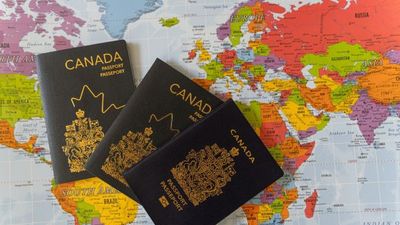
Manitobans are still eager to travel, but how and where they’re going is changing, and so are the risks they may not see coming. New survey findings released as part of CAA Manitoba’s Travel Wise Week show a clear shift toward staying closer to home. Sixty per cent of Manitobans prefer travelling within Canada, while just 20 per cent are planning a trip to the United States. Global uncertainty, rising costs, and changing perceptions about international destinations are influencing those decisions. “We’re seeing more Manitobans choosing Canada because it feels familiar and safe,” said Susan Postma, Regional Manager, CAA Manitoba. “But that sense of comfort can lead people to underestimate the financial risks that can still come with travelling, even within our own borders.” Staying in Canada and Leaving Coverage Behind While Canadians feel confident travelling within their own country, many assume “home turf” means low risk. This misconception leaves millions exposed to unexpected costs when trips don’t go as planned. The survey found that 64 per cent of Canadians did not have travel insurance for their most recent trip within Canada. Provincial health coverage often provides only limited protection when travelling outside your home province, and in some cases, does not cover services such as air ambulances, extended hospital stays, or trip interruption costs. Recent media stories have highlighted Canadians facing unexpected medical bills, emergency transportation costs, or sudden trip changes, all during trips that never left the country. “People are often surprised to learn how quickly expenses can add up if something goes wrong,” says Postma. “A simple injury on a hiking trail or a family emergency back home can turn a short trip into a major financial stress.” With recent geopolitical incidents in Cuba, Mexico and the Middle East, CAA’s Travel Wise Campaign is focused on helping Canadians understand risk, avoid misinformation, and make decisions grounded in facts rather than fear or speculation. Here are some tips: Understand what an “avoid non-essential travel” advisory really means: Travel advisories reflect real-time safety risks, and an “avoid non-essential travel” signal indicates rapidly changing conditions that may change quickly, and support may be limited. Know that advisories can affect your insurance and your exit options: Travelling against government advice can limit your travel insurance, including medical care or emergency evacuation. Coverage must be in place before conditions deteriorate. Flexibility is essential; review cancellation and change policies now: Travellers should proactively confirm cancellation deadlines, refund eligibility, rebooking options for all reservations and understand the limits of credit card protections, employee benefits, and pension coverage benefits. Stay connected to Canada while abroad: Canadians should monitor official updates from Global Affairs Canada and register with the Registration of Canadians Abroad service before departure or while on location if something arises. Rely on reputable sources and be cautious of misinformation online: Canadians should rely on official government sources, established travel organizations, and verified news outlets for travel guidance. Additionally, the CAA Air Passenger Help Guide helps you understand your rights when faced with common flight disruptions, such as delayed or cancelled flights or lost bags. The guide can be found at CAA.ca/AirPassengerHelpGuide. For more information on travel insurance and how to stay protected, visit www.caamanitoba.com/travelwise The online survey was conducted by DIG Insights from September 29 – October 8, 2025, with 2,0210 Canadian travellers aged 25 to 64 who have travelled outside their province of residence in the past three years and plan to travel again in the next five years, out of which 137 travellers were from Manitoba or Saskatchewan. Based on the sample size of n=2,021 and with a confidence level of 95%, the margin of error for this research is +/- 2%.)



National Academy of Inventors welcomes five VCU College of Engineering researchers
The National Academy of Inventors (NAI) recently inducted five Virginia Commonwealth University (VCU) College of Engineering researchers as senior members. Chosen for their innovative engineering contributions, the honorees are recognized as visionary inventors whose groundbreaking research and patented technologies are driving meaningful societal and economic advancements across the national innovation landscape. “Invention represents the practical application of knowledge and stands as one of the many ways engineers can make a positive impact on their communities and the world,” said Azim Eskandarian, D.Sc, the Alice T. and William H. Goodwin Jr. Dean of the VCU College of Engineering. “This year’s honorees exemplify the interdisciplinary nature of our field, leveraging advanced concepts from mechanical, biomedical, chemical and pharmaceutical engineering to address today’s most pressing challenges. We are immensely proud that our dedicated researchers have earned recognition as members of the esteemed National Academy of Inventors.” The VCU College of Engineering NAI inductees are: Jayasimha Atulasimha, Ph.D. Engineering Foundation Professor Department of Mechanical & Nuclear Engineering An internationally recognized pioneer of straintronics, an approach to electrically control magnetism for ultra-low-energy computing, Atulasimha has made significant research contributions to next-generation memory, neuromorphic hardware and emerging quantum computing technologies. He holds four U.S. patents spanning energy-efficient magnetic memory, nanoscale computing architectures and medical tools. Atulasimha’s commercially viable inventions are funded by organizations like the Virginia Innovation Partnership Corporation and he leads multi-institutional collaborations that drive innovation in computing hardware, AI and quantum technologies with more than $10 million in funded research. Casey Grey, Ph.D. Postdoctoral Research Associate Department of Mechanical & Nuclear Engineering Bridging engineering and medicine, Grey’s work spans life‑saving stroke technologies, breakthrough respiratory and neurological care, and sustainable packaging. As a lead R&D scientist at WestRock, he helped create and commercialize the CanCollar® portfolio, a recyclable paperboard replacement for plastic beverage rings now used on five continents, eliminating thousands of tons of single‑use plastic annually. In medical device innovation, Grey’s patent and development work on a novel cyclic aspiration thrombectomy platform, currently in clinical trials, is advancing stroke treatment by enhancing clot removal efficiency and reducing long‑term disability. At the VCU College of engineering, Grey built a research and commercialization pipeline around neurological and respiratory technologies, securing eight provisional patents and leading multidisciplinary teams in neurology, neurosurgery, surgery, pharmacology and toxicology, internal medicine, and respiratory medicine. His work includes developing dry powder inhaler strategies for delivering life‑saving drugs to patients with acute respiratory distress syndrome (ARDS), a pediatric bubble CPAP system designed to protect brain development in premature infants, and non‑invasive, non‑pharmacological 40 Hz neuromodulation therapies to treat neurodegeneration and conditions with significant central nervous system complications, like sickle cell disease. In collaborations with the VCU Children’s Hospital and VCU Critical Care Hospital, Grey is leading two clinical studies that are translating these innovations to improve patient care. Ravi Hadimani, Ph.D. Associate Professor and Director of Biomagnetics Laboratory Department of Mechanical & Nuclear Engineering Hadimani founded RAM Phantoms LLC, a VCU startup company, commercializing anatomically accurate, MRI-derived brain phantoms for neuromodulation and neuroimaging applications. These brain phantoms help test and tune transcranial magnetic and deep brain stimulation technologies, improving clinical safety and enabling personalized therapy for patients. RAM Phantoms is also developing a highly-skilled workforce for employment in Virginia’s growing biomedical device industry. Beyond commercialization, Hadimani maintains a productive research program with more than $4.5 million in funding resulting in 125 original peer-reviewed publications, 17 current and pending patents, a book, and several book chapters. His biomagnetics lab serves as a training ground for undergraduate, graduate and Ph.D. students to hone their skills in innovation management, intellectual property strategy and startup development. Several students from Hadimani’s lab have engaged in translational research, patent co-authorship and start-up formation, cultivating a new generation of engineer-entrepreneurs equipped to drive future technological advances. Before joining VCU, Hadimani led the development of hybrid piezoelectric–photovoltaic materials that established FiberLec Inc., which commercialized multifunctional energy-harvesting fibers capable of converting solar, wind and vibrational energy into usable electricity. Worth Longest, Ph.D. Alice T. and William H. Goodwin, Jr. Distinguished Chair Department of Mechanical & Nuclear Engineering Uniting aerosol science, biomedical engineering and computational modeling, Longest is revolutionizing inhaled drug delivery. Working with collaborators, his lab has developed novel devices, formulations and delivery platforms that precisely target medications to the lungs, addressing conditions like cystic fibrosis, pneumonia, acute respiratory distress syndrome and neonatal respiratory distress syndrome. These innovations have resulted in multiple patents. Some of them have been licensed through commercial partnerships like Quench Medical, an organization advancing inhaled therapies for applications like lung cancer. Collaborating with the Gates Foundation and the lab of Michael Hindle, Ph.D., from the VCU Department of Pharmaceutics, Longest’s team developed a low-cost, high-efficacy aerosol surfactant therapy for pre-term infants based entirely on technology developed at VCU. The invention eliminates intubation, reduces dosage by a factor of 10, and cuts treatment costs. Over 9 million infant lives are projected to be saved by this technology between 2030 and 2050. Through a long-term collaboration with the U.S. Food and Drug Administration, Longest’s in vitro and computational methods provide federal regulatory guidance for generic inhaled medications. The VCU mouth-throat airway models developed under his leadership are used globally across the pharmaceutical industry and in government laboratories. Hong Zhao, Ph.D. Associate Professor Department of Mechanical & Nuclear Engineering Zhao holds 40 patents with innovations spanning additive manufacturing, stretchable electronics, inkjet printing technologies and superoleophobic materials that repel oils, greases, and low-surface-tension liquids. Her research has applications across health care, sustainable energy and advanced manufacturing. Prior to joining the College of Engineering, Zhao served as a senior research scientist and project leader at the Xerox Research Center, where she developed high-performance materials and printing technologies for commercial deployment. Her industry experience makes Zhao’s lab a hub for innovation and mentorship, with students engaging in innovative research and co-authoring publications. Zhao is an invited reviewer for more than 50 premier journals and grant agencies. “Working with distinguished researchers and innovators like those inducted into the National Academy of Inventors is a great honor for me,” said Arvind Agarwal, Ph.D., chair of the Department of Mechanical & Nuclear Engineering and NAI fellow. “They are an inspiration and showcase the kind of impact engineers can make. Having all five of these innovators as part of our department amplifies the scientific richness of our college and its societal impact. They advance the college’s mission of Engineering for Humanity, with research that brings a positive change to our world.” The 2026 NAI class of senior members, composed of 231 emerging inventors from NAI’s member institutions, is the largest to date. Hailing from 82 NAI member institutions across the globe, they hold over 2,000 U.S. patents.





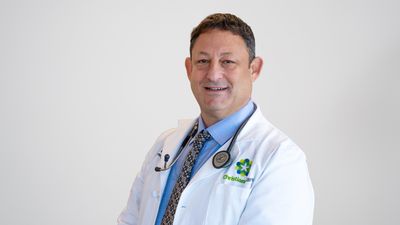
Brian Levine, M.D., Named Chief Academic Officer and Intellectual Property Administrator
ChristianaCare announced Feb. 12 the promotion of Brian Levine, M.D., to chief academic officer, along with his appointment as intellectual property administrator. He will also continue in his role as designated institutional official. As chief academic officer and leader of ChristianaCare’s Department of Academic Affairs, Levine oversees 38 residency and fellowship programs encompassing 315 residents and fellows, along with the education and training of students across the continuum of medical education. He leads the continued growth and strengthening of ChristianaCare’s undergraduate and graduate medical education infrastructure, ensuring that ChristianaCare continues to prepare physicians to care for our community well into the future. In addition, Levine oversees physician assistant education and allied health educational programming, supporting workforce development and long-term community health needs. As the largest academic medical center between Philadelphia and Baltimore, ChristianaCare has been a hub of academic excellence for over a century. ChristianaCare is one of the largest community-based teaching hospital systems in the United States. ChristianaCare also serves as the Delaware Branch Campus for Sidney Kimmel Medical College and the Philadelphia College of Osteopathic Medicine. This unique program allows medical students to complete their third and fourth years of clinical rotations exclusively at ChristianaCare, providing a clear pathway to launch their medical careers in Delaware. Each year, 55 students participate in the Branch Campus program, with many continuing into ChristianaCare’s highly sought-after residency programs and remaining in Delaware to serve local communities. ChristianaCare is a destination of choice for medical students and residents because of its strong patient-centered culture, reputation for excellence, and diversity of clinical experiences that include urban and suburban campuses with a wide range of pathologies. In his newly expanded role as intellectual property administrator, Levine manages and enforces ChristianaCare’s intellectual property policy, ensuring fair and consistent application in alignment with applicable laws and regulations. He also leads the multidisciplinary committee responsible for guiding organizational decisions related to intellectual property valuation, commercialization strategies and revenue distribution. Levine brings deep experience in academic medicine, health system education and scholarly publishing to these responsibilities. An emergency physician, he led the development of widely used clinical reference guides published by the Emergency Medicine Residents’ Association. These pocket-sized tools — covering topics such as antibiotic stewardship, orthopedic injury management, and EKG interpretation — are used by thousands of emergency medicine residents worldwide. Levine has held leadership roles at ChristianaCare for nearly two decades. Since 2018, he has served as associate chief academic officer and designated institutional official. Previously, he was program director of the Emergency Medicine Residency program from 2012 to 2018 and associate program director from 2006 to 2012. Levine is a clinical professor of Emergency Medicine at Sidney Kimmel Medical College at Thomas Jefferson University and previously served as associate medical director for the LifeNet aeromedical transport program. He earned his medical degree from the University of Vermont Larner College of Medicine and completed his emergency medicine residency at ChristianaCare.


ChristianaCare Plans to Build Health Campus in Georgetown, Delaware
At a time when there is uncertainty about the future of heath care in the U.S., ChristianaCare is doubling down on its investments to expand access to care in Delaware. As part of $865 million in new investments in Delaware over three years that ChristianaCare announced last July, ChristianaCare today submitted a Notice of Intent to the Delaware Health Resources Board to develop a new health campus in Georgetown. The proposed campus will bring more comprehensive care closer to home for residents of Sussex County, an area experiencing rapid population growth and long-standing gaps in access to essential health services. Designed to Meet the Needs of a Growing Community Similar to ChristianaCare’s West Grove Campus in southern Chester County, Pennsylvania, and its upcoming campuses in Springfield and Aston in Delaware County, the new campus will feature a health center offering primary care, specialty care, behavioral health and other outpatient services and a neighborhood hospital with eight emergency beds and eight inpatient beds. This facility is designed to make it easier for residents to receive timely, high-quality care in their own community. “Sussex county is home to a growing and aging population and is designated by the Health Resources & Services Administration (HRSA) as a Medically Underserved Area,” said Janice E. Nevin, M.D., MPH, president and CEO of ChristianaCare. “This new campus will help close gaps in access by bringing high-quality, equitable and more convenient care directly into the community that needs it most. Our goal is simple: ensure that every Delawarean can access the care they need, in the right place at the right time.” Expanding Access While Strengthening Regional Care This new ChristianaCare campus will add local outpatient care, emergency and inpatient care, creating a closer network of services connecting residents to advanced specialty care at ChristianaCare’s regional hospitals. ChristianaCare is partnering with Emerus Holdings, Inc. with respect to the neighborhood hospital component. Emerus is the nation’s leading developer of this care delivery model, partnering in the operation of more than 45 acute care facilities nationwide. This partnership reflects ChristianaCare’s commitment to bringing nationally recognized, high-quality care to Delaware. “We are proud to continue our partnership with ChristianaCare to bring sustainable, compassionate and high-quality health care to the residents of Sussex County,” said Vic Schmerbeck, CEO of Emerus Holdings Inc. “Together, we are building a next-generation model of care designed around the needs of the community—today and for the future.” The 42,000-square-foot Georgetown campus is expected to open in late 2028. The campus is planned for 20769 DuPont Boulevard in Georgetown. The campus is estimated to cost $65.1 million. Planning for Today’s Demand and Tomorrow’s Growth ChristianaCare already offers a range of services in Sussex County—including primary care, specialty care, virtual care and home health and hospice services. However, Sussex and Kent counties are projected to see an 8% population increase by 2030, with a significant rise in residents age 65 and older. As demand for emergency, primary and specialty care grows, this new campus is designed to make care more local, more connected and more responsive to community needs. In addition, ChristianaCare will continue to explore opportunities to expand access to care in other areas of Delaware, including in Kent County.

Baby, It's Cold Outside… And That's No Joke for Seniors
How cold is it? • It's so cold I saw a dog stuck to a fire hydrant. • It's so cold my words froze mid-air and my neighbour had to thaw them out to hear what I said. • It's so cold, I just saw a politician with his hands in his own pockets. Okay, I'm joking—but just a bit. Because while I enjoy a good cold-weather quip, hypothermia isn't funny. Currently, this severe Arctic blast is gripping Canada and large parts of the United States, dropping temperatures 20–40°F (11–22°C) below seasonal norms across a 2,000-mile stretch of North America. Nearly 80 million people are under winter storm warnings. Power outages are anticipated. Roads could be impassable. Travel is about as appealing as a root canal in a snowstorm. For many seniors on both sides of the border, this isn't just an inconvenience—it's a real safety risk. The Cold, Hard Stats (Brace Yourself) Looking at the research I couldn't believe what I found: Older adults are more than 5x as likely to die from hypothermia as younger adults (Kosatsky et al., 2015). In the U.S., approximately half of all hypothermia deaths are people over 65 according to data from the CDC. In Canada, adults over 75 are more than 5 times more likely to die from hypothermia than younger adults—and 87% of those deaths happen right in their own homes. (StatsCan Health Infobase ) Read that again. Slowly. Not on frozen lakes. Not stranded on highways. Instead, in familiar living rooms. Sitting on well-worn couches. Beneath afghans crocheted by someone who loved them. Why Your Body Becomes a Cold -Weather Traitor Our bodies change as we age, and not in the fun "I've earned every wrinkle" way. The insulating fat layer under the skin thins. Circulation slows. Metabolism drops like your interest in small talk. Certain medications—prescription and over-the-counter cold remedies—can interfere with temperature regulation and awareness. Your body's thermostat? It's on the fritz. Here's the math: Hypothermia doesn't require a blizzard. It can begin indoors when temperatures fall below 65°F / 18°C. And here's the truly dangerous part: hypothermia affects the brain first. Judgment declines before shivering becomes severe. You don't realize you're in trouble. You just feel "a bit chilly" while your core temperature quietly drops. Stop Acting Your Age! (But Also... Dress as if you know your age) I'm all for embracing life at every stage—hiking to Everest Base Camp at 60-something, teaching Zumba, and that MBA thing at 70, refusing to "act your age." But embracing life in this weather requires wisdom, not bravado. Cold weather brings real risks: • Slips and falls on icy surfaces (and no, we don't bounce like we used to) • Increased risk of heart attack and stroke because cold thickens the blood • Respiratory infections that linger far too long • Frostbite on fingers and toes • Hypothermia that clouds thinking before any alarms sound. The Indoor Survival Guide—Keep Up (Yes, You Can Get Hypothermia at Home) Set the thermostat to at least 68–70°F (20–21°C). This is not a time to be a miser. Heating bills can be expensive, but hospital stays are even more costly. And they don't even give you warm blankets anymore. Layer like a pro. This is not the time for fashion minimalism. Think: • Long underwear or thermal leggings • Pyjamas under clothes • Stockings or tights under pants • Two pairs of socks • Warm boots with good tread (essential for any outdoor ventures) • Shirts layered under sweaters When it's this cold, if you still own leg warmers—congratulations. Wear them. The warmth is worth the call from the '80s asking for them back. Hats indoors are permitted. This isn't a fashion show; it's survival style. You lose a lot of body heat through your head. Emulate your inner Elmer Fudd if you need to. Carbon monoxide alarms are essential & in many areas legally required. When temperatures drop, people get creative—and desperate. Space heaters, fireplaces, generators, kerosene heaters, or (please, dear God, don't) using gas ovens for heat. That last one is about as safe as texting while skydiving. And here's an important PSA: Starting January 1, 2026, Ontario's updated fire code mandates a functioning carbon monoxide alarm on every level of homes that have fuel-burning appliances. Remember to test alarms when you change your clocks for daylight saving time—it's easy to do, and not easy to forget. Block drafts like you're defending a castle. Roll towels under doors, seal windows, close unused rooms, open curtains during sunny days, and close them tightly at night. Check your medications. Ask your pharmacist or doctor if any prescriptions or over-the-counter remedies influence temperature regulation or alertness. Knowledge is power—and warmth. Check Food & Other Supplies. If venturing out feels risky, order groceries for delivery. Services like Voilà by Sobeys, Instacart, PC Express, and many local grocers deliver directly to your door. This isn't laziness—it's smart risk management. Most delivery services are free or inexpensive, especially when compared to the alternative: icy sidewalks, falls, broken hips, or getting stranded in extreme cold while wearing inadequate footwear because "it's just a quick trip." Clear Your Snow. Snow and ice hinder movement. Limited movement results in isolation. Isolation worsens depression and cognitive decline. Clear snow isn't just about safety—it's about dignity. Pro Tip: Protect Your Pipes (and Your Wallet). Winter power outages can mean burst pipes and serious water damage. If you expect a prolonged outage: • Know where your main water shut-off is • Turn it off • Open faucets to drain the lines It feels extreme—until it doesn't. Until you're standing in three inches of water at 2 a.m., wearing your emergency leg warmers. Know or Live Near an Older Adult? Here's Your Cold Weather Action Plan Don't ask if they need help—just do it. Clear the porch. Shovel a path. Salt the steps. Think of it as the winter cousin of snow angels: shovel angels. Be one! When people Are Shut In—Go check in with them. For those stuck indoors, reach out by video, not just text or voice. Seeing someone tells you far more than hearing "I'm fine." Use FaceTime, Zoom, WhatsApp, or Google Meet. Do this with older people you know. Because pride prevents people from asking for help. Shame prevents people from being honest—about empty fridges, sleeping in mittens, or wearing coats to bed. Look for these signs: • Confusion or slurred speech • Shivering—or lack of it (paradoxically dangerous) • Pale or bluish skin • Slow movements or lack of coordination • Extreme fatigue Know When to Call for Help If something feels off, err on the side of safety. In Canada: • Telehealth Ontario: 1-866-797-0000 • Quebec: 811 • Other provinces: Know your local health line If you notice any signs of distress—confusion, chest pain, shortness of breath, severe cold exposure—or if you're unsure, call 911. Cold-related emergencies escalate rapidly. The Culture Shift We Need—Right Now Cold snaps reveal faults in our systems and communities. This is the time to foster a check-in culture: a call, a knock, a cleared walkway, groceries dropped at the door. Preparation matters. Connection matters more. Winter is temporary. The habits we build to take care of one another are not. Be cool—and stay warm out there, friends. Sue Don’t Retire… Rewire! What are your best winter safety tips? Share them—because staying warm is better when we do it together. Want more of this? Subscribe for weekly doses of retirement reality—no golf-cart clichés, no sunset stock photos, just straight talk about staying Hip, Fit & Financially Free.
UF professor to expand proven disease-prediction dashboard to monitor Gulf threats
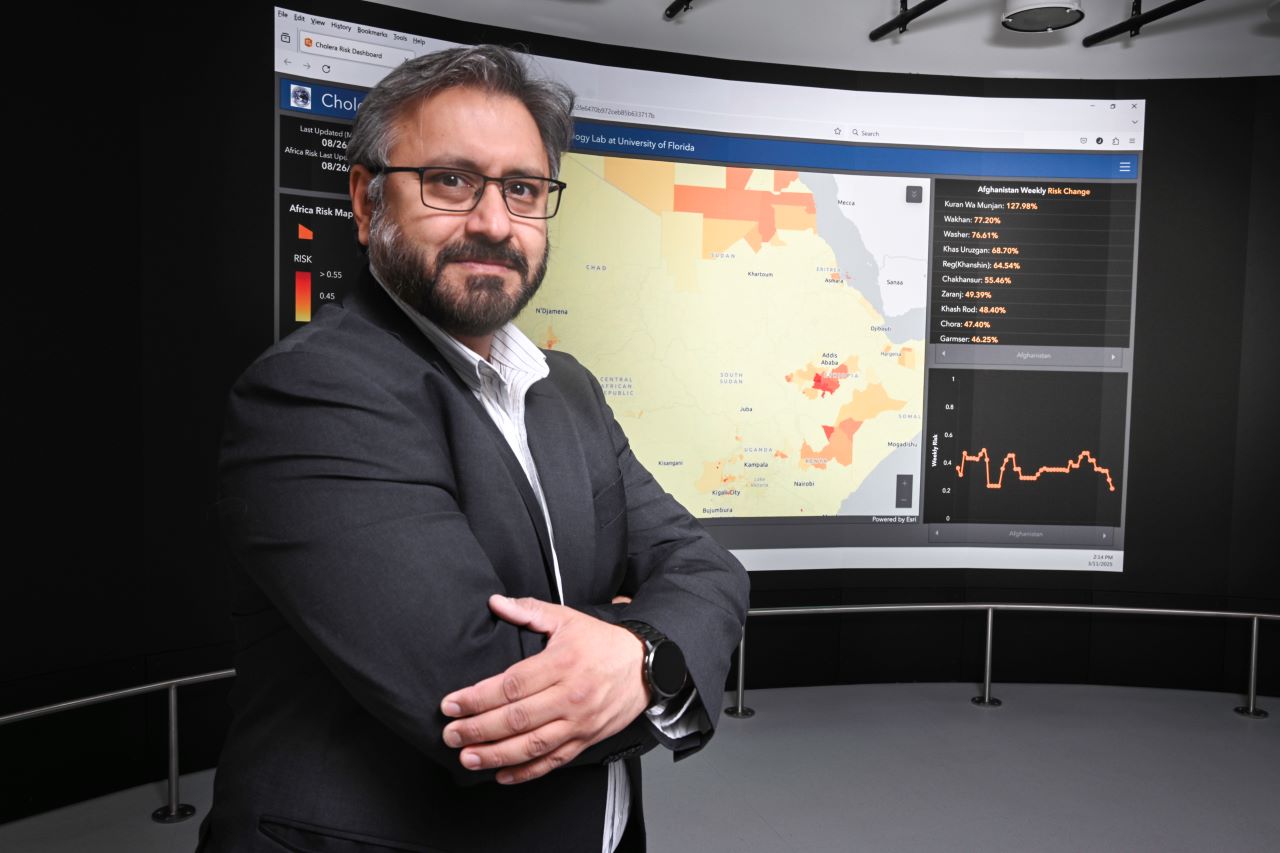
After deploying life-saving cholera-prediction systems in Africa and Asia, a University of Florida researcher is turning his attention to the pathogen-plagued waters off Florida’s Gulf Coast. In the fight to end cholera deaths by 2030 – a goal set by the World Health Organization – UF researcher and professor Antar Jutla, Ph.D., has deployed his Cholera Risk Dashboard in about 20 countries, most recently in Kenya. Using NASA and NOAA satellite images and artificial intelligence algorithms, the dashboard is an interactive web interface that pinpoints areas ripe for thriving cholera bacteria. It can predict cholera risk four weeks out, allowing early and proactive humanitarian efforts, medical preparation and health warnings. Cholera is a bacterial disease spread through contaminated food and water; it causes severe intestinal issues and can be fatal if untreated. The US Centers for Disease Control reports between 21,000 and 143,000 cholera deaths each year globally. Make no mistake, the Cholera Risk Dashboard saves lives, existing users contend. His team now wants to set up a similar pathogen-monitoring and disease-prediction system for pathogenic bacteria in the warm, pathogen-fertile waters of the Gulf of America. “Its timeliness, its predictiveness and its ease of access to the right data is a game changer in responding to outbreaks and preventing potentially catastrophic occurrences.” - Linet Kwamboka Nyang’au, a senior program manager for Global Partnership for Sustainable Development Data Closer to home Jutla is seeking funding to develop a pathogen-prediction model to identify dangerous bacteria in the Gulf to warn people – particularly rescue workers – to use protective gear or avoid contaminated areas. He envisions post-hurricane systems for the Gulf that will help the U.S. Navy/Coast Guard and other rescue workers make informed health decisions before entering the water. And he wants UF to be at the forefront of this technology. “If we have enough resources, I think within a year we should have a prototype ready for the Gulf,” said Jutla, an associate professor with UF’s Engineering School Sustainable Infrastructure and Environment. “We want to build that expertise here at UF for the entire Gulf of America.” Jutla and his co-investigators have applied for a five-year, $4 million NOAA RESTORE grant to study pathogens known as vibrios off Florida’s West Coast and develop the Vibrio Warning System. These vibrios in the Gulf can cause diarrhea, stomach cramps, nausea, vomiting, fever and chills. One alarming example is Vibrio vulnificus, commonly known as flesh-eating bacteria, a bacterium that often leads to amputations or death. The Centers for Disease Control and Prevention (CDC) has reported increases in vibrio infections in the Gulf region, particularly from 2000 to 2018. The warm and ecologically sensitive Gulf waters provide a thriving habitat for harmful pathogens. “The grant builds directly on the success of our cholera-prediction system," Jutla noted. "By integrating AI technologies into public health decision-making, we would not only lead the nation but also become self-reliant in understanding the movement of environmentally sensitive pathogens, positioning ourselves as global leaders.” Learning from preparing early Jutla’s dashboards are critical tools for global health and humanitarian officials, said Linet Kwamboka Nyang’au, a senior program manager for Global Partnership for Sustainable Development Data. “Its timeliness, its predictiveness and its ease of access to the right data is a game changer in responding to outbreaks and preventing potentially catastrophic occurrences,” Kwamboka Nyang’au said. Over the last few years, Jutla and several health/government leaders have been working to deploy the cholera-predictive dashboard. “Our partnership with UF, the government of Kenya and others on the cholera dashboard is a life-saving mission for high-risk, extremely vulnerable populations in Africa. By predicting potential cholera outbreaks and coordinating multi-stakeholder interventions, we are enabling swift action and empowering local governments and communities to prevent crises before they unfold,” said Davis Adieno, senior director of programs for the Global Partnership for Sustainable Development Data. The early warnings for waterborne pathogens also allows the United Nations time to issue early assistance to residents in the outbreak’s path, said Juan Chaves-Gonzalez, a program advisor with the United Nations’ Office for the Coordination of Humanitarian Affairs. “There are several things we do with the money ahead of time. We provide hygiene kits. We repair and protect water sources. We start chlorination, we set up hand-washing stations, train and deploy rapid-response teams. At the community level, we try to inject funding to procure rapid-diagnostic tests,” he said. “We identify those very, very specific barriers and put money in organizations’ hands in advance to remove those barriers.” Eyes on the Gulf In the United States, hurricanes stir up vibrios in the Gulf, posing a high risk of infection for humans in the water. There has been a nearly 200% increase in these cases over the last 20 years in the U.S., according to the CDC. “After Hurricane Ian, we saw a very heavy presence of these vibrios in Sarasota Bay and the Charlotte Bay region. Not only that, but they were showing signs of antibiotic-resistance. Last year, we had one of the largest number of cases of vibriosis in the history of Florida,” Jutla said. Samples from 2024 hurricanes Helene and Milton are being analyzed with AI and complex bioinformatics algorithms. “If there is a risky operation by rescue personnel, not using personal protective equipment, then we would want them to know there is a significant concentration of these bacteria in the water,” Jutla said. “As an example, Navy divers operating in contaminated waters are at risk of infections from vibrios and other enteric pathogens, which can cause severe gastrointestinal and wound infections.” Safety and economics “Exposure to vibrios and other enteric pathogens,” Jutla added, “can disrupt economic activities, particularly in coastal regions that are dependent on tourism and fishing. And vibrios may be considered potential bioterrorism agents due to their ability to cause widespread illness and panic.” In developing the Vibrio Warning System, Jutla noted, he and his team want to significantly enhance public health safety and preparedness along the Gulf Coast. By leveraging advanced AI technologies, satellite datasets and predictive modeling, they plan to mitigate the risks posed by environmentally sensitive pathogenic bacteria, ensuring timely interventions and safeguarding human health and economic activities. “Hospital systems and healthcare providers in the Gulf region will have a tool for anticipatory decision making on where and when to anticipate illness from these environmentally sensitive vibrios, and issue a potential warning to the general public,” he said. “With the potential to become a leader in environmental pathogen prediction, UF stands at the forefront of this critical research, poised to make a lasting impact on local, regional, national and global health and safety.”


Study: Lessons learned from 20 years of snakebites
The best way to avoid getting bitten by a venomous snake is to not go looking for one in the first place. Like eating well and exercising to feel better, the avoidance approach is fully backed by science. A new study from University of Florida Health researchers analyzed 20 years of snakebites cases seen at UF Health Shands Hospital in Gainesville. “This is the first time we’ve evaluated two decades of venomous snakebites here,” said senior author and assistant professor of medicine Norman L. Beatty, M.D., FACP. Researchers analyzed 546 de-identified patient records from 2002 to 2022 and highlighted notable conclusions — for instance, that a third of the snakebites analyzed were preventable and caused by people intentionally engaging with wild snakes. “Typically, people’s experiences with getting bitten are due to an interaction that was inadvertent — they stumble upon a snake or reach for something without seeing one camouflaged,” Beatty said. “In this case, people were seeking them out. There were a few individuals who were bitten on more than one occasion.” Most (77.8%) of the snakebites occurred in adult men while they were handling wild snakes, and most of the bites were perpetrated by the diminutive pygmy rattlesnake and the cottonmouth. The latter is named for the white lining of its mouth, which it displays when threatened. “I was less surprised to see those species emerge as some of the most common ones people were bitten by, but the robust presence of other, less common species in the data — like the eastern coral snake, southern copperhead, timber rattlesnake and the eastern diamondback rattlesnake, was interesting,” Beatty said. The eastern diamondback rattlesnake is one of the most venomous snakes in North America. Most patients were bitten on their hands and fingers and around 10% of them attempted outdated self-treatments no longer recommended by doctors — like sucking out the venom. Initially, the study began as a medical student research project, thanks to a handful of medical students who worked with Beatty to review the cases. The intention was to dive deep into the circumstances of each encounter and learn more about the treatment given, as well as the outcomes. Fourth-year medical student River Grace, the paper’s first author, said the work struck a personal note. “My dad is a reptile biologist, so I’ve grown up around snakes my whole life,” Grace said. “He was bitten by a venomous snake many years ago and ended up hospitalized for multiple weeks, so it was interesting to keep that experience in mind while going over the data.” Grace noted that it typically took those bitten over an hour on average to travel from where the bite occurred to the hospital. “It seems like the reason for that was people not knowing exactly what to do once they’d been bitten, or underestimating the severity of the bite,” he said. “Some would just sit at home for hours.” Floridians share their home with a variety of scaly neighbors who don’t always welcome visitors — accidental or not. Ultimately, thanks to the timely care of providers, only three snake bites were fatal. However, antivenom is no panacea. Those who are lucky enough to receive it in time can still incur complications from the original snake bites, like tissue damage, or even a fatal allergic reaction to the antivenom itself. Consequently, researchers look toward improving the processes used to triage snake bites in the emergency room, ensuring that providers are equipped with the knowledge and the know-how to shorten time to treatment. “In the future, we think we’d love to get involved in enhancing provider education so everyone in the health care setting is confident in being able to identify and administer antivenom as quickly and safely as possible,” Grace said.