
Experts Matter. Find Yours.
Connect for media, speaking, professional opportunities & more.

Podcast: Germany’s caution over Russian aggression ‘disappointing’ NATO
Russia’s threat to Ukraine has highlighted differences between east and west Germans over handling of Russia, and the country’s cautious foreign policy Aston University academic explains why German soldiers shooting at Russian counterparts would be seen as a “tremendous failure” New Chancellor Olaf Scholz faces massive challenges including how to handle Covid-19, “crumbling” infrastructure, and climate change targets. Germany without its stalwart former leader Angela Merkel faces a number of huge challenges – not least the threat of Russia invading Ukraine. While Germany wants to provide leadership within the European Union, its diplomatic stance over Russia is at odds with many other countries within NATO. Those are the views of Dr Ed Turner, a reader in politics at Aston University, who was interviewed in the latest episode of the 'Society matters' podcast series, presented by journalist Steve Dyson. The episode, subtitled 'What Germany's new government means for the UK, Europe and Russia', follows a political shift following the departure of Chancellor Angela Merkel last year after 16 years in charge, after the defeat of her Christian Democratic Party. Dr Turner said the immediate priority for new Social Democrat Chancellor Olaf Scholz was “undoubtedly the crisis in Ukraine and the positioning of large numbers of Russian troops on Ukraine’s border, and the real worry that Russia will invade”. He said Germany wants the issue addressed, “but is doing so in a way that is really very cautious and is disappointing to many of Germany’s allies”. Dr Turner, who is also co-director of the Aston Centre for Europe, said Germany’s “very different approach” was reflective of its history with Russia. He explained: “There is a strong sense that Germany owes a significant debt, has a particular responsibility towards Russia for the losses incurred in World War One and, particularly, in World War Two. “The perception is that German troops once again firing at Russian soldiers would be a tremendous failure. Germany also places a strong emphasis on diplomacy as a way of engaging in foreign relations rather than hard military interventions.” There were also “economic angles”, he added, with Germany needing Russian energy at a time when it was committed to phasing out coal and nuclear power. Dr Turner, whose fascination with Germany began when he cycled through the country as a teenager, said a “carrot and stick” balance was dividing the country, with 68 per cent of west Germans but only 34 per cent of east Germans last year supporting EU sanctions against Russia. This reflected “really big disparities” more than 30 years after German reunification, with 60 per cent of east Germans feeling they are treated as second class citizens. Dr Turner said post-Merkel Germany faced big challenges including handling Covid-19, large parts of German infrastructure “really crumbling” with a big backlog of investment needed, and a pledge to move faster towards net zero emissions. But he added that UK-German relations in the wake of Brexit were not on the list of big things. “Good relations between the UK and Germany will depend on the nature of the UK’s relations with the European Union,” he said. “If the UK is at loggerheads with the European Union, in particular if there was a worsening of the situation in relation to the Northern Ireland protocol, then relations with Germany would get worse.” But Dr Turner said there was “huge affection” for the UK in Germany. “Germans are willing to disentangle the UK from Brexit and to say ‘we want to move on and don’t think badly of you’. I really want to see bridge-building between the two countries over the coming years.” Dr Turner said Germany remained “nervous” of the advance of the far right, especially if numbers of refugees coming to Germany were to grow. He said Angela Merkel would be remembered for Germany’s “humane response” to the 2015 refugee crisis, but others were “much more critical” over her policy. This, he added, led to German society becoming divided and the far right gaining ground. But Dr Turner acknowledged Mrs Merkel as a “remarkable leader who really broke the mould” as the first woman Chancellor and first from the east. In contrast, her successor is seen as a “steady hand on the tiller” as he heads a “traffic light coalition” of Social Democrats, Greens and Liberals. Episode 6 in series 2 of the ‘Society matters’ podcast and all previous episodes can be found HERE.


Aston University linguist awarded prestigious research fellowship
Dr Emmanuelle Labeau is one of three academics to have been appointed Research Fellows by the Arts and Humanities Research Council (AHRC) for the Future of Language Research They will carry out a horizon-scanning exercise which will inform the future of AHRC investment in language research The research team will also engage with language stakeholders from across the UK to inform their work. An Aston University linguist has been appointed to a key language leadership role by the Arts and Humanities Research Council (AHRC). Dr Emmanuelle Labeau, reader in French language and linguistics and director of the Aston Centre for Applied Linguistics (ACAL) at Aston University, has taken up the new post informing the future direction of research funding for languages. Dr Labeau will work to identify existing, new and emerging research themes in language research, as well as relevant policy areas that future language research could address, taking into account the needs and expectations of both academic and non-academic communities, wider stakeholders and government departments. She will work with Professor Nicola McLelland, University of Nottingham and Professor Michelle McLeod, University of Aberdeen, wias part of a research team which brings together a wealth of experience in language research. They will engage with language stakeholders from across the UK to inform their work and help the AHRC decide which areas of language research to support, as well as identifying potential threats, risks, emerging issues and opportunities. In addition, Emmanuelle will be carrying out a survey of the presence of languages in Birmingham. Her project, Birmingham Research for Upholding Multilingualism (BRUM), will focus on languages in education, business, public services and cultures. Dr Labeau said: “I am thrilled to be trusted with such a strategic task for the future of my discipline, while serving the region. I will be bringing to the team my experience of contemporary and relevant language research and teaching that widen participation and serve the needs of the community. I have started contacting stakeholders in Birmingham and I am keen to hear from all of Aston University’s beneficiaries.”

Podcast: Academics behind new course say ‘team leaders are the future’
Inspirational Team Coaching course aims to develop leaders for the 21st century New course needed because occasional team-building activities and ‘away days’ are not enough for the needs of today Inspirational Team Coaching will be split into three modules with launch due this autumn. Top business academics at Aston University are devising a new team coaching course with the aim of ‘upskilling’ the entrepreneurs of tomorrow. The Inspirational Team Coaching course, to be launched this autumn, will lead to a Postgraduate Certificate from the Centre for Innovation in Enterprise Education at Aston Business School. It has been developed by senior lecturer Dr Uwe Napiersky and senior teaching fellow Dr Elinor Vettraino, who discussed their plans in the latest episode in the ‘Aston means business' podcast series, presented by journalist Steve Dyson. Dr Napiersky, who spent more than 20 years in international consultancy, explained that his motto for team coaching was “team excellence doesn’t come by itself”. He said: “Focused team coaching makes the difference between muddling through or performing as one – the team as a whole is the key, not the different egos. We all know the old ‘sum of the parts’ sentence which is more important than ever.” Dr Napiersky said the new course helped their learners in areas such as collective team objectives and processes, and improved team dynamics. He said coaching was a “billion-dollar” industry and team coaching was one of the “newest kids in town. He added: “One of my slogans is ‘innovation is a team effort’. Many leaders still believe in this model of the 20th century, but it’s more about the 21st century, leadership more in a team direction.” His colleague Dr Vettraino, who incorporates team coaching into her consultancy work, said: “Organisations make an assumption that people know how to work together in teams and actually that’s often not the case.” She said that while employers tend to have team building activities, “they don’t address the day-to-day challenges and benefits of working in teams the way a coaching process can.” Dr Vettraino explained that team coaching can lead to increased motivation for staff, enabling innovation and creativity to grow, along with collaboration – which she said was “a key to surviving in industry nowadays”. She added: “Being supported by a team coach adds tremendous benefit to an organisation.” The course, to be delivered by experienced coaches and team leaders, is divided into three modules, with the first on ‘foundational knowledge and essentials’. Dr Napiersky said: “We go into team learning, we go into the area of innovating teams, and we will definitely look into real world team challenges our students will have.” The second module is focused on ‘Tasks and Mindset’. Dr Vettraino said its purpose was to take some of the foundational knowledge and put it into practice, by “looking at developing participants’ innovation, creativity, problem-solving and risk-taking capacity and mindset”. She added: “It’s going to enable the participants to really dig into the playfulness and creativity of their own coaching practice that will enable them to find new and different ways of working with teams.” The third and final module looks at developing ‘Professional Practice’. “It’s really in the third unit that participants start their own swimming and with their own swimming style,” explained Dr Napiersky. The understanding goes from unprepared to clear for themselves, from singular to systemic, from messy to focused or muddling through to structured.” Dr Vettraino chipped in: “There’s a lot of opportunity here to develop really rich projects in relation to their coaching practice. What we want them to do is hone their skills and capacity for inspirational team coaching with real clients they are working with so they can develop a very rich understanding of putting the first year module’s learning into practice.” To prepare students for the real world, Dr Napiersky said: “There’s a lot for internal coaches to do – getting teams clearer, getting them working, and helping them to build up more capacity, and applying the skills they will learn on this course.” Dr Vettraino said: “This skill base will enable people who are currently practising, perhaps as consultant coaches of their own practice, to develop something that adds to their toolkit. They can take it into their own practice and potentially even coaching other organisations.” To find out more about the programme email e.vettraino@aston.ac.uk or u.napiersky@aston.ac.uk. ▪ Episode 5 in series 4 of ‘Aston means business’ podcast can be found HERE.

Scholarship opportunities for international students in Canada
Pursuing a university or college education in Canada can open many career doors, but unfortunately tuition usually doesn’t come cheap. Tuition fees alone can cost tens of thousands of dollars per year, depending on your school and program of choice. In addition, international students in Canada spend anywhere between $27,000 CAD and $64,000 CAD per year on living expenses. Luckily, there are many fully-funded scholarships available to help international students manage the costs of a post-secondary education in Canada. To get you started, we’ve compiled a list of some of the top scholarships for newcomers that can help you achieve your academic goals in 2022 and beyond. It’s important to note that the application process and deadlines for the various scholarship options vary. For scholarships that are offered by universities or colleges, you’ll usually only be able to apply after you’ve been accepted into a study program. In some cases, you may be automatically considered for scholarships based on your academic or extracurricular achievements, without having to submit a separate application. For graduate-level scholarships awarded by schools, you may also need to be recommended or selected by your department. Be sure to keep track of the scholarships you’re planning to apply for, so you don’t miss out on application deadlines. Undergraduate scholarships for international students Lester B. Pearson International Scholarships This scholarship program at the University of Toronto assists international students who’ve demonstrated significant academic potential, creativity, and leadership. Around 37 international students receive this scholarship each year. Eligibility: You must be an international student (a non-Canadian who requires a study permit), currently in your final year of secondary school or have graduated no earlier than June 2021, and begin your studies at the University of Toronto in September 2022. What it covers: Tuition, books, incidental fees, and full residence support for four years. Deadline to apply: January 17, 2022 Other criteria: To become a Lester B. Pearson Scholar, you must be nominated by your school and apply to undergraduate studies at the University of Toronto. For more information on the application process, visit the Lester B. Pearson International Scholarships webpage. University of British Columbia International Scholars Program These scholarships are distributed based on both merit and need. UBC offers fifty scholarships each academic year, spread across four categories: the Karen McKellin International Leader of Tomorrow Award, the Donald A. Wehrung International Student Award, the International Impact Award, and the Vantage One Excellence Award. Eligibility: You must be an international student on a Canadian study permit entering UBC from a recognized secondary school or transferring from your first year at another college or university. You must have graduated from high school no earlier than June 2021 and be applying for your first undergraduate degree. In addition, you must demonstrate a level of financial need that would otherwise prevent you from pursuing a degree at UBC. What it covers: Awards are based on need, with the university dedicating approximately $10 million CAD a year to the fifty recipients in the program. Recipients also gain access to unique learning opportunities, annual retreats, dedicated advisors, and more. Deadline to apply: December 1, 2021 Other criteria: You only submit one application and don’t choose which award you’d like to receive. Rather, UBC will automatically consider you for all awards you’re eligible for. For more information on the application process, visit the UBC’s International Scholars Program webpage. Carleton Entrance Awards for International Students This program awards international students entering their first year of study at Carleton University with a record of high academic achievement. Eligibility: You must be admitted to Carleton with an average of 80 per cent or higher in high school, as well as meet the university’s language requirements. What it covers: Award amounts vary based on your grade average, but begin at a total of $4,000 CAD ($1,000 x four years) and go up to $16,000 CAD ($4,000 x four years) for the 2022 academic year. Deadline to apply: No separate application required. If you’ve been admitted to Carleton, you’ll automatically be considered for a scholarship. Other criteria: Scholarship value is calculated on your grade average at time of admission and won’t be recalculated based on your final marks. For more information, visit the Carleton’s Entrance Awards for International Students webpage. University of Calgary International Entrance Scholarship This program awards international students beginning their studies at the University of Calgary who have a track record of stellar accomplishments inside and outside the classroom. Currently, this scholarship is awarded two students each year, based on merit. Eligibility: You must be an international student registered full-time in an undergraduate degree program at the University of Calgary that commences in the Fall 2022 term. You must be a new student and present a minimum GPA of 3.20. You also must meet the university’s English Language Proficiency requirement. What it covers: The scholarship is $15,000 CAD, renewable annually in the second, third and fourth years at the University of Calgary, provided you achieve a GPA of 2.60 or more over a minimum of 24.00 units in the previous fall and winter terms. The total award amount is $60,000 CAD. Deadline to apply: December 1, 2021. You can apply for scholarships directly through the UCalgary portal. For more information, visit the University of Calgary’s International Entrance Scholarship webpage. Humber International Entrance Scholarships This program helps new international students enrolled in Graduate Certificate, Diploma, and Advanced Diploma programs at Humber College achieve their academic goals. This scholarship is awarded to ten undergraduate and ten graduate students each year. Eligibility: You must be enrolling at Humber College directly from a recognized secondary school, be a non-transfer student, and have a minimum final admission average of 85 per cent. In addition, you’ll need a 6.5+ score in IELTS (or equivalent) to qualify. What it covers: $2,000 CAD, over the first two semesters of your study Deadline to apply: September intake: the last day of May prior to Fall semester. January intake: the last day of September prior to Winter semester. May intake: the last day of January prior to Spring/Summer semester Other criteria: Even if you receive this scholarship, you’ll still have to pay the full tuition amount up front. The scholarship amount will be credited to your account after the tenth day of classes. In order to be eligible, you’ll need to provide the following: Your Humber Student ID number Confirmed Letter of Acceptance from Humber College for full-time program commencing in the appropriate Semester Personal statement of interest, including your Grade Point Average 2 reference letters Humber College also offers Bachelor’s Degree scholarships to all meritorious international students coming directly from high school with a grade of 75 per cent and above. If you qualify, you’ll automatically be awarded the scholarship without filing a separate application. For more information, visit the Humber International Entrance Scholarships webpage. Graduate scholarships for international students University of Manitoba Graduate Fellowship This program awards more than $2 million each year to full-time masters and PhD students at the University of Manitoba who have a history of academic excellence. Eligibility: All students accepted into these programs without provisions are welcome to apply, regardless of citizenship, given they have a minimum GPA of 3.0 at the time of admission. What it covers: UMGF master’s awards are valued at $14,000 CAD per year for 12 or 24 months, for up to a total of $28,000 CAD. UMGF doctoral awards are valued at $18,000 CAD per year for 12, 24, 36, or 48 months, for up to a total of $72,000 CAD. Deadline to apply: Students must be recommended by their department or unit to the Faculty of Graduate Studies for a UMGF. Consult your department for information on the application process and deadline. For more information, visit the University of Manitoba Graduate Fellowships webpage. Waterloo International Master’s Award of Excellence This scholarship recognizes international students who wish to undertake research-based Masters degree programs at the University of Waterloo. Eligibility: Applicants must be international students with a valid Canadian study permit who are registered full time. The scholarship is awarded to Masters degree students in research-based programs, and only students entering the first term of their program are eligible. Additional academic criteria will be decided upon by the faculty and you must not have any outstanding academic or probation issues. What it covers: The scholarship award is valued at $2,500 CAD per term for a maximum of five terms. Deadline to apply: You’ll be automatically considered for this scholarship with the submission of your regular application. The application deadline for most Masters programs commencing September 2022 fall within January to February 2022. For more information, visit the Waterloo International Master’s Award of Excellence webpage. Pierre Elliott Trudeau Leadership Scholarships This three-year scholarship program provides funding and other opportunities to twelve full-time doctoral students, and is not tied to one specific learning institution. Eligibility: Non-Canadians can be either permanent residents or foreign nationals enrolled in a doctoral program at a recognized Canadian institution. Field of study should be related to the humanities or human sciences with direct relevance to Canada’s future. You must already be accepted into years one or two of a doctoral program and expected to complete your studies by 2025. What it covers: Up to $40,000 CAD per year for three years to cover tuition and reasonable living expenses to focus on their doctoral studies and the Foundation’s leadership program. Additionally, up to $20,000 CAD per year for three years, for the learning of languages, for travel and accommodations for the Foundation’s leadership program, and for research, networking, and travel related to their doctoral research. There will also be access to opportunities to acquire greater proficiency in Canada’s official languages (French and English) as well as Indigenous languages. Deadline to apply: December 21, 2021 at 5 p.m. EST Other criteria: The selection process is a rigorous one involving multiple rounds of interviews. If successful, you’ll be expected to participate in and organize activities related to the Foundation outside your normal course of study. For more information, visit the Trudeau Leadership Scholarships webpage. Ontario Graduate Scholarship (OGS) This scholarship recognizes students enrolled in graduate studies at 19 publicly-funded Ontario universities, including the University of Toronto, University of Guelph, McMaster University, University of Ottawa, Queen’s University, Ryerson University, University of Waterloo, Western University, and York University. Each award is jointly funded by the Province of Ontario (two thirds) and the school offering the award (one third). Eligibility: International students who are studying or plan to study a full-time graduate program (master’s or doctoral level) at one of the 19 participating universities in Ontario under a valid temporary resident visa (student study permit) are eligible for OGS awards (valid study permits must be effective as of the graduate units’ OGS international application deadline). Currently registered international graduate students who have not yet been able to obtain a study permit due to COVID-19 circumstances are also temporarily eligible to apply. Applications are assessed on merit and must meet the criteria set by the participating schools. What it covers: The value of the OGS is $5,000 CAD per term. Thus, awardees may receive $10,000 CAD for two consecutive terms or $15,000 CAD for three consecutive terms. Deadline to apply: Date will be set by your graduate department or unit, who will then forward selected applications to OGS for final consideration. Other criteria: Applicants must submit an OGS application to their proposed graduate unit using their school’s centralized OGS application portal. If you’re applying to multiple participating schools, you’ll need to submit a different OGS application for each school. For more information, visit the Ontario Graduate Scholarships webpage. Where to find more information about scholarships for international students in Canada This list of scholarships is by no means comprehensive, so make sure to do your own research and see what else is out there! Start by checking if your academic institution offers any international student scholarships that you qualify for. You may also be eligible for program-specific or independent scholarships to fulfill your dream of studying in Canada. Educanada, studentawards.ca and scholarshipscanada.com are great resources to help you get started. Other ways to fund your university or college education in Canada While scholarships are a helpful tool, they’re far from the only way to fund a post-secondary education in Canada. Even if you do receive a scholarship, it may have to be supplemented with other sources. As an international student, you may be able to rely on student loans or lines of credit to fund your education in Canada. You may also qualify for student grants or bursaries that are offered by universities, colleges, and other organizations. Alternatively, many international students choose to work while studying to cover their living expenses in Canada. As an international student, studying in Canada can be expensive. However, the Canadian government and universities offer many scholarships to help international students achieve their academic goals. This resource will provide you with a starting point to research scholarship options to fund your education in Canada. Original article located here, published by Arrive. About Arrive Arrive is powered by RBC Ventures Inc, a subsidiary of Royal Bank of Canada. In collaboration with RBC, Arrive is dedicated to helping newcomers achieve their life, career, and financial goals in Canada. An important part of establishing your financial life in Canada is finding the right partner to invest in your financial success. RBC is the largest bank in Canada* and here to be your partner in all of your financial needs. RBC supports Arrive, and with a 150-year commitment to newcomer success in Canada, RBC goes the extra mile in support and funding to ensure that the Arrive newcomer platform is FREE to all. Working with RBC, Arrive can help you get your financial life in Canada started – right now.


Questions to ask the interviewer in a job interview: Tips for newcomers
As a newcomer, landing your first job in Canada requires a lot of preparation and patience. Before you start applying to job openings, you’ll need to invest time in crafting a Canadian-style resume, perfecting your elevator pitch, and building your professional network. Even with all this work, it can sometimes take newcomers several months to get their first job interview in Canada. However, when that inevitable call does come, you want to be thoroughly prepared to ace your job interview. Typically, this means researching the company, practising your responses in advance, and having a ready list of questions to ask the interviewer to position yourself as a suitable candidate for the job. Why is it important to ask questions at the end of a job interview? At the end of job interviews in Canada, an interviewer usually asks if you have any questions for them. Many newcomers hesitate when it comes to asking the recruiter or hiring manager questions, or worry that it may make them seem unprepared or overenthusiastic. On the contrary, it’s completely acceptable—and even expected—that you’ll have questions for the recruiter. In Canada, interviewers will assess you not only based on how well you answer the interviewer's questions, but also on the questions you ask them. Having questions for the interviewer shows them you’re interested in the role. Well-researched, intelligent questions demonstrate that you’ve done your research about the organization and want to learn more about working there. A job interview isn’t meant to be one-sided. As a newcomer, asking questions is also an opportunity for you to gather information that’ll help you assess whether an organization, team, or the role are a good fit for you. Top questions to ask the interviewer in a job interview It’s always good to have a prepared list of questions to ask at the end of an interview. One rule of thumb to keep in mind while preparing for interviews is to steer clear of obvious questions that can easily be answered with a little bit of online research. In this section, we’ll share some indicative questions you can use or build upon, based on the role you’re applying for and your own interview discussions. Questions to ask about the job What will the person in this position be responsible for? This is a good question to ask if the job description doesn’t have a lot of information about the role and if the job responsibilities haven’t been discussed during the interview. Usually, you’ll have some information about what the job will entail to begin with, so phrase the question in a way that shows what you know. For instance, if you already know that the position is for a social media manager, you might want to ask what social media platforms you’ll be responsible for, or whether you’ll also be required to create video content. What are the qualities you’re looking for in a candidate? While a job description typically mentions some of the skills and qualities a role requires, this question allows you to assess how well your expertise and personality match what the hiring manager is looking for. It will also give you an idea of the qualities or soft skills valued by the organization, such as teamwork or being self-driven. This could be a good opportunity to showcase these same qualities through a well-chosen example. If you’re looking for your first job in Canada, this question can also give you insight into the qualities Canadian employers in a particular industry typically seek in applicants. What would my typical day in this role look like? This question serves a dual purpose. One, it subtly positions you as an insider and shows that you’re truly interested in the position and are already thinking about what working there will be like. Secondly, the response will give you additional information about the job, the stakeholders you’ll engage with, and the things you’ll be responsible for on a daily basis. What are the biggest challenges someone in this position will face? Questions like these are a great way to learn more about the role, potential roadblocks, or dealbreakers. Depending on the interviewer’s response, you may also get an opportunity to elaborate on ways in which you’ve dealt with that particular challenge in your prior roles, helping you to stand out as the ideal candidate. For instance, if managing tight timelines is a challenge you’ll be expected to deal with, sharing how you’ve used your organizational or delegation skills to deliver quality output ahead of time could give you an advantage. What will my immediate priorities or projects be in this role? In addition to giving you more insight into the work you’ll do, this question demonstrates your eagerness to get started. Even more, it allows the interviewer to imagine you in the role and think of you as part of the team. If, during your research, you uncover some exciting new projects the company is planning, such as a product launch, this can also be a good time to ask if you’ll be involved in those or express your interest in doing so. Questions to ask about the organization Can you tell me about the company’s growth plans over the next few years? Showing you’re interested in the organization’s future gives the interviewer confidence that you intend to stick around and aren’t looking at this job as a short-term arrangement. If you’ve read about an upcoming partnership the company is exploring or about the industry being impacted by economic changes, don’t forget to mention it. The recruiter’s response will also give you some idea about where the business is headed, possible team expansions, or new projects in the future. How does this team support the company’s overall objectives? If the job description doesn’t provide a lot of information, this question is a good way to learn both about the organization’s goals and your future team’s responsibilities. If the answer is obvious, like if you’re joining the accounting team, rephrase the question and ask about the team’s key performance indicators instead. This will also give you some insight on the metrics on which your individual performance will be evaluated in the role. How would you describe the company’s values? A company’s values are essentially the traits or beliefs that guide the organization and its people towards their ultimate goal. If you can relate to these values, you’ll be more likely to fit in and work well with others on your team. For instance, if humility is a core company value, it’ll be best not to boast about your achievements in front of your team. Refrain from asking this question if the company values are openly stated on the company website. What do you like the most about working with [company name]? Phrasing some of your questions in a way that asks for the interviewer’s opinion makes them feel that you value their personal insight. You’ll also be more likely to get more relatable answers that may not have been included in the job description. An alternative question along similar lines could be, “What do you find most challenging about working with [company name]?” What is the company culture like? OR How would you describe the company’s management/leadership style? When looking for your first job in Canada, it can be easy to focus on immediate priorities, such as salary, working hours, and travel time. However, it’s also important to keep in mind things that keep you motivated over the long run, such as a company’s culture and leadership style. Asking about these will give you a sense of your future work environment and help you adapt to the culture within your team. Questions to ask about growth and team What opportunities does the company offer for professional development? This question can help you assess if and how the company invests in the success of its people. As a newcomer, access to professional development resources, whether it’s a mentor, personalized training, or online courses, can help you bridge skill gaps, expand your areas of expertise, or prepare for the next step in your career path. Be careful how you phrase this question—it shouldn’t seem like you’re only interested in your own development and not in the position or company! What metrics, goals, or KPIs will be used to evaluate my performance? For most Canadian companies, success needs to be measurable and quantifiable. Asking how your success will be measured shows the interviewer that you’re serious and results-oriented. It also gives you insights about what your performance focus will be. For instance, if you’ll be assessed based on the number of new business prospects you bring in, you may have follow up questions about the average value per prospect. You may also be able to share some of your business development achievements from previous roles. What does the career path look like for someone in this position? When you interview with a company, you’ll likely do some research beforehand to get a glimpse into what your future in the company could be like. For instance, you may look up the interviewer or other team members on LinkedIn and track their career growth. In case this information is unclear or hard to find, it’s also perfectly acceptable to ask the interviewer about your potential career path in the organization. Try not to ask probing questions about lateral growth opportunities or the possibility of moving to another department, as it could lead them to question your interest in the role you’re actually interviewing for. Other questions for the interviewer during a job interview What are the next steps in the hiring process? The hiring process in Canada often involves multiple rounds of interviews to assess if you’re a technical and cultural fit. Once all your other questions are answered, ask what the next round will look like. If possible, get the names and designations of people you’ll meet next so you can research them in advance. If the next step is an assignment or test, ask about timelines so you can plan your week accordingly. When can I expect to hear from you on the next steps/decision? While asking whether you got the job is a big no-no, it’s perfectly okay to ask when you can expect to hear about the outcome of the interview. First, this will show the interviewer that you understand that the decision process takes time, but also that you’re excited to know if you’ve made it to the next step. Second, you may be able to get a subtle hint about how the interview went. If the interviewer seems eager to connect with you again, you likely have a good chance of being selected for the next round. However, these hints aren’t foolproof, so until you hear from the recruiter with a definite yes or no, don’t lose hope and keep up with your preparation. Do you have any concerns or final questions for me? Asking the interviewer if they have any concerns about your candidature gives you a final chance to address points that may negatively impact your chances. If the interviewer brings up a weak spot in your application, use this opportunity to give specific examples about your experience or transferable skills that’ll help you succeed in the role. Additional questions based on conversations during the interview While the list of questions we’ve shared is a good starting point, it’s also very important to listen to what the interviewer says during the interview and ask questions based on that. There’s nothing wrong with asking an occasional follow up question during the conversation to gather more information, as long as you’re not interrupting them or using up too much of the interview time. However, it’s usually best to save your questions for the end. It’s acceptable to take notes during an interview (although you’ll still want to prioritise making eye contact), and this can help you keep track of questions you may want to ask later on. Asking relevant questions based on your conversation is a great way to showcase that you’re an active listener, can think on your feet, and grasp key points on the fly. For instance, if the interviewer indicated that they’ve tried something in the past and it didn’t work, you may want to ask why they think it didn’t succeed or if they’re considering alternative approaches. These questions give you an opportunity to demonstrate what you already know about the company, the business environment, or the latest tools and technology. If you have experience with something similar, you may also want to talk about how you overcame challenges and solved the problem. A job interview isn’t just an opportunity for a potential employer to assess whether your skills are in line with what they are looking for. It’s also a chance for you to learn more about the company and decide whether it is the right fit for you. Towards the end of the interview, most hiring managers will ask if you have any questions for them. Going in prepared with intelligent questions is a great way to stand out as an ideal candidate and will help you land your first job in Canada. Original article located here, published by Arrive. About Arrive Arrive is powered by RBC Ventures Inc, a subsidiary of Royal Bank of Canada. In collaboration with RBC, Arrive is dedicated to helping newcomers achieve their life, career, and financial goals in Canada. An important part of establishing your financial life in Canada is finding the right partner to invest in your financial success. RBC is the largest bank in Canada* and here to be your partner in all of your financial needs. RBC supports Arrive, and with a 150-year commitment to newcomer success in Canada, RBC goes the extra mile in support and funding to ensure that the Arrive newcomer platform is FREE to all. * Based on market capitalization

Aston University encourages SMEs to sign up to Innovation Workshops to support business growth
SMEs with a registered or trading address in Birmingham, Solihull, Redditch, Bromsgrove or the Wyre Forest are invited to attend The full series consists of three workshops hosted by academics from Aston Business School and Birmingham City Business School The workshops are part of the Innovation Vouchers scheme to help drive innovation and business growth SMEs with a registered or trading address in Birmingham, Solihull, Redditch, Bromsgrove, or the Wyre Forest have been invited to attend Aston Business School’s Innovation Workshops. The free1 workshops are part of the Innovation Vouchers project, which is part funded by the European Regional Development Fund. The full series consists of three workshops hosted by academics from Aston Business School and Birmingham City Business School on 2, 9 and 23 February 2022 running from 9.30 am to 5.00 pm at The Eastside Rooms in central Birmingham. The academics include Innovation Vouchers project director Professor Nick Theodorakopoulos and head of Aston Business School Professor Pawan Budhwar. The workshops are on three key areas: 2 February 2022: Envisioning Growth through Innovation 9 February 2022: Leadership & Strategy for Innovation 23 February 2022: Marketing for Innovation Attendees who attend all workshop sessions will receive a ‘Managing Innovation in Business’ certificate from Aston Business School. Nick Theodorakopoulos, professor of entrepreneurship development and Innovation Vouchers project director at Aston Business School, said: “The Innovation Workshops support small-and-medium sized businesses to build their capacity to innovate and grow. “Independent evaluations from the previous project phases have showed that workshops have a positive impact on attendees, resulting in substantial increases in gross value added and new job creation. “The staff who deliver the workshops are experts in their field with excellent industry experience. I would encourage businesses owners to attend the Innovation Workshops and grow their business.” Tickets for the Innovation Workshops are available HERE. Notes to Editors 1The workshops are free for eligible businesses. However, de minimis rules apply. The support we plan to provide through the workshops will comply with the State Aid rules using the de minimis exemption (in accordance with Commission Regulation (EU) No 1407/2013, OJ L 352/1). Under this exemption a single undertaking may receive up to the limit of €200,000 of De Minimis aid from the Member State within which it does business and which provides the aid over any period of three fiscal years. To attend the workshops, you will be asked to complete a Statement of Previous Aid received under the De Minimis exemption and arrange for a director of your business to sign it. Using this information we will assess your eligibility to receive assistance. About Innovation Vouchers European Regional Development Fund The project is receiving up to £803,273 of funding from the England European Regional Development Fund as part of the European Structural and Investment Funds Growth Programme 2014-2020. The Ministry of Housing, Communities and Local Government (and in London the intermediate body Greater London Authority) is the Managing Authority for European Regional Development Fund. Established by the European Union, the European Regional Development Fund helps local areas stimulate their economic development by investing in projects which will support innovation, businesses, create jobs and local community regenerations. For more information visit https://www.gov.uk/european-growth-funding Workshop Times and Dates All Innovation Workshops start at 9.30am and end at 5pm.
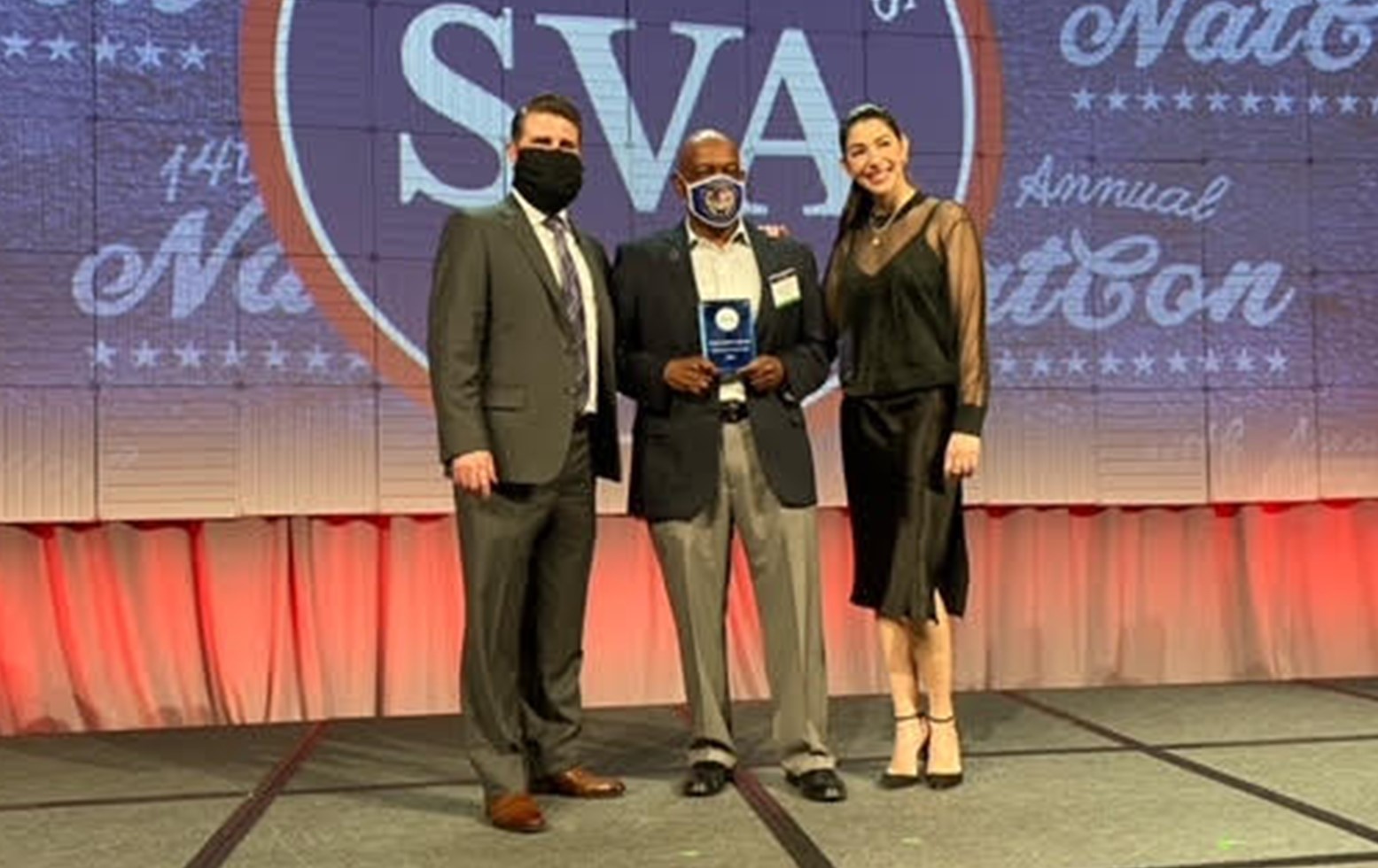
Georgia Southern University was selected as a finalist for the Chapter of the Year awarded by Student Veterans of America (SVA), an organization focused on advocating for and advancing resources for veterans in higher education. The University has SVA chapters on the Statesboro Campus and Armstrong Campus in Savannah, both of which were recognized with the award. “I am so proud of both of our SVA Chapters,” said Col. George Fredrick, Ed.D., director of Military and Veteran Services. “They offer truly outstanding support to our military-connected student population at Eagle Nation.” While this is the first time Georgia Southern has been a contender for this acknowledgement, the University has a tradition of being recognized for its investment in the military community. The Army ROTC program was established in 1980, and has won the MacArthur Award four times since 2009 for being one of the nation’s top ROTC programs. The Military Times publication named Georgia Southern as a Top 15 Best for Vets 4-year school for five consecutive years, including in 2019 when the University was ranked No. 1. Because the University operates near Hunter Army Airfield in Savannah and Fort Stewart in Hinesville, a number of students, faculty and staff are enlisted, retired or spouses of military members. Richelle Keilholz, Ed.D., is the staff advisor for SVA-Armstrong, and she believes this makes the campus community and military community deeply intertwined. “They become part of the campus culture, and I think that’s where you start to see that excellence comes when you have that kind of devotion,” said Keilholz. “You want to see our military service members, our family members and our spouses succeed in the military community and in higher education.” Georgia Southern’s relationship with veterans isn’t common among other universities, said military veteran project coordinator Rudy Duero. Many veterans feel overlooked and are an “untapped resource,” but not at Georgia Southern. “It’s awesome to have a group of individuals at the executive level who care and respect the opinions of the veteran students,” Duero said. “Veterans are being heard and they know that they’re being heard when they have good leadership representing them. The communication is always open.” Georgia Southern is one of five schools to be named a finalist for the award. The University sent a delegation to Orlando to attend the awards ceremony on Jan. 7. Academic and financial resources for veterans looking to pursue a degree can be found here. And if you’re a journalist looking to cover how Georgia Southern is working to support our veterans and the university’s military veteran project – then let us help. Rudy Duero is available to answer your questions - simply reach out to Georgia Southern Director of Communications Jennifer Wise at jwise@georgiasouthern.edu to arrange an interview today.


Georgia leaders to speak as part of Georgia Southern’s 2022 MLK Jr. commemorative events
Rev. Francys Johnson, J.D., (‘01) and Amir-Jamal Touré, J.D., will serve as speakers during Georgia Southern’s 2022 Martin Luther King (MLK) Jr. Celebration Dinners on Jan. 25 in Statesboro and Jan. 26 on the Armstrong Campus in Savannah, respectively. Johnson is a civil rights attorney, public theologian, educator and advocate who succeeded Stacey Abrams and Raphael Warnock as chair of the New Georgia Project. Johnson will speak at the MLK Celebration Dinner on Jan. 25 at 6 p.m. in the Nessmith-Lane Center Ballroom on the Statesboro Campus. Touré is the resident scholar for Geechee Kunda Cultural Center and Museum in Riceboro, Georgia, and a Djeli (chronicler of Gullah Geechee history). He has performed internationally in sharing history and culture and is known for his work in socioeconomic, politics and social justice areas. Touré will speak on Jan. 26 at 6 p.m. in the Student Union Ballroom on the Armstrong Campus in Savannah. During the celebration dinners, the Office of Multicultural Affairs (OMA) will hand out inaugural Drum Major of Justice Awards, which will be given to student leaders and student organizations that OMA leadership determine best exemplify MLK’s commitment to social justice. In addition to the evening events, student, faculty and staff volunteers will join OMA and Office of Leadership and Community Engagement for a weekend of community service from Jan. 15 through Jan. 17 as part of the Eagles in Action: MLK’s Legacy of Service initiative.
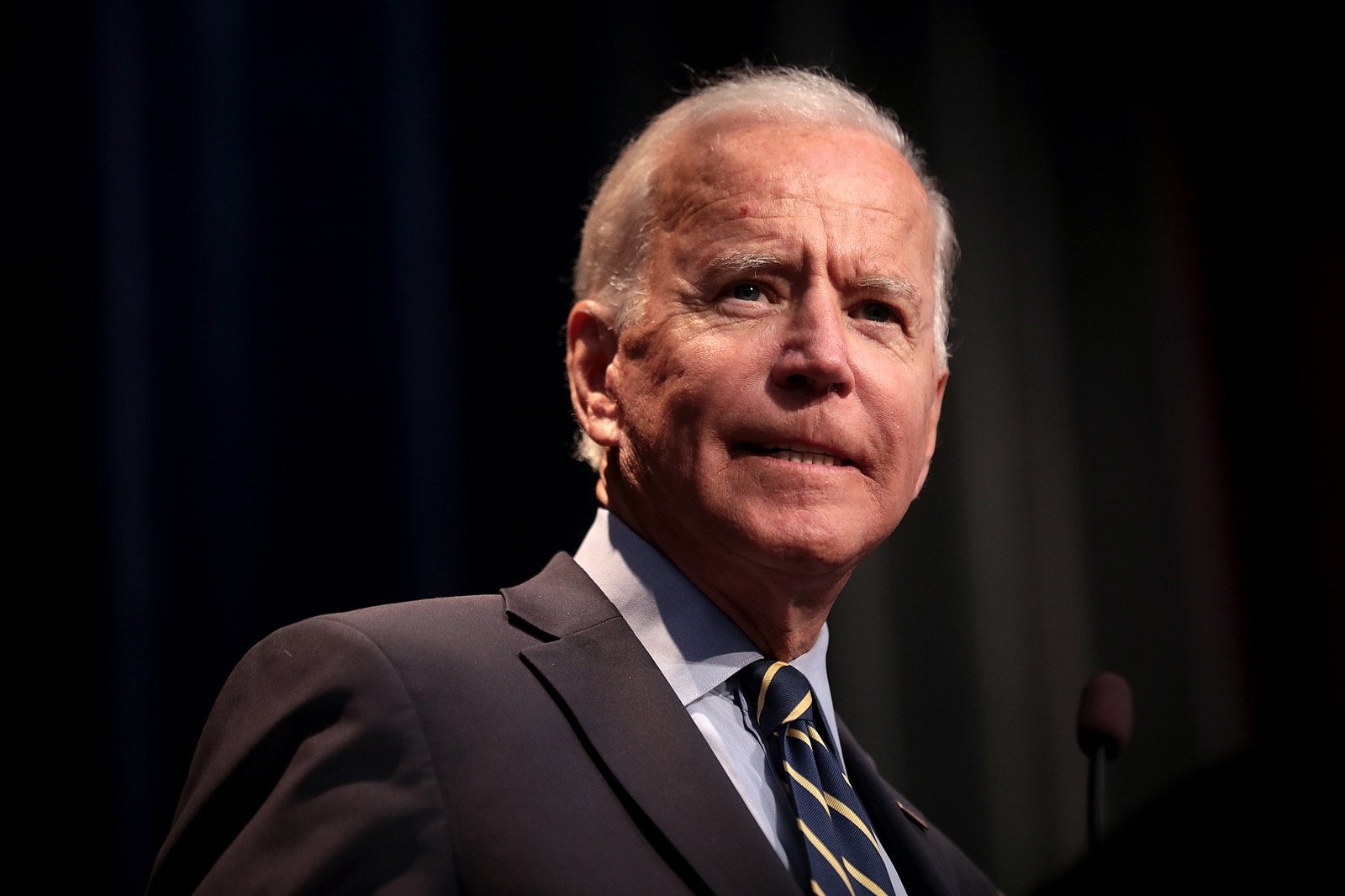
Will Biden’s Plan to Resettle Afghans Transform the U.S. Refugee Program?
Among the high-profile anti-immigration policies that characterized the four years of Donald Trump’s presidency was a dramatic contraction in refugee resettlement in the United States. President Biden has expressed support for restoring U.S. leadership, and increased commitment is needed to help support the more than 80 million people worldwide displaced by political violence, persecution, and climate change, says UConn expert Kathryn Libal. As Libal writes, with co-author and fellow UConn professor Scott Harding, in a recent article for the Georgetown Journal of International Affairs, the rapid evacuation of more than 60,000 Afghans pushed the Biden administration to innovate by expanding community-based refugee resettlement and creating a private sponsorship program. But more resources are needed to support programs that were severely undermined in previous years and to support community-based programs that help refugees through the resettlement process: Community sponsorship also encourages local residents to “invest” in welcoming refugees. Under existing community sponsorship efforts, volunteers often have deep ties to their local communities—critical for helping refugees secure housing, and gain access to employment, education, and health care. As these programs expand, efforts to connect refugees to community institutions and stakeholders, which are crucial to help facilitate their social integration, may be enhanced. As Chris George, Executive Director of Integrated Refugee and Immigrant Services in New Haven, Connecticut, has observed, “It’s better for the refugee family to have a community group working with them that knows the schools and knows where to shop and knows where the jobs are.” As more local communities take responsibility for sponsoring refugee families, the potential for a more durable resettlement program may be enhanced. In the face of heightened polarization of refugee and immigration policies, community sponsorship programs can also foster broad-based involvement in refugee resettlement. In turn, greater levels of community engagement can help challenge opposition toward and misinformation about refugees and create greater public support for the idea of refugee resettlement. Yet these efforts are also fraught with significant challenges. Sponsor circle members may have limited capacity or skills to navigate the social welfare system, access health care services, or secure affordable housing for refugees. If group members lack familiarity with the intricacies of US immigration law, helping Afghans designated as “humanitarian parolees” attain asylum status may prove daunting. Without adequate training and ongoing support from resettlement agencies and caseworkers, community volunteers may experience “burn out” from these various responsibilities. Finally, “successful” private and community sponsorship efforts risk providing justification to the arguments of those in support of the privatization of the USRAP and who claim that the government’s role in resettlement should be limited. Opponents of refugee resettlement could argue that community groups are more effective than the existing public–private resettlement model and seek to cut federal funding and involvement in resettlement. Such action could ultimately limit the overall number of refugees the United States admits in the future. December 11 - Georgetown Journal of International Affairs. If you are a journalist looking to know more about this topic – then let us help with your coverage and questions. An associate professor of social work and human rights, Kathryn Libal is the director of UConn's Human Rights Institute and is an expert on human rights, refugee resettlement, and social welfare. She is available to speak with media – click on her icon now to arrange an interview.


Ray A. Blackwell, M.D., MJ, chief of Cardiac Surgery and the W. Samuel Carpenter, III, Distinguished Chair of Cardiovascular Surgery at ChristianaCare, received the 2021 Tilton Award from the Medical Society of Delaware on Oct. 28 at the Tilton Mansion, now the University & Whist Club in Wilmington, Del. The award recognizes Dr. Blackwell as a pre-eminent cardiac surgeon the past 21 years and for his life-long commitment to service for the betterment of patients, the local community and the nation. The award is named for James Tilton, M.D., the first U.S. Army Surgeon General of the United States and the first president of the Medical Society of Delaware. “Dr. Blackwell is an outstanding choice for this prestigious award,” said Kirk Garratt, M.D., medical director of ChristianaCare’s Center for Heart & Vascular Health. “He has given a great deal to his patients, his colleagues and his profession. His strong leadership and clinical expertise have led to optimal health and an exceptional experience for many patients in our community. In addition to being an excellent surgeon, Dr. Blackwell has been dedicated to driving innovations that improve patient outcomes and has been committed to finding ways of keeping patients healthy and preventing cardiovascular disease.” Since joining ChristianaCare in 1996, Dr. Blackwell has been recognized among the top cardiac physicians in our region and has been instrumental to the development of the cardiac surgery program. In 2011, he became the surgical director of the Mechanical Circulatory Support Program and led the initiative to establish Christiana Care’s Ventricular Assist Device Program. In 2017 he was named Chief of Cardiac Surgery and has since led the health system’s team of highly skilled and experienced heart surgeons who perform more than 700 heart surgeries each year. Dr. Blackwell is a clinical assistant professor of Surgery at Sidney Kimmel Medical College of Thomas Jefferson University. He served as the chair of ChristianaCare’s Blood Pressure Ambassador Advisory Committee. Dr. Blackwell has dedicated his life to service of others, especially on behalf of underprivileged and underrepresented people. As a high school student, he participated in A Better Chance Program, which places underprivileged, underrepresented and underfunded students in better academic environments. He is still active with the organization. He also served on the minority admissions subcommittee and later became a regional recruiter for Dartmouth College and Dartmouth Medical School. In 2019, he received a lifetime achievement award as part of a Dartmouth College celebration, “Standing at the Threshold,” honoring Dr. Martin Luther King Jr. Dr. Blackwell also received the Raising Kings award in 2018 from the One Village Alliance, an agency dedicated to elevating positive images and setting high expectations for Wilmington’s Black men and boys, He is a regional alumni council member of National Medical Fellowships, which funds underrepresented and underfunded medical students and is co-founder of the Association of Black Cardiovascular and Thoracic Surgeons, which supports and develops upcoming and practicing cardiothoracic surgeons. He has also held numerous leadership board positions for Delaware organizations, including the Delaware Medical Education Foundation, the Delaware Board of Medical Licensure and Discipline, the New Castle County and Great Rivers Affiliate Boards of Directors for the American Heart Association. He is also a board member of the Friends of Hockessin Colored School 107C and Indoor Track Delaware. Dr. Blackwell is also a recipient of the James H. Gilliam, Jr. Award from the American Heart Association for his contributions to the health, welfare and benefit of the community.
