
Experts Matter. Find Yours.
Connect for media, speaking, professional opportunities & more.

Concerns over the spread of COVID-19 leading companies to move annual meetings online
Amid decisions to cancel or postpone large gatherings and events, many corporations – including Starbucks and Qualcomm -- are choosing to move their annual shareholder meetings online. Public interest advocates fear that this trend could become permanent at companies hoping to avoid scrutiny. Matthew Josefy, an assistant professor of strategic management and entrepreneurship who has studied the issue, said it’s unclear whether virtual meetings should be classified as an emerging habit of well-governed or poorly governed firms. “On the one hand, moving meetings online technically reduces the cost for investors to monitor the company, as they no longer need to travel to attend. Thus, we are investigating whether the presence of far-flung investors is a contributing factor to firms moving online. Further, it is unclear whether meetings even have the same cache as before, given the regular release of information and issuance of management guidance,” he said. “On the other hand, going online severely limits the opportunity for shareholders’ to gain unfiltered access to management. Many have noted that the upcoming democratic debate will be very different without a live audience due to concerns regarding COVID-19,” Josefy said. “Similarly, a shareholder meeting conducted without any live reactions in the meeting room also results in a different ‘feel.’ Accordingly, firms who are subject to greater pressure by activists may also have a greater propensity to move online as they may be able to reduce the likelihood of ‘unscripted’ moment. When there is not a physical location, it may be harder for protesters to find a way to attract the attention of either investors or management, and in turn more difficult to obtain media coverage highlighting their efforts and concerns. “While many retail investors pay little attention to directing their proxy votes on such issues, one could argue that this is an important element of democracy moving forward. As firms have become more engaged on socio-political issues, shareholders can potentially influence the positioning of their firms.”


Privacy Issues in Using Facial Recognition Software by Law Enforcement
The Atlanta Police Department is just the latest in criminal investigation units across the U.S. that have adopted facial recognition software to assist in police investigations. But privacy experts are cautiously watching the acceptance of this type of software for possible infringements of a citizen's privacy. The software uses a person’s photograph to search the internet including social media accounts for additional images of a suspect. The process is called “scraping” and Deven Desai, associate professor for law and ethics at Scheller College of Business at the Georgia Institute of Technology expresses concern over the use of the controversial technique, which is becoming more commonly used by hundreds of police departments across the U.S. “The issue becomes one of what we like to call “technical accountability,” said Desai, who cites the reliability of the software, the privacy of citizens, and the length of time images are stored by the departments as just a few factors to consider. How long will a person's photograph be kept and for what means? These are just a few of the questions that continue to raise concerns among some experts who see this new technology as a potential for harm to the public at large. Before fully embracing facial software, the accountability for using this form of spying should be studied in more detail before the practice is adopted widely.


Professor Barry Branch, Ledbetter Professor of the Practice at Scheller College of Business was a featured author in the article “National Rent Report for January 2020 Shows Growing Number of Renters” in the online magazine RENTCafe. Branch discussesd national trends that are leading more young people to rent rather than purchase a single-family home. “Young professionals are increasingly attracted to multifamily projects near their jobs. These buildings are attractive if they offer cutting edge technology that enables residents to work from home; attractive amenities that provide a healthy lifestyle and greater interaction with others; proximity to a variety of retail, food and entertainment attractions as well as public greenspaces; a significant reduction in their reliance on automobiles and access to public transportation; and greater flexibility to adjust to job changes and changes in their personal circumstances,” he said. In the piece he acknowledges the stable economy but notes that increased uncertainty in national, political, and economic environments may lead many people to resist the commitment to purchase a home. However, Branch points to the possibility that a larger demand for rental units may provide less inventory and therefore, an increase in rent prices. He states that “an offsetting factor among renters is the current trend towards rapidly increasing rental rates in many markets, which threatens their ability to manage their cost of living.” To offset these adverse factors, he cites low-interest rates that will incentivize developers to build more units and government programs for creating affordable housing as just a few factors that will continue to keep the rental market thriving. Are you a journalist looking to know more about this topic? Then let our experts help. Barry Branch is Sr. Professor of the Practice of Real Estate Development at Scheller College of Business, Georgia Institute of Technology. He is co-founder of The Branch-Shelton Company, LLC, a private investment management and financial advisory firm. Barry is available to speak with media regarding this important topic – simply click on his icon to arrange an interview.

March 6 is the National Day of Unplugging. Communications Professor Joni Siani at Manhattanville College is spearheading a unique project, the “No App For Life” challenge, to address the unintended consequences affecting the first digitally socialized generation. The challenge encourages a week of refraining from social media apps and reminds students that they are human and have all the apps they need to feel connected. “Our college students are considered the first digitally socialized generation,” said Siani. “We've seen the decline in soft skills along with a rise in anxiety, affecting their success in college and both their professional and personal lives. We're dedicated to giving students the skills they need.” Siani has dedicated her research to creating effective solutions to reverse the effects of growing up online. Beginning with the award-winning documentary “Celling Your Soul,” the No App For Life challenge evolved over a ten-year period into a comprehensive project, meeting students where they are with a deep level of compassion that focuses on empowerment. This portion of the curriculum from her classes was so well received, students encouraged Siani to expand it campus-wide. Siani discovered the benefits of the project were not about "going without, but, going within." This is "not anti-technology, but pro-human." Many educators encourage some type of digital abstinence, but Siani created a more comprehensive curriculum that works in a positive approach. The No App For Life challenge provides a writing activity and observational tasks that teach specific skills to practice and hone. Students report these strategies as "life changing" and incorporate the new behaviors into their daily lives with a positive effect on their relationships and mental health. As Siani explains, "Nobody wants to hear that the thing they love isn't good for them. The No App For Life challenge provides students with the skills they need to navigate their world using their ‘human apps.’ Going without their digital default methods, they build self-esteem and confidence while their phones are on the back burner. When students learn how to communicate to have their needs met and address anxiety and stress, they actually are excited to test out their new skills. They want to learn about themselves. This is a personal motivation strategy." If you are a journalist covering the National Day of Unplugging or looking to know more about how technology is impacting society, let the experts from Manhattanville College help with your stories.

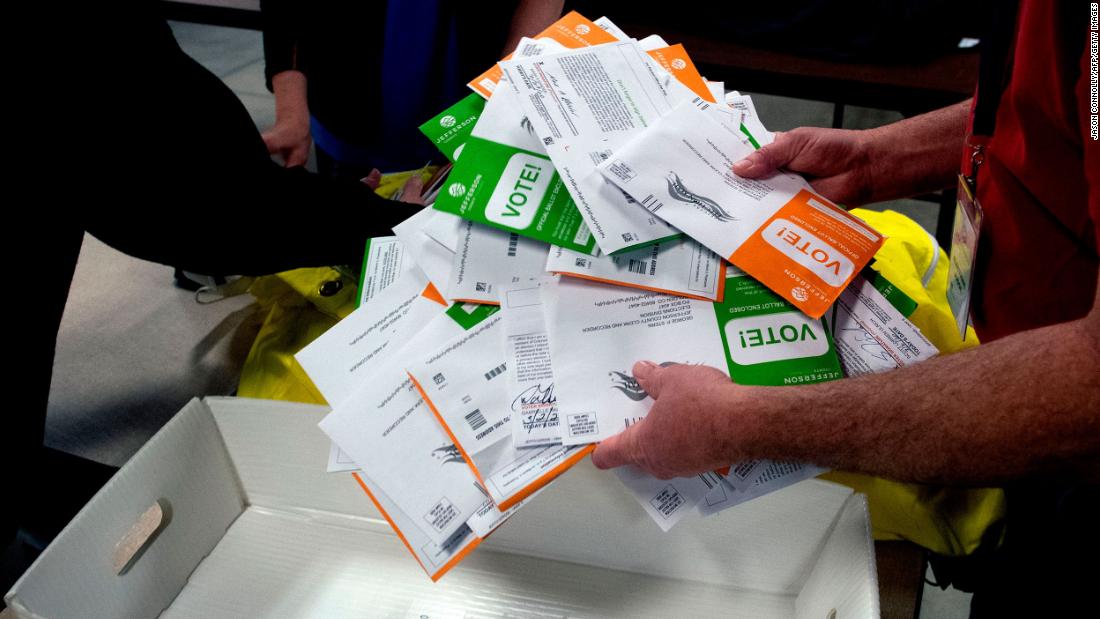
The Markets never lie – and it looks like Wall Street is smiling about Joe Biden
The Markets never lie – and it looks like Wall Street is smiling about Joe Biden It wasn’t just the Joe Biden campaign celebrating after a monumental Super Tuesday – so too was Wall Street. Dow (INDU) futures were last up more than 580 points, or 2.3%, after the former US vice president was projected to win many as nine states including Texas, Virginia and Minnesota. Sanders captured Utah, Vermont and Colorado, and was leading in California. Futures for the S&P 500 (INX) were up 1.8%, while the Nasdaq Composite (COMP) increased 1.9%. Wall Street has been unnerved by prospect that Sanders, who wants to ban fracking, break up big banks and institute a wealth tax, could win the Democratic nomination and eventually the presidency. March 04 – CNN Business But what impact and influence will investors and indexes have on the actual outcome of the primaries? Will voters be convinced or swayed by the markets or is this result simply a by-product of an election result? It is interesting for sure, and if you are a reporter covering this topic – then let our experts help with your coverage. Jeff Haymond, Ph.D. is Dean, School of Business Administration and a Professor of Economics at Cedarville and is an expert in finance and trade. Dr. Haymond is available to speak with media regarding this topic – simply click on his icon to arrange an interview.



FAU Experts Available to Speak on Coronavirus and its Impact Worldwide
Coronavirus has now earned global attention and Florida Atlantic University experts are available to speak with media about the impact of coronavirus on areas related to this worldwide epidemic, including hospitality, tourism, employment sick leave, and politics. If you are a journalist covering the progress of this virus and how it is impacting various sectors and segments of society – then let us help with your stories, questions and ongoing coverage. LeaAnne DeRigne, Ph.D., MSW, associate professor in FAU’s Phyllis and Harvey Sandler School of Social Work LeaAnne DeRigne is an expert on paid sick leave and its impact on the health and financial security of individuals, families and public health in general. Her recent research on the importance of paid sick leave benefits has received wide press coverage,and has been cited around the country by policy makers, lobbyists, and advocates pushing cities and states to mandate sick leave coverage. Key findings from the study, which are representative of the nation, showed that regardless of income, age, race, occupation, full-time or part-time work status, health status or health insurance coverage, workers without paid sick leave were three times more likely to delay medical care than were workers with paid sick leave. She also conducts research on other workplace benefits such as flexible work, vacation time and pensions. Peter Ricci, clinical associate professor and director of the Department of Marketing and Hospitality Management in FAU’s College of Business Peter Ricci is a hospitality industry veteran with more than 20 years of managerial experience in segments including food service, lodging, incentive travel, and destination marketing. While filling the role of hotel general manager for almost a decade, Ricci served as a part-time educator before entering academia full time as both a clinical associate professor and administrator. Kevin Wagner, Ph.D., professor and chair of FAU’s Department of Political Science in the Dorothy F. Schmidt College of Arts and Letters Kevin Wagner’s research and teaching interests include presidential and judicial politics, political behavior and legislative behavior. He is also a research fellow of the FAU Business and Economics Polling Initiative (BEPI). Wagner has lectured extensively on American politics and has served as an expert in many leading newspapers including the New York Times, Boston Globe, New York Newsday, the Dallas Morning News, and the Miami Herald. He has been featured as the political analyst for CBS 12 in West Palm Beach and on national television including NBC’s “Today.” All of the experts listed above are ready and available to speak with media. To arrange an interview simply click on an expert’s profile or email Lisa Metcalf at lmetcalf@fau.edu.




It’s here and it’s time America got serious about Covid-19, known as coronavirus. The CDC is working overtime, and leading government health officials are scrambling to ensure hospitals are equipped, front-line health providers are ready and the public is informed. But with any emergency, there comes the risk of misinformation and unnecessary worry. As the new coronavirus outbreak becomes an ever-looming threat in the United States, state infectious disease specialists say the first step to staying safe is this: Remain calm. Also, don’t worry about buying a mask. “You really have to make sure you get the accurate information and not … ‘Lock your doors, close the windows, buy a generator and hope for the best,’” said Dr. Peter Gulick, an infectious disease expert at the Michigan State University's College of Osteopathic Medicine and director of the MSU Internal Medicine Osteopathic Residency program. That’s not only alarmist and bad advice, he said, it’s a waste of energy. The best advice — like these tips from the U.S. Centers for Disease Control and Prevention — is tried-and-true, Gulick said: Wash hands often with soap and water for at least 20 seconds. It’s especially important after using the bathroom, before eating, and after blowing your nose, coughing or sneezing. No soap and water? Use an alcohol-based hand sanitizer with at least 60 percent alcohol. Avoid touching your eyes, nose and mouth with unwashed hands. Avoid close contact with people who are sick. If you’re sick, stay home. Cover your cough or sneeze with a tissue, then throw the tissue in the trash. Clean and disinfect frequently touched objects and surfaces using a regular household cleaning spray or wipe. If you think you’ve come in contact with someone with the virus (there have been no confirmed cases yet in Michigan) contact your health provider immediately. February 26 – The Bridge Regrettably, that too can often lead to financial reactions that can ripple across the economy. Lately, the surging stock market has plunged with worries from investors and Wall Street about how America’s workforce will be impacted if the virus spreads. Friday ended the worst week the stock market has had since 2008. NBC News 6 sat down with the Dean of the Broad College of Business at Michigan State University, Sanjay Gupta, to talk more about the stocks and what to expect after this week. “The stock market is clearly spooked, and it has become nervous with whatever is going on in the business world,” said Gupta. What has ‘spooked’ the business world, is COVID-19. “The coronavirus is quarantined lots of factories, in fact the whole country,” said Gutpa. Gutpa says the halt in Chinese manufacturing also limits businesses and goods here in the United States. “In our day to day lives, either there will be some things that we count on that may not be available. It might be that the priciest of those things that we count on change, or go up dramatically because we are so dependent on a foreign source,” said Gutpa. February 29 – WLNS TV Covering an outbreak like Covid-19 isn’t easy, there are multiple angles to explore and it is vital that only the correct facts are shared by media to the millions of viewers, readers and listeners that are waiting for the latest information – and that’s where our experts can help. Sanjay Gupta is the Eli and Edythe L. Broad Dean of the Eli Broad College of Business. He is an expert in the areas of corporate and individual tax policy issues and finance. Peter Gulick is currently an associate professor of medicine at Michigan State University, College of Osteopathic Medicine, and serves as adjunct faculty in the College of Human Medicine and the College of Nursing. Both experts have already been sought out by the media for their expert insight on this issue – if you are interested in arranging an interview, simply click on either expert’s profile to arrange a time today.


Following Israel’s third election in a year? Let our experts help with your coverage
It looks like the third time might be a charm for Israeli Prime Minister Benjamin Netanyahu. Despite facing corruption charges and failure to form government two previous times, it appears he might have finally secured power to lead the Knesset. However, as results are slow to come in, what comes after winning might be a different matter. A Netanyahu victory would set the stage for a possible constitutional showdown between Israel’s political and judicial power centers over whether he is able to form a government while under indictment. Since Mr. Netanyahu is facing felony prosecution, it is unclear whether the president, Reuven Rivlin, can legally invite him to form a government. The situation has no precedent and the Supreme Court, perhaps hoping a third election would render the question moot, avoided ruling on the subject in January. But the court will almost certainly now be asked to intervene, forcing its unelected judges to choose between disqualifying an elected leader from taking power or allowing a leader who is accused of bribery, fraud and breach of trust to form a new government. At a minimum, Mr. Netanyahu, Israel’s longest-serving premier, could use the electoral result to bolster his hand in negotiating a plea bargain. A new term for Mr. Netanyahu would also clear away domestic political impediments to annexing territory in the occupied West Bank, a move endorsed by the Trump administration and considered illegal by most of the world. The New York TImes - March 02 So, what comes after the election could be as stress filled and unpredictable as the campaign itself and if you are a journalist covering this ongoing story – the let our experts help. Dr. Glen Duerr's research interests include comparative politics and international relations theory. Glen is an expert on this subject and is available to speak to media regarding this topic– simply click on his icon to arrange an interview.

With South Carolina in the rear-view mirror, for most candidates seeking to represent the DNC this November – Tuesday is bottom of the 9th with the bases loaded. A home run means it is game over and the champion is crowned. A hit likely means you’ve survived to play another day. But for those who swing and miss … it’s a long walk to hang up the cleat and hit the political showers. There is a lot riding on Super Tuesday and odds are there will be a lot of people pontificating, pondering, and trying to predict what’s next for those left standing. And if you are a journalist covering the lead up and the aftermath to this high-stakes and heated race to lead the Democratic Party against President Donald Trump – let us help with your stories. Dr. Stephen Farnsworth is a sought-after political commentator on subjects ranging from presidential politics to the local Virginia congressional races. He has been widely featured in national media, including The Washington Post, Reuters, The Chicago Tribune and MSNBC. He is author or co-author of six books on presidential communication. His latest work, "Presidential Communication and Character: White House News Management from Clinton and Cable to Twitter and Trump," examines how the last four U.S. presidents sell themselves and their policies in an ever-expanding and sometimes precarious media environment. Dr. Farnsworth is available to speak with media and help with your coverage – simply click on his icon to arrange an interview today.


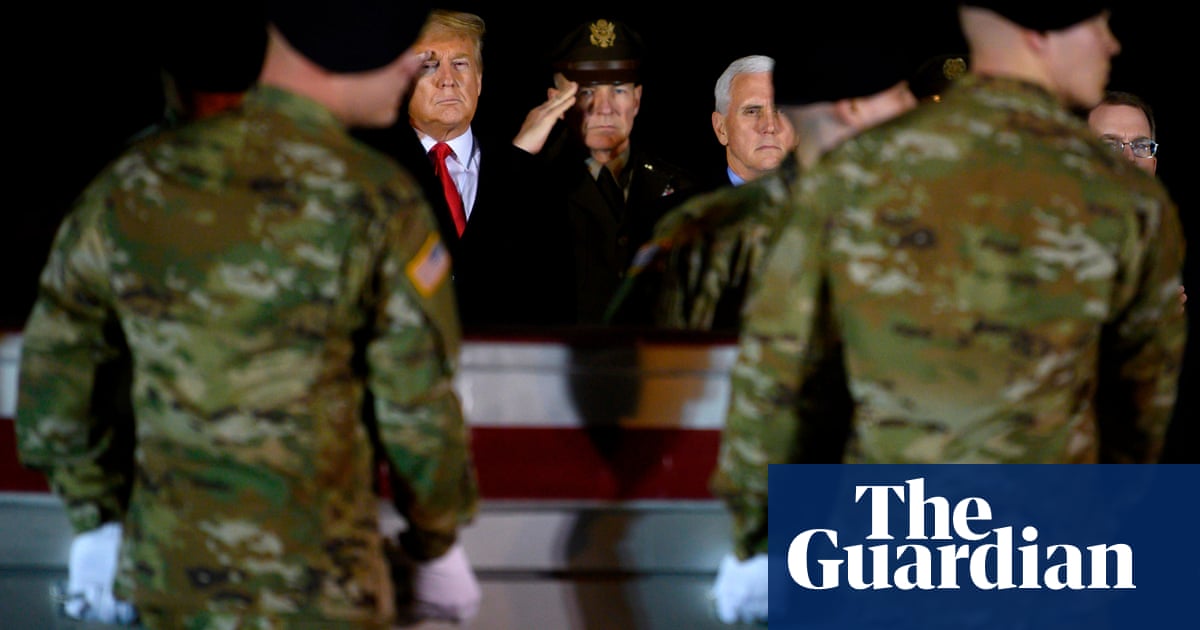
Truce with the Taliban - will it hold and is it possible?
It’s been nearly two decades of war that has taken thousands of lives and cost American taxpayers trillions of dollars. And late last week, a temporary truce with the Taliban was finally reached after 18 years of fighting and if that holds, a more permanent resolution is expected to be signed on February 29. If successfully implemented, the weeklong “reduction in violence” agreement, which came into force at midnight Friday local time (1930 GMT, 2:30 p.m. EST), will be followed by the signing of the peace accord on Feb. 29, wrapping up America's longest-running conflict and fulfilling one of President Donald Trump's main campaign promises. Friday's announcement of an agreement on terms for a peace deal follows months of negotiations between the two sides that have broken down before. Yet both parties have signaled a desire to halt the fighting that began with the U.S. invasion after the September 11, 2001, attacks by Osama bin Laden's Afghanistan-based al-Qaida network. Should the truce stand, the U.S.-Taliban deal would be followed within 10 days by the start of all-Afghan peace talks that could result in the formation of a new government in Kabul, a pledge from the Taliban not to allow terrorist groups to operate in the country, and the phased withdrawal of U.S. and other foreign troops over 18 months. February 21 – US News and World Report It’s a historic moment for all involved, but there’s a lot of questions to be asked. Does an agreement like this have a chance of succeeding? What will happen to the area once all U.S. and other troops finally withdraw? Is this potentially the first sign of peace in the region? What protection does Afghanistan’s fragile government have if left to stand on its own? There are a lot of scenarios to consider, and if you are a journalist covering this vent, that’s where our experts can help with your questions, stories and ongoing coverage. Dr. Craig Albert is a leading expert on war, terrorism and American politics and has testified to the U.S. Congress on Islamic Extremism. He is also the Director of the Master of Arts in Intelligence and Security Studies at Augusta University. He has experience with all forms of local and national news organizations and is available to speak to media regarding this latest development between America and the Talban. Simply click on Dr. Albert’s icon to arrange an interview or to learn more about his expertise.

