
Experts Matter. Find Yours.
Connect for media, speaking, professional opportunities & more.
On August 3, 2019, a white power-inspired gunman killed 24 people and injured 22 others at a Wal-Mart in El Paso, Texas. We tend to understand mass shootings as isolated events committed by “lone wolf” gunmen who might have mental health problems, but what we know about the El Paso gunman – as well as the terrorists who carried out mass killings at the Al Noor Mosque and Linwood Islamic Center in Christchurch, New Zealand in March 2019, the Tree of Life Synagogue in Pittsburgh in 2018, and at the Emanuel African Methodist Episcopal Church in Charleston, South Carolina in 2015 – tell a different story. The evidence investigators have complied shows that these white-power terrorists had never met one another, but that they lived in an on-line world created by 4chan, 8chan, and white-power organizations’ websites, where they consumed racist ideas and propaganda that shaped their decision to kill African-Americans, Muslims, Jewish people, and Mexicans and Mexican-Americans. We also know that white-power terrorists have particular goals in mind. Message boards like 8chan reveal a competition among participants about who can top the number of people killed in the last mass shooting. There is also a strong belief expressed on-line that killing racial minorities will foment a race war and allow white-power advocates to create an all-white world. I describe these terrorists as advocates of white power because it is important to understand that “white power” and “white nationalism,” a term often used in the media to describe the perpetrators of recent mass killings and the movement that animates them, are not the same thing. White nationalism calls to mind an effort to shore up the interests of white people within the American nation as it currently exists. The white-power movement, on the other hand, imagines a transnational, Aryan nation of white people living in an all-white world after wiping out non-whites. This might sound far-fetched, but does not mean that those who carry out mass killings in pursuit of this goal are mentally ill. Rather, their actions are the result of a white-power ideology fostered and spread on-line. What is new about how white-power advocates communicate with each other is that some of it now happens on-line. Interaction between racists who never met one another, however, has a long history in the United States. Approximately 4,100 African Americans were lynched between the end of the Civil War in 1865 and the 1960s. The white perpetrators of these lynchings lived hundreds of miles apart and often did not know one another, but they were united in a collective effort to enforce Jim Crow white supremacy in the American South (I use “white supremacist” here because white southerners who carried out lynchings did not, broadly speaking, subscribe to white power as the current movement defines it: the creation of a transnational, Aryan nation of white people living in an all-white world after wiping out non-whites). Lynchings were sometimes public events that drew hundreds or thousands of people with the purpose of “teaching” southern African Americans what would happen to them if they violated the rules of Jim Crow. Southern newspapers ran stories that justified lynchings; perpetrators took pieces of flesh, body parts, and hair from lynching victims as souvenirs and passed them around; and white southerners took lynching photographs, turned them into postcards, and mailed them to friends, family, business associates, and fellow travelers in the white supremacist movement. This racist community building had the goal of creating and maintaining white supremacy and, of course, it all happened without the help of the Internet. Communication, whether on-line or through the more traditional means has played an integral role in fostering and perpetuating racial violence and hatred. If you are a reporter covering this topic – let one of our experts help. Dr. Anthony DeStefanis is an associate professor of history at Otterbein University. He specializes in modern U.S. history with an emphasis on labor and the working class and immigration, race, and ethnicity. Dr. DeStefanis is available to speak with media regarding the history of racial violence in America – simply click on his icon to arrange an interview.


October is Breast Cancer Awareness Month – Let our experts help with your coverage
October is Breast Cancer Awareness Month and if you are a reporter looking to know more or considering covering this topic, here are a few key facts to get started according to Breastcancer.org: About 1 in 8 U.S. women (about 12%) will develop invasive breast cancer over the course of her lifetime. In 2019, an estimated 268,600 new cases of invasive breast cancer are expected to be diagnosed in women in the U.S., along with 62,930 new cases of non-invasive (in situ) breast cancer. About 2,670 new cases of invasive breast cancer are expected to be diagnosed in men in 2019. A man’s lifetime risk of breast cancer is about 1 in 883. About 41,760 women in the U.S. are expected to die in 2019 from breast cancer, though death rates have been decreasing since 1989. For women in the U.S., breast cancer death rates are higher than those for any other cancer, besides lung cancer. Besides skin cancer, breast cancer is the most commonly diagnosed cancer among American women. In 2019, it's estimated that about 30% of newly diagnosed cancers in women will be breast cancers. In women under 45, breast cancer is more common in African-American women than white women. A woman’s risk of breast cancer nearly doubles if she has a first-degree relative (mother, sister, daughter) who has been diagnosed with breast cancer. Less than 15% of women who get breast cancer have a family member diagnosed with it. At Augusta University, we have leading experts who can help with any of your questions, assist with your coverage and ensure your story has all the facts and details it requires to be a compelling and effective piece. Dr. Alicia Vinyard is a Board-Certified General Surgeon and Fellowship Trained Breast Surgical Oncologist at the Georgia Cancer Center and Medical College of Georgia at Augusta University. Dr. Vinyard is also an expert in breast cancer, cancer surgery and cancer survivorship. She is available to speak to media about Breast Cancer Awareness Month – simply click on her icon to arrange an interview.


Vaping injuries and deaths on the rise — Augusta University experts talk health risks
As the nationwide death toll due to vaping-related lung disease rose to 17 this week, this topic has been making headlines lately as concerned medical providers, parents and even politicians are now demanding action. This week, Augusta University Medical Center reported its first patient with a vaping-related lung injury was admitted to the ICU. More than 500 cases of lung damage and seven deaths linked to vaping have been reported across the U.S. in the last few weeks, according to the Centers for Disease Control and Prevention. “It took decades and decades of smoking for us to realize that we had a lot of older people carrying around oxygen tanks and that they were doing damage to their lungs over an extended period of time,” said Dr. Phillip Coule, vice president and chief medical officer for Augusta University Health System. “My concern is we have people thinking that this is safe and we’re not going to know that true effect of this, in terms of the damage occurring to people’s lungs, for years.” Augusta University experts are available to discuss the wide range of questions related to vaping, including: Rise of vaping-related illnesses/deaths Known and unknown health risks Misnomer that vaping is safer High rate of teen/young adult usage “The CDC made a landmark statement: That all of our efforts to get children and adolescents and young adults to move away from nicotine have been ‘erased’ – that’s a very powerful word,” said Dr. Martha Tingen, associate director of Cancer Prevention, Control and Population Health at the Georgia Cancer Center. The health risks related to e-cigarette use are impossible to ignore, she said. “Some students are having a major experience immediately after they smoke, that they are having shallow breathing and they can’t get their breath. When they are admitted into the hospital and go to the emergency room, they are seeing that they actually have some lung damage and they are setting themselves up for future, more intensive lung disease problems,” Tingen said. Dr. Coule serves as vice president and chief medical officer for AU Health System and associate dean for clinical affairs at the Medical College of Georgia at Augusta University. Dr. Tingen is a behavioral nurse scientist targeting the prevention of tobacco use in children. She can speak with media regarding the problems e-cigarettes pose for our society. Our experts are available to discuss the wide range of topics concerning e-cigarettes and vaping – simply click on either expert’s icon to arrange an interview.


How are Governments Using Artficial Intelligence? How are They Misusing AI?
There has been a lot of talk about artificial intelligence – who is using it, how it works, and what it will lead to. Rensselaer Polytechnic Institute professor James Hendler – who was recently named to the newly formed Association for Computing Machinery (ACM) Technology Policy Council – penned a piece for The Conversation outlining the danger A.I. could pose to American society if there is not enough oversight. Here are some excerpts: “Artificial intelligence systems can – if properly used – help make government more effective and responsive, improving the lives of citizens. Improperly used, however, the dystopian visions of George Orwell’s “1984” become more realistic. On their own and urged by a new presidential executive order, governments across the U.S., including state and federal agencies, are exploring ways to use AI technologies. As an AI researcher for more than 40 years, who has been a consultant or participant in many government projects, I believe it’s worth noting that sometimes they’ve done it well – and other times not quite so well. The potential harms and benefits are significant...” “...Other government uses of AI are being questioned, too – such as attempts at 'predictive policing,' setting bail amounts and criminal sentences and hiring government workers. All of these have been shown to be susceptible to technical issues and data limitations that can bias their decisions based on race, gender or cultural background. Other AI technologies such as facial recognition, automated surveillance and mass data collection are raising real concerns about security, privacy, fairness and accuracy in a democratic society....” “...As the use of AI technologies grows, whether originally well-meant or deliberately authoritarian, the potential for abuse increases as well. With no currently existing government-wide oversight in place in the U.S., the best way to avoid these abuses is teaching the public about the appropriate uses of AI by way of conversation between scientists, concerned citizens and public administrators to help determine when and where it is inappropriate to deploy these powerful new tools.” Are you a reporter covering AI? Then let us help with your stories and ongoing coverage. Professor James Hendler is the Director of the Institute for Data Exploration and Applications at Rensselaer Polytechnic Institute. He is available to speak with media – simply click on his icon to arrange an interview.


Impeachment and what follows? Let our experts help if you are covering!
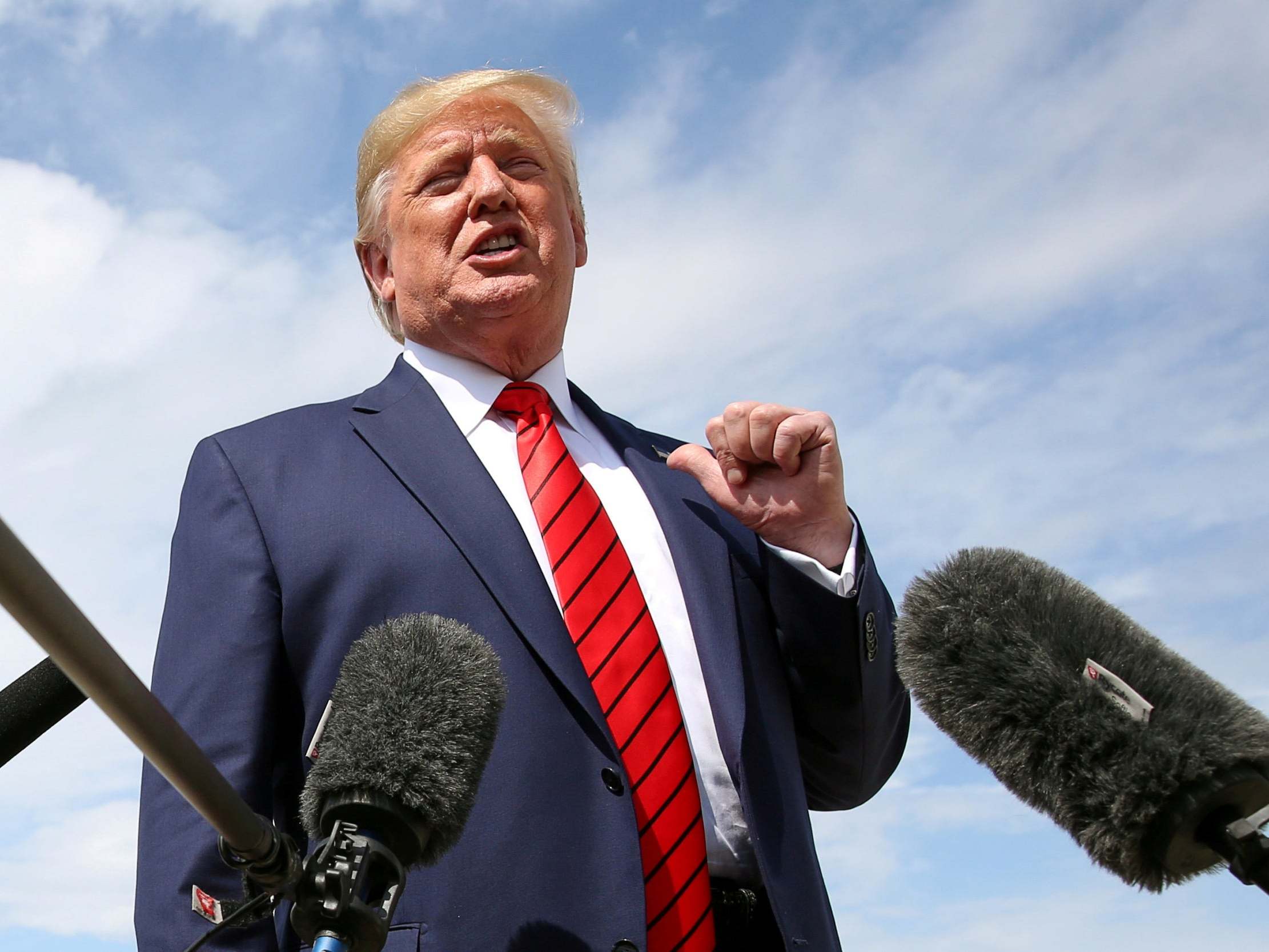
For President Donald Trump…he’s living in interesting times. There’s an irony to that statement, as the so-called Chinese proverb ‘May you live in interesting times’ which has been purported as a centuries old curse on the English has no actual source or history. It too is fake news. But painfully accurate in these times of political turmoil in Washington. What’s not fake is the talks of impeachment. The issue has traction and it looks as if the first steps of the process will soon move forward. The President and his supporters are digging in and pushing back. This will be an issue that dominates the headlines for months, if not longer. It may even stretch into the election cycle for 2020. There will be results, consequences and reactions each step along the way. The President has even indicated the division will be akin to civil war. While not likely, the splitting of the American voter will deepen and it will be interesting to see, once all the dust has settled, who benefits at the ballot box in 2020. If you are a reporter covering this topic – that’s where our experts can help. Mark Caleb Smith is the Director of the Center for Political Studies at Cedarville University. Mark is available to speak with media regarding Trump, impeachment and the upcoming election. Simply click on his icon to arrange an interview.


Responding to increased pressure, Facebook has "doubled down" on identifying and removing posts by online extremists and the groups they use to share content. As noted in a recent NBC News article, these increased efforts include using artificial intelligence and machine learning to proactively identify and remove posts and groups that break the rules, and promoting tools that would hold group administrators more accountable for posted content." Megan Squire is a professor of computer science who has conducted extensive research tracking connections between online hate groups and how they leverage social media platforms to recruit new members and spread propaganda. Squire told NBC News that she's skeptical that even these more high-tech efforts will meaningfully curtail the activity of online extremists. “Same stuff, different day,” Squire told NBC News. “Just in the past month, I reported groups calling for a global purge of Islam, extermination of people based on religion, and calling for violence through a race war, and Facebook’s response was that none of these groups was a violation of community standards.” If Dr. Squire can assist with your reporting about social media and online extremism, please reach out to Owen Covington, director of the Elon University News Bureau, at ocovington@elon.edu or (336) 278-7413. Dr. Squire is available for phone, email and broadcast interviews.


Covering Climate Change? Let Our Experts Help with Your Coverage
It took a long time, but climate change is part of everyday life. It is now part of the constant news cycle, it is used in shaping public policy, incorporated into marketing plans and owns a part of (most) political party platforms. Climate activism is growing as well. One year ago, 16-year-old Greta Thunberg skipped school to sit in front of Swedish Parliament to protest our climate. Today, those same one-day strikes inspired by her take place in over 800 cities across the planet. Climate change is real and with any growing topic or cause, there’s also a lot of misinformation shared, and some facts just aren’t being interpreted correctly. If you’re a journalist covering climate change – that’s where our experts can help with your questions, stories and ongoing coverage. Dr. Pamela Grothe is an assistant professor in the Department of Earth and Environmental Sciences as the University of Mary Washington. She recently completed a Ph.D. in the Paleoclimatology Lab at the Earth and Atmospheric Sciences department at Georgia Institute of Technology. She’s an #expert in climate change and is available to speak with media – simply click on her icon to arrange an interview.


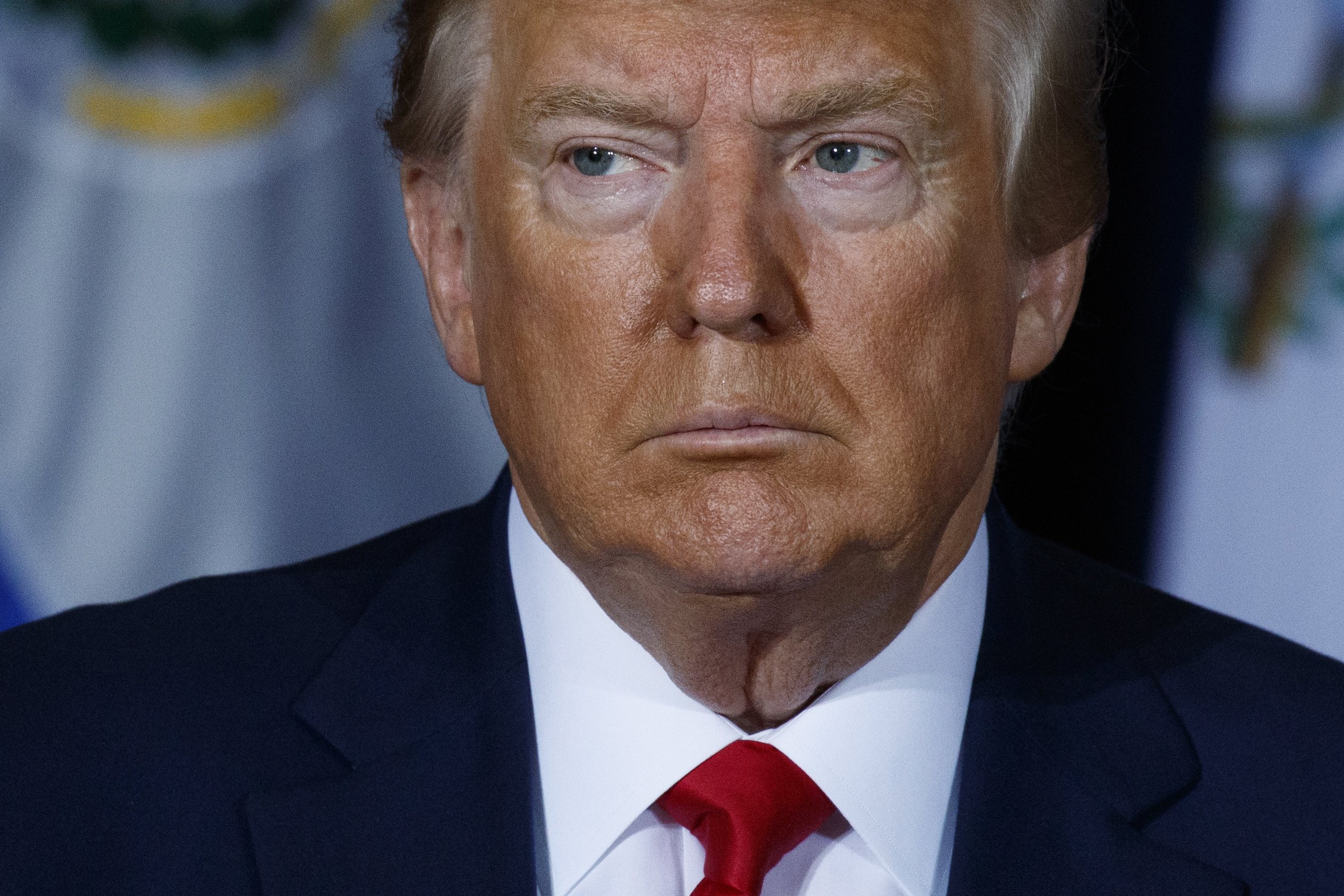
Until now, it seemed no scandal could stick to President Donald Trump. But after a whistleblower came forward after an awkward conversation between President Trump and Ukrainian President Volodymyr Zelenskiy – it seems Trump may have finally crossed the line. His request for an investigation by a foreign power into a political, opponent may have been illegal. Trump repeatedly Ukrainian President Volodymyr Zelenskiy to work with Attorney General William Barr and Rudy Giuliani, Trump’s personal lawyer. At one point in the conversation, Trump said, “I would like for you to do us a favor.” The president’s words set the parameters for the debate to come — just the fourth impeachment investigation of an American president in the nation’s history. The initial response highlighted the deep divide between the two parties: Democrats said the call amounted to a “shakedown” of a foreign leader, while Trump — backed by the vast majority of Republicans — dismissed it as a “nothing call.”… Pelosi announced the impeachment probe on Tuesday after months of resistance to a process she has warned would be divisive for the country and risky for her party. But after viewing the transcript on Wednesday, Pelosi declared: Congress must act.” September 25 – Associated Press This will only be the fourth time in history an impeachment investigation has taken place - and odds are it will dominate the Washington scene for months. But there are a lot of questions to be asked: How long will this take? What does it take to actually succeed? If Trump is impeached by Congress – will the Senate follow? Could he actually be removed from office? And, is this a risk for Democrats who could feed into the Trump narrative of another failed attempt at a witch hunt? There are a lot of questions and that’s where our experts can help. Dr. Stephen Farnsworth is professor of political science and international affairs at the University of Mary Washington. A published author and a media ‘go-to’ on U.S. politics, he is available to speak with media regarding this topic. Simply click on his icon to arrange an interview.


Are the days of the traditional travel agent done? Let our experts help!
For explorers, those needing a vacation and those tripping abroad – the news of long-time travel company Thomas Cook suddenly going bankrupt came as a shock. One of the oldest travel agencies in the world, Thomas Cook was rooted in brick and mortar operations and has amassed some serious debt. That coupled by its dwindling business that was being lapped up by popular online travel options – the preferred choice of younger travelers - meant the end was near. “As it struggled to pitch itself to a new generation of tourists, the company was hit by the 2016 coup attempt in Turkey, one of its top destinations, and the 2018 Europe-wide heat wave which deterred customers from going abroad. Thomas Cook needed another 200 million pounds on top of a 900-million-pound package it had already agreed, to see it through the winter months when it receives less cash and must pay hotels for summer services. The request for an additional 200 million pounds torpedoed the rescue deal that had been months in the making. Thomas Cook bosses met lenders and creditors in London on Sunday to try to thrash out a last-ditch deal to keep the company afloat. They failed.” September 23, Financial Post Travel agencies, much like film for cameras – are becoming a thing of the past and all part of our more digital and modern society. But what’s next for the travel industry? What do those looking to seek out adventure and travel need to be wary of? Are there any other companies on the brink like Thomas Cook? If you are a reporter covering this story – let our experts help. Steve Moss is a professor at Georgia Southern University and specializes in tourism, forecasting and quantitative methods. Steve is available to speak with media regarding this topic – simply click on his icon to arrange an interview.


Analyzing U.K. Supreme Court Ruling
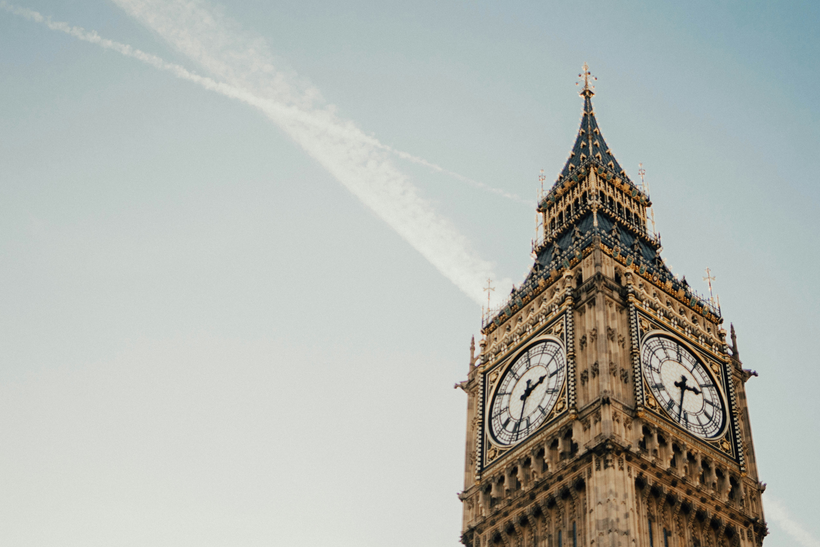
The Supreme Court of the United Kingdom ruled that Prime Minister Boris Johnson illegally suspended Parliament, putting lawmakers back in session to debate Brexit. Villanova political science professor Catherine Warrick, PhD, says that, while the circumstances are unusual, the court has acted in defense of the constitution and the rule of law by protecting Parliament's powers. She notes there are two key factors in the court's ruling. "First, the ruling wasn't about Brexit itself. The Supreme Court made it clear that their decision was about the limited question of the power to prorogue Parliament—and was taken on the basis of constitutional principles, not political questions. Interestingly, the government had claimed (implausibly) that the prorogation was not about Brexit at all, but now that it has been ruled illegal, a lot of conservative commentators are suddenly depicting the decision as an attempt to derail Brexit. Bit of trying to have it both ways there. "Second, there seems to be a lot of commentary on social media claiming that the court said that the prime minister lied to or misled Queen Elizabeth in order to get her to agree to prorogation. This isn't really true—the inference can be drawn that Johnson behaved dishonestly, but I don't think the Court said so outright."
