
Experts Matter. Find Yours.
Connect for media, speaking, professional opportunities & more.

Inflation's on the rise - can it be reigned in for 2022?
It seems the cost of everything is going up. For most Americans, filling up your car and filling up your grocery cart are now noticeably more expensive. Costs of goods are going up and that's taking a toll on the cost of living for a lot of people across the country. But what's causing the prices of goods and services to creep upwards - and what will it take to tame the upward trend that has inflation at its highest rate in more than 30 years? Recently, Andrew Butters and Kyle J. Anderson from Indiana University’s Kelley School of Business sat down with Indiana NewsDesk to help explain what's going on. Inflation might be the one the leading news stories of 2022 - and if you are a reporter looking for answers - then let us help with your coverage. Andrew Butters is an Assistant Professor of Business Economics and Public Policy at Indiana University’s Kelley School of Business. He is also an expert in the areas of industrial organization, productivity, market integration, demand and business cycles. Kyle J. Anderson is a Clinical Assistant Professor of Business Economics. He is an is an economist researching business and pricing in online environments. Both Kyle and Andrew are available to speak with media regarding this important topic – simply click on either expert's icon now to arrange an interview today.

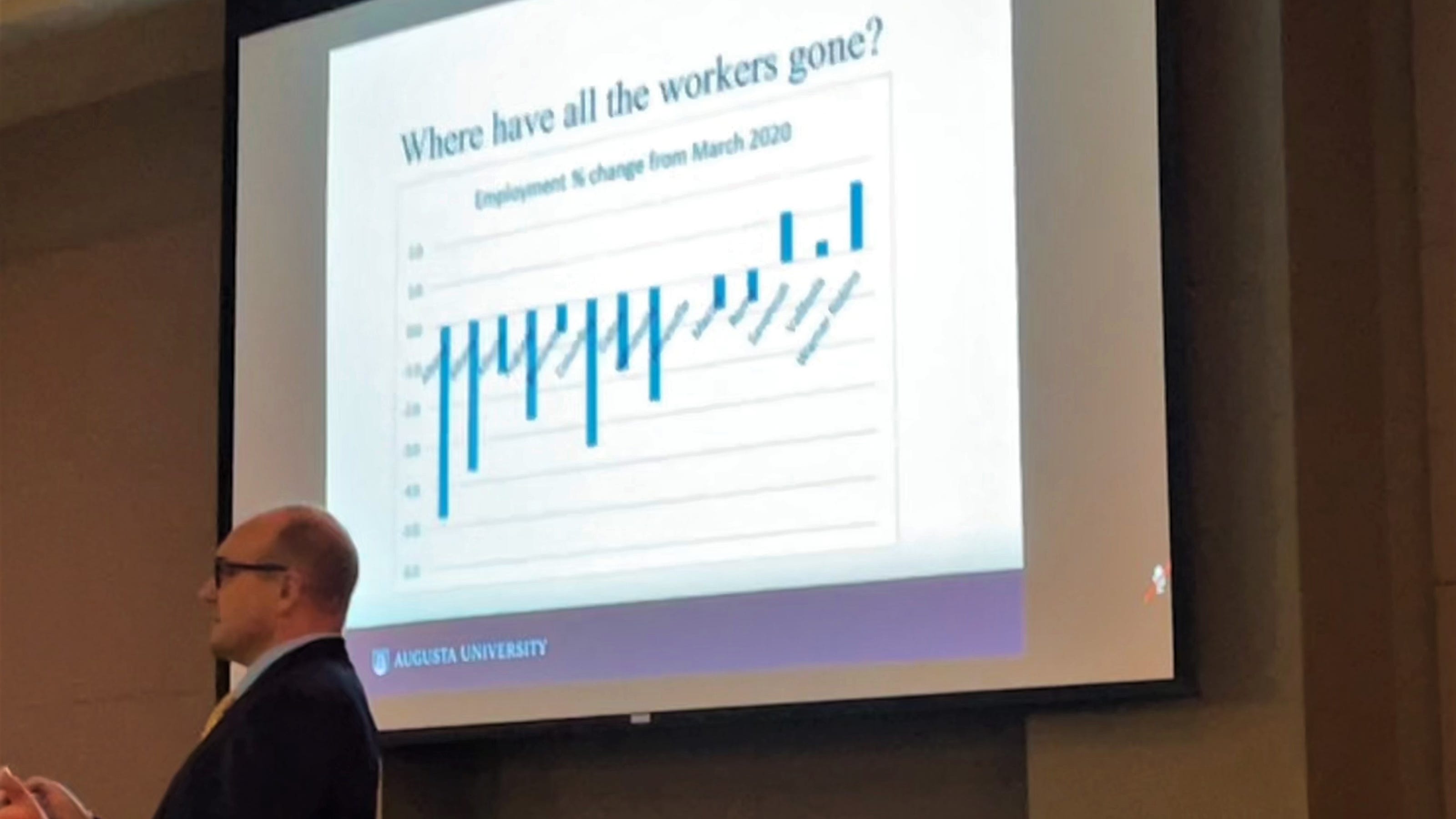
As the legendary political guru James Carville used to say, "It’s the economy, stupid." And these days with housing prices, inflation and the cost of living all pointing up in a very steep trajectory – the state of the economy is front and center for a lot of politicians, Americans and families as the year comes to a close. There’s a lot to be considered, and that’s where experts like Augusta’s Dr. Simon Medcalfe are being sought out to explain economic trends what is behind them. “U.S. retail sales are high,” explains Medcalfe “We had a lot of stimulus checks coming through the door and that’s really spurred extra spending and it’s across a whole range of retail sectors.” According to Medcalfe, household items are also seeing double-digit price increases. “What we’ve seen over the last 18 months during the pandemic, is a shift in our consumer preferences and consumer behavior.” • Furniture sales are up 29% • Used cars and cars in general are up 25-26% • Gardening and building supplies are up 14% • Electronics have seen an almost 30% increase • Clothing sales are up a whopping 50% But it’s not all good news - as the price of everything as we know is going up. “Inflation is running about 6.8% nationally,” Medcalfe explains. “It’s running about 7.2% in the south and it’s certainly a concern of policymakers and economists.” But theirs is sunshine behind those clouds as Medcalfe believes 2022 will see a return to normal. “I think next year inflation will come down. I know it won’t be at these high levels, but I still think it’ll be above the Feds target level of inflation, so look for those interest rate increases next year.” The economy and what to expect locally and nationally are hot topics – and if you are a reporter covering this topic – that’s where we can help. Dr. Simon Medcalfe is a highly regarded economics expert and the Cree Walker Chair in the Hull College of Business at Augusta University. Medcalfe is available to speak with media regarding the economy and its outlook – simply click on his icon now to arrange an interview today.


Will Biden’s Plan to Resettle Afghans Transform the U.S. Refugee Program?
Among the high-profile anti-immigration policies that characterized the four years of Donald Trump’s presidency was a dramatic contraction in refugee resettlement in the United States. President Biden has expressed support for restoring U.S. leadership, and increased commitment is needed to help support the more than 80 million people worldwide displaced by political violence, persecution, and climate change, says UConn expert Kathryn Libal. As Libal writes, with co-author and fellow UConn professor Scott Harding, in a recent article for the Georgetown Journal of International Affairs, the rapid evacuation of more than 60,000 Afghans pushed the Biden administration to innovate by expanding community-based refugee resettlement and creating a private sponsorship program. But more resources are needed to support programs that were severely undermined in previous years and to support community-based programs that help refugees through the resettlement process: Community sponsorship also encourages local residents to “invest” in welcoming refugees. Under existing community sponsorship efforts, volunteers often have deep ties to their local communities—critical for helping refugees secure housing, and gain access to employment, education, and health care. As these programs expand, efforts to connect refugees to community institutions and stakeholders, which are crucial to help facilitate their social integration, may be enhanced. As Chris George, Executive Director of Integrated Refugee and Immigrant Services in New Haven, Connecticut, has observed, “It’s better for the refugee family to have a community group working with them that knows the schools and knows where to shop and knows where the jobs are.” As more local communities take responsibility for sponsoring refugee families, the potential for a more durable resettlement program may be enhanced. In the face of heightened polarization of refugee and immigration policies, community sponsorship programs can also foster broad-based involvement in refugee resettlement. In turn, greater levels of community engagement can help challenge opposition toward and misinformation about refugees and create greater public support for the idea of refugee resettlement. Yet these efforts are also fraught with significant challenges. Sponsor circle members may have limited capacity or skills to navigate the social welfare system, access health care services, or secure affordable housing for refugees. If group members lack familiarity with the intricacies of US immigration law, helping Afghans designated as “humanitarian parolees” attain asylum status may prove daunting. Without adequate training and ongoing support from resettlement agencies and caseworkers, community volunteers may experience “burn out” from these various responsibilities. Finally, “successful” private and community sponsorship efforts risk providing justification to the arguments of those in support of the privatization of the USRAP and who claim that the government’s role in resettlement should be limited. Opponents of refugee resettlement could argue that community groups are more effective than the existing public–private resettlement model and seek to cut federal funding and involvement in resettlement. Such action could ultimately limit the overall number of refugees the United States admits in the future. December 11 - Georgetown Journal of International Affairs. If you are a journalist looking to know more about this topic – then let us help with your coverage and questions. An associate professor of social work and human rights, Kathryn Libal is the director of UConn's Human Rights Institute and is an expert on human rights, refugee resettlement, and social welfare. She is available to speak with media – click on her icon now to arrange an interview.


Christmas is here! And with the hustle and bustle of shopping and scouring the internet for that perfect gift or deal, odds are there are people lurking in the dark corners hoping to stuff their stockings with scams if you’re not too careful. At Thanksgiving, when the official start to the shopping season began – the experts from Indiana University’s Kelley School of Business were front and center answering media calls and doing interviews about this very topic Scott Shackelford, a professor at Indiana University specializing in cyber security, said there are some red flags to be on the lookout for while shopping online. “There’s some easy ones to spot right off the bat, including if on the URL,” said Schackelford. “If you see it just as HTTP and not HTTPS. That S stands for secure, which means your information is encrypted when you use that site.” Shackelford also said to be on the lookout for funny wordplay involved on the website. Maniscalo says most of these fake websites originate from outside the country. “English is not their native tongue, so they will a lot of times have misspellings, or say things in kind of an awkward way, not how we would say it, or how we would print it out there,” said Maniscalo. There is also the problem of what Shackelford calls Grinch Bots. These are automated bots that monitor major retail sites to see what items are the hottest and buy them out as soon as they are restocked. “There’s actually been bills that have been proposed in Congress to deal with example of that phenomenon. But of course, they’re not enacted yet, so it’s still up to consumers,” said Shackelford. November 25 – Fox News It’s going to be a busy holiday shopping season – and if you’re a journalist looking to cover this important top, then let us help. Scott Shackelford is an Assistant Professor of Business Law and Ethics at Indiana University’s Kelley School of Business. He’s an expert in the field of cybersecurity law and policy. Scott is available to speak with media about this subject – simply click on his icon now to arrange an interview today.
Experts in the Media – Learn how UMW is doing its part to preserve Indigenous history
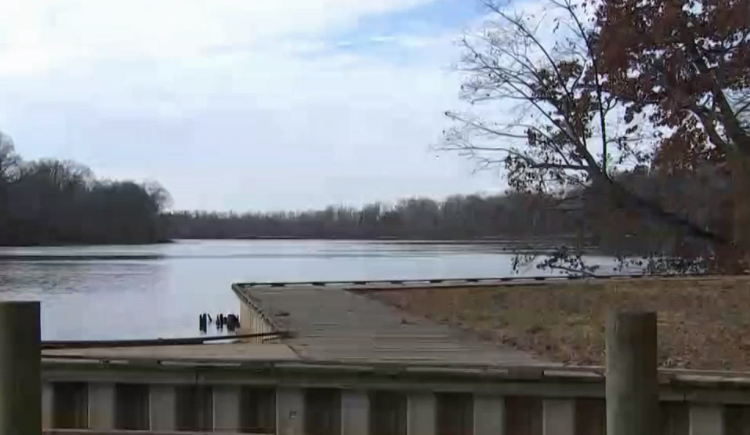
The members of Virginia’s Rappahannock and Patawomeck tribes can trace their roots back to the times before the first European contact. For hundreds of years, their people fished the rivers and inhabited the area near the Potomac and Rappahannock rivers. It was a rich history and today the efforts to preserve the stories and records of those times are being bolstered by UMW students and faculty. The work was recently featured in a piece by NBC-4 in Washington, D.C. Professor Lauren McMillan and her students are helping with that mission. King George County economic development officials approached her with an idea to create a Native American heritage trail, hopeful that it would drive ecotourism and draw visitors to public access points. “The first step that we did was say we need to consult with the tribes whose stories we’d be telling," McMillan said. Then the class did a deep dive. "We then started diving into the archives, the historical records, oral histories and the archaeological record as well,” McMillan said. They’ve created signs that will go up in seven different locations in King George. Each one tells a different story about the local tribes, spotlighting the past and present. “When you learn Virginia history, you learn about a lot of stuff that happened in Jamestown and that’s kind of the last place you learn about Indians in Virginia history, but we've been here all along,” Brad Hatch, a member of the Patawomeck Tribe, said. “We’ve been preserving our own culture and heritage and it's here for everybody to see." The students worked hard to put that heritage and culture on full display. They also envision their project inspiring others to do some research of their own about Virginia’s first residents. December 07 - NBC News Indigenous history is a fascinating topic – and one being covered more and more by media. And if you’re a reporter looking to know about the work UMW is doing with of the Rappahannock and Patawomeck tribes or other topics – then let us help. Lauren McMillan is the University of Mary Washington's resident historical archaeologist and an expert on middle-Atlantic American history. Dr. McMillan is available to speak with media – simply click on her icon now to arrange an interview today.

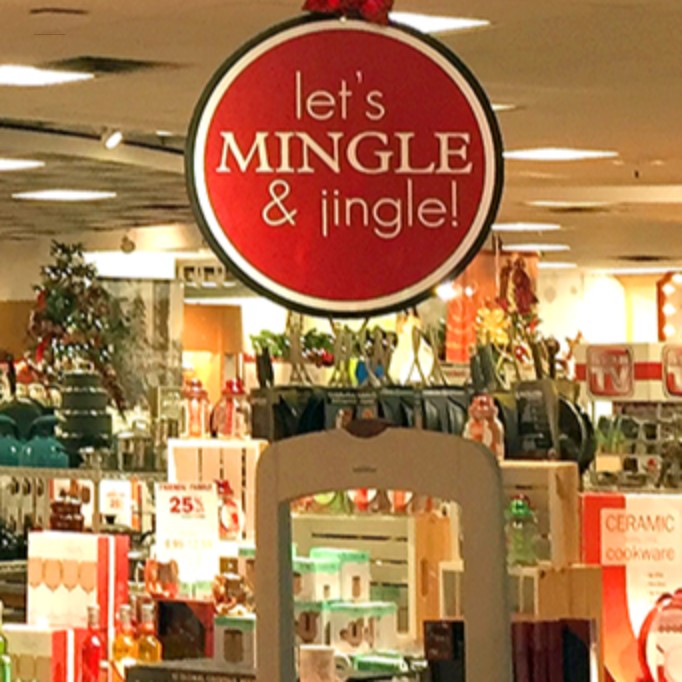
Have you finished your Christmas shopping yet? If not – waiting for last minute deals or just pushing off the pain of navigating a jam-packed shopping mall might result in some failed efforts, unhappy kids and even the potential for coal in your own stocking for letting some loved ones down. Recently, John Talbott, the director of the Center for Education and Research in Retailing at the Indiana University Kelley School of Business was interviewed on the IBJ podcast to explain how supply chain woes may be creating chaos this Christmas. Experts expect shoppers to drop a record amount of money this holiday season. The National Retail Federation forecasts sales for November and December to grow between 8.5% and 10.5% over the same months in 2020. In total dollars, that would be between $843.4 billion and $859 billion. At the same time, the supply-chain issues that have plagued commerce since the start of the pandemic are expected to complicate gift buying and limit stock for some products. The answer is to get your shopping done as soon as possible, because you might not get a second chance, says John Talbott, the director of the Center for Education and Research in Retailing at the Indiana University Kelley School of Business. In the latest edition of the IBJ Podcast, Talbott explores other big questions with host Mason King. Does Indy’s status as a leading U.S. logistics hub give Hoosiers a leg up on gift availability? What role might inflation play in this year’s shopping season? Why are gift cards even more valuable than usual this year? How can we avoid cybercrime? And are there any blockbuster, must-have gifts for this season? November 28 – IBJ Podcast And if you’re a journalist looking to know more or covert this subject – then let us help. John Talbott is the Director for the Center for Education and Research in Retail at Indiana University’s Kelley School of Business. He’s an expert in the areas of retailing, relating marketing activities to financial outcomes, and new media communication. John is available to speak with media regarding this important topic – simply click on his icon now to arrange an interview today.

In any disagreement or dispute, sides are taken - by those involved, by those invested or sometimes just by those most interested in the conflict that is occuring. And when it comes to the matter of superstar athletes squaring off against billionaire owners, it's often the fans that speak the loudest and media are doing their best to cover both sides - and get to the root of the matter. Lately, experts from IU's Kelley School of Business have been front and center - providing expert perspective, opinion and analysis. And earlier this month as players were locked out - Nathaniel Grow was getting calls by reporters for insight. “The players have been seeing their financial position deteriorate over the last few cycles, and the last few years in particular, when the average player salary has declined, which is unprecedented for MLB,” said Nathaniel Grow, an associate professor of business law and ethics at Indiana University’s Kelley School of Business who has written extensively on baseball’s CBA topics and issues for several years. “Within that bucket is the service-time manipulation, which helps feed into some of these salary issues.” “The players don’t think they’re getting a fair shake, is a fair general consensus. The question becomes, where do they go and how do they try to improve their financial position?” December 02 - Sporting News The ongoing labor dispute between players and owners will be long, protracted and at times tense - and if you are a reporter looking to cover this trending topic, then let us help with your stories and questions. Nathaniel Grow is an Associate Professor of Business Law and Ethics and the Yormark Family Director of the Sports Industry Workshop. He's also an expert in the areas of sports and labor law. Grow is frequently quoted by media outlets such as The Washington Post, The Wall Street Journal and ESPN regarding current legal issues in the sports industry. Nathianiel is available to speak with media regarding the MLB lockout - simply click on his icon now to arrange an interview today.

MEDIA RELEASE: What CAA members need to know about the highway tow zone pilot program
As Ontario’s new highway tow zone pilot launches on Monday, CAA South Central Ontario (CAA SCO) is reinforcing its commitment to ensure members are safe no matter the location. “CAA members should be confident knowing that if they find themselves stuck in one of the tow zones, we are here to help as always,” says Teresa Di Felice, assistant vice-president of government and community relations. “As a CAA member, call us and we will help navigate the rescue with the appropriate tow provider.” Getting stuck on the side of the road can be an intimidating situation. CAA's best advice is first to assess your situation and if it's an emergency, call 911. Otherwise, we are encouraging members to press *222, and CAA will help coordinate a rescue, either with one of CAA’s tow providers or through MTO, depending on the situation. CAA has a commitment to road and consumer safety in Ontario. Every year CAA SCO responds to over 1.2 million rescue calls and of that number, only about 2 per cent of our calls originate in these zones. “At CAA, our mission is to help you stay safe, mobile and protected. That’s why we want you to know that if you find yourself in need of a tow in one of the designated pilot program tow zones, we will be here to help make the process safe and easy,” says Di Felice. In a survey conducted in August 2021 by CAA SCO, 93 per cent of members agree that roadside assistance providers, like CAA, should be permitted to operate in regulated highway towing sections of the GTHA highways. If an MTO tow zone approved provider needs to remove your vehicle, CAA will cover the cost of your tow based on the limits of your membership level. For over a decade, CAA has been advocating for towing industry reforms and working towards greater consumer protection. Motorists should also ensure that they know their rights. In 2018 CAA created the Towing Bill of Rights, a glove box reference card, to help avoid any confusion regarding motorists' rights when they need towing services. For more information, please visit caasco.com/towzonepilot


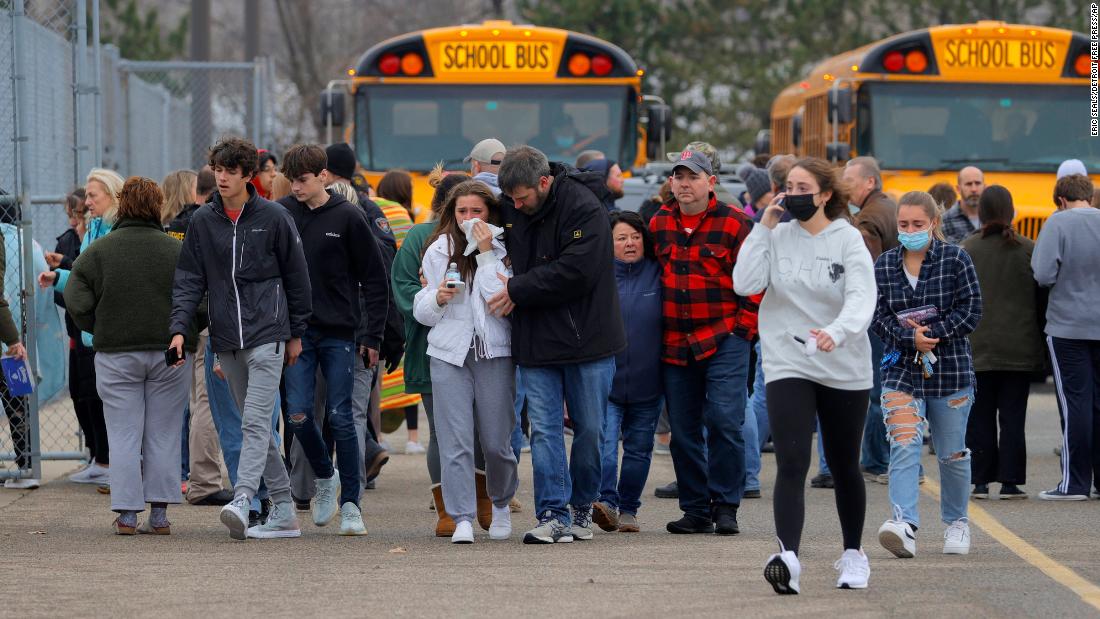
It was a tragic day in America this week as a 15-year-old is in custody after allegedly opening fire on a school in Oxford, Michigan, which left three teenagers dead and at least eight more wounded by the gunfire. Three students were killed in the attack at the school some 40 miles north of downtown Detroit -- Madisyn Baldwin, 17; Tate Myre, 16; and Hana St. Juliana, 14, authorities said. Myre died in a patrol car while a deputy was taking him to a hospital, Bouchard said. Eight others -- seven students and a teacher -- were shot, Bouchard said. Two were in critical condition Wednesday morning, he said. Among the wounded were a 14-year-old girl who was on a ventilator following surgery, Bouchard said Tuesday night. A 14-year-old boy also had a gunshot wound to the jaw and head, while the teacher who was shot had been discharged. The attack was the deadliest US school shooting since eight students and two teachers were slain in May 2018 at Texas' Santa Fe High School, according to Education Week. There have been 28 school shootings this year -- 20 since August 1 -- by its tally. December 01 - CNN Many are wondering how students, teachers, first responders and families grapple with incidents with this level of trauma and horror. If you are a reporter looking to cover the issues survivors of mass-shooting events might face, then let us help. Dr. Laura Wilson is a clinical psychologist whose expertise focuses on post-trauma functioning, particularly in survivors of sexual violence or mass trauma (e.g., terrorism, mass shootings, combat). Her research interests extend to predictors of violence and aggression, including psychophysiological and personality factors, as well as indicators of PTSD following mass trauma, long-term functioning among first responders, outcomes among survivors of sexual violence and the influence of media on mental illness stigma. Dr. Wilson is available to speak with media, simply click on her icon to arrange an interview today.


Nathaniel Grow, a nationally recognized expert in the field of sports law and an associate professor of business law and ethics at the Indiana University Kelley School of Business, has published numerous articles on the application of federal antitrust and labor law to the professional sports industry, with a particular focus on Major League Baseball. He has been closely following developments and would glad to serve as an expert for reactions and analysis of developments. The author of 17 law review articles, as well as an award-winning book, Grow has received a number of prestigious research honors for his academic work. Grow is frequently quoted by media outlets such as The Washington Post, The Wall Street Journal and ESPN regarding current legal issues in the sports industry. He can be reached at grown@iu.edu and 812-855-8191.