Experts Matter. Find Yours.
Connect for media, speaking, professional opportunities & more.
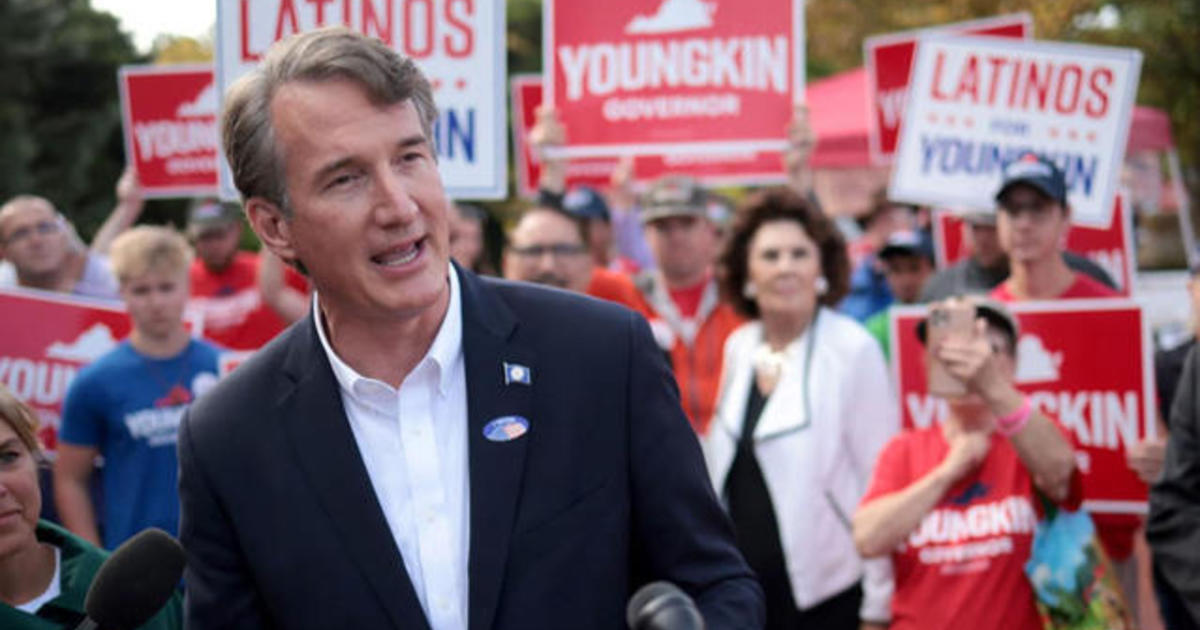
Tomorrow's Election Day, and it’s all eyes on Virginia!
In what is shaping up to be one of the most contested gubernatorial races in recent history, it’s all coming down to Election Day. Media from across the country are all watching and trying to get all the expert insight they can on why this election is so important and what winning or losing could mean for not just the state – but the mid-term elections coming up next November. UMW’s Stephen Farnsworth is the ‘go-to’ for major media outlets across America and for international media following U.S. and Virginia politics. Recently, CBS News called on him to lend his expertise on just where this race sits. "The race for governor in Virginia is in its final stretch with just two weeks to go before Election Day. Former Governor Terry McAuliffe, the Democratic candidate, and Republican nominee Glenn Youngkin have clashed on several issues related to schools from charter schools to vaccine mandates for teachers and students. Stephen Farnsworth, director of the Center for Leadership and Media Studies at the University of Mary Washington, joins CBSN AM to discuss." October 19 - CBS News Dr. Stephen Farnsworth is a sought-after political commentator on presidential politics. He has been widely featured in national media, including The Washington Post, Reuters, The Chicago Tribune and MSNBC. If you are a reporter covering Virginia's gubernatorial race, simple click on his icon to arrange an interview today.


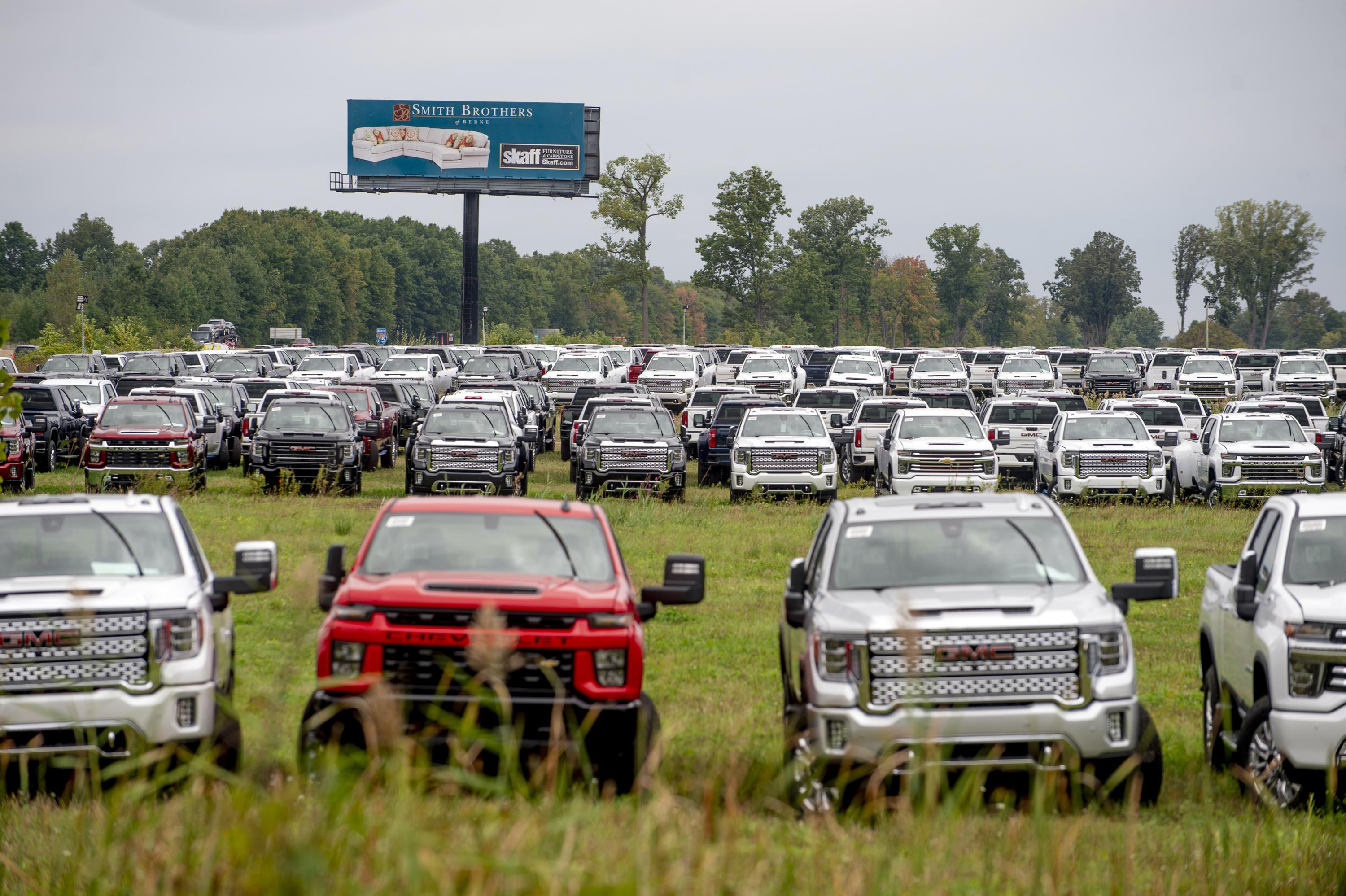
What can America expect as supply chain issues leave the auto industry stuck in park?
America’s auto industry is slowing down – and this time the main source is not a matter of labor issues or a lack of customers. This time this crisis, like those plaguing so many other industries lies in the tangled web of supply chain issues that is challenging manufacturing, industries and economies across America and the continent. In the United States, the auto industry has been hit particularly hard. The nation’s largest automaker and the rest of the global auto industry have been sporadically shutting down plants since late last year due to the semiconductor shortage, which has cut supplies on dealer lots and driven new vehicle prices to record levels. To be sure, production still isn’t back to normal because some of the factories will only run on one shift per day. Phil Amsrud, senior principal analyst for IHS Markit who studies the chip market, said GM’s move is a good sign, but doesn’t signal the end of the chip shortage. “It’s just not a sign that the patient is through all the rough spots and it’s a matter of weeks before they’re released from the hospital,” he said. October 22 - Associated Press There has been a lot of coverage, and a lot of questions asked as to how this happened and what it will take to untangle the mess. And that’s where experts from Augusta can help with coverage. "There are several factors but the main themes are suppliers inability to react to the increased demand, and governmental policies and responses,” explains Dr. Mark Thompson an economist and expert regarding the industrial issues facing America. “When COVID initially hit, demand dropped considerably. As it relates to the shortage of computer chips, what do you think consumers were demanding during the early phase of COVID...computers, laptops, handheld devices, etc. Technology companies responded and chip manufacturers switch to produce these items. Now, as consumers demand for new cars pick up, there is a shortage of the chips necessary for new cars. As it relates to government intervention, the stimulus has also increased demand for various goods and services furthering the shortage." As for how long will it take for America to see the supply chain replenished? "Good guess,” says Thompson. "I would say that we should expect to continue to see these shortages through the rest of 2021 and part of the way in 2022." If you’re a journalist covering the ongoing supply-chain issues – then let our experts help with your stories. Dr. Mark Thompson is an economist with highly accomplished work in business conditions, risk analysis, energy and the healthcare industry. Dr. Thompson is available to speak with media regarding the economic and industrial issues facing America during this supply chain crisis - simply click on his icon now to arrange an interview today.


Prices are going up, shipments are being delayed and there are shortages of good and essential parts and pieces hindering almost every aspect of industry and manufacturing across America. The topic is getting attention from media outlets across the country as retailers and shoppers adapt to the problem. Hasbro Inc (HAS.O) said on Tuesday global supply chain disruptions cost it about $100 million in lost toy orders in the third quarter, and the company warned of a further hit to sales during the crucial holiday shopping season. While demand has surged over the last year, factory shutdowns, a lack of container ships and long port delays have fueled fears of a shortage of toys to put under Christmas trees during the holiday season. October 26 - Reuters Amazon on Monday reassured shoppers and industry watchers that it’s well-prepared to avoid supply-chain challenges during the holiday season. In a blog post, Amazon said a combination of planes, trucks, ships and delivery vans, along with staffed-up warehouses, has put it in a good position to “get customers what they want, when they want it, wherever they are this holiday season.” Retailers are entering what’s poised to be a particularly challenging holiday shopping period, due to existing supply-chain woes, inflationary pressures and labor shortages. Several factors are behind the issues, including skyrocketing shipping container costs and container shortages, Covid-19 outbreaks at shipping ports, as well as a shortage of workers needed to unload containers and handle goods at warehouses. October 25 - CNBC The United States is facing a supply chain crisis that it has never seen before. Some are blaming COVID, trade deals and shipping. The issue is causing serious trouble for America’s already fragile economy. If you’re a journalist covering this important topic let our experts help with your questions and stories. Georgia Southern University's Jerry Burke, Ph.D., is a professor in the Department of Logistics and Supply Chain Management. Burke researches manufacturing and service operations. He is available to speak with media regarding this important issue - simply click on his icon now to arrange an interview.


MEDIA RELEASE: Ten things Ontarians need to know prior to booking travel abroad
CAA South Central Ontario (CAA SCO) has compiled a list of ten things that Ontarians should be aware of if they are considering travelling abroad. “Now that the Canadian government is no longer advising against non-essential travel due to COVID-19, those who are considering booking a trip should make sure they understand the scope of what travel looks like at the moment,” said Kaitlynn Furse, director, corporate communications, CAA Club Group. “The checklist for planning a trip has changed and we want to help people navigate this new environment.” Through consultation with its top travel agents, CAA SCO has identified ten key considerations that potential travellers may not be aware of. Anyone who is considering travel in the current environment should make sure they have looked into the following and remember that travel requirements and regulations are continually changing. 1. Confirm the COVID-19 situation at destination prior to booking. Understand the risk level associated with travel to a particular destination by checking the Government of Canada Travel Advice and Advisories website. While the Global Affairs Canada Level 3 Travel Advisory to avoid all non-essential travel has been lifted, individual travel advisories do remain on a country-by-country basis. It is important that Canadians understand the ongoing uncertainty associated with international travel, whether that be related to the continued community transmission of COVID-19, or state of health care systems in destinations hit hard by the pandemic. 2. Understand the type, timing, cost and accessibility of required COVID testing. Every country has different requirements when it comes to the COVID tests that are needed prior to travel, and every country has different testing capacities once you are there. There are also requirements in order to return to Canada. Make sure you understand the difference between molecular PCR and rapid antigen tests, in what time period tests must be taken, the associated costs and locations where these tests are available. 3. Confirm change and cancellation flexibility with your travel service provider. Many airlines and hotels have been providing more flexibility when it comes to refunds and changes to bookings. Make sure you understand any key dates related to cancellation and changes and whether you are entitled to a refund or a future travel voucher or credit at the time of booking. 4. Buy travel insurance and understand what is covered. Make sure you have $5 million in coverage for emergency medical situations and that illness related to COVID-19 is included. Understand your entitlements for things like denied boarding in the event of a positive test and coverage related to isolation expenses. 5. Prepare required travel documentation and the format it must be presented in, for both Canada and your destination. Canadians returning home should have all required documentation loaded onto the ArriveCAN App or website. Each destination has varying requirements, so make sure you fully understand what information you need to have ready and in what format. Make sure you also take into consideration connections and any requirements in the connecting destination due to lay over or delays. 6. Take note of local public health rules prior to departure. Many destinations have measures in place such as curfews and quarantine requirements. You should also understand what the regulations are if you happen to test positive for COVID-19 in the country you are visiting. 7. Be aware of changes between booking and departure. Make sure you reconfirm all the details that were researched prior to booking, to ensure they are still accurate prior to departure. What was true when a trip was booked may not be the case by the time you are ready to travel. 8. Double check all research with the appropriate embassy or consulate. Travel at this time is complex and many factors can change quickly, so ensuring you have the most up to date and accurate information is essential. 9. Plan for extra time. From disembarkment and customs to retrieving luggage and exiting the airport, most things on the travel journey are taking longer than during pre-COVID travel times. Also note the check-in and baggage drop off deadline for your flight as it may require you to arrive earlier than anticipated. 10. Stay connected. Fully unplugging while travelling is likely a thing of the past. It is important to have access to trusted, up-to-date information while travelling so you can monitor changing conditions and requirements and adapt accordingly. Bookmark the Global Affairs Canada website prior to departure and check it regularly while abroad. It is also a good idea to sign up for Registration of Canadians Abroad and stay in touch with a family or friend that has knowledge of your travel plans.



Presidential plantations – are they leaving out slavery when telling the story of America’s history?
The presidential plantations once belonging to George Washington, Thomas Jefferson, James Madison and James Monroe are picturesque destinations for tourists who want to learn more about these Founding Fathers from Virginia. But these museums often fail to adequately tell the stories of the enslaved people who lived and toiled there. UMW Professor of Geography Stephen Hanna's research on the topic was recently highlighted in Northern Virginia Magazine. Do plantation museums do justice to the memory of the enslaved? Local professor Stephen Hanna wanted to find out, so in 2014 he joined a team of researchers associated with TourismRESET, a world-wide network of scholars who study and challenge social inequity in tourism. Hanna, who teaches geography at the University of Mary Washington in Fredericksburg, received a grant from the National Science Foundation, enabling him to lead undergraduate students through multi-year research on how narratives and exhibits about enslaved populations and slavery were presented or absent at 15 different plantation sites. The goal was to present their findings to museum managers and thus facilitate more historically accurate and meaningful tours. His team is in the final stages of publishing a book summarizing their data and findings, to be released in March 2022. The full article is attached below and is well worth the complete read. If you are a journalist covering this critical topic about American history, then let us help with your questions and stories. Dr. Hanna is available to speak with media regarding this topic. Simply click on his icon to arrange an interview.

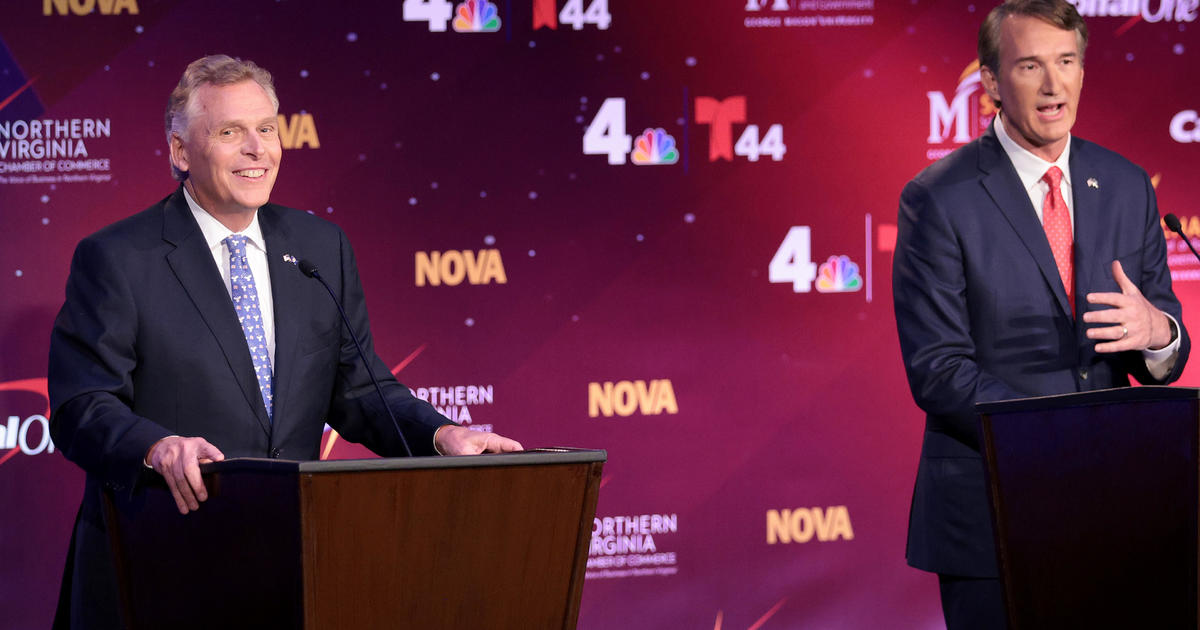
All eyes on Virginia – What’s at stake as the race for Governor goes into overdrive
Virginians are already voting to elect a new governor – and as political junkies, pundits and media across America know, this race could paint a picture of what’s to come in next year’s midterm elections and even as far away as 2024. Stephen Farnsworth, a political science professor at University of Mary Washington, said Mr. Biden's ability to sell his agenda will be "significantly deteriorated" if Republicans win the governor's mansion in Virginia. "If a Biden-like message offered by McAuliffe doesn't succeed in purple Virginia, a lot of Democrats around the country will wonder if it makes more sense to chart a more independent course," he said. CBS News – October 07 Dr. Stephen Farnsworth is a sought-after political commentator on presidential politics. He has been widely featured in national media, including The Washington Post, Reuters, The Chicago Tribune and MSNBC. If you are a reporter covering Virginia's gubernatorial race, simple click on his icon to arrange an interview today.

It’s the bug that been in the news all summer long. The spotted lanternfly is an invasive species that was first spotted on American soil seven years ago and is now moving at a fever pitch across the country. The petulant pest has the potential to devastate crops and agriculture – and there were hopes that steps to eradicate or at least minimize the insect’s spread would work. That’s why media are looking to experts like Josephine Antwi from the University of Mary Washington for answers. "The key right now, is to keep them from spreading and to keep their numbers down in areas where they currently occur," said Josephine Antwi, an entomologist at the University of Mary Washington in Virginia. "By destroying egg masses in the winter, we keep the number of the following generation down." September 30 - NorthJersey.com If you're writing about the Spotted Lanternfly, Dr. Antwi is available to speak with media; simply click on her icon to arrange an interview today.

Friends or enemies? Is there any solving the ancient secret that is Chinese diplomacy?
When it comes to trade, investment and trillions of dollars of opportunity for American companies – it would appear that China and the United States should be close-knit allies. However when it comes to military escalation, an emerging global bull and national security – China is also a country that the U.S. government is very concerned about. NPR recently got in touch with UMW Professor of Political Science and International Affairs Elizabeth Larus to lend her expertise when it comes to the politics of China. Elizabeth Larus, who teaches Chinese studies at the University of Mary Washington in Virginia, says any economic "de-coupling" between the U.S. and China will be very difficult. "You can't just say you're going to pick up your factory and move all your resources and have a consistent, reliable energy source and the shipping port to get your stuff out at a decent price, and the logistics. China has nailed that down," said Larus, the author of Politics and Society in Contemporary China. China's President Xi Jinping uses this as leverage, she noted. "One of the goals of this Xi Jinping regime is to make the world really reliant on China for its supply chain, but not to have China reliant on the rest of the world," she added. "So that makes it difficult for the businesses." Is there a way out of this downward spiral? "I do not see a de-escalation anytime soon," she said. October 08 - NPR There will be no easy or immediate solution to the hot-and-cold relationship between the United States and China. But if you are covering this ongoing story – then let our experts help with your questions and coverage. Dr. Elizabeth Larus is an expert in the politics of China. She is available to speak to media, simply click on her icon to arrange an interview today.

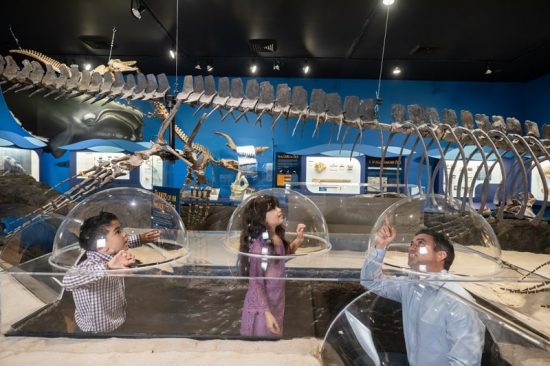
Georgia Southern University Museum reopens just in time to celebrate Earth Sciences Week
After nearly three years and following extensive architectural renovations, the Georgia Southern Museum, one of the longest-standing educational centers on the University's Statesboro Campus, has reopened. "It has been a long project, but well worth the journey," said Georgia Southern Museum Director Brent Tharp, Ph.D. "The upgraded facility and newly designed galleries represent a new era for the museum. Visitors will still find old friends, like the mosasaur, but exhibited in new more exciting ways, and will make new discoveries with never before exhibited artifacts in expanded permanent exhibits preserving the area's culture. We are really excited to be back open to the public." The Georgia Southern Museum serves as the premier institution interpreting the natural and cultural history of Georgia's coastal plain. The museum displays permanent exhibits and changing exhibits curated by the University's faculty and students, and provides a place where researchers can explore its collections and students of all ages can learn. As part of its reopening celebration, the Museum will recognize Earth Sciences Week with events featuring social media videos and interactive displays by Georgia Southern students, faculty and alumni. Highlighted events for Earth Sciences Week include: Oct. 12 - Earth Observation Day Oct. 13 - National Fossil Day Oct, 14 - Geoscience for Everyone Day Oct. 15 - Geologic Map Day Oct. 16 - International Archaeology Day Admission to the museum is $4 per person; however, for a limited time the museum also will accept donations for admission. Children 3 years of age and younger, museum members, and Georgia Southern students receive free admission. If you’re a journalist looking to cover Earth Sciences Week or talk to any of the many experts at the museum – then let us help. The researchers behind this study are available, simply reach out to Georgia Southern Director of Communications Jennifer Wise at jwise@georgiasouthern.edu to arrange an interview today.

Cyber-attacks are rising to the top of American concerns
With the rising occurrence of cyber-attacks across America, institutions, banks, government agencies and top-tier companies are now either falling victim or feeling vulnerable to attack from online enemies abroad. It’s a topic that is now front and center that has most leaders regardless of poltical party in agreement - and media across the country are starting to cover with more depth and seriousness. Most Americans across party lines have serious concerns about cyberattacks on U.S. computer systems and view China and Russia as major threats, according to a new poll. The poll by The Pearson Institute and The Associated Press-NORC Center for Public Affairs Research shows that about 9 in 10 Americans are at least somewhat concerned about hacking that involves their personal information, financial institutions, government agencies or certain utilities. About two-thirds say they are very or extremely concerned. Roughly three-quarters say the Chinese and Russian governments are major threats to the cybersecurity of the U.S. government, and at least half also see the Iranian government and non-government bodies as threatening. October 11 – Associated Press "I am really interested in the security of our critical infrastructure systems," said Dr. Michael Nowatkowski. " If an attacker were able to shut those systems down, great harm would result. This is a national security issue." If you’re a journalist look to know more or have been assigned to cover any aspect of cyber-security in the country, then let our experts help with your coverage. Dr. Michael Nowatkowski is an Associate Professor with the School of Computer and Cyber Sciences at Augusta University. He also serves as the Head of the Cyber Program of Study. Nowatkowski is available to speak with media regarding the emerging threat of cyber-security in America, simply click on his icon now to arrange an interview today.