
Experts Matter. Find Yours.
Connect for media, speaking, professional opportunities & more.
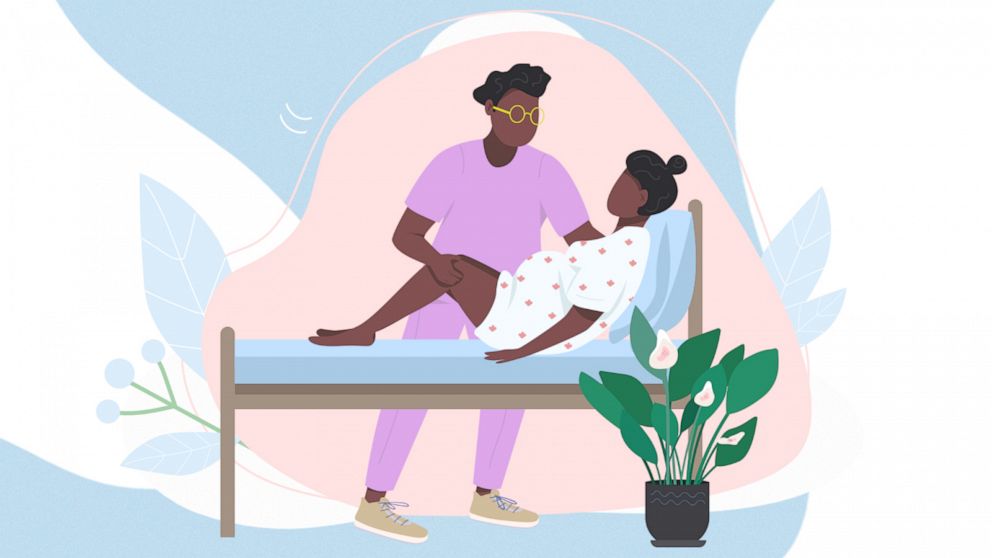
Earlier this week, President Joe Biden proclaimed that April 11 thru 17 would be Black Maternal Health Week in America. In Georgia, the state has consistently been ranked as one of the most dangerous places in this country to be a new mother. Approximately 26 Georgia women die from pregnancy complications for every 100,000 live births, compared to the national average of about 17 women. But even more devastating is the fact that about 60% of the state’s maternal deaths between 2012 and 2016 were found to be preventable, according to the Georgia Department of Public Health. And the mortality rates are much more tragic for Black women in Georgia. African American women are almost three times more likely to die from a pregnancy-related cause than white women in Georgia. Black mothers in rural areas of Georgia are at an even higher risk. “Maternal and infant mortality are really significant indicators of the quality of health in any area, so my colleagues around Georgia really felt challenged to do something that we hadn’t done in a long time in our state, which was to get the data,” says Dr. Chad Ray. “Because you can’t really fix something unless you know who and why. And then you assemble the stakeholders to formulate a plan to make a dent and to move the needle on something that is just so important.” This is an important topic that impacts mothers in Georgia and across the entire United States. And if you are a journalist looking to cover this topic – then let us help. Dr. Chad Ray is the Interim Section Chief of the Department of Obstetrics and Gynecology at the Augusta University Medical Center. He is an expert in the areas of maternal mortality & global women's health initiatives. Dr. Ray is available to speak with media about Black Maternal Health Week - simply click on his icon now to arrange an interview today.


MEDIA RELEASE: Less than one week left to vote for Ontario’s Worst Roads
With just a few days left for Ontarians to vote in the annual CAA Worst Roads campaign, CAA South Central Ontario (SCO) continues to call on motorists, cyclists and pedestrians to nominate their worst road. “This campaign gives all Ontarians a voice. Through your participation, you have the ability to affect change and let governments know what matters most to you and your community,” said Raymond Chan, manager of government relations, CAA SCO. Contenders for the provincial top 10 list reflect a number of communities across Ontario, including Hamilton, Toronto, Prince Edward County and Kingston. Once voting closes, CAA will compile a list of the top 10 Worst Roads in Ontario, along with a series of regional top five lists across the province. Collectively, the campaign results will help to shine a light on the state of roads in communities across Ontario. Nominations for CAA’s Worst Roads can be cast at caaworstroads.com until April 18.

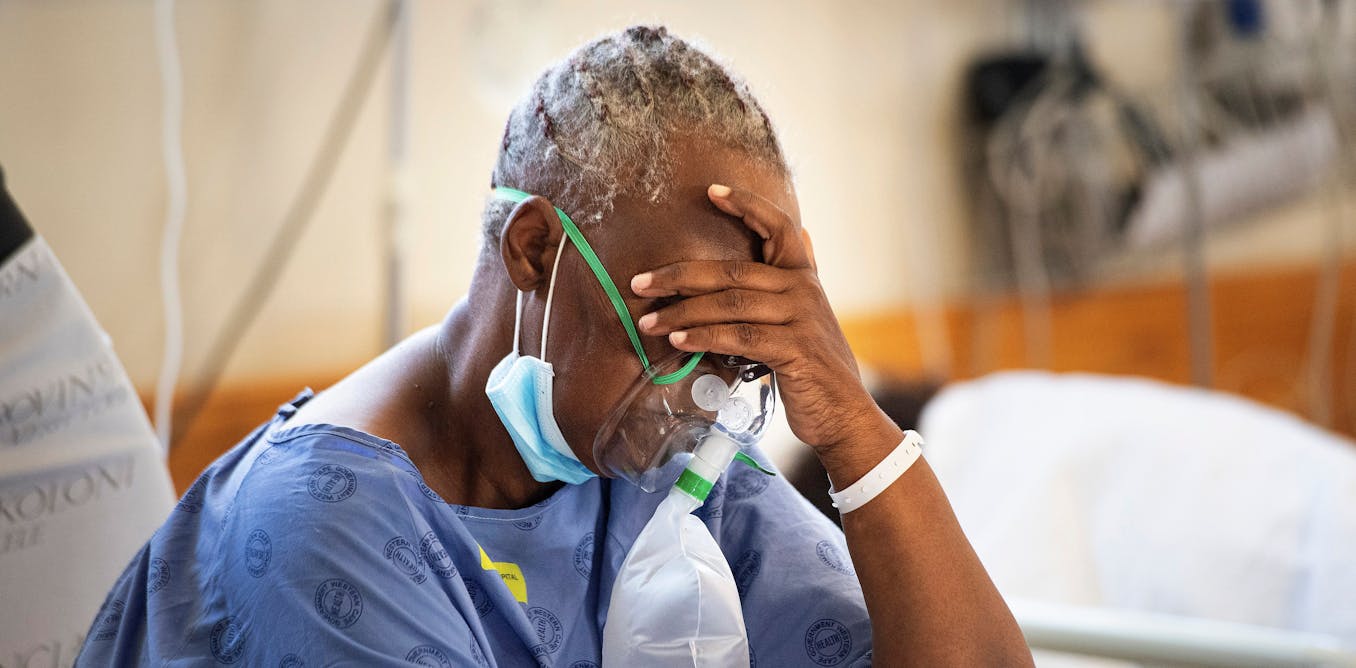
How worried should you be about coronavirus variants? A virologist explains his concerns
Paulo Verardi, Associate Professor of Virology and Vaccinology at UConn, was asked to lend his expertise and opinion to The Conversation about coronavirus variants and just how concerned Americans should be about the emergence of variants and the speed at which they are spreading across the country and the globe. Spring has sprung, and there is a sense of relief in the air. After one year of lockdowns and social distancing, more than 171 million COVID-19 vaccine doses have been administered in the U.S. and about 19.4% of the population is fully vaccinated. But there is something else in the air: ominous SARS-CoV-2 variants. I am a virologist and vaccinologist, which means that I spend my days studying viruses and designing and testing vaccine strategies against viral diseases. In the case of SARS-CoV-2, this work has taken on greater urgency. We humans are in a race to become immune against this cagey virus, whose ability to mutate and adapt seems to be a step ahead of our capacity to gain herd immunity. Because of the variants that are emerging, it could be a race to the wire. April 08 - The Conversation Dr. Verardi discusses the the five SARS-CoV-2 variants we all need to be watching, the rates of transmission and the severity of symptoms, and why we all need to remain on guard and get vaccinated. It is a great article, and if you are a journalist looking to cover this topic, then let us help with your stories. Dr. Paulo Verardi is a virologist who specializes in vaccine research and development and is a member of the Center of Excellence for Vaccine Research. Dr. Verardi is available to speak with media regarding variants and COVID-19 – simply click on his icon now to arrange an interview today.


Public health education soars in wake of pandemic
Maybe a silver lining can be found from the COVID-19 pandemic, as interest in public health education is soaring at U.S. colleges and universities, says a nationally prominent public health professor. Public health education has become a logical choice for students when looking at changing public health practice trends and their implications for public health education, explained Gulzar Shah, Ph.D., who authored an invited editorial in the March issue of the American Journal of Public Health (AJPH). Shah is department chair and professor of health policy and community health in Georgia Southern University’s Jiann-Ping Hsu College of Public Health. His editorial is titled “Public Health Education and Changing Public Health Realities in the Public Health 3.0 Era.” “For many of the 19 million college students enrolling annually in public and private colleges in the United States, public health is becoming a logical choice,” he said. “Because of COVID-19, interest in public health careers is soaring, evident from the 20% increase nationwide in Master of Public Health applicants.” The editorial also drew insights from the Association of Schools and Programs of Public Health’s national-level data from schools and programs of public health about the first employment destinations of public health graduates. “The emphasis on aligning public health practice and policy with the Public Health 3.0 framework, in which leaders partner across various sectors to address social, environmental and economic factors that affect population health and health inequity, has attracted the spotlight on generalist, behavioral education and health policy degrees,” Shah noted. “The Public Health 3.0 framework has also underscored the desirability of adopting the Health in All Policies approach and encouraging public health leaders to act as chief health strategists in influencing policies in other sectors affecting population health. Increasing focus on Health in All Policies and higher salary positions in health care may further explain the popularity of health policy and management and health law programs.” If you are a journalist looking to know more about Dr. Shah’s work, and the importance public health education in America of the programs Georgia Southern is offering – then let us help. Dr. Gulzar H. Shah is a Professor and Department Chair, Health Policy and Community Health at the Jiann-Ping Hsu College of Public Health (JPHCOPH), Georgia Southern University. He is available to speak with media regarding this important topic - simply click on his icon now to arrange an interview today.


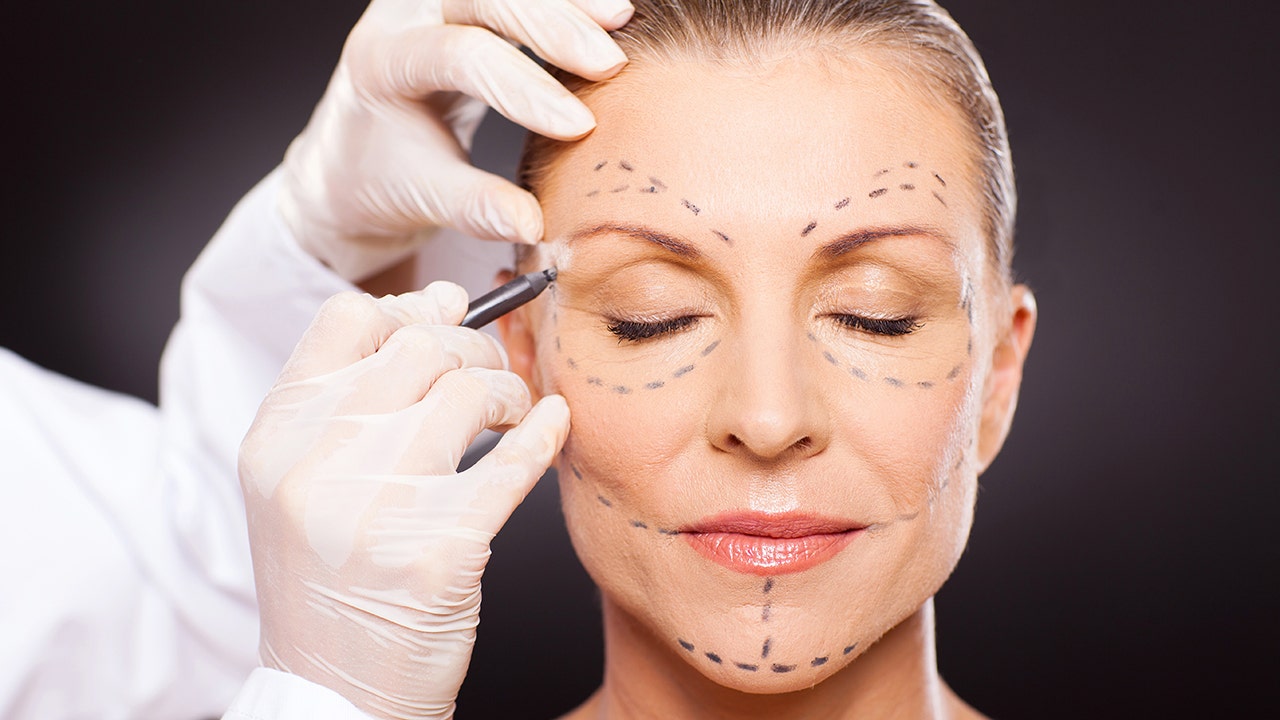
The Zoom Boom? More and more Americans are getting plastic surgery – let our expert explain why
After almost a year where most American offices went unused, experts are noticing an unexpected side effect from all those online meetings. It appears that prolonged exposure to seeing yourself in that tiny box during video calls is inspiring a sudden uptick in plastic surgery. The plastic surgery industry is booming during the coronavirus pandemic, largely due to the increase in the number of virtual meetings offered through Zoom and other video web services. Call it the “Zoom boom.” The interest in cosmetic surgery is boosting appointments for Botox, lip fillers and other plastic surgery procedures that help people feel more attractive on computer screens, according to Dr. Maria Helena Lima, an assistant professor of Surgery for the Section of Plastic and Reconstructive Surgery in the Medical College of Georgia at Augusta University. “In the last few months, there has been a jump in the number of patients wanting plastic surgery procedures,” said Lima. “We have discovered that when people are in Zoom meetings, they should be listening to the content and paying attention to what’s going on, but they’re not.” Lima says participants are oftentimes looking at themselves on the screen and wondering what could be done to alter their image. It is a trend that offers up some interesting questions: • Along with the Zoom boom, are there other reasons people are opting to go under the knife for an elective procedure? • Are there long-term consequences to these decisions? • What do patients need to know first to avoid any safety or health issues? There’s a lot to know about this topic, and if you are a journalist looking to learn more, then let us help with your coverage. Dr. Maria Helena Lima is one of the nation’s leading plastic surgeons with 12 years of experience specializing in aesthetic plastic surgery, facial reconstruction and craniofacial pediatric plastic surgery. She is available to speak with media about this emerging trend. Simply click on her name now to arrange an interview today.

Are big changes coming to financial accountability in Ontario as Laurentian loses its elite status?
As the higher education community anxiously awaits more news on just exactly how Laurentian University in Sudbury has essentially gone bankrupt, those who oversee universities and colleges in Ontario are also watching with interest. The chain of events that led to Laurentian having to file for creditor protection reveal a failure in governance. And it points to a wider set of reforms that are being contemplated within the public sector. A special investigator’s report on the Laurentian University insolvency is coming out soon, according to the Minister of Training, Colleges and Universities, Ross Romano. The province has warned it may introduce legislation granting it greater oversight of every university’s finances. Recently, Umar Saeed, a public sector accounting expert and a partner at Welch LLP, sat down with Newspoint360 to discuss in an in-depth interview how Ontario’s ability to control and govern the university sector is unlike other provinces, such as British Columbia. If new legislation is introduced that enhances the government’s ability to appoint Board members or control the financial and operating policies of Ontario universities, it will have broad implications for the entire university sector in Ontario: • New legislation may lead to consolidating all the universities (debts and deficits) into the Ontario government’s public accounts • Legislation would acknowledge an implicit promise by the Ontario government to backstop public sector debt (including the university sector) • Public universities may lose their perceived independence if they are “controlled” for accounting purposes The story of Laurentian University is fundamentally about poor governance. However, missing from this story is the backdrop and conditions that led to poor governance. There’s a lot at stake for Laurentian, it’s faculty and staff and the provincial university sector as a whole, and if you are a journalist looking to cover this topic, then let us help. Umar Saeed is a partner at Welch LLP in Ottawa and an expert in Public-Sector Accounting Standards. Umar is available to speak with media about this subject – simply click on his icon now to arrange an email today.


UConn Researcher Develops Successful Zika Virus Vaccine in Preclinical Studies
UConn researcher Paulo Verardi, associate professor of pathobiology and veterinary science in the College of Agriculture, Health and Natural Resources, has demonstrated the success of a vaccine against Zika virus and recently published his findings in Scientific Reports, a Nature Research publication. He has also filed provisional patents with UConn’s Technology Commercialization Services for the novel vaccine platform technology used to generate the vaccine, as well as genetic modifications made to the vaccine that significantly enhance expression of the vaccine antigen. Verardi, a Brazilian native, was in Brazil visiting family in the summer of 2015 when the Zika outbreak first began to make waves and soon reached epidemic status. Back in the United States, Verardi kept tabs on the Zika epidemic and its emerging connection to microcephaly, a serious birth defect that causes babies to be born with small heads and underdeveloped brains. In October of that year, Verardi called then-Ph.D.-student Brittany Jasperse (CAHNR ‘19) into his office and told her he wanted to apply their newly developed vaccine platform and start developing a vaccine for Zika virus. It’s an impressive achievement and there’s a full article attached for those looking to know more. Verardi emphasizes that developing vaccines for viruses, in this case Zika, help the world be better prepared for outbreaks of novel and emerging viruses by having vaccine development frameworks in place. “Emerging viruses are not going to stop popping up any time soon, so we need to be prepared,” Verardi says. “Part of being prepared is to continue the development of these platforms.” If you’re a journalist looking to know more about Zika virus and this emerging news about a vaccine – then let us help. Dr. Paulo Verardi is a virologist who specializes in vaccine research and development. He is an Associate Professor at UConn and a member of the Center of Excellence for Vaccine Research. Dr. Verardi is available to speak with media regarding this emerging development – simply click on his icon now to arrange an interview today.

Solar geoengineering - it’s a topic that has caused an ethical lightening storm in the science community. The concept is complex. Should the world take on the crisis of climate change by attempting to artificially attempting to cool the earth? It’s an idea that has the National Academies of Sciences, Engineering and Medicine seeking a billion dollars in the next five years to investigate the theory. It’s a topic that is somewhat controversial, and journalists are looking to leading experts from across America for expert insight, opinion and perspective. Prakash Kashwan, a political scientist at the University of Connecticut, said he felt the report could have better emphasized the seriousness of some concerns over others. Uncertainties about the impacts of solar geoengineering on global weather patterns have the potential to affect some regions of the world more severely than others, he pointed out. Some experts have raised concerns about potential effects of geoengineering on monsoon rainfall in parts of Asia and Africa, he said. More than 2 billion people around the world rely on these rainfall patterns to support their water and agricultural needs. These kinds of issues should be given special weight, Kashwan suggested. "Some uncertainties are much more highly consequential for the global society, and especially for the poor and vulnerable," he told E&E News. Kashwan also reiterated concerns about potential political effects. While the report makes clear that geoengineering is not a substitute for climate mitigation, he suggests that this doesn't necessarily prevent policymakers from using it in that way. "The problem is the extent to which researchers are really helpless in deciding how research is used in the political system," he said. "That part has yet to be fully appreciated." Kashwan suggests that more dialogue might be warranted before funding a national research program, with greater input from both the international community and political experts who can weigh in on the ways that geoengineering research might affect political decisions. March 26, Scientific American It's a captivating idea – but it could have political, social and ethical consequences. Dr. Kashwan has also been interviewed by The New York Times. If you are a journalist looking to learn more about solar geoengineering, its possibilities and the reasons some scientists are worried – then let us help with your coverage. Prakash Kashwan is an Associate Professor of Political Science at UConn and an expert in the areas of environmental and climate justice, planetary justice, global commons, climate governance, and climate geoengineering governance. Dr. Kashwan is available to speak with media regarding this topic – simply click on his icon now to arrange an interview today.

Election integrity and the Peach State - What does the new voting law in Georgia mean for voters?
It’s a law that passed in record time. Georgia politics is once again capturing the national spotlight and headlines with The Election Integrity Act of 2021. Here’s what it means in a nutshell: “The new law imposes new voter identification requirements for absentee ballots, empowers state officials to take over local elections boards, limits the use of ballot drop boxes and makes it a crime to approach voters in line to give them food and water. "It's like the Christmas tree of goodies for voter suppression," Democratic state Sen. Jen Jordan said on the Senate floor as lawmakers prepared to vote on the nearly 100-page bill Thursday. Republicans cast the measure, dubbed The Election Integrity Act of 2021, as necessary to boost confidence in elections after the 2020 election saw Trump make repeated, unsubstantiated claims of fraud. By Thursday evening, a lawsuit challenging the new law had already been filed by a trio of voting rights groups: the New Georgia Project, the Black Voters Matter Fund and Rise Inc. "In large part because of the racial disparities in areas outside of voting -- such as socioeconomic status, housing, and employment opportunities -- the Voter Suppression Bill disproportionately impacts Black voters, and interacts with these vestiges of discrimination in Georgia to deny Black voters (an) equal opportunity to participate in the political process and/or elect a candidate of their choice," the lawsuit states. March 26 – CNN The new law is under a lot of scrutiny and is getting a lot of coverage. If you are a journalist looking for expert perspective on the legality and legitimacy of new law, what it may mean for future elections in Georgia voters and potentially voters across America, then let us help. Dr. Stephen Farnsworth is a sought-after political commentator on presidential politics. He has been widely featured in national media, including The Washington Post, Reuters, The Chicago Tribune and MSNBC. Dr. Farnsworth is available to speak with media any time regarding the election and its aftermath – simply click on his icon to arrange an interview today.



The aftermath of a mass shooting in America
Last week America was shocked by two major mass shooting events in a week. Almost 20 people were killed and so many more will suffer the short- and long-term effects of these tragic and violent events. According to recent media reports, though the election and a full year of COVID-19 dominated news coverage, 2020 was one of the deadliest years for gun violence in decades. Until two lethal rampages this month, mass shootings had largely been absent from headlines during the coronavirus pandemic. But people were still dying — at a record rate. In 2020, gun violence killed nearly 20,000 Americans, according to data from the Gun Violence Archive, more than any other year in at least two decades. An additional 24,000 people died by suicide with a gun. The vast majority of these tragedies happen far from the glare of the national spotlight, unfolding instead in homes or on city streets and — like the Covid-19 crisis — disproportionately affecting communities of color. March 23, Washington Post And as America carries on and moves forward, the survivors, witnesses and families of those killed will be adapting to a new life and a multitude of physical and psychological challenges. If you’re a reporter looking to cover the issues survivors of mass-shooting events will experience, then let us help. Dr. Laura C. Wilson is a clinical psychologist whose expertise focuses on post-trauma functioning, particularly in survivors of sexual violence or mass trauma (e.g., terrorism, mass shootings, combat). Her research interests extend to predictors of violence and aggression, including psychophysiological and personality factors, as well as indicators of PTSD following mass trauma, long-term functioning among first responders, outcomes among survivors of sexual violence, and the influence of media on mental illness stigma. Dr. Wilson is available to speak with media – simply click on her icon to arrange an interview today.
