
Experts Matter. Find Yours.
Connect for media, speaking, professional opportunities & more.

MEDIA RELEASE: After a one-year hiatus, the annual CAA Worst Roads campaign returns
With a renewed focus on education and safety, CAA South Central Ontario (CAA SCO) is proud to announce that following a one-year hiatus due to COVID-19, the annual CAA Worst Roads Campaign is back, and voting is now open. “The campaign is a platform for all road users to highlight which roadway improvements should be prioritized by our different levels of government,” says Raymond Chan, government relations manager CAA SCO. “The campaign gives decision-makers a snapshot of what roads the public perceives are not meeting their expectations.” Over the course of the last year people have changed their transportation habits. More people are cycling or driving their vehicles instead of carpooling and using public transit. CAA believes funding for roadway improvements needs to be consistent to ensure that quality and safety is maintained. “Our roads are essential, they are the arteries used every day to keep workers, goods and services flowing and should be maintained more than ever,” adds Chan. “As people are encouraged to stay home and telework during the pandemic, governments should continue to take advantage of lighter traffic patterns as an opportunity for road repair. These efforts can also be refocused on increasingly popular modes of transportation, such as cycling and walking.” Investing in infrastructure improvements, including the proper maintenance of roads and bridges, is important to the vitality and economic recovery of local communities. CAA continues to advocate for longer-term dedicated infrastructure funding to help municipalities prepare, plan, budget and execute on repair backlogs and capital projects. The success stories over the last 17 years are a result of governments prioritizing infrastructure through multi-year capital investments. Some examples include: 1. Riverdale Drive, Washago Despite appearing on the CAA Worst Roads list for the first time in 2019, the poor road conditions of Riverdale Drive was not new to residents of Severn. After 20 years since the street’s last resurfacing, Council approved $50,000 of prep work for Riverdale Drive led by Ward 5 Councillor Sarah Valiquette. 2. Dufferin Street, Toronto Appearing on the provincial top 10 list annually since 2015, Dufferin Street between Bloor Street and Dundas Street underwent resurfacing from September to November 2018. An estimated 35,000 vehicles travel Dufferin Street daily and the number of commuters is increasing. In response to community concerns, Toronto City Council adopted a motion to expedite studies relating to pedestrian and cyclist safety along Dufferin Street, among other improvements in December 2020. 3. College Road, Windsor The intersection of Campbell and College Avenue underwent sewer, road and water main rehabilitation in May 2019. College Avenue between South Street and Brock Street was repaired in November 2019. CAA is calling on all Ontarians to vote for their Worst Roads today and join the community of drivers, cyclists, transit riders and pedestrians committed to improving Ontario’s roads. Nominations for CAA’s Worst Roads can be cast at caaworstroads.com until April 18. To encourage participants to act on their concerns, they will be entered into a grand prize draw to win free gas for a year, or one of 5 secondary prizes. Once voting closes, CAA will compile a list of the 10 Worst Roads in Ontario, along with the Worst Roads in regions across the province. The regional top five lists will help shine further light on the state of local roads in municipalities across Ontario. CAA will present the list of 2021 Worst Roads to local and provincial officials to help inform future funding and planning decisions. Here is a roundup of Ontario's Top 10 Worst Roads in 2019: 1. Eglinton Avenue East, Toronto 2. Riverdale Drive, Washago 3. Dufferin Street, Toronto 4. County Road 49, Prince Edward 5. Barton Street East, Hamilton 6. Burlington Street East, Hamilton 7. Avondale Road, Belleville 8. Sheppard Avenue East, Toronto 9. Carnegie Beach Road, Scugog 10. Bathurst Street, Toronto


Product Returns Represent Billion-Dollar Strategic Blind Spot for Major Retailers
“Product returns have never, to our knowledge, been explicitly included as a stage in a major customer journey model,” the authors note in their paper. “This exclusion represents a strategic blind-spot for marketers.” In December 2020, Linne Fulcher, vice president, customer strategy, science and journeys at Walmart U.S., published a blog post that outlined Walmart’s new return policy. Dubbed “Carrier Pickup by FedEx,” the service was just in time for the holidays, free, and “here to stay,” Fulcher wrote. She described the policy as “an incredibly convenient way to make that unwanted gift ‘magically’ disappear,” whether customers bought items in a store, online, or from a third party vendor. “We want the returns experience to be easy, safe and seamless,” she added. Returns are big business. According to the National Retail Federation (NRF), U.S. consumers returned an estimated $428 billion worth of merchandise last year—approximately 10.6 percent of total U.S. retail sales. The numbers for ecommerce are even more startling: online shopping accounted for roughly $565 billion of 2020 retail sales, of which $102 billion in merchandise—about 18 percent—was returned. However, retail advisory firm Optoro noted in 2019 that of 117 top retailers, not even a third of them quantify the full cost of returns. Even before the pandemic hit, Sandy Jap, Sarah Beth Brown professor in marketing, Ryan Hamilton, associate professor of marketing, and former Goizueta Business School dean, Tom Robertson, were perplexed at how little academic research existed regarding returns. “Instead of viewing returns as a nuisance and an added cost, they are an opportunity to engage with customers and build brand loyalty,” explains Robertson. “Returns are part and parcel of the new retail landscape. This has been exacerbated by the strong uptick in online.” To help retailers identify opportunities, Jap, Hamilton, and Robertson wrote “Many (Un)happy Returns? The Changing Nature of Retail Product Returns and Future Research Directions,” published in Journal of Retailing last year. The article is essentially a researcher’s road map for exploring this “strategically important area,” says Jap. Some retailers, such as Warby Parker and Stitch Fix, have built returns into their business models. Others, like Zappos and Nordstrom, have made consumer-generated returns easy, assuming that doing so engenders brand loyalty and repeat business. Yet most retailers seem “to lack a coherent philosophy” on returns and “appear not to have built return rates into their business models at all,” the trio state in their paper. “There are so many interesting and important questions to be answered around product returns,” says Hamilton. “Important as returns are, the academic marketing research has barely scratched the surface.” “Many (Un)happy Returns” highlights five specific areas where advancements in theory and practice would provide opportunity for greater understanding: 1. How product returns transform the customer journey 2. The “dark side” of returns—exploring the gray area between justified returns and outright fraud 3. The effects of returns on traditional retailer supply chains 4. Customer response to easy product returns and practices 5. The effect of retailers’ product return practices on their reputation “These questions represent a range of important directions for assembling a body of work on retailer-initiated and customer-initiated return behaviors and processes,” they write. “Ultimately, these might serve to improve the performance of return forecasting models, illuminate optimal go-to-market strategies and distribution processes in the evolving, technology-oriented marketplace that characterizes retailing today.” Each of the five points above are detailed in a piece recently published by Emory University. That article is attached here: If you are a journalist looking to cover this topic or if you are simply interested in learning more, then let us help. Ryan Hamilton, associate professor of marketing at Emory’s Goizueta Business School. Sandy Jap holds the Sarah Beth Brown Endowed Professorship of Marketing Chair at Emory’s Goizueta Business School. Both are available to speak with media, simply click on eithr expert's icon now – to book an interview today.




Learning online honestly. Is cheating becoming part of the ‘new normal’ in education?
The emergence of COVID-19 has seen almost every segment of society and traditional institution in America have to pivot drastically to sustain and carry on, especially the educational system. And as students across America had to log on and learn remotely in the last year, occurrences of cheating are trending upwards. It’s a phenomenon that is getting a lot of attention and University of Mary Washington Psychology Professor David Rettinger, an expert on academic integrity, is getting a lot of calls from media about it. Roughly a year after college campuses were evacuated due to the COVID-19 pandemic, academic integrity remains an issue for students and professors alike. With professors struggling to curb rampant cheating during online exams and students wrestling with the often confusing and stressful realities of online learning, the college classroom has never been more tense… Teen Vogue has spoken with academics and students to learn more about what kind of cheating is happening during remote learning, and what they think should be done about it. University battles with help sites have peaked during the COVID-19 crisis, but the root of the problem has been years in the making. “I call it a game of whack-a-mole,” says David Rettinger, president emeritus of the International Center for Academic Integrity (ICAI) and director of academic integrity at the University of Mary Washington. New sites are constantly rising in popularity, he explains, making it harder for professors to prevent students from seeking answers online, especially now. March 04 – Teen Vogue And how even the most respected of institutions like West Point are handling these cases have also seen Rettinger’s expert perspective sought out to explain. “Expulsion flies in the face of everything we understand about the psychology of ethical and moral behavior,” Rettinger said. That’s partly because the section of the brain that makes you feel “icky” when you do something wrong isn’t fully developed until around age 23 to 26 — after college is over. Rettinger said rehabilitation seems in line with West Point’s mission — to instill the values of duty, honor and country. “That doesn't necessarily mean weeding people out who are imperfect, because we're all imperfect,” Rettinger said. “That means taking the best cadets we can and turning them into the best officers they can be, which means teaching them. And if there's no opportunity for redemption, what are we really teaching?” March 08 – NPR The concept of cheating and how schools are handling it is an emerging issue in America. And if you are a journalist looking to cover this subject, then let us help with your stories. Dr. David Rettinger is available to speak with media regarding this issue of cheating and academic integrity. Simply click on his icon now to arrange an interview today.


Ask the Expert: Vaccine myths and scientific facts
Now that there are authorized and recommended COVID-19 vaccines, it is critical people receive accurate information. Peter Gulick, professor of medicine at the Michigan State University College of Osteopathic Medicine and infectious disease expert, reviews some myths about the vaccine and counters these with scientific facts. Myth: The COVID-19 vaccines were developed in a rush, so their effectiveness and safety can’t be trusted. Fact: Studies found that the Pfizer/BioNTech and Moderna are both about 95% effective compared to the influenza vaccine, which ranges from being 50% to 60% effective each year. The Johnson & Johnson vaccine is 85% effective at curbing serious or moderate illness. The most important statistic is that all three were 100% effective in stopping hospitalizations and death. As of March 9, 2021, the Centers for Disease Control and Prevention reports that 93.7 million people have been vaccinated and all safety data collected from these doses show no red flags. There have been about 5 cases of anaphylaxis, an allergic reaction, per 1 million but this is no different than allergic reactions from other vaccines. There are many reasons why the COVID-19 vaccines could be developed so quickly and here are a few: The COVID-19 vaccines from Pfizer/BioNTech and Moderna were created with a messenger RNA technology that has been in development for years, so the companies could start the vaccine development process early in the pandemic. China isolated and shared genetic information about COVID-19 promptly so scientists could start working on vaccines. The vaccine developers didn’t skip any testing steps but conducted some of the steps on an overlapping schedule to gather data faster. The Pfizer/BioNTech and Moderna vaccines were created using messenger RNA, or mRNA, which allows a faster approach than the traditional way that vaccines are made. Because COVID-19 is so contagious and widespread, it did not take long to see if the vaccine worked for the vaccinated study volunteers. Companies began making vaccines early in the process — even before FDA authorization — so some supplies were ready when authorization occurred. They develop COVID-19 vaccines so quickly also due to years of previous research on the SARS COV-1, a related virus. Myth: The messenger RNA technology used to make the Pfizer/BioNTech and Moderna COVID-19 vaccine is brand new. Fact: The messenger RNA technology behind these two vaccines has been studied and in development for almost two decades. Interest has grown in these vaccines because they can be developed in a laboratory using readily available materials, making vaccine development faster. mRNA vaccines have been studied before for flu, Zika and rabies. Myth: You only need one dose of J&J vaccine so it’s more effective. Fact: Johnson & Johnson’s vaccine uses a different strategy — a weakened cold virus that is reprogrammed to include the code for the spike protein. Once inside the body, the viral genes trigger a similar response against the virus. All three vaccines are considered overall effective and 100% effective in preventing hospitalizations and death. Myth: Vaccine efficacy and effectiveness mean the same thing. Fact: Efficacy and effectiveness do not mean the same thing. “Efficacy” refers to the results for how well a drug or vaccine works based on testing while “effectiveness” refers to how well these products work in the real world, in a much larger group of people. Most people, however, use them interchangeably even though they have different scientific meanings. Myth: The vaccines aren’t effective against new strains of the virus. Fact: Currently, we know both the U.K. strain as well as the South African variant have increased transmissibility of 30% to 50% over the natural strain. As far as an increase in causing more serious disease, it is not known yet. We have over 600 U.K. variants in Michigan and one case of the South African variant, and I just heard of 47 cases of the U.K. variant in Grand Ledge. We (Michigan) are second in the nation in variants, but that's likely because we test for them more. The most important information is that the vaccines, in general, are 100% effective in prevention of hospitalization and death. So, it is felt they all offer some protection against variants to prevent serious disease. As far as the Johnson & Johnson, it was used with variants and has efficacy overall of 72% in U.S., 66% in Latin America and 57% in South Africa (where the main strain is the South African variant). All companies are looking at modifying (their products) (the mRNA) to cover variants and either give a booster or a multivalent vaccine to cover all variants. Myth: There are severe side effects of the COVID-19 vaccines. Fact: The COVID-19 vaccine can have side effects, but the vast majority go away quickly and aren’t serious. The vaccine developers report that some people experience pain where they were injected; body aches; headaches or fever, lasting for a day or two. This is good and are signs that the vaccine is working to stimulate your immune system. If symptoms persist beyond two days, you should call your doctor. Myth: Getting the COVID-19 vaccine gives you COVID-19. Fact: The vaccine for COVID-19 cannot and will not give you COVID-19. The two authorized mRNA vaccines instruct your cells to reproduce a protein that is part of the SARS-CoV-2 coronavirus, which helps your body recognize and fight the virus, if it comes along. The COVID-19 vaccine does not contain the SARS-Co-2 virus, so you cannot get COVID-19 from the vaccine. The Johnson & Johnson vaccine was developed using adenovirus vector technology and also will not give you COVID-19. It shows your immune system a weakened, common cold virus “disguised” as the coronavirus instead. Adenovirus vaccines have been around for about two decades, the same as mRNA vaccines. Johnson & Johnson developed a vaccine for Ebola using this technology. Myth: The vaccines are ineffective against the virus variants. Fact: More time is needed to study the vaccines’ effectiveness against the variants. Studies are now being conducted to determine if a booster dose is needed to protect against the variants or if modifications to the vaccines are needed. Myth: I already had COVID-19 and I have recovered, so I don't need to get the vaccine. Fact: There is not enough information currently available to say if or for how long after getting COVID-19 someone is protected from getting it again. This is called natural immunity. Early evidence suggests natural immunity from COVID-19 may not last very long, but more studies are needed to better understand this. The CDC recommends getting the COVID-19 vaccine, even if you’ve had COVID-19 previously. However, those that had COVID-19 should delay getting the vaccination until about 90 days from diagnosis. People should not get vaccinated if in quarantine after exposure or if they have COVID-19 symptoms. Myth: I won't need to wear a mask after I get the vaccine. Fact: It may take time for everyone who wants a COVID-19 vaccination to get one. Also, while the vaccine may prevent you from getting sick, more research is needed, but early indications show that while the vaccine is effective in reducing transmission, it is possible for a vaccinated person to spread the virus. Until more is understood about how well the vaccine works, continuing with precautions such as mask-wearing and physical distancing will be important. Myth: COVID-19 vaccines will alter my DNA. Fact: The COVID-19 vaccines will not alter any human genome and cannot make any changes to your DNA. The vaccines contain all the instructions necessary to teach your cells to make SARS-CoV-2's signature spike protein, release it out into the body, and your immune system gets a practice round at fighting off COVID-19. Myth: The COVID-19 vaccine can affect women’s fertility Fact: There is currently no evidence that antibodies formed from COVID-19 vaccination cause any problems with pregnancy, including the development of the placenta. In addition, there is no evidence suggesting that fertility problems are a side effect of any vaccine. People who are trying to become pregnant now or who plan to try in the future may receive the COVID-19 vaccine when it becomes available to them but it’s always prudent to consult with your doctor. Myth: The COVID-19 vaccine was developed to control the general population either through microchip tracking or "nanotransducers" in our brains. Fact: There is no vaccine microchip, and the vaccine cannot track people or gather personal information into a database. Myth: The vaccines were developed and produced using fetal tissue. Fact: The vaccines do not contain fetal cells nor were fetal cells used in the production the Pfizer and Moderna vaccines. Johnson & Johnson used human cell lines or also known as cell cultures to grow the harmless adenovirus but did not use fetal tissue. These same cell lines have been used for other vaccines including hepatitis, chickenpox and rabies and have been around for years. Peter Gulick is an associate professor of medicine at Michigan State University, College of Osteopathic Medicine, and serves as adjunct faculty in the College of Human Medicine and the College of Nursing. Dr. Gulick is available to speak with media - simply click on his icon now to arrange an interview today. Peter Gulick is an associate professor of medicine at Michigan State University, College of Osteopathic Medicine, and serves as adjunct faculty in the College of Human Medicine and the College of Nursing. Dr. Gulick is available to speak with media - simply click on his icon now to arrange an interview today.

Immigration history expert can provide insight on anti-Asian racism in the U.S.
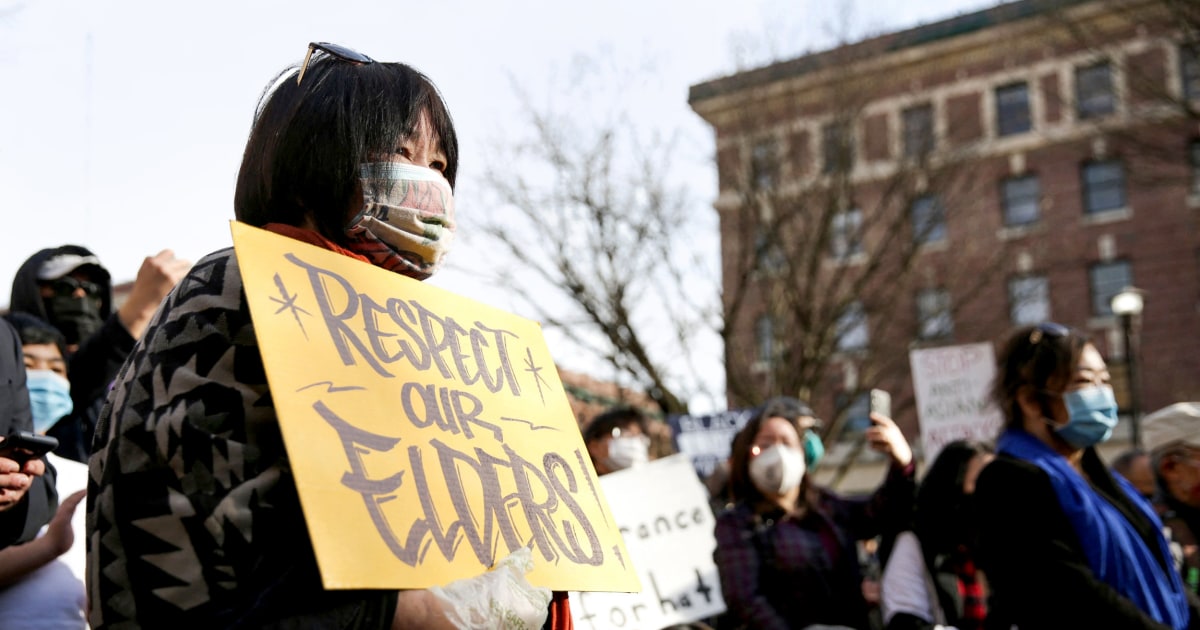
Anti-Asian hate crimes are on the rise in America, and new data has revealed over the past year that the number of these incidents — which can include shunning, verbal harassment and physical attacks — is greater than previously reported. And a disproportionate number have been directed at Asian women, such as the recent Atlanta spa shootings and the assault on an elderly woman in San Francisco. The research released by reporting forum Stop AAPI Hate on Tuesday revealed nearly 3,800 incidents were reported over the course of roughly a year during the pandemic. It’s a significantly higher number than last year's count of about 2,800 hate incidents nationwide over the span of five months. Women made up a far higher share of the reports, at 68 percent, compared to men, who made up 29 percent of respondents. The non-profit does not report incidents to police. The data, which includes incidents that occurred between March 19 of last year and Feb. 28 of this year, shows that roughly 503 incidents took place in 2021 alone. Verbal harassment and shunning were the most common types of discrimination, making up 68.1 percent and 20.5 percent of the reports respectively. The third most common category, physical assault, made up 11.1 percent of the total incidents. More than a third of incidents occurred at businesses, the primary site of discrimination, while a quarter took place in public streets. According to the data, Asian women report hate incidents 2.3 times more than men. A further examination of the submitted reports showed that in many cases, the verbal harassment that women received reflected the very intersection of racism and sexism. March 16 – NBC News If you’re a journalist covering this news story, then let us help. Dr. Krystyn Moon is an expert in U.S. immigration history, popular culture, race and ethnic studies – and is available to speak with media regarding the recent study and the history of the anti-Asian racism and violence in the United States. If you are looking to arrange an interview, simply click on her icon now to book a time today.


CAA Insurance continues to lead the way in providing Ontario auto policyholders with financial relief during the pandemic. CAA Insurance Company is renewing its commitment to customers by enhancing its industry-leading rate relief for Ontario auto policyholders to 15 per cent for a 12-month term. The announcement is one way that CAA Insurance is helping our customers with meaningful relief to help manage expenses during the COVID-19 pandemic. “We recognize that people are either driving less or driving differently, and we don’t expect this to change in the short-term,” says Matthew Turack, president of CAA Insurance Company. “We understand there are many people facing challenges brought on by the pandemic. We believe that insurance companies should step up, give back and help Ontarians manage expenses during the COVID-19 pandemic.” In 2020, CAA Insurance led the insurance industry by providing both rate reductions and financial relief benefits, and we are pleased to continue leading the industry in 2021. Over the past year, CAA Insurance’s initiatives include: In April 2020, CAA Insurance was the first and only insurance company to offer a 10 per cent rate reduction on both auto and home insurance policies for the duration of a 12-month policy term. In May 2020, we announced a $100 auto insurance relief benefit. In October 2020, we provided an additional $50 relief benefit for our active Ontario auto policies. The total amount of pandemic relief that CAA Insurance will give back to home and auto insurance customers during 2020 and 2021 is estimated to be over $130 million. Coupled with our pandemic relief, new customers who have made the switch to CAA Insurance see significant savings. By calling and speaking to one of our agents or brokers, motorists could find savings averaging over $700 per policy. Today’s announced rate relief applies automatically to all new customers effective April 15, 2021, and to existing customers whose auto policies renew on or after June 15, 2021. Customers whose auto policies renewed between January 1 and June 14, 2021, can apply for the incremental rate relief by completing an online form at https://www.caainsurancecompany.com/rate-reduction-policy-details


New research examining the economic impact of micromobility on local economies found shared e-scooter systems created an estimated $13.8 million in additional sales across 370 food and beverage companies in four cities over six months in 2019, as compared to four similar cities over the same time period without e-scooter programs. The study compared consumer purchase patterns in four cities that allowed operation of shared e-scooter systems – Atlanta, Austin, San Francisco, and Washington, D.C. – to similar cities that did not at the time – Boston, Houston, Phoenix, and Seattle. The study used extensive econometric methods to uncover purchasing that was caused by e-scooter rides, which would not have occurred otherwise. “The post-COVID economic recovery remains slow, but this research shows we shouldn’t ignore the positive impact of micromobility on small businesses,” said Dan McCarthy, senior author of the study and assistant professor of marketing at Emory University’s Goizueta Business School. “This is especially relevant for the food and beverage sector, a significant source of jobs, which is suffering sales declines larger than most other sectors of the economy.” The study uncovered e-scooter usage generated significant positive economic spillovers for the food and beverage industry purchasing in a similar way that consumers make impulse purchases at grocery stores – its effects are larger for businesses where the consumption happens more quickly, and businesses selling at lower prices. Across the cities studied with e-scooter programs, total sales in the food and beverage category increased by an estimated 0.6 percent on average, or approximately $921 in incremental spending per available e-scooter for the food and beverage companies over the six-month period studied in the analysis. “Since these companies represent approximately 15 percent of the overall food and beverage market in these cities, the actual impact could be much larger,” said McCarthy. “If, for instance, subsequent research confirmed a similar level of uptick across all food and beverage companies in these markets driven by micromobility, the overall full-year economic impact could be close to $200 million.” If you're interested in learning more - there's a full article published by Emory Business attached. And, if you're a journalist looking to cover this exciting and emerging topic - then let us help. Dan McCarthy is an Assistant Professor of Marketing at Emory University's Goizueta School of Business. His research specialty is the application of leading-edge statistical methodology to contemporary empirical marketing problems. Dan is available to speak with media - simply click on his icon now to arrange an intwrview today.

What’s it all mean as ‘Big-Tech’ pivots to privacy? Let our Experts help explain if you are covering
The business of the internet as we know it, is about to change. As companies in the past have thrived, boomed, and found serious cash and success harvesting your data – that model may soon be coming to an end. With companies like Google and Apple leading the way, odds are a serious transformation is about to come and the know that notice has been served, it is getting a lot of attention. The decision, coming from the world’s biggest digital advertising company, could help push the industry away from the use of such individualized tracking, which has come under increasing criticism from privacy advocates and faces scrutiny from regulators. Google’s heft means the change could reshape the digital ad business, where many companies rely on tracking individuals to target their ads, measure the ads’ effectiveness, and stop fraud. Google accounted for 52% of last year’s global digital ad spending of $292 billion, according to Jounce Media, a digital ad consultancy. About 40% of the money that flows from advertisers to publishers on the open internet—meaning digital advertising outside of closed systems such as Google Search, YouTube, or Facebook—goes through Google’s ad buying tools, according to Jounce. March 03 – The Wall Street Journal. But what will this mean for powerhouses like Facebook or the multitude of apps and carriers who rely on data, and the money that comes with it to succeed? What lies ahead will be interesting, and if you are a journalist looking to cover this topic – then let our experts help. Vilma Todri is an Assistant Professor of Information Systems & Operations Management at Emory University’s Goizueta Business School. Previously, she worked for Google where she was developing integrated cross-platform advertising strategies for large business clients that partnered with Google and recently wrote a comprehensive paper on this very topic. Vilma is available to speak with media about this subject – simply click on her icon now to arrange an interview today.


Why online recommendations make it easier to hit “buy”
When it is time to buy something online, perhaps a coffee maker, you might head to Amazon and browse items for sale. One particular model might spark interest. The product page may contain recommendations for other goods: complementary products such as coffee filters; or recommendations for different, competitor coffee maker brands offering unique features and prices. E-commerce websites commonly use product recommendations — called co-purchase and co-view recommendations — to keep users locked into the sales funnel and increase customer retention. But what impact do these types of recommendations actually have on consumers? How do they influence one’s willingness to pay for the original product searched? In fact, the level of influence depends on how close a consumer is to making that purchase, says Jesse Bockstedt, associate professor of information systems & operations management at Emory’s Goizueta Business School. In addition, what type of recommendation the consumer sees plays a role in purchasing as well. To shed empirical light on this, Bockstedt teamed with Mingyue Zhang from the Shanghai International Studies University. “We were curious. We knew that recommendation systems are integral to how consumers discover products online – a good 35 percent of Amazon sales can be attributed to recommendations, for instance,” Bockstedt says. “But we knew a lot less about how recommendations change consumer behavior in relation to a focal product.” Specifically, the researchers were interested in looking at the effect of complementary versus substitutable products, and what impact the price of these types of products had on consumer behavior. They also wanted to know whether these effects were more or less amplified depending on whether consumers were at the exploratory phase in the buying process or ready to go ahead and make the purchase. To unpack the dynamics at play, Bockstedt and Zhang ran two experiments that simulated the online purchasing experience. The researchers had volunteers go through the process of evaluating different products and then report back on how much they were willing to pay for each. “We asked volunteers to look at a product page for a computer mouse, and we randomly assigned different recommendations to that page – some that were for other mice, and others that were for goods and products that would complement the original mouse. Going through the experiment, we also manipulated the price that volunteers saw on different pages, both for the recommended substitute and complementary products,” he says. “Finally, we looked at the effect of timing and the sales funnel. In one case we had volunteers look for a highly specific mouse and recommended a particular product page to them. To simulate the more exploratory phase, we gave them many pages and asked them to click on the one they found most interesting.” In total, Bockstedt and Zhang put 200+ volunteers through the replica virtual purchasing experience and recorded their willingness to pay the advertised price for the focal product on scale of 0 to 100, depending on what they had seen and the point in the sales funnel they had seen the recommendations. If you are looking to learn more about this research and the results, Emory has a full article published for reading and review. If you are a journalist looking to cover this topic or if you are simply interested in learning more, then let us help. Jesse Bockstedt, associate professor of information systems and operations management at Emory’s Goizueta Business School. He is available to speak with media, simply click on his icon now – to book an interview today.


It was hyped, promoted and delivered a ratings bonanza for CBS. Oprah Winfrey’s exclusive, no-holds barred interview with Meghan Markle and Prince Harry, left many aghast by her revelations of mistreatment, constant abuse in the media and even Meghan's experience of racism when it came to the status, security and skin color of her then unborn son. Even the day after, Oprah, praised for her masterful interviewing skills, is still revealing excerpts that shine a brighter light on the situation. The Duchess of Sussex claimed the press team that would defend the royal family "when they know something's not true" failed to come to their defense. Winfrey asked Prince Harry if he hoped his family would ever acknowledge that the differences in treatment were over race. "It would make a huge difference," he said. "Like I said, there's a lot of people that have seen it for what it was… like it's talked about across the world." The people who do not want to see it, Harry claimed, "choose not to see it." March 08 – CBS News The interview has the public discussing racism and misogyny and how these are playing out in the Royal Family dynamics and the British press. And if you are a journalist looking to explore this issue, then let our experts help. Dr. Adria Goldman’s research explores the intersectionality of race, gender, culture and its connection to communication and media. She enjoys examining media’s impact on perceptions, construction of identity, social relationships and belief systems. Dr. Goldman is available to speak with media regarding Oprah Winfrey's interview with Meghan Markle and Prince Harry and what it means when it comes to race, royalty and what impact it may have on the couple and the Royal Family moving forward. If you are looking to arrange an interview, simply click on her icon now to book a time today.
