
Experts Matter. Find Yours.
Connect for media, speaking, professional opportunities & more.
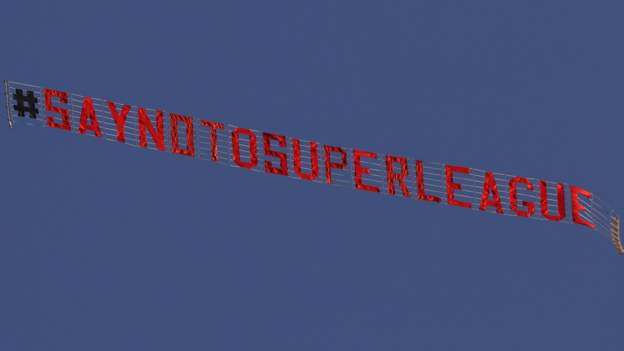
News of the newly proposed European Super League has left a storm of concern, criticism, threats and even political intervention in its wake. The announcement of a mid-week league consisting of a dozen of the top-tiered clubs from across Britain and Europe would rival the popular UEFA Champions League. No doubt, more football to watch is good for fans, and for club owners – but the backlash has been harsh from other stakeholders and teams left on the sidelines. The media coverage has been intense. Meanwhile, UK Prime Minister Boris Johnson met with the Football Association, Premier League officials and fans' representatives on Tuesday, after which the government said it will take "whatever action necessary", including legislative options, to ensure the proposals were stopped. Downing Street added: "No action is off the table." In other developments: Uefa president Aleksander Ceferin called on the English clubs to "come to your senses" Everton criticised the "preposterous arrogance" of the clubs involved Real Madrid president Florentino Perez said that the new league was needed to "save football" The proposed tournament would see teams play one another in midweek games in an attempt to have more matches between the big-name clubs. The other clubs involved are AC Milan, Atletico Madrid, Barcelona, Inter Milan, Juventus and Real Madrid. The plans have been heavily criticised by fans, pundits, football's governing bodies and members of the UK government. "It is our task to protect the European sport model. If some elect to go their own way, they must live with the consequences of their choices," said Infantino, the president of world football's governing body. "They are responsible for their choice completely. This means you are either in or you are out. You cannot be half in and half out." April 20 – BBC If you are a journalist covering this emerging story – then let us help with your questions by providing expert opinion, perspective, and analysis. Peter Dawson from the University of East Anglia is a Professor of Economics and an expert in sports economics. Peter is available to speak with media about this topic – simply click on his icon now to arrange an interview today.


UMW’s foreign security expert Jason Davidson weighs in on America’s exit from Afghanistan
It is America’s longest war, and after 20 years on the ground, President Biden has announced it’s time to recall the troops and bring them home. As media looked to cover this breaking news, experts from the University of Mary Washington were there to answer the call and help with coverage that has been dominating headlines. “I think the Biden administration is trying to balance the president’s desire to get out and cut U.S. losses, but also the fact that the Taliban has not really complied with their side of the deal so far and they are unlikely to fully comply with a deal, period,” said Jason Davidson, a political scientist at the University of Mary Washington. President Donald Trump’s administration agreed more than a year ago to pull U.S. and NATO troops out of the country by the start of next month. The Taliban has warned of violence if that deadline is not met, but Biden administration officials are hopeful setting a firm withdrawal date a few months down the line will not result in reprisals. Trump’s plan spurred bipartisan objections in Washington when it was announced last year, with Republicans and Democrats denouncing a seemingly arbitrary deadline and predicting chaos if U.S. troops were withdrawn prematurely. Progress toward peace has been sporadic since then, with the Taliban continuing to engage in violence as negotiations stalled. April 13 - ABC News Exiting Afghanistan will be a process that will take time and garner lots of media coverage. And if you are a journalist covering this topic, then let our experts help. Dr. Jason Davidson is a professor of Political Science and International Affairs and is also an expert in American Foreign and Security Policy, and International Security. If you’re looking to arrange an interview with Dr. Davidson, simply click on his icon now to arrange an interview today.


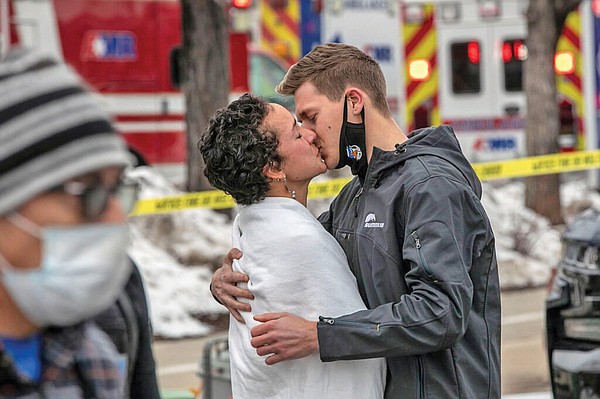
UMW's psychological trauma expert Laura Wilson weighs in on survivors of recent mass shootings
Media have been covering what has been a deadly year in America, with nearly a dozen mass shootings to date. UMW's psychological trauma expert Laura Wilson has been the go-to person to help journalists understand the impact these horrific events have on survivors. Recently, Dr. Wilson was interviewed about the recovery process American Olympic hopeful Maggie Montoya is facing after witnessing first-hand the shooting in Boulder, Colorado, as she prepares to represent America this summer in Tokyo. Laura C. Wilson, associate professor of psychology at the University of Mary Washington in Fredericksburg, Va., has focused on post-trauma functioning from mass trauma. She says most people's exposure and understanding of mass shootings consists of the immediate aftermath. "They see the news coverage of the crime scene and watch the investigators' news briefing," Wilson said. "Within a few days the news trucks leave and people's attention turns to the next major news event. This is when the grief and recovery work starts for the survivors." Wilson said every person will process the events differently. Some will have intense, acute reactions that subside in a few days or weeks. Effects could be chronic for others, and some experience delayed reactions. "Each person is different, and their recovery will look different," she said. Wilson didn't speak specifically about Montoya's running community but said community overall is a powerful strength for survivors in the aftermath of a mass shooting. "It creates a sense of belonging, which can promote psychological recovery," Wilson said. "Having supportive family and friends to validate the feelings and help you process your thoughts is certainly a protective factor." April 18 - The Northwest Arkansas Democrat-Gazette If you are a reporter looking to cover the issues survivors of mass-shooting events will experience, then let us help. Dr. Laura Wilson is a clinical psychologist whose expertise focuses on post-trauma functioning, particularly in survivors of sexual violence or mass trauma (e.g., terrorism, mass shootings, combat). Her research interests extend to predictors of violence and aggression, including psychophysiological and personality factors, as well as indicators of PTSD following mass trauma, long-term functioning among first responders, outcomes among survivors of sexual violence and the influence of media on mental illness stigma. Dr. Wilson is available to speak with media, simply click on her icon to arrange an interview today.


Are big changes coming to financial accountability in Ontario as Laurentian loses its elite status?
As the higher education community anxiously awaits more news on just exactly how Laurentian University in Sudbury has essentially gone bankrupt, those who oversee universities and colleges in Ontario are also watching with interest. The chain of events that led to Laurentian having to file for creditor protection reveal a failure in governance. And it points to a wider set of reforms that are being contemplated within the public sector. A special investigator’s report on the Laurentian University insolvency is coming out soon, according to the Minister of Training, Colleges and Universities, Ross Romano. The province has warned it may introduce legislation granting it greater oversight of every university’s finances. Recently, Umar Saeed, a public sector accounting expert and a partner at Welch LLP, sat down with Newspoint360 to discuss in an in-depth interview how Ontario’s ability to control and govern the university sector is unlike other provinces, such as British Columbia. If new legislation is introduced that enhances the government’s ability to appoint Board members or control the financial and operating policies of Ontario universities, it will have broad implications for the entire university sector in Ontario: • New legislation may lead to consolidating all the universities (debts and deficits) into the Ontario government’s public accounts • Legislation would acknowledge an implicit promise by the Ontario government to backstop public sector debt (including the university sector) • Public universities may lose their perceived independence if they are “controlled” for accounting purposes The story of Laurentian University is fundamentally about poor governance. However, missing from this story is the backdrop and conditions that led to poor governance. There’s a lot at stake for Laurentian, it’s faculty and staff and the provincial university sector as a whole, and if you are a journalist looking to cover this topic, then let us help. Umar Saeed is a partner at Welch LLP in Ottawa and an expert in Public-Sector Accounting Standards. Umar is available to speak with media about this subject – simply click on his icon now to arrange an email today.


UConn Researcher Develops Successful Zika Virus Vaccine in Preclinical Studies
UConn researcher Paulo Verardi, associate professor of pathobiology and veterinary science in the College of Agriculture, Health and Natural Resources, has demonstrated the success of a vaccine against Zika virus and recently published his findings in Scientific Reports, a Nature Research publication. He has also filed provisional patents with UConn’s Technology Commercialization Services for the novel vaccine platform technology used to generate the vaccine, as well as genetic modifications made to the vaccine that significantly enhance expression of the vaccine antigen. Verardi, a Brazilian native, was in Brazil visiting family in the summer of 2015 when the Zika outbreak first began to make waves and soon reached epidemic status. Back in the United States, Verardi kept tabs on the Zika epidemic and its emerging connection to microcephaly, a serious birth defect that causes babies to be born with small heads and underdeveloped brains. In October of that year, Verardi called then-Ph.D.-student Brittany Jasperse (CAHNR ‘19) into his office and told her he wanted to apply their newly developed vaccine platform and start developing a vaccine for Zika virus. It’s an impressive achievement and there’s a full article attached for those looking to know more. Verardi emphasizes that developing vaccines for viruses, in this case Zika, help the world be better prepared for outbreaks of novel and emerging viruses by having vaccine development frameworks in place. “Emerging viruses are not going to stop popping up any time soon, so we need to be prepared,” Verardi says. “Part of being prepared is to continue the development of these platforms.” If you’re a journalist looking to know more about Zika virus and this emerging news about a vaccine – then let us help. Dr. Paulo Verardi is a virologist who specializes in vaccine research and development. He is an Associate Professor at UConn and a member of the Center of Excellence for Vaccine Research. Dr. Verardi is available to speak with media regarding this emerging development – simply click on his icon now to arrange an interview today.



Solar geoengineering - it’s a topic that has caused an ethical lightening storm in the science community. The concept is complex. Should the world take on the crisis of climate change by attempting to artificially attempting to cool the earth? It’s an idea that has the National Academies of Sciences, Engineering and Medicine seeking a billion dollars in the next five years to investigate the theory. It’s a topic that is somewhat controversial, and journalists are looking to leading experts from across America for expert insight, opinion and perspective. Prakash Kashwan, a political scientist at the University of Connecticut, said he felt the report could have better emphasized the seriousness of some concerns over others. Uncertainties about the impacts of solar geoengineering on global weather patterns have the potential to affect some regions of the world more severely than others, he pointed out. Some experts have raised concerns about potential effects of geoengineering on monsoon rainfall in parts of Asia and Africa, he said. More than 2 billion people around the world rely on these rainfall patterns to support their water and agricultural needs. These kinds of issues should be given special weight, Kashwan suggested. "Some uncertainties are much more highly consequential for the global society, and especially for the poor and vulnerable," he told E&E News. Kashwan also reiterated concerns about potential political effects. While the report makes clear that geoengineering is not a substitute for climate mitigation, he suggests that this doesn't necessarily prevent policymakers from using it in that way. "The problem is the extent to which researchers are really helpless in deciding how research is used in the political system," he said. "That part has yet to be fully appreciated." Kashwan suggests that more dialogue might be warranted before funding a national research program, with greater input from both the international community and political experts who can weigh in on the ways that geoengineering research might affect political decisions. March 26, Scientific American It's a captivating idea – but it could have political, social and ethical consequences. Dr. Kashwan has also been interviewed by The New York Times. If you are a journalist looking to learn more about solar geoengineering, its possibilities and the reasons some scientists are worried – then let us help with your coverage. Prakash Kashwan is an Associate Professor of Political Science at UConn and an expert in the areas of environmental and climate justice, planetary justice, global commons, climate governance, and climate geoengineering governance. Dr. Kashwan is available to speak with media regarding this topic – simply click on his icon now to arrange an interview today.

The aftermath of a mass shooting in America
Last week America was shocked by two major mass shooting events in a week. Almost 20 people were killed and so many more will suffer the short- and long-term effects of these tragic and violent events. According to recent media reports, though the election and a full year of COVID-19 dominated news coverage, 2020 was one of the deadliest years for gun violence in decades. Until two lethal rampages this month, mass shootings had largely been absent from headlines during the coronavirus pandemic. But people were still dying — at a record rate. In 2020, gun violence killed nearly 20,000 Americans, according to data from the Gun Violence Archive, more than any other year in at least two decades. An additional 24,000 people died by suicide with a gun. The vast majority of these tragedies happen far from the glare of the national spotlight, unfolding instead in homes or on city streets and — like the Covid-19 crisis — disproportionately affecting communities of color. March 23, Washington Post And as America carries on and moves forward, the survivors, witnesses and families of those killed will be adapting to a new life and a multitude of physical and psychological challenges. If you’re a reporter looking to cover the issues survivors of mass-shooting events will experience, then let us help. Dr. Laura C. Wilson is a clinical psychologist whose expertise focuses on post-trauma functioning, particularly in survivors of sexual violence or mass trauma (e.g., terrorism, mass shootings, combat). Her research interests extend to predictors of violence and aggression, including psychophysiological and personality factors, as well as indicators of PTSD following mass trauma, long-term functioning among first responders, outcomes among survivors of sexual violence, and the influence of media on mental illness stigma. Dr. Wilson is available to speak with media – simply click on her icon to arrange an interview today.
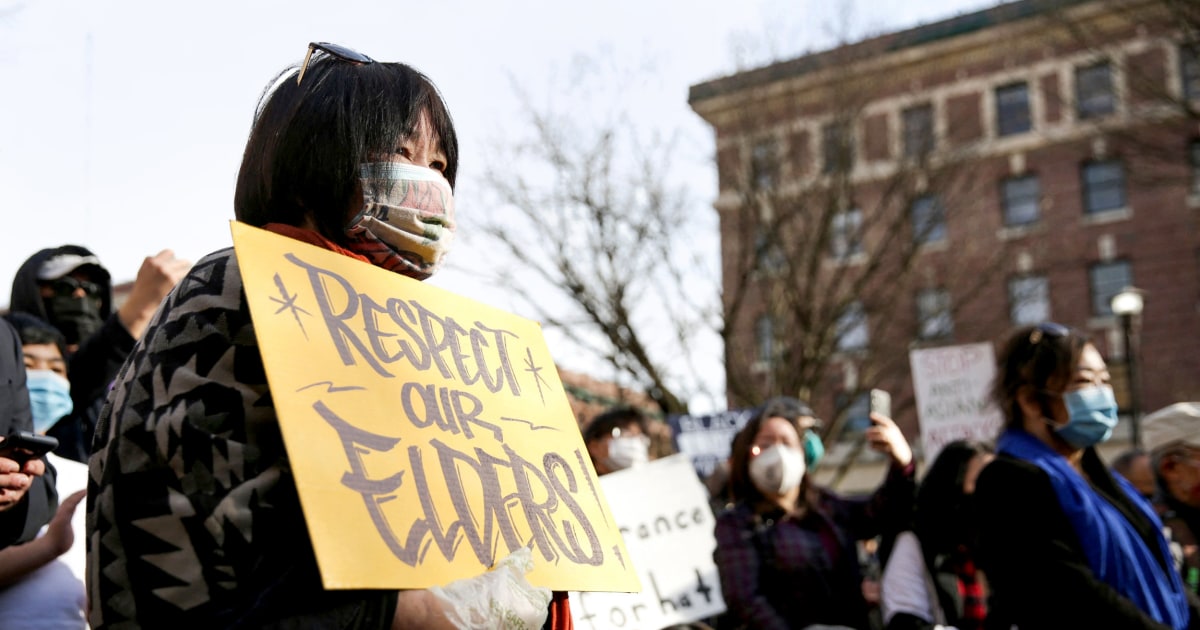
Immigration history expert can provide insight on anti-Asian racism in the U.S.
Anti-Asian hate crimes are on the rise in America, and new data has revealed over the past year that the number of these incidents — which can include shunning, verbal harassment and physical attacks — is greater than previously reported. And a disproportionate number have been directed at Asian women, such as the recent Atlanta spa shootings and the assault on an elderly woman in San Francisco. The research released by reporting forum Stop AAPI Hate on Tuesday revealed nearly 3,800 incidents were reported over the course of roughly a year during the pandemic. It’s a significantly higher number than last year's count of about 2,800 hate incidents nationwide over the span of five months. Women made up a far higher share of the reports, at 68 percent, compared to men, who made up 29 percent of respondents. The non-profit does not report incidents to police. The data, which includes incidents that occurred between March 19 of last year and Feb. 28 of this year, shows that roughly 503 incidents took place in 2021 alone. Verbal harassment and shunning were the most common types of discrimination, making up 68.1 percent and 20.5 percent of the reports respectively. The third most common category, physical assault, made up 11.1 percent of the total incidents. More than a third of incidents occurred at businesses, the primary site of discrimination, while a quarter took place in public streets. According to the data, Asian women report hate incidents 2.3 times more than men. A further examination of the submitted reports showed that in many cases, the verbal harassment that women received reflected the very intersection of racism and sexism. March 16 – NBC News If you’re a journalist covering this news story, then let us help. Dr. Krystyn Moon is an expert in U.S. immigration history, popular culture, race and ethnic studies – and is available to speak with media regarding the recent study and the history of the anti-Asian racism and violence in the United States. If you are looking to arrange an interview, simply click on her icon now to book a time today.


It was hyped, promoted and delivered a ratings bonanza for CBS. Oprah Winfrey’s exclusive, no-holds barred interview with Meghan Markle and Prince Harry, left many aghast by her revelations of mistreatment, constant abuse in the media and even Meghan's experience of racism when it came to the status, security and skin color of her then unborn son. Even the day after, Oprah, praised for her masterful interviewing skills, is still revealing excerpts that shine a brighter light on the situation. The Duchess of Sussex claimed the press team that would defend the royal family "when they know something's not true" failed to come to their defense. Winfrey asked Prince Harry if he hoped his family would ever acknowledge that the differences in treatment were over race. "It would make a huge difference," he said. "Like I said, there's a lot of people that have seen it for what it was… like it's talked about across the world." The people who do not want to see it, Harry claimed, "choose not to see it." March 08 – CBS News The interview has the public discussing racism and misogyny and how these are playing out in the Royal Family dynamics and the British press. And if you are a journalist looking to explore this issue, then let our experts help. Dr. Adria Goldman’s research explores the intersectionality of race, gender, culture and its connection to communication and media. She enjoys examining media’s impact on perceptions, construction of identity, social relationships and belief systems. Dr. Goldman is available to speak with media regarding Oprah Winfrey's interview with Meghan Markle and Prince Harry and what it means when it comes to race, royalty and what impact it may have on the couple and the Royal Family moving forward. If you are looking to arrange an interview, simply click on her icon now to book a time today.

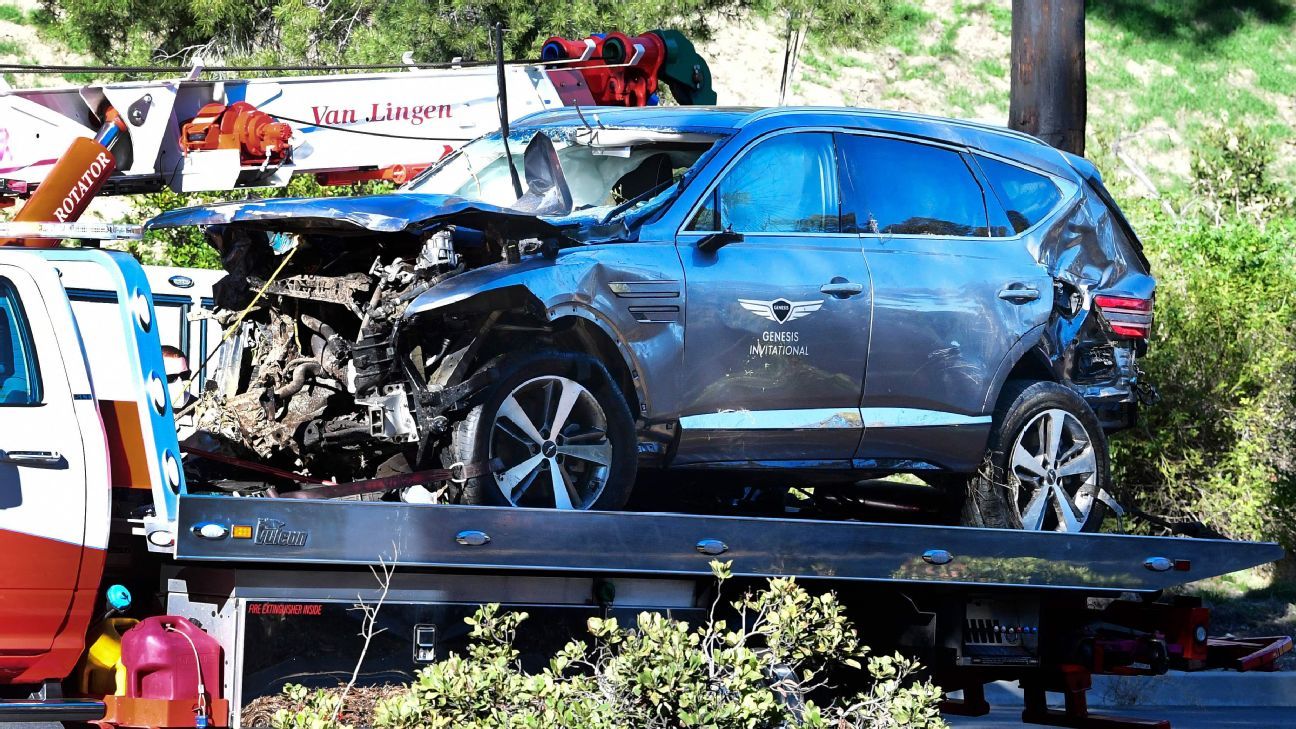
This week’s shocking news of golf legend Tiger Woods rolling his vehicle and sustaining serious injuries to his right leg have sports fans, journalists and most of the world watching and waiting for word of whether he’ll play again. According to ESPN, the injuries are extensive: Tiger Woods is recovering from a lengthy surgery to repair what a doctor said Tuesday night were "significant orthopaedic injuries to his right lower extremity" suffered in a single-car rollover crash hours earlier on a steep roadway in a Los Angeles suburb. As part of a statement on Woods' official Twitter account, Dr. Anish Mahajan of Harbor-UCLA Medical Center updated the famed golfer's condition, saying in part that Woods had multiple "open fractures" to his lower right leg, and he had a rod placed in his tibia and screws and pins inserted in his foot and ankle during an emergency surgery. "Comminuted open fractures affecting both the upper and lower portions of the tibia and fibula bones were stabilized by inserting a rod into the tibia," said Mahajan, the chief medical officer and interim CEO at Harbor-UCLA. "Additional injuries to the bones of the foot and ankle were stabilized with a combination of screws and pins. Trauma to the muscle and soft-tissue of the leg required surgical release of the covering of the muscles to relieve pressure due to swelling." ESPN – February 23 If you’re a journalist looking to know more about this type of injury, what the recovery process usually involves and what the long-term prognosis may be – then let us help. Dr. Monte Hunter serves at Augusta University as the Satcher Distinguished Chair of the Department of Orthopedic Surgery and director of the Sports Medicine Program. Dr. Hunter is an expert in reconstruction and sports injury prevention – and he is available to speak with media about this topic. Simply click on his icon now to arrange an interview today.
