
Experts Matter. Find Yours.
Connect for media, speaking, professional opportunities & more.
What "Super Agers" Are Teaching Us About Growing Older
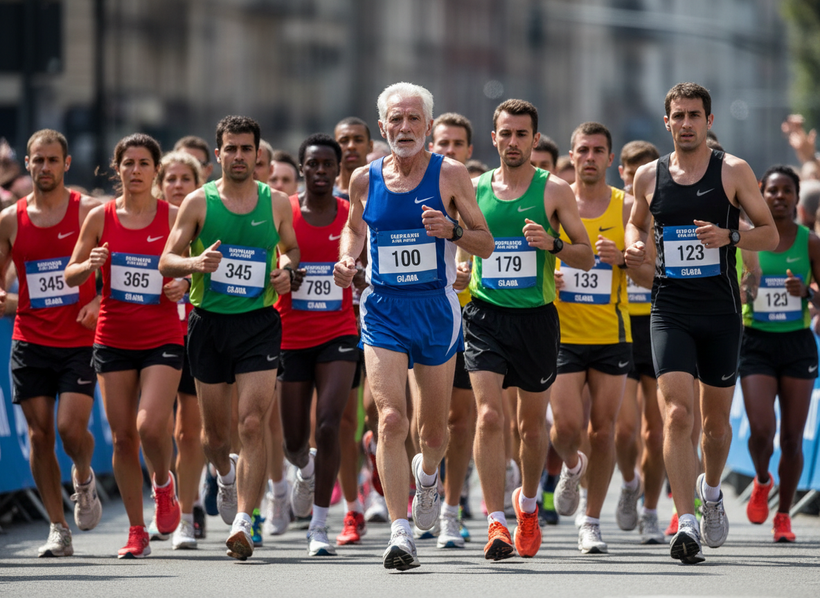
When I think about aging well, I don't see a number on a birthday cake. I see capacity. The ability to think clearly. To move with confidence. To stay curious. To laugh easily. To remember where I put my keys. (Okay, that last one is still aspirational.) That's why I teach 4 fitness classes a week and pay close attention to how I fuel my body. Not because I'm chasing youth, but because I've learned, both personally and professionally, that the way we move, eat, sleep, and cope influences how we feel... and how we show up for the people we care about. I don't want to live forever. I just want to live well while I'm here. Like many Boomers, I've been interested in the growing research on longevity. And let's be honest: Boomers have never been good at accepting "no" for an answer. Why would we start now, just because it's mortality asking? We're the generation that refused to compromise. Retirement? Optional. Slowing down? Negotiable. Death? We'd like to speak to the manager. This leads us to a fascinating group of scientists known as "Super Agers." Who Are Super Agers, Really? In research terms, Super Agers are adults over 80 whose cognitive abilities, especially memory, perform at levels expected of people in their 50s or 60s (Rogalski et al., 2013). But here's what I love most: they aren't superhuman. They're not top athletes. They're not biohackers living on kale foam and cold plunges at dawn. (Though if that's your thing, carry on.). They're everyday people who never disconnected from life. A striking Canadian example is Morry Kernerman, a Toronto violinist who kept on learning, hiking, and performing well into the ripe age of 101. His story embodies the spirit of Super Aging: it's not about dodging age, it's about refusing to stop living. In a CBC interview, Maury Kernerman doesn't sound like someone "trying to live longer." He talks like someone who's still interested in living, fascinated by the world, hungry for learning, and unwilling to stand still just because he might do something imperfectly. He also admits something that matters to a lot of readers: he wasn't always an exercise person. He started taking it seriously later in life and describes it as a "rear guard action" that hasn't stopped aging, but has helped him keep his capacity. One of the most poignant lessons: when we're afraid of doing the wrong thing, afraid of failing or being embarrassed, we stop. And standing still is what really costs us. Haven't you heard? Sitting is the new Smoking!! What the Science Is Showing Us Canadian and U.S. researchers, at Western University and Northwestern University, are discovering something significant. Not a pill. Not a quick fix. A system. Angela Roberts (Western University) explained that the Canadian arm of the research isn't relying only on lab snapshots. Participants are sent home with wearable devices so researchers can monitor real-world activity patterns continuously (24 hours a day) over multi-week periods (CBC News, 2024 - https://www.cbc.ca/news/health/superager-centenarians-brain-second-opinion-9.7049411). That design matters because it turns "healthy aging" from a vague concept into measurable behaviours: how much movement you get, how intense it is, how consistent it is, and how it fits into the rhythm of normal life. Super Agers typically stay active, remain mentally sharp, maintain close relationships, handle stress effectively, sleep well, and keep a generally positive attitude (Rogalski et al., 2013 - https://doi.org/10.1162/jocn_a_00300; Sun et al., 2016 - https://doi.org/10.1523/JNEUROSCI.1492-16.2016) Their brains display thicker cortical areas linked to attention and memory, experience slower atrophy rates, have fewer Alzheimer's markers, and show stronger neuronal connections (Gefen et al., 2015 - https://doi.org/10.1523/JNEUROSCI.2998-14.2015; Harrison et al., 2012 - https://doi.org/10.1017/S1355617712000847) A Data Point Worth Remembering When It Comes to Longevity From the wearables, the research study observed that many 80-year-olds in the study, both "super agers" and the control group, were averaging about 25 to 30 minutes of exercise a day (roughly aligned with Canadian movement guidelines). The difference wasn't that super agers moved a little more. The study showed that they got about 30% more of the kind of movement that raises heart rate, what researchers call moderate-to-vigorous physical activity In plain language: it's not just steps. It's getting your engine up into that slightly breathy zone on purpose, most days. There's no single longevity switch. It's a belt-and-suspenders approach: multiple protective habits working together over decades. Let's Talk About Weight (Without Losing Our Minds) People often ask: Should Super Agers be skinny? Or a little plump? The research answer is surprisingly dull (and comforting): Neither. Super Agers come in all sizes. There is no evidence that they share a specific body weight or BMI. What matters much more than the scale is stability, strength, and body composition (Stenholm et al., 2008). Obesity Shows Up Consistently in the Research Midlife obesity is associated with an increased risk of dementia later in life. Several large studies indicate that obesity (BMI ≥30) during midlife raises dementia risk by 33 to 91% compared to individuals of normal weight (Kivipelto et al., 2005; Qizilbash et al., 2015) However, in older age, unintentional weight loss often signals frailty or illness. Weight loss in later life is linked to faster cognitive decline and higher risk of death (Diehr et al., 2008) Being underweight increases the risk of death. Studies consistently indicate that underweight older adults (BMI <20) have 2 to 3 times the all-cause mortality risk compared to those with a normal weight, with one study reporting a 34% higher risk of dementia (Diehr et al., 2008). A slightly higher BMI in later life may actually be protective, especially if muscle mass is maintained. The "obesity paradox" demonstrates that overweight and mild obesity in older adults (ages 65+) are often linked to a lower risk of mortality, particularly from non-cardiovascular diseases (Natale et al., 2023). So, the prescription is clear: avoid extremes. Not so skinny you could use a Cheerio as a hula hoop, and not so plump that tying your shoes feels like a full-contact sport. Here's What Truly Matters: Muscle Mass Strength defends the brain, maintains balance, boosts metabolism, and offers resilience during illness or stress (Peterson & Gordon, 2011) "Skinny-fat", low muscle, higher fat, is actually worse for aging than carrying a bit more weight with muscle beneath (Prado et al., 2012). Super Aging isn't about shrinking yourself. It's about supporting the structure you live in. Sleep: The Quiet Superpower If movement is the main act, sleep is the stage crew ensuring the entire show runs smoothly. Sleep isn't just one thing. It's a cycle (Walker, 2017). The Stages of Sleep (a quick, non-boring tour) Light sleep: The warm-up. Easy to wake from. Necessary, but not enough by itself. Deep sleep: The body's main repair mode. This is where physical repair occurs: muscle recovery, immune support, hormone regulation (Scullin & Bliwise, 2015) (Walker, 2017). REM sleep: The brain's spa. Memory consolidation, emotional regulation, creativity, and learning all occur here (Scullin & Bliwise, 2015) (Walker, 2017). Missing deep sleep leaves your body feeling exhausted. Missing REM causes your brain to become fragile and foggy (Mander et al., 2017). Super Agers tend to guard their sleep, though not perfectly, deliberately (Mander et al., 2016). Consistent bedtimes, morning sunlight, daily activity, and relaxing evenings appear repeatedly. For some people, slow-release melatonin or magnesium can help improve sleep maintenance (Ferracioli-Oda et al., 2013). However, the greatest benefits often come from simple routines: consistency, darkness, cooler rooms, and avoiding phone use at 10 p.m. Sleep isn't a luxury. It's essential brain maintenance (Mander et al., 2017). Stress: The Real Villain Chronic stress is like kryptonite for cognitive health (McEwen & Sapolsky, 1995). The main source of stress is not accepting what is. We argue with reality, and we lose every time. We revisit conversations. We resist change. We attempt to control others. Super Agers appear more accepting, not resignation, but realism (Sun et al., 2016) Here are some practical strategies to consider: Let them. (Thank you, Mel Robbins.) People will be people. You don't need to manage them. Save your energy for what truly matters. And remember: what people think of you... is none of your business. Calm isn't passive. Calm is protective. Gratitude also plays a role. Many Super Agers exhibit a distinct emotional tone: more grateful, less gripeful (Hill & Allemand, 2011) Life wasn't simpler; they simply didn't let bitterness steer the way. Relationships and Quality of Life: The Real Gold Standard Super Agers don't have more friends; they have deeper ones. Strong relationships are linked to better emotional regulation and preserved brain regions. (Cacioppo & Cacioppo, 2014) (Holt-Lunstad et al., 2010) And this isn't about extending life. It's about quality of life: cognitive, physical, and emotional well-being. Because no one wants a farewell-to-life party where nobody shows up because you've been miserable, bitter, or exhausting to be around (thank you, BR). Strong body. Clear mind. Warm relationships. A sense of humour that endures gravity. That's the win. 3 Practical Takeaways to Steal this Week If you want the super-ager approach without turning your life into a science experiment, here are three low-drama moves: Add intensity, not just activity. Keep your regular walk, but pick one segment to walk faster, take a hill, or add short brisk bursts. Your heart rate is the clue. Keep a learning thread running. Music, audiobooks, a class, a museum habit, a book club, anything that keeps your mind taxed in a good way and makes you feel curious again. Make "don't stand still" a rule. If you're avoiding something because you might look silly (a dance class, a new hobby, a new friend group), that's exactly the place to lean in, gently, but on purpose. Super Agers aren't chasing youth. (No one needs to see me in low-rise jeans again.) They're cultivating engagement. (Do you want to dance?) They move. They learn. They sleep well. They stay positive. They accept what is. They remain connected. They rely on the belt and suspenders. And most importantly, they don't wait for permission to live life to the fullest at any age. Yes, biology will win eventually. None of us gets out of this alive. But the real victory isn't in defeating what we can't control. It's in mastering what we can, for as long as we can, and living fully right up until biology takes its final bow. Don't Retire...ReWire! Sue Want more of this? Subscribe for weekly doses of retirement reality—no golf-cart clichés, no sunset stock photos, just straight talk about staying Hip, Fit & Financially Free.


Most patients taking popular weight loss and diabetes medications such as Ozempic and Wegovy can safely continue them before gynecologic surgery, according to a new journal article from ChristianaCare published in Obstetrics & Gynecology. The review found that serious anesthesia risks linked to these drugs are uncommon for most patients and can usually be managed through individualized planning rather than stopping the medication. The paper is the first to take a focused look at glucagon-like peptide-1 receptor agonists, commonly called GLP-1 drugs, in gynecologic surgery. These medications were first approved to treat diabetes and are now widely used to support weight loss and metabolic health, which refers to how the body processes sugar and energy. “Our study shows that the evidence does not support routinely stopping these medications before surgery and that the actual risk is low for most patients,” said Michelle Pacis, M.D., MPH, senior author of the study and a minimally invasive gynecologic surgeon at ChristianaCare. Why these medications raised concerns GLP-1 drugs work in part by slowing how quickly the stomach empties. This helps patients feel full longer, but it also raises concerns for surgery. Doctors worry that food remaining in the stomach could increase the risk of aspiration, when stomach contents enter the lungs during anesthesia. Because of this, early recommendations often advised stopping GLP-1 medications before surgery. The ChristianaCare review found that this approach was largely based on caution rather than strong evidence. The authors reviewed data from multiple studies, including large patient groups, that examined outcomes in people taking GLP-1 drugs during procedures. While some studies showed higher amounts of stomach contents, aspiration events were rare and occurred at rates similar to patients who were not taking the medications. New guidance reflects a change in thinking Recent national guidance from several medical societies now recommends a more tailored approach. Most patients can continue GLP-1 medications before surgery. For patients with higher risk factors, such as significant stomach symptoms or known delayed digestion, simple precautions can reduce risk. These precautions may include a clear liquid diet for 24 hours before surgery or closer monitoring during anesthesia. A clear liquid diet includes fluids like water, broth and clear juices. “This shift recognizes both the benefits of these medications and the importance of patient-specific decision making,” Pacis said. Why this matters for gynecologic surgery Many gynecologic surgeries require patients to be positioned in ways that can affect breathing and circulation. At the same time, many patients needing these procedures also have obesity or diabetes, which can increase surgical risk. GLP-1 medications can improve blood sugar control and support weight loss, helping patients enter surgery in better overall health and enhance recovery. Stopping these drugs without a clear reason may work against those benefits. Practical steps to support patient safety The study outlines several strategies care teams can use when patients remain on GLP-1 medications. These include thoughtful anesthesia planning, careful monitoring of heart and lung function, and, in select cases, the use of ultrasound to check stomach contents before surgery. “The goal is not to ignore risk, but to manage it wisely,” Pacis said. “For many patients, continuing these medications supports safer surgery and better recovery.” The authors note that more research is needed, particularly studies focused specifically on gynecologic surgery. Still, the findings offer clarity for patients and clinicians navigating a rapidly changing area of care. “This review helps bring evidence and balance to an issue that has caused a lot of confusion,” Pacis said. “It supports keeping patients on therapies that benefit their health whenever it is safe to do so.”


Florida scientists champion ‘Food Is Medicine’ movement to tackle national health crisis
University of Florida researchers are calling for a national transformation in how we address the ongoing epidemic of obesity and Type 2 diabetes, starting with a fundamental shift in how we approach health, agriculture and food. Published recently in the Proceedings of the National Academy of Sciences, the article argues that fruits and vegetables must be treated not just as food — but as medicine. With 73% of U.S. adults and 35% of children classified as overweight or obese, the authors warn that the crisis is not only an individual health issue but a national economic and security threat. Andrew Hanson, Ph.D., a co-author and professor of horticultural sciences at UF/IFAS, emphasized a sense of urgency and collective responsibility toward solving this health crisis. “This isn’t business as usual. We’re taking a public-interest view. This is the kind of thing we all need to be talking about. It’s too important not to,” he said. The article proposes a roadmap for change, including creating five National Institutes of Health-supported “Food Is Medicine” centers across the U.S., with Florida as a leading candidate; scaling up domestic fruit and vegetable production to meet national dietary needs; partnering with food producer and processors to make healthy foods more accessible, affordable and appealing; and reforming medical and nutrition education to include horticultural sciences and vice versa. The article highlights that only 1 in 10 adults meets the recommended daily intake of fruits and vegetables, and that U.S. production falls far short of what’s needed to support a healthy population. The authors call for a dramatic expansion of fruit and vegetable production, especially high-impact crops like berries, leafy greens and carrots. Christopher Gunter, Ph.D., professor and chair of the UF/IFAS Department of Horticultural Sciences, said the team’s goal is to push the role fruit and vegetables crops can play in improving human health into the national consciousness. “As a discipline, horticulture and the science of fruit and vegetables have been largely ignored in this conversation,” Gunter said. “Our goal is to move the needle on health with fruit and vegetables.” Hanson said about 80% of the nation’s cropland is used to grow soybeans, corn and wheat — most of which are processed into products with low nutritional value that contribute to the obesity and Type 2 diabetes epidemic. Mike Jaffee, M.D., a co-author and professor of neurology in the UF College of Medicine, stressed the broader implications of a high-vegetable diet on brain health. “Obesity and insulin resistance are linked to inflammation and neurodegeneration. We’re living longer, but our brains aren’t keeping up. That’s where the real cost to individuals and the health care system comes in,” he said. Gunter agreed, adding, “This epidemic reduces the longevity and productivity of our citizens. It limits the momentum communities need to grow healthy and resilient families.” Hanson pointed out that higher socioeconomic groups are better positioned to meet dietary recommendations, making this not just a health issue, but a deeply embedded social and economic one. “This crisis takes an unduly large toll on people with lower incomes and less time. To eat enough fruits and vegetables in the current system, you need substantial income and time to prepare food. That’s a luxury many don’t have,” he said. The authors argue that farmers bring essential knowledge to the table. “They understand how environmental factors impact nutritional quality,” Gunter said.



Mental health providers may have trouble detecting bulimia in patients, study finds
When presented with a vignette describing the behaviors and characteristics of a patient with disordered eating, only a quarter of mental health providers who participated in a new study were able to correctly diagnose bulimia nervosa. The findings from researchers at the University of Florida College of Public Health and Health Professions, part of UF Health, appear in the journal Eating Disorders. Two common, yet less-recognized, patient factors may have led to the misdiagnoses, said Dakota Leget, a doctoral student in the college’s Ph.D. program in clinical and health psychology, who conducted the study with her mentor, Rebecca Pearl, Ph.D., an associate professor in the Department of Clinical and Health Psychology. The providers who participated in the study reviewed vignettes about a fictitious patient who was described as either having healthy weight or obesity and who used excessive exercise to compensate for overeating. Many patients with bulimia have average or higher body weight, yet misconceptions persist about the “typical” patient with bulimia, Leget said. “Unfortunately, we have stereotypes that someone with an eating disorder will look ‘very lean’ or ‘sickly,’ but we know that’s not the case for a lot of eating disorders,” she said. The study findings also suggest that providers may not associate excessive exercise with bulimia, despite the fact that it is listed in the Diagnostic and Statistical Manual of Mental Disorders as one of multiple compensatory strategies used by people with bulimia. “I think my biggest takeaway is that excessive exercise may not be on mental health providers’ radar and may be overlooked when patients are presenting for care,” Leget said. For the study, the researchers recruited a nationwide sample of more than 200 mental health providers to read two patient vignettes and then select a diagnosis and recommended number of treatment sessions from a dropdown list of options. The vignettes described fictitious patients who met full diagnostic criteria for their respective disorders, according to the Diagnostic and Statistical Manual of Mental Disorders. Three-quarters of participants correctly diagnosed major depressive disorder in the first patient vignette, which served as a control. Participants were randomly assigned to receive one of two versions of the second vignette. In one version, the patient was described as having a healthy weight; in the second, the patient was described as having obesity. The other patient details were the same for both versions. The patient in the vignette reported she followed a strict diet a few days a week and engaged in a cycle of binge eating accompanied by excessive exercise. The vignette also described the patient’s thoughts and feelings about her appearance and how they affected her activities and relationships. Only 27% of providers correctly diagnosed the patient as having bulimia nervosa, and 38% of providers incorrectly diagnosed the patient with binge eating disorder. Correctly distinguishing between bulimia, binge eating or any other eating disorder is critical, the authors say, not only to ensure patients receive the right treatment, but also to appropriately monitor for other health effects, such as dangerously low sodium levels caused by excessive exercise. “If you are treating the wrong eating disorder, you might not be using the best evidence-based strategy,” Leget said. The findings also point to the need for more continuing education on eating disorders for mental health providers who may not have specialized training, Leget said. “Many people with eating disorders will probably be seen in outpatient settings and they may not be seen by someone with expertise in this area,” Leget said. “Early detection and treatment are crucial. If the community provider is able to detect an eating disorder they can treat that person or guide them to someone with the appropriate expertise so the patient gets the treatment they need sooner rather than later.”


From Libraries to Heart Health: Marlo Vernon Takes Cardiovascular Care Into Rural Georgia
Marlo Vernon, PhD, associate professor in the Department of Health Management, Economics, and Policy at Augusta University’s School of Public Health, is leading a creative public health initiative designed to improve cardiovascular monitoring in rural Georgia. Through the university’s Rural Obese At-Risk initiative, Vernon and her team are placing blood pressure monitors in local libraries, allowing residents to check them out just like books. The effort addresses a critical access gap in rural communities where preventive health tools are often limited or difficult to obtain. Vernon’s work focuses on the realities facing communities in the South’s so-called Stroke Belt, where overlapping health conditions significantly elevate cardiovascular risk. View her profile “There are significant chronic disease risk factors in this so-called Stroke Belt. We’ve got high obesity rates. We have family history. We have high rates of diabetes and kidney disease and they all kind of feed into each other to really create this cardiovascular health need in our communities. And women, in general, are just at a higher risk for this,” said Marlo Vernon, PhD. Beyond equipment access, Vernon’s research also examines how people understand and manage their health when traditional care options are limited. The library-based model helps normalize blood pressure monitoring while reducing barriers such as travel distance, cost, and limited clinic availability. It also creates opportunities to study how community-based solutions can improve awareness, engagement, and long-term cardiovascular outcomes. For journalists covering rural health, women’s health, chronic disease prevention, or innovative public-health strategies, Vernon offers grounded, real-world insight into how trusted community spaces can play a vital role in addressing persistent health disparities. A full article on this topic is available below. To arrange an interview with Dr. Vernon simply click on her iconnow to set up a time to talk today.



Tinsel, Tears, and Turkey: How Seniors Really Feel About the Holidays
Ah, the holidays. That magical season when cinnamon fills the air, grandkids are glued to their phones, and you're wondering if it's too early to spike the eggnog. (Answer: it's 5 o'clock somewhere, and that somewhere is your kitchen.) For many older adults, the season is a cocktail of nostalgia, joy, and melancholy—served in a glass rimmed with memories of when the house was full, and the turkey wasn't store-bought. Dealing With The Ghosts of Christmas Past The holidays used to mean full houses, laughter echoing off the walls, and more food than a Costco freezer aisle. Now? Smaller gatherings, missing faces, and a nagging feeling that you're somehow in the way at your own celebration. There's a certain ache that comes with the holidays as we age. It's not just arthritis—it's memory. The people who made our holidays special might no longer be around, and while their photos still grace the mantle, their absence can hit harder than a fruitcake to the forehead. It's the quiet that gets you. The stillness of a home that used to hum with chaos. The microwave hums where the oven once sang. The Christmas card list has ghosted us—literally—replaced by e-cards that can't be hung on the fridge or hugged. And yet, despite the ache, many seniors keep the traditions alive. They polish the silver, bake the cookies, and set the table—because ritual matters. It's a way to say, I'm still here, and this still matters. Loneliness: The Fear No One Talks About Let's name the holiday elephant in the room. Yes, it turns out that one really is the loneliest number. It's that heavy feeling that sneaks in right around the time commercials start showing perfect families in matching pajamas (who, let's be honest, probably fought about those pajamas in the parking lot). The numbers tell a sobering story: A report by the National Institute on Ageing, finds that as many as 41 per cent of Canadians aged 50 years and older are at risk of social isolation and up to 58 per cent have experienced loneliness before. The holidays often bring additional pressure for many. It's important to note, you don't have to live alone to feel lonely. Seniors often fear being forgotten—left out of the group chat, the dinner invite, or even the conversation at dinner. Some feel like a burden, convinced their presence is more "obligation" than "invitation." That fear of irrelevance can creep up faster than fruitcake at a church bake sale. The internal dialogue doesn't help: "They're busy." "They have their own lives." "I don't want to be a bother." But here's the truth: you're not a bother. You're the keeper of stories, the family's living archive, and—let's face it—the only one who actually knows how to carve a turkey without creating a crime scene. The health stakes are real: According to a 2023 research report from the U.S. Surgeon General, loneliness and social isolation have a profound effect on mortality, equal to smoking 15 cigarettes per day. That’s more impact than obesity or sedentary lifestyles. It's associated with increased risk of heart disease, stroke, dementia, depression, and anxiety. This isn't just about feeling blue; it's about actual health outcomes. When Depression Wears a Santa Hat Holiday depression doesn't always look like tears and tissues. Sometimes it's withdrawing from events, skipping meals, or not bothering to decorate. It's saying "I'm fine" with a smile that doesn't reach your eyes. A prominent research study of seniors in the UK over a 12-year period published in The Lancet, confirms what many seniors experience: loneliness is a significant predictor of depression in older adults. The study found that higher loneliness scores were consistently associated with increased depression severity. The relationship works both ways—people with mental health conditions are more than twice as likely to experience loneliness. It can also show up physically—fatigue, poor sleep, or that vague feeling that something's just... off. The sparkle of the season fades under the weight of grief, change, or just the exhausting pressure to be merry when you're not feeling it. A few sad moments are natural. We all get a little misty when "White Christmas" plays for the 47th time. But if the blues linger past Boxing Day, it might be time for a gentle check-in—with a friend, a doctor, or someone who actually listens (not just nods while scrolling). Remember: asking for help isn't a weakness. It's wisdom. And honestly? It's badass. The Magic of Rituals and Traditions For seniors, traditions aren't just habits—they're anchors. The same decorations, the favorite songs, the "don't touch that, it's Grandma's angel" moment that happens every. Single. Year. Research shows that rituals and traditions provide crucial psychological benefits for older adults, including a sense of stability, purpose, and belonging. They offer structure and comfort during challenging times, helping seniors feel grounded and connected to their roots. Studies have found that maintaining traditions contributes to overall mental well-being and can even reduce symptoms of anxiety and depression. These rituals offer stability in a world that keeps changing at warp speed (seriously, when did voice-activated ornaments become a thing?). But when traditions fade—when no one asks for the shortbread recipe or the ornaments stay boxed—it can feel like being erased in real time. So here's the trick: Evolve the traditions. Pass the torch, not the guilt. Let the grandkids lead carols (even if they insist on adding Mariah Carey). Use the good china. Pull out the silverware stored in the wooden case under the china cabinet that hasn't been opened since 1987. Keep the spirit alive, even if it looks different now. How Seniors Can Create a Joyful Holiday (Yes, Really!) Reach Out First: Don't wait for others to make the first move. Call, text, or—even better—show up with cookies. People are often grateful for the invitation but also afraid to impose. Be the one who breaks the ice. Host a Mini Gathering: Even if it's just tea with a neighbor, connection is the best seasoning of all. Bonus: smaller gatherings mean less cleanup and more actual conversation. Volunteer: Nothing lifts the spirit like helping someone else. Food banks, shelters, and local schools welcome extra hands. Plus, it's a great reminder that you're still needed—and you are. Laugh on Purpose: Watch old comedies. Tell those same stories (again). Laughter really is medicine—no prescription, no co-pay required. Decorate Anyway: Even if no one's visiting, do it for you. Light up your space, and your mood might just follow. And if the neighbors think you're overdoing it? Even better. What Families Can Do (Besides Show Up Hungry) Here's your holiday homework, families: Visit More, Scroll Less. You can't hug over FaceTime. And honestly, Grandma's WiFi probably can't handle it anyway. Listen Like It's a Gift. Because it is. Let seniors share their stories without rushing them or checking your phone. They're not just repeating themselves—they're reliving joy. (And yes, you've heard it before. Listen again.) Include Them in the Chaos. Let Grandma wrap presents, Grandpa set the playlist, or Aunt Sue take charge of... okay, maybe not the gravy. But give them a role. Purpose is the best present. Check In Regularly. A quick "thinking of you" text can mean more than an expensive gift. Though, to be fair, both are nice. Respect Their Pace. Big gatherings can be overwhelming. Sometimes small and meaningful beats loud and crowded. Not everyone wants to do the Macarena at Christmas dinner. (Looking at you, Uncle Bob.) Remember: the greatest present you can give an older adult is presence—yours. The Importance of Joy (and How to Find It Again) Joy doesn't always come in grand gestures. Sometimes it's hiding in the small stuff: • The smell of pine needles • The first snowflake (before it turns into gray slush) • That old ornament you swore you'd throw out • The laughter of family—even if it's at your expense Joy isn't found lying around like loose change. It's made. Sometimes it's coaxed out with a memory, a song, or a well-timed bad joke about Aunt Sue's lumpy gravy. And if all else fails, remember this: you've survived decades of holidays. Burnt turkeys. Broken ornaments. That unfortunate incident with the glue gun in 2003. You've earned the right to laugh through the tears and dance in your slippers if you damn well feel like it. The Real Gift The holidays remind us that connection—not perfection—is the true magic. For seniors, it's about being seen, heard, and loved. For families, it's about showing up, listening, and laughing together. Because one day, those elders' stories will become yours. And you'll want someone to care enough to hear them, too. So let's make this season count. Let's call more, visit more, and laugh more. Let's honor the past while making new memories. And let's remember that the best traditions aren't the ones that stay the same—they're the ones that adapt, evolve, and keep bringing us together. Now pass the eggnog. The spiked kind. Let's All Sit Under the Mistletoe and Sing the Retired Remix of "Jingle Bells" (To the tune of "Jingle Bells") Dashing through the snow, With a walker all in tow, To the mall we go, Moving nice and slow! Family's out of sight, Texting through the night, Oh, what fun it is to Zoom My grandkids once a night—hey! Chorus: Jingle bells, jingle bells, jingle all the way, Oh, what fun it is to chat With friends who won't delay—hey! Jingle bells, jingle bells, laughter saves the day, Lonely hearts can still feel joy— If love just finds a way. Happy holidays, everyone. May your turkey be moist, your family be present, and your eggnog be strong. Want more insights like this? Subscribe to my free newsletter here, where I share practical strategies, real-world stories, and straight talk about navigating retirement with confidence—not confusion. Plus, all subscribers get exclusive early access to advance chapters from my upcoming book. For Canadians 55+: Get actionable advice on making your home equity work for you, understanding your options, and living retirement on your terms. For Mortgage Brokers and Financial Professionals: Learn how to become the trusted advisor your 55+ clients—it's your opportunity to build lasting relationships in Canada's fastest-growing demographic. Sue Don’t Retire…Re-Wire! References & Resources for You or a Loved One On Loneliness and Social Isolation: • U.S. Surgeon General. (2023). Our Epidemic of Loneliness and Isolation: The U.S. Surgeon General's Advisory on the Healing Effects of Social Connection and Community. https://www.hhs.gov/sites/default/files/surgeon-general-social-connection-advisory.pdf • Medicare FAQ. (2024). Loneliness in Seniors Statistics: Combating Social Isolation. https://www.medicarefaq.com/blog/senior-loneliness-statistics/ • Mayo Clinic. (2023). Loneliness and Social Isolation Through the Holidays. https://newsnetwork.mayoclinic.org/discussion/loneliness-and-social-isolation-through-the-holidays/ On Depression and Mental Health: • Kok, R.M., & Reynolds, C.F. (2020). The association between loneliness and depressive symptoms among adults aged 50 years and older: A 12-year population-based cohort study. The Lancet Psychiatry. https://www.thelancet.com/journals/lanpsy/article/PIIS2215-0366(20)30383-7/fulltext • Cigna. (2021). The Loneliness Epidemic Persists: A Post-Pandemic Look at the State of Loneliness Among U.S. Adults. On Traditions and Rituals: • Oregon Counseling. Why Traditions Matter to Mental Health. https://oregoncounseling.com/article/why-traditions-matter-to-mental-health/ • Care365. Maintaining Traditions with Seniors. https://www.care365.care/resources/maintaining-traditions-with-seniors Additional Support: • National Council on Aging. Four Steps to Combat Loneliness in Seniors During the Holidays. https://www.ncoa.org/article/four-steps-to-combat-loneliness-in-seniors-during-the-holiday-and-beyond/ Emergency Services If the situation is urgent or someone is in immediate danger: Call 911. Canada Suicide Prevention Service (CSPS) • Call: 1-833-456-4566 (available nationwide, 24/7) • Text: 45645 (evenings) • Chat: available at 988.ca

Aston University: From Metformin to modern obesity therapies
Early beginnings: from herbal medicine to modern drug The origins of a modern diabetes therapy can be traced back to Galega officinalis (goat’s rue), a herb used in European folk medicine for centuries to treat excessive thirst and urination. Its active chemical, guanidine, was found to lower blood sugar in animals in 1918, inspiring the synthesis of a family of drugs known as biguanides. Among these new drugs was metformin, created in 1922 and introduced as a treatment for diabetes in Europe in the late 1950s. However, by the 1970s, metformin was largely disregarded because other biguanide medicines were being withdrawn due to their side-effect of lactic acidosis. Revival in the 1990s: Aston’s role in rediscovery In the early 1990s, research at Aston University provided a decisive turning point. Professor Cliff Bailey and his colleagues revealed that metformin’s primary action occurred in the intestine, where it promoted glucose metabolism and reduced blood sugar without causing weight gain. Their studies clarified that concerns about lactic acid were largely due to misuse, not inherent toxicity. These findings reignited global interest in metformin. Professor Bailey presented his work as an expert witness to the US Food and Drug Administration in 1994, a critical step in securing approval of the drug in the US. He also assisted the European Medicines Agency during periodic reassessments. “My research has always focused on understanding how type 2 diabetes develops and how best to treat it.” Professor Clifford Bailey, Aston University. Establishing global first-line therapy Momentum built through the late 1990s. The UK Prospective Diabetes Study (1998) demonstrated that metformin not only improved blood sugar but also reduced cardiovascular risk, strengthening the case for its wider adoption. By 2012, the American Diabetes Association and the European Association for the Study of Diabetes recommended metformin as the preferred first-line treatment for type 2 diabetes. “We discovered that metformin worked somewhat differently from what was previously thought. By showing how it could be used safely and effectively, we helped pave the way for its wider acceptance.” Today, metformin is the most prescribed diabetes drug worldwide. It is included in the World Health Organization’s Essential Medicines List and has been taken by hundreds of millions of patients, profoundly reshaping global diabetes care. New directions: dapagliflozin and the SGLT-2 inhibitors After the success of metformin, Aston played a central role in the next wave of diabetes medicines. In the 2000s, Professor Bailey was principal investigator in clinical trials for dapagliflozin, the first of the sodium-glucose co-transporter-2 (SGLT-2) inhibitors. Unlike older therapies, SGLT inhibitors lower blood sugar by blocking reabsorption of glucose in the kidneys, causing excess glucose to be excreted in urine. Large international trials demonstrated additional benefits, including weight reduction, lower blood pressure, and improved outcomes for patients with kidney and heart disease. Since its launch in 2012, dapagliflozin has become the most widely prescribed SGLT-2 inhibitor, with more than five million patients treated. It is now embedded in global treatment guidelines, expanding therapeutic options to improve the control of blood glucose and body weight. Foundations for modern obesity therapies The influence of Aston University’s research extends beyond metformin and dapagliflozin. The University’s diabetes research team also studied gut hormones such as GIP (glucose-dependent insulinotropic peptide), which play a central role in regulating insulin secretion and fat metabolism. These early discoveries helped lay the groundwork for today’s incretin-based therapies, including combined GIP/GLP-1 receptor agonists such as tirzepatide. Now widely known as 'anti-obesity injections', these medicines emerged as diabetes treatments and are now transforming care for overweight people with and without type 2 diabetes. Key findings from the research at Aston University Metformin is now being investigated for its anti-ageing and fertility benefits Dapagliflozin shows promise against heart and kidney diseases and gout Gut hormones such as GIP may hold the key to entirely new treatment strategies Why does this matter? The work by Professor Bailey and his colleagues at Aston University has contributed to metformin’s recognition as the primary treatment worldwide for type 2 diabetes. Today, at least half of all patients in Western countries are prescribed metformin — an incredibly cost-effective medicine that continues to save lives. “We identified early on that gut hormones such as GIP were central players in the control of blood glucose and body weight — long before they became the basis for today’s new generation of anti-obesity medicines.” This original research helped lay the scientific foundation for breakthrough treatments like tirzepatide, widely hailed as a game-changer in obesity and diabetes care. Aston University also contributed to the development of dapagliflozin, the first in a new class of drugs that lower blood sugar while also protecting the heart and kidneys. “Millions of people worldwide are living longer and healthier lives because of therapies that have been underpinned by research at Aston University.” Looking ahead Type 2 diabetes remains one of the world’s most pressing health challenges, affecting more than 500 million people globally. Its progressive nature demands a continual search for safer, more effective treatments. From helping rescue a nearly forgotten drug in the 1990s to shaping the next generation of therapies, Aston University’s research has left an enduring mark on clinical practice, regulation, and patient outcomes. The legacy of this work is clear: millions of people worldwide are living longer, healthier lives because of medicines that Aston helped bring to the forefront of modern diabetes and obesity care. About Cliff Bailey is Emeritus Professor of Clinical Science and Anniversary Professor at Aston University in Birmingham, England. He has served on medical and scientific committees of Diabetes UK (formerly the British Diabetic Association), Society for Endocrinology, and European Association for the Study of Diabetes. He has served as a diabetes expert for the approval of new medicines by regulatory agencies including the European Medicines Agency and NICE. His research is mainly directed towards the pathogenesis and treatment of diabetes, especially the development of new agents to improve insulin action and reduce obesity, and the therapeutic application of surrogate beta-cells. Dr Bailey has published over 400 research papers and reviews, and four books, and he is particularly known for research on metformin. References to Case Studies and Key Sources Bailey CJ et al. Metformin: Changing the Treatment Algorithm for Type 2 Diabetes. Aston University REF Impact Case Study, 2014. Bailey CJ. Metformin: Historical Overview. Diabetologia, 2017. Bailey CJ & Day C. Treatment of Type 2 Diabetes: Future Approaches. British Medical Bulletin, 2018.



(Because “surviving” retirement is like saying you survived a salad bar—aim higher, my friend. Nobody hands out medals for dodging the croutons.) Retirement isn’t about hunkering down as if you’re waiting out a storm, counting your Werther’s Originals like gold coins until the grandkids arrive. It’s about creating Act Two—the remix of your life—that’s lively, connected, and wildly fulfilling. Think less “retirement home” and more “retirement launchpad.” The good news? You don’t need to be at any specific stage to benefit. Whether your pre-retirement and plotting your escape from the 9-to-5, mid-retirement and still adjusting your sails, post-retirement and wondering “what now?”, or simply looking for inspiration to “accidentally” leave on your spouse’s pillow, this guide is your playbook. So buckle up. Here are my "10 Commandments of Retirement Thrival"— think of them as your cheat codes for aging fabulously, with style, sass, and maybe even a standing ovation at the end of the show. 1. Thou Shalt Keep Moving Motion is lotion, darling. I’ve said this before, and I’ll keep saying it until it’s tattooed on your sneakers: your body doesn’t rust—it negotiates early retirement if you stop using it. Movement isn’t optional; it’s oxygen for your joints, muscles, and mood. Don’t ignore this commandment or file it under “tomorrow’s problem.” Tomorrow never squats, stretches, or gets 10,000 steps—you do. Start early and make it a routine. Walk, stretch, lift soup cans during commercials. If you feel daring, dance in the kitchen and startle the cat (extra points if the cat looks personally offended). The trick isn’t big gestures; it’s the small moves that add up to a second act full of energy instead of tired excuses. Fact check: The World Health Organization reports that inactivity causes 2–5 million preventable deaths annually. Translation: move it, or lose it. Maxim: Thou Shalt Keep Moving... lest ye creak louder than your old floorboards. And yes, jumping counts. Take it from someone who teaches four to five Zumba, Body Pump, RPM, Flex, and Flow, and yes, Kick Boxing to people of all ages. As a certified fitness instructor, I've seen the transformation that even the tiniest efforts can have. 2. Thou Shalt Guard Thy Health Hydrate, sleep, take your meds, and eat real food (and no, ketchup still doesn’t qualify as a vegetable, even if you put it on kale). Think of these as deposits into your “health account.” Skip too many deposits, and guess what? Your body’s cheques will bounce—hard. Let’s get specific: Water: Most of us aren't drinking enough of it. In fact, a 2024 Canadian study by Liquid I.V. reported that 63 per cent of respondents reported feeling regularly dehydrated. Yet, 74 percent of respondents were aware of the recommended daily amount of water they should drink (6-8 glasses of water per day). Yes, coffee helps a little, but wine doesn’t count. Also, keep in mind that as cooler weather approaches, dehydration can often become less noticeable. However, through skiing, snowboarding, skating, or simply the regular course of daily activity, hydration must be monitored just as much in the winter as in the summer. Hydration isn’t optional — it fuels your energy, digestion, and even cognitive sharpness. Forgetting to drink water? That's no excuse. Just download an app for your phone. The "Water Reminder" App is great and it's free! Sleep: Aim for 7–9 hours of sleep per night (CDC, 2024). Less than that doesn’t make you a hero; it makes you a cranky health risk. Chronic sleep deprivation is linked to heart disease, diabetes, obesity, and depression. Translation: bedtime is self-care, not surrender. Meds: Here’s the reality—According to the WHO, about 50% of people don’t take their medications as prescribed. Missing doses isn’t “oops, I forgot”—it’s a slow-motion sabotage of your health. Non-adherence leads to unnecessary hospital stays, complications, and yes, premature exits from the party. The solution? Create a system: use pill organizers, set alarms, download apps, or keep sticky notes on the fridge—whatever helps you stay consistent. Fact check: According to Harvard, good health routines can reduce the risk of chronic disease by up to 40%. That’s not a suggestion; that’s a bargain. Maxim: Guard thy health… lest thy golden years turn into waiting-room marathons 3. Thou Shalt Simplify Thy Finances Paper statements from 1983? Cute. But clutter isn’t just untidy—it’s risky. Scammers thrive on confusion nearly as much as raccoons love your green bin. Automate what you can, consolidate what you must, and shred the rest. Remember this fact: how we handle one aspect reflects how we handle everything. If your finances are a chaotic jumble of forgotten accounts and mysterious charges, you’re likely bringing that chaos into other areas of your life. Money can be daunting for many, but don’t make it worse by spreading it across multiple banks, credit cards, and half-finished spreadsheets. We want to engage with our finances, not withdraw from them because of overwhelm. And let’s be honest—leaving a financial mess for your heirs isn’t just uncool, it’s the opposite of building a legacy. Don’t be the reason your kids fight over who has to sift through shoeboxes of bank statements and expired loyalty cards. Make a pot of coffee, hold your nose, and simplify. If it feels too overwhelming, hire a trusted professional—yes, it’s an investment, but peace of mind pays dividends. Also, don’t wait. Tomorrow is not guaranteed, and too many people run out of tomorrows before they ever get around to cleaning up their finances. Here’s a simple formula: Simple = Automate, Consolidate, Eliminate, Delegate. (If it doesn’t fit one of those buckets, it’s clutter.) Fact check: Canadians aged 65 and older lose more than $500 million annually to fraud (Source: RCMP). A streamlined financial life makes you a smaller target. Maxim: Simplify thy finances… lest ye become the star of Scam-baiters: Seniors Edition. 4. Thou Shalt Build Emotional Resilience Retirement can be joyful or lonely. The key often lies in how you build your emotional toolkit. Start by finding a “third place” (somewhere outside of home or work): a coffee shop, gym, church, pickleball club, or karaoke night. Bonus points if it includes cake. But resilience isn’t just about where you go; it’s about what happens in your mind. Your self-talk is the constant soundtrack of your life. If there are many ways to get downtown, there must also be many ways to reframe what just occurred. Did you forget your keys? Maybe it’s an opportunity to practice your steps. Reframing is a vital life skill—it can turn setbacks into stepping stones, boost your confidence, and protect your self-image from unnecessary harm. Practicing resilience also involves enhancing your self-esteem. Read thinkers like Mel Robbins (famous for the “5 Second Rule”) who promote simple, actionable mindset shifts. Mental health pioneers such as Carl Rogers and Nathaniel Branden highlight self-compassion, strengths-based approaches, and Cognitive Behavioural Therapy (CBT) techniques as effective ways to reshape one’s self-image. Even parents and teachers have long recognized that positive reinforcement in childhood helps establish resilient adults. The good news? You can still re-parent yourself today by practicing gentler self-talk and focusing on your strengths. And remember: loneliness has a cost. According to the U.S. Surgeon General, chronic loneliness is as damaging as smoking 15 cigarettes a day. Emotional resilience isn’t optional—it’s a form of preventative health. Maxim: Build resilience... or you'll find yourself yelling at the weather forecast all alone. 5. Thou Shalt Know Thy Values Your values are your North Star. They guide your choices, shape your relationships, and keep you grounded when life gets messy. Forgive quickly, return Tupperware (with cookies, if you’re classy), and keep your promises—especially when caffeine is involved. As Teddy Roosevelt once said, “If you don’t stand for something, you will fall for everything.” And let’s be honest, falling gets riskier with age. For many of us, values become a cornerstone in later years—a kind of personal compass that points not just to what we do, but who we are. Passing on a good set of values is one of the greatest legacies you can leave. It’s something to be proud of, but here’s the trick: don’t hand them down like stone tablets from a mountaintop. Instead, offer them like an irresistible invitation—guidelines that inspire, not commandments that suffocate. Leave room for others to adapt, remix, and make them their own. That way, your values live on not as rigid rules, but as living gifts. Maxim: Know your values... lest you drift like a Costco cart with a broken wheel. 6. Thou Shalt Not Retire Without Purpose Purpose doesn’t have to mean curing cancer. It could be as simple as baking banana bread that makes your neighbours swoon, mentoring a younger colleague, painting watercolours, or volunteering at the food bank. What matters isn’t the scale—it’s the spark. Without purpose, retirement can feel like a never-ending long weekend, with Monday never arriving. That might sound good for a while, but trust me: eternal Saturdays get old fast. Here’s why this matters: Studies consistently show that purpose literally adds years to your life. A landmark 2002 Yale University study, led by psychologist Becca Levy, found that people with a positive outlook on aging lived an average of 7.5 years longer than those without. And Dan Buettner, author of The Blue Zones, has documented how centenarians around the globe credit purpose (or ikigai, as the Okinawans call it) as a key factor in their longevity. Purpose isn’t just a nice bonus; it’s a life extender. Finding your purpose can seem overwhelming, but start by taking small steps. Begin by removing what you don’t want—that’s often the most straightforward way forward. Purpose is also about creating a legacy. It’s not just about how you live, but how you’ll be remembered. You have the power to craft a story that outlives you, whether through relationships, creativity, community impact, or simple acts of kindness. This is why my personal mantra is: Don’t retire… rewire. Retirement isn’t an ending—it’s your opportunity to craft the most meaningful chapter yet. Maxim: Have purpose… lest ye binge more shows than Netflix can fund. 7. Thou Shalt Create Joy and Laughter Adults laugh about four times a day. Kids? Closer to 400. There is something drastically wrong with this statistic. Somewhere between filing taxes and misplacing our bifocals, we’ve lost our bearings—time to take them back. Joy and laughter aren’t luxuries—they’re vital for our survival. Here’s how to get your daily dose: watch I Love Lucy reruns (Lucy never fails), subscribe to a “joke-a-day” email, or better yet, send a funny joke to a friend or grandchild via text. Join a laughter yoga class, stream a comedy special, or dust off those “dad jokes” that make you roll your eyes. The goal isn’t polished comedy—it’s allowing yourself to be silly. And don’t overlook this: Laughter is both contagious and magnetic. People (yes, even your relatives) want to be around joy, not another monologue about your lumbago. Laughter is also a clever rebranding tactic. Instead of being “that cranky retiree,” you can update your image to “the one who brings the fun.” Need more on this? Check out my blog: What’s Your Brand, Boomer? Boomer?https://expertfile.com/spotlight/10790 Maxim: Create joy… lest ye petrify into a cranky old codger. 8. Thou Shalt Always Have Hope on the Calendar Hope is a date with tomorrow. It’s the promise of Taco Tuesday, a small road trip, or lunch with friends. It doesn’t need to be Paris—unless you’re offering, then yes, Paris (and I’ll pack light). Here’s why it matters: hope isn’t just feel-good fluff—it’s fuel. Research indicates that hope enhances resilience, reduces stress, and even strengthens the immune system. Viktor Frankl, a psychiatrist and Holocaust survivor, famously noted that prisoners in concentration camps who clung to hope—even a flicker—did better than those who gave up. Hope literally helps us survive, but more importantly, it allows us to thrive. Your mindset is the driving force behind how you present yourself to the world. A hopeful outlook radiates within you, affecting your energy, healing, and how you handle daily challenges. And here’s the surprise: hope is contagious. Surround yourself with hopeful people, read inspiring stories or books, and intentionally plan activities to look forward to. Pair it with gratitude—it’s the ideal companion—and you’ll cultivate a daily practice that enhances your mindful well-being. Remember: you have nothing to lose. Being “right” about your ailments, family drama, or the world’s troubles won’t help. But choosing happiness? That just might. I dare you. Maxim: Always have hope… lest thy days blur into “laundry o’clock.” 9. Thou Shalt Find Thy Person Everyone needs someone they can call at 8 p.m. who will actually answer (sorry, Siri doesn’t count—and Alexa is a terrible listener). Pick your person, and just as importantly, be theirs too. This isn’t about being needy — it’s about being human. Decades of research show that strong social connections aren’t just warm fuzzies; they’re lifelines. Harvard’s landmark Study of Adult Development — the longest-running study on happiness — found that close relationships are the single most significant predictor of long-term health and well-being, even more than wealth or fame. Meanwhile, the U.S. National Institute on Aging notes that loneliness is as harmful to physical health as smoking 15 cigarettes a day. Yes, fifteen. Your support system safeguards both your body and mind, resulting in lower blood pressure, enhanced immune function, sharper cognition, less depression, and a longer life. Friendship acts as preventive medicine. So don’t overlook this one. Arrange that coffee, send the silly meme, answer the late-night call. Your health relies on it. Maxim: Find thy person… lest ye end up pouring your heart out to Alexa, Alana or whatever her name is. 10. Thou Shalt Declutter Thy Life Decluttering isn’t just for closets—it’s for your mind, your finances, and your garage full of “vintage” ski poles that last saw snow in 1987. Think of it as spring cleaning for your soul. Bonus: Swedish Death Cleaning (döstädning, if you want to impress your friends at dinner parties) saves your kids from having to rent a dumpster in your honour. The Guardian popularized this movement, reminding us that downsizing possessions while we’re alive is the ultimate gift to loved ones—practical, compassionate, and oddly liberating. Here’s the flip side: hoarding—or its younger cousin, “not throwing anything out”—becomes more common as we age. It clutter not only our homes but also our minds, increasing stress, fall risks, and social isolation. The Mayo Clinic notes that hoarding is linked to depression and anxiety, and in older adults, it can seriously impact safety. Awareness is your first defence—don’t become a statistic. Follow the simple 1 item in, 1 item out” rule. When you bring home a new sweater, let go of an old one. If you buy a fancy gadget, put aside the bread maker that’s been collecting dust since 2002. Respect your space and maintain cleanliness, and you’ll enjoy more clarity, peace, and perhaps even more visits from relatives—who might stay for a cup of tea instead of rushing for the door. Maxim: Declutter your life... lest you become the star on Hoarders: Golden Years Edition. The Final Scroll As my friend Lottie often says, “Looking after yourself is a full-time job.” Authentic—but unlike your old 9-to-5, the boss is fantastic (you), the hours are flexible, and the benefits are, quite literally, life-extending—no HR paperwork needed. So live it. Share it. Laugh through it. Retirement isn’t about shrinking back — it’s about thriving forward. This is your encore, your second act, your chance to rewrite the script. You’ve got the commandments, the cheat codes, and hopefully, a few good jokes left in your pocket. Remember: joy, purpose, resilience, health, hope, and laughter aren’t extras—they’re essential. Add them daily like vitamins, and watch the years become richer, not just longer. And if all else fails? Put on some music, dance in your kitchen, and scare the cat or the neighbours if the curtains are open. Because retirement isn’t the end of the book—it’s the chapter where the hero (that’s you) finally gets to write their own plot twist. Don’t Retire—Rewire. Sue p.s. Want more retirement hacks (and a few laughs)? I share them weekly on my new Substack — with special offers and early invites to upcoming events. You can subscribe here: #RetirementReset #HealthyAging #FinancialWellness #PositiveAging #SecondActSuccess

Vitamin D in pregnancy may boost kids’ brainpower
You don't need a scientist to tell you that milk is good for babies. But a new study led by the University of Delaware's Melissa Melough sheds light on the power of prenatal nutrition — specifically vitamin D— as a key contributor to children’s brain development. The research found that children whose mothers had higher vitamin D levels during pregnancy scored better on tests of memory, attention and problem-solving skills at ages 7 to 12 compared with those whose mothers had lower levels. Melough wrote about the study in a piece for The Conversation. Vitamin D deficiency affects 42% of U.S. adults and about a third of pregnant women, but the average American woman consumes just 168 international units of vitamin D daily (the recommended amount is 600 ID). Many prenatal vitamins contain only 400 IU. One promising finding could result in the solution of a racial disparity in nutrition. The study found a link between prenatal vitamin D levels and childhood cognition was strongest among Black families, who also face higher rates of vitamin D deficiency. Therefore, vitamin D supplementation could be a low-cost strategy to support brain development while reducing racial disparities. Melough is available for interviews about the study, and can also speak to the following topics: • Nutritional and environmental factors influencing human health. • Populations at risk for nutritional inadequacies or harmful environmental exposures. • The roles of endocrine disruptors in the development of obesity. • The influences of maternal nutrition on childhood outcomes • Novel dietary approaches to reduce chemical exposures or their associated health consequences. To arrange an interview with Melough, visit her profile page and click on the "contact" button, or send an email to MediaRelations@udel.edu.


Dr Katie Edwards studied the feeding practices of parents of children with ‘avid’ eating traits, which can lead to obesity Focusing on health or deciding when it is time for a meal or snack helps parents to use supportive feeding practices. Supportive feeding practices could include involving children in decisions about food, or sitting together for mealtimes New research from Aston University has shone a light on the best ways for parents to encourage healthy eating in their children. The team of academics from Aston University’s School of Psychology, led by Professor Jacqueline Blissett, with Dr Katie Edwards as the lead researcher, looked at the meal- and snack-time practices of parents of children with ‘avid’ eating behaviours. ‘Avid’ eaters, who make up around 20% of children, particularly love food, are often hungry and will eat in response to food cues in the environment and their emotions, not just when they are hungry. They are the most susceptible to obesity and therefore encouraging a healthy, balanced diet is vital. Feeding children with avid eating behaviours can be challenging and the researchers wanted to understand how factors in everyday life, such as parent mood or eating situations, influence the feeding practices that parents use. Understanding this can help to create better support for families around meal and snack times and reduce the risk of children developing obesity. Dr Edwards says that the research shows that when parents prioritise children’s health or decide when it is time for a meal or snack, parents are more likely to use supportive feeding practices which create structure around meal or snack times or encourage children to be independent with their food choices. For example, parents could sit and eat with their children, choose what food is available for their children, or involve children in decisions about what food to eat. She adds that there are three main things that parents can do to help encourage healthy eating behaviour. The first is to focus on health, by providing nutritious and balanced meals. The second is to ensure a calm and positive atmosphere during eating occasions. The final recommendation is that parents should take the lead on setting meal- and snack-times, with a good structure being three meals and two snacks a day. These recommendations are linked to parents’ use of supportive feeding practices which are known to encourage children’s healthy eating. To carry out the research, the team recruited parents of children aged 3-5 with avid eating behaviour and asked them to download an app to their smartphones. The app sent four semi-random reminders per day for a 10-day period, asking them to complete a survey with information about mood and stress levels. Every time a child had a meal or a snack, or asked for food, parents completed another survey to give information about feeding practices (including those which give children structure, or independence, around food), mealtime goals (such as prioritising healthy eating), and information about the mealtime setting (such as the atmosphere). Previous research from this team at Aston University identified four main eating traits in children. As well as ‘avid’, the other traits, not studied here, are ‘typical’ eaters, who have no extreme behaviours, ‘avoidant’ eaters, who are extremely fussy, and ‘emotional’ eaters, who eat in response to emotions but do not necessarily enjoy food in the way that avid eaters do. Dr Edwards was also involved in the team’s research at Aston University that showed that parents’ eating behaviour influences that of their children. Dr Edwards said: “Given the challenges that parents may face and the risk of childhood obesity, we will use these findings to develop feeding support for families. Encouraging parents to use feeding practices which provide structure around meal and snack times, or promote children’s independence with food, could be helpful for supporting children’s healthy eating. Read the full paper in the International Journal of Behavioral Nutrition and Physical Activity at https://doi.org/10.1186/s12966-025-01768-x.
