
Experts Matter. Find Yours.
Connect for media, speaking, professional opportunities & more.

#Expert Opinion: 'Gun laws need an overhaul'
In the aftermath of last week's school shooting in Georgia, Jennifer Necci Dineen and Kerri M. Raissian from UConn’s ARMS Center contributed this compelling piece to The Atlanta Journal-Constitution. The entirety of the article is available here: On Sept. 4, the United States experienced its 45th school shooting of 2024, this time at Apalachee High School in Winder, Georgia. Barrow County Sheriff Jud Smith called the shooting “pure evil” and reported the suspected shooter would be tried as an adult. Since then, the shooter’s father has also been charged. A criminal justice response is vital, but it cannot be our only response. Gun laws need an overhaul. The failure to do so means that we will continue charging shooters and their families and attending the funerals of those senselessly killed. Laws are the role of government. Should elected officials fail to act (again), we think it is also fair to hold them responsible for the firearm violence killing our nation’s children. Georgia lawmakers have passed legislation to protect children in other ways. Georgia requires that children be at least 16 years old and to have held a learner’s permit for a year before they can drive: minors under 16 cannot be employed in dangerous or harmful jobs; and those under 17 cannot marry. These restrictions recognize that children’s prefrontal cortex, the part of their brain responsible for reasoning, impulse control and decision-making, is not yet fully formed. Yet, despite firearms being the leading cause of death for children in the United States, Georgia has minimal regulations governing children’s firearm access. There is no minimum age for purchasing or possessing rifles or shotguns, no permit required for carrying firearms in public (whether open or concealed) and no mandate for secure firearm storage (such as unloading, locking and storing ammunition separately). Details of the shooting in Winder continue to emerge, but let’s start with what we know. Reports indicate that the shooter and his father were questioned by the Jackson County Sheriff’s Office in May 2023 following multiple anonymous tips about online threats, including images of guns. The suspect’s father claimed that his child did not have unfettered access to the guns. The authorities did not have probable cause for an arrest, and so they left and the guns stayed. And, in fact, the father bought his son a new gun — an AR-15 — as a Christmas present. Perhaps more disturbing is that this kind of negligence and indifference is not an anomaly. A similar set of facts surround the Nashville Waffle House shooter and the Michigan Oxford High School Shooter. In both cases, parents ignored warning signs and helped their sons keep or procure firearms that were used in mass shootings. Moreover, almost three-quarters of guns used in gun-related incidents at schools come from the home or someone the shooter knows. It’s fair to ask: Where are the parents? However, we also want to know where are the elected officials charged with keeping us and our children safe when they are at school, the movies, a parade or otherwise living their lives? Laws mandating secure firearm storage, permitting, minimum age requirements and background checks have been proven to lower firearm homicide rates. Emergency risk protection orders, or red-flag laws, which temporarily prevent individuals deemed a danger to themselves or others from possessing or purchasing firearms, have also been effective in reducing firearm homicides. Georgia’s failure to implement such regulations, allowing a child with underdeveloped decision-making skills to access a gun, means the state shares the blame for the gun-related injuries and deaths at Apalachee High School. Georgia Gov. Brian Kemp is right. It’s not the time to “talk about safety and policy.” The time was years ago, but it’s never too late to do the right thing. Kerri Raissian is an associate professor in the School of Public Policy at the University of Connecticut; director of the University of Connecticut's UConn’s Center for Advancing Research, Methods, and Scholarship (ARMS) in Gun Violence Prevention; and co-director of the Institute for Collaboration on Health, Intervention, and Policy (InCHIP) Gun Violence Prevention Research Interest Group. Her research focuses on child and family policy, with an emphasis on understanding how policies affect fertility, family formation, and family violence. She is available to speak to media about this important topic - simply click on her icon now to arrange an interview today.


Covering the Middle East? FAU has a leading expert on the region
Tension in the Middle East has dominated the news cycle since October 07, 2023. Media from across the globe have continuously connected with experts for insight, perspective and opinions about the ongoing chaos in the region. Florida Atlantic University's political science professor, Robert Rabil Ph. D. is a star expert in political Islam, terrorism, U.S. foreign policy, and U.S.-Arab relations. His expertise has appeared in major newspapers and academic journals, including the Wall Street Journal, Chicago-Sun Times, Daily Star (Beirut), History News Network, National Interest, CNN, Middle East Journal, Middle East Policy, the Journal of International Security Affairs, Middle East Quarterly, and Middle East Review of International Affairs. He has also contributed several book chapters on political Islam and Middle Eastern politics. Most recently he has been featured on Al Qahera News and NBC News as well as The National Interest and the South Florida Sun Sentinel. Rabil is available to speak with media. Simply click on Rabil’s icon now to arrange an interview today.


Vanderbilt debate director and rhetoric expert on Harris-Trump debate expectations and tips
John Koch, senior lecturer and director of debate at Vanderbilt University, is available for commentary on the Harris-Trump presidential debate. A recognized scholar on presidential communication and rhetoric, John uses a wide range of methods to understand and explain political and policy debates. His research is guided by the question of how we can improve citizenship practices and debates within our political culture. His most recent co-authored scholarly article explored the history of presidential debates and how we can improve them. He has served as chair of the National Communication Association’s Argumentation and Forensics Division and the Committee on International Discussion and Debate. His research has appeared in Contemporary Argumentation and Debate, the National Forensic Journal, Studies in Debate and Oratory and various book chapters on presidential rhetoric. Currently, he serves as the Director of Debate of Vanderbilt’s internationally renowned and award-winning debate program. Topics he can speak to include: What arguments to expect from the candidates What each candidate needs to do and not do in the debate How to determine who wins a debate What to watch for/what issues might come up in the debate History of presidential debates The usefulness of presidential debates and how we might improve them How adults can discuss politics and debates with their children by watching debates together After debate analysis of who may have won and what issues/moments may be salient to voters The debate styles of the candidates and their histories in debates Differences in debate style we can expect between Trump and Harris Differences in how Trump may approach the debate with Harris vs. how he approached Biden


Curbing toxic metals in baby food
Rice is a staple food for babies and young children. But heavy metals and metalloids such as cadmium and arsenic found in rice could hinder their brain development. University of Delaware researchers grew rice on 18 small fields, exposing the rice paddies to different flooding and wet conditions. Once they harvested the grain, they analyzed how much arsenic and cadmium — two toxic elements — remained in it. They found flooded rice fields tend to have higher amounts of arsenic and lower amounts of cadmium while drier rice fields have lower amounts of arsenic and higher amounts of cadmium. Angelia Seyfferth, a UD soil biogeochemist and professor in the Department of Plant and Soil Sciences, says the findings present a bit of a puzzle. “There’s a challenge,” Seyfferth said. “It basically resides in what is this magic number or magic water status in the soil to try to minimize both of them. There really isn’t one that is universal across all soils.” The findings could help shape policy as the U.S. Food and Drug Administration could release new regulations for arsenic and cadmium in infant food by the end of the year, part of its Closer to Zero Action Plan to reduce infants’ and children’s exposure to contaminants in food. To contact Seyfferth to learn more about this research, visit her ExpertFile profile or click the contact button.


The race for the White House is on - and Georgia Southern experts are here to help
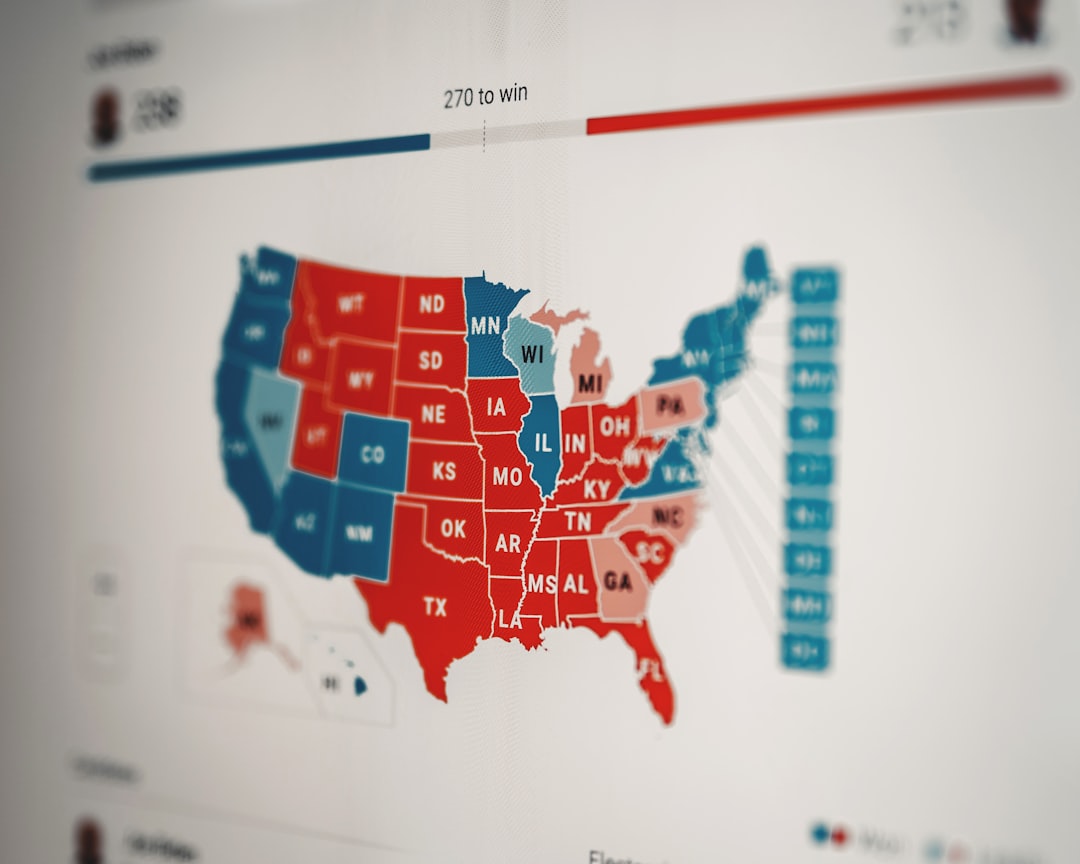
The upcoming election has been dominating headlines for months. With the recent change at the top of the Democratic ticket from Joe Biden to Kamala Harris has reenergized the campaign and put several states like Georgia and North Carolina back 'in-play' for the Democrats. Georgia has been identified as a key battle ground state for any candidate looking to win in November and it's why both Democrats and Republicans are frequent fliers to the Peach State with rallies and visits already. Those visits are also getting a lot of media attention and Georgia Southern University's experts are front and center assisting with the coverage. Joshua Kennedy, Ph.D. Associate Professor Department of Political Science and International Studies Areas of Expertise : Political Institutions, Congress, Presidential Power, Federal Bureaucracy, American Politics, American Presidency, Inter-Branch Relations, State Politics. The principal area of study and teaching for Joshua Kennedy, Ph.D., is in American politics, with a more particular focus on the presidency and the federal bureaucracy. Kennedy has presented his work at numerous conferences, including the Annual Meeting of the American Political Science Association and the Annual Meeting of the Midwest Political Science Association. His research has appeared in such outlets as American Politics Research, Research and Politics and Presidential Studies Quarterly. View profile and connect here Recent media: Joshua Kennedy has recently been interviewed by media such as WTOC 11, ABC News and Fox 28 in Savannah, Georgia, as well as various other local and regional media outlets when covering politics in Georgia. *** Kimberly Martin Tecklenberg, Ph.D. Assistant Professor Department of Political Science and International Studies Areas of Expertise: American Politics, Research Methods, Leadership, Public Policy, Education Policy, State Politics, LGBTQ+ Policy. Kimberly Martin Tecklenberg, Ph.D., teaches courses in American politics, research methods, leadership and public policy. Before pursuing her graduate degree, she worked as the Special Assistant for Secretary of Education Belle Wheelan and former Gov. Mark Warner of Virginia. While at the University of Florida, she worked with former Senator and Gov. Bob Graham to establish the Bob Graham Center for Public Service. After graduation, she moved to Tennessee where she served as Assistant Director of Research at the Tennessee Higher Education Commission. Her past experiences have influenced her current research interests, which focus on education policy, political leadership, state politics and LGBTQ+ policy. View profile and connect here Recent media: Kimberly Martin Tecklenberg has recently been interviewed by media such as NBC, FOX, Al- Jazeera and Courthouse News Service, in addition to various other local, regional and national outlets when covering politics in Georgia. If you're covering the election - our experts are here to help all the way to Nov. 5 and beyond. Visit our Expert Center for a full directory of Georgia Southern experts. Simply click on any expert's icon now to arrange an interview today.


University of Delaware's Center for Political Communication unveils new vision, goals and leadership
The University of Delaware's Center for Political Communication (CPC) is excited to announce a transformative new chapter with the unveiling of its updated vision, goals and leadership for 2024 and beyond. Since its founding in 2010, the CPC has been at the forefront of innovative public opinion research on politics and media, always with an eye towards protecting and improving American democracy. With this new chapter, the CPC is actively integrating political psychology (the study of how and why people make political judgments and form political beliefs) into the study of public opinion and media effects. “Our vision is responsible democracy-centered journalism informed by our rigorous research on Americans’ thoughts, feelings, knowledge and behaviors,” says Dr. Dannagal Young, incoming Director of the Center for Political Communication. “In a few weeks, will be releasing new data on Americans’ knowledge and beliefs about abortion – an issue on which there are widespread misperceptions. Later this fall we are also launching an interdisciplinary initiative to understand the relationship between Americans’ personal wellbeing and their support for democratic institutions and norms.” By producing high-quality research at the intersection of media, politics and psychology, the CPC strives to elevate public conversations and inform news coverage to improve democratic health. Additionally, the Center seeks to serve as a vital resource for journalists, offering expert commentary and empirical data to encourage democratically responsible journalism. With this new direction comes new leadership, bringing together a team of esteemed scholars from Political Science, Communication and Journalism: Director Dr. Dannagal Young, Professor in the Departments of Communication and Political Science and International Relations, TED speaker, and author of Wrong: How Media, Politics, and Identity Drive our Appetite for Misinformation (Johns Hopkins, 2023) and Irony and Outrage: The Polarized Landscape of Rage, Fear, and Laugher in the U.S. (Oxford, 2020). Areas of Expertise: Misinformation, Political Satire, American Politics, the Psychology of Media Effects. Associate Director Dr. Erin Cassese, Professor in the Departments of Political Science and International Relations, Communication, and Women and Gender Studies, co-author of Abortion Attitudes and Polarization in the American Electorate (Cambridge, 2024). Areas of Expertise: Gender, Abortion, Public Opinion, Campaigns and Elections. Director of Research Dr. Phil Jones, Associate Professor in the Department of Political Science and International Relations, current Editor-in-Chief at Public Opinion Quarterly. Areas of Expertise: Electoral Politics and Public Opinion. Director of Engagement Dr. Lindsay Hoffman, Associate Professor in the Departments of Communication and Political Science and International Relations, and research leader for the American Council of Trustees and Alumni two-year Braver Angels project funded by the John Templeton Foundation. Areas of Expertise: Communication across Difference, Media Technologies, and Political Participation. Delaware Politics Director Dr. Paul Brewer, Professor in the Departments of Communication and Political Science and International Relations, co-author of Science in the Media: Popular Images and Public Perceptions (Routledge, 2021), former editor of the International Journal of Public Opinion Research. Areas of Expertise: Delaware Politics, Media effects, Political and Science Communication, Public Opinion, and Perceptions of Science. Delaware Debate Director: Nancy Karibjanian, Director of the University of Delaware’s Journalism program, faculty member in the Department of Communication, and former Director of the CPC with 30 years of broadcast experience. Areas of Expertise: Broadcast Journalism, and Delaware Debates. The CPC’s goals reflect its commitment to a vibrant and collaborative research environment that engages scholars and students at all levels. The CPC will continue to spearhead interdisciplinary research across the domains of communication, political psychology, public opinion, media effects, and public policy. The Center offers applied research opportunities for both graduate and undergraduate students in communication and political science, as well as an undergraduate minor in political communication, thus mentoring the next generation of scholars and practitioners. The CPC is proud to put its academic research to work in service of American democratic health.


Industry and researchers call for action to tackle climate impact of organic, carbon-based chemicals
Call led by members of Supergen Bioenergy Hub, based at Aston University They highlight that carbon-based chemicals cannot be decarbonised but can be defossilised They want a transition to renewable carbon sources such as biomass, recycled carbon, and carbon dioxide. Director of Supergen Bioenergy Hub, Professor Patricia Thornley Industry experts and university researchers have joined together to ask the government to address the climate impact of organic, carbon-based chemicals. While demand for fossil fuels as energy is expected to fall in the coming decades, the petrochemicals sector is set to grow significantly according to experts and is set out in a 2018 report by the International Energy Agency. Members of the Supergen Bioenergy Hub which is based at Aston University and the Biomass Biorefinery Network believe the issue has yet to receive proper attention and is calling for a strategy that addresses this key component of our greenhouse gas emissions. They want a move to a more circular economy, managing supply and demand levels and transitioning away from fossil feedstocks which are raw materials required for some industrial processes. In their paper Carbon for chemicals How can biomass contribute to the defossilisation of the chemicals sector? they highlight that carbon-based chemicals cannot be decarbonised but can be defossilised through a transition to renewable carbon sources such as biomass, recycled carbon and carbon dioxide. Many products in modern society contain carbon such as pharmaceuticals, plastics, textiles, food additives, cosmetics, and cleaning products. These chemicals are derived from fossil feedstocks, so they are classed as petrochemicals. As a result, they contribute to global greenhouse gas emissions and climate change. Carbon is embedded in organic chemical products and released when they break down at end-of-life, for example through incineration. To address the emissions from carbon in chemicals and accelerate the development of bio-based chemicals, the group want a cross-party consensus to support a sustainable chemical system. Director of Supergen Bioenergy Hub, Professor Patricia Thornley, said: “We need to consider the UK’s future feedstock and chemicals production and use, and how it relates to net zero, agriculture, environment, economy, trade, and just transition policy objectives. There are opportunities here for the UK to lead the way on sustainable chemical production, but we need to carefully plan a roadmap for the transition, that delivers opportunities around jobs and the economy as well as sustainable greenhouse gas reductions. “There is a definite role for biomass here. But it is essential that any future use of biomass in the chemicals sector is underpinned by rigorous, trusted, and enforceable sustainability governance to build confidence, deliver sustainability benefits, and minimise negative impacts. That requires improvements in sustainability governance and regulation. “We think there are real economic and trade opportunities by the UK accelerating sustainable chemicals. At the moment bio-based chemicals, and chemicals derived from other renewable carbon sources, are not being expanded in the UK because there are no explicit incentives that prioritise them over fossil-based production.” The group argues that the UK has significant academic and industrial research expertise to underpin the development of sustainable bio-based products and could be a global leader in bio-based products and sustainability governance. They believe that to date little of this has manifested as UK-based scale-up and manufacturing, whilst there are numerous examples of UK-led research being scaled up elsewhere. The paper was delivered at a webinar on 7 August. Notes to Editors Carbon for chemicals How can biomass contribute to the defossilisation of the chemicals sector? https://www.supergen-bioenergy.net/output/carbon-for-chemicals-how-can-biomass-contribute-to-the-defossilisation-of-the-chemicals-sector-policy-briefing/ Author: Joanna Sparks (formerly Aston University) With contributions from: Cristiane Scaldaferri (formerly Aston University), Andrew Welfle (University of Manchester), Patricia Thornley (Aston University), Ashley Victoria (University of Leeds), Caspar Donnison (Lawrence Livermore National Laboratory), Jason Hallett (Imperial College London), Nilay Shah (Imperial College London), Mirjam Rӧder (Aston University), Paul Mines (Biome Bioplastics), David Bott (Society of Chemical Industry), Adrian Higson (NNFCC), Neil Bruce (University of York) 2018 International Energy Agency report https://www.iea.org/reports/the-future-of-petrochemicals https://www.supergen-bioenergy.net/ The Supergen Bioenergy Hub works with academia, industry, government, and societal stakeholders to develop sustainable bioenergy systems that support the UK’s transition to an affordable, resilient, low-carbon energy future. The Hub is funded jointly by the Engineering and Physical Sciences Research Council (EPSRC) and the Biotechnology and Biological Sciences Research Council (BBSRC) under grant EP/Y016300/1 and is part of the wider Supergen Programme. www.bbnet-nibb.co.uk The Biomass Biorefinery Network (BBNet), a phase II Network in Industrial Biotechnology & Bioenergy funded by the Biotechnology and Biological Sciences Research Council (BBSRC-NIBB) under grant BB/S009779/1. The aim of the Biomass Biorefinery Network is to act as a focal point to build and sustain a dynamic community of industrial and academic practitioners who work together to develop new and improved processes for the conversion of non-food biomass into sustainable fuels, chemicals and materials. About Aston University For over a century, Aston University’s enduring purpose has been to make our world a better place through education, research and innovation, by enabling our students to succeed in work and life, and by supporting our communities to thrive economically, socially and culturally. Aston University’s history has been intertwined with the history of Birmingham, a remarkable city that once was the heartland of the Industrial Revolution and the manufacturing powerhouse of the world. Born out of the First Industrial Revolution, Aston University has a proud and distinct heritage dating back to our formation as the School of Metallurgy in 1875, the first UK College of Technology in 1951, gaining university status by Royal Charter in 1966, and becoming the Guardian University of the Year in 2020. Building on our outstanding past, we are now defining our place and role in the Fourth Industrial Revolution (and beyond) within a rapidly changing world. For media inquiries in relation to this release, contact Nicola Jones, Press and Communications Manager, on (+44) 7825 342091 or email: n.jones6@aston.ac.uk



The project is a collaboration between Aston University, the University of Sheffield and The Resolution Foundation The project aims to leverage new, big data to help understand regional economic disparities It is funded by the Economic and Social Research Council (ESRC). Aston University, in collaboration with the University of Sheffield and The Resolution Foundation, has launched a significant research project to understand regional productivity and wage disparities in the UK. The project has received £300,000 in funding from the Economic and Social Research Council (ESRC) to uncover the factors driving economic imbalances using recent, big data. The research will analyse how various factors such as workers' education, location choices, business types and sizes and regional infrastructure contribute to wage and productivity differences over the past 20 years. The aim is to understand these differences and suggest practical solutions for national and local governments. Researchers will explore potential drivers of regional productivity gaps, including the clustering of highly skilled workers, regional industrial structures, and local endowments like transport links and housing availability. The findings will help identify effective policy measures to reduce these imbalances. This project also aims to demonstrate how data analysis can help understand regional economic disparities. By reducing start-up costs for future research, it will build a community focused on tackling spatial economic imbalances. Dr Anastasios Kitsos, a senior lecturer in economics at Aston Business School and principal investigator (PI) on the project, said: “This project will analyse the relative importance of productivity drivers using novel, granular data from linked administrative datasets covering workers, firms and localities in England since the 2000s. “This analysis will shed light into how much spatial productivity gaps can be explained by the characteristics of people, firms and places over time, and identify intrinsically more productive locations. “Understanding and addressing the root causes of the UK's severe spatial disparities in economic performance is crucial for fostering inclusive, regionally balanced growth and enhancing national productivity. This project aims to provide actionable insights and build a foundation for future research and policy development in this critical area. “The results will be shared in a comprehensive report detailing these influences over the past 20 years and offering policy recommendations for governments on skills, innovation, infrastructure, and local development strategies.”

Election 2024: Providing insight during a pivotal campaign season
Voter behavior and emotion, civil discourse, the spread of misinformation, the role of gender and race in politics and conspiracy theories are among the many topics University of Delaware experts can comment on during this final stretch of the 2024 campaign. David Redlawsk Professor of Political Science and International Relations Expertise: Political psychologist who studies voter behavior and emotion, focuses on how voters process political information to make their decisions. He has written several books on politics, worked behind the scenes on campaigns and ran for local office. Dannagal Young Professor of Communication Director of the Center for Political Communication Expertise: The spread of misinformation in politics and the intersection of entertainment and information, with an emphasis on political satire, political media effects, public opinion and the psychology of political humor. Kassra Oskooii Professor of Political Science and International Relations Expertise: Focuses on the interplay between the contextual and psychological determinants of political opinions and behaviors of high and low status group members. Erin Cassese Professor of Political Science and International Relations Expertise: Explores the behavior of women as voters and candidates for political office, and studies political psychology, gender stereotypes, public opinion, elections and the intersection of religion and politics. Yasser Payne Professor of Sociology and Africana Studies Expertise: Research program also focuses on Black racial identity; street identity; economic and educational opportunity or the impact of structural violence. Tim Shaffer SNF Ithaca Director Stavros Niarchos Foundation (SNF) Chair of Civil Discourse Expertise: Civil discourse in politics; can talk about partisanship, polarization and their impact on media outlets. advancement of democratic practices by focusing on the role of civic professionals in institutional settings. Alice Ba Professor and acting chair, Political Science and International Relations. Expertise: Her work on the international relations of East and Southeast Asia examines the structures, processes, and systemic effects of regionalism and cooperative regime building, as well as relations between smaller and major powers. Joanne Miller Professor of American Politics, Research Methods and Political Psychology Expertise: Studies political psychology, with an emphasis on political propaganda, misinformation and conspiracy theories. Muqtedar Khan Professor of Comparative Politics, International Relations and Political Theory Expertise: Issues surrounding U.S. foreign policy in the Muslim World as well as national security and counter-terrorism. To speak with any of these experts, simply visit their profle and click on the "contact" button, which will send a message directly to them (while also copying UD's media relations team).


Sustainable mining: Can we satisfy green energy demands without destroying ecosystems?
Minerals are essential for sustainable energy technologies like solar, wind, and geothermal power, yet their importance has led to geopolitical tensions, as seen in the Russia-Ukraine conflict. These resources are geographically constrained—South Africa's platinum is vital for hydrogen fuel cells, and China leads in mineral refining. Efforts to diversify sources often spark local disputes, as demonstrated by recent opposition in Minnesota to a green-transition minerals project due to environmental and social concerns. University of Delaware expert and Environmental peacemaker Saleem Ali, has a proposed solution: a "mineral trust," or a global mechanism to manage mineral distribution more effectively. As he outlines in a recent TED Talk, this trust would operate like an asset protection trust, with both mineral-producing and technology-demanding countries involved as trustees. It aims to stabilize commodity prices, prevent politicization of resources and enhance management efficiency. Ali has appointments in UD's Department of Geography and Spatial Sciences, Biden School of Public Policy and Administration, Data Science Institute, the Center for Energy and Environmental Policy and Delaware Environmental Institute. He has written for and been quoted in multiple outlets, including Forbes. To speak with him further, click his profile.
