Experts Matter. Find Yours.
Connect for media, speaking, professional opportunities & more.
For Trump’s Perceived Enemies, the Process may be the Punishment
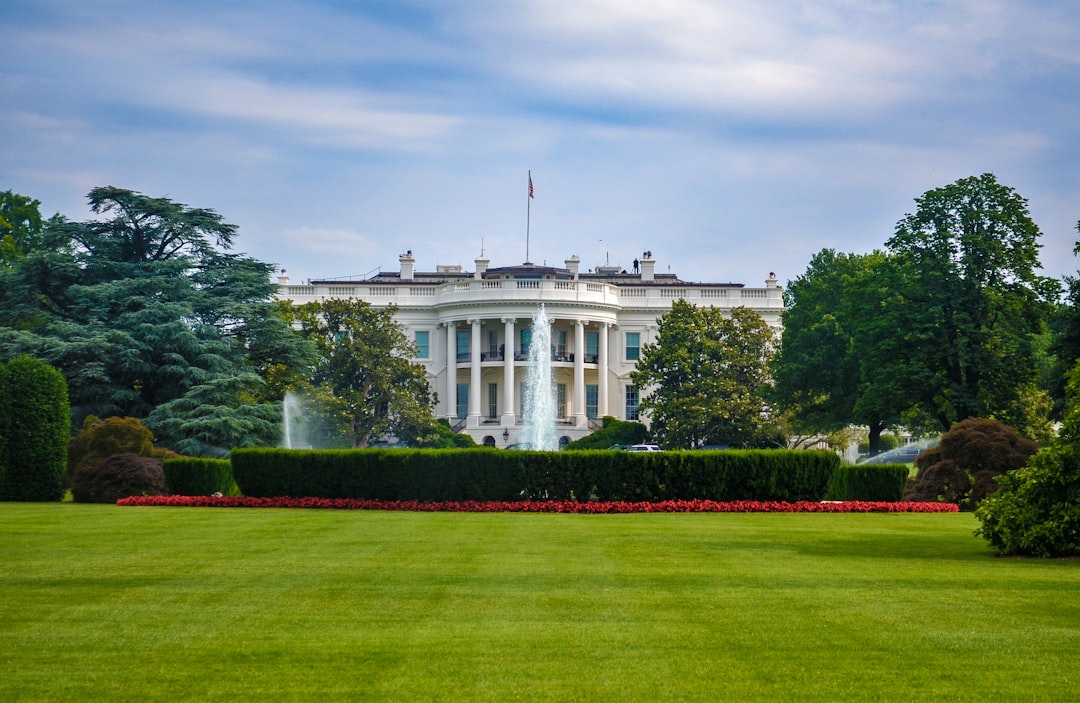
This article is republished from The Conversation under a Creative Commons license. Read the original article here. Former FBI Director James Comey pleaded not guilty to two criminal charges in a federal court in Alexandria, Virginia, on Oct. 8, 2025. The charges allege that Comey lied to Congress in September 2020 when he stood by earlier testimony that he did not authorize a leak of an FBI investigation involving Hillary Clinton. Numerous legal commentators on both the left and right have argued that Comey’s indictment is little more than the Trump administration seeking vengeance on one of the president’s perceived enemies. They allege that the president has it out for Comey, who investigated Russian interference in the 2016 presidential election and was fired by Trump in 2017. The president’s own words support the idea that the Trump administration is targeting Comey. In a social media post on Sept. 20, 2025, Trump directed Attorney General Pam Bondi to move forward with prosecutions against Comey, Democratic U.S. Sen. Adam Schiff and New York Attorney General Letitia James: “They’re all guilty as hell, but nothing is going to be done. …JUSTICE MUST BE SERVED, NOW!!!” If the case against Comey is exceedingly weak – and little more than a political prosecution – then, in my view as a scholar of the U.S. legal system, it should result in the dismissal of charges by the judge or a not guilty verdict by the jury. But even when an individual is not convicted, the process of defending against charges can itself be a form of punishment, as renowned legal scholar Malcolm Feeley pointed out almost 50 years ago. Here’s how the criminal justice process punishes even innocent people. The criminal justice process The criminal justice process is complex. After a grand jury returns an indictment at the request of a prosecutor, the accused appears in court for their arraignment. They are informed of the charges against them and typically enter a plea. During what’s called “discovery,” the prosecution and defense investigate the evidence the other side plans to rely on. There are also pretrial motions in which the parties ask judges to dismiss charges and accept or exclude evidence. The defense and prosecution may also meet to discuss a plea bargain, wherein the accused may plead guilty in exchange for a lesser sentence or reduced charges. If there is no plea bargain, then the case moves to trial, which is itself a complicated process. If a defendant is found guilty, they can mount an appeal to higher courts in an attempt to have their conviction overturned. To help navigate this process, criminal defendants typically hire a lawyer. And good lawyers don’t come cheap. Money and time Indigent defendants, who do not have the financial resources to pay their own legal fees, can rely on public defenders paid for by the government. But individuals who can afford to pay for their own lawyer face a substantial financial burden for attorney services and court fees. An experienced criminal defense lawyer can charge more than US$1,000 per hour, with fees quickly adding up. This means that mounting a legal defense can easily cost tens of thousands of dollars. On top of this, it takes a great deal of time to prepare for a criminal case. While lawyers and their staff do much of the legwork for trial preparation, a client works with their attorneys to help formulate a defense. As a result, criminal defendants lose one of the most precious commodities in the world: their time. And this time can come at a tangible cost in the form of lost wages, which harms their day-to-day lives. Put simply, every hour spent preparing for trial is an hour defendants could spend working or enjoying their lives. Stress and embarrassment It’s not pleasant being charged with a crime. The criminal process, which typically lasts months, takes a toll on one’s mental health. This is largely driven by the uncertainty surrounding the outcome of a criminal trial and the possibility of losing one’s freedom if convicted. In addition, there is a social stigma that comes with being accused of a crime. This can result in reputational damage, anxiety and embarrassment. The Trump administration appears to recognize this reality. Several media outlets have reported that FBI leadership had planned a public perp walk for Comey. According to a CBS News report, this was to have included “‘large, beefy’ agents … ‘in full kit,’ including Kevlar vests and exterior wear emblazoned with the FBI logo.” Apparently, the plan was aborted after several FBI supervisors refused to cooperate, viewing it as inappropriate. One agent was disciplined for insubordination after refusing to go along with the plan to embarrass Comey in this way. Not all criminal defendants suffer the same The extent to which criminal defendants experience the criminal justice process as a form of punishment varies from person to person. For high-status people like Comey, lost wages and attorneys’ and court fees may not be that big of a deal. But these costs may be incredibly significant for other people who have been, or are likely to be, targeted by the Trump administration. The high costs of lawyers’ fees are well known to the president. For instance, his political action committee spent millions of dollars on attorneys’ fees in an unsuccessful effort to defend Trump from criminal charges in New York. In addition, people no doubt experience the psychological stress and stigma of a possible criminal conviction differently. But regardless of one’s wealth, the lost time spent preparing a criminal defense is something that cannot be replaced. The recognition that the criminal process is itself a form of punishment is one of the reasons that the Department of Justice has maintained independence from the president. By violating the tradition of staying out of politics, the Justice Department in the Trump administration has opened the door for the president to seek retribution on his perceived political enemies. The mere act of putting them through the criminal process ensures that they suffer, regardless of their guilt or innocence.


The History of Government Shutdowns in America
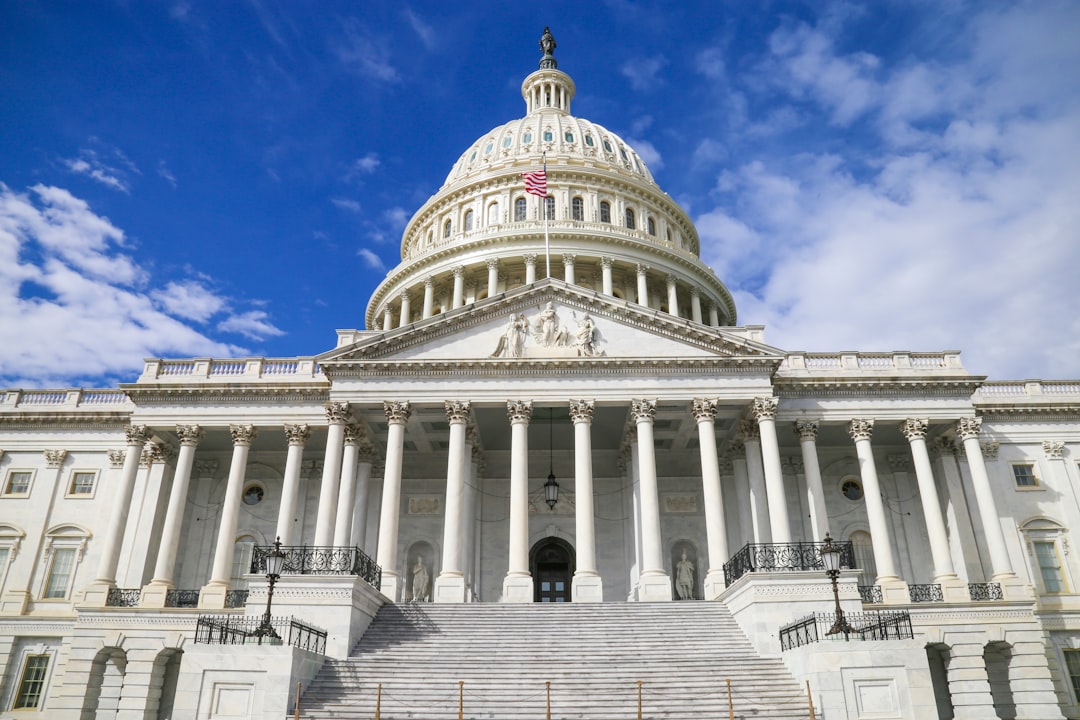
Few events capture Washington gridlock more visibly than a government shutdown. While rare in the nation’s early history, shutdowns have become a recurring feature of modern politics—bringing uncertainty for federal workers, disruptions to public services, and ripple effects across the economy. How It Started The modern shutdown era began in the 1970s after a new law, the Congressional Budget and Impoundment Control Act of 1974, established a formal budget process. Before then, funding disputes didn’t usually halt operations. But a key shift came in 1980, when the Carter administration’s Justice Department concluded that, without approved appropriations, agencies had no legal authority to spend money. That ruling set the stage for shutdowns as we know them today. Since then, the U.S. has endured more than 20 funding gaps, ranging from brief lapses over a weekend to the record-long 35-day shutdown of 2018–2019. Each one has highlighted the partisan battles over federal spending, immigration, healthcare, or other policy priorities. Why They Happen Shutdowns occur when Congress fails to pass, and the president fails to sign, appropriations bills or temporary funding measures known as continuing resolutions. In practice, they reflect deeper political standoffs: one branch of government using the threat of a shutdown to force concessions on controversial issues. They can be triggered by disputes over budget size, specific programs, or broader ideological fights. In many cases, the standoff ends when mounting political and economic costs make compromise unavoidable. What Gets Impacted The effects of a shutdown are immediate and wide-ranging: Federal Workforce: Hundreds of thousands of employees are furloughed without pay, while others deemed “essential” must work without immediate compensation. Public Services: National parks close, permits stall, museums shutter, and routine government operations—from food inspections to scientific research—are delayed. Economic Ripple Effects: Contractors lose revenue, local economies near federal facilities take a hit, and financial markets often react nervously. Extended shutdowns can even slow GDP growth. Citizens’ Daily Lives: From delayed tax refunds to halted small business loans, ordinary Americans feel the squeeze when government services pause. Why This Matters Government shutdowns are more than political theater—they expose the fragility of the budget process and the real consequences of partisan impasse. They highlight the dependence of millions of Americans on public services and raise questions about the cost of dysfunction in the world’s largest economy. Understanding why they happen and what’s impacted helps citizens gauge not just the politics of Washington, but also how governance—or the lack of it—touches everyday life. Connect with our experts about the history, causes, and consequences of government shutdowns in America. Check out our experts here : www.expertfile.com


Expert Research: The Fourth Industrial Revolution, Artificial Intelligence and Domestic Conflict
Artificial Intelligence is often framed as a driver of innovation. But it also has the power to disrupt the very foundations of our societies. In a recent study, experts Craig Albert, PhD, and Lance Hunter, PhD, from Augusta University explored how AI, as part of the Fourth Industrial Revolution, could reshape economies, politics and security within states. Here are three key takeaways from the research: AI brings breakthroughs in health care, logistics and engineering, but also disrupts jobs and economies. Unmanaged disruption can fuel instability, widening inequality and increasing risks of unrest or domestic conflict. Governments must act now with retraining, adaptive policies and strong governance to harness AI’s benefits while reducing risks. Lance Hunter, PhD, is an assistant professor of political science with a background in international relations. His research focuses on how terrorist attacks influence politics in democratic countries and how political decisions within countries affect conflicts worldwide. Hunter teaches courses in international relations, security studies and research methods. He received his PhD in Political Science from Texas Tech University in 2011. View his profile here. Craig Albert, PhD, is a professor of Political Science and the graduate director of the PhD in Intelligence, Defense, and Cybersecurity Policy and the Master of Arts in Intelligence and Security Studies at Augusta University. His areas of concentration include international security studies, cybersecurity policy, information warfare/influence operations/propaganda, ethnic conflict, cyberterrorism and cyberwar, and political philosophy. View his profile here. The question we face is not whether AI will transform society (it already is!) but how we will manage that transformation to strengthen rather than destabilize. What steps do you think policymakers should prioritize to prepare for this future? Here's the abstract from the paper in Research Gate: An emerging field of scholarship in Artificial Intelligence (AI) and computing posits that AI has the potential to significantly alter political and economic landscapes within states by reconfiguring labor markets, economies and political alliances, leading to possible societal disruptions. Thus, this study examines the potential destabilizing economic and political effects AI technology can have on societies and the resulting implications for domestic conflict based on research within the fields of political science, sociology, economics and artificial intelligence. In addition, we conduct interviews with 10 international AI experts from think tanks, academia, multinational technology companies, the military and cyber to assess the possible disruptive effects of AI and how they can affect domestic conflict. Lastly, the study offers steps governments can take to mitigate the potentially destabilizing effects of AI technology to reduce the likelihood of civil conflict and domestic terrorism within states. Read the full report here: Looking to know more? Let us help. Both Albert and Hunter are available to speak with media. Simply click on either experts icon now to arrange an interview today.



As the Gaza City ground offensive has begun - FAU has a leading expert on the region
Israel has launched a massive ground incursion into Gaza City. Aiming to destroy what the Israeli government has said is one of the last remaining Hamas strongholds. The offensive will escalate further fighting as the Israeli military indicated this current attempt to remove Hamas strongholds could take months. The attack on Gaza City has drawn criticism from allies of Israel who are seeking to see a stop the fighting and see peace in a region. Media are also watching - and looking looking for experts like Florida Atlantic's Robert Rabil who has been commenting and contributing on this topic since the conflict began almost two years ago. Florida Atlantic University's political science professor, Robert Rabil Ph. D. is a star expert in political Islam, terrorism, U.S. foreign policy, and U.S.-Arab relations. His expertise has appeared in major newspapers and academic journals, including the Wall Street Journal, Chicago-Sun Times, Daily Star (Beirut), History News Network, National Interest, CNN, Middle East Journal, Middle East Policy, the Journal of International Security Affairs, Middle East Quarterly, and Middle East Review of International Affairs. He has also contributed several book chapters on political Islam and Middle Eastern politics. Rabil is available to speak with media. Simply click on Rabil’s icon now to arrange an interview today.


Augusta University's Lance Hunter, PhD, was recently published in the highly acclaimed World Affairs. His article “The polarization paradox: How state wealth and online media consumption affect polarization” highlights his expertise and insight on this very important topic, especially as America faces division and tension. Here's the abstract: Previous valuable scholarship has found that wealth inequality can affect political polarization within states. However, less is known regarding how overall levels of state wealth and online media consumption affect polarization. Thus, this study examines how state wealth and online media consumption affect polarization in 157 states from multiple regions and levels of development from 2000 to 2022. When including standard controls and controlling for potential endogeneity, the findings reveal that greater state wealth and online media consumption are associated with increased polarization. The rationale for the findings is that greater state wealth and online media consumption increase the prevalence of postmaterialist values within states that often clash with materialist values, leading to heightened polarization. These findings have important implications in considering how state wealth and online media consumption interact to influence polarization cross-nationally. Hunter is an assistant professor of political science with a background in international relations. His research focuses on how terrorist attacks influence politics in democratic countries and how political decisions within countries affect conflicts worldwide. His work has appeared in journals such as: Journal of Peace Research, Terrorism and Political Violence, Party Politics, Studies in Conflict and Terrorism, Armed Forces and Society, Conflict, Security and Development and the International Journal of Data Analysis Techniques and Strategies. Hunter teaches courses in international relations, security studies and research methods. Interested in learning more - let us help. Lance Hunter, PhD, is available to speak with media about this important topic - simply click on his icon to arrange an interview today.

This article is republished from The Conversation under a Creative Commons license. Read the original article here. The oil-rich states of Qatar, Saudi Arabia and the United Arab Emirates have a lot going for them: wealth, domestic stability and growing global influence. In recent months, these Gulf kingdoms also appear closer to something they have long sought: reliable U.S. support that has become stronger and more uncritical than ever, just as Iranian power in the region has significantly degraded. In Donald Trump, the nonelected Gulf Arab monarchs have an ally in Washington who has largely shed previous American concerns for democracy and human rights. That the American president made his first scheduled international trip of his second term to Saudi Arabia, Qatar and the UAE only underscores their international clout. Additionally, the popular overthrow of the Assad government in Syria and Israel’s war against Iran and its allies in Lebanon and Yemen have served to greatly weaken Tehran’s perceived threat to Gulf Arab interests. Yet, as an expert on Middle Eastern politics, I believe Gulf Arab countries must still navigate a regional political tightrope. And as the Israeli targeting of senior Hamas leaders in Qatar on Sept. 9, 2025, shows, events by other Middle Eastern actors have a nasty habit of derailing Gulf leaders’ plans. How these countries manage four particular uncertainties will have a significant effect on their hopes for stability and growth. 1. Managing a post-civil war Syria In Syria, years of civil war that had exacerbated splits among ethnic and religious groups finally ended in December 2024. Since then, Arab Gulf countries, which once opposed the Iranian-allied government of Bashar Assad, have been pivotal in supporting new Syrian President Ahmed al-Sharaa. They successfully lobbied the U.S. to drop sanctions. In addition to sharing mutual regional interests with Sharaa, the leaders of Gulf Arab states want a Syrian state that is free from internal war and can absorb the millions of refugees that fled the conflict to other countries in the Middle East. Gulf states can support postwar Syria diplomatically and financially. However, they can’t wish away the legacy of long war and sectarian strife. Israeli attacks on Syrian soil since Assad’s fall, as well as recent outbreaks of fighting in the Sweida region of southern Syria, underscore the ongoing fragility of the Syrian government and concerns over its ability to contain violence and migration outside of its borders. 2. The challenge of regional politics Syria illustrates a broader policy challenge for Gulf states. As their wealth, military strength and influence have grown, these countries have become dominant in the Arab world. As a result, Qatar, Saudi Arabia and the UAE have invested billions of dollars in efforts to influence governments and groups across the world. This includes the mostly authoritarian governments in the Middle East and North Africa, such as Egypt’s. But here, Gulf states are torn politically. If democratic systems form elsewhere in the Arab world, this could encourage Gulf citizens to push for elected government at home. Yet overly coercive Arab governments outside of the Gulf can be prone to popular unrest and even civil war. Propping up unpopular regional governments risks backfiring on Gulf Arab leaders in one of two ways. First, it can entice Gulf states into protracted and damaging wars, such as was the case with Saudi Arabia and the UAE’s failed military intervention in Yemen against the Houthis. Second, it can drive a wedge between Gulf states, as is seen with the current conflict in Sudan, in which the Saudis and Emiratis are backing rival factions. 3. Watching which way Iran will turn Always looming behind complicated Middle Eastern politics is Iran, the historically powerful, populous, non-Arab country whose governing Shiite Islam ideology has been the chief antagonist to the Sunni-led Gulf Arab states since the Iranian Revolution in 1979. Opposing Gulf Arab and American strategic interests, Iran has for years intervened aggressively in Middle Eastern politics by funding and encouraging militant Shiite groups in Iraq, Lebanon, Yemen and elsewhere. An assertive Iran has been especially a thorn in the side of Saudi Arabia, which strives to be the dominant Muslim majority power in the region. Dealing with Iran has required careful balancing from Qatar and the UAE, which are more directly exposed to Tehran geographically and have maintained relatively stronger relations. Given this, Gulf countries may silently welcome the decrease in Iran’s military power in the wake of Israel’s recent war against Iran and its allies, such as Hezbollah in Lebanon, while also fearing further Iranian-Israeli conflict. At the same time, a less powerful Iran runs two types of new potential dangers for Gulf states. Should Iran become more unstable, the resulting turmoil could be felt across the region. In addition, should Iran’s military, policy and economic turmoil lead to a new political system, it could disturb Gulf countries. Neither a Muslim majority democratic government nor a more hard-line nationalist variant in Iran would sit well with nearby Gulf monarchs. Conversely, concerns that the Israeli and U.S. bombing of Iran may actually lead to increased Iranian determination to pursue a nuclear program also worry Gulf leaders. 4. Living with Israel’s military assertiveness Israel, the unquestioned military power and sole nuclear weapons state in the region, has long posed particularly deep political dilemmas to Gulf Arab states. The current challenge is how to balance the immense global unpopularity of the Israeli government’s war in Gaza – including among Gulf Arab citizens – with common strategic interests the Gulf states hold with Israel. Gulf Arab leaders face domestic and regional pressure to show solidarity for Palestinians and their aspirations for statehood. Yet Gulf rulers also share strategic goals with Israel. Along with opposition to Iranian influence, Gulf states maintain strong military links to the U.S, like Israel. They also appreciate the economic and other security value of Israel’s high-tech products, including software used for espionage and cybersecurity. This helps explain the UAE’s 2019 decision to join the short list of Arab states with full diplomatic relations with Israel. Hamas attacked Israel in 2023 in part to stop Saudi Arabia from following suit – something that might have further sidelined Palestinians’ bargaining power. Indeed, moves toward open Saudi diplomatic recognition of Israel were stopped by Hamas’ attack and the global backlash that followed Israel’s ongoing devastation of Gaza. Gulf leaders may still believe that normalized ties with Israel would be good for the long-term economic prospects of the region. And Bahrain and the UAE – the two Gulf Arab states with diplomatic relations with Israel – have not backed away from their official relationship. Yet expanding open relations with Israel further, and taking in other Gulf states, is unlikely without a real reversal in Israel’s policy toward Palestinians in both Gaza and the West Bank. All this is more true in the immediate aftermath of Israel’s attack in Qatar – the first time Israel has launched a direct strike within a Gulf Arab state. That action, even if ostensibly directed at Hamas, is likely to exacerbate tensions not only with Qatar but place increasing stress on the calculus allied Gulf Arab countries make in their dealings with Israel. Tricky way forward for Gulf Arab states These challenges underscore an inescapable truth for Gulf leaders: They are hostage to events beyond their control. Insulating them from that reality takes regional unity. The Gulf Cooperation Council, nearly 45 years old, was established precisely for this purpose. While it remains the most successful regional organization in the Middle East, the GCC has not always prevented major rifts, such as in 2017 when a coalition of Arab states led by Saudi Arabia cut ties with and blockaded Qatar. The conflict was resolved in 2021. Since then, the six members of the GCC have worked together more closely. No doubt, rivalries and disagreements still exist. Yet Arab Gulf leaders have learned that cooperation is useful in the face of major challenges. This can be seen in the recent collaborative diplomatic approaches toward Syria and the U.S. A second lesson comes from the broader Middle East. Key issues are often interdependent, particularly the status of Palestinians. Hamas’ attack on Israel, and the resulting destruction of much of Gaza, resurfaced the deep popularity across the region of addressing Palestinian needs and rights. The monarchs of the Arab Gulf would like to maintain their unchallenged domestic political status while expanding their influence in the Middle East and beyond. However, even when Gulf leaders wish to be done with the region’s challenges, those challenges are not always done with them. Isabella Ishanyan, a UMass Amherst undergraduate, provided research assistance for this article.


Seniors Pay the Highest Price When Politicians Dismiss Healthcare Evidence
Disclaimer: This is an opinion piece. It reflects the author's perspective and should not be considered medical advice. Please consult with your physician or healthcare provider to discuss your individual health and vaccination needs. If you’re experiencing health issues, don’t rely on blogs (even snappy ones)—rely on a qualified medical professional. Fall is here. Kids are back in class, pumpkin spice is back in mugs, and—like clockwork—news headlines are back stirring fear and doubt. This season, RFK Jr. is making noise about vaccines, throwing science under the school bus, and leaving some older Canadians wondering: Who should I trust—politics or science? Spoiler: if you’re betting on politics to keep you healthy, you might as well ask your neighbour’s cat for medical advice. So, let’s get back to basics: what shots you really need, why the science is solid, why politics muddies the waters, and how you can be your own best health advocate. Oh, and because you know me—I’ll sprinkle in a few “if only” vaccines we all wish existed. Science vs. Politics: Who Wins? Science: Vaccines work. They reduce severe illness, save millions of lives, and prevent outbreaks of diseases we thought we’d left in history books. COVID-19 vaccines alone are credited with saving over 1.4 million lives in Europe since 2020. Vaccines aren’t some modern fad cooked up in a lab—they’ve been saving lives since 1796, when English doctor Edward Jenner made a discovery that led to the first smallpox vaccines, which at the time was one of the deadliest diseases on earth. Fast forward to today, and the results speak for themselves. Data from the CDC shows that vaccines have slashed major diseases in the U.S. and Canada to the point where polio and smallpox haven’t been seen in decades—down from tens of thousands of cases every year in the 20th century. Even measles, which has made a resurgence due to rising vaccine skepticism, is still nowhere near the half-million infections Americans used to see annually. Thanks to vaccines, measles, pertussis, mumps, and rubella are now more likely to show up in a history book—or on a pub trivia night—than in your family doctor’s office. Over a century of data shows that vaccines don’t just work—they’ve rewritten medical history. A landmark CDC study published in JAMA by researchers Sandra W. Roush (MT, MPH) and Trudy V. Murphy, MD, with Centers for Disease Control and Prevention, Atlanta, Georgia did a major study comparing disease rates before and after vaccines became widespread. The results were jaw-dropping: Cases of diphtheria, mumps, pertussis, and tetanus dropped by more than 92%, and deaths by more than 99%. Endemic polio, measles, and rubella have been eliminated in the U.S and Canada. Smallpox is gone from the globe. Even newer vaccines introduced since 1980—like those for hepatitis A, hepatitis B, Hib, and chickenpox—cut cases and deaths by 80% or more. The evidence found by the CDC study was so overwhelming that the authors called vaccines “among the greatest achievements of biomedical science and public health” (Source: JAMA, 2007) The number of cases of most vaccine-preventable diseases is at an all-time low; hospitalizations and deaths have also shown striking decreases. Think about it. When was the last time someone at your dinner table worried about catching smallpox? Enter RFK Jr., stage left. He has wasted no time since his appointment as US Secretary of Health & Human Services to undermine confidence in the public health system. His recent moves—firing the CDC director, cutting mRNA funding (even for cancer vaccines!), and gutting expert panels—are sowing doubt faster than a Toronto raccoon opening a green bin. Even Dr. Martin Makary, Commissioner of Food and Drugs for the U.S. Food and Drug Administration (FDA), recently chimed in with an opinion piece published last week in The Wall Street Journal. His take? Vaccines should mostly be reserved for high-risk groups, healthy people don’t really need them, and maybe we should start running more placebo trials “just to be sure.” That sounds reasonable until you realize it’s the same playbook RFK Jr. uses: shrink access, shift the burden of proof endlessly, and treat vaccines like optional extras. When Politics Drowns Out Science, Seniors Pay the Highest Price When politics drowns out science, we pay the highest price. Because the truth is: our immune systems age just like our knees do—creaky and slower to respond. Vaccines aren’t optional; they’re essential. Demanding new placebo trials for vaccines we already know work is like asking a baker to prove yeast makes bread rise every single year. And framing vaccines as “only for the sick” ignores the basic truth: when coverage falls, outbreaks rise. Period. Vaccines for Canadian Adults & Seniors (Source: Health Canada) Vaccines aren’t just for kids—they’re part of healthy aging, too. Health Canada has issued clear guidelines on which shots adults and seniors should have on their radar, from flu and pneumonia to shingles and RSV. Think of it as a maintenance schedule for your immune system. That said, every person’s health history is unique, so always check with your doctor or healthcare provider before rolling up your sleeve. Flu shot (Seasonal Influenza Vaccine) – Protects against flu strains that mutate yearly (PHAC – Influenza Vaccine). Everyone should receive it annually; seniors may be eligible for a high-dose version. Pneumococcal (Pneu-C-20) – Shields you from pneumonia, bloodstream infections, and meningitis (PHAC – Pneumococcal Vaccine). One dose at 65+. Shingles (Recombinant Zoster Vaccine – RZV) – Stops the chickenpox virus (that never left your body) from staging a painful comeback tour (PHAC – Shingles Vaccine Guidance)—two doses, starting at age 50. Tdap (Tetanus, Diphtheria, Pertussis Vaccine) – Protects against lockjaw, a throat infection, and whooping cough (PHAC – Tdap Vaccine). One-time booster, then Tdap every 10 years. Polio (Inactivated Poliovirus Vaccine – IPV) – Keeps polio from making a comeback (PHAC – Polio Vaccine). Needed if you missed doses or travel to outbreak zones. RSV (Respiratory Syncytial Virus Vaccine) – Prevents serious lung infections in older adults (Health Canada – RSV Vaccine Information). Recommended for ages 75+ or in long-term care. MMR (Measles, Mumps, Rubella Vaccine) – Blocks childhood triple threats (PHAC – MMR Vaccine). One dose if born after 1970 and not immune. Varicella (Chickenpox Vaccine) – For those who have never had chickenpox (PHAC – Varicella Vaccine). Two doses under age 50; For those over 50, the shingles vaccine is recommended. The Vaccines We Wish Existed Because let’s face it: medicine has cured smallpox, but not small talk. RV – Rectitious Vision Correction: For correcting poor attitudes and selective hearing in spouses. FOMOVAX: Stops the green-eyed monster when your friends are on a Caribbean cruise and you’re at Costco. TechTonic: For when Zoom won’t unmute and your iPad keeps asking for your “Apple ID you made in 2009.” EarPeace: Selective hearing—blocks whining, amplifies compliments. WineNot: The Thanksgiving booster that helps you tolerate in-laws, politics talk, and Uncle Bob’s gravy complaints. MemoryMap: Protects against the “where did I put my glasses?” epidemic. Spoiler: they’re on your head. If only. Until then, we’ll have to stick with flu and shingles shots. Screening Schedule: The Other Half of the Health Checklist Keeping your health on track sometimes feels like managing a full-time maintenance schedule. After all, the human body has more moving parts than a Canadian Tire catalogue—so of course things need regular tune-ups. If vaccines are like scheduled oil changes for your immune system, screenings are more like the regular safety inspections—checking the brakes, the lights, and making sure nothing rattles when it shouldn’t. Our bodies have a knack for keeping secrets until it’s too late, which is why Health Canada and national guidelines recommend routine checks for cancer, heart health, bone strength, and more. Here’s the recommended Health Canada guidelines—your doctor may adjust based on your risk.: Cervical (Pap test): Every 3 years, ages 25–69 (CTFPHC – Cervical Cancer Guideline). Breast (Mammogram): Every 2–3 years, ages 50–74 (CTFPHC – Breast Cancer Screening). Colorectal (Colonoscopy or FIT test): Every 2 years (FIT) or 10 years (colonoscopy), ages 50–74 (CTFPHC – Colorectal Cancer Screening). Prostate (PSA test): Discuss with your doctor around age 50 (CTFPHC – Prostate Cancer Guideline). Lung Cancer Screening: For current/former heavy smokers, typically ages 55–74 (Canadian Partnership Against Cancer – Lung Cancer Screening). Bone Density (DXA scan): At 65+ or earlier if at risk (Osteoporosis Canada – BMD Testing). Blood Pressure & Cholesterol: Annual or as needed (Hypertension Canada Guidelines). Diabetes (A1C test): Every 3 years starting at 40 (Diabetes Canada – Clinical Guidelines). Your Fall Holistic Health Checklist Still with me? Here's a checklist that I personally follow as a seasonal tune-up—part vaccines, part screenings, part lifestyle hacks. It’s not about chasing perfection; it’s about making sure you’ve got the energy to keep doing what you love (and maybe even outpace the grandkids). Whether you’re just easing into retirement, solidly in the groove, or rocking your seventies with style, these age-by-age tips will help you stay sharp, strong, and one step ahead of sneaky health surprises. Pre-Retirees (55–64) • Annual flu shot • Covid-19 shot • Start shingles series (50+) • Tdap booster if due • Immunization catch-up (MMR, polio, varicella) • Screenings: Pap, mammogram, colon, bloodwork • Exercise, hydrate, and learn to say no—yes, that’s preventive care too. Post-Retirees (65+) • Annual flu shot (high-dose if offered) • Covid-19 shot • Pneumococcal vaccine • RSV vaccine (75+ or communal living) • Shingles vaccine if not done • Screenings: colon, prostate, bone density, cholesterol, diabetes • Keep bones strong: vitamin D, weight training, and occasionally lifting grandkids count. Active Retirees (70+) • All of the above • Review meds and fall-prevention strategies • Stay social—book clubs, golf leagues, dance classes. Loneliness is a silent epidemic. • Advocate for friends, spouses, and grandkids—because being the family health quarterback matters. Your Best Shot: Be Your Own (and Your Community’s) Advocate Vaccines and screenings are only half the story—the other half is using your voice. Seniors have enormous influence, and when you speak up, policymakers listen. Here are a few ways to make sure your concerns don’t get lost in the shuffle: Start local. Write a short letter or email to your Member of Parliament, MPP, or Mayor. Personal stories are more powerful than statistics—tell them why vaccines, screenings, and health services matter to you and your community. Pick up the phone. Constituency offices actually log every call, so even a five-minute conversation with a staffer goes on record. Think of it as Yelp for public policy. Go public. A letter to the editor in your local paper or a well-placed comment at a town hall gets noticed by decision-makers. Be persistent (but polite). Politics moves slowly, but steady nudges add up. You don’t need to storm Parliament—just keep knocking on the door. You’ve spent a lifetime paying taxes, raising families, and building communities—you’ve earned the right to be heard. And let’s be real: nobody wants to mess with a senior who’s got a phone, an email list, and time to follow up. This fall, don’t let politics steal your peace of mind. Don’t let headlines plant seeds of doubt. Vaccines and screenings aren’t about fear—they’re about freedom: freedom to keep moving, keep laughing, keep living the “Hip, Fit & Financially Free” life you deserve. And until they invent the "WineNot" booster or the "MemoryMap" shot, your best defence is still the good old-fashioned flu, shingles, and pneumonia vaccines—plus the screening tests that catch sneaky stuff early. So roll up your sleeve. Book that screening. Be your own health advocate. And while you’re at it, sign your spouse up for the RV shot—because an attitude adjustment should absolutely be a household vaccine. Stay healthy. Don't Retire - Rewire! Sue Resources Want to dig deeper? Here are links to a few of my other health and wellness posts where I share practical tips, a little humour, and more ways to keep your retirement years strong, savvy, and stress-free. > The Retirement Games: From Sprint to Marathon, The New Retirement Reality > Life Hacks in Retirement: Strategies for Aging Well Also for each vaccine mentioned, here are some links to trusted sources of information. Please consult with your physician or healthcare provider before commencing with any treatment. COVID-19 Public Health Agency of Canada (PHAC) - COVID-19: Spread, prevention and risks - https://www.canada.ca/en/public-health/services/diseases/2019-novel-coronavirus-infection/prevention-risks.html Flu Shot (Seasonal Influenza) Public Health Agency of Canada (PHAC) – Canadian Immunization Guide, Influenza Chapter: https://www.canada.ca/en/public-health/services/publications/healthy-living/canadian-immunization-guide-part-4-active-vaccines/page-10-influenza-vaccine.html Pneumococcal (Pneu-C-20) PHAC – Canadian Immunization Guide, Pneumococcal Chapter: https://www.canada.ca/en/public-health/services/publications/healthy-living/canadian-immunization-guide-part-4-active-vaccines/page-16-pneumococcal-vaccine.html Shingles (Recombinant Zoster Vaccine – RZV) PHAC – Shingles Vaccine Guidance: https://www.canada.ca/en/public-health/services/publications/vaccines-immunization/shingles-vaccine.html Tdap (Tetanus, Diphtheria, Pertussis) PHAC – Tdap Vaccine - https://www.canada.ca/en/public-health/services/publications/healthy-living/canadian-immunization-guide-part-4-active-vaccines/page-21-tetanus-diphtheria-pertussis-vaccine.html Polio (IPV) PHAC – Polio Vaccine Guidance - https://www.canada.ca/en/public-health/services/publications/healthy-living/canadian-immunization-guide-part-4-active-vaccines/polio-vaccine.html RSV (Respiratory Syncytial Virus) - Health Canada – RSV Vaccine Information - https://www.canada.ca/en/health-canada/services/drugs-health-products/vaccines/respiratory-syncytial-virus.html MMR & Varicella - PHAC – Measles, Mumps, Rubella, Varicella Chapters: https://www.canada.ca/en/public-health/services/publications/healthy-living/canadian-immunization-guide-part-4-active-vaccines.html


In an age of fast-moving misinformation, our expert teaches students how to spot what’s credible
As the new academic year begins, and at a time when misinformation often travels faster than facts, University of Rochester’s Kevin Meuwissen offers educators and young learners clarity and practical strategies for identifying credible sources. As an associate professor and chair of teaching and curriculum at the Warner School of Education and Human Development, Meuwissen focuses on how children and teens learn about politics and history — and how they can be taught to critically evaluate what they consume. “Young people pay close attention to who’s been consistently accurate,” he says. “They’re more likely to trust someone over time if their information holds up.” To empower students in our complex information environment, Meuwissen champions the so-called SIFT method — an easy-to-remember acronym and evidence-based toolkit that breaks down like this: • Stop! Pause before reacting or sharing • Investigate the source • Find better coverage • Trace claims back to their origin He also warns about how emotional framing, AI-generated visuals, deep fakes, and repeated exposure can distort judgment through the illusory truth effect — making misinformation feel believable even when it isn’t. His "Ever Wonder: How Can You Tell If A Source Is Credible?" video is a handy teaching tool. Meuwissen and his colleagues encourage teachers grappling with resistance over topics like climate science to consider not just evidence depth, but also students’ identities — political, cultural, and otherwise — when designing lessons. His approach emphasizes building trust, modeling thoughtful verification, and nurturing classroom norms rooted in accuracy — traits essential for forming discerning digital citizens. Kevin Meuwissen is available for interviews about identifying misinformation. He can be contacted through Warner School of Education Director of Communications Theresa Danylak at tdanylak@warner.rochester.edu.


President Puts the Heat on U.S. CEOs
The Wall Street Journal interviewed Dr. Meena Bose about President Donald Trump upping public pressure on CEOs and telling them how to conduct their business. Recently he called for Intel’s chief executive to resign and told Detroit carmakers not to raise prices. Dr. Bose explained that this level of interference is highly unusual. “This is certainly not an approach the United States has seen in modern American politics,” she said. “It’s government bending economic interests.” Dr. Bose is a Hofstra University professor of political science, executive dean of the Public Policy and Public Service program, and director of the Kalikow Center for the Study of the American Presidency.


New research reveals how religious tattoos reflect a cultural – and generational – shift in how faith is expressed through permanent body art. Dr. Kevin D. Dougherty, professor of sociology at Baylor University, brings a unique lens to this evolving phenomenon. An award-winning educator and active researcher, Dougherty teaches both undergraduates and graduate students in areas of sociology, including courses on religion, teaching and organizational life. His research explores religious affiliation, participation, racial diversity in congregations and the ways faith intersects with politics, work and community. In a recent study published in the Journal for the Scientific Study of Religion, Dougherty and his co-authors – Texas Tech sociology professors Jerome R. Koch, Ph.D. and Paticia Maloney, Ph.D. – examine how tattoos—once seen as rebellious—are now being embraced as spiritual markers, particularly among younger generations. The study used national data from the 2021 Baylor Religion Survey, administered by Gallup to a random sample of 1,248 U.S. adults. The findings reveal that nearly 10% of American adults have tattoos with religious or spiritual significance – suggesting a major cultural shift in how lived religion is publicly and permanently expressed. “What we’re seeing is that tattoos are becoming modern-day sacred objects,” said Koch. “They’re permanent, deeply personal and often worn as both a proclamation of faith and a private reminder of belief.” The research challenges longstanding stereotypes that religious individuals avoid tattoos. While highly religious adults remain slightly less likely overall to be tattooed, younger people with strong religious commitment were the most likely to mark their faith visibly and permanently on their bodies. The study also points to a broader evolution in faith practices. Tattoos are now joining other forms of spiritual expression like jewelry and clothing—but with one major distinction: permanence. “A religious tattoo doesn’t come off. It travels with you,” said Dougherty. “It encourages continuity, a lasting connection to what you believe.” Dougherty’s interest in the topic was sparked during a classroom assignment, where students were asked to document tattoos on campus. He was struck by how many were linked to religious themes. “Tattoos that once marked the fringes of respectable society are now being redeemed as testimonies of belief,” he said. “They’re a reminder that faith—like culture—is always adapting, always finding new ways to speak.” For media inquiries and to connect with Kevin, click the icon below.