
Experts Matter. Find Yours.
Connect for media, speaking, professional opportunities & more.

ChristianaCare Charts New Course With Nurse Robotics Research Fellowship
ChristianaCare, the first hospital system in the region to deploy collaborative robots, has once again broken new ground, this time with a nationally unique initiative that puts bedside nurses at the helm of robotics research and innovation. At a graduation ceremony April 30, ChristianaCare celebrated the first four clinical nurses completing the Nursing Research Fellowship in Robotics and Innovation — the first program of its kind in the nation. The fellowship was part of a larger three-year, $1.5 million grant from the American Nurses Foundation’s Reimagining Nursing Initiative. The grant supports ChristianaCare’s broader study on how collaborative robots impact nursing practice. Over eight months, nurses from different units and specialties participated in immersive research training and lectures designed to expand their knowledge, curiosity and professional growth. Their work culminated in national conference presentations and preparations for journal submissions. The inaugural Nursing Research Fellows in Robotics and Innovation are: Briana Abernathy, BSN, RN, CEN – case management, Christiana Hospital emergency department Elizabeth Mitchell, BSN, RN-BC – Christiana Hospital surgical stepdown unit Hannah Rackie, BSN, RN, C-EFM – Union Hospital maternity unit Morgan Tallo, BSN, RN, CCRN – Christiana Hospital cardiovascular critical care unit A ‘real seat at the table’ “When you create programs that empower nurses to lead, innovate and tackle meaningful challenges, you see real impact — not just in new skills and knowledge, but in job satisfaction, well-being and retention,” said Susan Smith Birkhoff, Ph.D., RN, program director of Technology Research & Education at ChristianaCare. “This fellowship is built on the belief that when nurses are given the space to learn and lead, they bring fresh ideas and collaborative solutions back to their clinical practice areas.” Created and led by Smith Birkhoff, the fellowship is a standout in the U.S. health care landscape: It gives bedside nurses the chance to step away from their daily routines and gain advanced research experience, an opportunity rarely available at the clinical level. While the fellowship directly trained four nurses, its reach extended well beyond thazt. Fellows shared what they were learning along the way, sparking wider interest in research across the health system. The research program was highlighted as a new knowledge and innovation exemplar in the latest evaluation by the American Nurses Credentialing Center, which in March awarded ChristianaCare its fourth Magnet designation — the gold standard for nursing excellence. Adriane Griffen, DrPH, MPH, MCHES, vice president of programs at the American Nurses Foundation, praised ChristianaCare’s responsiveness in shaping the program around nurses’ needs and building a model for future innovation. “What makes this fellowship stand out is its focus on giving bedside nurses a real seat at the table,” Griffen said. “When nurses are trusted to lead and have the right support, they develop solutions that are practical, sustainable and transformative. This fellowship shows how nurse-led innovation can grow from a local pilot into a model for improving care across the country.” Through the fellowship, nurses gained a deeper understanding of applying research methodology to advance robotics science at the intersection of nursing and hospital operations, which is groundbreaking and novel. “This is such an exciting and important moment for our profession,” said Danielle Weber, DNP, RN, NEA-BC, chief nurse executive at ChristianaCare. “Innovation is about improving care, easing the burdens on our teams and finding smarter ways to meet the complex needs of our patients. Tools like collaborative robots don’t replace the human touch, they help protect and elevate it.” Mitchell said she was initially intimidated when she saw the fellowship application because it had been years since she last engaged in formal research. Learning everything from literature reviews to abstract writing pushed her outside her comfort zone and gave her practical tools to take new ideas forward. The experience inspired her to return to school this fall to pursue a graduate degree. A ‘ripple effect’ “This fellowship reignited my enthusiasm for learning and gave me the skills and confidence to keep growing,” Mitchell said. “It’s been amazing to collaborate with other fellows and mentors, and I’m excited to apply what I’ve learned to improve patient care and strengthen our teams.” In addition to Smith Birkhoff, Kate Shady, Ph.D., RN, OCN, RN IV, served as a mentor to the fellows, bringing expertise from her hematology/oncology background. Kati Patel, MPH, provided key administrative coordination and support throughout the program. ChristianaCare continues its broader research into robotics integration, with findings from the multi-year collaborative robot study expected to be shared later this year. Shady said the fellowship is already influencing ChristianaCare’s nursing culture by expanding interest in research and evidence-based practice well beyond the initial group. The program’s ripple effect is helping build lasting infrastructure for nurse-led innovation across departments. “One of the most rewarding parts of this fellowship has been seeing these nurses step into new confidence and capability,” Shady said. “They began unsure about research, but by the end, they were reading studies, writing abstracts and mentoring peers — laying the groundwork for bigger change in how we advance nursing practice.” Learn more about nursing at ChristianaCare.



Vishesh Agarwal, M.D., Appointed Chief of Addiction Medicine Services
Vishesh Agarwal, M.D., has been appointed chief of Addiction Medicine Services at ChristianaCare. In this role, Agarwal will lead and expand ChristianaCare’s comprehensive addiction treatment services, guiding care for people with substance use disorders across inpatient, outpatient, emergency and consultation settings. He will oversee addiction programs across all campuses, help create consistent care guidelines and support teams of experts working together to provide safe, effective and compassionate care for patients. A key priority for Agarwal will be to explore strategic growth opportunities to broaden ChristianaCare’s reach and strengthen its impact on individuals and families affected by substance use disorders. His leadership will be instrumental in ensuring that ChristianaCare continues to set the standard for innovation and excellence. Agarwal will continue in his role as vice chair of the Department of Psychiatry at ChristianaCare, maintaining his leadership of clinical and operational initiatives in the Behavioral Health Service Line. He will continue to lead efforts to improve provider well-being, develop care pathways and foster clinical growth. He also oversees the Behavioral Health Unit, Emergency Department crisis services and psychiatric consultations for hospitalized patients. Agarwal is board certified in general adult psychiatry, addiction psychiatry and obesity medicine. He has published research on substance use and behavioral addictions in peer-reviewed journals and has presented at national conferences. His 2021 study linking gambling disorder, major depression and suicide risk was published in Addictive Behaviors and gained national attention. Agarwal holds an Executive MBA from Quantic School of Business and Technology and completed an addiction psychiatry fellowship at the Zucker Hillside Hospital. He completed his psychiatry residency and served as administrative chief resident at Einstein Medical Center. He earned his medical degree from Gauhati Medical College. Agarwal teaches and mentors psychiatry residents and medical students as a clinical assistant professor at Sidney Kimmel Medical College at Thomas Jefferson University. He also co-chairs system committees and serves on the board of the Mental Health Association in Delaware. He reports to Mustafa Mufti, M.D., chair of the Department of Psychiatry.


Masoud Davari, Ph.D., associate professor of Electrical and Computer Engineering in the Allen E. Paulson College of Engineering & Computing, was recognized for his achievements in the field of power electronics control and testing with the IEEE Region 3 Outstanding Engineer Award. He was also granted membership into Eta Kappa Nu (HKN), IEEE’s international honor society. IEEE, the Institute of Electrical and Electronics Engineers, is the world’s largest professional organization for electrical engineers, with its membership numbering over 486,000 in more than 190 countries. Davari has been a member of IEEE since 2008 and a senior member of IEEE’s Region 3 since 2019. The organization’s Region 3 encompasses the southeastern United States and has over 24,000 members. The Outstanding Engineer Award, given annually to one member per region, recognizes those who have advanced knowledge and improved humanity through any of the technical subjects covered by the IEEE societies, councils, and affinity groups. Davari was praised for “outstanding, technical, and professional contributions to synthesizing reinforcement learning optimal controls for power electronic converters, creating robust integration of power electronics considering the impact of cyberattacks on modern grids, and advancing IEEE standards for hardware-in-the-loop testing and education through impactful research and service.” This impactful research and service includes eight years of teaching at Georgia Southern. He currently teaches introductory courses on circuit analysis and power systems fundamentals. He has also served as a chapter lead of the IEEE Working Group (WG) P2004 for testing based on hardware-in-the-loop simulations in the IEEE Standards Association (IEEE SA) and that of the IEEE Power and Energy Society Task Force on innovative teaching methods for modern power and energy systems (TR 120). In addition to being an engaged educator, Davari is also a prolific researcher. He was selected as the finalist for the 2024 Curtis W. McGraw Research Award by the Awards Committee of the American Society for Engineering Education (ASEE); has also been awarded a research fellowship by Gulfstream Aerospace Corporation in 2024; was included in Stanford/Elsevier’s Top 2% Scientist Rankings list; and has received $1.17 million in grants from the National Science Foundation Davari’s work ethic and commitment to bridging the gap between industry and research led Rami Haddad, Ph.D., interim dean of the College of Engineering & Computing, to nominate him. “Dr. Davari’s recognition as the IEEE Region 3 Outstanding Engineer and his induction into IEEE-Eta Kappa Nu (HKN) are truly remarkable honors that reflect his outstanding contributions to electrical and computer engineering,” Haddad said. “Being recognized among more than 24,000 IEEE members across the Southeast is a testament to the impact and excellence of his work. We are proud to have Dr. Davari as a valued member of our college, and we celebrate his achievements as a shining example of the innovation and leadership that define our faculty.” This award marks the first time a Georgia Southern faculty member has received it in its 55-year history. It is a career milestone for Davari, who has published research on advanced technology integration into modern power and energy systems in high-impact-factor IEEE Transactions/Journal venues and has extensively researched the era of grid-edge technologies. “I’m deeply honored by this prestigious award,” Davari said. “Not only does it reaffirm my dedication to my research field, but it also fuels my passion for creating a technologically advanced future. Receiving this IEEE award on behalf of my outstanding team is a privilege. Their relentless commitment and hard work since 2015 have truly made this achievement possible.” Davari’s induction into HKN places him among the best in his field. The membership, which is received through invitation only from HKN’s Board of Governors and is based on the candidate’s record of contributions to the field, demonstrated leadership, and community service. “With a legacy that stretches over a century, IEEE-HKN represents the pinnacle of prestige and tradition in our profession, indicating academic achievements and dedication to research, potential leadership, exemplary character, and a positive attitude. Notably, many of our industry’s most influential leaders initiated their journeys through induction into IEEE-HKN as professional members, so receiving this honor is a privilege.” Davari received his award and was inducted into Eta Kappa Nu (HKN) in March at IEEE Region 3’s SoutheastCon 2025 in Charlotte, North Carolina. If you're interested in learning more and want to book time to talk or interview with Masoud Davari then let us help - simply contact Georgia Southern's Director of Communications Jennifer Wise at jwise@georgiasouthern.edu to arrange an interview today.


MEDIA RELEASE: Provincial Trunk Highway 34 Named the Worst Road in Manitoba
Manitobans have spoken – and the results are in. The 2025 CAA Worst Road is Provincial Trunk Highway 34 (PTH 34) in Central Plains/Pembina Valley, Manitoba. Frustrations with potholes, poor road maintenance, poor road signage and unpaved roads pushed PTH 34 to the number one spot. This marks this road’s sixth appearance on the CAA Worst Roads Top 10 list; however, this is the first time it has taken the top spot. This year also marks a historic first for the CAA Worst Roads campaign – for the first time in its 14-year history, nine out of ten roads on the top 10 list are from rural Manitoba communities. Saskatchewan Avenue, the only Winnipeg road on the list in 2025, has appeared on the CAA Worst Roads list for the last seven consecutive years. "The CAA Worst Roads campaign provides a powerful snapshot to governments on where to prioritize budgets and move up road repairs by giving Manitobans an opportunity to have their say on the difficulties they are experiencing in getting around," says Ewald Friesen, manager of government and community relations for CAA Manitoba, "We saw the proof of this when last year's winner, 18th Street in Brandon, received a swift and coordinated response from governments on the same day the results were released, with shovels in the ground by Fall.” This year’s campaign saw an almost 50 per cent increase in roads nominated, with 723 different roads across 86 municipalities. CAA research shows that 39 per cent of respondents expressed dissatisfaction with road work projects, stating that the roads don’t last long before they must be repaired again. However, 88 per cent are willing to put up with the inconvenience of construction in exchange for long-term improvements. "Manitobans take to this campaign because they are hopeful for change,” says Friesen. “CAA’s annual campaign plays a critical role in highlighting the roads that need urgent attention, providing governments with a better understanding of where Manitobans want these investments made." Half of the roads on the top 10 list are new this year. These include Provincial Road 234 in Interlake, Provincial Road 349 in Westman, Provincial Road 239 in Interlake, 26th Street in Brandon, and Provincial Trunk Highway 12 in Eastman. Manitoba's Top 10 Worst Roads for 2025 1. Provincial Trunk Highway 34, Central Plains/Pembina Valley 2. Provincial Road 234, Interlake 3. Provincial Road 307, Whiteshell 4. Provincial Road 239, Interlake 5. Provincial Road 349, Westman 6. 26th Street, Brandon 7. Provincial Trunk Highway 12, Eastman 8. Provincial Trunk Highway 26, Central Plains 9. Richmond Avenue, Brandon 10. Saskatchewan Avenue, Winnipeg "CAA Manitoba urges all levels of government to prioritize road safety through predictable, year-over-year investment and timely repairs," adds Friesen. “CAA Manitoba will continue to advocate for Manitobans to drive positive change in communities across the province." For more information and historical results, please visit: https://www.caamanitoba.com/advocacy/government-relations/worst-roads



Why Simultaneous Voting Makes for Good Decisions
How can organizations make robust decisions when time is short, and the stakes are high? It’s a conundrum not unfamiliar to the U.S. Food and Drug Administration. Back in 2021, the FDA found itself under tremendous pressure to decide on the approval of the experimental drug aducanumab, designed to slow the progress of Alzheimer’s disease—a debilitating and incurable condition that ranks among the top 10 causes of death in the United States. Welcomed by the market as a game-changer on its release, aducanumab quickly ran into serious problems. A lack of data on clinical efficacy along with a slew of dangerous side effects meant physicians in their droves were unwilling to prescribe it. Within months of its approval, three FDA advisors resigned in protest, one calling aducanumab, “the worst approval decision that the FDA has made that I can remember.” By the start of 2024, the drug had been pulled by its manufacturers. Of course, with the benefit of hindsight and data from the public’s use of aducanumab, it is easy for us to tell that FDA made the wrong decision then. But is there a better process that would have given FDA the foresight to make the right decision, under limited information? The FDA routinely has to evaluate novel drugs and treatments; medical and pharmaceutical products that can impact the wellbeing of millions of Americans. With stakes this high, the FDA is known to tread carefully: assembling different advisory, review, and funding committees providing diverse knowledge and expertise to assess the evidence and decide whether to approve a new drug, or not. As a federal agency, the FDA is also required to maintain scrupulous records that cover its decisions, and how those decisions are made. The Impact of Voting Mechanisms on Decision Quality Some of this data has been analyzed by Goizueta’s Tian Heong Chan, associate professor of information systems and operation management. Together with Panos Markou of the University of Virginia’s Darden School of Business, Chan scrutinized 17 years’ worth of information, including detailed transcripts from more than 500 FDA advisory committee meetings, to understand the mechanisms and protocols used in FDA decision-making: whether committee members vote to approve products sequentially, with everyone in the room having a say one after another; or if voting happens simultaneously via the push of a button, say, or a show of hands. Chan and Markou also looked at the impact of sequential versus simultaneous voting to see if there were differences in the quality of the decisions each mechanism produced. Their findings are singular. It turns out that when stakeholders vote simultaneously, they make better decisions. Drugs or products approved this way are far less likely to be issued post-market boxed warnings (warnings issued by FDA that call attention to potentially serious health risks associated with the product, that must be displayed on the prescription box itself), and more than two times less likely to be recalled. The FDA changed its voting protocols in 2007, when they switched from sequentially voting around the room, one person after another, to simultaneous voting procedures. And the results are stunning. Tian Heong Chan, Associate Professor of Information Systems & Operation Management “Decisions made by simultaneous voting are more than twice as effective,” says Chan. “After 2007, you see that just 3.4% of all drugs and products approved this way end up being discontinued or recalled. This compares with an 8.6% failure rate for drugs approved by the FDA using more sequential processes—the round robin where individuals had been voting one by one around the room.” Imagine you are told beforehand that you are going to vote on something important by simply raising your hand or pressing a button. In this scenario, you are probably going to want to expend more time and effort in debating all the issues and informing yourself before you decide. Tian Heong Chan “On the other hand, if you know the vote will go around the room, and you will have a chance to hear how others’ speak and explain their decisions, you’re going to be less motivated to exchange and defend your point of view beforehand,” says Chan. In other words, simultaneous decision-making is two times less likely to generate a wrong decision as the sequential approach. Why is this? Chan and Markou believe that these voting mechanisms impact the quality of discussion and debate that undergird decision-making; that the quality of decisions is significantly impacted by how those decisions are made. Quality Discussion Leads to Quality Decisions Parsing the FDA transcripts for content, language, and tonality in both settings, Chan and Markou find evidence to support this. Simultaneous voting or decision-making drives discussions that are characterized by language that is more positive, more authentic, and more even in terms of expressions of authority and hierarchy, says Chan. What’s more, these deliberations and exchanges are deeper and more far-ranging in quality. We find marked differences in the tone of speech and the topics discussed when stakeholders know they will be voting simultaneously. There is less hierarchy in these exchanges, and individuals exhibit greater confidence in sharing their points of view more freely. Tian Heong Chan “We also see more questions being asked, and a broader range of topics and ideas discussed,” says Chan. In this context, decision-makers are also less likely to reach unanimous agreement. Instead, debate is more vigorous and differences of opinion remain more robust. Conversely, sequential voting around the room is typically preceded by shorter discussion in which stakeholders share fewer opinions and ask fewer questions. And this demonstrably impacts the quality of the decisions made, says Chan. Sharing a different perspective to a group requires effort and courage. With sequential voting or decision-making, there seems to be less interest in surfacing diverse perspectives or hidden aspects to complex problems. Tian Heong Chan “So it’s not that individuals are being influenced by what other people say when it comes to voting on the issue—which would be tempting to infer—rather, it’s that sequential voting mechanisms seem to take a bit more effort out of the process.” When decision-makers are told that they will have a chance to vote and to explain their vote, one after another, their incentives to make a prior effort to interrogate each other vigorously, and to work that little bit harder to surface any shortcomings in their own understanding or point of view, or in the data, are relatively weaker, say Chan and Markou. The Takeaway for Organizations Making High-Stakes Decisions Decision-making in different contexts has long been the subject of scholarly scrutiny. Chan and Markou’s research sheds new light on the important role that different mechanisms have in shaping the outcomes of decision-making—and the quality of the decisions that are jointly taken. And this should be on the radar of organizations and institutions charged with making choices that impact swathes of the community, they say. “The FDA has a solid tradition of inviting diversity into its decision-making. But the data shows that harnessing the benefits of diversity is contingent on using the right mechanisms to surface the different expertise you need to be able to see all the dimensions of the issue, and make better informed decisions about it,” says Chan. A good place to start? By a concurrent show of hands. Tian Heong Chan is an associate professor of information systems and operation management. he is available to speak about this topic - click on his con now to arrange an interview today.
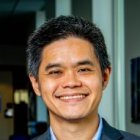


Sevki Cesmeci, Ph.D., associate professor of mechanical engineering in the Allen E. Paulson College of Engineering and Computing at Georgia Southern University, has been selected to take part in the 2025-2026 Governor’s Teaching Fellows (GTF) Academic Year Program in Georgia. This program is designed to provide Georgia’s higher education faculty with expanded opportunities for developing teaching skills and innovative pedagogies. “I am grateful to have been nominated by Provost Reiber as Georgia Southern University’s sole nominee,” Cesmeci said. “I have been deeply passionate about both research and teaching during my time at Georgia Southern, and I am grateful for the opportunity to contribute meaningfully to both.” GTF chose only 16 faculty members from across Georgia’s higher education institutions. Cesmeci’s innovative teaching strategies and methods were integral to his nomination. His work with leading textbook publisher McGraw Hill was one project that garnered recognition, as he worked with professors across the country to create an online, application-based activity (ABA) for fluid mechanics problems. “ABA is a next-generation learning method based on a storytelling-teaching strategy,” Cesmeci said. “Students are challenged with questions and guided through detailed feedback at each step of the solution.” In addition to research accolades, Cesmeci has been recognized for his teaching excellence at Georgia Southern with the 2022-2023 Georgia Southern University Award of Excellence in Student Success and the 2023-2024 Allen E. Paulson College of Engineering and Computing Faculty Award for Teaching. Through his participation in GTF, Cesmeci plans to integrate artificial intelligence tools into the mechanical engineering curriculum. “Unlike disciplines such as computer science and electrical engineering, mechanical engineering curricula have been slower to adopt contemporary and innovative tools,” Cesmeci said. “I hope to leverage this experience in the GTF program to enhance curriculum development at Georgia Southern, sharing insights and best practices to advance mechanical engineering education.” Hosted at the University of Georgia, GTF brings together faculty from accredited private and public institutions across the state for a series of interactive seminars focused on teaching practices, faculty development and course design. Throughout the program, fellows will work on a course design or instructional improvement project aimed at enhancing student learning. “I look forward to engaging with fellow educators, refining my teaching strategies and bringing new insights back to Georgia Southern students,” Cesmeci said. If you're interested in learning more and want to book time to talk or interview with Sevki Cesmeci then let us help - simply contact Georgia Southern's Director of Communications Jennifer Wise at jwise@georgiasouthern.edu to arrange an interview today.

Expert Perspective: The Hidden Costs of Cultural Appropriation
In our interconnected world, cultural borrowing is everywhere. But why do some instances earn applause while others provoke outrage? This question is becoming increasingly crucial for business leaders who must carefully navigate cultural boundaries. Take the backlash the Kardashian-Jenner family faced for adopting styles from minority cultures or the controversy over non-Indigenous designers using Native American patterns in fashion. These examples highlight the issue of cultural appropriation, where borrowing elements from another culture without genuine understanding or respect can lead to accusations of exploitation. Abraham Oshotse, an assistant professor of organization and management at Goizueta Business School, along with Assistant Professor of Sociology and Anthropology at Hebrew University Yael Berda and Associate Professor of Organizational Behavior at the Stanford Graduate School of Business Amir Goldberg, explores this in their research on “cultural tariffing.” They shed light on why high-status individuals, such as celebrities or industry leaders, often come under fire when crossing cultural boundaries. The Concept of Cultural Tariffing Oshotse and coauthors define cultural tariffing as “the act of imposing a social cost on cultural boundary crossing. It is levied on high-status actors crossing into low-status culture, in order to mitigate the reproduction of the status inequality.” This notion suggests that the acceptance or rejection of cultural boundary-crossing is influenced by the perceived costs and benefits. Cultural appropriation involves taking elements from a culture that one does not belong to, without permission or authority. For example, when Elvis Presley brought African-American music into the mainstream, it was initially seen as elevating the genre. However, in today’s context, such acts might be criticized as appropriation rather than celebration. This research seeks to analyze people’s modern reactions to different examples of cultural boundary-crossing and which conditions induce cultural tariffing. The Hypotheses The researchers make four hypotheses about participants’ reactions to cultural appropriation: People will disapprove of cultural borrowing if there’s a clear power imbalance, with the borrowing group having more status or privilege than the group they are borrowing from. Cultural borrowing is more likely to be criticized if the person doing it has a higher socioeconomic status within their social group. Cultural borrowing is more likely to be criticized if the person doing it has only a shallow connection to the culture they’re borrowing from. Cultural borrowing is more likely to be criticized if the person doing it benefits more from it than the people from the culture they are borrowing from. Put to the Test Oshotse et al exposed respondents to four scenarios per hypothesis (16 total) with a permissible and a transgressive condition. In the permissible condition, subjects exhibit lower status or socioeconomic standing or a stronger connection to the target culture. Subjects in the transgressive condition exhibit a higher status or socioeconomic standing and less of an authentic connection to the target culture. Insights from the Study Oshotse’s study offers four key insights: Status Matters: Cultural boundary-crossing is more likely to generate disapproval if there’s a clear status difference favoring the adopter. Superficial Connections: The less authentic the adopter’s connection to the target culture, the more likely they are to face backlash. Socioeconomic Influence: Higher socioeconomic status within the adopter’s social group increases the likelihood of disapproval. Value Extraction: The more value the adopter gains relative to the culture they’re borrowing from, the higher the disapproval. These insights are crucial for leaders who want to navigate cultural boundaries successfully, ensuring their actions are seen as respectful and inclusive rather than exploitative. Real-World Implications for Business Leaders Why does this matter for business leaders? Understanding cultural tariffing is crucial when expanding into new markets, launching multicultural campaigns, or even managing diverse teams. The research suggests that crossing cultural boundaries without deep understanding or respect can backfire. That’s especially true when the adopter holds a higher socioeconomic status. Consider the example of a luxury brand adopting traditional African patterns without engaging with the communities behind them. In this case, it risks being seen as exploitative rather than innovative. The consequences aren’t just reputational; they can also impact the brand’s bottom line. This research isn’t just about isolated incidents; it mirrors sweeping societal shifts. Over the past 50 years, Western views have evolved to embrace ethnic diversity and multicultural exchange. But with this newfound appreciation comes a fresh set of challenges. Today’s leaders must navigate cultural interactions with greater care, fully aware of the historical and social contexts that shape perceptions of appropriation. In today’s global and interconnected business landscape, mastering the subtleties of cultural appropriation and tariffing is crucial. Leaders who tread thoughtfully can boost their reputation and success, while those who falter may face serious backlash. By understanding the hidden costs of crossing cultural boundaries, business leaders can cultivate authentic exchanges and steer clear of the pitfalls of appropriation. Abraham Oshotse is an assistant professor of organization & management. He is available speak to media regarding this important topic - simply click on his icon now to arrange an interview today.


Brent Feske, Ph.D., has been named associate vice president for Research in the Office of Research and Economic Development, effective March 1. Feske has served as the interim associate vice president for Research since Sept. 1, 2024. In this short time, he has already significantly impacted the University’s research enterprise. As interim associate vice president for Research, Feske prioritized engaging with the people in his office and the colleges conducting research. “I’ve settled in and moved past the introductory phase,” he said. “I feel I’ve gained a strong understanding of each college’s needs, wants, and aspirations. Together, we’ve laid a solid foundation, and I’m excited to see how our scholarship enterprise can grow and how the Office of Research and Economic Development can help each college reach its full potential.” With nearly twenty years of experience as a dedicated faculty member, Feske brought valuable leadership to the Office of Research and Economic Development. Under his guidance, the office increased internal funding mechanisms to support research, doctoral students and external grant writing. He has also led improvements in how research expenditures are captured and properly coded, providing a clearer picture of the Georgia Southern research landscape. Additionally, he has played a key role in expanding the pre-award team, ensuring better support for faculty and staff throughout the grant submission and award process. “I’m thrilled to have Dr. Feske permanently join the team,” said Vice President for Research and Economic Development David C. Weindorf, Ph.D. “His experience as an administrator and a faculty member really does give him a 360-degree view of the research enterprise and makes him uniquely qualified to lead and help us grow in every aspect. We’ve already accomplished so much, and I can’t wait to see what comes next.” If you want to book time to talk or interview with Brent Feske about his new role, then let us help - simply click on his icon now or contact Georgia Southern's Director of Communications Jennifer Wise at jwise@georgiasouthern.edu to arrange an interview today.


What's That Smell? Something is Rotten and Florida Atlantic's Seaweed Expert has the Answers
It’s back…and bigger than before. This summer, Floridians can expect a record amount of it! Sargassum, it smells like rotting eggs and a 'mega bloom' of the algae is expected to wash up on beaches soon. Sargassum is essentially a brown seaweed and also a type of algae. When out at sea, it's an essential item that helps feed fish, turtles, crabs and an array of ocean life. But once it hits land, it begins to rot and can be at the very least annoying and even potentially dangerous to humans by emitting harmful gases. The topic is getting a lot of media coverage - with reporters connecting with experts like Florida Atlantic's Brian LaPointe to get the answers and explanations they need. The Atlantic Ocean has a toxic seaweed problem. Floating in brown islands of algae, this year’s sargassum bloom has already broken its own size record by millions of tons — and the growing season isn’t done yet. Now stretching across some 5,500 miles of ocean, the annual bloom is more than just an eyesore: Sargassum hurts ecosystems and economies wherever its overgrown arms reach. And they are spreading into Florida’s waterways, coating marinas and beaches in the Miami area. “Sargassum goes from being a very beneficial resource of the North Atlantic to becoming what we refer to as … a harmful algal bloom, when it comes ashore in excessive biomass,” said Brian LaPointe, a research professor at Florida Atlantic University’s Harbor Branch Oceanographic Institute. For more than a decade, Atlantic coastal communities have been inundated by more and more sargassum. Images of white sand beaches stretching into azure waters have been altered by the toxic and putrid invasion. In the water, it’s home to larvae and other organisms that can irritate the skin of any passing swimmers. As it rots on shore, it emits harmful gases— an infamous stench. It’s a blight on beaches that repels tourists during the high-travel season, ultimately hurting towns that rely on tourism to fuel their economy. Rising ocean temperatures due to human-caused climate change have spurred this sargassum surplus, supercharging the seaweed. In April, the University of South Florida estimated this year’s bloom is already at 31 million tons — “40% more” than the previous record from June 2022, according to LaPointe. May 15 - CNN Looking to know more? We can help. Brian LaPointe is available to speak with media about seaweed, sargassum and what beachgoers can expect this summer in Florida. Simply click on his icon now to arrange an interview today.


Have you ever dreamed of being an Olympic athlete? Perhaps you have wondered what it would feel like to stand on that podium in front of the world as your national anthem plays. For most Olympic athletes, the journey begins very early in life. But imagine what it would be like if you started training for this event in your 60s? Read on if you want an edge to discover how to win the Retirement Games and still pass the drug test (let’s face it, peeing is not an issue for many at that age)! Here is your chance to get on the podium at the most crucial game of your life. On Your Marks, Get Set, Ready, Go! Retirement was more like a coffee break five decades ago—brief, predictable, and over before your muffin cooled. In 1975, the average Canadian could expect to live about 73.53 years. Fast forward to 2025; we're clocking in at nearly 83.26 years. Even juicier? The lastest research shows half of today's 20-year-olds in Canada are expected to live past 90. That’s why we need to think of retirement these days, not as a sprint; instead, it’s an ultramarathon with hills, potholes, and the occasional pulled hamstring. Most of us never expected to be training for it in our sixties, but here we are—so pull up your compression socks and move. The starter's pistol is about to fire, whether you're ready or not! Surprise! You're Retired While you may dream of selecting your retirement date like a fine wine, many face the reality of a boxed kind instead. Approximately 6 in 10 Americans retire earlier than they planned. Research from the Transamerica Center for Retirement Studies shows that many individuals experience unexpected early retirement due to personal health issues, employer discretion, or family-related circumstances. https://www.cbsnews.com/news/retirement-age-in-america-62-claiming-social-security-early/ Sometimes, it's a health scare, a loved one’s illness, or a harsh employer downsizing. Nobody whispers the term "ageism," but when companies replace senior employees with younger, more affordable talent (or AI bots), it’s not subtle—it’s math.As Morgan Housel reminds us in his bestseller, The Psychology of Money, "The most important part of every plan is planning for your plan, not going according to plan." Expect the unexpected. Train as if retirement could sneak up on you—because it just might. Get Fit, Stay Sharp: Health is the First Leg of the Race Physical and mental health are the fuel for your retirement. The rest doesn’t matter without them; we’re not just talking about lifting weights. (Though, yes, lift some weights.) Regular physical activity provides numerous benefits for older adults, including a reduced risk of dementia and enhanced cognitive function. Exercise can help maintain brain health, reduce mental decline, and even reverse some age-related brain shrinkage. Additionally, physical activity can improve mood, reduce anxiety, and enhance balance and coordination, leading to a better quality of life. • Strength training enhances bone density, metabolism, and mental health. (Source: Mayo Clinic) • Flexibility and balance? Try yoga or tai chi. Harvard Health says they reduce pain and stiffness. • Mental fitness? Cue up Wordle, Canuckle (the Canadian cousin), or Sudoku. • Dancing? It's beneficial for your brain and your swagger • Listening to music or playing an instrument can reduce stress and boost memory. Gold Medal Tip: Motivation is overrated; action is everything. Don’t be a couch potato. A new study conducted at the University of Pittsburgh School of Medicine shows that older adults who spend more time sedentary — such as sitting or lying down — may be at a higher risk for lower cognition and in areas linked to the development of Alzheimer’s disease, no matter how much they exercise! So make sure you show up, move, and the motivation will catch up. Wealth Training: Stop Hoping, Start Budgeting Here's a shocker: Retirement doesn't mean your expenses magically disappear. According to Steve Willems' podcast “10 Retirement Myths You May Not Want to Believe,” most retirees don’t spend less. Aside from the mortgage, spending remains surprisingly consistent, especially during the Go-Go years (ages 55-75)”. We like what we like: groceries, entertainment, travel, and stylish or comfortable clothes are still on our shopping lists. That’s why many of us in retirement will need to pay more attention to spending and budgeting. Check Obligation Spending Retirement is the perfect time to reevaluate expenses from obligation rather than genuine need or joy. Here's a thoughtful way to frame that idea: Retirement is the season of freedom, so why are you still paying for things that feel like a burden? Now that you’re no longer earning a regular paycheck, every dollar matters more than ever. This means it’s time to take a closer look at obligatory expenses. These might include: • Helping adult children financially (even when it stretches your budget) • Donating to every fundraiser or cause just because someone asked • Hosting large family gatherings that leave you exhausted and over budget • Maintaining memberships, subscriptions, or traditions that no longer bring you joy. (We talk a lot more about this in a previous post What’s your Retirement Plan B While generosity is admirable, it shouldn’t jeopardize your financial security or peace of mind. Retirement should focus on investing in what truly matters to you now, rather than keeping up appearances or adhering to outdated expectations. Here’s a gentle mantra to adopt: “I’ve earned the right to say no with love and confidence.” Freeing yourself from obligation spending doesn’t mean becoming stingy; it means becoming intentional. Give where your heart feels full, not where your guilt feels heavy. After all, you didn’t work all those years to keep writing checks out of habit. Balance Beam- Budget What’s your plan when overtime isn’t an option and the budget doesn’t balance? Start with a good old-fashioned reality check: • Write down ALL expenses. • Tally up your income. • Look for a surplus (yay, trip!) or a shortfall (boo, time to pivot). Look at Canadian Government Pensions • Here's the math. Old Age Security (OAS): Max is about $713/month or $8,556/year. And don’t forget the dreaded government clawback (formally known as the Old Age Security Pension Recovery Tax which starts at ~$90,997. • Canada Pension Plan (CPP): The average monthly payment is $758, while the maximum is $1,364 per month or $16,368 per year. So with these two programs combined, provided you meet requirements, as a senior, you're looking at somewhere between $17,000–$25,000/year before tax. If your lifestyle needs a bit more jazz hands, here’s how to bridge the gap: DIY Income Builders: • Slash debt. Every dollar you don't spend is one you keep. • Downsize and bank the equity. • Buy or build an ADU and rent it. I have written more about ADU's here. • HELOC or Reverse mortgage (borrow strategically). • Withdraw from investments (4% rule). • Monetize your skills: consulting, tutoring, or writing that novel you started in 1993. Gold Medal Tip: Track your joy per dollar. If you’re going to spend, make it worth it. Rewire, Don’t Retire: Finding Purpose The biggest myth of retirement? That doing nothing feels good forever. (Spoiler alert: it doesn’t.) Passion is your GPS. It guides you towards what fills your heart. Whether you write poetry, walk dogs, or paint birds wearing tiny hats, your joy matters. And legacy? That’s just purpose with staying power. There’s science to support the benefits of this lesson. A study in JAMA Psychiatry found that people with a sense of purpose had a lower risk of mortality and disability Purpose-Driven Paths: • Volunteer: Look for a cause that fires you up. • Get a part-time job: Perhaps you can fill in at a local bookstore, garden center or be a barista? • Hobbies: Take up painting, pottery, or poetry. • Go Back to School: Many Universities such as The University of Toronto offer free, non-credit courses through programs as part of their community outreach. Seniors (over 60) enrolled at York University may have all or part of their academic fees waived at the domestic fee rate for York University degree credit courses as part of their mature student program. • Spend real time with people you love, maybe your grandkids or elderly parents. • Reconnect with old friends – not just on Facebook, but in person • Get out of your backyard and see the world Gold Medal Tip: You're never too young (or too old) to chase what lights you up. Start a business, get that degree you always wanted, and write that book. Go. For. It. Support: No One Trains Alone Retirement can be lonely. As we age, friends pass, routines fade, and isolation creeps in. That’s why your squad matters more than ever. Find Your Pod: • Family & Friends: Set expectations. Ask for help. Host Sunday dinners. Stay connected. • Fitness & Social Clubs: Join a walking group or participate in a gym class, followed by regular post-sweat coffee. • Faith Communities: Spirituality and structure in one. Sing in the choir. Serve at events. • Third Places: As sociologist Ray Oldenburg says, these are neutral hangouts like libraries, community centers, or your local café. They’re tied to lower loneliness and better mental health. Think of Cheers: “Where everyone knows your name!” Gold Medal Tip: Your local pickleball court or knitting circle might just be your new training ground. Attitude Training: Stop Acting Your Age Here’s a radical thought: Maybe we feel old because we act old. Want to stay young? Stay curious, try new things. Try line dancing, pickleball, bird watching, improv, or learning to code. Yes, code. What was the worst advice our mothers gave us? “Act your age.” Nonsense! Whoever said, “You’re only as old as you feel” was on to something – but let’s take it up a notch: How about you’re only as old as your playlist! The Power of a Youthful Attitude in Retirement A successful retirement isn’t just about savings accounts and spreadsheets — it’s about mindset. A positive, youthful attitude is one of the most powerful (and overlooked) assets you can carry into retirement. Even if you don’t feel youthful or optimistic, “fake it ‘til you make it” is more than just a catchy phrase—it’s a strategy. The goal isn't to accurately describe your aches, fears, or fatigue but to set yourself up for success! Science backs it up: a positive outlook boosts health, sharpens cognition, and increases longevity. From a practical perspective, optimism makes it easier to try new things, adapt to change, and enjoy the present—all essential in retirement. So, if the voice in your head says, “I’m too old for that,” try responding with, “This is my time.” You begin to build because what you tell yourself matters, as does what you believe. Retirement is your reward. Approach it like the vibrant, capable, unstoppable human you are because attitude, not age, sets the tone. Gold Medal Tip: You’re only as old as the last thing you tried for the first time. Try something ridiculous, I double dare you! Final Stretch The Retirement Games are here, and let me be crystal clear: this isn’t amateur hour. This is your Olympic moment, with medals awarded for stamina, strategy, and a solid sense of humour. Whether you're rounding the first turn at 45 or doing your victory lap at 75, now is the time to train. You’ve built strength, stretched your budget, flexed your purpose muscle, assembled your dream team, and rebooted your mindset. Now it’s time to lace up, lean in, and live life to the fullest. This isn’t about perfection; it’s about preparation. You won’t achieve a podium finish through wishful thinking; you’ll attain it through action, adaptation, and a great deal of repetition. So, put on your metaphorical tracksuit (or actual tracksuit if it's laundry day) and begin training with determination. The gold medal retirement isn’t just possible—it’s within reach. Cue the confetti cannon. You’re not just aging—you’re advancing. And champions, as we know, don’t retire… they rewire, recharge, and rewrite the playbook. On Your Marks, Get Set, THRIVE! Don’t Retire … Re-Wire! Sue

