Experts Matter. Find Yours.
Connect for media, speaking, professional opportunities & more.

From Amateur Passion to Global Science: How Meteorites Tell the Story of Our Solar System
A recent article in Texas Highways traces how Oscar Monnig, a Fort Worth businessman with no formal scientific training, built one of the most significant meteorite collections in the United States. Beginning in the 1930s, Monnig identified and acquired rare space rocks, often working directly with scientists and collectors, ultimately assembling a collection that would later be donated to Texas Christian University. Today, that legacy is carried forward, and elevated, by Rhiannon Mayne, curator of the Oscar E. Monnig Meteorite Collection and Gallery. Mayne frames Monnig not just as a collector, but as a foundational figure in modern meteoritics whose contributions continue to enable global research. As she notes, his collection ensures that “decades from now” scientists worldwide will still be able to study these materials. “He was definitely one of the most important meteorite collectors of the 20th century,” says Rhiannon Mayne, the curator of the Oscar Monnig Meteorite Collection and Gallery at TCU. She adds that, although he was not a scientist, his gift enables ongoing research in meteoritics. “Decades from now, people all over the world will get to request samples to study because of him.” Expert Insight: Turning a Private Collection into a Global Research Engine Mayne’s role is central to transforming Monnig’s passion project into a living scientific asset. Under her leadership, the collection, now one of the largest university-based meteorite repositories in the world supports both cutting-edge research and public engagement. Her work highlights a key insight: meteorites are not just curiosities, but critical records of planetary formation. By studying them, scientists can access information about the early solar system, and even Earth’s own origins that is otherwise impossible to obtain. Rhiannon Mayne is the curator of the Oscar E. Monnig Meteorite Collection, one of the world’s largest university-based meteorite collections, which also includes a world-class museum. View her profile The article ultimately becomes a story about continuity—how individual curiosity evolves into institutional impact. Monnig’s amateur pursuit laid the groundwork, but it is experts like Mayne who translate that legacy into ongoing discovery, education and global collaboration. In that sense, Mayne embodies the bridge between past and future: preserving a historic collection while ensuring it remains scientifically relevant, accessible and inspiring for the next generation of researchers.



TCU Nutritional Sciences Expert Discusses New US Dietary Guidelines
As updated federal recommendations roll out, Samantha Davis highlights gaps between science and messaging. When the 2025-2030 Dietary Guidelines for Americans were released, the message seemed straightforward: Eat more whole foods and reduce processed ingredients and sugar intake. But for Samantha Davis, professor of professional practice in nutritional sciences in TCU’s Louise Dilworth Davis College of Science & Engineering, a closer look reveals a more complicated picture. “These guidelines influence far more than individual choices,” she said. “They shape what’s served in schools, child care programs and federal nutrition programs nationwide. That’s why it’s so important to ensure the recommendations and the messaging are aligned with the science.” A Growing Public Health Challenge The conversation comes amid rising concerns about chronic disease in the United States. More than 70% of American adults are overweight or obese, and nearly one in three adolescents has prediabetes. At the same time, almost 90% of health care spending is tied to chronic disease. “These are not small trends,” she said. “Nutrition guidance plays a significant role in how we respond.” When the Math Doesn’t Match the Message While the guidelines recommend limiting saturated fat to 10% of daily calories, following the suggested servings, particularly for animal proteins and full-fat dairy, the numbers do not add up. “When you actually break it down, those recommendations can push intake closer to 20%,” Davis said. “The math is not mathing.” That gap raises concerns for heart health, as higher saturated fat intake is associated with elevated LDL cholesterol and increased cardiovascular risk. Rethinking Protein in the American Diet The updated guidelines increase protein recommendations, in some cases significantly. However, protein deficiency is not a widespread issue in the United States. “The idea that more protein automatically leads to more muscle is a misconception,” she said. “Exercise builds muscle. Protein supports maintenance and repair.” Davis also notes that protein is found across a variety of foods, including grains and vegetables, reinforcing the importance of balance ahead of overemphasis. Not All Fats Function the Same The guidelines encourage incorporating “healthy fats,” but distinctions between fat types may not always be clear. “There’s important nuance here. Some fats support heart health, while others are linked to increased risk. That difference matters,” she said. “If we’re trying to address obesity at a population level, we need to consider where calories are coming from.” For most people, nutrition guidance is distilled into quick takeaways and simplified messaging. “People remember what they see and hear in an instant,” she said. “If those messages aren’t clear or consistent, it can lead to confusion.” Her advice remains grounded in fundamentals: Focus on whole, minimally processed foods and look beyond trends for long-term health. Davis’ expert perspective was also featured in Fort Worth Weekly, contributing to the broader conversation about how national nutrition guidance shapes everyday life.

Get Over It: Pluto Isn't A Planet!
Put down the protest signs already. Retire the “Save Pluto” pins. Step away from the planetary outrage. Seriously. So says University of Rochester astrophysicist Adam Frank in his latest column in Forbes. Frank explains that the real story behind Pluto being stripped of its planetary status in 2006 isn’t about what Pluto lost, but what scientists found. Pluto made news recently when NASA Administrator Jared Isaacman replied to a Florida girl’s handwritten plea to restore Pluto’s designation as a planet, saying he supported such a move. Frank has one word for Isaacman: Stop! “Now Isaacman seems like a good guy and I sure don’t want to make little kids cry,” Frank writes. “Still, there’s an amazing science reason why Pluto got kicked out of the planet club.” For decades, Frank explains, we thought the solar system ended with the nine familiar planets, with Pluto being the most distant. But beyond Neptune lies the Kuiper Belt, a vast expanse filled with icy remnants from the birth of the solar system. These objects are essentially the leftover building blocks of planets. Pluto, it turns out, is one of them. That matters because this cosmic debris holds crucial clues about how planets form. Studying Pluto and its neighbors helps scientists understand the origins of Earth and the potential for life elsewhere in the universe. So, Pluto isn’t an outcast; it’s a key witness to our cosmic history. It belongs to a newly understood class of worlds that are central to modern astronomy. Rather than mourn Pluto’s status and push for restoring its former title, Frank suggests we celebrate its reclassification as the moment astronomers realized the solar system is far richer than they had ever imagined. If you’re a journalist looking for an expert to talk about Pluto — or planets and worlds formerly known as planets — Frank is your scholar. He is a frequent contributor to the likes of CNN, The New York Times, The Atlantic, and MSNBC, and can help your audience make sense of our vast universe.


TCU Chemistry Researcher Named a Big 12 Faculty of the Year
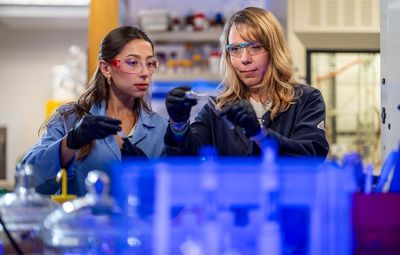
Kayla Green has built an internationally recognized research program while mentoring the next generation of scientists at Texas Christian University, and her efforts are getting noticed. The chemistry professor and assistant dean of undergraduate affairs at the Louise Dilworth Davis College of Science & Engineering represents TCU among this year’s Big 12 Faculty of the Year honorees. The Big 12 Faculty of the Year Award honors outstanding faculty who excel in innovation and research at each of the athletic conference’s 16 universities. Honorees represent and reflect the best attributes that make a Big 12 college campus a bastion for learning and growth. “In my view, Professor Green exemplifies the fact that student success cannot happen without research, and world-leading research cannot happen without authentic, student-centered experiences,” wrote a nominator when Green was named the 2025 winner of the Chancellor’s Award for Distinguished Achievement as a Creative Teacher and Scholar. “Professor Green has maintained a vibrant, externally funded research program throughout the past 15 years, a distinction shared by very few TCU faculty.” Green was chosen in part for her international reputation in the field of inorganic chemistry as applied to neurodegenerative diseases and catalysis, as well as her leadership in a growing research program that has brought in more than $2.5 million in external support. This includes work with Ben Janesko, professor and chair of chemistry and biochemistry, and biology professors Giri Akkaraju and Michael Chumley on a grant from the National Institutes of Health. Green’s collaborative work with students highlights her ability to weave together research and mentorship. “Dr. Green’s vision and drive have strengthened the foundation of our college,” said T. Dwayne McCay, interim dean of Davis College. “Her ability to inspire students and colleagues alike reflects the kind of leadership that propels our mission forward.” One of her most impactful initiatives is Chemistry Boot Camp, a program she developed with colleagues Janesko and Heidi Conrad to help incoming students build confidence before their first chemistry class. The Big 12 Faculty of the Year Award is intended to showcase the diversity of research breakthroughs and educational opportunities afforded to students attending Big 12 institutions and helps attract future students. This year’s award recipients stretch across a vast array of departments. “We are constantly looking for ways to highlight how Big 12 faculty continue to educate and inspire the next generation of leaders,” Jenn Hunter, Big 12 chief impact officer said. “From the arts and filmmaking to business and engineering, this year’s cohort showcases the vast opportunities available to students pursuing an education on Big 12 campuses.” Faculty members were nominated by their institutions in conjunction with conference faculty athletic representatives, provosts and other university leaders. “I’m very honored to represent TCU as a Big 12 Faculty of the Year,” Green said. “I hope that I am not expected to exhibit any athletic skill sets but am happy to cheer on the Frogs in all they do in our classrooms and competitions! Congratulations to the honorees from across our great conference. TCU has the best faculty, and I am happy to represent them in this capacity.”

Seeing Green: Chemistry Professor Transforming Undergraduate Research at TCU
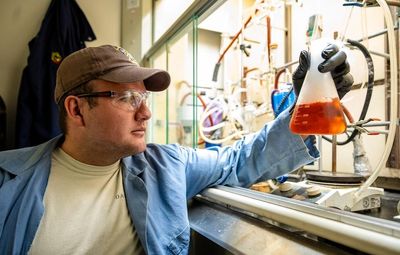
When it comes to advancing both student success and world-class research, Kayla Green embodies how the two can go hand in hand. The chemistry professor and assistant dean of undergraduate affairs at the Louise Dilworth Davis College of Science & Engineering has built an internationally recognized research program while mentoring the next generation of scientists and reshaping how chemistry is taught at Texas Christian University. Her leadership weaves together research and mentorship in ways that have elevated the department’s impact. With more than $2.5 million in external funding and a track record of collaboration around the globe, Green’s work has not only advanced the field of inorganic chemistry, particularly as applied to neurodegenerative diseases and catalysis, but also strengthened TCU’s standing as a hub for undergraduate research excellence. “In the summer heading into my junior year, I began working on what would be my research project in Dr. Green’s lab … that would use iron as a catalyst in molecules. I would end up presenting that research in my senior year,” said Jack Bonnell ’24, a John V. Roach Honors College laureate. Iron is more affordable, more available and less societally problematic than preexisting palladium- or platinum-based molecules. “By the end of my senior year, I was able to achieve comparable results with my iron catalyst as you could achieve with palladium or platinum,” said Bonnell, now a second-year medical student at the Anne Burnett Marion School of Medicine at TCU. “That was a pretty cool moment in my research, to be able to put it up there in comparison to those.” Since joining TCU in 2010, Green has mentored more than 50 undergraduate students in her lab, many of whom have gone on to publish their work, present at national conferences and pursue medical or doctoral degrees. She has also been instrumental in creating programs that prepare students to succeed in challenging classes and stay the course in scientific disciplines. “Dr. Green’s vision and drive have strengthened the foundation of our college,” said T. Dwayne McCay, interim dean of the Davis College of Science & Engineering. “Her ability to inspire students and colleagues alike reflects the kind of leadership that propels our mission forward.” Lifting Them Up One of Green’s most impactful initiatives is Chemistry Boot Camp, a program she developed with colleagues Ben Janesko and Heidi Conrad to help incoming students build confidence before their first chemistry class. “The boot camp helps lift them up, and it’s really helped with retention of students in pre-health and science fields,” said Timothy Barth, psychology professor and associate dean of graduate affairs in Davis College. “She didn’t have to do this; she created it because of her commitment and dedication to the students.” Green’s innovative use of grant funding has expanded laboratory resources, supported student travel to conferences and strengthened research collaborations. The result is a department that rivals larger institutions in both output and opportunity. “Davis College does a fantastic job on undergraduate research training,” Green said. “We are a powerhouse.” For Green, teaching and research are inseparable. Her classroom and laboratory experiences are deliberately interconnected, allowing students to see how chemistry concepts play out in the real world. “Going into a lot of these complicated diagnoses and being able to break them down into digestible pieces of information for patients is a skill that I definitely can see as useful in my future as a physician,” Bonnell said. As much as the material itself, he credits Green’s mentorship and the opportunities she provided for his preparation for medical school. “I had only taken Dr. Green’s general chemistry course in my first semester as a freshman at TCU. I joined her lab in the spring semester of my freshman year, and I knew only the bare minimum about chemistry. I was in meetings with graduate students who had been working on projects for years,” Bonnell said. “At the beginning, she bounced me around, and I worked with different graduate students to learn all the different things they were doing to find my best fit.” That blend of rigor and encouragement has become a hallmark of her approach and a model for other departments seeking to integrate research more deeply into the undergraduate experience. Building on Success Green’s excellence has earned her wide recognition, including honors from the American Chemical Society (Emerging Investigator and Women Chemists Rising Star awards), TCU’s Deans’ Award for Research and Creative Activity and, most recently, the Chancellor’s Award for Distinguished Achievement as a Creative Teacher and Scholar. She now brings that same analytical insight and collaborative spirit to her position as the college’s assistant dean of undergraduate affairs, a role she began this academic year. “We’ve already begun to experience her decision-making and analysis as part of the dean’s team,” Barth said. “In a short period of time, she’s proving to be an amazing and remarkable administrator.” Looking ahead, Green continues to build on her success through a National Institutes of Health R15 AREA grant, which supports undergraduate research and provides students with opportunities to contribute to federally funded science. “TCU Chemistry has an incredible record of placing students in medical school, Ph.D. programs and research labs across the country,” Green said. “It’s rewarding to see our students thrive in environments that started with their hands-on experiences here.”

From “Covfefe” to commanding the algorithm: How Trump turned memes into political power
A recent analysis by CNN traces how Donald Trump’s relationship with internet culture has evolved from accidental viral moments into a deliberate, highly effective communications strategy. The article highlights how memes, once unpredictable and grassroots, have become a central tool in shaping political narratives, driving engagement and bypassing traditional media channels. Some of the great insight and perspective in the article comes from Dannagal Young, whose insights help explain why this strategy resonates so strongly. Young emphasizes that memes act as powerful emotional and cultural signals, allowing political messages to travel quickly while reinforcing identity and belief among audiences. What began with moments of internet spontaneity has matured into a calculated approach that blends humor, provocation and simplicity to dominate attention in a crowded digital landscape. “The entire ethos and aesthetic of this administration is spectacle and subversion of norms,” Young said. “You don’t do that through deliberation or argument, but through symbols.” Her perspective, as presented in the CNN article, underscores a broader shift: political influence is increasingly shaped by content that feels native to the internet, where relatability, repetition and shareability often matter more than traditional policy-driven messaging. ABOUT DANNAGAL G. YOUNG Dannagal G. Young is a Professor of Communication and Political Science at the University of Delaware where she studies the content, audience and effects of nontraditional political information. She has published over sixty academic articles and book chapters on the content, psychology and effects of political information, satire and misinformation.


New report proves earning potential of EVs equipped with vehicle-to-grid technology
The University of Delaware, Exelon Corporation/Delmarva Power and collaborators have released a new report showing that electric vehicles equipped with vehicle-to-grid (V2G) technology can be profitable for private owners and businesses alike, with data from real electricity markets to back up the claims. The report is the outcome of a pilot program announced in 2024 by UD, and completed at the offices of Delmarva Power, which is part of Exelon Corporation, to confirm the value of V2G services to the grid. Among the key findings: the collaborators report that a V2G-enabled passenger electric vehicle (EV) could earn as much as $3,359 per year, based on 2021-2025 market prices, for storing and supplying energy to the electric grid during times of need, otherwise known as providing grid services. Heavier vehicles, such as fleet vehicles, delivery trucks or school buses, could earn over $9,000 per year, per vehicle. That’s a powerful income generator, given that privately owned vehicles are parked 96% of the time, on average, in the United States. Company fleet vehicles — even those operating 40 hours per week — remain stationary 75% of the average work week. The pilot, which included collaborators Ford Motor Company, the region’s electric grid operator PJM Interconnection, and aggregator Nuvve Corp., was tested using a small fleet of Delmarva Power EVs retrofitted with the bidirectional charging technology and a new advanced communications standard. The term “bidirectional charging” means that the V2G technology enables electric vehicle batteries to store extra energy from the electric grid when there is a surplus and to discharge that energy back to the grid when it is needed. In this way, V2G-enabled EVs can help the grid stay balanced, strengthening grid resilience and reliability, especially during peak demand and extreme weather events. New PJM rules allow properly certified EVs to provide this balancing and be paid for it — and the pilot proved they can meet these requirements and be paid for the service. For UD Professor Willett Kempton, who invented the V2G technology with colleagues at the University nearly 30 years ago, it’s a pivotal moment. “Whether it could scale cost-effectively was an open question, and we’ve proven that it can — with the right combination of policies, standards and technology,” said Kempton, professor of marine science and policy. For businesses such as Exelon, the report makes clear that V2G technology can help offset the cost of fleet electric vehicles while supporting the electric grid. This is because when the batteries in the parked fleet vehicles are aggregated together, they can function as a virtual power plant. The result is energy storage and supply that is available to the electric grid significantly faster than other conventional power resources, with virtually no wait times needed to power up or down. Unlocking a parked vehicle’s earning power Since Kempton and colleagues pioneered the innovative V2G technology, UD researchers have kept the charge going, accelerating progress on everything from V2G technology development to new automotive communication standards (called LIN-CP) for electric cars. They have advanced policy innovations at the state and federal level to overcome barriers in widespread adoption by enabling V2G technology to compete in electric markets, too. The recent pilot with Exelon/Delmarva Power and others also revealed that the EV batteries used for V2G remained fully functional after a full year of market operation — with no measured reduction in battery health — all while providing pollution-free power. “Something that might not be obvious to everyone is that these payments are not a subsidy; these EVs are earning money by competing with legacy generators, which is novel in a lot of ways,” said Kempton. “And when you’re participating in the market instead of a fuel-burning generator, you’re also reducing pollution.” This makes the technology both economically smart and functionally sound in a world where the electric grid is expected to include more renewables in the coming years. Kempton explained that most U.S. planned future electricity generation is scheduled to come from wind and solar. This will create greater fluctuation in the electric grid, which means more storage for energy surpluses will be needed. That’s where V2G can help, Kempton said. According to Brian Derr, senior analyst, Exelon Technology and R&D, insights from the pilot will inform future deployments and support the company’s broader strategy to enable the clean energy transition while maintaining reliable service for the communities it serves. “By leveraging existing assets in new ways, Exelon is positioning itself to build a more flexible, resilient and customer-focused energy system,” said Derr. Accelerating progress toward a V2G industry Next steps to expand the V2G industry to support the grid will require mass manufacturing to scale up the number of individual cars or fleets that are participating and earning money, Kempton said. Until now, changes to V2G-enabled vehicles have been done by retrofitting existing EVs to accommodate the V2G technology. Now with lower-cost standards and realistic market revenue values that can be expected, Kempton is looking at how this becomes adopted in many cars and many charging stations. “We’ll need at least a few car companies and charging station companies to mass produce this V2G equipment, and to deploy the technology into vehicles in the factory,” Kempton said. “If it is designed in, and mass produced, it’s incredibly cheap, especially when you compare it to the potential yearly revenue.” At UD, faculty and students continue to play a large role in the work aimed at bringing a fully functioning V2G industry to fruition. Kempton, Rodney McGee and recent graduates John Metz and Catherine Gilman, for example, are focused on policy changes and standards to allow V2G-enabled electric vehicles to provide grid services in more states. Such policies currently exist in Delaware and Maryland. Kempton would like to see this number grow. Meanwhile, UD postdoctoral researcher Garrett Ejzak and alumnus Go Charan Kilaru are focused on other aspects of the work. Ejzak is developing and testing these new EV technologies, and Kilaru is designing cryptography measures to ensure security protocols for V2G communications. Concurrently, UD students Colden Rother, Jude Borden, Lucia Paye-Layleh and Emmie Rossi are examining ways UD could electrify some of its campus fleets, under the advisement of UD’s Kimberly Oremus, associate professor of marine science and policy, economics, and public policy and administration. To arrange an interview with Kempton, visit his profile page below and click on the "contact" button. For interviews with officials from Exelon/Delmarva Power, contact Matt Ford, in Delmarva Power Communications, at 302-429-3060.

“With Global Antisemitism Rising, ‘Never Again’ Rings Hollow”
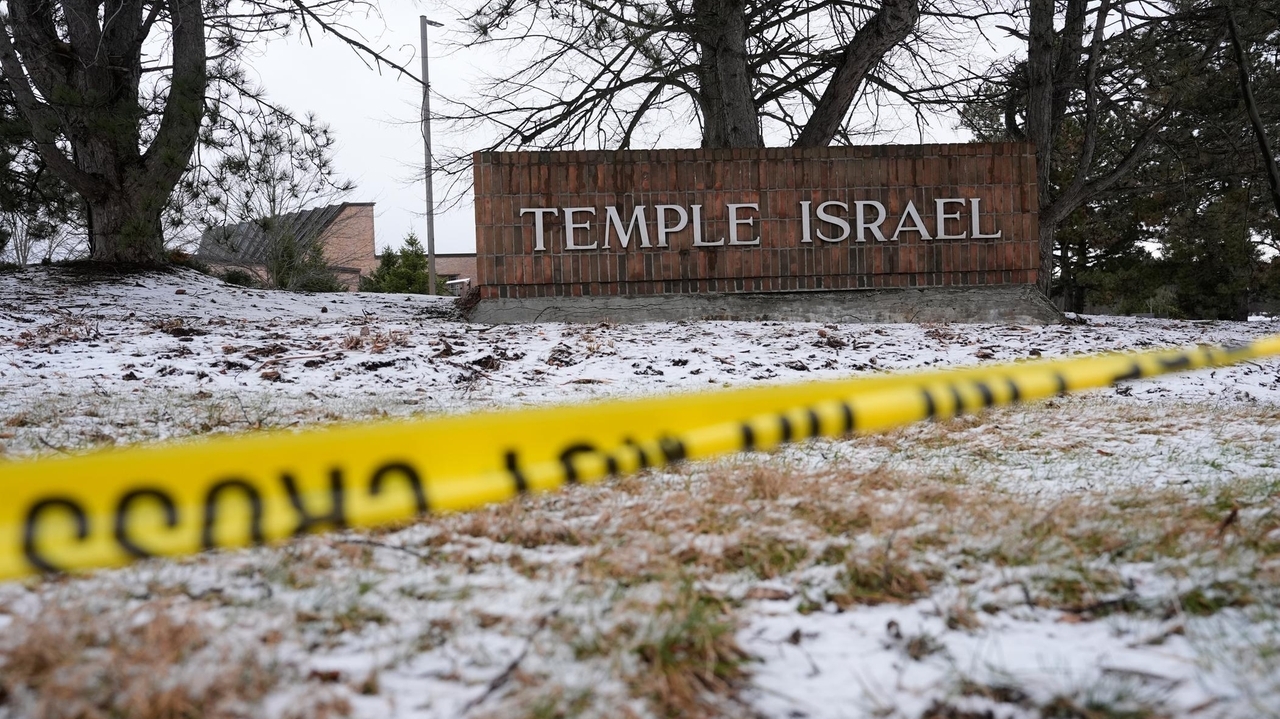
Hofstra Professor of Political Science and Director of the European Studies Program Carolyn Dudek wrote a guest essay for Newsday: “With global antisemitism rising, ‘Never Again’ rings hollow.” Dr. Dudek was awarded the 2024 Jean Monnet Chair to expand research, teaching, and course development on the European Union, with a specific focus on EU anti-discrimination policies that address marginalized groups, such as Jews, Muslims, Roma, women, communities of color and the LGBTQ+ community.



University of Delaware biomedical engineer helps develop first immune-capable cervix-on-a-chip
A major breakthrough in biomedical engineering is changing how scientists study sexually transmitted infections (STIs) – and a researcher from the University of Delaware is at the forefront. Published in Science Advances, the study introduces the first immune-capable “cervix-on-a-chip,” a cutting-edge microphysiological system that replicates the human cervical environment. The platform allows researchers to observe how infections, the immune system and the vaginal microbiome interact in real time – something not previously possible with traditional lab models. Co-lead author Jason Gleghorn, associate professor in the College of Engineering, led the development of the model. His work highlights how engineering-driven approaches are advancing critical research in women’s health. By integrating engineering with biology, we can now simulate complex human systems more accurately and make these tools accessible to a wider range of researchers, Gleghorn said. The model recreates key features of the cervix using human cells, immune components and naturally occurring microbiomes within a dynamic system that mimics physiological conditions. When tested with infections such as chlamydia and gonorrhea, the platform revealed how protective bacteria can reduce infection risk – while imbalanced microbiomes can worsen outcomes. These findings could help accelerate the development of new therapies, including probiotics and other preventative strategies aimed at strengthening the body’s natural defenses. The research underscores the growing impact of the College of Engineering, where interdisciplinary collaboration is driving innovation across biomedical engineering and beyond. By combining expertise in engineering, microbiology and immunology, the team has created a powerful new tool that could reshape how STIs – and other complex diseases – are studied. To speak with Gleghorn further about this advancement, email mediarelations@udel.edu.
UF develops breakthrough magnet that could transform metal production
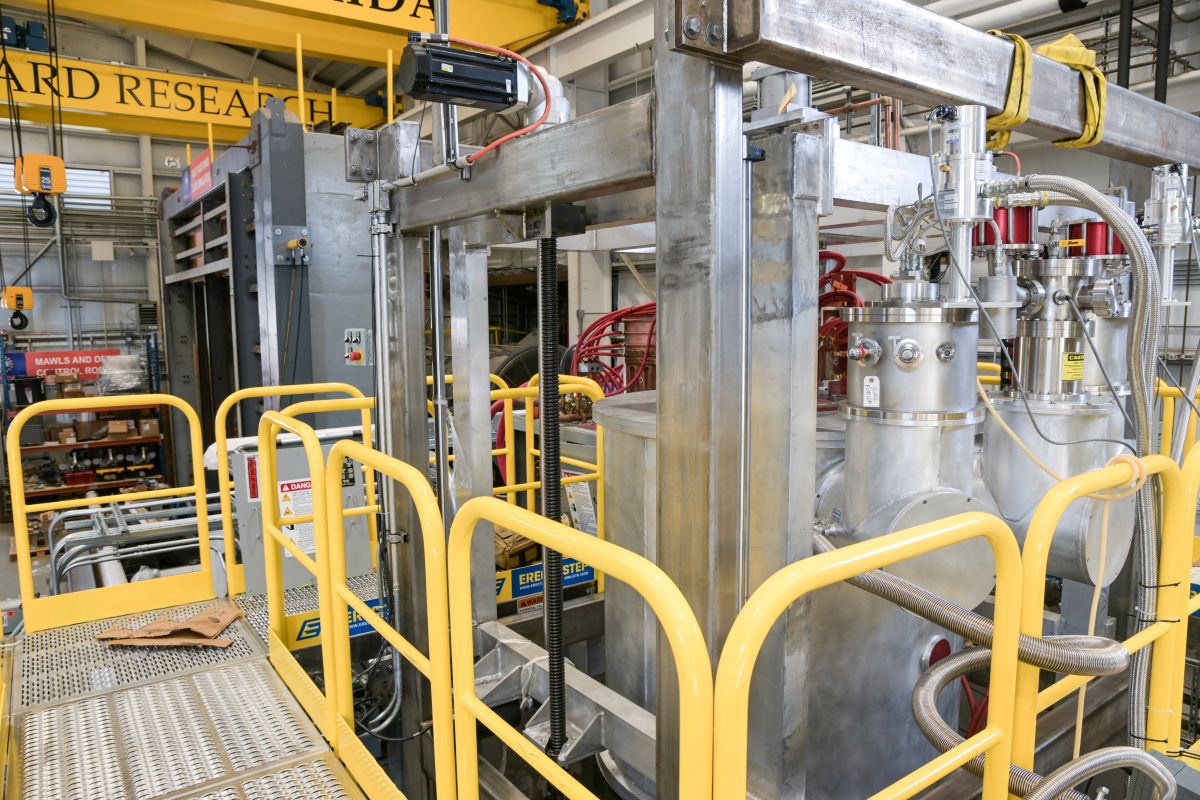
Imagine if producing steel parts for agricultural equipment or even aluminum soda cans required only a fraction of the energy it does today. A University of Florida-led innovation may soon make this a reality. In a groundbreaking collaboration backed by a nearly $11 million federal grant, UF researchers have developed a first-of-its kind superconducting magnet that could advance metal production and position the United States as a global leader in alloy production. “This revolutionary technology has the potential to substantially reduce the cost and energy use of heat treatments in the steel industry, and we are excited to help pave the way for its adoption in industry.” —Michael Tonks, Ph.D., UF’s interim chair of Materials Science and Engineering Funded by the U.S. Department of Energy’s Advanced Manufacturing Office, the project uses Induction-Coupled Thermomagnetic Processing, or ITMP, an advanced manufacturing method that integrates magnetic fields with high-temperature thermal processing. The national consortium of industry, academic and national laboratory partners is now led by Michael Tonks, Ph.D., UF’s interim chair of Materials Science and Engineering, who succeeded Michele Manuel, Ph.D., the project’s long-time leader. “This revolutionary technology has the potential to substantially reduce the cost and energy use of heat treatments in the steel industry, and we are excited to help pave the way for its adoption in industry,” said Tonks. It’s not just any piece of equipment; it’s a custom-built superconducting magnet with a unique ability to combine magnetic fields with high-temperature thermal processing. In partnership with the UF physics department, Oak Ridge National Laboratory, or ORNL, and six companies interested in the technology, the magnet and cylinder induction furnace now sit atop a 6-foot-high platform. The prototype, which costs more than $6 million to purchase and install, is capable of processing steel samples up to 5 inches in diameter making it a rare asset for academic research. Yang Yang, Ph.D., UF materials science research faculty member, estimated ITMP could reduce steel processing time by as much as 80 percent, cutting energy use and operational costs. “Thermomagnetic processing changes a material’s phase stability and kinetic properties, accelerating carbon diffusion in steel, said Yang. “Traditional furnaces cannot achieve these advanced material properties.” The system works by modifying the driving forces for important steel phase changes, which shortens heat treatment. “What normally takes eight hours can be done in just a few minutes.” Yang explained. “The magnetic field acts as an external driving force to make atoms diffuse faster.” Unlike conventional energy sources like electricity or natural gas, the ITMP process uses volumetric induction heating along with high-static magnetic fields to lower energy consumption. The project is still in a pilot phase and requires additional research and testing. At ORNL, researchers emphasized the rarity of UF’s prototype, citing its unprecedented combination of magnetic field strength and ability to process large samples and components. “This could significantly advance U.S. manufacturing and process efficiency for heat treatment of materials such as metal alloys of steel or aluminum,” said Michael Kesler, Ph.D., ORNL research scientist and lead collaborator. Kesler noted successful implementation of this technology could contribute to a reliable energy grid and more efficient industrial electrification. UF researchers contend it could also reduce carbon emissions, supporting cleaner, more sustainable manufacturing processes. The tall, two-level magnet now resides in the Powell Family Structures and Materials Laboratory on UF's East Campus. MSE plans to officially unveil it in December, inviting representatives from national labs, industry and academia. While Engineering students will have future opportunities to use it for research and experiential learning, UF researchers are optimistic about potential industry adoption for industrial manufacturing in the next five to 10 years. The award is part of a $187 million DOE initiative to strengthen competitiveness in U.S. manufacturing. If successful, the innovation could redefine how the world shapes the materials of tomorrow.