
Experts Matter. Find Yours.
Connect for media, speaking, professional opportunities & more.

Citizen Science project set to explore the microbiome of kitchen chopping boards
Researchers in the College of Health and Life Sciences at Aston University have been awarded funds to explore the microbiome of the kitchen chopping board with the help of ‘citizen scientists’. The grant is from UK Research and Innovation (UKRI) and the Food Standards Agency (FSA) as part of a larger project to investigate food standard challenges. The new citizen science project plans to recruit participants from underrepresented communities in the West Midlands to investigate levels of foodborne bacteria in the home and produce educational materials for their communities. Citizen science projects put the public at the heart of the research process. Rather than being the subjects of the research, citizens are actively involved in collecting and analysing data, and even deciding what questions they want to ask and co-developing the approaches with researchers citizen science also gives participants the opportunity to directly contribute to scientific research and influence policy. The research team in the School of Biosciences will recruit citizen scientists through its students, who will act as ambassadors in their own households and communities. The team will create methods for sampling bacteria from chopping boards and gather their observations with their team of citizen scientists and ambassadors. This will enable the researchers to identify the bacteria present and determine their antimicrobial resistance (AMR) profiles, providing opportunities for ambassadors and citizens to perform lab research. The researchers, alongside their ambassadors and citizens, will then co-design and disseminate educational materials on food hygiene tailored to their target communities and based on the findings of the study. Dr Alan Goddard, senior lecturer in the School of Biosciences and project lead, said: "Many foodborne infections begin in the home, often through poor hygiene where chopping boards provide an opportunity for raw foods to cross-contaminate. “This is why this project is an exciting opportunity to work with our students and communities to investigate a microbiological problem that causes significant disease every year. By working with the public, we get privileged access to authentic environments and can ensure our solutions are appropriate." At present, around 40 per cent of outbreaks of foodborne infections in Europe occur at home, with approximately 2.4 million cases of food poisoning occurring in the UK annually, leading to 180 deaths. A common source of such infections is poor food hygiene, with chopping boards, where raw foods may cross-contaminate, playing a key role in the infection chain. Misunderstandings, or poor food hygiene, may therefore contribute a significant disease burden. Professor Anthony Hilton, executive dean of the College of Health and Life Sciences said: “This exciting project brings together the expertise of University researchers with the natural inquisitiveness of members of the public to co-develop and undertake a research project which has the potential for real impact in reducing the burden of foodborne disease in the home.” The FSA and UKRI have awarded a total of £200,000 to fund six projects in order to bring the public and researchers together to investigate food standards challenges. All six projects include exploring the bacteria on home grown produce, parents testing the safety of baby formula, and people with food hypersensitivities analysing the allergens in food bought online. The citizen science projects are all linked to the FSA’s Areas of Research Interest themes, covering issues such as antimicrobial resistance (AMR), food hypersensitivity and food safety and hygiene in the home. The funding was delivered in collaboration with the Biotechnology and Biological Sciences Research Council (BBSRC) and the Economic and Social research Council (ESRC), both part of UKRI. It is part of a wider effort to coordinate activities and develop a joined-up approach to tackle the challenges of maintaining safe food in the UK. Professor Robin May, Chief Scientific Advisor for the FSA said: "I’m delighted that the FSA is supporting these exciting citizen science projects across the country. In addition to delivering invaluable data, these projects will allow the communities we serve to help build the evidence on which policy decisions are made. We are committed to using science and evidence to tackle the latest food-related issues and citizen science is a fantastic way of doing this." The citizen science project investigating the microbiome of the kitchen chopping at Aston University will start in January 2022, concluding in July 2022.


'Tangled Up' reveals science and history of Alzheimer's
A new book from leading University of East Anglia dementia expert Prof Michael Hornberger investigates the science and history of Alzheimer's disease. 'Tangled Up - The science and history of Alzheimer's disease' is available as a paperback or e-book. Prof Hornberger researches groups that are at higher risk of developing dementia (because of genetics, lifestyle or their other health condition) and works to help reduce this risk or delay the symptoms of dementia. He also explores the nature of support for those who have been diagnosed with dementia and helping the patients and their families and carers prepare for the future. His background is as a neuroscientist and his work involves using innovative techniques (such as online games and driver behaviour) to identify the spatial or navigation issues that can occur long before before diagnosis of dementia and before the traditional impacts on memory arise. He developed the mobile game Sea Hero Quest that can detect people at risk of Alzheimer's. His work enables early prediction of the likelihood of dementia (sometimes a decade ahead) and the opportunity to manage the onset and reduce risk by as much as 30 per cent. Prof Michael Hornberger, from UEA’s Norwich Medical School, said: “Alzheimer's disease is the most common cause of dementia in the UK. It affects around one in 14 people over the age of 65 and one in every six people over the age or 80 – and it can affect memory, thinking skills and other mental abilities. “I wanted to write a book to help people better understand the science and history of Alzheimer’s disease. “It covers everything from the causes of Alzheimer’s, through to why people with Alzheimer’s ‘live in the past’ and practical advice for how people can reduce the risk of developing it. “At the end of the book, you will have become an Alzheimer’s disease science expert and can use your newfound knowledge to untangle this devastating disease,” he added.


Aston University professor named world expert in type 2 diabetes mellitus
Aston University professor emeritus, Cliff Bailey has been named as a world expert in type 2 diabetes mellitus by Expertscape, based on his research publications over the last ten years. Expertscape is designed to help find the most knowledgeable physicians and health professionals in the world. It objectively ranks people and institutions by their expertise in more than 27,000 biomedical topics. The announcement coincides with World Diabetes Day on 14 November – which marks the birthday of Frederick Banting, one of the discoverers of insulin. Cliff Bailey, professor of clinical science, and his colleagues in the College of Health and Life Sciences contributed key information to the development of metformin, now the most prescribed medicine in the world for the treatment of type 2 diabetes which is also on the World Health Organisation’s (WHO) list of essential medicines. More recently Cliff has been involved in the development of a new class of agents called SGLT2 inhibitors which are being used alongside metformin in the treatment of type 2 diabetes. Professor Cliff Bailey said: “I’m really pleased that our work continues to help people with diabetes to control their blood glucose and stay healthy.” Cliff has received several awards including the Banting Memorial Lecture Award – the highest award of Diabetes UK - and the Outstanding Achievement Award of the Lunar Society. Type 2 diabetes is the most common type of diabetes that affects more than 400 million people worldwide, including over four million people in the UK. It usually develops in middle or later life, is characterised by excess glucose in the blood, and usually results from a combination of impaired production and impaired activity of the hormone insulin. Type 2 diabetes has extensive detrimental effects on the heart, blood vessels, kidneys, eyes and nerves, and accounts for about 10% of the NHS budget.

On Rethink What’s Possible, a podcast by Milwaukee School of Engineering, MSOE students, faculty, staff, alumni and community partners share their inventions, research, industry trends, projects, experiences and how they’re rethinking what's possible. Artificial intelligence. Machine learning. High performance computing. Super computers. These terms have been around for quite a while now, but only in recent years the research has been put into practice and there are no signs of it slowing down. Episode Three, 'Humanizing Machine Learning,' Artificial intelligence (AI) is becoming prominent in more and more industries each day, including health care. Artificial intelligence (AI) is becoming prominent in more and more industries each day, including health care. Join Dr. Sheila Ross and Dr. John Bukowy, AI faculty experts from Milwaukee School of Engineering (MSOE) and student Ethan Hindes as they discuss the advancements of AI in “Humanizing Machine Learning,” part of the MSOE podcast, “Rethink What’s Possible.” They talk about its impact on their research with the Medical College of Wisconsin to identify and assess the severity of damage to blood vessels in kidneys. Hindes also discusses how he found his way to major in computer science. The podcast is available for download and well worth listening to. And, if you are a journalist interested in learning more or arranging an interview with Dr. Ross or Bukowy – simply click on either expert's icon now to arrange an interview today.



On Rethink What’s Possible, a podcast by Milwaukee School of Engineering, MSOE students, faculty, staff, alumni and community partners share their inventions, research, industry trends, projects, experiences and how they’re rethinking what's possible. Episode Four, 'Rooted in STEM,' features Seandra Mitchell, vice president of student affairs and campus inclusion, and Liz Taylor, director of STEM, as they dive into the importance of diversity in STEM and MSOE’s efforts to offer STEM experiences to shape a more equitable future. According to the National Science Foundation, 111,402 bachelor’s degrees in engineering were conferred nationwide in 2018, the most recent data available. Of those degrees, roughly 64% were white, roughly 12% were Hispanic or Latino, roughly 12% were Asian or Pacific Islander, roughly 4% were Black or African American, and the rest listed themselves as something else. In 2021, MSOE celebrated the opening of the We Energies STEM Center at MSOE. The new center is the premier STEM destination in Milwaukee for K-12 students and home to MSOE’s STEM outreach efforts. The purpose is to provide an accessible, dedicated space for students from all walks of life to explore, create and define their future in STEM. The podcast is available for download and well worth listening to. And, if you are a journalist interested in learning more or arranging an interview with MSOE's Director of STEM outreach, Liz Taylor – simply click on her icon now to arrange an interview today.


Rochester's David Primo on how the wealth tax proposal will (or won't) work
“The ‘wealth tax’ that’s being proposed in the current budget is really a tax on unrealized capital gains, so the stock that you have not sold yet but which has seen gains would be taxed before it is sold,” says David Primo, the Ani and Mark Gabrellian Professor and an associate professor of political science and business administration at the University of Rochester. “It applies only to the ‘richest of the rich’ and many questions remain as to how the operational and Constitutional concerns of it will be addressed. This proposal is much different from traditional wealth taxes where the idea has been to assess the wealth of tax payers every year and have the wealthiest individuals pay a tax on their net worth.” Primo is available for interviews and can discuss the precedent that this current wealth tax would establish with regard to taxing stock investments; if this is the best approach to taxing the wealthiest Americans; if it would even generate enough tax dollars to make a difference with the federal government’s current spending obligations; and more.



Presidential plantations – are they leaving out slavery when telling the story of America’s history?
The presidential plantations once belonging to George Washington, Thomas Jefferson, James Madison and James Monroe are picturesque destinations for tourists who want to learn more about these Founding Fathers from Virginia. But these museums often fail to adequately tell the stories of the enslaved people who lived and toiled there. UMW Professor of Geography Stephen Hanna's research on the topic was recently highlighted in Northern Virginia Magazine. Do plantation museums do justice to the memory of the enslaved? Local professor Stephen Hanna wanted to find out, so in 2014 he joined a team of researchers associated with TourismRESET, a world-wide network of scholars who study and challenge social inequity in tourism. Hanna, who teaches geography at the University of Mary Washington in Fredericksburg, received a grant from the National Science Foundation, enabling him to lead undergraduate students through multi-year research on how narratives and exhibits about enslaved populations and slavery were presented or absent at 15 different plantation sites. The goal was to present their findings to museum managers and thus facilitate more historically accurate and meaningful tours. His team is in the final stages of publishing a book summarizing their data and findings, to be released in March 2022. The full article is attached below and is well worth the complete read. If you are a journalist covering this critical topic about American history, then let us help with your questions and stories. Dr. Hanna is available to speak with media regarding this topic. Simply click on his icon to arrange an interview.


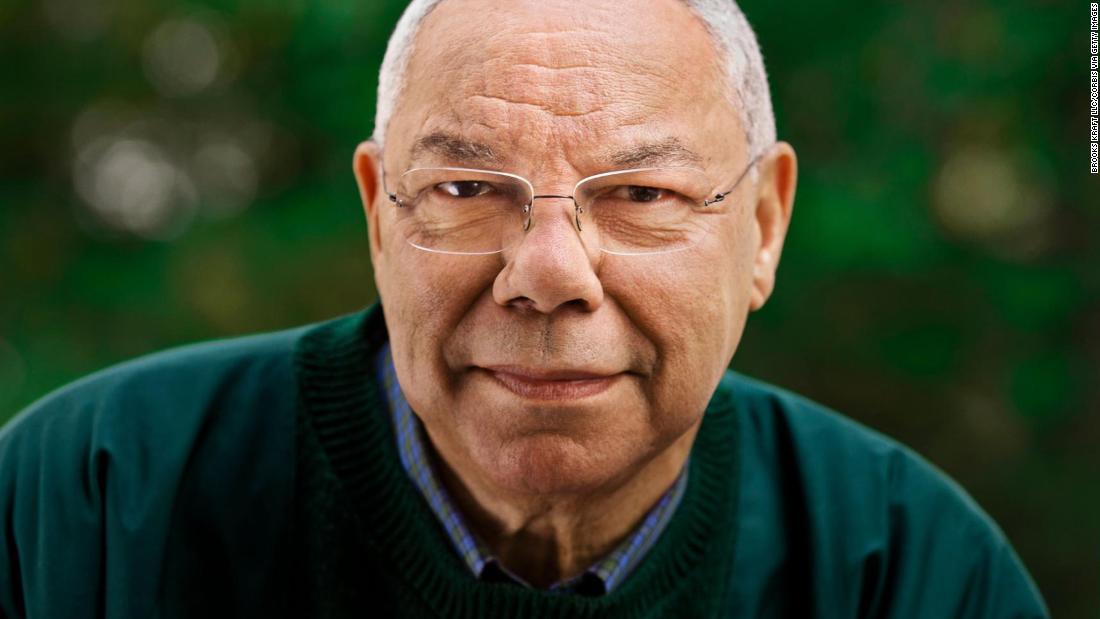
Covering the death of Colin Powell? UMW's foreign policy expert can help
Colin Powell, the first Black US secretary of state whose leadership in several Republican administrations helped shape American foreign policy in the last years of the 20th century and the early years of the 21st, has died from complications from Covid-19, his family said on Facebook. He was 84. "General Colin L. Powell, former U.S. Secretary of State and Chairman of the Joint Chiefs of Staff, passed away this morning due to complications from Covid 19," the Powell family wrote on Facebook, noting he was fully vaccinated. A source familiar with the matter said Powell had multiple myeloma, a cancer of plasma cells that suppresses the body's immune response. Even if fully vaccinated against Covid-19, those who are immunocompromised are at greater risk from the virus. "We have lost a remarkable and loving husband, father, grandfather and a great American," the family said. October 18 - CNN If you are covering the life and legacy of Colin Powell - then let our experts help with your questions and coverage. University of Mary Washington Political Science and International Affairs Professor Jason Davidson is an expert in American foreign and security policy, and international security. He is also the author of the commissioned study, "The Costs of War to United States Allies Since 9/11," which focuses extensively on the human and monetary sacrifices made by America's allies in these conflicts. Davidson, and the document, made waves this spring, landing in the likes of Forbes, The Guardian and The Daily Mail. If you’re looking to arrange an interview with Dr. Davidson, simply click on his icon.

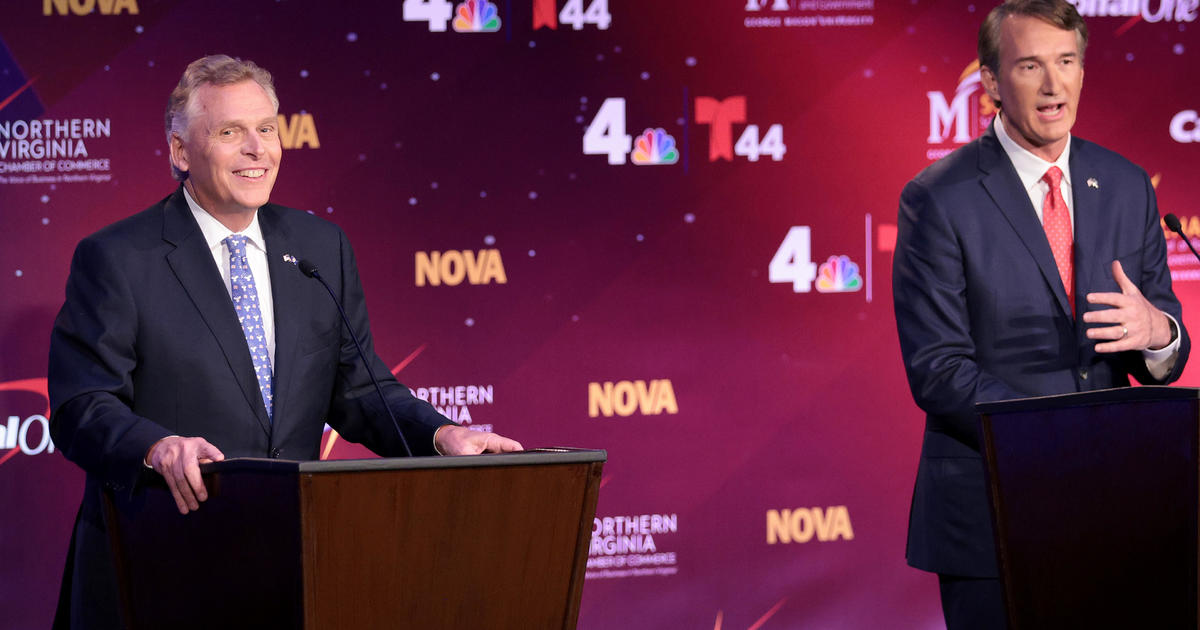
All eyes on Virginia – What’s at stake as the race for Governor goes into overdrive
Virginians are already voting to elect a new governor – and as political junkies, pundits and media across America know, this race could paint a picture of what’s to come in next year’s midterm elections and even as far away as 2024. Stephen Farnsworth, a political science professor at University of Mary Washington, said Mr. Biden's ability to sell his agenda will be "significantly deteriorated" if Republicans win the governor's mansion in Virginia. "If a Biden-like message offered by McAuliffe doesn't succeed in purple Virginia, a lot of Democrats around the country will wonder if it makes more sense to chart a more independent course," he said. CBS News – October 07 Dr. Stephen Farnsworth is a sought-after political commentator on presidential politics. He has been widely featured in national media, including The Washington Post, Reuters, The Chicago Tribune and MSNBC. If you are a reporter covering Virginia's gubernatorial race, simple click on his icon to arrange an interview today.


Friends or enemies? Is there any solving the ancient secret that is Chinese diplomacy?
When it comes to trade, investment and trillions of dollars of opportunity for American companies – it would appear that China and the United States should be close-knit allies. However when it comes to military escalation, an emerging global bull and national security – China is also a country that the U.S. government is very concerned about. NPR recently got in touch with UMW Professor of Political Science and International Affairs Elizabeth Larus to lend her expertise when it comes to the politics of China. Elizabeth Larus, who teaches Chinese studies at the University of Mary Washington in Virginia, says any economic "de-coupling" between the U.S. and China will be very difficult. "You can't just say you're going to pick up your factory and move all your resources and have a consistent, reliable energy source and the shipping port to get your stuff out at a decent price, and the logistics. China has nailed that down," said Larus, the author of Politics and Society in Contemporary China. China's President Xi Jinping uses this as leverage, she noted. "One of the goals of this Xi Jinping regime is to make the world really reliant on China for its supply chain, but not to have China reliant on the rest of the world," she added. "So that makes it difficult for the businesses." Is there a way out of this downward spiral? "I do not see a de-escalation anytime soon," she said. October 08 - NPR There will be no easy or immediate solution to the hot-and-cold relationship between the United States and China. But if you are covering this ongoing story – then let our experts help with your questions and coverage. Dr. Elizabeth Larus is an expert in the politics of China. She is available to speak to media, simply click on her icon to arrange an interview today.
