
Experts Matter. Find Yours.
Connect for media, speaking, professional opportunities & more.

As April marks Autism Acceptance Month, journalists looking to move beyond awareness and into meaningful storytelling have access to a diverse group of experts from the University of Delaware. From innovative health technologies to classroom strategies, mental health support and adulthood transitions, these scholars offer fresh, research-backed perspectives on what it means to support autistic individuals across the lifespan — and why the conversation is evolving. Reimagining Health Through Technology and Inclusion Daehyoung “DH” Lee Assistant Professor Dr. Lee is exploring how technology can close health gaps for individuals with intellectual and developmental disabilities. His work focuses on mobile health apps and wearable devices — including a gamified intervention designed to improve physical, mental and cognitive health outcomes. Story angles: How gamification and wearable tech are transforming health outcomes for autistic individuals The future of inclusive digital health tools Addressing disparities in physical activity and wellness Why Motor Skills Matter in Autism Anjana Bhat Professor A leading researcher on motor development in autistic children, Dr. Bhat has spent years advancing understanding of how motor challenges impact daily life. She was recently named a Catherine Worthingham Fellow for her contributions to the field and for elevating the role of physical therapy in autism care. Story angles: The overlooked link between motor skills and autism Why physical therapy should be part of early intervention New research reshaping how clinicians and families approach care Centering Lived Experience in Education and Development Sarah Curtiss Assistant Professor Dr. Curtiss examines how to build programs that truly support autistic youth by grounding them in lived experience. Her work spans social development, sexuality education, family dynamics and the transition to adulthood — always with a focus on resilience and real-world context. Story angles: Rethinking how schools support autistic students beyond academics Conversations around sexuality education and autism What successful transitions to adulthood really require Preparing Educators for Complex Needs Sarah Mallory Assistant Professor With expertise spanning the School of Education and the Center for Disabilities Studies, Dr. Mallory focuses on preparing educators to work with students who have significant behavioral and academic needs. Her work also includes empowering individuals with developmental disabilities to make self-protective decisions and navigate complex social situations. Story angles: Supporting students with intensive needs in today’s classrooms Teaching self-advocacy and safety skills Training the next generation of special education professionals Mental Health and Systems-Level Support Alisha Fletcher Director, Delaware Network for Excellence in Autism A licensed clinical social worker with more than 20 years of experience, Fletcher leads efforts to support professionals and families across Delaware. Through training and technical assistance, she addresses the mental health and service needs of autistic individuals across settings. Story angles: The growing demand for autism-informed mental health care Supporting families navigating complex service systems Building statewide networks that improve outcomes Why This Matters Now As acceptance grows, so does the need for deeper, more nuanced coverage. Autism is not a single story — it intersects with health care, education, technology, family life and public policy. These experts can help audiences better understand those intersections and highlight solutions that are already making a difference. To contact any of these experts, please email MediaRelations@UDel.Edu.

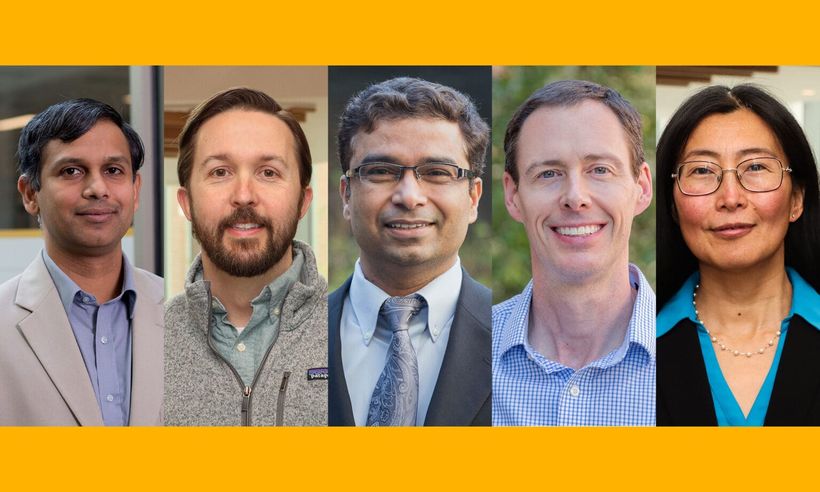
National Academy of Inventors welcomes five VCU College of Engineering researchers
The National Academy of Inventors (NAI) recently inducted five Virginia Commonwealth University (VCU) College of Engineering researchers as senior members. Chosen for their innovative engineering contributions, the honorees are recognized as visionary inventors whose groundbreaking research and patented technologies are driving meaningful societal and economic advancements across the national innovation landscape. “Invention represents the practical application of knowledge and stands as one of the many ways engineers can make a positive impact on their communities and the world,” said Azim Eskandarian, D.Sc, the Alice T. and William H. Goodwin Jr. Dean of the VCU College of Engineering. “This year’s honorees exemplify the interdisciplinary nature of our field, leveraging advanced concepts from mechanical, biomedical, chemical and pharmaceutical engineering to address today’s most pressing challenges. We are immensely proud that our dedicated researchers have earned recognition as members of the esteemed National Academy of Inventors.” The VCU College of Engineering NAI inductees are: Jayasimha Atulasimha, Ph.D. Engineering Foundation Professor Department of Mechanical & Nuclear Engineering An internationally recognized pioneer of straintronics, an approach to electrically control magnetism for ultra-low-energy computing, Atulasimha has made significant research contributions to next-generation memory, neuromorphic hardware and emerging quantum computing technologies. He holds four U.S. patents spanning energy-efficient magnetic memory, nanoscale computing architectures and medical tools. Atulasimha’s commercially viable inventions are funded by organizations like the Virginia Innovation Partnership Corporation and he leads multi-institutional collaborations that drive innovation in computing hardware, AI and quantum technologies with more than $10 million in funded research. Casey Grey, Ph.D. Postdoctoral Research Associate Department of Mechanical & Nuclear Engineering Bridging engineering and medicine, Grey’s work spans life‑saving stroke technologies, breakthrough respiratory and neurological care, and sustainable packaging. As a lead R&D scientist at WestRock, he helped create and commercialize the CanCollar® portfolio, a recyclable paperboard replacement for plastic beverage rings now used on five continents, eliminating thousands of tons of single‑use plastic annually. In medical device innovation, Grey’s patent and development work on a novel cyclic aspiration thrombectomy platform, currently in clinical trials, is advancing stroke treatment by enhancing clot removal efficiency and reducing long‑term disability. At the VCU College of engineering, Grey built a research and commercialization pipeline around neurological and respiratory technologies, securing eight provisional patents and leading multidisciplinary teams in neurology, neurosurgery, surgery, pharmacology and toxicology, internal medicine, and respiratory medicine. His work includes developing dry powder inhaler strategies for delivering life‑saving drugs to patients with acute respiratory distress syndrome (ARDS), a pediatric bubble CPAP system designed to protect brain development in premature infants, and non‑invasive, non‑pharmacological 40 Hz neuromodulation therapies to treat neurodegeneration and conditions with significant central nervous system complications, like sickle cell disease. In collaborations with the VCU Children’s Hospital and VCU Critical Care Hospital, Grey is leading two clinical studies that are translating these innovations to improve patient care. Ravi Hadimani, Ph.D. Associate Professor and Director of Biomagnetics Laboratory Department of Mechanical & Nuclear Engineering Hadimani founded RAM Phantoms LLC, a VCU startup company, commercializing anatomically accurate, MRI-derived brain phantoms for neuromodulation and neuroimaging applications. These brain phantoms help test and tune transcranial magnetic and deep brain stimulation technologies, improving clinical safety and enabling personalized therapy for patients. RAM Phantoms is also developing a highly-skilled workforce for employment in Virginia’s growing biomedical device industry. Beyond commercialization, Hadimani maintains a productive research program with more than $4.5 million in funding resulting in 125 original peer-reviewed publications, 17 current and pending patents, a book, and several book chapters. His biomagnetics lab serves as a training ground for undergraduate, graduate and Ph.D. students to hone their skills in innovation management, intellectual property strategy and startup development. Several students from Hadimani’s lab have engaged in translational research, patent co-authorship and start-up formation, cultivating a new generation of engineer-entrepreneurs equipped to drive future technological advances. Before joining VCU, Hadimani led the development of hybrid piezoelectric–photovoltaic materials that established FiberLec Inc., which commercialized multifunctional energy-harvesting fibers capable of converting solar, wind and vibrational energy into usable electricity. Worth Longest, Ph.D. Alice T. and William H. Goodwin, Jr. Distinguished Chair Department of Mechanical & Nuclear Engineering Uniting aerosol science, biomedical engineering and computational modeling, Longest is revolutionizing inhaled drug delivery. Working with collaborators, his lab has developed novel devices, formulations and delivery platforms that precisely target medications to the lungs, addressing conditions like cystic fibrosis, pneumonia, acute respiratory distress syndrome and neonatal respiratory distress syndrome. These innovations have resulted in multiple patents. Some of them have been licensed through commercial partnerships like Quench Medical, an organization advancing inhaled therapies for applications like lung cancer. Collaborating with the Gates Foundation and the lab of Michael Hindle, Ph.D., from the VCU Department of Pharmaceutics, Longest’s team developed a low-cost, high-efficacy aerosol surfactant therapy for pre-term infants based entirely on technology developed at VCU. The invention eliminates intubation, reduces dosage by a factor of 10, and cuts treatment costs. Over 9 million infant lives are projected to be saved by this technology between 2030 and 2050. Through a long-term collaboration with the U.S. Food and Drug Administration, Longest’s in vitro and computational methods provide federal regulatory guidance for generic inhaled medications. The VCU mouth-throat airway models developed under his leadership are used globally across the pharmaceutical industry and in government laboratories. Hong Zhao, Ph.D. Associate Professor Department of Mechanical & Nuclear Engineering Zhao holds 40 patents with innovations spanning additive manufacturing, stretchable electronics, inkjet printing technologies and superoleophobic materials that repel oils, greases, and low-surface-tension liquids. Her research has applications across health care, sustainable energy and advanced manufacturing. Prior to joining the College of Engineering, Zhao served as a senior research scientist and project leader at the Xerox Research Center, where she developed high-performance materials and printing technologies for commercial deployment. Her industry experience makes Zhao’s lab a hub for innovation and mentorship, with students engaging in innovative research and co-authoring publications. Zhao is an invited reviewer for more than 50 premier journals and grant agencies. “Working with distinguished researchers and innovators like those inducted into the National Academy of Inventors is a great honor for me,” said Arvind Agarwal, Ph.D., chair of the Department of Mechanical & Nuclear Engineering and NAI fellow. “They are an inspiration and showcase the kind of impact engineers can make. Having all five of these innovators as part of our department amplifies the scientific richness of our college and its societal impact. They advance the college’s mission of Engineering for Humanity, with research that brings a positive change to our world.” The 2026 NAI class of senior members, composed of 231 emerging inventors from NAI’s member institutions, is the largest to date. Hailing from 82 NAI member institutions across the globe, they hold over 2,000 U.S. patents.



Surprising finding could pave way for universal cancer vaccine
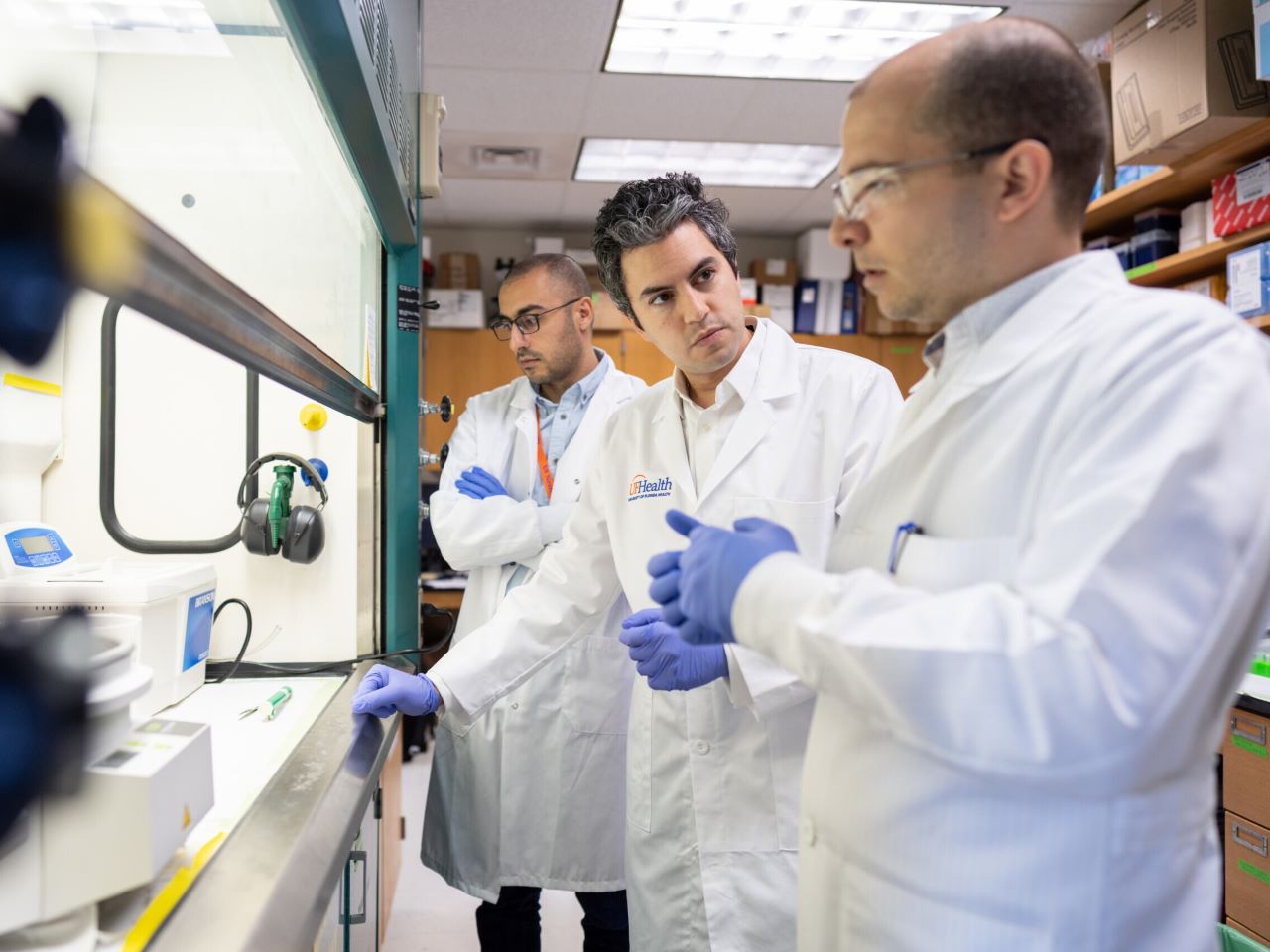
An experimental mRNA vaccine boosted the tumor-fighting effects of immunotherapy in a mouse-model study, bringing researchers one step closer to their goal of developing a universal vaccine to “wake up” the immune system against cancer. Published today in Nature Biomedical Engineering, the University of Florida study showed that like a one-two punch, pairing the test vaccine with common anticancer drugs called immune checkpoint inhibitors triggered a strong antitumor response in laboratory mice. A surprising element, researchers said, was that they achieved the promising results not by attacking a specific target protein expressed in the tumor, but by simply revving up the immune system — spurring it to respond as if fighting a virus. They did this by stimulating the expression of a protein called PD-L1 inside of tumors, making them more receptive to treatment. The research was supported by multiple federal agencies and foundations, including the National Institutes of Health. Senior author Elias Sayour, M.D., Ph.D., a UF Health pediatric oncologist and the Stop Children's Cancer/Bonnie R. Freeman Professor for Pediatric Oncology Research, said the results reveal a potential future treatment path — an alternative to surgery, radiation and chemotherapy — with broad implications for battling many types of treatment-resistant tumors. “This paper describes a very unexpected and exciting observation: that even a vaccine not specific to any particular tumor or virus — so long as it is an mRNA vaccine — could lead to tumor-specific effects,” said Sayour, principal investigator at the RNA Engineering Laboratory within UF’s Preston A. Wells Jr. Center for Brain Tumor Therapy. “This finding is a proof of concept that these vaccines potentially could be commercialized as universal cancer vaccines to sensitize the immune system against a patient’s individual tumor,” said Sayour, a McKnight Brain Institute investigator and co-leader of a program in immuno-oncology and microbiome research. Until now, there have been two main ideas in cancer-vaccine development: To find a specific target expressed in many people with cancer, or to tailor a vaccine that is specific to targets expressed within a patient's own cancer. “This study suggests a third emerging paradigm,” said Duane Mitchell, M.D., Ph.D., a co-author of the paper. “What we found is by using a vaccine designed not to target cancer specifically but rather to stimulate a strong immunologic response, we could elicit a very strong anticancer reaction. And so this has significant potential to be broadly used across cancer patients — even possibly leading us to an off-the-shelf cancer vaccine.” For more than eight years, Sayour has pioneered high-tech anticancer vaccines by combining lipid nanoparticles and mRNA. Short for messenger RNA, mRNA is found inside every cell — including tumor cells — and serves as a blueprint for protein production. This new study builds upon a breakthrough last year by Sayour’s lab: In a first-ever human clinical trial, an mRNA vaccine quickly reprogrammed the immune system to attack glioblastoma, an aggressive brain tumor with a dismal prognosis. Among the most impressive findings in the four-patient trial was how quickly the new method — which used a “specific” or personalized vaccine made using a patient’s own tumor cells — spurred a vigorous immune-system response to reject the tumor. In the latest study, Sayour’s research team adapted their technology to test a “generalized” mRNA vaccine — meaning it was not aimed at a specific virus or mutated cells of cancer but engineered simply to prompt a strong immune system response. The mRNA formulation was made similarly to the COVID-19 vaccines, rooted in similar technology, but wasn’t aimed directly at the well-known spike protein of COVID. In mouse models of melanoma, the team saw promising results in normally treatment-resistant tumors when combining the mRNA formulation with a common immunotherapy drug called a PD-1 inhibitor, a type of monoclonal antibody that attempts to “educate” the immune system that a tumor is foreign, said Sayour, a professor in UF’s Lillian S. Wells Department of Neurosurgery and the Department of Pediatrics in the UF College of Medicine. Taking the research a step further, in mouse models of skin, bone and brain cancers, the investigators found beneficial effects when testing a different mRNA formulation as a solo treatment. In some models, the tumors were eliminated entirely. Sayour and colleagues observed that using an mRNA vaccine to activate immune responses seemingly unrelated to cancer could prompt T cells that weren’t working before to actually multiply and kill the cancer if the response spurred by the vaccine is strong enough. Taken together, the study’s implications are striking, said Mitchell, who directs the UF Clinical and Translational Science Institute and co-directs UF’s Preston A. Wells Jr. Center for Brain Tumor Therapy. “It could potentially be a universal way of waking up a patient’s own immune response to cancer,” Mitchell said. “And that would be profound if generalizable to human studies.” The results, he said, show potential for a universal cancer vaccine that could activate the immune system and prime it to work in tandem with checkpoint inhibitor drugs to seize upon cancer — or in some cases, even work on its own to kill cancer. Now, the research team is working to improve current formulations and move to human clinical trials as rapidly as possible. While the experimental mRNA vaccine at this point is in early preclinical testing — in mice not humans — information about available nonrelated human clinical trials at UF Health can be viewed here.
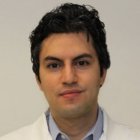

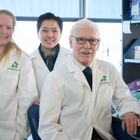
Two rising cancer researchers from ChristianaCare’s Cawley Center for Translational Cancer Research were recognized for outstanding scientific contributions at the University of Delaware’s Annual Biology Research Day Conference on January 30, 2026. The awards highlight the strength and impact of colorectal cancer research underway at the Cawley Center. Anh Nguyen, a third year Ph.D. student, received the conference’s first place poster award for his project, “FGF19/FGFR4 Axis: A Key Driver in Tumor Growth and Treatment Resistance in Colorectal Cancer.” His research explores a signaling pathway that may lead to new strategies for targeting treatment resistant disease. Molly Lausten, a fifth year Ph.D. student, earned third place for her presentation, “Investigating the role of miR 27a 3p in the WNT signaling pathway and chemoresistance in colorectal cancer stem cells.” Her work examines a key microRNA that may influence resistance to therapy, a major challenge in treating aggressive tumors. “These awards reflect far more than individual excellence,” said Bruce M. Boman, M.D., Ph.D., MSPH, FACP, senior scientist and director of Cancer Genetics at the Cawley Center. “They show the power of rigorous, curiosity driven science to move the field forward. Molly and Anh are tackling some of the hardest questions in colorectal cancer, and their success speaks to the innovative environment we are building at ChristianaCare. I could not be more proud of their achievement and their commitment to improving outcomes for patients.”


How ACL injury derailed Lindsey Vonn's heroic return to Olympic competition
An ACL rupture couldn't keep skiier Lindsey Vonn off the slopes to start this week's Olympics. But according to the University of Delaware's Dr. Karin Silbernagel, the injury likely contributed to her inability to land safely Sunday on the downhill course in Cortina d’Ampezzo, Italy. The crash ended her heroic return to competition Dr. Silbernagel, a professor of physical therapy, studies tendon injuries in the ankle and knee in elite athletes, especially Achilles ruptures and ankle function. She was quoted in an ESPN story about the rash of such injuries in the NBA and can specifically address the impact they could have on competition now and for the rest of an athlete's career. Her research shows that even after successful surgery, many athletes return to competition but not many among them return to peak explosiveness or durability. The impact a major injury would have on a fresh injury like Vonn's is obvious, she said. Dr. Silbernagel's research on ankle and knee injuries dates back to the early 2000s. She consults with professional sports teams relating to tendon injuries and is a consultant to the NFL's Musculoskeletal Committee. To connect directly with Dr. Silbernagel and arrange an interview, visit her profile and click the "contact" button. Interested members of the media can also send an email to MediaRelatons@udel.edu.


What makes the NFL's biggest game so Super?
Why would someone pay $10,000 for a Super Bowl ticket? Why does the big game serve as a reason for a party – perhaps the only event to do so on a national level? How do teams lock in and play their best while the whole world is watching? University of Delaware experts can deliver answers to those and other questions long before the first chip hits the dip. Amit Kumar, an assistant professor of marketing and expert on happiness, said that part of the reason people derive hedonic benefits from buying tickets to sporting events like the Super Bowl is because of the memories they provide and the conversational value they generate. He pointed to his study on consuming experiences, which found that consumers derive more happiness from purchasing experiences than from buying possessions. Kumar can also talk about the benefits of Super Bowl parties and the psychology behind the social connections that take place at sports-related gatherings. Other UD experts who can comment on the Super Bowl include: • Kyle Emich, professor of management: The inner-working of teams, decision-making and how emotions influence cognitive processing. • John Allgood, instructor of sport management: Fan engagement and the economics of sports. • Nataliya Bredikhina, assistant professor of sport management: Athlete branding and event sponsorships. • Tim Deschriver, associate professor of sport management: Topics related to sports economics, finance and marketing. • Karin Sabernagel, professor of physical therapy: Specializes in lower extremity musculoskeletal injuries, sports medicine and tendon injuries (ankle, knee). To reach these experts directly and arrange interviews, visit their profiles and click on the "contact" button. Interested reporters can also contact MediaRelations@udel.edu.


Training champions: University of Delaware experts prepares students Olympic success
University of Delaware students, alumni and experts are very involved with this year's Olympics. The following are available for interview. Alumni Attending Olympic Games Shannon Colleton is a 2022 graduate of UD's Physical Therapy Sports Residency Program heading to the Winter Olympics with the U.S. Ski and Snowboard Team. She's specifically working as a PT for the women's speed skiing team (Super G and the downhill competitions). Students Covering Olympics Cris Granada, a senior communication major and member of UD's soccer team, has parlayed a summer internship with NBC Sports into a position as a production assistant with the network at the Winter Olympics. Professors with Olympic Expertise Matthew Robinson, professor of sport management in Lerner, is an all-around Olympics expert. He can talk about the host city, Milan, and the IOC's evolving model of hosting games in multiple locations. He can also talk about the idea of sport as a unifier despite what's going on in the world around us. Robinson can also talk about the burden the NHL faces, having to pause its season so players can compete on the world stage. While it's an honor to have an athlete represent their country on the world stage, it's also a risk to the professional team if they get hurt. The NBA feels similarly about the Summer Games. Soccer also pauses for the World Cup. Jeffrey Schneider, clinical instructor of kinesiology and applied physiology, has worked with Olympic figure skaters in the past and can speak as an expert on this sport. Thomas Buckley, professor of kinesiology and applied physiology, is an expert in ice hockey and bobsledding. He can talk about common injuries, risks/benefits. He noted that bobsledding has a surprisingly high rate of concussion and repetitive head trauma due to the speed of the sport. To contact Robinson and Buckley directly, visit their profile pages and click the "contact" button. Interviews for all the experts featured here can also be arranged by contacting mediarelations@udel.edu.


Gene Editing Breakthrough Offers New Hope for Head and Neck Cancer Patients
Researchers at the ChristianaCare Gene Editing Institute have made an important advance in treating head and neck cancers. By using CRISPR gene editing, the team found a way to restore how well chemotherapy works in tumors that have stopped responding to treatment. Their results, now published in Molecular Therapy Oncology, could change how doctors treat these aggressive cancers and give new hope to many patients who face limited options. Head and neck cancer is the seventh most common cancer worldwide, and cases are expected to rise by 30 percent every year by 2030. Even with progress in surgery, chemotherapy and immunotherapy, many patients still reach a point where treatment no longer works. The ChristianaCare team aimed to solve this challenge at its source. Targeting the Heart of Drug Resistance The researchers focused on a gene called NRF2. This gene acts like a master switch that helps cancer cells survive stress and resist chemotherapy. Because NRF2 plays such a central role in tumor growth, the team chose to develop a genetic therapy that disables the gene itself rather than targeting a single protein, which is common in traditional drug development. Since NRF2 is a transcription factor, shutting it down in a lasting way is more likely to succeed through CRISPR gene editing. Their major advance was showing that CRISPR can successfully disrupt NRF2 in head and neck cancer cells and in esophageal cancer cells. This work builds on earlier studies in lung cancer, where blocking NRF2 made tumors more sensitive to chemotherapy and improved survival in animal models. “Our goal was to break through the wall of drug resistance that so many patients face,” said Natalia Rivera Torres, Ph.D., the study’s lead author. “By precisely editing the NRF2 gene, we can make cancer cells vulnerable again to standard treatments. This could improve outcomes and quality of life.” Precision Matters: The Power of Target Choice The study also showed that the location of the CRISPR cut within the NRF2 gene makes a big difference. The strongest results came from targeting exon 4, a part of the gene that controls a key section of the NRF2 protein. Editing this region reduced NRF2 levels by 90 percent and made cancer cells much more sensitive to chemotherapy. In comparison, editing exon 2 was less effective even though it still caused high levels of gene disruption. The team also found that a process called exon skipping, where sections of genetic code are rearranged, can affect the outcome of gene editing. This discovery highlights how important careful design and testing are when building gene editing therapies. A Platform for Broader Impact ChristianaCare researchers saw the same results in both head and neck cancer cells and esophageal cancer cells. This suggests the strategy could help treat many solid tumors that have high levels of NRF2 and are known for strong drug resistance. “This is more than just a single experiment,” said Eric Kmiec, Ph.D., director of the Gene Editing Institute and senior author of the study. “We are building a platform that can be adapted to different cancers. Our earlier work in lung cancer showed the promise of this approach, and now we see it working in other hard to treat tumors. It is an exciting step toward making gene editing a meaningful part of cancer treatment.” Looking Ahead: Toward Clinical Application With these strong results, the team is now focused on finding the safest and most effective way to deliver the gene editing tools directly to tumors. Their goal is to reduce how much standard treatment a patient needs in order to get the best result with fewer side effects. “Drug resistance is one of the biggest challenges in cancer care,” Rivera Torres said. “If we can overcome it with gene editing, we could give patients more time, better quality of life and a renewed sense of hope.” Kmiec added, “We are committed to moving this technology forward quickly while always keeping the patient in mind. The future of cancer treatment is personal, precise and, we believe, within reach.”

The Doomscrolling Couple: Spending Time Together on Different Screens
In 2025, a lot of couples end their day the same way: lying in bed, each silently scrolling through an endless stream of bad news. They’re physically together, but emotionally somewhere else. Licensed Marriage & Family Therapist Gaea Woods sees this pattern constantly in her practice — and says doomscrolling has become a quiet third party in many relationships. “Phones are killing interpersonal relationships — not because tech is evil, but because we use it unconsciously at the moments connection matters most,” she says. “Even something as simple as being on your phone at dinner is a way to express, ‘I’m more interested in my phone than I am in you.’” Instead of talking about their day, fears, or plans, partners lie next to each other consuming the same distressing content, letting shared anxiety take the place of actual conversation. Research on doomscrolling backs up what Woods sees in the therapy room. Studies and reviews have found that compulsively consuming negative news online is linked with higher anxiety, depression, stress, sadness, and feelings of overwhelm, and even existential anxiety and pessimism about life. “Doomscrolling feels like you’re staying informed together,” Woods says, “but what’s really happening is that both nervous systems are getting more activated while neither partner is actually talking about what they’re feeling.” Relationship science adds another important piece: phubbing — phone snubbing during interactions. Multiple studies (including a recent meta-analysis published by Frontiers in Psychology) show that partner phubbing is associated with lower relationship and marital satisfaction, less intimacy and emotional closeness, and more conflict and jealousy. Woods describes what that looks like in real life: “You pick up your phone instead of saying, ‘That hurt my feelings.’ Your partner wonders, ‘Is she okay? Is he mad at me?’ and then they grab their phone too. Suddenly you’re two people on your phones instead of two people connecting.” Her core message for couples and for journalists covering modern relationships is that: scrolling together isn’t the same as being together. When screens become a third party at the table or in bed, intimacy quietly leaves the room. Featured Expert Gaea Woods, MA, LMFT – Licensed Marriage & Family Therapist specializing in digital dependency, intimacy and communication. She speaks to how doomscrolling and phone use act as a “third party” in relationships, why scrolling side-by-side increases emotional loneliness, and the practical phone rules that help couples rebuild genuine connection. Expert interviews can be arranged through the Offline.now media team.

Why Insomnia May Hold the Key to Treating Depression, According to MCG Research
William Vaughn McCall, MD, professor emeritus in the Department of Psychiatry and Health Behavior at the Medical College of Georgia at Augusta University, is leading a new multi-year clinical trial aimed at addressing insomnia and depression together — two conditions that frequently occur side by side. The Assessing Improvements in Mood and Sleep (AIMS) Trial, funded by the National Institutes of Health, is exploring whether treating sleep problems through psychotherapy can also reduce lingering symptoms of depression, particularly in older adults. McCall has served as professor and Case Distinguished Chairman of the Department of Psychiatry and Health Behavior at Augusta University since 2012. His research interests include depression, electroconvulsive therapy, quality of life, insomnia, and suicide. His research has been continuously funded by the National Institute of Mental Health since 1995, and he is the author of more than 400 publications, including more than 180 peer-reviewed journal articles. View his profile McCall’s work builds on decades of research examining how disrupted sleep contributes to mood disorders. While previous studies often focused on medication-based approaches, this trial takes a different direction by testing non-pharmacological therapies that target insomnia itself. The research team, which includes collaborators from multiple universities, is evaluating whether improving sleep quality can meaningfully lower depression symptoms for patients who remain symptomatic despite antidepressant treatment. “Ultimately, the hope is to find other avenues to reduce the risk for depression and depression symptoms,” McCall says. The trial is currently recruiting adults aged 55 and older who are experiencing both insomnia and depression, with options for both in-person and remote participation. For journalists covering mental health, aging, sleep science, or emerging clinical research, McCall is a key expert offering informed perspective on how sleep-focused interventions could reshape the future of depression treatment. The full article 'New MCG trial targets insomnia and depression symptoms' is available below: And if you're interested in talking with William Vaughn McCall, MD, simply click on his icon now to arrange a time for an interview today.

