Experts Matter. Find Yours.
Connect for media, speaking, professional opportunities & more.
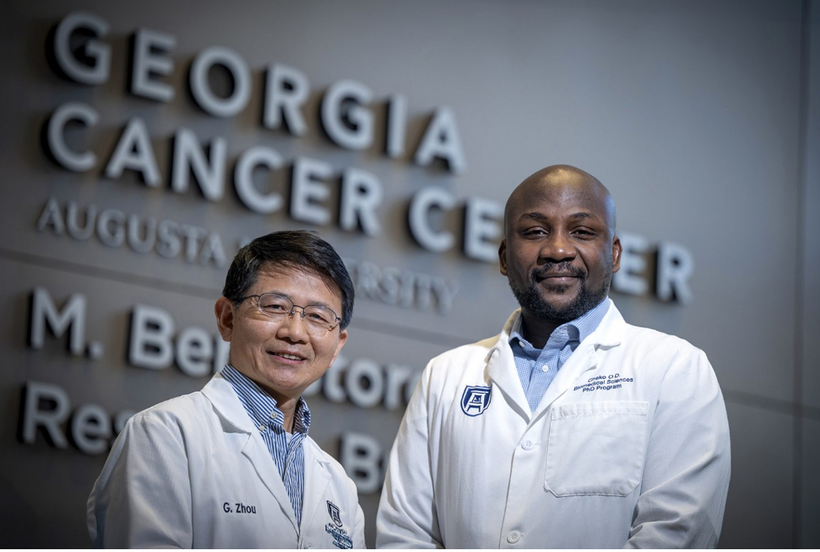
Fueling the Future of Cancer Immunotherapy: Gang Zhou’s Research Takes a Major Step Forward
Cancer immunotherapy has transformed how clinicians approach the treatment of certain blood cancers, but major limitations remain — especially when it comes to sustaining strong, long-lasting immune responses. Gang Zhou, PhD, a leading cancer immunologist at Augusta University’s Georgia Cancer Center and the Immunology Center of Georgia, is tackling these challenges head-on. Zhou’s work focuses on how T cells behave inside the body and how their performance can be enhanced to improve patient outcomes. His lab studies the forces that strengthen or weaken T cell responses, including their functional status, their ability to self-renew and the environmental pressures they face inside tumors. This deep understanding positions him as a key figure in the effort to advance next-generation immunotherapies. Recently, Zhou and his research team were awarded the first Ignite Grant from the Immunology Center of Georgia — a seed program designed to support bold, high-impact translational ideas. Their funded project aims to make CAR-T therapy more effective. CAR-T is a type of immunotherapy in which a patient’s own T cells are genetically modified to recognize and attack cancer cells. While this approach has revolutionized the treatment of certain blood cancers, it still faces obstacles such as limited cell persistence and reduced strength over time. “Our ultimate goal is to engineer T cells that not only survive longer but also remain highly functional, giving patients more durable protection against their disease.” Zhou’s team is addressing this issue by studying how a modified form of STAT5, a transcription factor that plays a key role in T cell survival and function, may help engineered T cells last longer and perform better. The ultimate goal is to create CAR-T therapies that maintain potency, withstand the harsh tumor microenvironment, and offer durable results for patients. The Ignite Grant recognizes not only the promise of this specific project, but also Zhou’s broader expertise in understanding how T cells can be guided, supported, and strengthened to fight cancer more effectively. His research contributes to a growing wave of scientific innovation aimed at improving immunotherapy outcomes for patients with both blood cancers and, potentially, solid tumors — an area where current treatments face significant barriers. As immunotherapy continues to evolve, the work led by Gang Zhou stands as a compelling example of how foundational science, translational research, and clinical ambition can work together to push the field forward. To connect with Dr. Gang Zhou - simply contact AU's External Communications Team mediarelations@augusta.edu to arrange an interview today.


CorriXR Launches Bold Collaboration to Create First Inhaled CRISPR Therapy for Lung Cancer
CorriXR Therapeutics, ChristianaCare’s first commercial biotherapeutics spinout, has launched a major collaboration with InhaTarget Therapeutics and Merxin Ltd to develop an inhaled genetic therapy for lung cancer. The goal is to deliver a CRISPR-based treatment straight to tumors in the lungs to improve effectiveness and cut harmful side effects. A New Way to Treat Lung Cancer Lung cancer remains one of the deadliest cancers worldwide. Squamous cell lung carcinoma, an aggressive form of non-small cell lung cancer, accounts for up to 30% of cases. More than 380,000 people are diagnosed each year, yet the five-year survival rate stays under 15%. Standard chemotherapy and immunotherapy often become less effective, and many patients develop resistance that leaves them with few options and rising toxicity. CorriXR is taking aim at this problem. Its CRISPR gene editing system targets NRF2, a key driver of treatment resistance. By switching off NRF2, the therapy has the potential to make tumors sensitive to chemotherapy again and give patients a chance at better outcomes. As reported in a recent paper in Molecular Therapy Oncology, researchers at ChristianaCare’s Gene Editing Institute showed in preclinical lung cancer models that disabling NRF2 can resensitize tumors to chemotherapy with minimal off-target effects. “This partnership is about more than science. It’s about hope for patients,” said Eric Kmiec, Ph.D., founder and CEO of CorriXR Therapeutics and chief scientific officer at ChristianaCare’s Gene Editing Institute. “Lung cancer patients deserve therapies that work and improve quality of life. By combining our CRISPR-based technology with inhaled delivery, we can target tumors directly and reduce systemic toxicity. Our goal is to make treatment simpler, more effective and less invasive.” How the Inhaled Delivery System Works The treatment will be given through inhalation using InhaTarget’s lipid nanoparticle formulation delivered by Merxin Ltd’s advanced inhaler platform. The goal is a non-invasive therapy that patients could use at home. “Combining our pulmonary drug delivery LNP platform with CorriXR’s groundbreaking science and Merxin Ltd’s device technology has the potential to reshape the landscape of lung cancer treatment. We are eager to advance work on this novel combination,” said Frédéric De Coninck, Ph.D., co-founder and CEO of InhaTarget Therapeutics. Merxin Ltd’s technology is central to the approach. Its inhalers are built to deliver precise, consistent doses straight to the lungs. For this collaboration, Merxin Ltd is adapting its device to handle lipid nanoparticle formulations for the first time in a cancer treatment. “Our advanced inhaler technology is designed to ensure non-invasive, precise, consistent delivery of novel therapeutics,” said Philippe Rogueda, Ph.D., co-founder and chief business officer of Merxin Ltd. “We are excited to contribute to this vital effort and help bring innovative solutions to patients with lung cancer.” Why This Matters Patients with squamous cell lung carcinoma often face a fast-moving disease and few treatment choices. A therapy that can reach tumors directly, reduce toxicity and avoid resistance would mark a major shift. “This collaboration underscores the power of combining innovative science with practical delivery solutions,” said Kmiec. “Our CRISPR-based approach is designed to overcome one of the toughest challenges in oncology: treatment resistance. By partnering with experts in inhalation technology, we are moving closer to a therapy that is not only effective but accessible.” Studies will begin soon, with a substantial set of results on effectiveness and impact expected by spring 2026.



AI Can’t Replace Therapists – But It Can Help Them
For a young adult who is lonely or just needs someone to talk to, an artificial intelligence chatbot can feel like a nonjudgmental best friend, offering encouragement before an interview or consolation after a breakup. AI’s advice seems sincere, thoughtful and even empathic – in short, very human. But when a vulnerable person alludes to thoughts of suicide, AI is not the answer. Not by itself, at least. Recent stories have documented the heartbreak of people dying by suicide after seeking help from chatbots rather than fellow humans. In this way, the ethos of the digital world – sometimes characterized as “move fast and break things” – clashes with the health practitioners’ oath to “first, do no harm.” When humans are being harmed, things must change. As a researcher and licensed therapist with a background in computer science, I am interested in the intersection between technology and mental health, and I understand the technological foundations of AI. When I directed a counseling clinic, I sat with people in their most vulnerable moments. These experiences prompt me to consider the rise of therapy chatbots through both a technical and clinical lens. AI, no matter how advanced, lacks the morality, responsibility and duty of care that humans carry. When someone has suicidal thoughts, they need human professionals to help. With years of training before we are licensed, we have specific ethical protocols to follow when a person reveals thoughts of suicide. Read the full article from US News & World Report here


Self-Guided Hypnosis Significantly Reduces Menopausal Hot Flashes
Can a simple daily audio hypnosis session help women find relief from one of menopause’s most disruptive symptoms – hot flashes – without medication? A new clinical trial led by Baylor University’s Gary R. Elkins, Ph.D., professor of psychology and neuroscience and director of the Mind-Body Medicine Research Laboratory, suggests it can. By decreasing hot flash frequency and intensity by over 50%, self-guided hypnosis offers a nonhormonal option for the millions of women whose hot flashes interfere with sleep, mood and quality of life. Published in the journal JAMA Network Open, the multicenter randomized clinical trial evaluated the effectiveness of a six-week, self-administered hypnosis program compared to a sham control using white noise. The study enrolled 250 postmenopausal women experiencing frequent hot flashes, including nearly 25% with a history of breast cancer – a group often excluded from hormone-based treatments. “It is estimated that over 25 million women in the United States have hot flashes, with up to 80% of women in the general population reporting hot flashes during the menopause transition, and 96% of women with breast cancer report hot flashes soon after beginning anti-cancer therapy,” Elkins said. “While hormone replacement therapy is highly effective in reducing hot flashes, it is not a safe choice for everyone, and therefore, women need additional safe and effective alternatives.” After six weeks of daily self-hypnosis audio recordings, participants reported a 53.4% reduction in both frequency and intensity of hot flashes, and at the 3-month follow-up, hot flashes were reduced by 60.9% compared to a 40.9% reduction for women in the control group. The guided self-hypnosis intervention had an even larger treatment effect on reducing hot flashes in women with a history of breast cancer (64% reduction after six weeks). Self-guided hypnosis: A breakthrough approach The study is the first to compare self-guided hypnosis with an active control condition (i.e. sham white noise control group), allowing researchers to better understand how much of the benefit came from people’s expectations or the placebo effect. “This was a major breakthrough and innovation, as almost all prior studies of mind-body interventions have only used wait-list, psycho-education or simple relaxation to compare the active hypnotherapy intervention,” Elkins said. “Also, all sessions were self-administered hypnosis, which demonstrated that women could learn how to use hypnosis for hot flashes on their own with support and guidance. Elkins emphasized that self-hypnosis provides benefits that are easily learned and practiced using audio recordings or app-delivered hypnotherapy. “It can be practiced at home without needing to travel for doctor visits, and it is relatively inexpensive compared to in-person sessions,” Elkins said. “Once a person learns how to use self-hypnosis to reduce hot flashes and improve sleep, it can be used for other purposes such as managing anxiety, coping with pain and for stress management.” At the 12-week follow-up, participants in the self-guided hypnosis group showed a 60.9% reduction in hot flashes as well as significantly greater improvements in sleep, mood, concentration and overall quality of life. Nearly 90% of participants in the hypnosis group reported feeling better, compared to 64% in the control group. “We are very excited about the findings from this important study,” Elkins said. “Our ongoing research aims to further determine how self-hypnosis can significantly improve sleep for breast cancer survivors and women in the peri- to post-menopause transition.” Through this and other studies, Elkins and his team have been able to determine that hypnotherapy is the only behavioral intervention consistently shown to reduce the frequency and severity of hot flashes to a clinically significant amount among both post-menopausal women and breast cancer survivors.


“See a gap, fill a gap.” That’s how Jeffrey Klibert, Ph.D., associate director of clinical training in Georgia Southern University’s Doctor of Psychology (PsyD), described the inspiration behind a project designed to extend behavioral health services in rural areas. Filling gaps is something Klibert said has always been a challenge in behavioral health care. This challenge became steeper in the aftermath of the COVID-19 pandemic. “When COVID hit, we saw some really alarming rates of people seeking services, and there just weren’t enough providers to meet that need,” Klibert said. “We saw waitlists that were six months, eight months, sometimes a year long.” Waitlists of this length are a common occurrence in Georgia’s rural areas, where resources are scarce and reported health outcomes are among the worst in the state. Klibert, along with colleagues Lindsey Stone, Ph.D., and Thresha Yancey, Ph.D., and students, is working to improve the situation across 14 rural counties in Georgia, thanks to the renewal of a research and training grant from the Health Resources and Services Administration. Stone and Yancey will supervise the trainees, while Klibert will oversee the entire program. The grant enables quantitative and qualitative research to increase access to behavioral health care in rural areas, while also providing Georgia Southern’s fourth-year PsyD students with hands-on training through local care providers. The ultimate goal is to develop more efficient and effective models for interprofessional, team-based care in areas of the state where it is most needed. “Everybody sees the need. We just need the glue to link everybody together,” Klibert said. “That’s what the program is trying to be. It’s trying to build those bridges to create a more comprehensive system of care.” Students will provide a range of services in collaboration with local care providers, including psychological assessments and therapy for individuals and families. Alex Cudd, a fourth-year PsyD student who joined the program in August, calls the experience “invaluable” and hopes to join the 94% of program alumni who currently provide care in rural settings. “In just a few months, I’ve learned so much about providing well-rounded care,” Cudd said. “I know I’ll carry this training into my career.” CarePartners of Georgia (CPGA), a resiliency- and recovery-based behavioral health agency serving Bulloch, Candler and Emanuel counties, is among the local providers partnering with Georgia Southern. “All the interns we’ve had from Georgia Southern understand the concept of recovery, are trauma-informed and very effective at delivering services,” said CPGA CEO David Crooke. “It’s been mutually beneficial. We are helping them further their education, and they quickly become important members of our team due to the breadth and depth of their knowledge.” Klibert notes that the grant’s initial four-year term brought significant improvements in local healthcare networks and enhanced communication between providers, something he sees as an investment in lasting success. “We’re doing some exciting stuff, but at the end of the day, we are very aware of making sure what we’re doing sticks and that we have the resources to continue care after the grant ends,” Klibert said. Looking to know more about Georgia Southern University's Doctor of Psychology Program or arrange an interview with Jeffrey Klibert — simply contact Georgia Southern's Director of Communications Jennifer Wise at jwise@georgiasouthern.edu to arrange an interview today.


U.S. News: AI Can’t Replace Therapists – But It Can Help Them
For a young adult who is lonely or just needs someone to talk to, an artificial intelligence chatbot can feel like a nonjudgmental best friend, offering encouragement before an interview or consolation after a breakup. AI’s advice seems sincere, thoughtful and even empathic – in short, very human. But when a vulnerable person alludes to thoughts of suicide, AI is not the answer. Not by itself, at least. Recent stories have documented the heartbreak of people dying by suicide after seeking help from chatbots rather than fellow humans. In this way, the ethos of the digital world – sometimes characterized as “move fast and break things” – clashes with the health practitioners’ oath to “first, do no harm.” When humans are being harmed, things must change. As a researcher and licensed therapist with a background in computer science, I am interested in the intersection between technology and mental health, and I understand the technological foundations of AI. When I directed a counseling clinic, I sat with people in their most vulnerable moments. These experiences prompt me to consider the rise of therapy chatbots through both a technical and clinical lens. AI, no matter how advanced, lacks the morality, responsibility and duty of care that humans carry. When someone has suicidal thoughts, they need human professionals to help. With years of training before we are licensed, we have specific ethical protocols to follow when a person reveals thoughts of suicide. Read the full article here:

Expanding Comprehensive Cancer Services to Middletown, Delaware
ChristianaCare’s Helen F. Graham Cancer Center & Research Institute is expanding access to high-quality, comprehensive cancer care for residents in Middletown and nearby communities. These services will be offered at the new Middletown Health Center, now under construction and expected to open in May 2027. “Our vision is to expand and grow our services throughout the region so that more patients can access high-quality cancer care close to home,” said Thomas Schwaab, M.D., Ph.D., Bank of America Endowed Medical Director of the Helen F. Graham Cancer Center & Research Institute. “By bringing our full cancer-care team and advanced technology to Middletown, we can provide highly precise, coordinated treatment while maintaining the same high standard of care our patients expect.” The cancer care services offered at the Middletown Health Center will reflect the same high-quality, comprehensive care provided at ChristianaCare’s Helen F. Graham Cancer Center & Research Institute in Newark. Patients will have access to specialists across all major cancer types, supported by the Graham Cancer Center’s participation in the National Cancer Institute Community Oncology Research Program (NCORP), which brings advanced treatments and clinical trials directly to the community. In Middletown, this means coordinated multidisciplinary treatment planning, advanced radiation therapy, infusion services, consultations with oncologists and surgeons, nurse navigation, supportive care, clinical trial participation and both in-person and virtual visit options. Advanced Technology Enhances Precision and Comfort When services open in Middletown, patients will have access to advanced radiation therapy using the Varian TrueBeam linear accelerator, one of the most sophisticated radiation therapy systems available. TrueBeam delivers highly precise, image-guided treatments for a wide range of cancers, allowing physicians to target tumors more accurately while minimizing radiation to healthy tissue. “The TrueBeam system represents a major step forward in how we deliver radiation therapy,” said Adam Raben, M.D., chair of Radiation Oncology at ChristianaCare. “Treatments that once took 30 minutes can now be completed in just a few minutes, with real-time imaging ensuring precision. This means better tumor control, fewer side effects and a more comfortable experience for patients.” A Growing Community with Expanding Health Care Needs Middletown is one of Delaware’s fastest-growing communities, with its population projected to rise 8% by 2029, nearly twice the statewide rate, according to the US Census Bureau. Since 1990, the town’s population has grown more than 550%, and the number of residents age 65 and older has increased 24% since 2020, driving demand for accessible, high-quality health care. With continued growth and an aging population, cancer service demand in Middletown is expected to increase by 11% over the next decade, according to health care forecasts from Sg2, a Vizient company, underscoring the need for expanded local care options. Expanding Access to Meet Future Cancer Care Demand By expanding services in Middletown, ChristianaCare is responding to both the region’s population growth and the increasing need for cancer care. The new site will help patients receive timely diagnosis and treatment while reducing travel time and improving coordination with the full Graham Cancer Center team. “As our community grows, so too does the need for locally accessible, state-of-the-art cancer services,” said Schwaab. “This expansion represents a pivotal investment in the health of the Middletown—Odessa—Townsend corridor and beyond.” $92 Million Investment in Middletown’s Health The $92.3 million Middletown Health Center reflects a deep investment in the health and vitality of the state. It is part of ChristianaCare’s larger plan, announced in July 2025, to invest more than $865 million in Delaware over the next three years. In addition to cancer care, the Middletown Health Center will offer a full range of services, including primary and specialty care, women’s health, behavioral health, cardiovascular care, pediatrics, neurology, imaging, diagnostics and lab testing. The center’s healing environment will also include walking trails and abundant natural light, making high-quality, convenient and coordinated care more accessible and welcoming for patients and families. The 87,000-square-foot Health Center will be located at 621 Middletown Odessa Road, next to ChristianaCare’s existing freestanding emergency department.
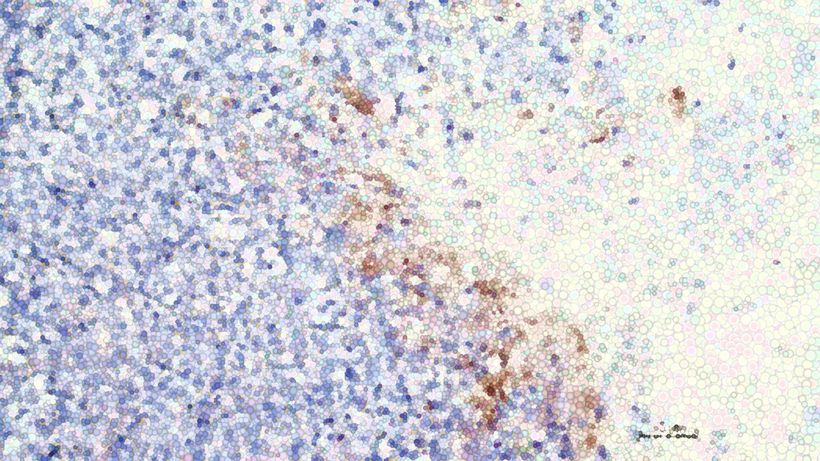
In a major step forward for cancer care, researchers at ChristianaCare’s Gene Editing Institute have shown that disabling the NRF2 gene with CRISPR technology can reverse chemotherapy resistance in lung cancer. The approach restores drug sensitivity and slows tumor growth. The findings were published Nov. 13, 2025 in the online edition of Molecular Therapy Oncology. This breakthrough stems from more than a decade of research by the Gene Editing Institute into the NRF2 gene, a known driver of treatment resistance. The results were consistent across multiple in vitro studies using human lung cancer cell lines and in vivo animal models. “We’ve seen compelling evidence at every stage of research,” said Kelly Banas, Ph.D., lead author of the study and associate director of research at the Gene Editing Institute. “It’s a strong foundation for taking the next step toward clinical trials.” Potential Beyond Lung Cancer The study focused on lung squamous cell carcinoma, an aggressive and common form of non-small cell lung cancer (NSCLC) that accounts for 20% to 30% of all lung cancer cases, according to the American Cancer Society. It’s estimated that over 190,000 people in the U.S. will be diagnosed in 2025. While the research centered on this cancer type, the implications are broader. Overactive NRF2 contributes to chemotherapy resistance in several solid tumors, including liver, esophageal and head and neck cancers. The results suggest a CRISPR-based strategy targeting NRF2 could help resensitize a wide range of treatment-resistant tumors to standard chemotherapy. “This is a significant step toward overcoming one of the biggest challenges in cancer therapy — drug resistance,” Banas said. “By targeting a key transcription factor that drives resistance, we’ve shown that gene editing can re-sensitize tumors to standard treatment. We’re hopeful that in clinical trials and beyond, this is what will allow chemotherapy to improve outcomes for patients and could enable them to remain healthier during the entirety of their treatment regimen.” Targeting a Master Switch for Resistance The research zeroed in on a tumor-specific mutation, R34G, in the NRF2 gene, which acts as a master regulator of cellular stress responses. When overactive, NRF2 helps cancer cells withstand chemotherapy. Using CRISPR/Cas9, the team engineered lung cancer cells with the R34G mutation and successfully knocked out NRF2. This restored sensitivity to chemotherapy drugs such as carboplatin and paclitaxel. In animal models, tumors directly treated with CRISPR to knockout NRF2 grew more slowly and responded better to treatment. “This work brings transformational change to how we think about treating resistant cancers,” said Eric Kmiec, Ph.D., senior author of the study and executive director of the Gene Editing Institute. “Instead of developing entirely new drugs, we are using gene editing to make existing ones effective again.” Editing Reaches Threshold Levels One of the most promising discoveries was that disrupting NRF2 in just 20% to 40% of tumor cells, was enough to improve the response to chemotherapy and shrink tumors. This insight is particularly relevant for clinical use, where editing every cancer cell may not be feasible. To test therapy in mice, the researchers used lipid nanoparticles (LNPs), a non-viral method with high efficiency and low risk of unintended, off-target effects. Sequencing confirmed that the edits were highly specific to the mutated NRF2 gene, with minimal unintended changes elsewhere in the genome. “The power of this CRISPR therapy lies in its precision. It’s like an arrow that hits only the bullseye,” said Banas. “This level of specificity with minimal unanticipated genomic side effects offers real hope for the cancer patients who could one day receive this treatment.”

NBA stars' leg injuries loom over the new season. What's the prognosis?
Over the past year, fans in multiple NBA cities watched in horror as their stars went down with major lower leg injuries. And even though players like Tyrese Haliburton (ankle), Jayson Tatum (ankle) and Kyrie Irving (knee) will be back at some point, it’s quite possible they will never return to their prior peak, says the University of Delaware’s Dr. Karin Gravare Silbernagel. Dr. Silbernagel, an associate professor of physical therapy at UD, studies tendon injuries in the ankle and knee in elite athletes, especially Achilles ruptures and ankle function. She was quoted in an ESPN story on this topic at the end of last season and can specifically address the stars' injuries and what it might mean for their careers. Her research shows that even after successful surgery, many players return to the court but not many among them return to peak explosiveness or durability. Dr. Silbernagel, whose research on ankle and knee injuries dates back to the early 2000s, can also talk about the larger pattern of lower leg injuries reshaping the NBA. She consults with professional sports teams relating to tendon injuries and is a consultant to the NFL's Musculoskeletal Committee. To connect with Dr. Silbernagel directly and arrange an interview, visit her profile and click on the "contact" button. Interested reporters can also email MediaRelatons@udel.edu.


Aston University: From Metformin to modern obesity therapies
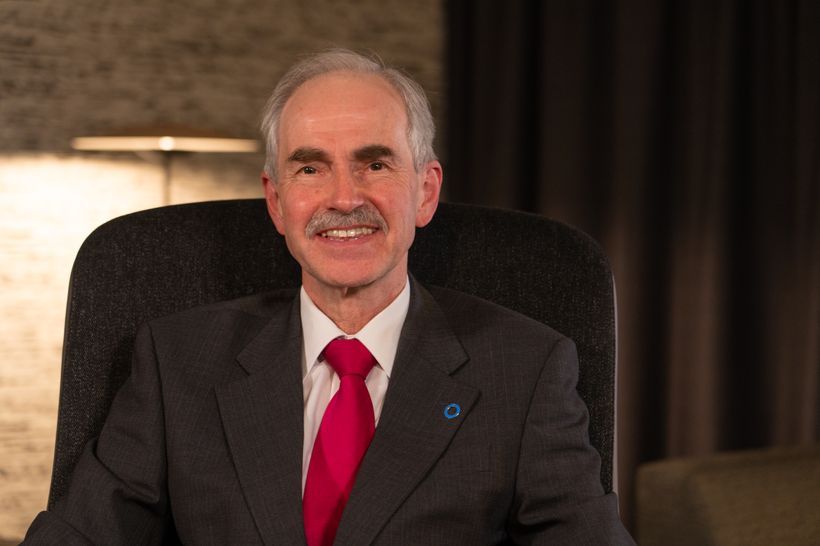
Early beginnings: from herbal medicine to modern drug The origins of a modern diabetes therapy can be traced back to Galega officinalis (goat’s rue), a herb used in European folk medicine for centuries to treat excessive thirst and urination. Its active chemical, guanidine, was found to lower blood sugar in animals in 1918, inspiring the synthesis of a family of drugs known as biguanides. Among these new drugs was metformin, created in 1922 and introduced as a treatment for diabetes in Europe in the late 1950s. However, by the 1970s, metformin was largely disregarded because other biguanide medicines were being withdrawn due to their side-effect of lactic acidosis. Revival in the 1990s: Aston’s role in rediscovery In the early 1990s, research at Aston University provided a decisive turning point. Professor Cliff Bailey and his colleagues revealed that metformin’s primary action occurred in the intestine, where it promoted glucose metabolism and reduced blood sugar without causing weight gain. Their studies clarified that concerns about lactic acid were largely due to misuse, not inherent toxicity. These findings reignited global interest in metformin. Professor Bailey presented his work as an expert witness to the US Food and Drug Administration in 1994, a critical step in securing approval of the drug in the US. He also assisted the European Medicines Agency during periodic reassessments. “My research has always focused on understanding how type 2 diabetes develops and how best to treat it.” Professor Clifford Bailey, Aston University. Establishing global first-line therapy Momentum built through the late 1990s. The UK Prospective Diabetes Study (1998) demonstrated that metformin not only improved blood sugar but also reduced cardiovascular risk, strengthening the case for its wider adoption. By 2012, the American Diabetes Association and the European Association for the Study of Diabetes recommended metformin as the preferred first-line treatment for type 2 diabetes. “We discovered that metformin worked somewhat differently from what was previously thought. By showing how it could be used safely and effectively, we helped pave the way for its wider acceptance.” Today, metformin is the most prescribed diabetes drug worldwide. It is included in the World Health Organization’s Essential Medicines List and has been taken by hundreds of millions of patients, profoundly reshaping global diabetes care. New directions: dapagliflozin and the SGLT-2 inhibitors After the success of metformin, Aston played a central role in the next wave of diabetes medicines. In the 2000s, Professor Bailey was principal investigator in clinical trials for dapagliflozin, the first of the sodium-glucose co-transporter-2 (SGLT-2) inhibitors. Unlike older therapies, SGLT inhibitors lower blood sugar by blocking reabsorption of glucose in the kidneys, causing excess glucose to be excreted in urine. Large international trials demonstrated additional benefits, including weight reduction, lower blood pressure, and improved outcomes for patients with kidney and heart disease. Since its launch in 2012, dapagliflozin has become the most widely prescribed SGLT-2 inhibitor, with more than five million patients treated. It is now embedded in global treatment guidelines, expanding therapeutic options to improve the control of blood glucose and body weight. Foundations for modern obesity therapies The influence of Aston University’s research extends beyond metformin and dapagliflozin. The University’s diabetes research team also studied gut hormones such as GIP (glucose-dependent insulinotropic peptide), which play a central role in regulating insulin secretion and fat metabolism. These early discoveries helped lay the groundwork for today’s incretin-based therapies, including combined GIP/GLP-1 receptor agonists such as tirzepatide. Now widely known as 'anti-obesity injections', these medicines emerged as diabetes treatments and are now transforming care for overweight people with and without type 2 diabetes. Key findings from the research at Aston University Metformin is now being investigated for its anti-ageing and fertility benefits Dapagliflozin shows promise against heart and kidney diseases and gout Gut hormones such as GIP may hold the key to entirely new treatment strategies Why does this matter? The work by Professor Bailey and his colleagues at Aston University has contributed to metformin’s recognition as the primary treatment worldwide for type 2 diabetes. Today, at least half of all patients in Western countries are prescribed metformin — an incredibly cost-effective medicine that continues to save lives. “We identified early on that gut hormones such as GIP were central players in the control of blood glucose and body weight — long before they became the basis for today’s new generation of anti-obesity medicines.” This original research helped lay the scientific foundation for breakthrough treatments like tirzepatide, widely hailed as a game-changer in obesity and diabetes care. Aston University also contributed to the development of dapagliflozin, the first in a new class of drugs that lower blood sugar while also protecting the heart and kidneys. “Millions of people worldwide are living longer and healthier lives because of therapies that have been underpinned by research at Aston University.” Looking ahead Type 2 diabetes remains one of the world’s most pressing health challenges, affecting more than 500 million people globally. Its progressive nature demands a continual search for safer, more effective treatments. From helping rescue a nearly forgotten drug in the 1990s to shaping the next generation of therapies, Aston University’s research has left an enduring mark on clinical practice, regulation, and patient outcomes. The legacy of this work is clear: millions of people worldwide are living longer, healthier lives because of medicines that Aston helped bring to the forefront of modern diabetes and obesity care. About Cliff Bailey is Emeritus Professor of Clinical Science and Anniversary Professor at Aston University in Birmingham, England. He has served on medical and scientific committees of Diabetes UK (formerly the British Diabetic Association), Society for Endocrinology, and European Association for the Study of Diabetes. He has served as a diabetes expert for the approval of new medicines by regulatory agencies including the European Medicines Agency and NICE. His research is mainly directed towards the pathogenesis and treatment of diabetes, especially the development of new agents to improve insulin action and reduce obesity, and the therapeutic application of surrogate beta-cells. Dr Bailey has published over 400 research papers and reviews, and four books, and he is particularly known for research on metformin. References to Case Studies and Key Sources Bailey CJ et al. Metformin: Changing the Treatment Algorithm for Type 2 Diabetes. Aston University REF Impact Case Study, 2014. Bailey CJ. Metformin: Historical Overview. Diabetologia, 2017. Bailey CJ & Day C. Treatment of Type 2 Diabetes: Future Approaches. British Medical Bulletin, 2018.