
Experts Matter. Find Yours.
Connect for media, speaking, professional opportunities & more.

Don’t Neglect Spiritual, Mental Health During this Time of Health Crisis, Baylor Expert Says
In a difficult and ever-changing time of crisis surrounding the spread of coronavirus, the basic needs of health and safety come first. But as these basic physiological needs are met, the more advanced care for spiritual and mental health can remain overlooked or ignored altogether. Baylor University’s Holly Oxhandler, Ph.D., LMSW., associate dean for research and faculty development and assistant professor the Diana R. Garland School of Social Work, is an expert on mental health, primarily anxiety and depression, as well as religion and spirituality in clinical practice. In this Q&A, she shares tips and resources to help unhook from the baser instincts of fear and anxiety, even momentarily, to monitor and care for spiritual and mental health needs. Q: During a crisis, why do spiritual and mental health needs tend to be overlooked or ignored? A: In the midst of a crisis, our natural reaction is to go into a fight-or-flight response to the situation. Our most basic needs must be met, such as finding a sense of safety, and our bodies are doing what they were designed to do: to protect us. For example, if we were to encounter a bear on a hiking trail, our sympathetic nervous system would be activated to meet the basic need of keeping us safe. Our spiritual and mental health are not primary needs in that moment of crisis. If we were to run from that bear and reach safety, our emotions would eventually become regulated, our breathing would become normal, and we could return to a generally balanced way of being that allows for attention to our spiritual and mental health. However, we are in a prolonged moment of crisis surrounded by uncertainty, constantly evolving news updates and daily threats to our and loved ones’ safety regarding our health, finances and sense of normalcy. In this state of constant stress, it can be really hard to unhook from the fight-or-flight response and remember to tend to our spiritual and mental health. Q: How can people tend to their spiritual health during this time of crisis? A: In this moment, most of us are being forced to be still and/or surrender the illusion of control in ways we have never faced before. In this stillness, our spiritual practices can help remind us of a divine Love that is with us through each moment, but we must intentionally set time aside to practice them. Plus, many research studies have shown healthy, positive spiritual practices have the potential to support our mental and physical health. One thing that’s very important, especially in the midst of this crisis, is that we do not spiritually bypass what’s happening. It may be tempting to want to jump to hope and ignore the pain, but to the best of our ability, our faith traditions teach us we must sit with and feel the grief rooted in the overwhelming change and loss we and our neighbors are facing. As Fr. Richard Rohr says, “If we do not transform the pain, we will most assuredly transmit it – usually to those closest to us.” We must be with the fear and uncertainty, grieve the loss of life as we knew it a few weeks ago, pray the psalms of lament, and feel the freedom to wrestle with and/or cry out to God in ways we read about others doing so in our sacred texts. The important thing is that each of us engages in something tied to our faith, regardless of what we believe in, and to be consistent in the practice, continually learning to surrender that sense of control we’re all finding ourselves learning to do right now. Spiritual Health Tips Prayer Reading our sacred text Meditation Centering prayer (my personal favorite, which teaches us silence, solitude and stillness) Breath prayers (here are some examples) Engaging in creativity (music, dance, art) as an act of worship Practicing gratitude Seeking beauty in the mundane Yoga Journaling Especially in this time of increased isolation, I would recommend inviting others into these practices for a sense of solidarity and community, including those within our home or via social media, video conferencing or by phone. Q: How can people tend to their mental health needs? A: The first practice I would recommend is to pause and breathe deep for 4-5 seconds, noticing your belly rise instead of your chest, and breathe out for 6-7 seconds. The second would be grounding. When our brain is flooded with information and emotion, it is hard to stay present. In grounding, we take a deep breath and ask ourselves five questions to return to the present moment: What do I smell right now? What do I taste? What do I see in front of me? What can I touch and feel the surface of? What do I hear? A third recommendation would be to get outside as often as you can and, ideally, into some sunlight. I would also recommend the practice of tuning into our bodies. For many of us, it can be difficult to pay attention to what our bodies are trying to tell us, in the same way our thoughts and emotions communicate with us. Especially now, pay attention to the tension in your neck, the overall exhaustion, the pain in your arm muscles, the tightness in your chest, or any other experiences you notice by tuning in. Your body may be trying to tell you to spend less time watching the news (maybe cut back to 1-2 times a day), to take a nap or to move it and exercise. Last, and perhaps most importantly, do not hesitate to reach out for help if you are noticing changes in your appetite, sleep, mood, thoughts or feelings. Stay in communication with loved ones but just as you would seek a medical doctor for a broken arm, seek a therapist when you notice changes in your mental health. Many therapists are quickly adapting to telehealth services in this moment to meet growing demands and social distancing expectations. Some sites for finding a therapist include Psychology Today or HelpPRO, and if you or a loved one are deeply struggling, please reach out to the National Suicide Hotline or call 800-273-TALK (8255). Reaching out for help with your mental health is a sign of courage, not weakness. Q: During this time of crisis, what populations do you feel are most vulnerable to mental or spiritual health decline? A: Honestly, I think every single one of us are vulnerable to mental and spiritual health decline during this moment for varying reasons. As mentioned before, these parts of us are easily brushed aside when we’re most focused on ensuring our basic needs of safety and security are met. Still, there are a few groups I’m especially sensitive to. The first are the helpers on the front line facing far more need than resources, time or energy to meet those needs. These include our health care providers, social workers, therapists, grocery and restaurant employees, teachers, parents, nonprofit organizations, faith leaders, volunteers, community leaders, pharmacists, lab technicians, scientists and more. These helpers are at such high risk of burnout and my hope is that, to the best of their ability, they are caring for themselves holistically in order to care for others well. I’m also sensitive to a few other groups who are vulnerable to mental and spiritual health decline. First, older adults are the most religious cohort and are already at risk for depression and isolation even without a crisis, so I worry for them in light of the necessary social distancing. Second, in light of added pressures, those with various mental illnesses must continue to care for themselves via the medication or therapy they need. Third, I’m sensitive to those who are recovering from a substance or behavioral addiction and are now surrounded by overwhelming stressors that put them at a higher risk of relapse. Thankfully, recovery groups are now moving online and I would encourage those in recovery or remain plugged into a group. Q: Many people are unable to access a doctor or professional therapist to get help. What are some resources for those that may need free or low-cost options? A: There are a number of websites that can help individuals find a professional mental health care provider, such as a licensed clinical social worker, psychologist, counselor or marriage and family therapist. I mentioned Psychology Today, HelpPRO, and the Suicide Prevention Hotline above, but there are others. Better Help and Talk Space are two growing online therapy sites and Low Cost Help elevates providers with affordable rates. I also host a weekly podcast, CXMH: Christianity and Mental Health, which has a ton of episodes on various topics related to this intersection, including a recent one specifically on COVID-19. You can also contact your insurance provider to see who is in network or, if you do have a primary care provider, see if they have any recommendations. Your local faith communities may also have a list of mental health care providers to consider. There are also many organizations committed to providing resources, including the Substance Abuse & Mental Health Services Administration, National Alliance on Mental Illness, and the National Institute on Mental Health. Q: How can neighbors help neighbors and individuals help individuals outside of the professional or therapy setting? A: I really want to emphasize that, especially in this moment, we must practice extending grace, being still and holistically caring for ourselves so that we can care for others well. We can do our part to serve those who are serving others, even if that means practicing social distancing and stillness, while tending to our spiritual and mental health. Discerning what is ours to do in this moment to offer help, healing, hope and love to our neighbors as well as ourselves, and to help protect our helpers from burning out, will be critical in the days and weeks ahead. As Chris and Phileena Heuertz shared in their prayer, A Call to Solidarity During COVID-19: “You’re not alone. We’re in this together. We’ll do everything we can to help.” ABOUT BAYLOR UNIVERSITY Baylor University is a private Christian University and a nationally ranked research institution. The University provides a vibrant campus community for more than 18,000 students by blending interdisciplinary research with an international reputation for educational excellence and a faculty commitment to teaching and scholarship. Chartered in 1845 by the Republic of Texas through the efforts of Baptist pioneers, Baylor is the oldest continually operating University in Texas. Located in Waco, Baylor welcomes students from all 50 states and more than 90 countries to study a broad range of degrees among its 12 nationally recognized academic divisions. ABOUT THE DIANA R. GARLAND SCHOOL OF SOCIAL WORK AT BAYLOR UNIVERSITY Baylor University’s Diana R. Garland School of Social Work is home to one of the leading graduate social work programs in the nation with a research agenda focused on the integration of faith and practice. Upholding its mission of preparing social workers in a Christian context for worldwide service and leadership, the School offers a baccalaureate degree (B.S.W.); a Master of Social Work (M.S.W.) degree available on the Waco or Houston campuses or online; three joint-degree options, M.S.W./M.B.A., M.S.W./M.Div. and M.S.W./M.T.S., through a partnership with Baylor’s Hankamer School of Business and George W. Truett Theological Seminary; and an online Ph.D. program. Visit www.baylor.edu/social_work to learn more.


Baylor Gerontology Expert Shares Tips to Care for Aging Population During Coronavirus Pandemic
“This is not a vacation from caring; it is a time when caring is needed most of all,” social work professor says The Center for Disease Control and Prevention (CDC) has announced that older adults and people who have serious chronic medical conditions such as heart disease, diabetes and lung disease are at a high risk for the coronavirus. The virus hit hard in late January at a nursing facility in the state of Washington, where a number of residents died. As a result, the CDC has recommended strong restrictions on visitors to long-term care facilities, and the health organization continues to preach limited physical contact and “social distancing” – creating intentional space of six feet or more between each person – to stem the spread of the virus. James Ellor, Ph.D., The Dorothy Barfield Kronzer Endowed Professor in Baylor University’s Diana R. Garland School of Social Work, is an expert on working with older adults as well as disaster behavioral health. He said it’s important in this time of uncertainty to continue to support and minister to those older adults who are self-isolating in their homes and those in long-term care facilities. “Remember, no one stops caring about others just because germs are in the way,” Ellor said. “Express your caring in appropriate ways. This is not a vacation from caring; it is a time when caring is needed most of all. We also know that prayer is very important. Hold the person in prayer and let them know you are doing so.” In the following Q&A, Ellor shares tips on how to care for this population during this time. Q: What are some ways we can check on older relatives and neighbors without using physical touch and interaction? A: There is a fine line in this unknown time between caution and paranoia. Respect for each other’s boundaries is the critical value. It seems very awkward to want to affirm someone, yet not shake their hand. However, we need to use our words and ask what the other person is comfortable with, and by the same measure, let them know what you are comfortable with. At this point, the most obvious ways to check on people is through social media or paper and pencil. Drop them a note, call them on a phone, use other social media devices as appropriate. I would suggest that if you normally visit them, say on Fridays, be sure to continue to do that, albeit by phone or even just drop them a card. Q: If people have chosen to self-isolate or if they’re scared to venture out due to this health crisis, what are some ways people can help? A: Be consistent. If you have a pattern, continue the pattern. Remember the principles above. If the person is feeling out of control, talk quietly with them and offer them a card or other gesture of caring. Q: Can you explain the importance of personal interaction for people who are shut in? A: People with human contact simply live longer than those completely cut off from the world, with few exceptions. While about 15 percent of older adults are “shut in,” only about 5 percent are bed bound. That means that persons who are dependent on oxygen, for example, will be in their house, but not in bed. They depend on all of their outside contacts. Keep your normal visiting pattern, albeit with a card in the mail or phone call. If you are a member of a church, have the youth group use some of their extra “stay at home” time to make greeting cards intended to cheer up a person in your church or group that is home bound. Older adults like tactile things, particularly if they are sensory-impaired. If you make a card, put a feather in it, or some other feel-good item. If you are purchasing a card, there are some that have things in them that you can feel, or even hear. Some cards will allow you to record a short message. Q: Since so many long-term care facilities now have strict rules about visitors, are there any ways that people can interact or show support to residents in a safe manner? A: Most facilities are cutting off all contact from the outside. Only their own staff, physicians and hospice nurses are being allowed in. Even social workers, chaplains and other clergy are being kept out. In the Waco area, physicians are being screened for a fever or cough and could be turned away. As such, phone calls, cards and letters are all important. Several facilities in this area have begun to put room numbers on the windows of their facility, so that family can come by and wave through the window. Persons in long-term care facilities, even those with dementia, will pick up on the anxiety of the staff and especially the TV, which is often on all the time. A person with dementia may not be able to understand the anxiety but will be anxious when others are anxious. This makes the job of staff that much harder. Q: Anything else you’d like to share? A: The workers at these homes have a much harder job now. Don’t hesitate to send them a card or a treat if it can be obtained safely. Staff, even the people at the door telling you that you can’t come in to see your loved one, have a tough job now and need extra support from everyone. ABOUT JAMES ELLOR, PH.D. James Ellor, Ph.D., serves as professor and The Dorothy Barfield Kronzer Endowed Professor in Family Studies in Baylor University’s Diana R. Garland School of Social Work. works with older adults around issues of mental and spiritual health. He has served on the executive committee of the Midwestern Geriatric Education Center and provided education, counseling, and planning for individuals and groups who work with seniors. His research includes work in entrostomal therapy, hunger, the church as service provider, spiritual assessment, and intervention techniques with cognitively impaired older adults. ABOUT BAYLOR UNIVERSITY Baylor University is a private Christian University and a nationally ranked research institution. The University provides a vibrant campus community for more than 18,000 students by blending interdisciplinary research with an international reputation for educational excellence and a faculty commitment to teaching and scholarship. Chartered in 1845 by the Republic of Texas through the efforts of Baptist pioneers, Baylor is the oldest continually operating University in Texas. Located in Waco, Baylor welcomes students from all 50 states and more than 90 countries to study a broad range of degrees among its 12 nationally recognized academic divisions. ABOUT THE DIANA R. GARLAND SCHOOL OF SOCIAL WORK AT BAYLOR UNIVERSITY Baylor University’s Diana R. Garland School of Social Work is home to one of the leading graduate social work programs in the nation with a research agenda focused on the integration of faith and practice. Upholding its mission of preparing social workers in a Christian context for worldwide service and leadership, the School offers a baccalaureate degree (B.S.W.); a Master of Social Work (M.S.W.) degree available on the Waco or Houston campuses or online; three joint-degree options, M.S.W./M.B.A., M.S.W./M.Div. and M.S.W./M.T.S., through a partnership with Baylor’s Hankamer School of Business and George W. Truett Theological Seminary; and an online Ph.D. program. Visit www.baylor.edu/social_work to learn more.

CRISPR is the genetic game changer – but are we ready?
CRISPR is here to stay – and the daily advances of this technology and stem cell therapy seem to be moving at a near exponential speed. “CRISPR Therapeutics of Zug, Switzerland, reported that one patient with sickle cell anemia and another with beta thalassemia appear to have benefited from the same CRISPR-based intervention for up to 9 months, STAT reports. (The company gave STAT an early look at the data but did not allow outside commenters to see the results.) Before the treatment, both patients required multiple infusions each year of red blood cells. CRISPR Therapeutics, collaborating with Vertex Pharmaceuticals, removed blood stem cells from their bodies and modified them with CRISPR to knock out a gene that shuts down production of fetal hemoglobin. When the edited cells were put back in each patient’s body through a stem cell transplant—which required a toxic chemotherapy to kill their own stem cells—both people produced high levels of fetal hemoglobin and no longer needed transfusions.” November 19 – Science Mag CRISPR and how it will shape the future of genetics, health care and society are the subject of great debate, hope and concern and if you are a journalist covering this topic and need an expert source for insight and perspective – let us help. Dr. Michael Davis researches cardiac regeneration, stem cell therapy and preservation at the Georgia Tech College of Engineering where he also is the Associate Chair for Graduate Studies in Biomedical Engineering. Michael is available to speak to media regarding this topic, simply click on his icon to arrange an interview.



Gene therapy and the next frontier of medicine
Genetic testing today is mainstream, marketing to consumers who want to know where in Europe they came from or what types of hereditary diseases they could develop. For around $200 you can trace your family tree to learn your origins or identify genetic abnormalities that could signal disease. James Dahlman, assistant professor in the College of Engineering’s biomedical engineering department, specializes in genetics and believes these genotyping services can be helpful, as long as they are used responsibly. “If you’re going to start making medical predictions, you have to be careful,” said Dahlman. “Most people are not equipped to interpret statistics correctly, which can lead to negative predicting and ethical dilemmas. In a few years, genetic counselors will be in high demand so folks can make better decisions about their health.” Dahlman is fascinated by genetics, citing gene therapy as the most interesting field in the world. And it’s a field that he is revolutionizing through his research. Gene therapy is an experimental technique that uses genes to treat or prevent diseases, including hemophilia, Parkinson’s, cancer and HIV. It can help manage a number of diseases by leveraging genes instead of drugs or surgery. Although gene therapy shows promise, there are still risks involved, including unwanted immune system reactions or the risk of the wrong cells being targeted. That’s where Dahlman’s research comes in. Dahlman’s lab focuses on drug delivery vehicles, which are nanoparticles. The nanoparticle delivers gene therapies to the right place in the body to fight disease. It’s critical that the gene therapies only target the unhealthy cells to avoid damaging healthy ones. Dahlman is laser focused on ensuring the nanoparticles know what paths to take to reach the correct organ to start the healing process. “The issue with genetically-engineered drugs is that they don’t work unless they get to the right cell in the body,” said Dahlman. “You can have the world’s best genetic drug that's going to fix a tumor or eradicate plaque, but it’s not going to be effective unless it travels to the right organ. In my lab, we design different nanoparticles to deliver the genetically-engineered drugs to the correct location.” The field of genetic therapy is fascinating – and if you are a journalist looking to cover this topic or have questions for upcoming stories – let our experts help. James Dahlman is an Assistant Professor in the Georgia Tech BME Department. He is an expert in the area of biomedical engineering and uses molecular biology to rationally design the genetic drugs he delivers. This research is redefining the field of genetic therapy. Dr. Dahlman is available to speak with media – simply click on his icon to arrange an interview.


Did you know? 18.8 million women and girls are living with HIV AIDS-related illnesses are the leading cause of death among females between the age of 15 and 49 1.8 million children are born with HIV, contracted from their mothers In sub-Saharan Africa, 3 in 4 new HIV infections in teenagers are among girls There are 5,000 new HIV infections per day Women continue to be disproportionally affected by HIV around the world, but particularly in sub-Saharan Africa, where three in four new HIV infections are among young girls. For women seeking care in developing countries, preventing and managing HIV is an expensive proposition. Truvada, the pre-exposure HIV treatment drug commonly known as PrEP, costs about $1,500 a month and must be taken daily for continual HIV protection. Likewise, the antiretroviral therapies that attempt to control HIV infection are costly at nearly $20,000 a year. These oral medications as therapy are a non-starter in developing nations like Africa, where nearly 30 million people are infected with HIV. But Phil Santangelo, biomedical engineering professor at Georgia Tech, has another approach in mind. He’s working on an aerosolized RNA-based HIV preventative that eventually could protect women against the disease. It’s applied vaginally and, currently, the aerosol has been tested in pre-clinical trials. The early results are promising; it’s been shown to create HIV antibodies that ward off the infection. It also has the potential to protect against genital herpes and other pathogens, depending on what protein the RNA encodes for. “A single administration of this aerosol is showing expression of antibodies against HIV for up to three months in pre-clinical trials,” said Santangelo. “Our hope is that this will be more affordable, granting easier access to women in developing countries, especially. With women’s health at the forefront of many conversations today, this has the potential to revolutionize disease prevention.” Eventually, Santangelo says RNA could be used for contraception as well – the RNA would express antibodies that inhibit sperm. Again, if birth control can’t be accessed in developing countries, a self-administered, inexpensive aerosol could change the lives of many women. Are you a journalist covering this very important topic? If you have questions or would like to know more about the research being conducted at the Georgia Tech College of Engineering – then let our experts help. Dr. Philip J. Santangelo is an Assistant Professor in the Wallace H. Coulter Department of Biomedical Engineering. Dr. Santangelo is an expert in the areas of therapeutics and vaccines and HIV/SIV and hRSV. He is available to speak with media regarding this emerging discovery - simply click on his icon to arrange an interview.

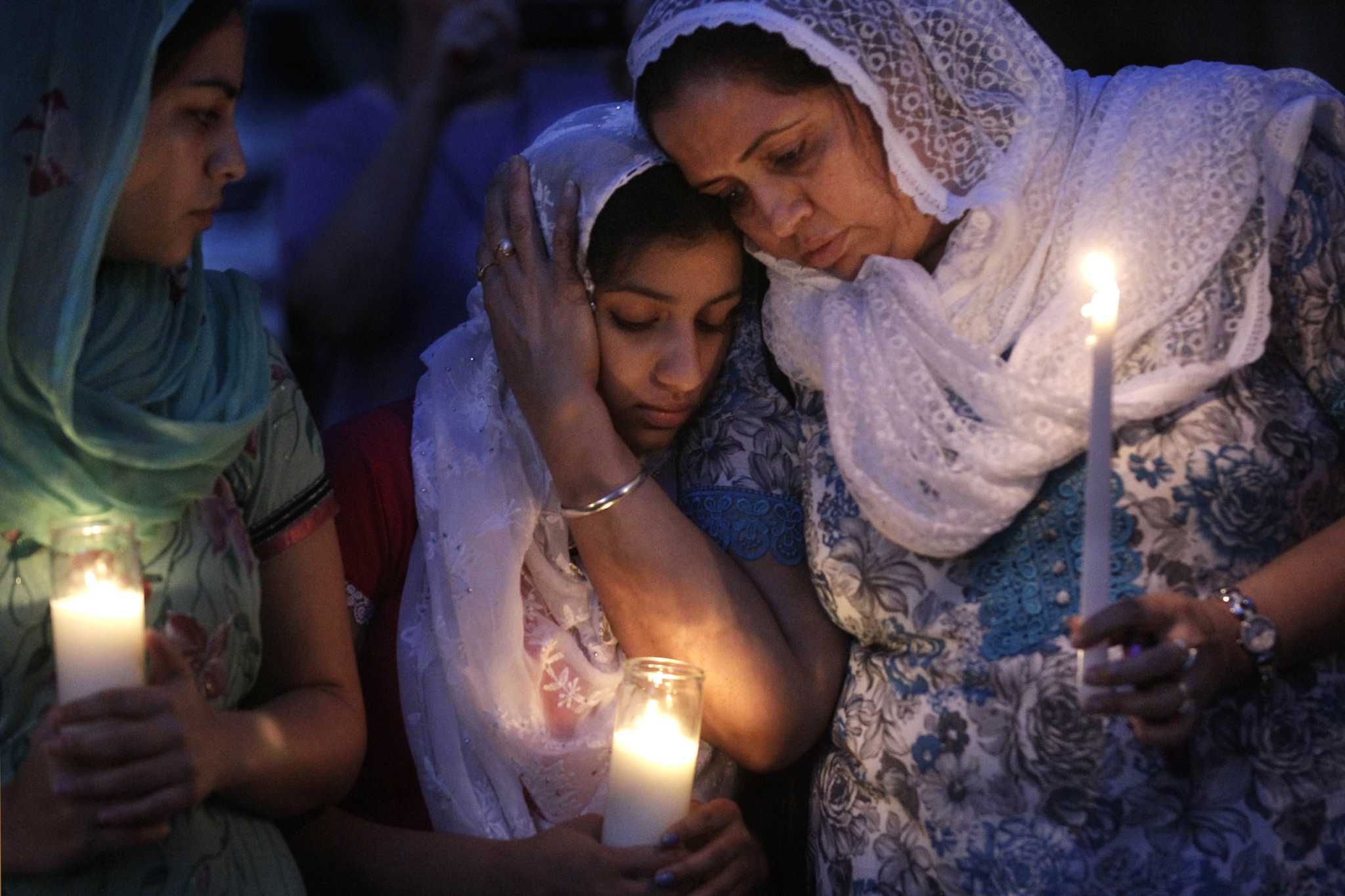
They are incidents that are now more common than a lot of people want to admit – and research is showing that mass shootings are taking a serious psychological toll on our country’s population. UMW’s Laura Wilson’s research was recently cited in media throughout the country for her work analyzing PTSD and its affects on witnesses to these events. “PTSD estimates 28 percent of people who have witnessed a mass shooting develop post-traumatic stress disorder (PTSD) and about a third develop acute stress disorder. Laura Wilson, an assistant professor of psychology at the University of Mary Washington in Virginia conducted a meta-analysis — an examination of data from 11 studies of PTSD symptoms among more than 8,000 participants who ranged from those who'd witnessed shootings to those who just lived in the communities in a 20-year period. She found the greater the exposure — someone who was at the scene or who lost a friend or family — the greater risk of developing PTSD. But, in her work, Wilson has found other factors, too, including previous psychological symptoms and a lack of social support, also played a role in increasing the likelihood. "Mass shootings are a different type of trauma," Wilson says. "People are confronted with the idea that bad things can happen to good people. ... Most people have a hard time reconciling the idea that a young, innocent person made the good decision to go to school, was sitting there, learning and was murdered. That does not make sense to us. ... It just rattles us to our core." And yet, some people don't fully appreciate the lasting psychological wounds of those who escaped physical harm.” June 02, Associated Press Are you covering this topic, or would you like to know more? That’s where UMW can help. Laura C. Wilson is a clinical psychologist whose expertise focuses on post-trauma functioning, particularly in survivors of sexual violence or mass trauma (e.g., terrorism, mass shootings, combat). Dr. Wilson is available to discuss this topic with media – simply click on her icon to arrange an interview.


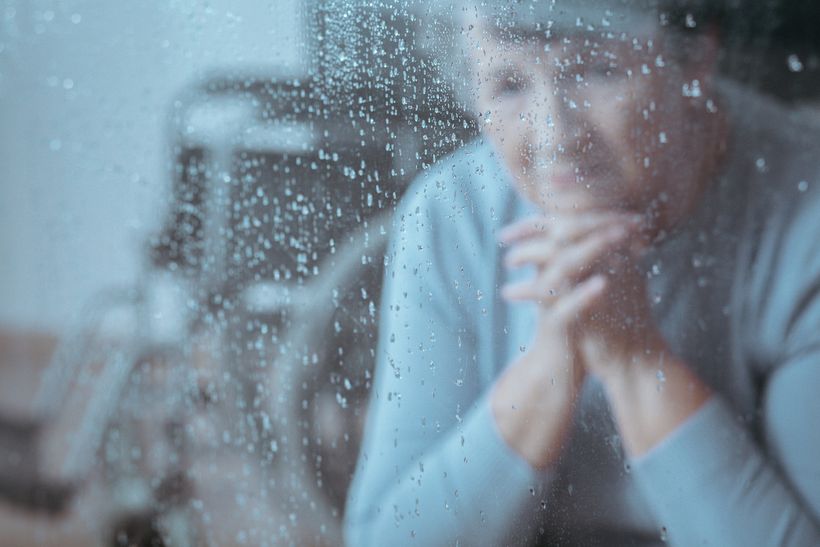
Baylor Gerontology Expert: Signs that Your Loved One is Suffering Elder Abuse
Each year, an estimated 5 million older adults are abused, neglected or exploited, according to the Administration for Community Living. Gerontology expert James Ellor, Ph.D., M.Div., professor in Baylor University’s Diana R. Garland School of Social Work, shares what elder abuse looks like and how people can respond if they see the signs. Reports of abuse are most often submitted by family members, hospital staff and law enforcement. But churches and other organizations should also be diligent, Ellor said, adding that clergy are considered mandatory reporters in many states. “No one group of caring persons can solve this problem alone; it takes a community of caring lay and professional leaders to even try to start to make a difference,” Ellor said. “If signs are noticeable, the next steps will depend on the type of abuse. In most cases, counseling support is critical, but often the need for medical help or legal help is also very important.” Elder abuse – intentional or negligent acts by a caregiver or trusted individual – comes in many forms: neglect or isolation, physical abuse, sexual abuse, exploitation or financial abuse, emotional and psychological abuse, verbal abuse and threats. Physical Abuse Like any other form of physical abuse, physical abuse incudes odd bruising, broken bones or contusions that are not easily explained, Ellor said. One sign that quickly raises suspicion is when broken bones or bruises happen repeatedly. Drug overdoses or the withholding of drugs are also challenging. Emotional abuse Ellor said this could include yelling at the senior, humiliating him or her, blaming and/or scapegoating. Sexual abuse “This is contact without consent,” Ellor said. “We see this often between spouses, particularly when one spouse has dementia.” Neglect “Possibly one of the most common categories, it simply means not taking the time to respond to a wide variety of needs when one is the designated caregiver,” Ellor said. Financial exploitation “Laws governing guardianship and power of attorney try to address this, but family members who take money from seniors as cash or property are the most common culprits,” Ellor explained. Fraud This can involve financial exploitation or even heath care fraud, but it generally involves either over-charging, selling unnecessary benefits of something, or it may include trying to sell something that would benefit one’s children, Ellor said. Self-Neglect “Some seniors simply choose to not help themselves, often in the name of leaving money or property to family members,” Ellor said. “Evidence of this could be that they don’t purchase needed medications or other resources.” Report suspected mistreatment to local adult protective services, long-term care ombudsman or law enforcement agencies that can investigate the situation. ALSO READ: "Gerontology Expert: Six Questions You Should Ask Before Choosing a Nursing Home" SEE: Baylor University's Directory of Faculty Experts ABOUT JAMES ELLOR, PH.D. James Ellor, Ph.D., M.Div., is a professor in Baylor University’s Diana R. Garland School of Social Work. Ellor works with older adults around issues of mental and spiritual health. He has served on the executive committee of the Midwestern Geriatric Education Center and provided education, counseling and planning for individuals and groups who work with seniors. His research includes work in entrostomal therapy, hunger, the church as service provider, spiritual assessment and intervention techniques with cognitively impaired older adults. ABOUT BAYLOR UNIVERSITY Baylor University is a private Christian University and a nationally ranked research institution. The University provides a vibrant campus community for more than 17,000 students by blending interdisciplinary research with an international reputation for educational excellence and a faculty commitment to teaching and scholarship. Chartered in 1845 by the Republic of Texas through the efforts of Baptist pioneers, Baylor is the oldest continually operating University in Texas. Located in Waco, Baylor welcomes students from all 50 states and more than 80 countries to study a broad range of degrees among its 12 nationally recognized academic divisions. ABOUT DIANA R. GARLAND SCHOOL OF SOCIAL WORK Baylor University’s Diana R. Garland School of Social Work is home to one of the leading graduate social work programs in the nation with a research agenda focused on the integration of faith and practice. Upholding its mission of preparing social workers in a Christian context for worldwide service and leadership, the School offers a baccalaureate degree (B.S.W.), a Master of Social Work (M.S.W.) degree and three joint-degree options, M.S.W./M.B.A., M.S.W./M.Div. and M.S.W./M.T.S., through a partnership with Baylor’s Hankamer School of Business and George W. Truett Theological Seminary, and a Ph.D. program. Visit www.baylor.edu/social_work to learn more.

‘The surprise, and the up side, is that episodic memories from before the children’s treatment were spared,’ Baylor researcher says Children with certain types of brain tumors who undergo radiation treatment are less likely to recall the specifics of events they experienced after radiation than to remember pre-treatment happenings, according to a Baylor University study comparing them to children with healthy brains. The finding is significant because children after treatment had less volume in the hippocampus — a part of the brain that plays an important role in memory. But while such a decrease usually is associated Alzheimer’s disease, dementia, brain injury, epileptic amnesia, encephalitis and aging, with those conditions both remote and recent memories are impaired, said lead author Melanie Sekeres, Ph.D., director of Sekeres Memory Laboratory at Baylor University. “The surprise, and the up side, is that episodic memories from before the children’s treatment were spared,” Sekeres said. For the study, published in The Journal of Neuroscience, researchers focused on “autobiographical memory,” which is linked to unique personal events and involves the recollection of emotional and perceptual details that allow a person to mentally re-experience the event, said Sekeres, assistant professor of psychology and neuroscience in Baylor’s College of Arts & Sciences. Radiotherapy and chemotherapy are used to treat the most common malignant brain tumor in children — a medulloblastoma. The reduced volume of the hippocampus is likely associated with radiation’s impact on the development of new cells in the nervous system, including the growth of new neurons in the hippocampus, or neurogenesis. “We know that these new cells play crucial roles in regulating memory and spatial learning, which is required to navigate. These treatments limit the brain’s ability to produce these new cells, which, in turn, limits the ability to form new memories,” Sekeres said. Research participants were 13 child survivors of brain tumors who had previously received radiotherapy and chemotherapy treatment at least one year before the study. Twenty-eight healthy youths of similar ages (ranging from 7 to 18) also were recruited for the study, conducted with The Hospital for Sick Children in Toronto, Ontario, Canada. All the youths completed the Children’s Autobiographical Interview — a standardized memory test — and underwent magnetic resonance imaging (MRI) of the brain. In individual interviews, children in both groups also were asked to recall memories from personal events that occurred at a specific time and place. Children were asked to recall a very old memory from an event before their radiation treatment (or an equally old memory for the healthy children) and a recent memory from within the past month. They were offered a list of events such as a birthday party, family trip, graduation and getting a pet but were told that they could choose another happening. The interview allowed children to freely recall without prompting before being asked general and specific questions about the event. “They have a hard time forming new, detailed memories,” Sekeres said. For example, when talking about a recent birthday party for a friend, they might tell how they met the friend and what that individual likes to do, but few specifics such as what they wore, the type of cake, what friends were there and what activities they did at the party, she said. “Such specific details might seem trivial, but these are precisely the kinds of details that allow us to vividly replay important events in our lives,” Sekeres said. “For most events, though, even healthy people forget a lot of specific details over time because we typically don’t need to retain all that incidental information. Some forgetting is normal and adaptive, and what we remember is the gist of an older event.” The patients were just as capable as healthy children of recalling these older memories, she said. But for children with brain tumors who have undergone radiation, the study suggested “deficits in their ability to either encode and/or retrieve highly detailed memories for personal events,” Sekeres said. “And those are the kind of memories that allow us to understand who we are and give us rich personal lives. “The study identifies an area of cognition that is inadvertently impacted by standard treatment, which has real consequences for the quality of life of the survivors. The physicians’ ultimate goal is to allow their patients to survive and to live as well as possible,” Sekeres said. “Although these treatments are often crucial in the effective management of the cancer, if the physicians and the family know there are these unintended side effects, that may be an additional factor to consider when exploring the treatment options.” ABOUT THE STUDY The study — “Impaired recent, but preserved remote, autobiographical memory in pediatric brain tumor patients” — was conducted with the Brain Tumor Program and the Program in Neurosciences and Mental Health at The Hospital for Sick Children in Toronto, Ontario, Canada. Funding was provided through the Canadian Institutes of Health Research. ABOUT BAYLOR UNIVERSITY Baylor University is a private Christian University and a nationally ranked research institution. The University provides a vibrant campus community for more than 17,000 students by blending interdisciplinary research with an international reputation for educational excellence and a faculty commitment to teaching and scholarship. Chartered in 1845 by the Republic of Texas through the efforts of Baptist pioneers, Baylor is the oldest continually operating University in Texas. Located in Waco, Baylor welcomes students from all 50 states and more than 80 countries to study a broad range of degrees among its 12 nationally recognized academic divisions. ABOUT BAYLOR COLLEGE OF ARTS & SCIENCES The College of Arts & Sciences is Baylor University’s oldest and largest academic division, consisting of 25 academic departments and seven academic centers and institutes. The more than 5,000 courses taught in the College span topics from art and theatre to religion, philosophy, sociology and the natural sciences. Faculty conduct research around the world, and research on the undergraduate and graduate level is prevalent throughout all disciplines. Visit College of Arts & Sciences.

Vielight Featured on CBC's "The Nature of Things" with Dr. David Suzuki
“The Brain’s Way of Healing”, an episode on The Nature of Things – aired on the CBC news network with David Suzuki and Dr. Norman Doidge. The episode featured the Vielight intranasal photobiomodulation technology. This episode featured Dr. Margaret Naeser a Research Professor of Neurology at Boston University who is researching the uses of an LED light helmet to treat PTSD victims. There are 1.7 million cases of traumatic brain injury right now in the United States and we don't have a really good treatments for them. We give them cognitive rehabilitation therapy which is very important but we're doing the photon work and light therapy to give the cells more energy to work with." To view the CBC Television episode please click below Dr. Margaret Naeser, Research Professor of Neurology at Boston University Select Publications PUBLISHED ON 2/10/2017 Saltmarche AE, Naeser MA, Ho KF, Hamblin MR, Lim L. Significant Improvement in Cognition in Mild to Moderately Severe Dementia Cases Treated with Transcranial Plus Intranasal Photobiomodulation: Case Series Report. Photomed Laser Surg. 2017 Aug; 35(8):432-441. PMID: 28186867. PUBLISHED ON 12/1/2016 Naeser MA, Martin PI, Ho MD, Krengel MH, Bogdanova Y, Knight JA, Yee MK, Zafonte R, Frazier J, Hamblin MR, Koo BB. Transcranial, Red/Near-Infrared Light-Emitting Diode Therapy to Improve Cognition in Chronic Traumatic Brain Injury. Photomed Laser Surg. 2016 Dec; 34(12):610-626. PMID: 28001756. PUBLISHED ON 8/17/2015 Naeser MA, Hamblin MR. Traumatic Brain Injury: A Major Medical Problem That Could Be Treated Using Transcranial, Red/Near-Infrared LED Photobiomodulation. Photomed Laser Surg. 2015 Sep; 33(9):443-6. PMID: 26280257. PUBLISHED ON 5/8/2014 Naeser MA, Zafonte R, Krengel MH, Martin PI, Frazier J, Hamblin MR, Knight JA, Meehan WP, Baker EH. Significant improvements in cognitive performance post-transcranial, red/near-infrared light-emitting diode treatments in chronic, mild traumatic brain injury: open-protocol study. J Neurotrauma. 2014 Jun 1; 31(11):1008-17. PMID: 24568233.


Vielight Pilot Study Featured in AARP Magazine
Light Therapy Offers Bright New Remedies for Alzheimers The Vielight technology and pilot study was mentioned in an article by the American Association for Retired People. Dr Hamblin, a principal investigator at the Wellman Center for Photomedicine at Massachusetts General Hospital in Boston, spoke briefly about the pilot study’s protocol and results in 2015. For more information please reference the work Vielight is doing to investigate the benefits of photobiomodulation in the following: Read the AARP article here : Link Read our 2015 pilot study here : Link Current Vielight clinical trials : Link Disclaimer: Please note that the technologies are still being studied in clinical trials are not approved by any national regulatory body for the treatment of specific medical conditions.