
Experts Matter. Find Yours.
Connect for media, speaking, professional opportunities & more.
Don’t Write Off Hochul Just Yet
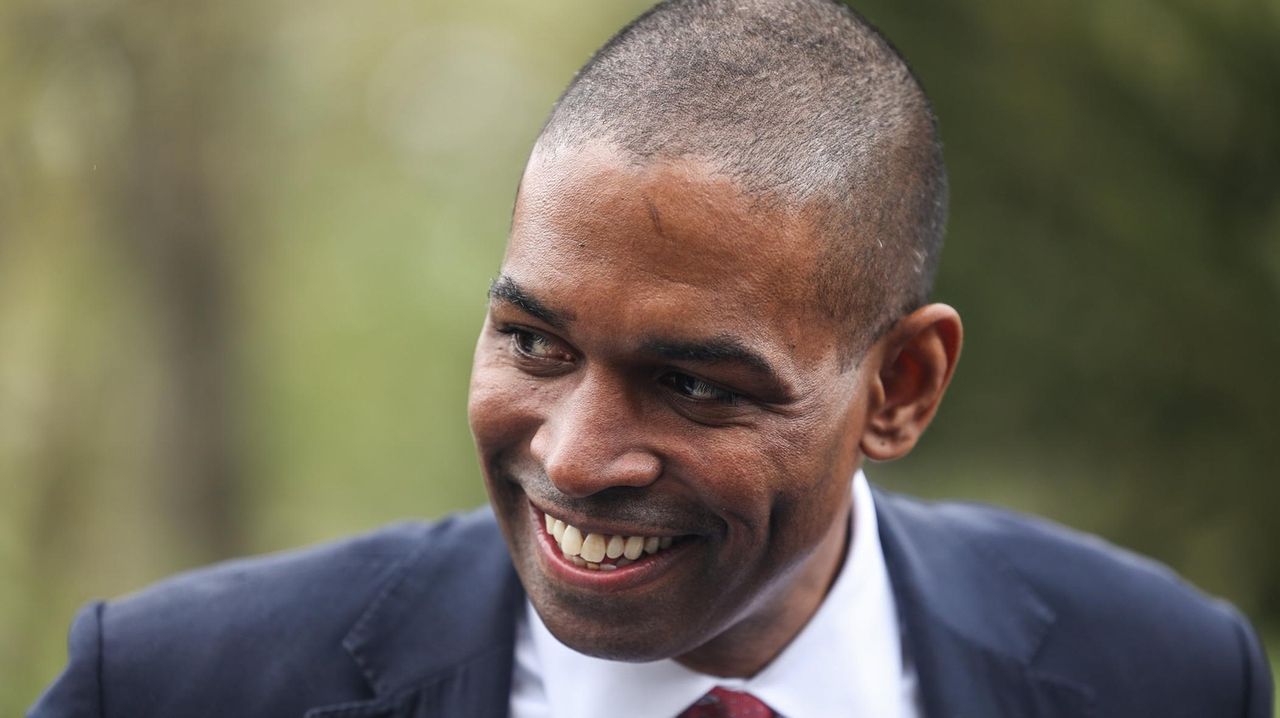
Lawrence Levy, associate vice president and executive dean of the National Center for Suburban Studies, wrote an opinion piece for the Times Union: “Commentary: Don’t write off Hochul just yet.” He was also interviewed by Newsday about Lt. Gov. Antonio Delgado jumping into the governor’s race. Levy said Delgado has to be viewed as a “deep underdog.” His name recognition is low and Hochul already has $16 million in campaign funds, to Delgado’s $969,000. “Delgado has spent a lot of time traveling the state as lieutenant governor but I’m not sure what kind of network he built up,” Levy said.


The Impact of Counterfeit Goods in Global Commerce
Introduction Counterfeiting has been described as “the world’s second oldest profession.” In 2018, worldwide counterfeiting was estimated to cost the global economy between USD 1.7 trillion and USD 4.5 trillion annually, as well as resulting in more than 70 deaths and 350,000 serious injuries annually. It is estimated that more than a quarter of US consumers have purchased a counterfeit product. The counterfeiting problem is expected to be exacerbated by the unprecedented shift in tariff policy. Tariffs, designed as an import tax or duty on an imported product, are often a percentage of the price and can have different values for different products. Tariffs drive up the cost of imported brand name products but may not, or only to a lesser extent, impact the cost of counterfeit goods. In this article, we examine the extent of the global counterfeit dilemma, the role experts play in tracking and mitigating the problem, the use of anti-counterfeiting measures, and the potential impact that tariffs may have on the flow of counterfeit goods. Brand goods have always been a target of counterfeits due to their high price and associated prestige. These are often luxury goods and clothing, but can also be pharmaceuticals, cosmetics, and electronics. The brand name is an indication of quality materials, workmanship, and technology. People will pay more for the “real thing,” or decide to buy something cheaper that looks “just as good.” In many cases, “just as good” is a counterfeit of the brand name product. A tariff is an import tax or duty that is typically paid by the importer and can drive up the cost of imported brand name products. For example, a Yale study has shown that shoe prices may increase by 87% and apparel prices by 65%, due to tariffs. On the other hand, counterfeit products don’t play by the rules and can often avoid paying tariffs, such as the case of many smaller, online transactions, shipped individually. Therefore, we expect to see an increase in counterfeit products as well as a need to increase efforts to reduce the economic losses of counterfeiting. The Scale of the Counterfeit Problem In their 2025 report, the Organisation for Economic Co-operation and Development (OECD) and the European Union Intellectual Property Office (EUIPO), estimated that in 2021, “global trade in counterfeit goods was valued at approximately USD 467 billion, or 2.3% of total global imports. This absolute value represents an increase from 2019, when counterfeit trade was estimated at USD 464 billion, although its relative share decreased compared to 2019 when it accounted for 2.5% of world trade. For imports into the European Union, the value of counterfeit goods was estimated at USD 117 billion, or 4.7% of total EU imports.” In a 2020 report, the US Patent and Trademark Office (USPTO) estimated the size of the international counterfeit market as having a “range from a low of USD 200 billion in 2008 to a high of USD 509 billion in 2019.” According to the OEDC / EUIPO General Trade-Related Index of Counterfeiting for economies (GTRIC-e), China continues to be the primary source of counterfeit goods, as well as Bangladesh, Lebanon, Syrian Arab Republic, and Türkiye. Based on customs seizures in 2020-21, the most common items are clothing (21.6%), footwear (21.4%), and handbags, followed by electronics and watches. Based on the value of goods seized, watches (23%) and footwear (15%) had the highest value. However, it should be noted that items that are easier to detect and seize are likely to be overrepresented in the data. Although the share of watches declined, and electronics, toys, and games increased, it remains unclear whether this represents a long term trend or just a short term fluctuation. In general, high value products in high demand continue to be counterfeited. Data from the US Library of Congress indicates that 60% – 80% of counterfeit products are purchased by Americans. The US accounts for approximately 5% of the world’s consumers; however, it represents greater than 20% of the world’s purchasing power. Though it is still possible to find counterfeit products at local markets, a large number of counterfeit goods are obtained through online retailers and shipped directly to consumers as small parcels classified as de minimis trade. This allows for the duty-free import of products up to USD 800 in value. Counterfeit items may be knowingly or unknowingly purchased from online retailers and shipped directly to consumers, duty-free. Purchased products can be shipped via postal services, classified as de minimis trade. Approximately 79% of packages seized contained less than 10 items. Given the size and volume of the packages arriving daily, many or most will evade scrutiny by customs officials. This means of import is increasing over time. In 2017-19 it was 61% of seizures. By 2020-21, it was 79%. Economic Impact of Counterfeiting The scale of the counterfeiting problem has significant impacts on the US economy, US business interests, and US innovations in lost sales and lost jobs. Moreover, counterfeit products are often made quickly and cheaply, using materials that may be toxic. The companies producing these goods may not dispose of waste properly and may dump it into waterways, causing significant environmental consequences. Counterfeit products from electrical equipment and life jackets to batteries and smoke alarms may be made without adhering to safety standards or be properly tested. These products may fail to function when you need it and may lead to fire, electric shock, poisoning, and other accidents that can seriously injure and even kill consumers. Counterfeit cosmetics and pharmaceuticals can also lead to injuries by either including unsafe ingredients or by failing to provide the benefits of the real product. The Tariff Counterfeit Connection Tariffs may be seen as a tax on consumers and raise the price of imported products that are already the target of counterfeiters such as luxury leather products and apparel. It’s commonly understood that raising prices on genuine products can only drive up the demand for counterfeit goods. In general, consumers will have less disposable income and the brand goods they desire will cost more which is bound to increase the demand for counterfeit goods. Although recent changes removing the USD 800 tax exemption on de minimis shipments from China and Hong Kong will make it more expensive for counterfeiters to ship their goods internationally, tariffs are typically applied as a percentage of the cost of an object. This will cause the price of more expensive legitimate goods to increase even more than the cheaper counterfeit goods and likely make the counterfeit products even more attractive economically. Therefore, we expect to see an increase in counterfeit products as well as an increase in efforts to reduce the economic losses of counterfeiting. The Role of Technical Experts in Counterfeit Detection Technical experts play an important role in both the prevention and detection of counterfeits and helping to identify counterfeiting entities. Whether counterfeit money, clothing, shoes, electronics, cosmetics or pharmaceuticals, the first step in fighting counterfeits is detecting them. In some cases, the counterfeit product is obvious. A leather product may not be leather, a logo may be wrong, packaging may have a spelling mistake, or a holographic label may be missing. These products may be seized by customs. However, some counterfeit products are very difficult to detect. In the case of a counterfeit memory card with less than the stated capacity or a pharmaceutical that contains the wrong active ingredient, technical analysis may be needed to identify the parts. Technical analysis may also be used to try and identify the source of the counterfeit goods. For prevention measures, manufacturers may use radio frequency identification (RFID) or Near Field Communication (NFC) tags within their products. RFID tags are microscopic semiconductor chips attached to a metallic printed antenna. The tag itself may be flexible and easy to incorporate into packaging or into the product itself. A passive RFID requires no power and has sufficient storage to store information such as product name, stock keeping unit (SKU), place of manufacture, date of manufacture, as well as some sort of cryptographic information to attest to the authenticity of the tag. A simple scanner powers the tag using an electromagnetic field and reads the tag. If manufacturers include RFID tags in products, an X-ray to identify a product in a de minimis shipment (perhaps using artificial intelligence technology) and an RFID scanner to verify the authenticity of the product can be used to efficiently screen a large number of packages. Many products also may be marked with photo-luminescent dyes with unique properties that may be read by special scanners and allow authorities to detect legitimate products. Similarly, doped hybrid oxide particles with distinctive photo-responsive features may be printed on products. These particles, when exposed to laser light, experience a fast increase in temperature which may be quickly detected. For either of these examples, the ability to identify legitimate products, or – due to the absence of marking – track counterfeit products, allows authorities to map the flow of the counterfeit goods through the supply chain as they are manufactured, shipped, and are exported and imported to countries. For many years, electronic memory cards such as SD cards and USB sticks have been counterfeited. In many cases, the fake card will have a capacity much smaller than listed. For example, a 32GB memory card for a camera may only hold 1GB. Sometimes, these products may be identified by analyzing the packaging for discrepancies from the brand name products. In other cases, software must be used to verify the capacity and performance of each one, which is time-consuming when analyzing a large number of products. Forensic investigators, comprised of forensic accountants and forensic technologists, are heavily involved in efforts to combat this illicit trade. By analyzing financial records, supply-chain data, and transaction histories, they trace the origins and pathways of counterfeit products. Their work often involves identifying suspicious procurement patterns, shell companies, and irregular inventory flows that signal counterfeit activity. Forensic investigators often begin by mapping the counterfeit supply chain, an intricate web that often spans continents. Using data analytics, transaction tracing, and inventory audits, they identify anomalies in procurement, distribution, and sales records. These methodologies help pinpoint the origin of counterfeit goods, the intermediaries involved, and the final points of sale. By reconstructing the flow of goods and money, forensic investigators can begin to unmask activities. Cross-border partnerships are essential for tracking assets, sharing insights, and coordinating with financial regulators. Public-private partnerships further enhance the effectiveness of anti-counterfeiting efforts. Forensic investigators often serve as bridges between government agencies, brand owners, and financial institutions, facilitating the exchange of key information. These partnerships increase information-sharing, streamline investigations, and amplify the impact of enforcement actions. A promising development in this space is the World Customs Organization’s Smart Customs Project, which integrates artificial intelligence to detect and intercept counterfeit goods. Forensic investigators can leverage this initiative by analyzing AI-generated alerts and incorporating them into broader financial investigations, which allows for faster and more accurate identification of illicit networks. Jurisdictional complexity is a major hurdle in anti-counterfeiting efforts. Forensic investigators work closely with legal teams to navigate these challenges to ensure that investigations comply with local laws, and evidence is admissible and can withstand scrutiny in court, especially when dealing with offshore accounts and international money laundering schemes. Forensic investigators follow the money, tracing illicit profits through bank accounts, shell companies, and cryptocurrency transactions. Their findings not only help recover stolen assets but also support disputes by providing expert testimony that quantifies financial losses and identifies the bad actors. Conclusion Imitations of brand name products have become more convincing, harder to detect, and the sources of the counterfeit goods more difficult to identify. While counterfeiting clearly has evolved because of technological advancements, e-commerce, and the growing sophistication of bad actors, the process has now been complicated even further by the unpredictable tariff and trade policies that are affecting businesses worldwide. Consequently, companies need to take a multi-faceted approach to these new challenges introduced into the counterfeiting of products by tariffs. By engaging high-tech product authentication measures, utilizing technology-based alerts about counterfeits, and retaining the specialized skills of forensic investigators and other experts, companies will be able to navigate the risks posed by the complex and changing relationship between tariffs and counterfeit goods. To learn more about this topic and how it can impact your business or connect with James E. Malackowski simply click on his icon now to arrange an interview today. To connect with David Fraser or Matthew Brown - contact : Kristi L. Stathis, J.S. Held +1 786 833 4864 Kristi.Stathis@JSHeld.com


ChristianaCare Charts New Course With Nurse Robotics Research Fellowship
ChristianaCare, the first hospital system in the region to deploy collaborative robots, has once again broken new ground, this time with a nationally unique initiative that puts bedside nurses at the helm of robotics research and innovation. At a graduation ceremony April 30, ChristianaCare celebrated the first four clinical nurses completing the Nursing Research Fellowship in Robotics and Innovation — the first program of its kind in the nation. The fellowship was part of a larger three-year, $1.5 million grant from the American Nurses Foundation’s Reimagining Nursing Initiative. The grant supports ChristianaCare’s broader study on how collaborative robots impact nursing practice. Over eight months, nurses from different units and specialties participated in immersive research training and lectures designed to expand their knowledge, curiosity and professional growth. Their work culminated in national conference presentations and preparations for journal submissions. The inaugural Nursing Research Fellows in Robotics and Innovation are: Briana Abernathy, BSN, RN, CEN – case management, Christiana Hospital emergency department Elizabeth Mitchell, BSN, RN-BC – Christiana Hospital surgical stepdown unit Hannah Rackie, BSN, RN, C-EFM – Union Hospital maternity unit Morgan Tallo, BSN, RN, CCRN – Christiana Hospital cardiovascular critical care unit A ‘real seat at the table’ “When you create programs that empower nurses to lead, innovate and tackle meaningful challenges, you see real impact — not just in new skills and knowledge, but in job satisfaction, well-being and retention,” said Susan Smith Birkhoff, Ph.D., RN, program director of Technology Research & Education at ChristianaCare. “This fellowship is built on the belief that when nurses are given the space to learn and lead, they bring fresh ideas and collaborative solutions back to their clinical practice areas.” Created and led by Smith Birkhoff, the fellowship is a standout in the U.S. health care landscape: It gives bedside nurses the chance to step away from their daily routines and gain advanced research experience, an opportunity rarely available at the clinical level. While the fellowship directly trained four nurses, its reach extended well beyond thazt. Fellows shared what they were learning along the way, sparking wider interest in research across the health system. The research program was highlighted as a new knowledge and innovation exemplar in the latest evaluation by the American Nurses Credentialing Center, which in March awarded ChristianaCare its fourth Magnet designation — the gold standard for nursing excellence. Adriane Griffen, DrPH, MPH, MCHES, vice president of programs at the American Nurses Foundation, praised ChristianaCare’s responsiveness in shaping the program around nurses’ needs and building a model for future innovation. “What makes this fellowship stand out is its focus on giving bedside nurses a real seat at the table,” Griffen said. “When nurses are trusted to lead and have the right support, they develop solutions that are practical, sustainable and transformative. This fellowship shows how nurse-led innovation can grow from a local pilot into a model for improving care across the country.” Through the fellowship, nurses gained a deeper understanding of applying research methodology to advance robotics science at the intersection of nursing and hospital operations, which is groundbreaking and novel. “This is such an exciting and important moment for our profession,” said Danielle Weber, DNP, RN, NEA-BC, chief nurse executive at ChristianaCare. “Innovation is about improving care, easing the burdens on our teams and finding smarter ways to meet the complex needs of our patients. Tools like collaborative robots don’t replace the human touch, they help protect and elevate it.” Mitchell said she was initially intimidated when she saw the fellowship application because it had been years since she last engaged in formal research. Learning everything from literature reviews to abstract writing pushed her outside her comfort zone and gave her practical tools to take new ideas forward. The experience inspired her to return to school this fall to pursue a graduate degree. A ‘ripple effect’ “This fellowship reignited my enthusiasm for learning and gave me the skills and confidence to keep growing,” Mitchell said. “It’s been amazing to collaborate with other fellows and mentors, and I’m excited to apply what I’ve learned to improve patient care and strengthen our teams.” In addition to Smith Birkhoff, Kate Shady, Ph.D., RN, OCN, RN IV, served as a mentor to the fellows, bringing expertise from her hematology/oncology background. Kati Patel, MPH, provided key administrative coordination and support throughout the program. ChristianaCare continues its broader research into robotics integration, with findings from the multi-year collaborative robot study expected to be shared later this year. Shady said the fellowship is already influencing ChristianaCare’s nursing culture by expanding interest in research and evidence-based practice well beyond the initial group. The program’s ripple effect is helping build lasting infrastructure for nurse-led innovation across departments. “One of the most rewarding parts of this fellowship has been seeing these nurses step into new confidence and capability,” Shady said. “They began unsure about research, but by the end, they were reading studies, writing abstracts and mentoring peers — laying the groundwork for bigger change in how we advance nursing practice.” Learn more about nursing at ChristianaCare.



ChristianaCare Hospitals Earn Top Patient Safety Rating From Leapfrog Group
ChristianaCare’s Christiana Hospital, Union Hospital and Wilmington Hospital have each received an ‘A’ grade in the Spring 2025 Leapfrog Hospital Safety Grade, a national distinction that recognizes ChristianaCare’s achievements in protecting patients from harm and providing safe health care. “At ChristianaCare, patient safety is our highest priority and an essential part of our mission of service to the community,” said Kert Anzilotti, M.D., MBA, system chief medical officer and president of the Medical Group of ChristianaCare. “We are incredibly proud of this achievement. “This ‘A’ grade is not just a letter; it’s a testament to the hard work and passion of our caregivers, who strive every day to ensure our patients receive the highest quality care and feel safe throughout their journey with us.” The Leapfrog Group assigns an ‘A,’ ‘B,’ ‘C,’ ‘D’ or ‘F’ grade to hospitals across the country based on over 30 performance measures reflecting the prevention of errors, accidents, injuries and infections. This Leapfrog recognition comes on the heels of multiple other recent quality and safety awards that ChristianaCare has received, including: • ChristianaCare was recognized as one of the best hospitals in the nation by Money in its 2025 hospital rankings, making it the only hospital in Delaware to achieve this distinction. • ChristianaCare is ranked by Newsweek among the World’s Best Hospitals and rated by U.S. News & World Report as the No. 1 hospital in Delaware. • ChristianaCare earned the Beacon Award for Excellence from the American Association of Critical-Care Nurses (AACN) for three of its intensive care units: the Medical Intensive Care Unit (MICU), the Surgical Critical Care Complex (SCCC), and the Transitional Surgical Unit (TSU) at Christiana Hospital in Newark, Delaware. • ChristianaCare is the only four-time Magnet-designated health care organization in Delaware, recognized for continued dedication to excellence and innovation, high-quality patient care and experience, nurse engagement and work culture.


Executive Order - Energy and Power Perspective
The tariffs imposed by the Executive Order (EO) are expected to significantly impact the energy and infrastructure sectors. New build energy projects in the United States heavily depend on importing components such as inverters, transformers, cabling, solar panels, mounting racks, and batteries from regions such as Southeast Asia, China, and the European Union. These tariffs are likely to affect all energy and infrastructure projects. We are seeing large capital projects across the United States impose caveats within their EPC contracts; allowing for steep and continual price adjustments upward. This is impacting billions of dollars of critical material and contractual obligated componentry. This also includes all materials with high volatility (steel, copper, aluminum). Not only are projects costs on the rise but so are supply chain disruptions, potentially causing delays in project timelines and/or project cancellations. The United States continues to grow in energy demand requirements, provided the vast deployment of data centers. Because of this grid reliability, modernization and new build implementation is critical in the coming decade. The tariffs are likely to have a large impact on these projects as well, given their requirement for componentry from all the regions impacted. As this situation continues to develop, the full implications and responses for the energy and infrastructure industry will become more apparent. Jeremy Erndt is a seasoned power development, engineering, and operations professional, with experience in power generation, infrastructure, and the sector with J.S. Held. He has led utility-scale power, transmission, port, and water projects from early development and conceptual design through NTP and eventual operation. He is an international development expert and supports a variety of programs for capital project development. Jeremy is a subject matter expert in project due diligence, engineering, and constructability for large-scale projects. Jeremy has been involved in various project-related and company mergers and acquisitions, thus providing a comprehensive track record and perspective of financial transactions at all stages. He has nearly two decades of experience in the development, engineering, construction, and operations of energy and infrastructure projects, spanning more than 30 GW within energy projects and over $60B of capital expenditures within infrastructure. Looking to know more or connect with Jeremy Erndt? Simply click on the expert's icon now to arrange an interview today. For any other media inquiries - contact : Kristi L. Stathis, J.S. Held +1 786 833 4864 Kristi.Stathis@JSHeld.com


Tariffs and Trade Series - The Potential Impacts of Tariffs and Global Trade Shifts
This is the first installment in a series examining the multifaceted impacts of tariff and trade policies. By delving into the nuances of these policies, we aim to provide valuable insights and perspectives that will inform strategic business decision-making and foster resilience in an increasingly volatile global market. Future papers in this series will explore the specific implications for key sectors such as agriculture, energy, and construction, offering targeted analysis and recommendations to help businesses navigate and thrive amidst evolving trade landscapes. The global trade landscape is experiencing rapid shifts driven by escalating tariffs, geopolitical realignments, and supply chain disruptions. In North America, businesses must navigate changing US trade policies, evolving trade agreements such as the United States-Mexico-Canada Agreement (USMCA), and the broader implications of international trade tensions. These developments may have significant economic implications which impact supply chains, regulatory compliance, financial strategies, and heighten geopolitical risk. Trade policies across the world are being redefined, with tariffs increasingly used as economic and political tools. The US, China, and the European Union are at the center of these shifts, reshaping global supply chains and trade routes. Businesses must reassess their sourcing strategies, financial models, and regulatory compliance efforts in response to these evolving dynamics. In North America, the US has intensified its use of tariffs, impacting trade with Canada, Mexico, and numerous global partners. While these policies aim to boost domestic industries, they have introduced supply chain challenges and regulatory complexities. As a result, companies must proactively adapt to maintain operational efficiency and financial stability. This article examines the challenges and opportunities that may arise from these trade shifts and provides insights for businesses to mitigate risks and maintain competitiveness. At J.S. Held, we help businesses navigate these challenges by providing insights into regulatory changes, trade risks, and strategic adaptations to ensure long-term resilience. "With the sweeping April 2 tariff announcement, U.S. trade policy has entered a new phase. One where national security, economic leverage, and regulatory unpredictability intersect. Businesses are now navigating not just targeted tariffs, but a universal cost layer that may touch nearly every sector. The urgency to adapt through exemption strategies, supply chain restructuring, and trade compliance has never been greater." The full report is accessible below, and is a must read for anyone covering the impacts of the tariffs announced by President Trump on April 02, 2025. Looking to know more or connect with Andrea Korney? Simply click on the expert's icon now to arrange an interview today. For any other media inquiries - contact : Kristi L. Stathis, J.S. Held +1 786 833 4864 Kristi.Stathis@JSHeld.com


“There was a guy standing at the end of my hospital bed that I didn’t know,” recalled Brandon Younce. “I’ll never forget this. He had a shirt on that said ‘Got Narcan.’ He introduced himself as Aaron from Voices of Hope. He said he was a peer recovery specialist, and he asked me, ‘Hey, man, are you ready to go to treatment?’” This encounter took place before the peer recovery specialist program at Voices of Hope formally partnered with ChristianaCare’s Union Hospital and the Cecil County Health Department in 2023 to grow the program into the robust offering it is today. For Younce, the program has meant not only a path to reaching and maintaining his own sobriety: It has also allowed him to become a specialist himself. And for the over 600 patients assisted through the program in fiscal year 2024, 440 of whom were connected to long-term recovery treatments, the program has meant receiving a chance at healing under the stewardship of peers who have themselves experienced addiction and recovery. Emily Granitto, M.D., of Emergency Medicine at Union Hospital, said that the process “works really seamlessly: We have a discussion with a patient and say ‘hey, we have someone available. Would you like to talk to peer recovery and see what we can do to help?’ Then a specialist comes, and they talk through the resources and options.” By having the specialist located in-hospital and ready with resources at the patient’s bedside, said Granitto, the chances for a patient’s successful transfer to long-term treatment are much higher than if the patient is expected to fend for themselves upon discharge. “We’re able to address their substance abuse concerns and tie it all into their visit here in the Emergency Department. That opportunity may not necessarily arise otherwise in the community — so offering it here and providing that olive branch can be a good bridge to the next step,” she said. The need for programs like these has never been more urgent. According to a 2022 Community Health Needs Assessment report from ChristianaCare and the Cecil County Health Department, Cecil County’s “drug poisoning death rate” is nearly double the statewide rate and triple the national average. Services like the peer recovery specialists at Union Hospital are a critical lifeline for many. Harnessing the Power of Lived Experience The peer recovery specialist program currently places 10 trained peer specialists at Union Hospital to provide supportive coverage for patients admitted to the emergency room in active withdrawal or with a history of addiction. “The peer program at Union Hospital is the perfect example of what is possible when you harness the power of lived experience and strong community partnerships,” said Health Officer Lauren Levy, JD, MPH, of the Cecil County Health Department. “The collaboration between caregivers and the peer workforce has been integral to strengthening linkages to care and improving health outcomes for people with substance use disorder.” In collaboration with caregivers — including doctors, nurses and social workers — these specialists help to support patients and to connect them with longer-term treatment and rehabilitation options within and outside of ChristianaCare. They’re present and available at the hospital from 8:30 a.m. to 1 a.m., seven days a week. Doctors and nurses who work alongside peer recovery specialists can pair patients with specialists based on patients’ needs; some patients are admitted in active withdrawal, whereas for others, a need for treatment comes up as part of their intake. “What the peers do is really very magical because they can connect to the patient,” said Lisa Fields, manager for community engagement on ChristianaCare’s Cecil County campus, “They can tell their story to the patient and say, ‘This is where I have been. I do understand.’” Partnerships Support People in Need Voices of Hope, with a primary mission of supporting addiction recovery for Maryland residents and their families, trains peer specialists alongside the Cecil County Health Department, another vital partner in the peer recovery specialist program. Training requires 500 hours in the role and 25 hours of supervision from a registered peer supervisor. Peer recovery specialists provide a form of connection that is unique and impactful for someone struggling with substance use disorder: empathy informed by personal experience. For Erin Wright, Voices of Hope’s chief operations officer, this partnership has enabled all the involved providers to build a unique, vital community to support people in need of help. “The opposite of addiction is connection,” she said. “I’ve had doctors come to my peers, and say, ‘How did you just do that?’ A peer can walk in the room and, in 20 minutes, walk out and say, ‘Listen, here’s the plan.” Back in 2019, Younce’s emergency-room encounter with Aaron led to a treatment plan that included rehab, which led to his graduation from treatment and ongoing sobriety, which then led to his decision to become a peer recovery specialist himself and eventually, he hopes, a social worker. “It’s very surreal,” he said, “working at Union Hospital and actually telling patients, like, ‘I know how you feel. I’ve been in this position.’” Recovery Support Through Project Engage in Delaware ChristianaCare’s commitment to supporting patients with substance use disorders is systemwide. Project Engage, a vital initiative serving ChristianaCare’s Newark, Wilmington and Middletown campuses, aids patients struggling with alcohol or drug use by providing early intervention and referrals to substance use disorder treatment. Peer recovery specialists engage with patients in the emergency department and at the bedside, helping them understand their substance use and offering treatment options. Since 2012, Project Engage has served more than 13,000 patients and conducted over 27,000 patient engagements, with more than 60% of these engagements resulting in referrals to community treatment at discharge.


Managing cyber risk is no longer a technical necessity but also a strategic imperative in global business. As companies are more interconnected and reliant on artificial intelligence (AI), the Internet of Things, and the rest of the digital ecosystem, they are exposed to greater opportunities and risks. In this video, Senior Managing Director and cybersecurity expert Denis Calderone shares topics covered in the 2025 J.S. Held Global Risk Report focused on managing cyber risk in the year ahead. The global regulatory landscape is evolving rapidly in response to the increasing severity of cyber threats. Governments and regulatory bodies, including the U.S. Securities and Exchange Commission (SEC), the European Union (EU), and the U.S. Transportation Security Administration (TSA), have introduced cybersecurity mandates that require businesses to strengthen their defenses, improve incident reporting, and ensure compliance with new industry standards. The 2025 Global Risk Report by J.S. Held provides perspectives on these regulatory shifts, helping businesses navigate the complexities of cyber risk and compliance. The growing frequency and severity of cyberattacks are reshaping how businesses approach risk management. The J.S. Held 2025 Global Risk Report explores key issues facing business today, including: Business Interruption from Cyber Incidents: High-profile cases like Change Healthcare’s 2024 breach demonstrate how cyberattacks can halt operations, lead to regulatory scrutiny, and result in massive financial losses. Reputational and Legal Fallout: Cyber incidents can trigger lawsuits and damage a company’s reputation, often leading to prolonged trust recovery periods with customers and investors. Loss of Sensitive Data: Data breaches can expose critical information, including personal, financial, and proprietary data, amplifying risks of identity theft and fraud. Tightening Regulatory Landscape: New cybersecurity laws, such as the EU’s NIS2 Directive and Cyber Resilience Act, alongside the US SEC’s disclosure rules, demand stricter compliance from businesses in key sectors. Complexities in Cyber Insurance: Many companies lack clarity on whether their policies cover ransomware or meet legal and operational needs, leaving them exposed to potential financial risks. Ransomware Dilemmas and Legal Risks: Paying a ransom may violate international sanctions, creating additional legal complications for organizations already dealing with cyberattacks. Proactive Cybersecurity Enhancements: Companies implementing advanced cybersecurity measures like MFA, EDR, and immutable backup systems improve their defenses and reduce risks of disruption. AI-Powered Threat Detection: Artificial intelligence enables companies to identify fraud and cyberattacks faster by analyzing patterns and anomalies in real time, minimizing damage, and reducing costs. Increased Demand for Cyber Insurance: As companies across industries seek better coverage, insurers have opportunities to innovate new products, though exclusionary clauses are becoming more common. Business Continuity and Resilience: Organizations with strong cyber hygiene, incident response plans, and dependency mapping are better prepared for attacks and may benefit from reduced insurance premiums. Cybersecurity risk is just one of the five key areas analyzed in the J.S. Held 2025 Global Risk Report. Other topics include sustainability, supply chain, cryptocurrency and digital assets, AI and data regulations. If you have any questions or would like to further discuss the risks and opportunities outlined in the report, email GlobalRiskReport@jsheld.com. To connect with Denis Calderone simply click on his icon now. For any other media inquiries - contact : Kristi L. Stathis, J.S. Held +1 786 833 4864 Kristi.Stathis@JSHeld.com

Supply chain disruptions cost organizations an estimated $184 billion annually, according to Swiss Re. A recent survey of 2,000 European shipping customers by logistics giant Maersk revealed that 76% experienced supply chain disruptions that delayed their business operations in the past year, with 22% reporting more than 20 disruptive incidents in the same period. These figures underscore the growing businesses’ growing vulnerabilities, as detailed in the 2025 J.S. Held Global Risk Report, which outlines how companies worldwide must adapt to an increasingly complex and volatile supply chain landscape. As highlighted in the 2025 Global Risk Report, modern supply chain disruptions stem from a range of factors, including climate change, natural disasters, cyberattacks, fraud, and geopolitical instability. Conflicts such as the Russia-Ukraine war and tensions in the Middle East continue to exacerbate these challenges. Gone are the days when companies could shift blame to suppliers without accountability. The globalization of supply chains has made them increasingly susceptible to cyber incidents, material shortages, and regulatory scrutiny. Consumers and governments alike are demanding greater transparency, pushing companies to disclose where products come from, how they are sourced, and whether their manufacturing processes harm people or the environment. The 2025 Global Risk Report notes that in response, governments worldwide have introduced stricter regulations, particularly in the European Union, where new and existing legislation is enforcing greater oversight and compliance. “As consumers, governments, and corporations acknowledge the effects of supply chain risks, transparency and due diligence will become more critical to the internal compliance structure of global businesses,” said Vice President of Sustainability Andrea Korney. “The enactment and greater enforcement of laws focused on sustainability issues have increased the obligations on companies to examine the sources and actions of their suppliers and how it all impacts the entire value chain.” In the 2025 J.S. Held Global Risk Report, multidimensional experts who combine scientific, technical, financial, and risk management expertise identify and explore key business risks shaping the future of supply chain resilience, including: Geopolitical instability Natural disasters and climate science Maritime route disruptions Regulatory fragmentation Cybersecurity threats Trade and tariff threats Critical minerals dependency Financial risks and fraud J.S. Held environmental risk and compliance expert John Peiserich, Esq., observes, “These risks are no longer hypothetical—they are actively reshaping the business landscape. Organizations that fail to anticipate and mitigate these challenges risk operational disruptions, financial losses, and reputational damage.” For businesses seeking to build resilient supply chains, the 2025 J.S. Held Global Risk Report serves as an important guide, providing expert insights and data-driven analysis to help companies navigate the evolving risk landscape. J.S. Held experts serve as trusted advisors to global clients on these and other risks, crafting business strategies, leveraging technology seeking to mitigate risk, and optimizing business opportunities to build resilience in an era of uncertainty. Supply chain risk is just one of the five key areas analyzed in the J.S. Held 2025 Global Risk Report. Other topics include sustainability, the rise of crypto and digital assets, AI and data regulations, and managing cyber risk. If you have any questions or would like to further discuss the risks and opportunities outlined in the report, please email GlobalRiskReport@jsheld.com. To connect with Andrea Korney or John Peiserich simply click on either expert's icon now. For any other media inquiries - simply contact : Kristi L. Stathis, J.S. Held +1 786 833 4864 Kristi.Stathis@JSHeld.com


ChristianaCare Caregivers Help Our Neighbors on Martin Luther King Jr. Day of Service
More than 200 ChristianaCare caregivers and their families came together for a systemwide service project on the Martin Luther King Jr. Day of Service on Jan. 20 to pack supply kits for neighbors in need. Hosted by ChristianaCare’s Office of Inclusion & Diversity, caregivers united in service on our Cecil County, Newark and Wilmington campuses. These volunteers assembled 3,500 supply kits with essential items like washcloths, dish soap and detergent for individuals transitioning into permanent housing and toiletries, journals and puzzle books for patients in treatment for cancer at the Helen F. Graham Cancer Center & Research Institute. The kits also carried inspiration. Caregivers handwrote encouraging messages that were tucked in alongside toiletries and other essentials: “You’ve got this!” “You are stronger than you know.” “This is tough. But so are you!” Other caregivers delivered the inspirations and the kits to the the Graham Cancer Center, the Union Hospital Emergency Department, New Castle County Hope Center, Inc., and other community partners. Natalie Torres, director of Inclusion & Diversity, credited ChristianaCare’s Supply Chain and Transportation departments with making sure toiletries and other supplies were available at the three campus locations and also coordinating the pickup and delivery of donations. “This service project is such a powerful reminder of how our values of love and excellence shine through in everything that we do,” Torres said. “Dr. King truly resonates with who we are as an organization. Serving our community, connecting with one another, making a difference — it’s what we do best — and we are so honored to carry on this tradition in Dr. King’s name.”


