
Experts Matter. Find Yours.
Connect for media, speaking, professional opportunities & more.
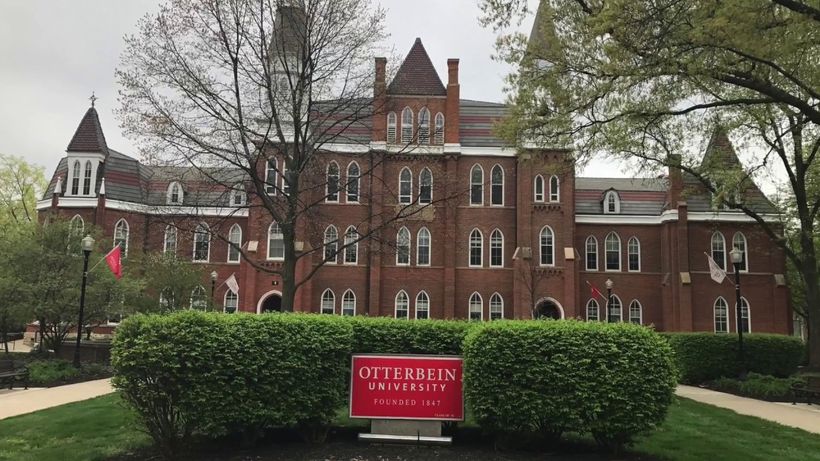
This year, 26 students from Columbus (Ohio) City Schools (CCS) walked across the stage to receive their Otterbein degrees as part of the Class of 2019. It was a result of a partnership between two great educational institutions that is ensuring post-secondary education is accessible to students in central Ohio. “(The event) was a great example of how two educational institutions can come together and make an impact on the lives of young people and the larger community,” said Tanya L. McClanahan, supervisor of higher education partnerships for CCS. For some time now, Otterbein and CCS have been working together to provide several academic options and initiatives to students from Ohio’s largest school district. Since 2014 the Urban Districts Initiative has been working with Columbus City Schools, as well as South-Western City Schools, Westerville City Schools, Whitehall City Schools and Cristo Rey, all districts with more than 35%of students living in poverty. The Initiative is an enhanced need-based aid model that reduces the gap between aid and expected family contribution to the smallest amount possible and has driven significant increases in enrollment of low-income students at Otterbein, as well as sparking a significant increase in student success. The Seniors-to-Sophomores program, where Otterbein offers a summer College Credit Plus course for CCS students that pairs an academic course with a for-credit study skills course. The University also has a STEM skills refresher course for entering students funded through a grant from Nationwide. Otterbein offers Professional Learning Communities (PLCs) for district teachers and Otterbein faculty. In PLCs, teachers and faculty come together to discuss issues related to pedagogy and serving students to enhance the work of both institutions. Recently, Otterbein introduced a scholarship for the dependent children of CCS district (benefits eligible) employees that reduces the cost of an Otterbein education to the average of the state supported universities in Ohio. There are a lot of great things happening in Otterbein’s financial aid and recruitment models that are seeing positive outcomes in the Otterbein and central Ohio communities - and if you need to know more, that’s where our experts can help. Jefferson Blackburn Smith is the Vice President for Enrollment Management and is an expert in financial aid, scholarships, politics, and higher education. He is available to speak to media regarding these topics – simply click on his icon to arrange an interview. To learn more, click the link below: https://www.otterbein.edu/news/cohort-of-columbus-city-schools-alumni-to-graduate-from-otterbein-university-sunday/


Not this time, but expect interest rates to get cut soon – our expert can explain why
It was all eyes on the Fed this week, but when it came to decide, Federal Reserve Chairman Jerome Powell held U.S. Interest rates steady and unchanged. The pressure was on to lower the rates amid serious concerns that the current trade wars and tariff action could start impacting America’s economy and slow it down. Narayana Kocherlakota, the Lionel W. McKenzie Professor of Economics at the University of Rochester wasn’t surprised by the June decision to remain steady. And with serving six years as president of the Federal Reserve Bank of Minneapolis, his expertise and perspective indicates lower rates will come at the next meeting. “I am not expecting a change in policy, which means the interest rates should remain the same. What I am expecting is a lot of discussion, which takes place in secret, about cutting interest rates by a quarter percentage point at their next meeting in July. Why would they do that? The Federal Reserve is tasked with trying to keep inflation at 2 percent and keep unemployment low. Right now unemployment is about as low as it’s been in the past half-century, which is very good. Inflation remains lower than the Federal Reserve would like—it’s been below 2 percent for most of the last seven years. I think they’re mainly worried about risks. There are signs of risk around the world partly due to big variations in trade policy emerging from the White House. So, the Fed is thinking about cutting rates now in order to keep the economy as healthy as possible, if there’s any danger of a recession.” University of Rochester Newscenter. Will lower rates really keep America’s economy humming? Won’t lower rates impact the strong US dollar? And if we are headed toward recession, what else can de done to turn the economy around? There are a lot of questions – and that’s where our experts can help. Dr. Narayana Kocherlakota was the President and CEO of the Federal Reserve Bank of Minneapolis from 2009-2015. As part of his responsibilities in that position, he served on the Federal Open Market Committee (FOMC), the monetary policymaking arm of the Federal Reserve System. He is currently a Lionel W. McKenzie Professor of Economics and is an expert in financial economics, interest rates and monetary policy. Narayana is available to speak with media regarding the economic effects of the shutdown – simply click on his icon to arrange an interview.


It’s been 50 years since Stonewall…but has America really accepted gay rights?
It’s been a half-century since the Stonewall Uprising and the emergence of the gay pride movement. As cities across the world celebrate this month, it might also be time to look at where America stands today when it comes to gay rights. “From the perspective of veteran activists, the progress has been astounding. In 1969, every state but Illinois outlawed gay sex, psychiatric experts classified homosexuality as a mental disorder, and most gays stayed in the closet for fear of losing jobs and friends. “Today, same-sex marriage is the law of the land in the U.S. and at least 25 other countries. LGBT Americans serve as governors, big-city mayors and members of Congress, and one — Pete Buttigieg — is waging a spirited campaign for president.” June 17, ABC News But there is still a lot of work to do. LGBTQ people not only face discrimination in the workplace, in health care settings and even public restrooms, but can also suffer threats of violence. Just last month, the nation was shocked to learn of the chilling attack of an American woman and her partner overseas in London. The lesbian couple was violently assaulted by teens on a double-decker bus, leaving one of the women with a broken jaw, after they refused to publicly kiss one another in front of the group of young men who were harassing them. Are you covering this topic? There are a lot of questions about what needs to be done and that’s where our experts can help. Todd Powell-Williams, associate professor of Sociology at Augusta University, is an expert in social movements, social control, religion, police science and symbolic interactionism. Dr. Powell-Williams is available to speak with media about gay rights and where America stands 50 years after Stonewall. Simply click on her icon to arrange an interview.


Learn the facts – and falsehoods -- about ‘curing’ cancer
When it comes to cancer awareness, any news, promotion and exposure is good news. The goal of those on the frontlines of the battle against this disease is to inform the public, every message encouraging healthier living, prevention methods and hopefully, inspiring more people to support cancer research. Doctors can successfully treat cancer. However, there is no cure. Just this month, as the political rhetoric continues ramping up for the 2020 election, former Vice President Joe Biden used cancer as a platform. "A lot of you understand what loss is and when loss occurs, you know that people come up to you and tell you 'I understand' if you lose a husband, a wife, a son, a daughter, a family member," he said. "That's why I've worked so hard in my career to make sure that — I promise you if I'm elected president, you're going to see the single most important thing that changes America, we're gonna cure cancer." – USA Today, June 12 For Biden, cancer is an issue that is close to him. He lost his son to brain cancer in 2015. He’s passionate and deeply invested in those who have also lost a loved one to the disease. But his messaging was not accurate. If you are covering cancer research, prevention and the quest for the best possible outcomes for those diagnosed and being treated for the disease, the Georgia Cancer Center at Augusta University has experts who can help with your stories. Dr. Daniel Albo is able to discuss the fact that yes, there are highly successful treatments for a variety of different cancers. But, there is no “single bullet” that will cure every kind of cancer there is. This is the mistake Biden made during his speech. For some cancer patients, it’s about working with their doctor to find ways to manage their disease during the entirety of their life, similar to high blood pressure, diabetes, etc. To find new treatment options and therapies for all kinds of cancer, it will take investment from multiple levels of government. But money is not all that is needed. It will take basic science researchers working with clinicians to make new “bench-to-bedside” treatment discoveries. Also, public health and prevention, as well as improving access to health care, are essential to ending the burden cancer puts on patients, their family and their friends. Dr. Albo serves as Chair in the Department of Surgery for the Medical College of Georgia, the Surgeon-in-Chief for Augusta University Health System and associate director of surgical services for the Georgia Cancer Center. He is available to speak with media – simply click on his icon to arrange an interview.

College readiness: Why it’s time to turn the page on one-off developmental courses
With summer officially here, millions of recent high school graduates and adult learners alike are preparing for college this fall. Unfortunately, a large percentage of them need developmental courses in order to advance, and many of those students will drop out within their first year—victims of a college preparedness approach that is generally not working. While it is true that education provides one of the surest pathways to a better life, millions of individuals do not have the academic background, confidence, mindset, and study habits to succeed in postsecondary programs and achieve their career dreams. Underprepared students face serious hurdles when attempting to enroll in college, and often struggle with one or more of the following: Poor self-image, lack of confidence (and overconfidence), and undeveloped study skills Weak math skills and math phobia Poor writing/language skills Lack of preparation for rigorous reading of texts, analytical thinking, and problem-solving Despite the poor track record, an estimated $7 billion is spent annually on traditional remedial education by students and institutions. According to research, 68 percent of community college students and 40 percent of public four-year college students take at least one developmental course, and among them less than 10 percent of two-year students graduate within three years, and only 35 percent of four-year students graduate within six years. Solutions exist, according Pat Partridge, president of WGU Academy—an independent nonprofit entity established by Western Governors University (WGU) to help solve the growing college-readiness gap. He suggests that for college readiness to be effective, programs must incorporate noncognitive personal competencies. “The Academy’s approach is based on the premise that to make college-readiness effective we must address the whole person rather than just getting them through one-off math or English courses to satisfy admissions requirements. Our two-pronged approach to preparing students—focused on academic coursework and noncognitive personal skills—is challenging traditional thinking paradigms that are not working well. The program is designed to be transformative for students who need confidence and persistence, social and emotional learning skills, and customized support to position them for long-term academic and career success.” Studies show that students and families pay an extra $3,000 on skills and content they should have learned in high school—a hefty price for courses that typically offer no transferable credits. Partridge suggests that programs like Academy—which uses an online, competency-based learning model similar to WGU’s—can change that by offering a scalable, replicable solution. WGU Academy students pay $150 per month, and most enrollees should finish the program in three to four months, or even less—making it a low-cost, low-risk solution. And the courses are ACE (American Council on Education) recommended, which hundreds of colleges and universities recognize. “The challenge is far larger than WGU alone can tackle, which is why Academy is designed to help serve hundreds of thousands of individuals who are not likely to attend WGU” Partridge noted. “We look forward to working with other entities that share the same mission to help individuals succeed in college and their careers—both recent high school grads and adults—by boosting completion rates.” WGU Academy’s first partnership is with tnAchieves in support of Tennessee’s flagship scholarship program that allows any resident without a postsecondary certification to attend community college tuition-free. WGU Academy, which launched May 1, 2019, already has more than 600 enrolled students. To speak with Partridge, contact WGU Academy’s PR Business Partner, Matt Griffin, at matt.griffin@wgu.edu or (615) 472-6056.


Keratoconus – ever heard of it? It’s an eye condition where genetics and environmental factors like ultraviolet light and vigorous eye rubbing conspire to make the usual curvature of the cornea more pointy, leaving us with double vision and nearsighted. National Basketball Association and Golden State Warriors star Stephen Curry helped make keratoconus, which affects an estimated 1 in 2,000, a more visible eye condition this April. A $2.1 million grant from the National Eye Institute is now helping Dr. Yutao Liu, vision scientist and human geneticist, learn more about keratoconus’ causes and identify points to better diagnose, treat and possibly prevent the progressive disease that typically starts in our teens. “We want to help patients better understand what is happening to their vision by better understanding how keratoconus happens, and give physicians better points to intervene,” says the scientist in the Department of Cellular Biology and Anatomy at the Medical College of Georgia and James and Jean Culver Vision Discovery Institute at Augusta University. For Curry, his solution was simple – treatment with corrective contact lenses. But keratoconus does progress and some who suffer may eventually require a corneal transplant surgery or corneal collagen cross-linking as treatment. Keratoconus is a fascinating disease and the research by experts at Augusta University will be groundbreaking. Do you need to know more? That’s where we can help. Dr. Yutao Liu is an associate professor of Cellular Biology and Anatomy with the Center for Biotechnology and Genomic Medicine at Augusta University. Dr. Liu and is available to speak with media regarding this rare disease - simply click on his icon to arrange an interview.
Juneteenth: Our experts can explain the history, meaning and truth behind this historic moment
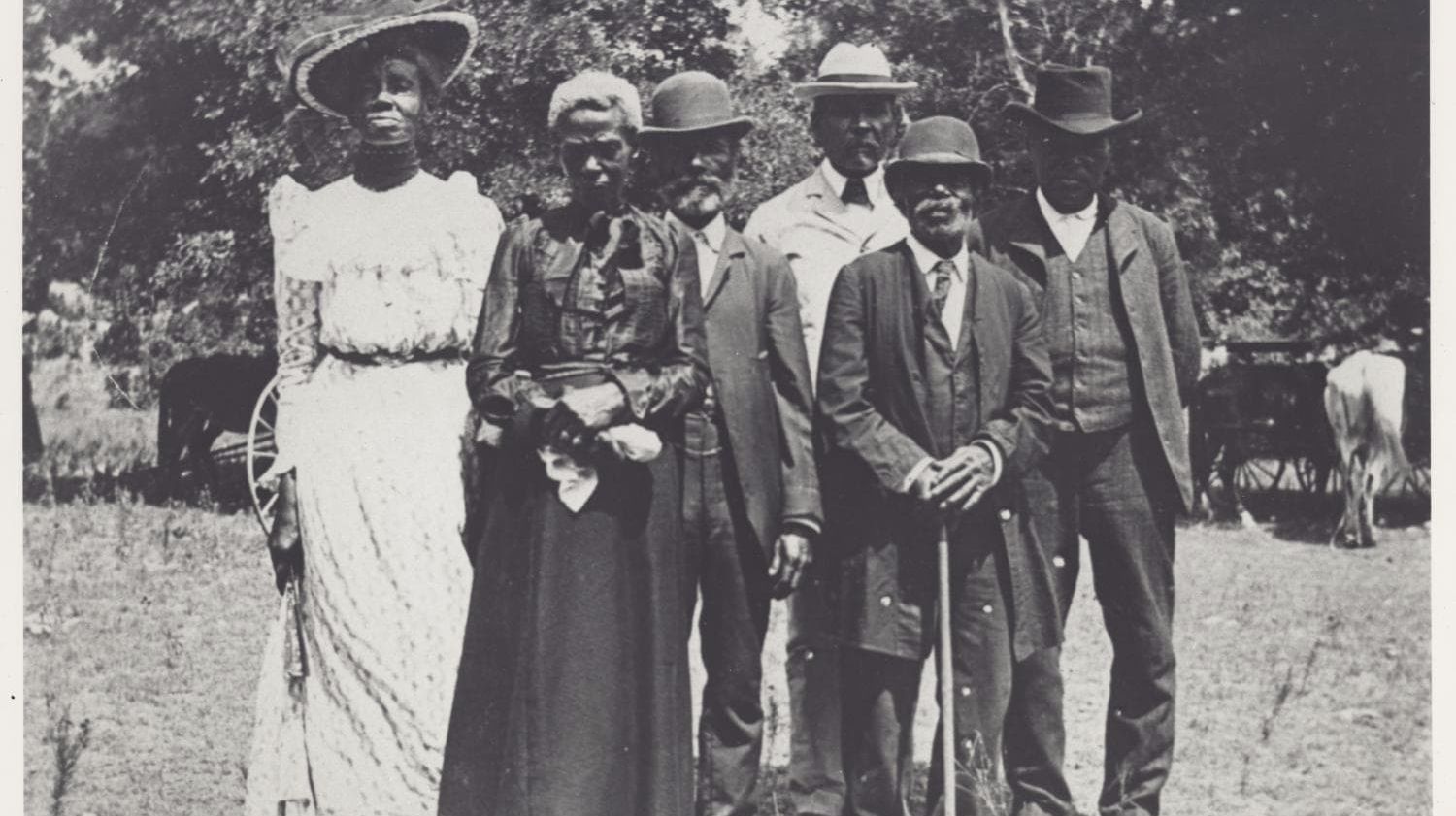
Most will know that Abraham Lincoln issued the Emancipation Proclamation on Jan. 1, 1863. It’s taught in schools and is even part of the Disney experience. But fewer know or are even taught that it took more than two and a half years before a large number of enslaved people even knew they were free. It’s an astounding and sad part of our collective history that is finally being told on a broader platform. It wasn’t until June 19, 1865, that many enslaved people were finally told they were free. What followed was by no means a celebration or easy life for those slaves who were finally broken from the bonds of their owners. They faced lynching, murder, violence and what would be more than 100 years of segregation and discrimination. Across the country, the day will be recognized with various forms of reflection and celebration. Though Texas was the first state to recognize Juneteenth as a state holiday, it meant only partial staffing was required and most government offices and agencies stayed open. Across the country, more than 40 states operate in similar fashion. As America reconciles with its past – is it time Juneteenth was given more attention? Are children taught about the hard and painful journey most African Americans had to take between now and when they were set free? Does it need to be recognized as a national holiday? What do our educators and legislators need to do to make sure Juneteenth is known on a wider scale? There are a lot of questions to be answered – and that’s where the experts from Augusta University can help. Professor Seretha Williams is an expert in Africa and African Diaspora, Digital Humanities, and Digital Publication. She is available to speak with media regarding Juneteenth – simply click on her icon to arrange an interview.

Man up…and get screened for cancer – June is Men’s Health Month.
June is Men’s Health Month and doctors are urging men, especially those over the age of 40, to get screened for cancers such as testicular, prostate and colorectal cancer. “The purpose of Men’s Health Month is to heighten the awareness of preventable health problems and encourage early detection and treatment of disease among men and boys. This month gives health care providers, public policy makers, the media, and individuals an opportunity to encourage men and boys to seek regular medical advice and early treatment for disease and injury. The response has been overwhelming with thousands of awareness activities in the USA and around the globe.” Men’sHealthMonth.org These cancers and other diseases are treatable if detected early; however, a lot of men still seem reluctant to book that visit and get checked. So why are men so slow to get checked? Do people realize early prevention can save lives? Do men know how devastating these diseases, if not caught early, can be on their life, sexuality and well-being? There are a lot of questions and answers that need to be addressed this June during Men’s Health Month and that’s where the experts from Augusta University can help. Dr. Jigarkumar Parikh is co-leader of AU Health’s Genito-Urinary Oncology Program and a medical oncologist specializing in kidney cancer, prostate cancer, bladder cancer and melanoma. Dr. Martha Terris is AU Health’s Witherington Distinguished Chair, Urology, and specializes in urologic cancers, including prostate cancer, bladder cancer and testicular cancer. Both experts are available to speak with media regarding Men’s Health Month – simply click on either profile to arrange an interview.

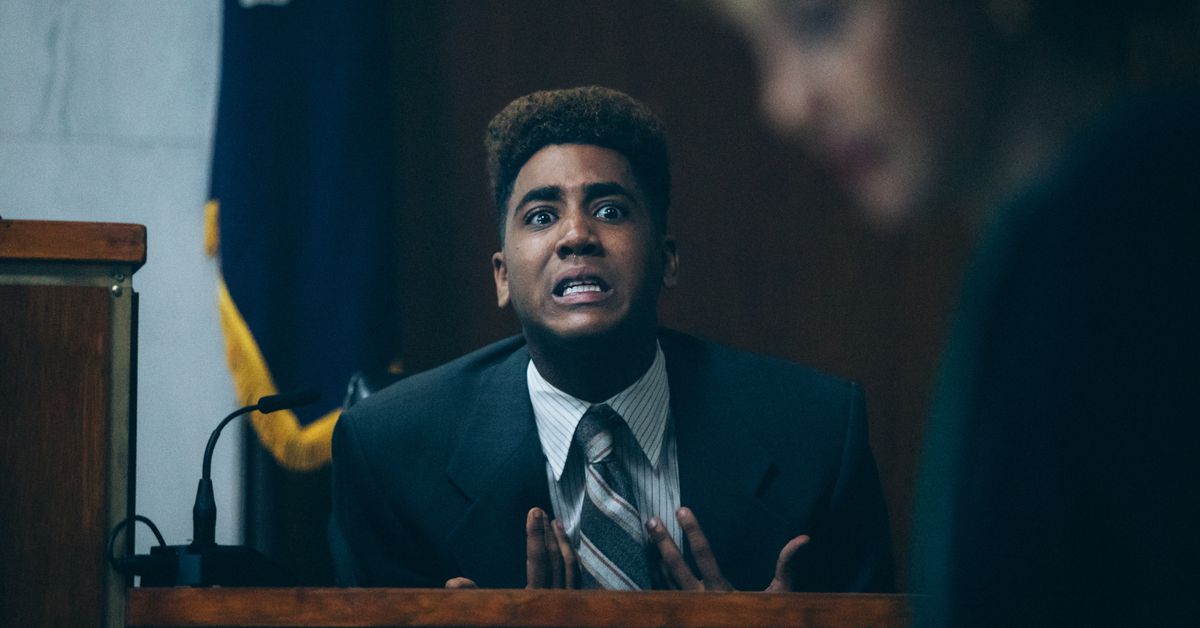
The recent release of the Netflix series “When They See Us” about the Central Park Five raises questions about the power of the media in the public’s perception of news stories. The narrative is different with this production than it was in the media when the trials were going on, and still today, the media has the power to shape – or sensationalize – a news story. In this version, the four-part series attempts to portray what happened and just how this tragic event impacted so many lives for so long. “Over the course of the series, the audience watches the boys, who are all between 14 and 16, get coerced into confessing to a crime they didn’t commit. … While other dramas of this kind often focus on victims and investigators, the focus here is on the accused. It’s a haunting story that shares a space with the innumerable podcasts, films and limited-run docuseries that try to rationalize and memorialize true crime incidents of years past.” – VICE.com Films – and the way they are made – are changing, and some are attempting to change the public’s perception of how actual historic events in America happened. This comes with benefits and no doubt, risks. What challenges do writers and directors take on when trying to tell a true story from our past? How has this been done correctly – and what happens if it fails? And is it up to the entertainment industry to educate audiences about the truth in our collective past? There are a lot of questions, and that’s where the experts from Augusta University can help. Dr. Matthew Buzzell is an award-winning, Emmy-nominated filmmaker whose films have screened at festivals the world over and been broadcast nationally on PBS, Turner Classic Movies and Netflix. Matthew is available to speak with media at any time – simply click on his icon to arrange an interview.


They are incidents that are now more common than a lot of people want to admit – and research is showing that mass shootings are taking a serious psychological toll on our country’s population. UMW’s Laura Wilson’s research was recently cited in media throughout the country for her work analyzing PTSD and its affects on witnesses to these events. “PTSD estimates 28 percent of people who have witnessed a mass shooting develop post-traumatic stress disorder (PTSD) and about a third develop acute stress disorder. Laura Wilson, an assistant professor of psychology at the University of Mary Washington in Virginia conducted a meta-analysis — an examination of data from 11 studies of PTSD symptoms among more than 8,000 participants who ranged from those who'd witnessed shootings to those who just lived in the communities in a 20-year period. She found the greater the exposure — someone who was at the scene or who lost a friend or family — the greater risk of developing PTSD. But, in her work, Wilson has found other factors, too, including previous psychological symptoms and a lack of social support, also played a role in increasing the likelihood. "Mass shootings are a different type of trauma," Wilson says. "People are confronted with the idea that bad things can happen to good people. ... Most people have a hard time reconciling the idea that a young, innocent person made the good decision to go to school, was sitting there, learning and was murdered. That does not make sense to us. ... It just rattles us to our core." And yet, some people don't fully appreciate the lasting psychological wounds of those who escaped physical harm.” June 02, Associated Press Are you covering this topic, or would you like to know more? That’s where UMW can help. Laura C. Wilson is a clinical psychologist whose expertise focuses on post-trauma functioning, particularly in survivors of sexual violence or mass trauma (e.g., terrorism, mass shootings, combat). Dr. Wilson is available to discuss this topic with media – simply click on her icon to arrange an interview.

