Experts Matter. Find Yours.
Connect for media, speaking, professional opportunities & more.

UF researchers aim to improve nutrition for cancer patients
A new study and first-of-its-kind food pharmacy at UF aim to help patients with cancer access and eat nutritious foods, giving them the best possible shot at a healthy future. As many as a third of cancer patients face food challenges, particularly in rural areas. Good nutrition can improve outcomes during and after treatment. With a grant from the Florida Department of Health, a team of researchers at the University of Florida Health Cancer Center and Sylvester Comprehensive Cancer Center will first assess the community’s nutritional needs. Then they’ll test the usefulness of a food-focused digital tool designed to connect patients to helpful resources. An on-site food pharmacy will help patients not only get the food they need to thrive but also provide tools for lasting change. “We’re taking a community-based approach to holistic cancer care,” said Dejana Braithwaite, Ph.D., associate director for population sciences at the UF Health Cancer Center. “Patients consistently express that nutrition is an important issue for them during cancer treatment. We want to address nutritional needs from treatment through survivorship with a sustainable intervention. ASCENT brings science and community together to make that a reality in Florida.” Braithwaite, a professor and division chief in the UF Department of Surgery, is leading the multi-institution study with Tracy Crane, Ph.D., R.D.N., director of lifestyle medicine, prevention and digital health and co-lead of the Cancer Control Program at Sylvester, part of the University of Miami Health System. Researchers from the UF colleges of Journalism, Medicine, and Public Health and Health Professions and UF/IFAS Extension are participating. The Florida Partnership for Adding Social Context to Address Cancer Survivorship Outcomes study, which the researchers have nicknamed ASCENT, will focus on those affected by the most prevalent cancers in Florida, including breast, lung, colorectal, prostate and blood cancers. “Cancer survivors who follow a healthy dietary pattern have a lower risk of recurrence and death,” said Cora Best, Ph.D., R.D.N., an assistant professor of nutritional sciences in the UF College of Agricultural and Life Sciences and study team member. “Some cancer therapies have long-term or late side effects that increase the risk for chronic conditions, like osteoporosis, which can be alleviated with good nutrition. That means a healthy diet during and after oncologic treatment can enhance lifespan and quality of life.” Researchers will start by conducting interviews with patients, providers and community-based organizations. They want to understand how to best use resources to meet the nutritional needs of those with cancer, such as food security and diet quality. “Community outreach and engagement with various groups is a cornerstone of the study,” said Francis Dalisay, Ph.D., an associate professor in the UF College of Journalism and Communications who helped develop the interview guides. The team will use the information to build a diet intervention with online surveys and patient navigator support, which they will test in a randomized clinical study at UF Health and Sylvester. Patient navigators will connect patients with resources like community programs or specialist referrals. The food pharmacy, located at the UF Clinical and Translational Sciences Metabolic Kitchen, will help cancer patients get healthy, whole nutrient-dense foods like high-protein items, fruits, vegetables and pantry staples. It will also provide workshops, personalized recipes and meal plans. Although the United States is a wealthy nation, food insecurity remains common, including in Florida, Best said. “The ASCENT study pairs evidence-based dietary guidance for cancer survivors with innovative strategies to overcome barriers like food insecurity,” she said. Ultimately, the study aims to empower patients so they can address lifestyle factors in their control, boosting their well-being. “I am hopeful this study will provide patients with appropriate resources to improve their overall nutrition, especially those who are malnourished,” said Paul Crispen, M.D., the Cancer Center’s associate director for clinical research and a study adviser.


Inside the Italian art heist: Experts explain the global fight to protect cultural heritage
A lightning-fast art heist in Italy has reignited global concerns about museum security and the protection of cultural heritage. As investigators search for stolen works by some of history’s most celebrated artists, University of Delaware experts are available to help journalists unpack the broader implications. Earlier this month, thieves executed a highly coordinated robbery at the Magnani-Rocca Foundation, stealing paintings by Pierre-Auguste Renoir, Paul Cézanne and Henri Matisse in a matter of minutes. Authorities say the operation was swift, targeted and likely premeditated – highlighting the evolving sophistication of art crime. The theft adds to a growing pattern of high-value art crimes across Europe, raising urgent questions about how institutions safeguard collections and what happens when culturally significant works disappear into illicit markets. UD experts are available to provide context, analysis and on-the-record commentary: Debra Hess Norris Chair, Department of Art Conservation A globally recognized leader in art conservation, Norris specializes in the protection, preservation and recovery of cultural heritage. She can speak to: How museums assess and mitigate security risks What happens after a major art theft The challenges of recovering stolen works in international markets How conservation science supports authentication and repatriation Jessica Horton Associate Professor of Art History Horton’s research examines global art histories and the movement of cultural objects across borders. She can discuss: Why stolen artworks matter beyond their monetary value Cultural ownership, repatriation and ethical considerations How art theft disrupts historical narratives and public access The broader cultural consequences of illicit art trafficking While headlines focus on the dramatic nature of art heists, the deeper story is about the fragility of cultural heritage – and the global effort required to protect it. To speak with Norris or Horton, email mediarelations@udel.edu.


New light-based chip boosts power efficiency of AI tasks 100 fold
A team of engineers has developed a new kind of computer chip that uses light instead of electricity to perform one of the most power-intensive parts of artificial intelligence — image recognition and similar pattern-finding tasks. Using light dramatically cuts the power needed to perform these tasks, with efficiency 10 or even 100 times that of current chips performing the same calculations. Using this approach could help rein in the enormous demand for electricity that is straining power grids and enable higher performance AI models and systems. This machine learning task, called “convolution,” is at the heart of how AI systems process pictures, videos and even language. Convolution operations currently require large amounts of computing resources and time. These new chips, though, use lasers and microscopic lenses fabricated onto circuit boards to perform convolutions with far less power and at faster speeds. In tests, the new chip successfully classified handwritten digits with about 98% accuracy, on par with traditional chips “Performing a key machine learning computation at near zero energy is a leap forward for future AI systems,” said study leader Volker J. Sorger, Ph.D., the Rhines Endowed Professor in Semiconductor Photonics at the University of Florida. “This is critical to keep scaling up AI capabilities in years to come.” “This is the first time anyone has put this type of optical computation on a chip and applied it to an AI neural network,” said Hangbo Yang, Ph.D., a research associate professor in Sorger’s group at UF and co-author of the study. Sorger’s team collaborated with researchers at UF’s Florida Semiconductor Institute, the University of California, Los Angeles and George Washington University on study. The team published their findings, which were supported by the Office of Naval Research, Sept. 8 in the journal Advanced Photonics The prototype chip uses two sets of miniature Fresnel lenses using standard manufacturing processes. These two-dimensional versions of the same lenses found in lighthouses are just a fraction of the width of a human hair. Machine learning data, such as from an image or other pattern-recognition tasks, are converted into laser light on-chip and passed through the lenses. The results are then converted back into a digital signal to complete the AI task. This lens-based convolution system is not only more computationally efficient, but it also reduces the computing time. Using light instead of electricity has other benefits, too. Sorger’s group designed a chip that could use different colored lasers to process multiple data streams in parallel. “We can have multiple wavelengths, or colors, of light passing through the lens at the same time,” Yang said. “That’s a key advantage of photonics.” Chip manufacturers, such as industry leader NVIDIA, already incorporate optical elements into other parts of their AI systems, which could make the addition of convolution lenses more seamless. “In the near future, chip-based optics will become a key part of every AI chip we use daily,” said Sorger, who is also deputy director for strategic initiatives at the Florida Semiconductor Institute. “And optical AI computing is next.”


Villanova Tax Experts Break Down Legislative Changes, Best Practices Before Filing Deadline
It's time to collect your W-2s, 1098s and 1099s: On April 15, Americans are required to submit their annual tax returns—recapping earnings, income and life events from the past calendar year. Yet, as filers prepare their records and statements for 2025, they should anticipate some substantial departures from the 2024 season. According to Stephen Olsen, JD, faculty director of the Graduate Tax Program at Villanova University Charles Widger School of Law, and Luke Watson, PhD, associate professor of Accounting in the Villanova School of Business, one of the most significant drivers of change is the One Big Beautiful Bill Act (OBBBA), signed into law on July 4, 2025. A sweeping piece of legislation, OBBBA has instituted a number of new tax rules and regulations, including a deduction of $6,000 for taxpayers over 65 years of age, a deduction for certain overtime payments up to $12,500, a deduction for certain tips up to $25,000 and an increase in the state and local tax (SALT) deduction cap from $10,000 to $40,000. Given these policies, most taxpayers should expect a modest decrease in taxes owed this season, and refunds on average should trend higher than in 2025—something borne out by early data from the U.S. Department of Treasury. Of course, the full extent and range of the windfalls have yet to be discovered. "It is unclear if the average refund will be as high as estimated by the administration or what the actual distribution of those tax benefits will be," says Professor Olsen. "Not every taxpayer will receive a significant benefit, and there are so many factors that could cause someone's tax bill to increase, including increased taxable income, the loss of other deductions, changes in filing status and claimed dependents." "There are also many restrictions and phaseouts that changed with OBBBA," adds Dr. Watson. "For example, many seniors and tipped workers paid little to no income tax even under prior law, so they would not necessarily see much benefit with the new legislation." As Dr. Watson's remarks reflect, the question of who exactly qualifies for and benefits from OBBBA's provisions has preoccupied the general public for quite some time. In particular, the deduction-related measure tied to tips, or the "no tax on tips" policy, has sparked curiosity. "Like many things in the Internal Revenue Code, 'no tax on tips' sounds simple, but the actual law is a bit more nuanced," says Professor Olsen. "Only workers who are in an occupation that 'customarily and regularly' receives tips qualify for this deduction. This includes lots of people in transportation, personal services and the food, beverage and hospitality industries—even some in entertainment. "Certain professions, including those in healthcare, law, accounting, financial services and consulting, will likely be prohibited from taking the deduction… Importantly, qualifying workers will need to be able to prove their tip income to take the deduction." "It is also worth noting that, due to the generally lower-wage nature of tipped jobs and the historical underreporting of tips on returns, many taxpayers earning tips paid little to no tax on tips in prior years," says Dr. Watson. "So, they would not experience much of a change under OBBBA." Navigating new provisions like this one, during a process and time already known for provoking anxiety, can be a daunting prospect for many taxpayers. What's more, administrative adjustments at the Internal Revenue Service (IRS) could potentially exacerbate levels of stress. "IRS staffing remains lower than in past years, which could impact customer service and processing of returns," says Professor Olsen. "In addition, the current administration has elected to eliminate the IRS Direct File tool for income taxes that was available last year. Taxpayers who used the tool last year will need to find other options for the preparation of their income tax returns." For those concerned about filing and worried about abiding by the new rules and regulations, Professor Olsen and Dr. Watson highlight the importance of remaining organized, maintaining a game plan and, if necessary, seeking assistance. "First, taxpayers should be proactive," says Professor Olsen. "Start gathering information as soon as possible and start the process of preparing your returns as early as possible. That will provide you with more time to troubleshoot issues or find other information you may not have initially gathered." "Free resources are also available for taxpayers," says Dr. Watson. "There is a federal volunteer-run program called Volunteer Income Tax Assistance (VITA) that operates throughout communities to prepare tax returns for free, and many of the big tax prep companies do offer a free version of their software, despite trying very hard to sell a paid version. "That said, the best advice is to keep thorough tax and financial records throughout the year. Then, seek help—such as through VITA—when you need it. The better your records, the easier it will be for VITA or others to assist you."


As April marks Autism Acceptance Month, journalists looking to move beyond awareness and into meaningful storytelling have access to a diverse group of experts from the University of Delaware. From innovative health technologies to classroom strategies, mental health support and adulthood transitions, these scholars offer fresh, research-backed perspectives on what it means to support autistic individuals across the lifespan — and why the conversation is evolving. Reimagining Health Through Technology and Inclusion Daehyoung “DH” Lee Assistant Professor Dr. Lee is exploring how technology can close health gaps for individuals with intellectual and developmental disabilities. His work focuses on mobile health apps and wearable devices — including a gamified intervention designed to improve physical, mental and cognitive health outcomes. Story angles: How gamification and wearable tech are transforming health outcomes for autistic individuals The future of inclusive digital health tools Addressing disparities in physical activity and wellness Why Motor Skills Matter in Autism Anjana Bhat Professor A leading researcher on motor development in autistic children, Dr. Bhat has spent years advancing understanding of how motor challenges impact daily life. She was recently named a Catherine Worthingham Fellow for her contributions to the field and for elevating the role of physical therapy in autism care. Story angles: The overlooked link between motor skills and autism Why physical therapy should be part of early intervention New research reshaping how clinicians and families approach care Centering Lived Experience in Education and Development Sarah Curtiss Assistant Professor Dr. Curtiss examines how to build programs that truly support autistic youth by grounding them in lived experience. Her work spans social development, sexuality education, family dynamics and the transition to adulthood — always with a focus on resilience and real-world context. Story angles: Rethinking how schools support autistic students beyond academics Conversations around sexuality education and autism What successful transitions to adulthood really require Preparing Educators for Complex Needs Sarah Mallory Assistant Professor With expertise spanning the School of Education and the Center for Disabilities Studies, Dr. Mallory focuses on preparing educators to work with students who have significant behavioral and academic needs. Her work also includes empowering individuals with developmental disabilities to make self-protective decisions and navigate complex social situations. Story angles: Supporting students with intensive needs in today’s classrooms Teaching self-advocacy and safety skills Training the next generation of special education professionals Mental Health and Systems-Level Support Alisha Fletcher Director, Delaware Network for Excellence in Autism A licensed clinical social worker with more than 20 years of experience, Fletcher leads efforts to support professionals and families across Delaware. Through training and technical assistance, she addresses the mental health and service needs of autistic individuals across settings. Story angles: The growing demand for autism-informed mental health care Supporting families navigating complex service systems Building statewide networks that improve outcomes Why This Matters Now As acceptance grows, so does the need for deeper, more nuanced coverage. Autism is not a single story — it intersects with health care, education, technology, family life and public policy. These experts can help audiences better understand those intersections and highlight solutions that are already making a difference. To contact any of these experts, please email MediaRelations@UDel.Edu.
Study: Many pregnant women uncertain of marijuana risks even as use increases
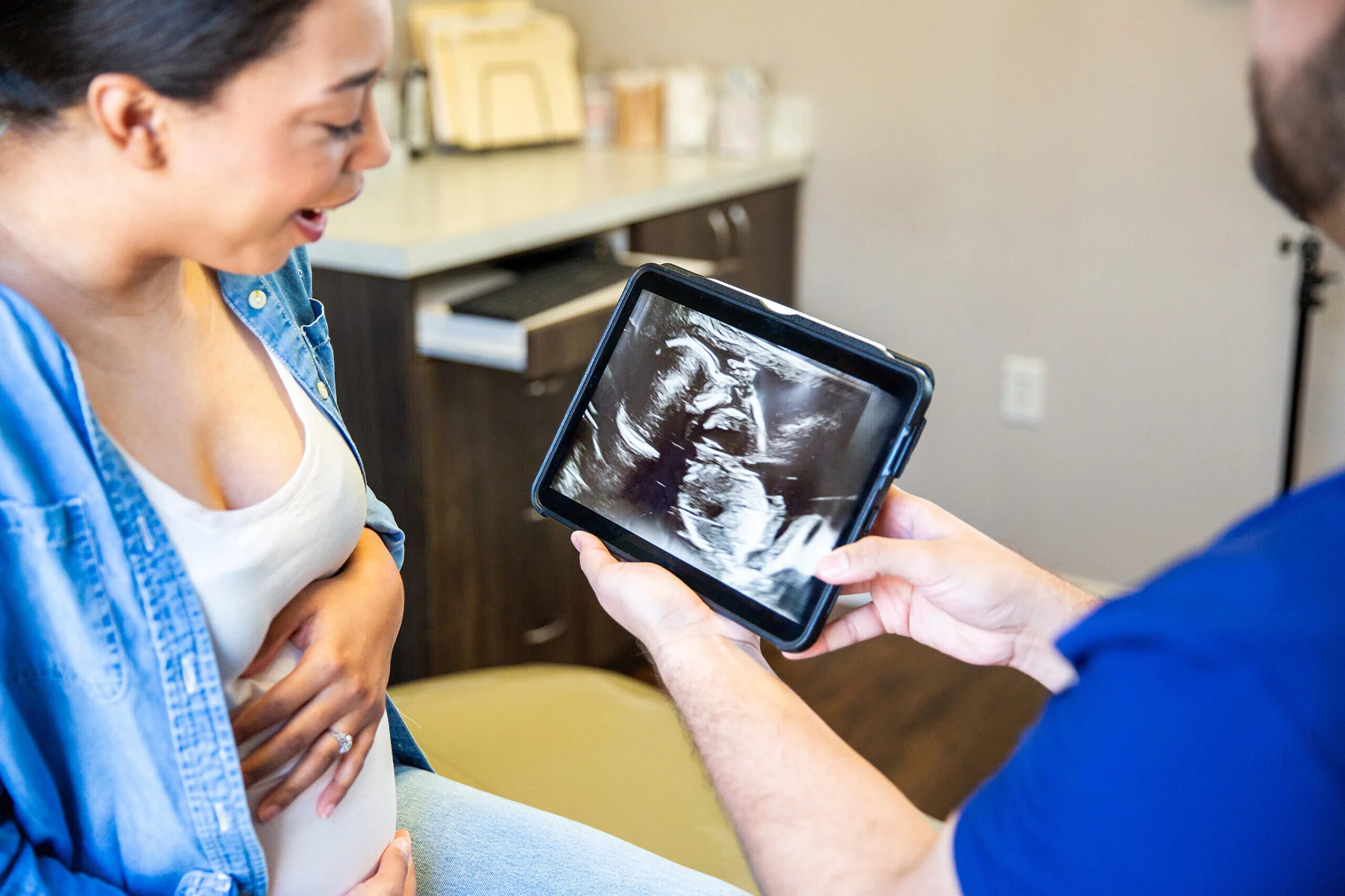
Many pregnant women are unsure if it’s safe to use marijuana or products containing cannabidiol, an active compound in marijuana, even as they increasingly turn to them to combat morning sickness, anxiety or insomnia, a recent University of Florida Health study shows. The American College of Obstetricians and Gynecologists advises against the use of marijuana and cannabidiol, or CBD, during pregnancy. Marijuana use has been associated in some studies with adverse fetal neurodevelopmental outcomes. Evidence of cannabidiol safety is sparse in human studies, but researchers remain concerned that it might nonetheless pose a danger. CBD is not intoxicating. The UF Health researchers said their study shows a need for the medical community to better educate women about the potential hazards to the fetus from using marijuana, also called cannabis. One worry is that some people believe the spreading legalization of marijuana or CBD around the nation equates to the government giving its stamp of approval that the products are safe, researchers said. Medical marijuana is legal in Florida, although its recreational use is not. “If a medication is legal, we assume that maybe it’s safe, although other things like tobacco and alcohol are also legal and we know that those can be harmful to pregnancies,” said Kay Roussos-Ross, M.D., the study’s senior author and a professor in the UF College of Medicine’s Department of Obstetrics and Gynecology. “We see a good deal of data out there that shows that there is increased risk of psychiatric and behavioral issues related to marijuana use in pregnancy, but we need more,” she added. “We need more so that we can be correct in our assessments and our educational efforts to women of reproductive age who are using marijuana.” It’s difficult to quantify the rise of marijuana and CBD use during pregnancy, with most estimates showing an increase predating COVID-19. A 2021 federal survey reported 7.2% of pregnant women used marijuana. The UF Health study noted that emerging evidence from obstetrics care shows more pregnant women are trying the products, perhaps because of increased legalization. The study, published in Medical Cannabis and Cannabinoids, surveyed 261 women and used focus groups to explore participants’ perceptions of the products. The women were either pregnant, breastfeeding or caring for a child 5 years old or younger, and reported use of marijuana or CBD products, such as vapes, smoking, tincture oils or ointments. “There seems to be a disconnect,” said Amie Goodin, Ph.D., an assistant professor in the UF College of Pharmacy’s Department of Pharmaceutical Outcomes and Policy and the study’s lead author. “About one in six pregnant women are telling us, ‘Yes, I have used marijuana or a CBD product while I’m pregnant.’ But half are saying, ‘I don’t know what the risks are.’” About 40% of the pregnant women surveyed said they were unsure how risky it was to use marijuana once or twice a week during pregnancy, compared with 34.5% of women who were not pregnant when surveyed for the study but who had children. Asked the same question about CBD, more than 52% of pregnant women were unsure of the risk, compared with 41.8% for mothers who weren’t pregnant when surveyed. About 36% of pregnant women reported using marijuana, compared with 65% of mothers not currently pregnant, perhaps reflecting at least some increased caution among those in the former group. CBD use was 19.9% for pregnant women and 38.2% for women who were not pregnant. “Some women did mention that the legalization of marijuana has made marijuana more socially acceptable,” said study co-author Deepthi Varma, Ph.D., an assistant professor in the College of Public Health and Health Professions’ Department of Epidemiology. The researchers said they were especially concerned that women were even less sure of the safety of CBD use because it is widely available and often seen as harmless. “You might notice that it’s even something that you can buy at a gas station or a grocery store,” Goodin said. “CBD in a purified form has actually got an FDA approval to treat certain types of pediatric epilepsy on its own … but pharmaceutical-grade CBD is not quite the same thing as you would expect to get if you were purchasing CBD oil at a smoke shop or a gas station.”

Target Can’t Seem to Escape the Crosshairs
The on-again-off-again nationwide boycott of Target has the retailer’s new chief executive, Michael Fiddelke, officer facing relentless pressure from activists on both sides of the issue. David Primo, a professor of political science and business administration at the University of Rochester, says Fiddelke can’t seem to move Target from the crosshairs despite slashing prices on thousands of products and investing in stores, workers, and technology. “Target remains a battleground for activists on the left and the right, and its new CEO hasn’t yet figured out how to extricate the company from this role,” Primo recently told USA Today. “Fiddelke already faces a huge challenge in turning around a company with significant operational issues. This certainly doesn’t help matters.” Target has reported 13 straight quarters of sluggish sales. Company officials have admitted that shopper anger has contributed. Activists in Minneapolis, where Target is based, organized a nationwide boycott last year over the company’s rollback of diversity, equity, and inclusion policies. From church pulpits to community gatherings, the policy about-face was widely viewed as a betrayal of Black Americans who had propped up the retail giant’s bottom line. Primo studies corporate political strategies, among other areas, and regularly shares his insights with business journalists and political reporters. His essays have appeared in The New York Times and The Wall Street Journal, and he’s been interviewed by many radio and television outlets, including Bloomberg and National Public Radio. Contact him by clicking on his profile.


Rip Current Simulations Save Lives
Jase Bernhardt, Hofstra University associate professor of geology, environment, and sustainability and director of meteorology, was referenced in a USA Today article about simulations that teach the public about rip current safety. For years, Dr. Bernhardt has been leading research that offers a virtual reality simulation of being caught in a rip current and teaches ways swimmers can navigate to safety. The development of this technology is supported in part by New York Sea Grant (NYSG).


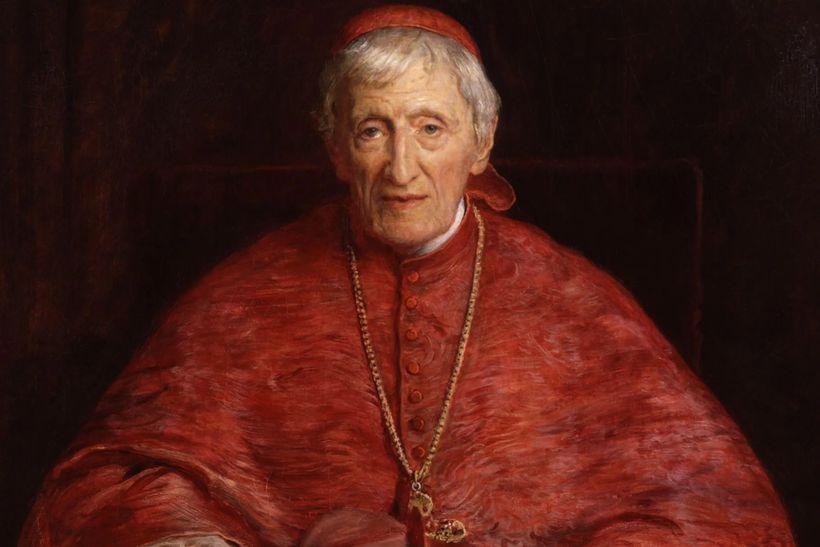
Pope Leo XIV's first year as leader of the Catholic Church was marked by observation, listening and careful communication, and was largely devoid of major doctrinal or political action. As reasonably expected of a new pontiff, he issued his first major document—the apostolic exhortation Dilexi te. He also embarked on his first international trip, traveling to Türkiye and Lebanon, where he celebrated the 1700th anniversary of the Council of Nicaea. But perhaps publicly overlooked was his elevation of a 19th-century saint to Doctor of the Church—a designation reserved for saints found to have made significant contributions to doctrine and spirituality through writings and teachings. After approving it in July 2025, Pope Leo issued that designation to St. John Henry Newman on All-Saints Day, making him only the 38th individual given the title. "The move to make St. John Henry Newman a Doctor of the Church was already underway, but Pope Leo verified it and actually carried it out, bringing Newman into a newfound kind of prominence," said Michael Moreland, PhD, professor of Law and Religion at Villanova University Charles Widger School of Law, and a scholar of St. Newman. A Bridge Between Anglican and Catholic Theology Newman, considered an influential individual in the shaping of modern Catholic theology and education, was not always Catholic. Born in England in 1801, Newman became an Anglican priest in his mid-20s. He later was a prominent leader of the Oxford Movement—one intended to recover elements of traditional Catholic heritage in Anglicanism. It led to the birth of Anglo-Catholicism and caused many Anglicans to convert to the Roman Catholic faith, including Newman himself. Newman was received into the Catholic Church in 1845 and was ordained a Catholic priest in 1847. He would go on to become an influential theologian for his contributions to the ideas of faith, conscience and doctrine. "He established what he called the 'evolution of the doctrine'—the idea that the deposit of faith is not something immobile, but something that grows in awareness over time," said Luca Cottini, PhD, professor of Italian Studies at Villanova University. "He [Newman] was also a person of the university; an intellectual," said Dr. Moreland. "He was known for his voluminous writings on all kinds of issues, including his famous book 'The Idea of a University.'" In 1878, Pope Leo XIII made then-Father Newman—who was not even a Bishop at the time—a Cardinal. Like the current Pope Leo, the elevation of Newman was one of Pope Leo XIII's first acts of government. "It's an astonishing resemblance between our current Pope and his namesake," Dr. Cottini said. "Both recognized this important theologian and his contributions to Catholicism within the first year of their papacy." Newman died in 1890 and is remembered as an influential theologian, scholar and an important bridge between Anglicanism, Catholicism and the modern world. He was beatified in 2010 by Pope Benedict XVI and canonized by Pope Francis in 2019 before Pope Leo XIV elevated him to Doctor of the Church. Newman's Promotion Shrouded in Significance Beyond its relative rarity—only five individuals have been promoted to Doctor of the Church since 1971—Newman's elevation is significant in many ways, according to Dr. Moreland. "He was an Anglican by birth who converted to Roman Catholicism," he said. "He was someone from the English-speaking world, not from continental Europe, and he was from the 19th century, which is relatively recent in this context." Newman is only the second Doctor of the Church from England, and aside from Thérèse of Lisieux, born in 1873, is the only Doctor of the Church born after 1700. Beyond the significance related to Newman himself, Pope Leo's recent action underscored a critical focus of the Church, and evidenced its personal importance to the pontiff himself. "It highlighted Newman's role in education," Dr. Moreland says. "That is something Pope Leo has been formed by in important ways: as a seminary rector, seminary professor and as part of the Order of St. Augustine, which values education highly." At the Mass elevating Newman to Doctor of the Church, Pope Leo also named Newman a co-patron saint of Catholic Education, joining 13th-century priest and theologian St. Thomas Aquinas. He then added Newman’s feast day of October 9—the day he converted to Catholicism in 1845—to the General Roman Calendar, thus bringing his memorial to the global Church. "I think Pope Leo elevating Newman to a Doctor of the Church, along with these subsequent actions, signifies the emphasis he is going to place on education during his papacy," Dr. Moreland said.


Ghost sharks grow forehead teeth to help them have sex
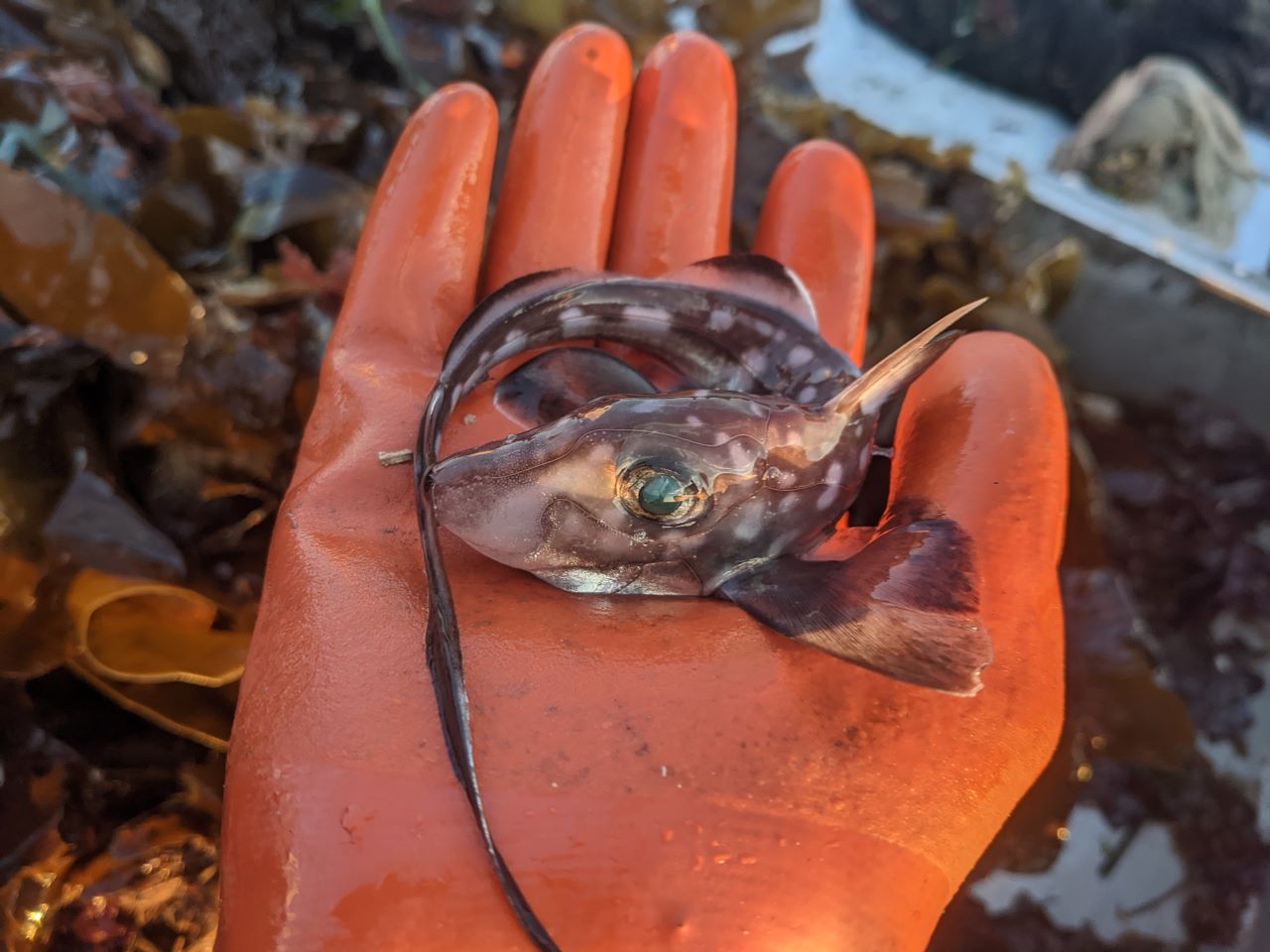
Male “ghost sharks” — eerie deep-sea fish known as chimaeras that are related to sharks and rays — have a strange rod jutting from their foreheads, studded with sharp, retractable teeth. New research reveals these are not merely lookalikes, but real rows of teeth that grow outside the mouth. What’s more, the toothy appendage is likely used for mating. Found only in males, the forehead rod — called a tenaculum — is the ghost sharks’ only source of distinct teeth, and it seems to be used to grasp females in much the same way sharks use their toothy mouths in mating. “If these strange chimaeras are sticking teeth on the front of their head, it makes you think about the dynamism of tooth development more generally,” said Gareth Fraser, Ph.D., a professor of biology at the University of Florida and senior author of the study. “If chimaeras can make a set of teeth outside the mouth, where else might we find teeth?” The team, including scientists from the University of Washington and the University of Chicago, studied both fossils and living specimens to solve the mystery. A 315-million-year-old fossil showed the tenaculum attached to the upper jaw, bearing teeth incredibly similar to those in the mouth. Modern chimaeras collected from Puget Sound revealed the same tooth-growing process on the head, seen in modern-day shark jaws. And genetic testing confirmed they expressed the same tooth-specific genes as oral teeth. “What we found is that the teeth on this strange appendage look very much like rows of shark teeth. The ability to make teeth transferred onto that appendage, likely from the mouth,” Fraser said. “Over time, the tenaculum shortened but retained the ability to make oral teeth on this forehead appendage.” Fraser collaborated with Washington’s Karly Cohen, Ph.D., and Michael Coates, Ph.D., from Chicago on the study, which was published this week in the Proceedings of the National Academy of Sciences. As experts in shark evolution and anatomy, the scientists were intrigued by these tooth-filled rods sprouting from the ghost shark foreheads. The central mystery: Is the tenaculum covered in true teeth related to oral teeth or more similar to the tooth-like scales plastering the skin of sharks and some ghost sharks? CT scans of the fossils and modern chimaeras gave the scientists unprecedented, detailed insights into the development of the tenaculum teeth, which looked remarkably similar to the teeth of today’s sharks. The nail in the coffin came from genetic evidence. The tenaculum teeth express genes found only in true teeth, never in shark skin denticles. "What I think is very neat about this project is that it provides a beautiful example of evolutionary tinkering or ‘bricolage,’” said Coates, a professor of biology at the University of Chicago. “We have a combination of experimental data with paleontological evidence to show how these fishes co-opted a preexisting program for manufacturing teeth to make a new device that is essential for reproduction." Cohen, a postdoctoral researcher at the University of Washington’s Friday Harbor Labs and first author of the paper, said scientists had never spotted teeth outside the mouth in this way before. “The tenaculum is a developmental relic, not a bizarre one-off, and the first clear example of a toothed structure outside the jaw,” she said. The bizarre path from a mouth full of teeth to forehead teeth used for mating demonstrates the impressive flexibility of evolution, the researchers say, always ready to repurpose structures for strange and unexpected new uses. “There are still plenty of surprises down in the ocean depths that we have yet to uncover,” Fraser said.