
Experts Matter. Find Yours.
Connect for media, speaking, professional opportunities & more.

Exploring everyday finance, gender, and the future of pensions
Money in everyday life For Dr Hayley James, finance isn’t just numbers on a balance sheet - it’s woven into the realities of everyday life. From saving and borrowing to the challenge of long-term pension planning, her work at Aston University’s Centre for Personal Financial Wellbeing (CPFW) explores how financial decisions are shaped by family, gender, life stage, and stability of income. Her research stems from her PhD, which examined how people make decisions after being automatically enrolled into workplace pensions - a starting point that sparked her continuing focus on pensions and everyday financial behaviour. “Finance is often portrayed as objective, but in reality, our money decisions are tied up with all the other meaningful factors in our lives.” – Hayley James At CPFW, Dr. James and her colleagues have observed a shift in policy and industry thinking. Where once the focus was on pushing people to act in “rational” financial ways, attention is now turning to redesigning systems that reflect how people actually manage money. Gender and the pension gap A key focus of Dr. James’ research has been pensions, particularly how gender and life events shape saving habits. She has found that parenthood has very different impacts on men and women’s retirement planning: Motherhood often discourages pension saving - reducing both capacity and perceived importance. Fatherhood often encourages saving - reinforcing traditional financial roles. While many assume household specialisation balances out, reality shows otherwise: separation or divorce often leaves women financially disadvantaged. These insights underpin her book Pension Saving in a Gendered Lifecourse (2025), which argues for pension systems that move beyond gender neutral models to become gender friendly - systems that acknowledge the very different realities men and women face across their life course. Tracking real lives: the “Real Accounts” project Beyond pensions, Dr James has led research into how people actually manage day-to-day finances. In the Real Accounts project, she and colleagues followed UK households for 10 months, recording income and spending in real time. The findings reveal how income volatility — sudden drops, irregular hours, unexpected bills — creates stress and undermines financial stability. These insights are helping policymakers and providers rethink how products like pensions, credit, and debt advice are designed. Collaboration and impact Dr. James’ work bridges academia, policy, and practice. Partnerships include: Nest Insight – public-benefit research centre, co-leads on Real Accounts. Glasgow Caledonian University – joint research on household finances. Christians Against Poverty – literature review on measuring the impact of debt advice, aimed at improving frontline support for the most vulnerable. Through these collaborations, her findings are already shaping practical change in how organisations design support for households under financial strain. Looking ahead With her British Academy Innovation Fellowship concluding, Dr. James is turning to new questions: How do diverse households — across sexuality, ability, ethnicity, and household structure — navigate finance? How can financial systems evolve to reflect real lives, not abstract models? Her book sets out a roadmap for rethinking pensions through a gendered lens — offering policymakers, providers, and households a new way to understand and prepare for later life. Selected publications For readers who want to explore her research in more depth, here are a few recent publications: • James, H. (2022). Everyday finance and the politics of financial subjectivity. Review of International Political Economy. • James, H. (2022). Financial wellbeing and the lived experience of income volatility. New Political Economy. • James, H. (2023). Household finance and the gendered lifecourse: Reframing pensions research. In Handbook on Everyday Finance (Edward Elgar). Available via RePEc. ⸻ About Dr. Hayley James Dr. Hayley James is a Senior Research Fellow at Aston University’s Centre for Personal Financial Wellbeing. Her research spans pensions, household finance, and the social context of money. She has published widely and works closely with policy and community partners to translate research into action. To explore more of the Centre’s work and access project reports, visit the CPFW Projects page at Aston University. Connect with Hayley by clicking the profile icon below.



The Double-Edged Scroll: Why Passive Screen Time Drains You More Than Active Use
Most conversations about “screen time” focus on hours. But newer research and what clinicians see in practice suggest how you use your phone may matter as much as how much you use it. A 2024 meta-analysis of 141 studies on active vs passive social media use found that, overall, effects are small, but there is a pattern: passive use (just scrolling and watching) is more consistently associated with worse emotional outcomes, while some forms of active use (commenting, messaging, posting) show small links to greater wellbeing and online social support. (OUP Academic) Other work from Frontiers in Psychology suggests that the emotional impact of passive use depends heavily on how you feel about the content: when it triggers envy, comparison or negativity, mental ill-being goes up; when it’s genuinely positive, the effect can be neutral or even slightly protective for some users. (Frontiers) Reviews also point to upward social comparison, FOMO and rumination as key pathways linking passive browsing to lower wellbeing. (ScienceDirect) Psychotherapist Harshi Sritharan, MSW, RSW works with teens and adults who feel “wiped out” by their feeds and draws a sharp line between passive and active tech use: “Don’t do passive tech use — that doom scrolling, or content just being thrown at you,” she says. “I want people to engage in active tech use. Go and search something up, choose the long-form video you actually want, talk to your friends. Don’t let the app decide everything you see — especially for kids, who are getting content they’re not ready for and didn’t sign up for.” She notes that many of her clients describe feeling “numb, anxious or wired” after long passive sessions, a sign that their nervous system is being pulled around by unpredictable, emotionally loaded content rather than chosen experiences. She also discussed the short term recall related to scrolling: "Some of my clients can't even remember what content they consumed right after scrolling. However, we know that what we pay attention to and what we show our brains has an impact on our thoughts, mindset, feelings and overall internal world." Offline.now founder Eli Singer frames this as a design problem, not a moral failing. The platform’s research shows people already spend about 10 of their 16 waking hours on screens; the realistic goal is to upgrade some of that time, not pretend we can all go offline. His advice: instead of vowing to “get off your phone,” start by swapping just 20 minutes a day from passive to active use; for example, messaging a friend to meet up, learning something specific, or planning an offline activity. “When people tell us they feel overwhelmed by their screen habits, it’s not laziness, it’s a crisis of confidence,” Singer says. “We don’t need perfect digital detoxes. We need small, winnable shifts, like taking one block of passive scrolling and turning it into something you actually chose.” For journalists, the story isn’t simply “screens are bad.” It’s that passive, algorithm-driven scrolling is where comparison, FOMO and emotional overload tend to pile up and that helping people change how they use their devices may be more realistic, and more effective, than focusing on raw minutes alone. Featured Experts Harshi Sritharan, MSW, RSW – Psychotherapist specializing in ADHD, anxiety, insomnia and digital dependency. She helps teens and adults understand how doomscrolling and passive feeds hijack dopamine and mood, and teaches practical shifts toward more intentional, “active” tech use. Eli Singer – Founder of Offline.now and author of Offline.now: A Practical Guide to Healthy Digital Balance. He brings proprietary data on digital overwhelm and the “confidence gap,” and shows how 20-minute “micro-wins” like upgrading one chunk of passive screen time can change people’s relationship with their phones without extreme detoxes. Expert interviews can be arranged through the Offline.now media team.



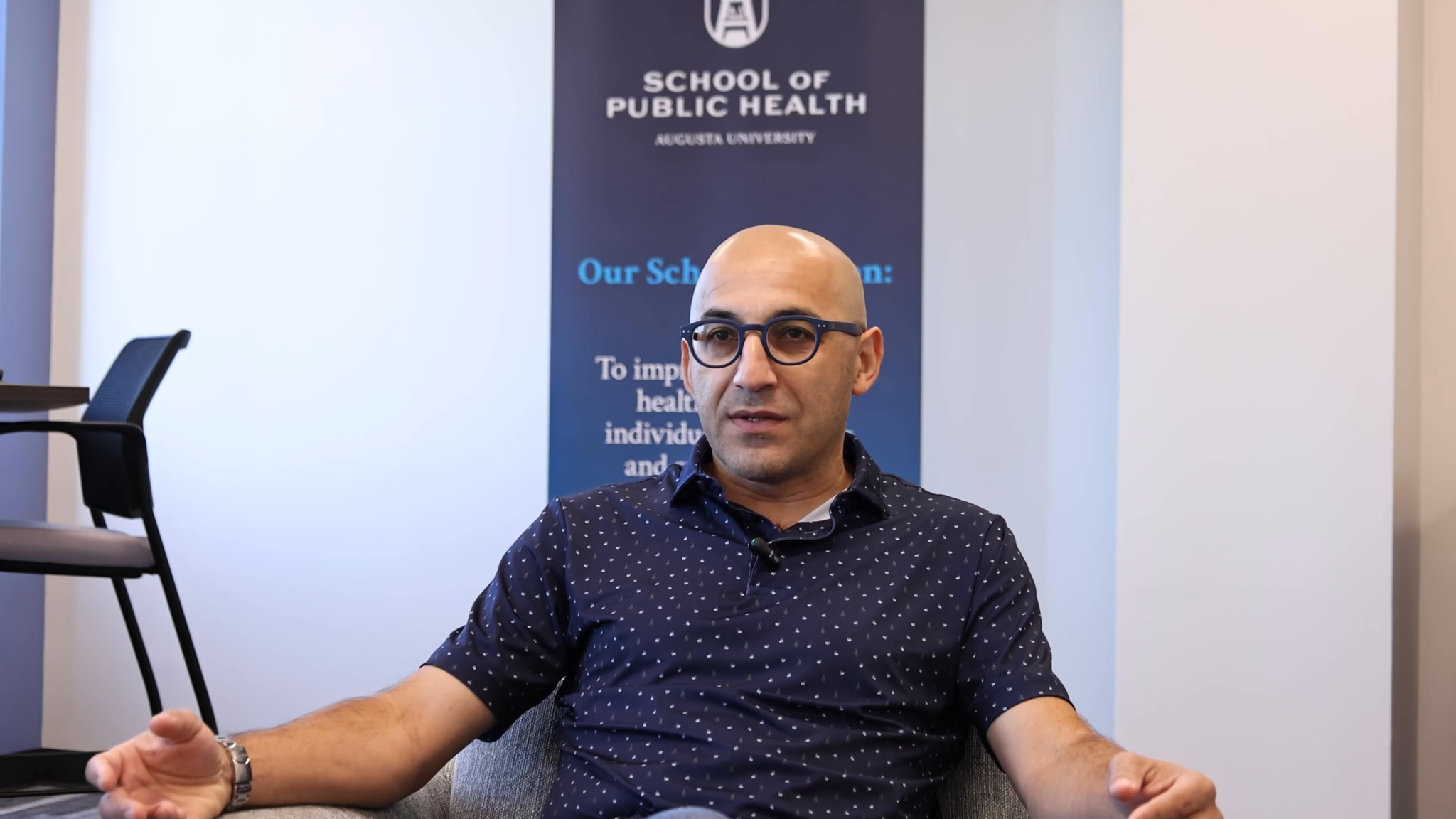
Augusta University public health experts discuss building recovery through economic stability
In this candid conversation, Vahé Heboyan, PhD, and Marlo Vernon, PhD, talk about their work at the intersection of public health, economic stability and substance use disorder recovery. The interviews are centered on Augusta University's public health-driven small business training initiative and explore how recovery is strengthened when communities invest in people and provide practical paths to long-term stability. Heboyan, a professor in AU's School of Public Health and a public health expert with a background as an economist, explains that economic vulnerability often hinders recovery, especially in rural areas with limited resources where risk-taking can be costly. He translates economic research into public health practice, emphasizing that small businesses and microenterprises are about providing a sustainable income for individuals and families, not creating large corporations. This stability, he notes, can have a ripple effect, supporting local economies, job opportunities and community resilience. Vernon, whose research focuses on maternal and infant health, as well as substance use disorder recovery, highlights the human side of recovery and the importance of financial security for families. She notes that economic instability can increase the risk of relapse, especially for mothers in recovery who are supporting children. Her insights show that entrepreneurship can be a public health tool, addressing income, dignity, confidence and long-term wellbeing. Both interviews emphasize the key role of community in recovery. Heboyan points out the power of peer support and shared experience, noting how participants use their past challenges as strengths. Vernon agrees, emphasizing that effective public health work requires building relationships and engaging with communities over time, rather than just conducting short-term research. Together, the interviews show that recovery is part of a larger ecosystem that includes economic opportunity, mentorship and community trust. The video illustrates how combining economics, public health and lived experience can create lasting, meaningful impact for individuals in recovery and their communities. Looking to know more? Click on Dr. Vernon's profile below. To connect with Dr. Heboyan, simply contact AU's Communications team via email (mediarelations@augusta.edu) to arrange an interview today.


The holiday season is a whirlwind of joy, lights, and laughter, but sometimes it can also sneak in some added stress. Experts from the University of Delaware are here to remind us that our mental wellness shouldn’t take a backseat during these festive times. By weaving mindfulness into our holiday plans, we can maximize the joy and peace we experience. Prioritizing presence over presents Let's face it: the holiday rush often translates to an avalanche of consumerism. But Amit Kumar, a marketing professor who focuses on the scientific study of happiness, suggests focusing on being present rather than the presents. Carving out mindful time The holidays can stir up complex emotions as families come together. Psychology professors Franssy Zablah and Zachary Meehan offer strategies to support mental well-being this season. Valerie Earnshaw and Raphael Travis, professors who study health and wellbeing, can share guidance for supporting family members with substance use disorders this holiday season. Gifting intentionally this year Education professors Myae Han and Roberta Golinkoff can talk about gifts for children that promote reading or positive play. Keeping the spirts bright year after year Debra Hess Norris offers tips on how to preserve decorations and make them look brand new every year. To contact any of these experts, click on their expert profiles or email MediaRelations@udel.edu.




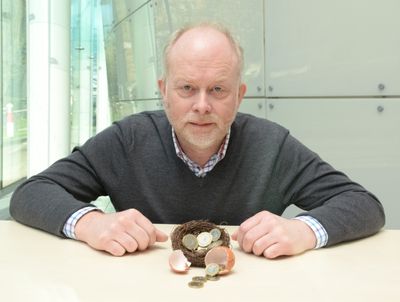
Budget 25 – initial reactions related to personal financial wellbeing
As the director of the Aston Centre for Personal Financial Wellbeing, and a professor of taxation, I obviously take particular interest in the annual budget day as it sets a tone for much of the personal finance changes that are likely to occur in the near future. The lead up to this year’s budget had unprecedented levels of speculation with much of the press and commentators trying to get attention with ever more it seemed wilder guessing of what the chancellor might do – largely unhelpfully and worrying people and the markets unnecessarily. Almost all of this proved wide of the mark as the budget didn’t increase any of the main taxes at all, and where it might nudge National Insurance contributions (NICs) up for some, this won’t be for a few years and only in a small area (pension payments for employees) that won’t actually affect most people. Small and cautious steps to reform The reason for all this speculation of key changes needed was that everyone suspected there was a big hole in the national finances. This was shown not to be the case. In fact, predictions provided in the budget documents are we’d in fact be in budget surplus by the end of this parliament period even before the changes announced take effect. This was a surprise to many and meant the chancellor could actually focus on at least some small and cautious steps towards reforming how our tax, benefit and government spending systems work. What she proposed therefore is currently predicted will raise circa £26bn and give the government ‘head-room’ to cope with economic changes later rather than needed to fill a feared financial black hole now – good news all round! This meant what we actually got was lots of smaller changes with fewer ‘rabbit out of a hat’ big tax surprises than we have had in recent years – a welcome steadying trend I hope will continue. She also promised some short-term spending that can be paid for with a combination of extra borrowing now and with increased taxes later – again a trend of recent budgets. If these tax changes actually happen in the end, then it will be down to what happens between now and when these were proposed to commence – by no means a guarantee these will ever happen. Later budgets, or other rule changes in the future, could easily retract or counter them (all chancellors like to announce planned tax changes aren’t going to happen for obvious political gain reasons!). Income tax changes The largest share of the extra £26bn raised will come from extending the income tax thresholds for a further period – now to 2031. These have been fixed (at £12,570 for example for the point at which income tax starts to need to be paid on personal incomes) since at least 2023, some well before this. This matters, as, when wages rise due to inflation, people are not better off in reality (you get more income but things cost more), but may end up paying more tax than before as the thresholds haven’t increased with inflation to the same degree (what we call ‘fiscal drag’). As such, holding these thresholds fixed for longer will raise extra money for the government (predicted to be over £12bn a year in 2030-31 for example) – largely unnoticed as to many it doesn’t feel like the tax rise it clearly is. The threshold fixing extension announced today will mean that as many as 700,000 more people will start to pay some income tax when they wouldn’t currently, and up to 1 million more people will start to pay higher rates of tax than currently – all without being actually better off in real terms. Some call this stealth tax, but it feels very real when it starts to affect you if your total taxable incomes fall near these threshold levels. There were in total more than 70 other tax measure changes in this budget – a huge number and lots to get your head around. However, most of these will not affect most people and are relatively small in nature – targeted at making the tax system a little fairer (i.e. those on higher incomes, with more savings, dividends, receiving additional income from property they own etc – paying more taxes as a proportion of the total amount raised in tax from all sources). This is clearly welcome news (at least for those not being asked to pay this extra) in the current climate. The biggest changes for financial wellbeing As a research centre focusing on individual and family financial wellbeing, what do we think are the specifics announcements made that are most likely to affect people – several headline announcements are worth highlighting: - 1. The removal of the two-child limit on benefit eligibility is obviously a key headline – long touted as a key reason larger families are much more likely to be in poverty than smaller families. This is a key change that many Labour MPs wanted to see happen and the chancellor has delivered on it. This is very welcome news – although it won’t start to affect these families until after April 2026 to give time to bring these measures into place – but then predicted to lift 450,000 children out of poverty. 2. As part of making the tax system more progressive, a brand-new tax was announced on very expensive houses in England – to be snappily called the High Value Council Tax Surcharge (or HVCTS) – although expect it to be called the ‘mansion tax’ by everyone! The UK’s main local tax (council tax) isn’t going to be reformed as such in this change – despite being the target of much speculation that it is just too regressive to leave unreformed any longer after we haven’t revalued houses in most of the UK since 1991. This will instead be an additional tax, commencing in April 28, on those whose properties are valued (now) at £2m or more – with higher rates rising to those with properties over £5m. Clearly this will affect relatively few in most of the UK (only expected to affect 1% of properties nationally), but will affect some and will raise extra revenues (expected to raise circa £400m+ a year) to directly support provision of local services – much needed in many parts of the UK. 3. New taxes on electric cars – given fuel duty is not paid by those who drive electric cars (as they don’t buy petrol or diesel) there have been calls for new taxes to be charged to electric car drivers. While these cars may be better for the environment when driven, they continue to wear roads and contribute to congestion. The government is proposing a per mile charge from April 28 (to be called the Electric Vehicle Excise Duty or eVHD) for these vehicles which will be painful for electric car divers – not least as this cost as not known when purchase decisions were made. No-one likes a tax charged on something you have already made the decision to buy so expect this to be unpopular. It is proposed currently to cost EV drivers around £20/month – about half the rate of fuel duty on average – and expected to raise circa £2bn a year by 2030-31. I expect this tax will become more nuanced in future perhaps as technology enables perhaps different charges to be applied to use of congested city roads compared to open rural driving perhaps - we will see. 4. National Insurance deductibility for pension contributions via salary sacrifice schemes operated by many employers for their employees is to be capped at £2,000 (although only from April 29 – so no immediate effect). This now very widely used approach to making pension contributions if you are an employee that in effect avoids you having to pay NIC on this income going into your pension. For those with larger pension contributions the bit that can be made before NIC is due on the extra this will be capped in the future to £2,000 per year – again affecting those who receive higher pension contributions most and affecting those at the bottom of the income spectrum, little if at all (74% of employees are predicted not to be affected). Is this a breach of the Labour manifesto promises not to increase the main taxes? For some it certainly seems that way. What didn’t happen? There are many smaller measures to explore, or ones that are not coming into effect for the next year or more that might have been missed from the news headlines but that will almost certainly affect lots of people. To name just a few (including highlighting several things NOT going to happen – which will obvious not save people money per se, but help by not costing them more): - above inflation increases to national minimum (‘living’) wage for all age groups from April 2026 (+4.1% for those over 21)– although still not raising this to ‘real living wage’ levels. further extension of holding off on the 5p/litre fuel duty rise not increasing prescription charges (staying at £9.90 for the next year) confirming state pension rises by 4.8% from next April (worth £575/year) confirming £150 winter fuel payments again this winter to over 6 million homes freezing regulated rail fares – preventing the usual annual increases from January (the first time this has happened in 30 years) extending the government’s Help to Save scheme to more benefit recipients than previously No immediate impact for most Overall, this is therefore probably a welcome budget for many, those on lower incomes will likely get the most from these measures, if all are applied as proposed, but most won’t see much of an immediate impact immediately – and with the largest benefit likely to all on larger families in receipt of benefits from next April.


Do the math: We’re awake roughly 16 hours a day. We spend 10 of those hours staring at screens – phones, tablets, computers, TV, gaming devices. That’s 63% of our waking life. The first platform dedicated entirely to digital balance launching today reveals something even more startling: It's not that we lack willpower to change our behavior. It's that we lack confidence. New proprietary research from Offline.now shows that 8 in 10 people are ready to change their relationship with technology, but more than half are so overwhelmed with their digital habits, they don’t know where to start. “If you don’t learn how to manage the screens in your life, they will manage you,” says Eli Singer, Founder of Offline.now and author of Offline.now: A Practical Guide to Healthy Digital Balance. “When people tell us they feel overwhelmed, it’s not laziness. It’s a crisis of confidence. And confidence is something that can be built.” Digital Wellness Experts Address the Struggles No One Else Will These insights come from digital wellness experts in the Offline.now Digital Wellness Directory – a growing community of licensed professionals across North America specializing in ADHD, relationships, family dynamics, high-achievers, and sustainable behavior change. They’re not offering generic advice. They’re addressing specific digital struggles that define contemporary life. Psychotherapist Harshi Sritharan, who specializes in modern anxiety and ADHD, explains: “The biggest mistake people make is reaching for their phone or turning on their computer first thing in the morning. It injects your dopamine full of uncertainty. You’ve essentially told your brain the most important thing you have to do today is put out fires. I tell clients to delay that first scroll as long as possible and never hit ‘snooze’. You’re fragmenting your REM sleep and making yourself more exhausted. These aren’t willpower issues; they’re about understanding how blue light disrupts your circadian rhythm, especially for those with ADHD who already struggle with sleep regulation.” According to Sritharan, the breakthrough happens when people understand the dopamine cycles driving their dependence and “reframe how they connect with all their screens, whether it’s their phone, gaming console, or streaming TV.” High Achievers Can’t Unplug. The ‘Always-On’ Trap is Killing Productivity, Not Boosting It “A lot of high performers think they need better time management,” says Executive Function Coach, Craig Selinger. “But what they actually need are boundaries. They’ve built empires by being available 24/7, and their phones have become permission slips to say yes to everything.” The difference between old and new technology matters,” he explains. “Back in the day with TV, there was a clear demarcation of beginning and end, right? The episode ends and you move on. Now it’s like Minecraft or TikTok – there’s no ending. And mobility makes it sticky, because you’re physically carrying the drug with you, versus a TV that stayed in one room.” The breakthrough happens when they realize being unavailable on purpose isn’t a weakness. “Things like turning off notifications during deep work, or setting ‘do not disturb’ windows? Those aren’t luxuries. They’re the competitive advantages they’ve been missing.” Digital Dependency as a Third Party in a Relationship Licensed Marriage and Family Therapist Gaea Woods says digital devices are killing interpersonal relationships, not because tech is evil, but because “we use it unconsciously at the moments when connection matters most. When you’re scrolling at dinner, you’re telling your partner ‘my phone is more interesting and important than you’.” The breakthrough happens when couples set explicit agreements: response times, when devices go off-limits – and even what’s it’s OK with AI companions. “We’ve exited the era of meaningful communication without realizing it, and now we must deliberately rebuild it. Nature isn’t ‘Nice to Have’. It’s the Antidote to Screen Fatigue No One is Talking About After running a tech-free camp for 25 years, Personal Development Coach Mark Diamond says he’s seen what happens when kids get genuine face-to-face time interaction outdoors. “Their brains reset. The beauty and physical activity provide perspective that screens can never replicate. Digital dependency has eroded our ability to develop real human connections across all ages, not just teenagers. Screens should not replace the moments that define our wellbeing.” Why This Matters Now The stakes extend beyond personal frustration. Unchecked screen dependency is linked to rising rates of anxiety, deteriorating sleep quality, relationship breakdown, and what mental health experts call “continuous partial attention”, a state where we’re always connected, but never fully present. The Data Reveals When Change is Possible Beyond the confidence divide, Offline.now’s research uncovers the precise moments when users are most open to shifting their digital habits: Evenings from 6 pm-11:59 pm emerge as the “Go Time” window. 40% of self-assessment responders peak readiness to act. Sunday is “Reset Day, when 43% want to set boundaries for the week ahead. Saturdays offer natural opportunities for self-compassion and rest. Afternoons become the “Overwhelm Window”, with 57% feeling consumed by their screens. Critically, Fridays – despite having the highest overwhelm factor – are the worst time for interventions. Users are depleted and change rarely sticks. The Framework That Powers the Platform At the platform’s core is the Offline.now Matrix, a behavioral framework that maps the confidence and motivation levels of users to reveal their starting point: Overwhelmed, Ready, Stuck, or Unconcerned. Based on Singer’s book, Offline.now: A Practical Guide to Healthy Digital Balance, the approach replaces willpower-based advice with microlearning strategies – each taking 20 minutes or less – that track emotional triggers rather than just screen time totals. It offers 100 real-world alternatives to scrolling, from reorganizing a drawer to visiting a thrift shop, and reframes slip-ups as data, not disasters. “The books shows that lasting change doesn’t require deleting Instagram or TikTok tomorrow,” says Singer. “You need to win one personal victory today, and then another tomorrow. That’s how confidence rebuilds.” Propelled by University of Toronto’s Innovation Ecosystem Offline.now is a University of Toronto-affiliated startup, leveraging one of the world’s most powerful innovation networks. U of T is ranked among the top five university-managed business incubators globally and has helped create more than 1,500 venture-backed companies and secured more than CAD$14 billion in investment over the past decade. How Offline.now Works For individuals and families: Take the free self-assessment quiz using the Offline.now Matrix to map your motivation and confidence levels in under three minutes. Receive instant access to practical strategies, curated resources, and a searchable directory of digital wellness experts organized by specialty, location, and insurance coverage. For digital wellness professionals: Join a growing community of licensed mental health practitioners, certified behaviorial coaches, and registered social workers by creating your profile at Offline.now. The platform provides new client leads, professional development opportunities, and visibility in a rapidly expanding market. About Offline.now Offline.now is the first global platform dedicated entirely to achieving digital balance. Founder and author Eli Singer built one of North America’s first social media agencies before seeing technology shift from community-building to attention-harvesting. As a parent, he experienced firsthand the struggle to maintain digital balance. The platform combines proprietary behavioral research, expert guidance and counselling from licensed professionals, and science-backed strategies to help individuals and families build healthier relationships with their screens. Visit Offline.now at https://offline.now Expert Interview Availability Offline.now can arrange interviews with: Eli Singer, Founder – Vision for digital wellness; behavioral data insights Harshi Sritharan, Psychotherapist – Dopamine cycles, ADHD, anxiety and intentional tech use Craig Selinger, Executive Function Coach – Digital distraction in high achievers, family dynamics, ADHD Mark Diamond, Personal Development Coach – Outdoor wellness, sustainable behavior change, happiness, connection Gaea Woods, Licensed Marriage and Family Therapist – Communication, digital third-party relationships, phubbing Additional Resources Free self-assessment quiz - The Offline.now Matrix: https://offline.now/quiz Expert directory and booking: https://offline.now/experts/ Join the directory: https://offline.now/join/ Order Offline.now: A Practical Guide to Healthy Digital Balance: https://offline.now/book/



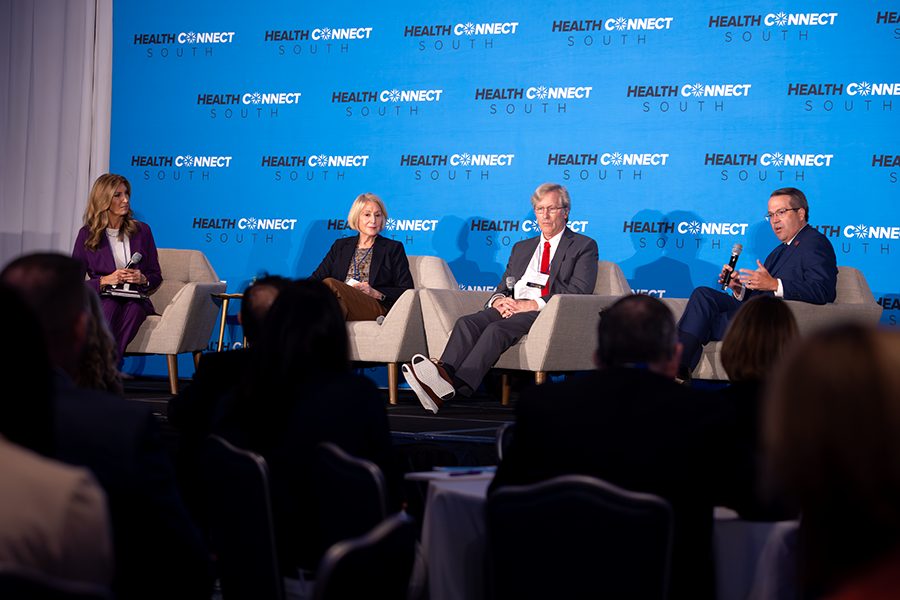
In the two years since Augusta University and Wellstar Health System formally signed an agreement on August 30, 2023, the historic partnership has continued to evolve into a truly collaborative alliance. At its heart, the mission hasn’t changed: improving the health and wellbeing of all Georgians while educating and preparing the next generation of health care providers through access to world-class training. That was the message shared by Augusta University President Russell T. Keen, Medical College of Georgia at Augusta University Dean David C. Hess, MD, and former Wellstar President and CEO Candice L. Saunders at the recent Health Connect South conference held at the Georgia Aquarium in Atlanta. During their panel “Advancing Healthcare Through Public-Private Partnerships,” the three leaders – each instrumental in helping to create, implement and mold the historic partnership – shared with close to 1,100 attendees their insight into what makes the partnership beneficial for all and how it can be a model for advancing health care and health care education in Georgia and beyond. The full panel discussion is available for viewing here: It was an important event, and a full article is attached below as well. And if you're interested in learning more about the partnership between Augusta University and Wellstar, or connect with Augusta's President Russell T. Keen - simply click on his icon now to arrange an interview today.


Are GCSEs delivering for students and society?
Ahead of the GCSEs results being released on Thursday 21 August Aston University work psychologist, Dr Paul Jones, discusses whether the exams are fit for purpose. He believes that our exam system narrows thinking, and GCSEs emphasise “right answers” and rote recall, creating risk-averse learners who are afraid to fail or think differently. Exams are harming wellbeing GCSEs were designed in the 1980s, when many left education at 16. Today, almost all young people continue to 18, yet they still face a stressful halfway checkpoint that often does more harm than good. Research shows GCSEs are linked to anxiety, sleeplessness and even self-harm. This isn’t about students being “less resilient”, t’s about a system that has prioritised bureaucracy, league tables, and exam statistics over wellbeing. GCSEs don’t prepare students for life Exams reward the ability to memorise and recall under pressure, but the world beyond school demands much more. Employers and universities want young people who can think critically, manage their own learning, collaborate, and adapt. By the time many reach university, students are burnt out from years of high-stakes testing. They often struggle with independence, risk-taking, and curiosity, the very qualities they need to succeed. Over-assessment stifles innovation Our exam system narrows thinking. GCSEs emphasise “right answers” and rote recall, creating risk-averse learners who are afraid to fail or think differently. Innovation, however, requires psychological safety: the freedom to explore, experiment, and make mistakes. In a world where AI can already handle routine tasks like recall and pattern analysis, the human edge lies in breaking moulds, challenging assumptions, and combining knowledge in new ways. Our current system suppresses exactly those skills. Moving GCSEs into the future We need fewer, smarter assessments and a curriculum that builds creativity, resilience, and innovation. Other countries use project-based learning, portfolios, and sampling tests to capture what young people can really do. Wales is already embedding wellbeing and digital skills into its new curriculum. England risks being left behind if it continues to cling to an exam-heavy model designed for a different era. The bottom line Our young people deserve an education that prepares them for life, not just for exams. We should be measuring what really matters: wellbeing, creativity, and the ability to thrive in a fast-changing, AI-driven world. To speak to Dr Jones or for any media inquiries in relation to this please contact Nicola Jones, Press and Communications Manager, Aston University on (+44) 7825 342091 or email: n.jones6@aston.ac.uk

Life Hacks in Retirement: Strategies for Aging Well
If Jean Smart can star in Hacks at 72, clearly life hacking is age-appropriate. Hacks may be a TV comedy about a sharp-tongued, aging comic, but let’s face it: retirement needs a few hacks of its own. It turns out that aging well requires more than good genes—it demands good strategy. The goal isn’t perfection. It’s progress. Progress with fewer bruises, bigger laughs, and more money left at the end of the month than freezer-burnt chicken. So here are some tried-and-true hacks in three essential areas: Money, Muscle, and Mood. Let's get you hip, fit, and financially free. Ready, Set, Go! Money Hacks: Japan Might Have Found Something In Japan, there's a charming financial custom called Kuzukai, where men hand over all their income to their wives and receive a monthly allowance. No joke—it's a thing. And it works. Japan boasts: • One of the highest household savings rates at 23% (OECD, 2023) • Low household debt per capita (World Bank) • The lowest personal bankruptcy rate in the developed world (IMF Report) • And a whopping 74% of households follow this practice (Nikkei Asia, 2021) Maybe they’ve discovered the ultimate money hack: give the money to the person most likely to use spreadsheets recreationally. But you don’t need a spouse or a sushi habit to save big. Whether you're solo or shacked up, a homeowner or a renter, here are some effectively universal money-saving tips. Everyday Money-Saving Hacks: • Cut the Hidden Fees: Banking, streaming, delivery apps—if you’re not actively using them, cancel or deactivate. Your wallet will thank you. Read your bank and investment statements carefully, as if they were love letters from your money. That $3 “maintenance fee”? It might be costing you more than you realize. • Unsubscribe to Survive: Subscriptions are like house guests—pleasant at first but staying too long and costing too much. Establish a quarterly ritual—Subscription Audit Sunday. Review auto-renewals—Netflix, meditation apps, fancy sock clubs. If it doesn’t bring you joy or serve your needs weekly, cancel it. You might find enough loose change for a weekend escape. • Shop Daily, Eat Fresh: Instead of over-buying in bulk, buy just what you need for the day. It supports spontaneity and reduces waste. (Bonus: you can honour the “I feel like chicken wings” days guilt-free.). Power Tip: Shop daily, eat fresh. Channel your inner Parisian. Shop just for today—reducing waste, adding joy, and turning dinner into a choice rather than a guilt-ridden freezer excavation. • Use Senior Discounts Like a Boss: Shoppers Drug Mart (55+), Pet Valu (60+), movie theatres, golf, bowling… but only if you ask. Ask proudly: “I dare you, card me.” Mark senior days on your calendar like paydays, because they are. • Split with a Buddy: Share groceries with a friend. Half a BBQ chicken is more realistic (and less greasy) than the whole bird, and it reduces “fridge clutter”! • Ride Together: Share Ubers or Lyft. Or better yet, plan your errands with a friend and make a day of it; it will feel more like an adventure. • Scan for Free Fun: Check local listings for subsidized classes, outdoor concerts, and "pay what you can" events. Even dress rehearsals can be hidden gems at a discount. Money Traps to Avoid: 1. Subscription Creep – Set reminders to cancel trials. They add up faster than your grocery bill in the frozen aisle. 2. Silent Statement Siphons – Monitor your monthly expenses. Cut out what doesn’t bring joy or value. 3. Lifestyle Drift – Just because you can spend, doesn’t mean you should. You don’t need another air fryer. 4. Over-Gifting – Love isn’t measured in Amazon orders. The best gift is your time, or your famous banana bread. 5. Retail Therapy – If it’s cheaper than therapy, it’s probably just a distraction. But that doesn’t mean it’s helpful therapy. 6. Impulse Upgrades – Your current phone may be a few years old—but so are you, and you’re still fabulous. Your toaster doesn’t need Bluetooth, and neither do your socks. Physical Hacks: Train Like You Really Mean It The book ‘Younger Next Year’ (thank you, Bill P. and Steven H.) offers a wake-up call: Life is a test of endurance. Prepare yourself for it. In retirement, fitness isn’t just a hobby — it’s your new full-time job. And this job offers better hours, no toxic bosses, and a dress code that includes spandex. Fitness Hacks That Work 1. Schedule it: If it’s not on the calendar, it’s not happening. Even better, set a recurring date with a friend. Accountability is appealing. 2. Make it enjoyable: Not feeling spin class? Skip it. Try Zumba, power walking, or even disco gardening. Move as if no one’s watching (even if your neighbour is). 3. Start where you are: Don’t join Advanced Pickleball if your last workout was chasing a runaway dog in 2017. 4. Make It Social: Grab a friend or make new ones—bonus points for post-sweat smoothies and commiseration. 5. Keep Commitments (Especially to Yourself): Be a “serious person,” as Logan Roy would say. If you schedule a walk, show up—even if you’re in Crocs and a hoodie. 6. Track progress, not perfection: Count steps, not pounds. Celebrate consistency. Aim for “better than yesterday,” not “six-pack by September.” Fitness Traps to Avoid: 1. Choosing Something You Hate: If you dread it, you’ll ditch it. Guaranteed. 2. Overestimating Your Ability or Availability: Planning to run a marathon in 30 days after a decade on the couch? That’s... aspirational. 3. Overpaying for Motivation: Fancy gym + guilt ≠ results. Try a budget-friendly gym, or even YouTube workouts in your living room. 4. Ignoring Recovery: If you can’t walk after leg day, you’re doing it wrong—stretch, hydrate, nap. Repeat. 5. All-or-Nothing Thinking: Missing one workout doesn’t mean the week’s a write-off. Perfection is the enemy of progress. 6. Comparing Yourself to 30-Year-Olds on Instagram: Just… don’t. Unless you want to feel bad in high def. 7. Try "Fitness Snacking" Squats while the kettle boils. Do wall push-ups before brushing your teeth. Have a dance break during Jeopardy. Movement matters. 8. Stretch Before Bed Nightly stretches improve sleep and help you wake up feeling refreshed. It’s five minutes that pay dividends. Emotional Hacks: Mindset Is Your Muscle This is the part they don’t teach in school—or even in yoga class. Emotional health is what sustains you when the stock market tanks, your golf swing falters, or the kids “forget” to call. Emotional Hacks to Try 1. Upgrade Your Self-Talk: You hear your voice more than anyone else’s. Make it kind. Make it constructive. 2. Be Your Own Biggest Fan: Self-love isn’t arrogance. It’s survival. 3. Treat Yourself Like a Dear Friend: Would you tell your best friend she’s lazy, useless, and past her prime? No? Then stop saying it to yourself. 4. Forgiveness: Begin with yourself. Write that forgiveness letter, see a therapist, cry it out. Let go. No one leaves here flawless. 5. Basic Self-Care: Feed your body with wholesome food, ensure proper rest, and maintain regular grooming. Yes, plucking your chin counts. 6. Gratitude: morning and night. Focus on one thing you’re grateful for each day. It’s better than Botox. 7. Practice "Mental Hygiene" meditation, journaling, or a walk without your phone. It's like flossing for your nervous system. 8. Try Five-Minute Journaling: “What made me smile today?” “What felt hard?” “What do I want more of tomorrow?” Answer honestly—no grammar police. Emotional Traps to Avoid 1. Negative Self-Talk: There is zero upside. Science backs this up—positive self-talk improves performance and wellbeing. Try this: “Today wasn’t my best. I was tired and snappy. I’ll apologize and do better tomorrow.” or “I know I can do this. I need to practice and be patient with myself.” 2. Not Making Yourself a Priority: The oxygen mask rule is absolute. If you don’t take care of yourself, you can’t help anyone else. 3. Self-Medicating with Booze, Bingeing, or Buying: Feel the feelings. Don’t dodge them with Chardonnay or Amazon. 4. Righteousness Addiction: Would you rather be right or be happy? Being “right” is expensive—emotionally, physically, and energetically. 5. All-or-Nothing Perfectionism: Perfection is a myth—and frankly, a boring one. Flaws are where the fun and growth live. 6. Regret. Let’s face it, regrets are a part of life. The trick is not to dwell on them. Don’t store them in Samsonite to pull out whenever we want to beat ourselves up! Ever notice that the windshield on your car is much bigger than the rearview mirror? Read that again. The Social Capital Audit You are more than your RRSP and Fitbit stats. What do you bring to the table? Your kindness? Humour? Lived wisdom? A killer lemon loaf? Whatever it is—own it. Hone it. Make it your signature. Whether you’re the neighbourhood listener, laughter-bringer, or human glue-stick, your contribution matters. What Are You Proud Of… and Is It Still Serving You? Maybe once upon a time, you were known for your hair, your legs, your singing voice, or your abs of yesteryear. But here's the truth: gravity always wins. And that’s not failure—it’s biology. So if you’re still starting sentences with “Back in my day…”, you might be overdue for a mindset update. Choose something new to feel proud of now: your resilience, your sense of humour, your garden, or your ability to FaceTime your grandkid without accidentally hanging up. Adjust the metric. Celebrate the upgrade. Some Mantras for the Journey • “Done is better than perfect.” • “I am doing the best I can, and that’s enough.” • “Every day is a fresh start (even if my back cracks getting out of bed).” • “Progress, not perfection.” • “I am not too old, and it’s not too late.” • “If not now… when?” • “Stop acting my age.” The Final Hack: Don’t Just Celebrate – Throw Confetti Practice makes progress. And progress, my friends, is where the magic lives. Every step matters. Every stumble adds a twist. Perfection is overrated. Progress is the new gold standard. And as Mel Robbins reminds us: “There will be many people who won’t appreciate your value. Make sure you’re not one of them.” You’ve spent your life caring for others. Now it’s your turn to care for yourself—thoughtfully, warmly, and with plenty of good humour. Retirement isn’t the end. It’s the ultimate reboot. Be the Jean Smart of your own story. Jean, watch your back... and Kuzukai, watch our money. Star power meets allowance power. Don’t Retire…Re-Wire! Sue


L to R: Professor Helen Wood, Annika Allen and Nadia Afiari (Image: Simon Roberts Photography) Aston University’s Professor Helen Wood led the research for Black Leaders in TV, a company championing Black TV professionals Black in Focus is the first report of its kind and highlights the prevalence, with 92% of respondents reporting prejudicial or discriminatory experiences Recommendations for improvements include mid-career support, changing how Black stories are commissioned and tackling racism and bullying. Black television professionals in the UK’s television industry continue to face persistent barriers to career progression, with progress towards equity and inclusion very slow, according to new research led by Aston University academics. The report, Black in Focus, was produced in partnership with Black Leaders in TV, a company set up to champion Black professionals in the UK television and content creation industry, committed to bridging the representation gap and creating a more inclusive and innovative industry. The research group was led by Professor Helen Wood, a professor of media and cultural studies at Aston University. It also included Aston University’s Dr Killian Mullen and Dr Priya Sharma, alongside Dr Jack Newsinger, associate professor in cultural industries and media at the University of Nottingham. The researchers surveyed 164 Black mid-career television professionals to learn about their experiences. While entry-level diversity efforts have sparked positive change, the researchers say that respondents generally see this as performative, with little genuine progress at mid and senior levels. Of those surveyed, 92% reported experienced microaggressions at work, defined as subtle, often unintentional, comments or actions that express prejudice or discrimination towards them, such as being mistaken for a taxi driver or colleagues continually mispronouncing a name. 80% stated that their careers in television have negatively impacted wellbeing. Almost three-quarters (74%) of respondents said they had been ignored or excluded at work One of the biggest problems highlighted is a persistent ‘club’ culture with career progression often based on informal networks and hires. 91% of the survey respondents reported having no friends or family in the industry, blocking wider access and opportunity. Many Black television professionals still report being labelled as ‘diversity hires’, which negatively impacts their confidence and feeling of belonging in the industry. Black-Caribbean respondents and those from working-class backgrounds report heightened feelings of exclusion. Another major problem found by the report is in programme commissioning, with Black stories often viewed as commercially risky, leading to missed opportunities for richer, more authentic storytelling. The recommendations for improvement are grouped into four categories - breaking the mid-career bottleneck, commission, diversity initiatives, and racism, bullying and inclusion failures. To help with career bottlenecks, the authors’ suggestions include developing a national fellowship scheme to offer structured leadership training, shadowing, and commissioning exposure for Black professionals, setting up a centralised database for Black talent and supporting Black creatives though industry showcases. The television industry could tackle the problems with commissioning for example by incentivising Black-led narratives and requiring commissioning teams to complete anti-bias training. Diversity initiatives should move away from entry-level programmes towards structural change. This includes moving away from informal, network-based recruitment to structured, clear processes, and formalising promotion pathways. The television industry can tackle racism and bullying through zero-tolerance harassment policies, independent reporting mechanisms and sanctions, inclusive leadership training and developing mental health resources specifically tailored to Black professionals. Professor Wood said: “We can hear the voices of frustration in this survey and the data is clear about the problems. It’s time for the industry to use this evidence to take the next steps to deliver real, systemic change.” Black Leaders in TV founders Nadia Afiari and Annika Allen Gray said: “The findings make clear that, for UK television to truly reflect its diverse audiences and unlock creative innovation, the industry must move beyond surface-level diversity efforts. There needs to be support in place for Black professionals, greater transparency in recruitment and progression, and a fundamental shift towards inclusive, equitable workplace cultures.” Visit https://www.aston.ac.uk/sites/default/files/2025-07/Black_in_Focus_report.pdf to read Black in Focus in full.
