
Experts Matter. Find Yours.
Connect for media, speaking, professional opportunities & more.

Gender Gap Grows Wider Globally
The World Economic Forum (WEF) began calculating the global gender gap in 2006. Yesterday, it released the results of the 2017 Global Gender Gap Report and the news is bad – for the first time in more than a decade, the gender gap is widening. This year's report revealed that the divide between men and women stood at 32 percent, up from 31.7 percent last year. The Global Gender Gap Index ranks 144 countries and compares them across four ‘pillars’: economic participation and opportunity, education, political empowerment, and health and survival. The best scores overall belonged to three Scandinavian countries. Iceland had the smallest gender gap at 22 percent. How about the United States? While the U.S. has improved its overall gender gap, this year's report showed it moved down the rankings to 49th place. The score was 0.72 or a gender gap of 28 percent. The pillar featuring economic participation, which includes salaries, workforce participation and leadership, has one of the fastest-growing gaps. Globally, women are earning less than men. The WEF believes the economic gender gap will now not be closed for 217 years. When considering a woman's income as a percent of a man’s, the U.S. came in at 13th place, where a woman can expect to make on average only 64.8 percent of that of what a male earns. Why is this the case even though more women than men are graduating from universities? Can this worrying trend be changed? What steps must be taken to make the playing field equal for all in America? Dr. Shannon Wooden, gender studies expert and professor of English at Missouri State University, can provide insight on this topic. She can address the gender pay gap and why companies need more female representation in senior and board levels. Contact her for an interview. Source:


Movies like “Marshall” that are built around actors of color (Chadwick Boseman plays the iconic attorney) and have appeal to consumers of color historically see a significant surge in ticket sales in weeks five through eight – if producers are willing to keep them in theaters that long and allow for word-of-mouth advertising to build, said Tyrha Lindsey-Warren, Ph.D., clinical assistant professor of marketing in Baylor’s Hankamer School of Business. She studies consumer behavior, multicultural media, movies and entertainment. “I believe that Hollywood often pulls movies starring women and actors of color out of the theaters way too soon and before word-of-mouth has time to fully spread,” Lindsey-Warren said. “In my opinion, and according to our studies, Hollywood is leaving a great deal of money on the table.” Movies built around actors of color typically make money – in many cases as much or more than five times the budget, she said. For example, the 2017 comedy “Girls Trip,” which was built around four African-American female leads, was made for $19 million and has grossed more than $100 million at the box office. A challenge, Lindsey-Warren said, is that Hollywood expects to make its money back in the opening weekend. That strategy often doesn’t translate well to consumers of color. She cited a Nielsen study that showed African-Americans make an average 6.3 trips every year to see movies, and they tend to strongly support movies where there are characters like themselves and to whom they can relate. But they don’t rush to theaters for premier weekends. “Historically, African-American consumers have not been such early adopters of seeing movies on opening weekend and have typically waited to hear from trusted sources, by way of word-of-mouth, if the movie is worth seeing,” she said. “I call this behavior giving word-of-mouth time to spread. These are insights that Hollywood has not fully embraced regarding consumers of color and for movies built around actors of color.” Source:


Women in the Workplace – Still an Unfair Playing Field
It’s a trend that has many reeling and wondering how to correct: many women working in the financial services industry on Wall Street today don't believe there are opportunities to advance to the most senior positions. This comes as corporate, academic and government leaders push for greater gender diversity at American companies. A study by Lean In released today showed some startling statistics. Women in the Workplace 2017 took pipeline data from 222 companies employing more than 12 million people. As well, more than 70,000 employees completed a survey designed to explore their experiences regarding gender, opportunity, career and work-life issues. The results were not good. The report showed: “Women remain significantly underrepresented in the corporate pipeline. From the outset, fewer women than men are hired at the entry level. At every subsequent step, the representation of women further declines, and women of color face an even more dramatic drop-off at senior levels. This disparity is not due to company-level attrition or lack of interest: women and men stay at their companies and ask for promotions at similar rates.” In fact, from entry level, women represent 47 percent of all entry level hires, but only one in five women will become a C-Suite leader. For women of color, that number diminishes to one in 30. The report also shows that women are less likely to be promoted, receive raises or be supported throughout their careers. So, what will it take to reverse this trend and make corporate America an equal playing field for all? What barriers need to be removed and what policies need to be changed? Is this a cultural shift, should it be regulated and can it be done? The situation is clearly unfair and there are many questions to be asked. Yet answers and solutions are by no means simple or easy to come by. That’s where experts from Missouri State University can help. Dr. Shannon Wooden is a gender studies expert. She is also a published author. Dr. Wooden can speak about the gender pay gap and why companies need more female representation in senior and board levels. Click on her icon to contact her. Source:

With the return of warm weather and mosquitoes, the Zika virus is also sure to make a comeback in the United States. Spread through the bite of a mosquito, Zika can cause fever, rash, headache, joint pain, conjunctivitis and muscle pain in those infected, and unborn children are at the highest risk. Zika – which can cause birth defects and encephalitis in unborn children – was found in pregnant woman in 44 states across America. Last year 77 unborn children died in the womb due to Zika, and 51 others were born with Zika-related birth defects in the United States alone. Furthermore, a recent report from the Centers for Disease Control and Prevention found that one in 10 pregnant women with Zika gave birth to a child with serious birth defects. Zika may be a new reality during the spring and summer, and it’s likely not going away. But what can be done? Is there a vaccine? Are there ways to prevent the spread of the virus? What should young mothers do and who is the most at risk? There are many questions and much to learn. This is where the experts at Augusta University can help. Dr. Jose Vazquez is an expert in the realm of infectious diseases. He studies and treats infectious diseases, including antibiotic-resistant superbugs and fungal infections. A leader in his field and a go-to expert for media regarding this topic, Dr. Vasquez is available to speak with media regarding the Zika virus. Click on his icon to arrange an interview. Source:



The new U.S.-Canada council on women in business, unveiled at Justin Trudeau’s first meeting with Donald Trump last month, has been dismissed by some as little more than a symbolic photo op. But that’s a mistake. Symbols matter. Source:


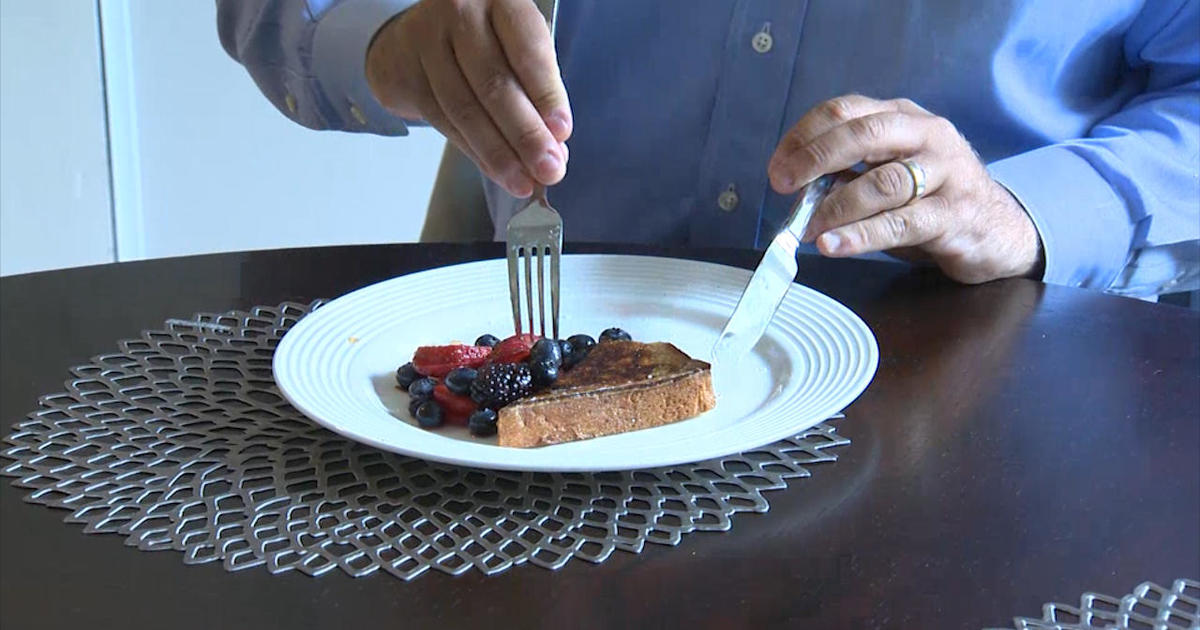
How to keep your heart healthy throughout life
As we age, heart health becomes a greater issue. Whether it’s due to a lax approach to dieting or a more sedentary lifestyle, the heart begins to work harder to continue basic functions. “One of the major concerns I see for women in mid-life and beyond is concern related to the heart,” said Dr. Barbara Bushman, professor of kinesiology at Missouri State University. “Heart disease is the number one killer of women, and unfortunately, 44 percent of women do not realize this.” During American Heart Month, Bushman hopes to give women tips for staying active, healthy and agile throughout the life cycle. Bushman is an expert in the area of women’s health – especially older women – and is the editor and contributing author of the American College of Sports Medicine’s “Complete Guide to Fitness and Health” (the second edition will be available in late February 2017). Source: