
Experts Matter. Find Yours.
Connect for media, speaking, professional opportunities & more.

When the Cheque Stops Coming: Canada Post, Seniors, and the Quiet Cost of Modernization
There’s an old line that has saved more awkward conversations than most of us care to admit: “The cheque is in the mail.” It has been used to buy time, soften bad news, and occasionally stretch the definition of truth. But it worked because, deep down, everyone believed the premise. The mail would come. Eventually. Reliably. Without negotiation. That quiet assumption carried a surprising amount of weight — especially for the 79-year-old navigating an icy driveway. Now, it seems, even that assumption is up for review. I understand the economic argument. Big Losses: The official Canada Post 2024 Annual Report shows they have racked up $3.8 billion in losses since 2018. Lower Letter Volumes: The shift to email has hit Canada Post hard. Letter volumes have dropped dramatically. Less in the mailbag equals far less revenue to offset costs. Increasing Costs Factors: The number of Canadian addresses continues to grow. The math is not subtle, and change is clearly required. But this deserves more attention. Modernization is not the problem. Thoughtless modernization is. Cuts to Canada Post Service May Not Land Equally Not all Canadians experience change the same way, and this particular shift will land unevenly if proper consultation isn't done. We're getting older: According to Statistics Canada, nearly one in five Canadians is now over the age of 65, and that proportion continues to rise. A meaningful share of those older Canadians also live outside major urban centers. We're spread out geographically: Depending on how you measure it, we're also far apart compared to most other countries. According to the Public Health Agency of Canada & the Vanier Institute of the Family, roughly one-quarter to one-third of seniors live in rural or small communities, where services are more dispersed, and distances are longer. Rural Canada is also aging faster than urban Canada. In other words, the places most likely to lose convenient access are often the places with the highest concentration of people who rely on it. This is not a niche issue. It is a structural one. The Real Issue Isn’t the Mailbox. It’s the Journey. Policy discussions tend to reduce this to a simple question of location. Move the mailbox, problem solved. But the issue is not where the mailbox is. The issue is whether someone can get to it safely, consistently, and without turning a routine task into a risk calculation. I am thinking of a client. She is 79, sharp, organized, and fully in charge of her life. Her bills are paid on time, her paperwork is immaculate, and she has no interest in becoming dependent on anyone. In the summer, she walks daily without a second thought. In the winter, she studies the ground before every step. Ice changes everything. A short walk becomes a decision. A slightly longer one becomes a concern. For her, a community mailbox is not a mild inconvenience. It is a variable she now has to manage. That is the difference between designing for the ideal user and designing for the real one. Mail Still Matters More Than We Pretend There is a quiet assumption that everything important has already moved online. That assumption works well for people who are comfortable navigating digital systems. It does not work for everyone. For many seniors, mail remains the backbone of how they manage their lives. Pension statements, government notices, insurance documents, tax slips, prescription information, and replacement banking cards still arrive in envelopes, not inboxes. And yes, occasionally, an actual cheque. The phrase “the cheque is in the mail” may be fading, but the need behind it has not disappeared. For some Canadians, that envelope still represents income, security, and peace of mind. Digital systems are efficient when they work. When they do not, they can be frustrating and, at times, risky. One expired password or one convincing phishing email can turn a simple task into an afternoon of confusion. It is easy to underestimate the value of paper systems when you no longer rely on them. It is harder to replace them when you still do. Efficiency Has a Way of Moving Downward There is a pattern in modern service design worth naming. Call it effort laundering: the practice of shifting work from institutions to individuals in the name of efficiency. We see it in banking, where branches quietly disappear. We see it in healthcare systems that assume patients are comfortable online. We see it in customer service models built around apps and automated menus. And now we may see it in mail delivery. Where the service moves from your front door to a location you must reach yourself. For many Canadians, this is manageable. For others, it is not. When the burden of efficiency lands on those least able to absorb it, the system may be efficient on paper but inequitable in practice. If Change Is Necessary, It Should Be Smarter I understand that change is necessary. The cost differences between door-to-door delivery and centralized delivery are real, and the financial pressures on Canada Post are not going away. But the choice is not between doing nothing and eliminating access. There is a middle path, and other countries have already explored it. In Norway, proposed postal reforms included reducing delivery frequency to once per week. Following public consultation, the government stepped back earlier this year from that plan and maintained more frequent delivery, recognizing the impact on certain populations (Norwegian Ministry of Transport, 2026). In the United Kingdom, the regulator Ofcom has examined reducing delivery to 5 or even 3 days per week as a way to manage costs while preserving universal service (Ofcom, 2025). Research from Sweden and New Zealand shows that older adults rely more heavily on traditional mail systems than the general population, particularly for official and financial communication (Crew & Kleindorfer, 2012; New Zealand Ministry of Business, Innovation and Employment, 2021). These examples point to a practical conclusion. Reducing frequency can achieve savings without removing access. Eliminating access altogether is a different decision with different consequences. Canada Is Not Denmark Denmark has gone further than most, effectively ending traditional letter delivery after a dramatic decline in mail volumes of roughly 90 percent since 2000. The move is often cited as a model of modernization. It should be considered with caution. Denmark operates within a context of high digital adoption, a compact geography, and milder weather conditions. Notably, Canada’s digital divide among seniors is more pronounced than Denmark’s, meaning the proportion of older Canadians who cannot easily go online is higher to begin with. Even so, a significant number of Danish residents have been classified as "digitally exempt" and continue to rely on alternative arrangements to receive essential communications (PostNord, 2025). Canada is not Denmark. Our geography is larger, our winters are harsher, and our population is more dispersed. Also, we play better hockey. If Home Delivery Changes, People Will Adapt Canadians are remarkably adaptable, and seniors are often the most resourceful of all. If home delivery is reduced, practical solutions will emerge. Neighbours will organize. Families will build mail pickup into regular visits, turning a logistical task into a reason to connect. Some seniors will finally set up paperless billing, one account at a time. These are workable adjustments. But they should be supported by thoughtful policy, not forced by avoidable design choices. The Problem With Accommodation Accommodation programs will likely exist, but their effectiveness depends on how easy they are to access. Systems that require people to search, apply, document their needs, and follow up repeatedly tend to favour those with the time and persistence to navigate them. The seniors who most need support are often the least inclined to engage in that process. The real test is not whether accommodation exists. It is whether it is simple, visible, and available before a problem becomes a crisis. This Is About More Than Mail At its core, this debate is not really about mail. It is about independence. It is about whether people can continue to manage their own lives without unnecessary friction. It is about whether public systems are designed for real users rather than ideal ones. The ideal user is mobile, tech-savvy, and well-supported. The real user may be older, living alone, and quietly determined to remain independent. That determination deserves to be supported, not complicated. Modernization, With a Memory Home delivery is not just a legacy feature. For many seniors, it remains a small but meaningful part of how life stays organized and manageable. When that support disappears, the burden does not disappear with it. It shifts to individuals, to families, and to systems that will eventually feel the impact. If the greatest disruption falls on those least able to absorb it, the design needs a second look. And About That Cheque... We may be moving toward a world where fewer things arrive by mail. That is probably inevitable. But before we retire the idea entirely, it is worth remembering why that old line worked in the first place. “The cheque is in the mail” was believable because the system behind it was dependable. It showed up. It connected people. It did its job quietly and consistently. Modernization should aim for the same thing. Not nostalgia. Not resistance to change. Just reliability that works for everyone. Because if the day comes when the cheque is no longer in the mail, we should at least be able to say that whatever replaces it works just as well for the people who need it most. Ideally, without requiring ice cleats, a flashlight, and a willingness to sign a waiver. Sue Don’t Retire…ReWire! My Book is Now Available for Pre-Order I hope you will consider pre-ordering a copy of Your Retirement Reset for you, a friend or loved one. It's available September 8, 2026 - You can now order on the ECW Press site here. And if you love supporting Canadian booksellers, please also check with your local independent bookstore. Most can easily order it for you.


April 1st is the one day we all expect to be fooled. Scammers are counting on the other 364
Breaking News: Free Cruise for All Retirees! Congratulations!!! If you are reading this, you have just been chosen for a luxury Caribbean cruise, a $5,000 shopping spree, and a lifetime supply of… well, something vaguely exciting. All you need to do is: Click this link, enter your banking info, confirm your SIN, and maybe your childhood pet's name for good measure. Still reading? Good. Because if that opening gave you even the tiniest thrill, the little flutter of wait, really? You've just experienced exactly what scammers are counting on. APRIL FOOL'S!!! And also: welcome to the world of phishing. Population: way too many of us. Phishing vs. Fishing: A Retirement Skill You Didn't Know You Needed There are two kinds of fishing in retirement. One involves a dock, a thermos of good coffee, and no deadlines at all. The fish might or might not cooperate. That's fine. That's the whole point. The other scenario involves someone trying to steal your identity by congratulating you on a cruise you never booked, a prize you never won, and a windfall that demands your banking details, your SIN, and, just for fun, the name of your first pet. (Buttons. It's always Buttons.) Let's make sure you're fluent in the first kind and bulletproof against the second. Fraud Doesn't Just Happen to Fools Here's something important to say aloud before we proceed. Fraud isn't caused by people being careless, gullible, or old. It is orchestrated by professionals whose full-time job is to manipulate human behaviour under pressure. There is a clear difference between these two, and how we discuss fraud influences whether victims come forward or stay silent out of shame. This issue is more significant than most realize. Canadians lost over $638 million to fraud in 2024, an increase from $578 million the previous year, according to the Canadian Anti-Fraud Centre. However, that figure only tells part of the story. The CAFC estimates that just 5 to 10 percent of total fraud losses are ever reported. Think about that for a moment. The number we see is already staggering, and the real total is almost certainly ten times higher. Seniors make up a disproportionate share of those losses, especially in investment fraud, romance scams, and the grandparent scam. But here's the part the statistics don't show: fraud is improving at its craft. These aren't the poorly written emails of 2005. Today's scams are refined, patient, and psychologically targeted. They're designed to create urgency, confusion, and fear — aiming to override careful thinking precisely when it's needed most. So let's talk about what that actually looks like. A Very Personal Fraud Story That Will Stay With You A family reached out to me recently, after reading one of my earlier posts on fraud and seniors. Their father had been the victim of a prolonged scam, one that unfolded over months and caused significant financial damage. They only found out after he passed away. Three things about this story stopped me cold. First, their father kept meticulous records. He journaled every interaction, every step, every decision. There was essentially a play-by-play account of how he became entangled and how difficult it became to find a way out. Second, he was an intensely private person. Not a single family member knew any of it was happening while it was happening. Third, he was a chartered professional accountant. Decades of financial training, discipline, and experience. Someone who understood numbers, risk, and how money moves better than most people ever will. And still. Under the right conditions, with the right psychological pressure applied at the right moments, he was drawn in. That is not a story about a foolish man. That is a story about how sophisticated fraud has become. And it is a story that is playing out in living rooms and email inboxes across this country every single day. Why Seniors Are Targeted (And It's Not What You Think) Scammers don't just go after older adults because they think we're naive. They go after us because we have assets. Savings. Home equity. Good credit. Pension income that actually shows up every month. We're not easy targets; we're valuable ones. They also go after us because retirement can come with conditions that fraud is specifically designed to exploit: financial anxiety about making savings last, changes in how we process decisions under pressure, and, for many, reduced opportunities to run something by a trusted person before acting. Social isolation is not a character flaw. It is a vulnerability, and the people running these operations know exactly how to use it. The Scams You Actually Need to Know About The Grandparent Scam. You get a call. It's your grandchild. They're in trouble, arrested, in an accident, stranded, and they need money right now. Please don't tell Mom and Dad. The caller may not even sound exactly right, but panic has a way of filling in the gaps. Sometimes a fake lawyer or police officer jumps on the line to add credibility. The script is designed to bypass your rational brain and go straight for your heart. If this ever happens: hang up. Call your grandchild directly on a number you already have. Every time. The CRA Impersonation Call. This one is especially popular at tax time. An official-sounding voice informs you that you owe back taxes and if you don't pay immediately via e-transfer or gift cards, a warrant will be issued for your arrest. The Canada Revenue Agency does not call you out of the blue demanding gift cards. Full stop. If you're ever unsure, hang up and call the CRA directly as 1-800-959-8281. The Romance Scam. Someone finds you online, charming, attentive, almost too good to be true. Weeks or months in, a crisis emerges. Could you help, just this once? These scams are emotionally brutal and financially devastating. If an online relationship moves unusually fast and a financial request follows, that's not love. That's a script. The Investment Opportunity. Guaranteed returns. Exclusive access. Limited time. These words belong together the way "healthy" and "deep-fried" don't. Legitimate investments don't come with countdown clocks. Phishing Emails and Texts. These mimic your bank, Canada Post, Service Canada, Amazon, and anything you'd recognize. They look almost right. The email address is a little off. The link goes somewhere slightly wrong. They want you to click, to enter information, to act now before something bad happens. The urgency is the tell. No Shame. Seriously. None. If this has happened to you, or someone you love, please hear this: falling for a scam does not mean you are getting old, losing it, or slipping cognitively. It means you are human and were placed under carefully engineered psychological pressure by someone who practices this for a living. That is it. The end. And if you need a reminder that this crosses every age and profession, consider the case of a retired district court judge who lost the equivalent of over $100,000 to a digital arrest scam. Fraudsters called claiming his phone number was linked to a trafficking investigation. Despite decades on the bench watching deception unfold in real time, fear and intimidation did what all that professional knowledge could not protect against. A judge. Still got hooked. That is what these scams do when they are built well. (Source: Devdiscourse) RCMP Sergeant Guy Paul Larocque of the Canadian Anti-Fraud Centre puts it plainly: "Fraudsters are professional salespeople who work a target until they close the deal and get their money." That framing matters. You would not blame yourself for being sold something by a skilled salesperson operating under false pretenses. This is no different. The embarrassment is real and completely understandable. However, it does not fairly reflect what occurred. The CAFC has pointed out that many individuals feel ashamed of being victims of fraud and hesitate to report it, but every report helps break up fraud schemes and protect others. Reporting to the Royal Canadian Mounted Police is not a sign of failure; it is a vital way to safeguard the next person. A Word to Family Members re: Fraud: Drop It Like It's Hot If someone you care about has been scammed, put down whatever you are holding, take a breath, and read this carefully. Do not scold them. Do not lecture them. Do not "grandsplain" them into the ground. Grandsplaining, for the uninitiated, is mansplaining for the aged, and it is just as unwelcome. Nobody needs a slow, patient, thoroughly detailed breakdown of everything they should have done differently while they sit there wishing the floor would open up and swallow them whole. They already know. They feel terrible. They have probably been replaying every moment of it since it happened, asking themselves how they missed it, why they trusted it, and what they were thinking. What they do not need is you asking those same questions out loud. Your role at this moment isn't to be the smartest person in the room. It's not to claim you would never have fallen for something like this. And it's certainly not to start a sentence with "well, I always said you should..." because if you finish that sentence, you're on your own. Your job is to be kind. Full stop. Help them contact the bank. Sit with them while they file the report. Make the tea. Handle the phone call they are too rattled to make. Be the calm in the room. That is what love looks like in a crisis, and this is a crisis. Now here is the part where the tables turn, so pay attention. Scammers are not ageist. They are not sitting in a room somewhere saying, "Let's only go after the over-65s today." They go after anyone with money, a phone, and a moment of distraction. Which means they go after everyone. Your inbox is not immune. Your judgment under pressure is not immune. Your "I would never fall for that" confidence is, frankly, exactly the kind of thing scammers count on. Fraud can happen to anyone, and sharing your experience with others, whether or not money was lost, can help prevent them from being victimized by the same or a similar fraud. Nobody is too sharp, too young, or too digitally savvy to be targeted. The call is coming for all of us eventually. So when it comes for you, and you call your mother in a panic, wouldn't you rather she answer with warmth instead of a very long "I told you so"? Be nice to her now. Consider it an investment. One day, she might be the one sitting you down for "the talk." And at that point, the only appropriate response is to make the tea and keep your opinions to yourself. What the Experts Say: Practical Tips to Stop Fraud In my book "Your Retirement Reset" (ECW Press: Now available for Pre-Order here), I cover the topic of fraud and scams." I wanted to address this issue in depth because fraud prevention is not a footnote in retirement planning. It belongs front and center. Here is an excerpt of Chapter 9 of the book: "Remember the old saying, 'Nothing ever comes free'? While it is hard for many seasoned Canadians not to trust a caller, unfortunately, that's the way of the world today. Here are some tips for protecting yourself. Be skeptical. Be wary of unsolicited phone calls, emails, or messages, especially those asking for personal information or money. Don't take their word for it. Ask the person for their details. If they say they are calling from your bank, get their name and branch number and call your bank for verification. If the message is in an email, contact the institution identified in the email. Do not respond right away, ever. Don't share personal information. Never share personal, financial, or health information with unknown individuals or organizations. Consult trusted individuals. Discuss suspicious offers or communications with family members, friends, or trusted advisors. This is especially important if you are asked to donate to a charity or make any kind of financial investment. Use technology wisely. Install antivirus software, create strong passwords, and stay alert to phishing tactics such as harmful links in texts or emails. Use the block feature on your phone to cut off repeat callers you suspect are fraud artists. Work closely with your financial institution. Ask your bank to send alerts for any unusual activity on your account. Review your statements every month and report unauthorized transactions immediately. Report suspicious activity. If you suspect a scam has targeted you, contact the police. Stay informed. Keep up to date on prevalent scams aimed at older adults. A quick Google search on any unsolicited information request can often tell you whether it has already been flagged. These scams are frequently reported to authorities and featured in the media and on consumer advocacy websites." How to Stay Off the Hook When It Comes to Fraud A little friction can be helpful. Scammers depend on speed, on you reacting before you think. The best thing you can do is slow down. Avoid clicking links in unexpected messages; instead, go directly to the company's website by typing it yourself. Call back on a number you find independently, not one provided in the suspicious message. Check email addresses carefully, as a transposed letter can sometimes be all it takes. Keep your devices updated, since those updates fix real vulnerabilities. Discuss these topics openly. With your kids, friends, book club, or the person behind you in the coffee line. Scams flourish in silence and shame. Talking honestly is one of our strongest protections. In retirement, urgency belongs in spin class. Not your inbox. What to Do If You Took the Bait No judgment here. These scams are truly sophisticated. Smart, experienced, financially educated people fall for them, as we've just established. If you think you've been scammed, stop engaging immediately, change your passwords, contact your bank to flag or freeze your account, run a security scan on your device, and report it to the Canadian Anti-Fraud Centre at 1-888-495-8501. Reporting matters even if you cannot recover the money. It protects the next person in line. Think of it as cutting the line before the fish swims off with your whole tackle box. 3 Things Worth Setting Up This Week to Protect Yourself from Fraud These take 20 minutes and quietly protect you around the clock. Two-factor authentication (2FA) adds a second verification step. It's usually a text code. And it helps ensure that a stolen password alone won't give access to your accounts. Credit Card controls allow you to lock and unlock your debit or credit card instantly through your bank's app, so if something seems suspicious, you can freeze it within seconds. Real-time alerts enable you to set notifications for any transaction over a threshold you specify, so if someone is spending your money, you are informed immediately, rather than finding out at the end of the month when the damage is already done. Don't Get Hooked by Fraud. Retirement should be about freedom. The freedom to fish from a proper dock, travel somewhere warm, and spend your money on things that truly bring you happiness. It's not meant to involve fake urgency, suspicious links, or people who want your SIN and the name of your childhood cat. We Need to Do More to Protect Seniors The fraud prevention system in this country, to be frank, hasn't kept pace with the rise of fraud itself. That gap is real, it's growing, and it needs more attention than it currently gets. Meanwhile, the best we can do is stay informed, keep in touch with trusted people, and not let embarrassment prevent us from seeking help or reporting what happened. You worked hard for what you have. You deserve to enjoy it without looking over your shoulder. So enjoy the lake. Take the cruise — a real one that you booked yourself. Spend wisely, live well, and protect what's yours. And if anyone ever tells you that you've won something you never entered? Smile. Wish them a Happy April Fool's. Then hang up. Have a scam story, a close call, or thoughts on what fraud prevention is getting right or getting wrong? I would love to hear from you. Drop it in the comments or send me a note. This is exactly the kind of conversation we should all be having, and the more real experiences we share, the better equipped we all are to protect each other. Sue Don't Retire…ReWire! My Book is Now Available for Pre-Order If this message speaks to you, or to someone you love, I hope you will pre-order a copy of Your Retirement Reset. Available September 8, 2026. Here's the link. And if you love supporting Canadian booksellers, please also check with your local independent bookstore. Most can easily order it for you.

Reading for pleasure in free fall: New study finds 40% drop over two decades
A sweeping new study from the University of Florida and University College London has found that daily reading for pleasure in the United States has declined by more than 40% over the last 20 years — raising urgent questions about the cultural, educational and health consequences of a nation reading less. Published today in the journal iScience, the study analyzed data from over 236,000 Americans who participated in the American Time Use Survey between 2003 and 2023. The findings suggest a fundamental cultural shift: fewer people are carving out time in their day to read for enjoyment. “This is not just a small dip — it’s a sustained, steady decline of about 3% per year,” said Jill Sonke, Ph.D., director of research initiatives at the UF Center for Arts in Medicine and co-director of the EpiArts Lab, a National Endowment for the Arts research lab at UF in partnership with University College London. “It’s significant, and it’s deeply concerning.” Who’s reading and who isn’t The decline wasn’t evenly spread across the population. Researchers found steeper drops among Black Americans than white Americans, people with lower income or educational attainment, and those in rural (versus metropolitan) areas — highlighting deepening disparities in reading access and habits. “While people with higher education levels and women are still more likely to read, even among these groups, we’re seeing shifts,” said Jessica Bone, Ph.D., senior research fellow in statistics and epidemiology at University College London. “And among those who do read, the time spent reading has increased slightly, which may suggest a polarization, where some people are reading more while many have stopped reading altogether.” The researchers also noted some more promising findings, including that reading with children did not change over the last 20 years. However, reading with children was a lot less common than reading for pleasure, which is concerning given that this activity is tied to early literacy development, academic success and family bonding, Bone said. Why it matters Reading for pleasure has long been recognized not just as a tool for education, but as a means of supporting mental health, empathy, creativity and lifelong learning. The EpiArts Lab, which uses large data sets to examine links between the arts and health, has previously identified clear associations between creative engagement and well-being. “Reading has historically been a low-barrier, high-impact way to engage creatively and improve quality of life,” Sonke said. “When we lose one of the simplest tools in our public health toolkit, it’s a serious loss.” The American Time Use Survey offers a unique window into these trends. “We’re working with incredibly detailed data about how people spend their days,” Bone said. “And because it’s a representative sample of U.S. residents in private households, we can look not just at the national trend, but at how it plays out across different communities.” Why are Americans reading less? While causes were not part of the study, the researchers point to multiple potential factors, including the rise of digital media, growing economic pressures, shrinking leisure time and uneven access to books and libraries. “Our digital culture is certainly part of the story,” Sonke said. “But there are also structural issues — limited access to reading materials, economic insecurity and a national decline in leisure time. If you’re working multiple jobs or dealing with transportation barriers in a rural area, a trip to the library may just not be feasible.” What can be done? The study’s authors say that interventions could help slow or reverse the trend, but they need to be strategic. “Reading with children is one of the most promising avenues,” said Daisy Fancourt, Ph.D., a professor of psychology and epidemiology at University College London and co-director of the EpiArts Lab. “It supports not only language and literacy, but empathy, social bonding, emotional development and school readiness.” Bone added that creating more community-centered reading opportunities could also help: “Ideally, we’d make local libraries more accessible and attractive, encourage book groups, and make reading a more social and supported activity — not just something done in isolation.” The study underscores the importance of valuing and protecting access to the arts — not only as a matter of culture, but as a matter of public health. “Reading has always been one of the more accessible ways to support well-being,” Fancourt said. “To see this kind of decline is concerning because the research is clear: reading is a vital health-enhancing behavior for every group within society, with benefits across the life-course.”


CPP, OAS, and the Retirement Timing Tango — The Most Important Dance of Your Life
You’ve been contributing to it your whole life—now let’s get it right. Every retiree dreams of mastering one crucial dance: the Retirement Timing Tango. And here’s the truth—next to good health, guaranteed, predictable income (GPI) sits at the top of every retiree’s wish list, mind list, and need list. Enough income opens the door to independence, autonomy, dignity, and the most sought-after prize of all: aging in place. Not enough income? That will rob you of sleep and enjoyment, creating a non-stop loop of 3 a.m. worry sessions that no melatonin can fix. A badge of a successful retirement starts with enough income to meet all your obligations. This matters far more than leaving an inheritance or making sure your ungrateful nephew gets the cottage. But here’s the thing about this particular tango: you need proper footwear. Orthopedic dance shoes, folks. Not slippers. Not boots. And definitely not Crocs (no shade here). Think support, stability, and a sole that won’t let you down over a long retirement. Here’s the sobering reality: 61% of Canadians fear running out of money in retirement. Women experience this anxiety even more—66% compared to 56% of men (CPP Investments, 2024). Meanwhile, 57% of working Canadians feel unprepared for retirement, and 13% don’t believe they’ll ever retire at all (HOOPP, 2024). Many overlook this, but two powerful government programs—the Canada Pension Plan (CPP) and Old Age Security (OAS)—can form the foundation of retirement income. The CPP fund holds over $675 billion in assets and is expected to remain sustainable for at least 75 years. Nearly three in four Canadians depend on it. The key is timing. Get it wrong, and you could leave serious money on the dance floor. Get it right, and your decisions could result in over $100,000 more in lifetime income. That’s not small change—that’s peace of mind. Think of CPP and OAS as your retirement dance partners—two leads working together to keep you steady and confident. But timing is crucial. When you decide to claim these benefits can mean the difference between a smooth glide across the dance floor and a financial stumble. How Much Money Do OAS and CPP Pay Out? Canadian Pension Plan (CPP): The maximum CPP retirement pension at 65 is $1,433 per month, though most Canadians receive between $830 and $899 based on their contribution history. Old Age Security (OAS): Payments for OAS are up to $740 monthly for ages 65–74 and $999 monthly for those 75 and older—these benefits can support your retirement if used strategically. You cannot start OAS before age 65. How to Calculate Your OAS Monthly Benefit The maximum monthly OAS payment for someone aged 65 to 74 is around $740–$742 per month in 2026, assuming you qualify for the full amount and do not have a clawback due to high income. If you defer OAS till Age 70, the monthly payments increase. Here's the formula. For each month you defer past age 65, your monthly OAS pension increases by 0.6%. That’s 7.2% per year. Over 5 years (age 65 → 70), this adds up to a maximum increase of 36%. Note: There’s no additional benefit to waiting past age 70; the 36% maximum applies at age 70. The Monthly OAS amount you receive depends on a Number of Factors: The age you start receiving benefits (see above) Your residency history in Canada (minimum of 10 years after age 18 to qualify; to reach the full payment amount generally requires 40 years). Income can reduce or eliminate your OAS benefit, even if you defer, due to an income-related “clawback”. Please note these amounts are subject to change. For updates, check the Government of Canada website here. Let’s be crystal clear: CPP and OAS are not handouts CPP is your deferred earnings—your money, matched by your employer. OAS is your citizens’ dividend, earned through residency in Canada. As Grant Roberts, CFP, a financial planner with the accounting firm Welch LLP, says, “OAS is a security blanket. Society is better when people aren’t impoverished at the end of life.” Lose the stigma. You earned this. This is where the choreography becomes tricky. You must make lifetime decisions without knowing how long you'll live (fun, right?). According to Statistics Canada, a 65-year-old Canadian can expect to live another 20 years on average, and if you’re already 65 in good health, your personal runway might be even longer. Taking CPP at 60 lowers benefits by 36%. Waiting until 70 increases benefits by 42%. Using average benefits, deferring can result in more than $100,000 extra in lifetime income. If you live long enough. Fred Vettese, a former chief actuary of Morneau Shepell (now Telus Health) and a national thought leader on retirement issues who has published the bestseller, Retirement Income for Life (ECW Press) has some important insights to share on how age impacts these OAS and CPP payouts. Vettese explains, “Approximately 75% of people win by deferring CPP to age 70 because they live past the break-even point.” His research indicates that about 75% of retirees benefit from delaying CPP until 70, while around 25% do not. Most people underestimate their longevity, but the odds are actually in favour of living long enough for the deferral to pay off. This is where inaction becomes dangerous. As Grant Roberts warns, “Inaction isn’t neutral—it’s a decision by default. While CPP does not start automatically at 65, OAS generally does for most people. The government won’t call to ask if you want to delay OAS for a higher payment—or remind you to apply for CPP at all. You have to ask, and you have to act.” And this isn’t theoretical. Roberts has seen seniors in their 70s who had never started CPP, simply because no one told them they had to apply. We’ve spent our entire adult lives being trained to save, so it’s unreasonable to think we can just flick a switch and suddenly become confident spenders the day we retire. As Grant Roberts puts it, “We teach saving for 50 years—no one teaches spending.” So here’s the real question: what’s your money brand? Saver? Spender? A hybrid in sensible shoes? Retirement requires a rebrand. Lifelong savers often need permission to spend—on experiences, joy, and yes, even dance lessons. Lifelong spenders may need to learn how to waltz with a budget (spoiler alert: let the budget lead). Either way, retirement isn’t about changing who you are—it’s about adjusting your rhythm so your money finally works for the life you’re living now. What About OAS Clawbacks? If your income exceeds about $90,000, the OAS clawback is 15 cents for every dollar. OAS clawbacks often discourage people unnecessarily. As I always say, "don’t let a dime stand in the way of a dollar." Strategic RRSP withdrawals between ages 65 and 70 can greatly reduce future clawbacks and enhance long-term results. This is choreography, not chaos. CPP and OAS planning should begin in your 50s, not at 64½. Ask yourself whether you intend to work past 65, whether you’re healthy enough to delay, and what income sources will fill the gap. Waiting for someone else to lead this dance is a sure way to step on your own toes. Proactively Managing Your OAS and CPP Benefits While most Canadians are automatically enrolled for Old Age Security (OAS) and will receive an enrollment letter around their 64th birthday, you may need to take action if you want to delay your start date to receive higher monthly payments. If you wish to delay, change your start date, or correct any information in your enrollment letter, you'll need to contact Service Canada directly. You can manage these choices in one of three ways: Go Online: Visit "My Service Canada Account" By Telephone: Call 1-800-277-9914 In-Person: Visiting a Service Canada Centre near you Don't assume automatic enrolment means the timing is right for you—review your options carefully, as the decision to delay could significantly increase your retirement income. The Last Dance (Remember the Poorly Lit High-School Gym?) Because the Retirement Timing Tango isn’t a sprint—it’s a 30-year dance marathon, and you are both the dancer and the charity you’re raising money for. CPP and OAS, timed well, aren’t about financial flash; they’re about stamina, balance, and staying upright long after the music changes. Get the timing right and your later years won’t feel like a frantic scramble under flickering gym lights—they’ll feel like a slow, confident final song where you know the steps, trust your footing, and aren’t worried about collapsing halfway through. That’s the point. Not just surviving retirement, but staying on the floor until the very last dance—with dignity, confidence, and enough income to enjoy the moment instead of counting the minutes until it’s over. Sue Don’t Retire… ReWire! Know someone who’s about to leave serious money on the dance floor? Forward this blog before the music stops. Consider it a public service announcement disguised as friendship. And if you want regular doses of retirement clarity, confidence, and choreography (no leotards required), subscribe here.

New AI-powered tool helps students find creative solutions to complex math proofs
Math students may not blink at calculating probabilities, measuring the area beneath curves or evaluating matrices, yet they often find themselves at sea when first confronted with writing proofs. But a new AI-powered tool called HaLLMos — developed by a team led by Professor Vincent Vatter, Ph.D., in the University of Florida Department of Mathematics — now offers a lifeline. “Some students love proofs, but almost everyone struggles with them. The ones who love them just put in more work,” Vatter said. “It just kind of blows their minds that there’s no single correct answer — that there are many different ways to do this. It’s very different than just doing computational work.” Building the tool HaLLMos was developed by Vatter, as principal investigator, along with Sarah Sword, a mathematics education expert at the Education Development Center; Jay Pantone, an associate professor of mathematical and statistical sciences at Marquette University; and Ryota Matsuura, a professor of mathematics, statistics and computer science at St. Olaf College; with grant support from the National Science Foundation. The tool is freely available at hallmos.com. The team’s goal was to develop an AI tool powered by a large language model that would support student learning rather than short-circuiting it. HaLLMos provides immediate personalized feedback that guides students through the creative struggle that writing proofs requires, without solving the proofs for them. The tool’s name honors the late Paul Halmos, a renowned mathematician who argued that the mathematics field is a creative art, akin to how painters work. Students using HaLLMos can select from classic exercises — such as proving that, for all integers, if the square of the integer is even, the integer is even — or use “sandbox mode” to enter exercises from any course. Faculty can create exercises and share them with students. Vatter introduced HaLLMos to his students last spring in his “Reasoning and Proof in Mathematics” class, a core requirement for math majors that is often the first time students encounter proofs. “They could use this tool to try out their proofs before they brought them to me. We try to identify the error in a student’s proof and let them go fix it,” Vatter said. “It is difficult for faculty to devote enough time to working individually with students. Our goal is that this tool will provide the feedback in real time to students in the way we would do it if we were there with them as they construct a proof.” Helping professors and students excel “I think every math professor would love to give more feedback to students than we are able to,” Vatter said. “That’s one of the things that inspired this.” The next steps for Vatter and his colleagues include getting more pilot sites to use the tool and continuing to improve its responses. “We’d like it to be good at any kind of undergraduate mathematics proofs,” he said. Vatter also intends to explore moving HaLLMos to UF’s HiPerGator, the country's fastest university-owned supercomputer. “It’s our goal to have it remain publicly accessible,” Vatter said. This research was supported by a grant from the National Science Foundation Division of Undergraduate Education.

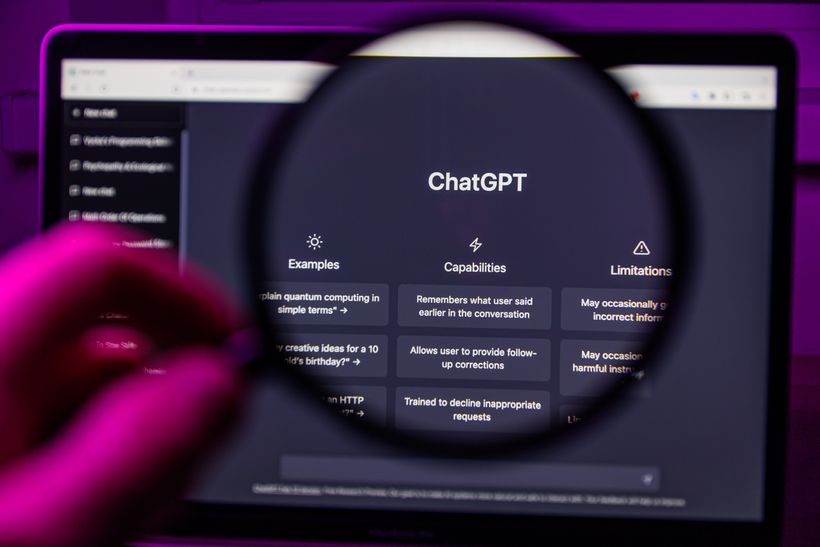
With OpenAI’s latest release, GPT-5.2, AI has crossed an important threshold in performance on professional knowledge-work benchmarks. Peter Evans, Co-Founder & CEO of ExpertFile, outlines how these technologies will fundamentally improve research communications and shares tips and prompts for PR pros. OpenAI has just launched GPT-5.2, describing it as its most capable AI model yet for professional knowledge work — with significantly improved accuracy on tasks like creating spreadsheets, building presentations, interpreting images, and handling complex multistep workflows. And based on our internal testing, we're really impressed. For communications professionals in higher education, non-profits, and R&D-focused industries, this isn’t just another tech upgrade — it’s a meaningful step forward in addressing the “research translation gap” that can slow storytelling and media outreach. According to OpenAI, GPT-5.2 represents measurable gains on benchmarks designed to mirror real work tasks. In many evaluations, it matches or exceeds the performance of human professionals. Also, before you hit reply with “Actually, the best model is…” — yes, we know. ChatGPT-5.2 isn’t the only game in town, and it’s definitely not the only tool we use. Our ExpertFile platform uses AI throughout, and I personally bounce between Claude 4.5, Gemini, Perplexity, NotebookLM, and more specialized models depending on the job to be done. LLM performance right now is a full-contact horserace — today’s winner can be tomorrow’s “remember when,” so we’re not trying to boil the ocean with endless comparisons. We’re spotlighting GPT-5.2 because it marks a meaningful step forward in the exact areas research comms teams care about: reliability, long-document work, multi-step tasks, and interpreting visuals and data. Most importantly, we want this info in your hands because a surprising number of comms pros we meet still carry real fear about AI — and long term, that’s not a good thing. Used responsibly, these tools can help you translate research faster, find stronger story angles, and ship more high-quality work without burning out. When "Too Much" AI Power Might Be Exactly What You Need AI expert Allie K. Miller's candid but positive review of an early testing version of ChatGPT 5.2 highlights what she sees as drawbacks for casual users: "outputs that are too long, too structured, and too exhaustive." She goes on to say that in her tests, she observed that ChatGPT-5,2 "stays with a line of thought longer and pushes into edge cases instead of skating on the surface." Fair enough. All good points that Allie Miller makes (see above). However, for communications professionals, these so-called "downsides" for casual users are precisely the capabilities we need. When you're assessing complex research and developing strategic messaging for a variety of important audiences, you want an AI that fits Miller's observation that GPT-5.2 feels like "AI as a serious analyst" rather than "a friendly companion." That's not a critique of our world—it's a job description for comms pros working in sectors like higher education and healthcare. Deep research tools that refuse to take shortcuts are exactly what research communicators need. So let's talk more specifically about how comms pros can think about these new capabilities: 1. AI is Your New Speed-Reading Superpower for Research That means you can upload an entire NIH grant, a full clinical trial protocol, or a complex environmental impact study and ask the model to highlight where key insights — like an unexpected finding — are discussed. It can do this in a fraction of the time it would take a human reader. This isn’t about being lazy. It’s about using AI to assemble a lot of tedious information you need to craft compelling stories while teams still parse dense text manually. 2. The Chart Whisperer You’ve Been Waiting For We’ve all been there — squinting at a graph of scientific data that looks like abstract art, waiting for the lead researcher to clarify what those error bars actually mean. Recent improvements in how GPT-5.2 handles scientific figures and charts show stronger performance on multimodal reasoning tasks, indicating better ability to interpret and describe visual information like graphs and diagrams. With these capabilities, you can unlock the data behind visuals and turn them into narrative elements that resonate with audiences. 3. A Connection Machine That Finds Stories Where Others See Statistics Great science communication isn’t about dumbing things down — it’s about building bridges between technical ideas and the broader public. GPT-5.2 shows notable improvements in abstract reasoning compared with earlier versions, based on internal evaluations on academic reasoning benchmarks. For example, teams working on novel materials science or emerging health technologies can use this reasoning capability to highlight connections between technical results and real-world impact — something that previously required hours of interpretive work. These gains help the AI spot patterns and relationships that can form the basis of compelling storytelling. 4. Accuracy That Gives You More Peace of Mind...When Coupled With Human Oversight Let’s address the elephant in the room: AI hallucinations. You’ve probably heard the horror stories — press releases that cited a study that didn’t exist, or a “quote” that was never said by an expert. GPT-5.2 has meaningfully reduced error rates compared with its predecessor, by a substantial margin, according to OpenAI Even with all these improvements, human review with your experts and careful editing remain essential, especially for anything that will be published or shared externally. 5. The Speed Factor: When “Urgent” Actually Means Urgent With the speed of media today, being second often means being irrelevant. GPT-5.2’s performance on workflow-oriented evaluations suggests it can synthesize information far more quickly than manual review, freeing up a lot more time for strategic work. While deeper reasoning and longer contexts — the kinds of tasks that matter most in research translation — require more processing time and costs continue to improve. Savvy communications teams will adopt a tiered approach: using faster models of AI for simple tasks such as social posts and routine responses, and using reasoning-optimized settings for deep research. Your Action Plan: The GPT-5.2 Playbook for Comms Pros Here’s a tactical checklist to help your team capitalize on these advances. #1 Select the Right AI Model for the Job: Lowers time and costs • Use fast, general configurations for routine content • Use reasoning-optimized configurations for complex synthesis and deep document understanding • Use higher-accuracy configurations for high-stakes projects #2 Find Hidden Ideas Beyond the Abstract: Deeper Reasoning Models do the Heavy Work • Upload complete PDFs — not just the 2-page summary you were given • Use deeper reasoning configurations to let the model work through the material Try these prompts in ChatGPT5.2 “What exactly did the researchers say about this unexpected discovery that would be of interest to my <target audience>? Provide quotes and page references where possible.” “Identify and explain the research methodology used in this study, with references to specific sections.” “Identify where the authors discuss limitations of the study.” “Explain how this research may lead to further studies or real-world benefits, in terms relatable to a general audience.” #3 Unlock Your Story Leverage improvements in pattern recognition and reasoning. Try these prompts: “Using abstract reasoning, find three unexpected analogies that explain this complex concept to a general audience.” “What questions could the researchers answer in an interview that would help us develop richer story angles?” #4 Change the Way You Write Captions Take advantage of the way ChatGPT-5.2 translates processes and reasons about images, charts, diagrams, and other visuals far more effectively. Try these prompts: Clinical Trial Graphs: “Analyze this uploaded trial results graph upload image. Identify key trends, and comparisons to controls, then draft a 150-word donor summary with plain-language explanations and suggested captions suitable for donor communications.” Medical Diagrams: “Interpret these uploaded images. Extract diagnostic insights, highlight innovations, and generate a patient-friendly explainer: bullet points plus one visual caption.” A Word of Caution: Keep Experts in the Loop to Verify Information Even with improved reliability, outputs should be treated as drafts. If your team does not yet have formal AI use policies, it's time to get started, because governance will be critical as AI use scales in 2026 and beyond. A trust-but-verify policy with experts treats AI as a co-pilot — helpful for heavy lifting — while humans remain accountable for approval and publication. The Importance of Humans (aka The Good News) Remember: the future of research communication isn’t about AI taking over — it’s about AI empowering us to do the strategic, human work that machines cannot. That includes: • Building relationships across your institution • Engaging researchers in storytelling • Discovering narrative opportunities • Turning discoveries into compelling narratives that influence audiences With improvements in speed, reasoning, and reliability, the question isn’t whether AI can help — it’s what research stories you’ll uncover next to shape public understanding and impact. FAQ How is AI changing expectations for accuracy in research and institutional communications? AI is shifting expectations from “fast output” to defensible accuracy. Better reasoning means fewer errors in research summaries, policy briefs, and expert content—especially when you’re working from long PDFs, complex methods, or dense results. The new baseline is: clear claims, traceable sources, and human review before publishing. ⸻ Why does deeper AI reasoning matter for communications teams working with experts and research content? Comms teams translate multi-disciplinary research into messaging that must withstand scrutiny. Deeper reasoning helps AI connect findings to real-world relevance, flag uncertainty, and maintain nuance instead of flattening meaning. The result is work that’s easier to defend with media, leadership, donors, and the public—when paired with expert verification. ⸻ When should communications professionals use advanced AI instead of lightweight AI tools? Use lightweight tools for brainstorming, social drafts, headlines, and quick rewrites. Use advanced, reasoning-optimized AI for high-stakes deliverables: executive briefings, research positioning, policy-sensitive messaging, media statements, and anything where a mistake could create reputational, compliance, or scientific credibility risk. Treat advanced AI as your “analyst,” not your autopilot. ⸻ How can media relations teams use AI to find stronger story angles beyond the abstract? AI can scan full papers, grants, protocols, and appendices to surface where the real story lives: unexpected findings, practical implications, limitations, and unanswered questions that prompt great interviews. Ask it to map angles by audience (public, policy, donors, clinicians) and to point to the exact sections that support each angle. ⸻ How should higher-ed comms teams use AI without breaking embargoes or media timing? AI can speed prep work—backgrounders, Q&A, lay summaries, caption drafts—before embargo lifts. The rule is simple: treat embargoed material like any sensitive document. Use approved tools, restrict sharing, and avoid pasting embargoed text into unapproved systems. Use AI to build assets early, then finalize post-approval at release time. ⸻ What’s the best way to keep faculty “in the loop” while still moving fast with AI? Use AI to produce review-friendly drafts that reduce load on researchers: short summaries, suggested quotes clearly marked as drafts, and a checklist of claims needing verification (numbers, methods, limitations). Then route to the expert with specific questions, not a wall of text. This keeps approvals faster while protecting scientific accuracy and trust. ⸻ How should teams handle charts, figures, and visual data in research communications? AI can turn “chart confusion” into narrative—if you prompt for precision. Ask it to identify trends, group comparisons, and what the figure does not show (limitations, missing context). Then verify with the researcher, especially anything involving significance, controls, effect size, or causality. Use the output to write captions that are accurate and accessible. ⸻ Do we need an AI Use policy in comms and media relations—and what should it include? Yes—because adoption scales faster than risk awareness. A practical policy should define: approved tools, what data is restricted, required human review steps, standards for citing sources/page references, rules for drafting quotes, and escalation paths for sensitive topics (health, legal, crisis). Clear guardrails reduce fear and prevent preventable reputational mistakes. If you’re using AI to move faster on research translation, the next bottleneck is usually the same one for many PR and Comm Pros: making your experts more discoverable in Generative Search, your website, and other media. ExpertFile helps media relations and digital teams organize their expert content by topics, keep detailed profiles current, and respond faster to source requests—so you can boost your AI citations and land more coverage with less work. For more information visit us at www.expertfile.com



Tinsel, Tears, and Turkey: How Seniors Really Feel About the Holidays
Ah, the holidays. That magical season when cinnamon fills the air, grandkids are glued to their phones, and you're wondering if it's too early to spike the eggnog. (Answer: it's 5 o'clock somewhere, and that somewhere is your kitchen.) For many older adults, the season is a cocktail of nostalgia, joy, and melancholy—served in a glass rimmed with memories of when the house was full, and the turkey wasn't store-bought. Dealing With The Ghosts of Christmas Past The holidays used to mean full houses, laughter echoing off the walls, and more food than a Costco freezer aisle. Now? Smaller gatherings, missing faces, and a nagging feeling that you're somehow in the way at your own celebration. There's a certain ache that comes with the holidays as we age. It's not just arthritis—it's memory. The people who made our holidays special might no longer be around, and while their photos still grace the mantle, their absence can hit harder than a fruitcake to the forehead. It's the quiet that gets you. The stillness of a home that used to hum with chaos. The microwave hums where the oven once sang. The Christmas card list has ghosted us—literally—replaced by e-cards that can't be hung on the fridge or hugged. And yet, despite the ache, many seniors keep the traditions alive. They polish the silver, bake the cookies, and set the table—because ritual matters. It's a way to say, I'm still here, and this still matters. Loneliness: The Fear No One Talks About Let's name the holiday elephant in the room. Yes, it turns out that one really is the loneliest number. It's that heavy feeling that sneaks in right around the time commercials start showing perfect families in matching pajamas (who, let's be honest, probably fought about those pajamas in the parking lot). The numbers tell a sobering story: A report by the National Institute on Ageing, finds that as many as 41 per cent of Canadians aged 50 years and older are at risk of social isolation and up to 58 per cent have experienced loneliness before. The holidays often bring additional pressure for many. It's important to note, you don't have to live alone to feel lonely. Seniors often fear being forgotten—left out of the group chat, the dinner invite, or even the conversation at dinner. Some feel like a burden, convinced their presence is more "obligation" than "invitation." That fear of irrelevance can creep up faster than fruitcake at a church bake sale. The internal dialogue doesn't help: "They're busy." "They have their own lives." "I don't want to be a bother." But here's the truth: you're not a bother. You're the keeper of stories, the family's living archive, and—let's face it—the only one who actually knows how to carve a turkey without creating a crime scene. The health stakes are real: According to a 2023 research report from the U.S. Surgeon General, loneliness and social isolation have a profound effect on mortality, equal to smoking 15 cigarettes per day. That’s more impact than obesity or sedentary lifestyles. It's associated with increased risk of heart disease, stroke, dementia, depression, and anxiety. This isn't just about feeling blue; it's about actual health outcomes. When Depression Wears a Santa Hat Holiday depression doesn't always look like tears and tissues. Sometimes it's withdrawing from events, skipping meals, or not bothering to decorate. It's saying "I'm fine" with a smile that doesn't reach your eyes. A prominent research study of seniors in the UK over a 12-year period published in The Lancet, confirms what many seniors experience: loneliness is a significant predictor of depression in older adults. The study found that higher loneliness scores were consistently associated with increased depression severity. The relationship works both ways—people with mental health conditions are more than twice as likely to experience loneliness. It can also show up physically—fatigue, poor sleep, or that vague feeling that something's just... off. The sparkle of the season fades under the weight of grief, change, or just the exhausting pressure to be merry when you're not feeling it. A few sad moments are natural. We all get a little misty when "White Christmas" plays for the 47th time. But if the blues linger past Boxing Day, it might be time for a gentle check-in—with a friend, a doctor, or someone who actually listens (not just nods while scrolling). Remember: asking for help isn't a weakness. It's wisdom. And honestly? It's badass. The Magic of Rituals and Traditions For seniors, traditions aren't just habits—they're anchors. The same decorations, the favorite songs, the "don't touch that, it's Grandma's angel" moment that happens every. Single. Year. Research shows that rituals and traditions provide crucial psychological benefits for older adults, including a sense of stability, purpose, and belonging. They offer structure and comfort during challenging times, helping seniors feel grounded and connected to their roots. Studies have found that maintaining traditions contributes to overall mental well-being and can even reduce symptoms of anxiety and depression. These rituals offer stability in a world that keeps changing at warp speed (seriously, when did voice-activated ornaments become a thing?). But when traditions fade—when no one asks for the shortbread recipe or the ornaments stay boxed—it can feel like being erased in real time. So here's the trick: Evolve the traditions. Pass the torch, not the guilt. Let the grandkids lead carols (even if they insist on adding Mariah Carey). Use the good china. Pull out the silverware stored in the wooden case under the china cabinet that hasn't been opened since 1987. Keep the spirit alive, even if it looks different now. How Seniors Can Create a Joyful Holiday (Yes, Really!) Reach Out First: Don't wait for others to make the first move. Call, text, or—even better—show up with cookies. People are often grateful for the invitation but also afraid to impose. Be the one who breaks the ice. Host a Mini Gathering: Even if it's just tea with a neighbor, connection is the best seasoning of all. Bonus: smaller gatherings mean less cleanup and more actual conversation. Volunteer: Nothing lifts the spirit like helping someone else. Food banks, shelters, and local schools welcome extra hands. Plus, it's a great reminder that you're still needed—and you are. Laugh on Purpose: Watch old comedies. Tell those same stories (again). Laughter really is medicine—no prescription, no co-pay required. Decorate Anyway: Even if no one's visiting, do it for you. Light up your space, and your mood might just follow. And if the neighbors think you're overdoing it? Even better. What Families Can Do (Besides Show Up Hungry) Here's your holiday homework, families: Visit More, Scroll Less. You can't hug over FaceTime. And honestly, Grandma's WiFi probably can't handle it anyway. Listen Like It's a Gift. Because it is. Let seniors share their stories without rushing them or checking your phone. They're not just repeating themselves—they're reliving joy. (And yes, you've heard it before. Listen again.) Include Them in the Chaos. Let Grandma wrap presents, Grandpa set the playlist, or Aunt Sue take charge of... okay, maybe not the gravy. But give them a role. Purpose is the best present. Check In Regularly. A quick "thinking of you" text can mean more than an expensive gift. Though, to be fair, both are nice. Respect Their Pace. Big gatherings can be overwhelming. Sometimes small and meaningful beats loud and crowded. Not everyone wants to do the Macarena at Christmas dinner. (Looking at you, Uncle Bob.) Remember: the greatest present you can give an older adult is presence—yours. The Importance of Joy (and How to Find It Again) Joy doesn't always come in grand gestures. Sometimes it's hiding in the small stuff: • The smell of pine needles • The first snowflake (before it turns into gray slush) • That old ornament you swore you'd throw out • The laughter of family—even if it's at your expense Joy isn't found lying around like loose change. It's made. Sometimes it's coaxed out with a memory, a song, or a well-timed bad joke about Aunt Sue's lumpy gravy. And if all else fails, remember this: you've survived decades of holidays. Burnt turkeys. Broken ornaments. That unfortunate incident with the glue gun in 2003. You've earned the right to laugh through the tears and dance in your slippers if you damn well feel like it. The Real Gift The holidays remind us that connection—not perfection—is the true magic. For seniors, it's about being seen, heard, and loved. For families, it's about showing up, listening, and laughing together. Because one day, those elders' stories will become yours. And you'll want someone to care enough to hear them, too. So let's make this season count. Let's call more, visit more, and laugh more. Let's honor the past while making new memories. And let's remember that the best traditions aren't the ones that stay the same—they're the ones that adapt, evolve, and keep bringing us together. Now pass the eggnog. The spiked kind. Let's All Sit Under the Mistletoe and Sing the Retired Remix of "Jingle Bells" (To the tune of "Jingle Bells") Dashing through the snow, With a walker all in tow, To the mall we go, Moving nice and slow! Family's out of sight, Texting through the night, Oh, what fun it is to Zoom My grandkids once a night—hey! Chorus: Jingle bells, jingle bells, jingle all the way, Oh, what fun it is to chat With friends who won't delay—hey! Jingle bells, jingle bells, laughter saves the day, Lonely hearts can still feel joy— If love just finds a way. Happy holidays, everyone. May your turkey be moist, your family be present, and your eggnog be strong. Want more insights like this? Subscribe to my free newsletter here, where I share practical strategies, real-world stories, and straight talk about navigating retirement with confidence—not confusion. Plus, all subscribers get exclusive early access to advance chapters from my upcoming book. For Canadians 55+: Get actionable advice on making your home equity work for you, understanding your options, and living retirement on your terms. For Mortgage Brokers and Financial Professionals: Learn how to become the trusted advisor your 55+ clients—it's your opportunity to build lasting relationships in Canada's fastest-growing demographic. Sue Don’t Retire…Re-Wire! References & Resources for You or a Loved One On Loneliness and Social Isolation: • U.S. Surgeon General. (2023). Our Epidemic of Loneliness and Isolation: The U.S. Surgeon General's Advisory on the Healing Effects of Social Connection and Community. https://www.hhs.gov/sites/default/files/surgeon-general-social-connection-advisory.pdf • Medicare FAQ. (2024). Loneliness in Seniors Statistics: Combating Social Isolation. https://www.medicarefaq.com/blog/senior-loneliness-statistics/ • Mayo Clinic. (2023). Loneliness and Social Isolation Through the Holidays. https://newsnetwork.mayoclinic.org/discussion/loneliness-and-social-isolation-through-the-holidays/ On Depression and Mental Health: • Kok, R.M., & Reynolds, C.F. (2020). The association between loneliness and depressive symptoms among adults aged 50 years and older: A 12-year population-based cohort study. The Lancet Psychiatry. https://www.thelancet.com/journals/lanpsy/article/PIIS2215-0366(20)30383-7/fulltext • Cigna. (2021). The Loneliness Epidemic Persists: A Post-Pandemic Look at the State of Loneliness Among U.S. Adults. On Traditions and Rituals: • Oregon Counseling. Why Traditions Matter to Mental Health. https://oregoncounseling.com/article/why-traditions-matter-to-mental-health/ • Care365. Maintaining Traditions with Seniors. https://www.care365.care/resources/maintaining-traditions-with-seniors Additional Support: • National Council on Aging. Four Steps to Combat Loneliness in Seniors During the Holidays. https://www.ncoa.org/article/four-steps-to-combat-loneliness-in-seniors-during-the-holiday-and-beyond/ Emergency Services If the situation is urgent or someone is in immediate danger: Call 911. Canada Suicide Prevention Service (CSPS) • Call: 1-833-456-4566 (available nationwide, 24/7) • Text: 45645 (evenings) • Chat: available at 988.ca

As holiday shopping season nears, UF experts warn retail theft is growing more sophisticated
With the busiest shopping season of the year approaching, new findings from the National Retail Federation’s Impact of Retail Theft and Violence 2025 report — developed by the University of Florida’s SaferPlaces Lab and the Loss Prevention Research Council — show retailers are facing increasingly complex and technology-driven threats. UF researchers say early preparation, better data and stronger collaboration will be essential as stores brace for heavier foot traffic and heightened safety risks. Despite public reports that retail theft is decreasing, Read Hayes, Ph.D., a UF research scientist and director of the LPRC at UF Innovate, said retailer surveys tell a different story: Incidents of shoplifting, organized retail crime, online fraud and other external theft continue to rise, even as some law enforcement statistics appear flat or declining. The gap, he said, reflects how much crime goes unreported or unrecorded. “Retailers have always had a difficult time reporting much of their crime, and if you look only at police data, like calls for service or arrests, it can look like retail crime is flat or even slightly down,” he said. “But when we survey retailers, who are the actual crime victims, they consistently report year-over-year increases in theft and violence.” Criminal groups are also becoming more sophisticated. Hayes said offenders are increasingly using technology to defeat protective systems, disrupt cameras and identify vulnerable stores. They also rely heavily on social media platforms such as TikTok and Reddit to coordinate attacks and share tactics. “It’s a little disconcerting how much criminals rely on social media now to scout stores, map out easy targets, learn from each other or just plain brag about how they did it,” he said. LPRC scientists monitor social media signals to help retailers and law enforcement understand emerging threats — not in real time, Hayes said, but to help build best practices organizations can use to defend themselves. Criminals continue to focus on high-demand items such as branded apparel and footwear, prompting retailers to rethink how those products are displayed and secured. Hayes said many companies are testing new approaches to better protect vulnerable merchandise without driving customers away. One example is automated self-service systems for locked items, where customers can retrieve a product by having a code sent to their phone without waiting for a store employee. Safety remains retailers’ top concern, Hayes said. LPRC’s latest report, developed in collaboration with the security technology company Verkada, found that frontline retail workers report feeling less safe than ever, a trend that typically intensifies during the holiday rush. Rising incidents of in-store violence, limited law enforcement support in some areas and increased guest-related confrontations are pushing retailers to reassess how they protect both employees and customers. “Nothing is more important than protecting the frontline retail associates who keep this industry running,” Hayes said. “This report helps reinforce what retailers need to do to ensure those workers feel safe.” LPRC teams are also studying ways to improve safety beyond store walls, testing parking lot technologies, including license plate readers and flashing deterrent systems designed to discourage potential offenders and reassure law-abiding shoppers. At the federal level, Hayes said he and partners across the country are urging Congress to pass a bill to address organized retail crime and establish a centralized platform for reporting retail theft threats. As the holiday season approaches, Hayes said the need for evidence-based solutions has never been clearer. “Retailers are under pressure to keep their stores safe, welcoming and competitive,” Hayes said. “The more we can understand offender behavior, customer expectations and emerging technologies, the better we can help retailers, communities and law enforcement reduce harm.” The LPRC, headquartered at UF Innovate, brings together more than 200 major retailers, technology companies and public safety agencies to conduct research that strengthens store safety, reduces loss and enhances the customer experience.


One AI-based advancement at a time, UF leaders are transforming the sports industry
As emerging technologies like AI reshape sport industries and professional demands evolve, it is essential for students to graduate with the expertise to thrive in their future careers. To ensure that these students are set up for success, the UF College of Health & Human Performance has launched a new sports analytics program. Led by Scott Nestler, Ph.D., CAP, PStat, a professor of practice in the Department of Sport Management and a national analytics and data science expert, the program ties back to the UF & Sport Collaborative – a five-part project intended to elevate UF’s presence on the global stage in sports performance, healthcare and communication. “Tools and insights that previously were only available to professional sports teams are now coming to the college level, and it makes sense for universities to begin using these data, technologies and new analytic methods,” Nestler said. The sports analytics program fosters collaboration between academic units, such as the Warrington College of Business and the University Athletic Association, helping bridge the gap between sport research and innovation and empowering students to address real-world challenges through data and AI. For example, the program offers opportunities to leverage technology and analytics for strategic decision making in player acquisition, team formation and in-game decisions. Beyond performance metrics, the program also explores marketing strategies and revenue analytics, providing a well-rounded understanding of the field. “When you have enough data and a large enough sample of individuals, AI can help make predictions that otherwise would take prohibitively longer for a human to accomplish with traditional methods,” said Garrett Beatty, Ph.D., the assistant dean for innovation and entrepreneurship and an instructional associate professor in the College of Health & Human Performance’s Department of Applied Physiology and Kinesiology. “Because those data volumes are getting so large, AI models, machine learning, deep learning and other strategies can be leveraged to make sense and glean insights from sport and human performance data in ways that have never been done before.” The program seeks to offer several educational opportunities, such as individual courses, certificate programs and potentially a full degree program. In the long term, Nestler envisions the program evolving into a center or institute, beginning with establishing a research lab in the spring. Additionally, the program will leverage the university’s supercomputer, HiPerGator, to analyze larger data sets and use newer predictive modeling machine learning algorithms. “As faculty and staff move from working with box score and play-by-play data to using tracking data, which contains coordinates of all players and the ball on the field or court tens of times per second, the size of data files in sports analytics has grown tremendously,” Nestler said. “HiPerGator, with its large storage capacity and multiple central processing units/graphic processing units, is ideal for using in sports analytics work in 2025.” Nestler also aims to increase student involvement by enhancing UF’s Sport Analytics Club and hiring research assistants to work on projects for the University Athletic Association. “We need to take a broader view of what AI is and realize that it incorporates a lot of what we’ve been calling data science and analytics in the form of machine learning models, which came more out of statistics and computer science. Those are types of AI and those that I think will largely continue to be used in the coming years within the sports space,” Nestler said. “Also, we’re continuing to see growth in the number of people interested in working in this space, and I don’t foresee that changing. Fortunately, we are also seeing the number of opportunities available to those with the appropriate skills increase as well.”


University Communications Needs a Bigger Role in the Research Conversation
While attending the Expert Finder Systems International Forum (EFS), several notable themes emerged for me over the 2-day event. It's clear that many universities are working hard to improve their reputation by demonstrating the real-world impact of their research to the public and to funders, but it's proving to be a challenging task - even for the largest R1 universities. Many of these challenges stem from how institutions have traditionally organized their research functions, management systems, and performance metrics. Engaging faculty researchers in this process remains a significant challenge, despite the need for rapid transformation. While this EFS conference was very well-organized and the speakers delivered a great deal of useful information, I appeared to be one of the few marketing and communications professionals in a room full of research leaders, administrative staff, librarians, and IT professionals. There's a certain irony to this, as I observe the same phenomenon at HigherEd marketing conferences, which often lack representation from research staff. My point is this. We can't build better platforms, policies, and processes that amplify the profile of research without breaking down silos. We need University Communications to be much more involved in this process. As Baruch Fischhoff, a renowned scholar at Carnegie Mellon University, notes: Bridging the gap between scientists and the public “requires an unnatural act: collaboration among experts from different communities” – but when done right, it benefits everyone. But first, let's dive in a little more into RIM's and Expert Finder Systems for context. What are Research Information Systems (RIMs) Research Information Management systems (aka Expert Finder Systems) are the digital backbone that tracks everything researchers do. Publications, grants, collaborations, patents, speaking engagements. Think of them as massive databases that universities use to catalog their intellectual output and demonstrate their research capacity. These systems matter. They inform faculty promotion decisions, support strategic planning and grant applications, and increasingly, they're what institutions point to when asked to justify their existence to funders, accreditors, and the public. But here's the problem: most RIM systems were designed by researchers, for researchers, during an era when academic reputation was the primary currency. The game has fundamentally changed, and our systems haven't caught up. Let's explore this further. Academic Research Impact: The New Pressure Cooker Research departments across the country are under intense pressure to demonstrate impact—fast. State legislators want to see economic benefits from university research. Federal agencies are demanding clearer public engagement metrics. Donors want stories, not statistics. And the general public? They're questioning whether their tax dollars are actually improving their lives. Yet some academics are still asking, “Why should I simplify my research? Doesn’t the public already trust that this is important?” In a word, no – at least, not like they used to. Communicators must navigate a landscape where public trust in science and academia is not a given. The data shows that there's a lot of work to be done. Trust in science has declined and it's also polarized:. According to a Nov. 2024 Pew Research study, 88% of Democrats vs. 66% of Republicans have a great deal or fair amount of confidence in scientists; overall views have not returned to pre-pandemic highs and many Americans are wary of scientists’ role in policymaking. While Public trust in higher education has declined, Americans see universities having a central role in innovation. While overall confidence in higher education has been falling over the past decade, a recent report by Gallup Research shows innovation scores highest as an area where higher education helps generate positive outcomes. Communication is seen as an area of relative weakness for scientists. Overall, 45% of U.S. adults describe research scientists as good communicators, according to a November 2024 Pew Research Study. Another critique many Americans hold is the sense that research scientists feel superior to others; 47% say this phrase describes them well. The traditional media ecosystem has faltered:. While many of these issues are largely due to research being caught in a tide of political polarization fueled by a significant rise in misinformation and disinformation on social media, traditional media have faced serious challenges. Newsrooms have shrunk, and specialized science journalists are a rare breed outside major outlets. Local newspapers – once a reliable venue for highlighting state university breakthroughs or healthcare innovations – have been severely impacted. The U.S. has lost over 3,300 newspapers since 2005, with closures continuing and more than 7,000 newspaper jobs vanished between 2022 and 2023 according to a Northwestern University Medill Report on Local News. Competition for coverage is fierce, and your story really needs to shine to grab a journalist's attention – or you need to find alternative ways to reach audiences directly. The Big Message These Trends are Sending We can’t just assume goodwill – universities have to earn trust through clear, relatable communication. Less money means more competition and more scrutiny on outcomes. That's why communications teams play a pivotal role here: by conveying the impact of research to the public and decision-makers, they help build the case for why cuts to science are harmful. Remember, despite partisan divides, a strong majority – 78% of Americans – still agree government investment in scientific research is worthwhile. We need to keep it that way. But there's still a lot of work to do. The Audience Mismatch Problem The public doesn't care about your Altmetrics score. The policymakers I meet don't get excited about journal impact factors. Donors want to fund solutions to problems they understand, not citations in journals they'll never read. Yet our expert systems are still designed around these traditional academic metrics because that's what the people building them understand. It's not their fault—but it's created a blind spot. "Impact isn't just journal articles anymore," one EFS conference panelist explained. "It's podcasts, blogs, media mentions, datasets, even the community partnerships we build." But walk into most research offices, and those broader impacts are either invisible in the system or buried under layers of academic jargon that external audiences can't penetrate. Expert systems have traditionally been primarily focused on academic audiences. They're brilliant at tracking h-Index scores, citation counts, and journal impact factors. But try to use them to show a state legislator how your agriculture research is helping local farmers, or explain to a donor how your engineering faculty is solving real-world problems? There's still work to do here. As one frustrated speaker put it: "These systems have become compliance-driven, inward-looking tools. They help administrators, but they don't help the public understand why research matters. The Science Translation Crisis Perhaps the most sobering observation came from another EFS Conference speaker who said it very plainly. "If we can't explain our work in plain language, we lose taxpayers. We lose the community. They don't see themselves in what we do." However, this feels more like a communication problem masquerading as a technology issue. We've built systems that speak fluent academic, but the audiences we need to reach speak human. When research descriptions are buried in jargon, when impact metrics are incomprehensible to lay audiences, when success stories require a PhD to understand—we're actively pushing away the very people we need to engage. The AI Disruption Very Few Saw Coming Yes, AI, like everywhere else, is fast making its mark on how research gets discovered. One impassioned speaker representing a university system described this new reality: "We are entering an age where no one needs to click on content. AI systems will summarize and cite without ever sending the traffic back." Think about what this means for a lot of faculty research. If it's not structured for both AI discovery and human interaction, your world-class faculty might as well be invisible. Increasingly, you will see that search traffic isn't coming back to your beautifully designed university pages—instead, it's being "synthesized" and served up in AI-generated summaries. I've provided a more detailed overview of how AI-generated summaries work in a previous post here. Keep in mind, this isn't a technical problem that IT can solve alone. It's a fundamental communications challenge about how we structure, present, and distribute information about our expertise. Faculty Fatigue is Real Meanwhile, many faculty are experiencing serious challenges managing busy schedules and mounting responsibilities. As another EFS panelist commented on the challenges of engaging faculty in reporting and communicating their research, saying, "Many faculty see this work as duplicative. It's another burden on top of what they already have. Without clear incentives, adoption will always lag." Faculty researchers are busy people. They will engage with these internal systems when they see direct benefits. Media inquiries, speaking opportunities, consulting gigs, policy advisory roles—the kind of external visibility that advances careers and amplifies research impact. And they require more support than many institutions can provide. Yet, many universities have just one or two people trying to manage thousands of profiles, with no clear strategy for demonstrating how tasks such as profile updates and helping approve media releases and stories translate into tangible opportunities. In short, we're asking faculty to feed a system that feels like it doesn't feed them back. Breaking Down the Silos Which brings me to my main takeaway: we need more marketing and communications professionals in these conversations. The expert systems community is focused on addressing many of the technical challenges—data integration, workflow optimization, and new metadata standards — as AI transforms how we conduct research. But they're wrestling with fundamental communication challenges about audience, messaging, and impact storytelling. That's the uncomfortable truth. The systems are evolving whether we participate or not. The public pressure for accountability isn't going away. Comms professionals can either help shape these systems to serve critical communications goals or watch our expertise get lost in translation. ⸻ Key Takeaways Get Closer to Your Research: This involves having a deeper understanding of the management systems you use across the campus. How is your content appearing to external audiences? —not just research administrators, but the journalists, policymakers, donors, and community members we're trying to reach. Don't Forget The Importance of Stories: Push for plain-language research descriptions without unnecessarily "dumbing down" the research. Show how the work your faculty is doing can create real-world benefits at a local community level. Also, demonstrate how it has the potential to address global issues, further enhancing your authority. And always be on the lookout for story angles that connect the research to relevant news, adding value for journalists. Structure Expert Content for AI Discoverability: Audit your content to see how it's showing up on key platforms such as Google Gemini, ChatGPT. Show faculty how keeping their information fresh and relevant translates to career opportunities they actually care about. Show Up at These Research Events: Perhaps most importantly, communications pros need to be part of these conversations. Next year's International Forum on Expert Finder Systems needs more communications professionals, marketing strategists, and storytelling experts in the room. The research leaders, administrators and IT professionals you will meet have a lot of challenges on their plate and want to do the right thing. They will appreciate your input. These systems are being rapidly redesigned - Whether you're part of the conversation or not. The question is: do we want to influence how they serve our institutions' communications goals, or do we want to inherit systems that work brilliantly for academic audiences but get a failing grade for helping us serve the public?