
Experts Matter. Find Yours.
Connect for media, speaking, professional opportunities & more.

Part 1: How Duke University doubled their media hits by showcasing faculty
In the February 2015 issue of CASE Currents, Steve Hartsoe, a Senior Editor at Duke University and former Editor for the Associated Press, shares some powerful strategies for working with experts on campus. This article is a must read for any organization looking to build reputation through more focused media relations. Now you might be thinking that Duke is an already renowned university with an extensive network of media contacts so this stuff is easy for them. Not true. Doubling your media hits isn’t easy for any organization. Duke made some major improvements that set them up as a go-to destination for journalists to find credible, relevant sources. However, even implementing just a few of their ideas could drive some big results for your organization – without having to blow out the size of your marketing team or budget. Spoiler alert. The Duke strategy centers on being more strategic and collaborating better with faculty experts. The best practices that the Duke media relations team employed should inspire any organization that wants to generate more coverage. Whether you are looking for media visibility to help drive student enrolment, alumni giving, or corporate partnerships, there are valuable lessons to be found in this article. For the full article check out the January/February issue of CASE Currents at www.case.org. Please note you will need a subscription to view. So what’s going on at Duke that’s driving all this media coverage? To examine this further, our ExpertFile team weighs in below with the first five major rules of Expert Marketing for Schools and summarizes some insider tips they shared from their experience. Tune in next week for the finale! Rule #1: Organize a Team to Help Focus on Expert Marketing As with most initiatives, it’s vitally important to get the support of senior people in the organization when developing an increased focus on faculty experts. Gaining the support of a group of progressive deans within the school as well as notable faculty can be critical. Appoint a specialized team that can help you establish media visibility as a priority for your school. Build your case for an expert marketing program and ask for their support in developing your plan, then set up some regular meetings and make this team visible on the campus. It will help you develop a sense of collaboration and continuity. Insiders Tip: Duke built a “rapid response team” within their media relations department that had a clearly defined meeting schedule. They met twice a week and kept meetings to just 30 minutes in length. These regular check-ins helped identify breaking news opportunities and inspired a sense of priority and established momentum. Rule #2: Strategize with your Experts It’s amazing how many colleges and universities’ media relations departments we talk with that are disconnected from the interesting research conducted by their faculty. Ironically, it’s this research, as well the academic interests and passions of your faculty that feed the most engaging stories you can tell to the media. Make sure you have a good understanding of current and upcoming research that you can pitch. You should also identify what publications and books are being planned by faculty and see how you can collaborate with them. Insiders Tip: Duke invested the time to meet personally with faculty members to get a deeper understanding of their research and identify relevant topics that could be pitched to the media. They also invited some faculty to media meetings to brainstorm on potential news stories. It’s this kind of contact that helped make faculty more responsive to media opportunities and respond to deadlines. Rule #3: “Opt-In” your Experts for Different Types of Contributions It’s becoming more understood by faculty that media coverage can be a very good thing for their career and their organization. However, be careful of one size fits all approaches in recruiting faculty to contribute their expertise. Contribution from faculty comes in different forms. Faculty can be engaged in a broad spectrum of activities that run from broadcast TV interviews, blogging, and even helping speak at recruiting or alumni events. It’s good practice to create a master checklist of possible engagement types and to take an inventory of what your faculty experts may want to opt-in for. Having this inventory allows you to better plan for content development projects and also ensures that faculty clearly understand the duties that are expected of them in a media relations capacity. Insiders Tip: Duke’s media team recruited their experts for a range of contributions based on the level of interest and comfort level of faculty. And they made it clear that agreeing to be a media source meant responding promptly to incoming media inquiries. Rule #4: Provide Media Training and Support While every campus has it’s faculty “rockstars”, who can rise to the challenge of any breaking news opportunity, many experts on the campus can benefit from some form of media training. It’s critical to your media strategy’s success that you provide the experts with support and opportunities to practice their speaking skills in front of a camera. If you expect more experts to step up to the podium, it’s important to make the investment. However, make sure you design these programs to be engaging and don’t overwhelm your faculty by making them too exhaustive. Often they can be coordinated over lunch or in the early morning before classes start and can be focused on key areas such as: public speaking, blogging tips, video training, and social networking guidelines. Get a sense of where your key gaps are among faculty before you dive in. Also remember these sessions can provide valuable opportunities to shoot video interviews, B-Roll clips and even headshots that can be used to provide media assets for your website, alumni magazine and other properties. Insiders Tip: Duke invests in media training for its faculty experts and administrators offering a two and a half hour media training workshop each year to participating faculty, covering interview techniques via phone, video and social media. Rule #5: Meet Journalists on Their Terms Reporters appreciate media relations contacts that help them get their job done. Operating under tighter breaking news cycles they have less time to discover and research experts. In todays competitive media market what sells papers or builds ratings is often what gets covered. You have to focus your experts on helping journalists tell stories that matter to all those “eyeballs”. The best media relations professionals understand the value in building relationships with journalists. These connections are often essential in establishing your organization as a relevant, trusted source of expert commentary. Given the importance of these relationships, we’re also seeing the renewed popularity of industry conferences hosted by organizations such as the MAKI Network (www.thembasite.com) and Wynne Events – BAM Conference (www.wynneevents.com). These events give schools a unique opportunity to listen to and meet journalists from major news networks. ExpertFile sponsored both MAKI and Wynne events this past year, and we were impressed by the roster of global media attending. Insiders Tip: While Duke still distributes the requisite daily news on campus events and other university happenings, they don’t get mired in all of this content. They also focus a great deal of their activities on expert content that positions their university as a go-to source that is both credible and relevant to a variety of media audiences. READ PART II of How Duke University doubled its media hits by showcasing faculty experts.


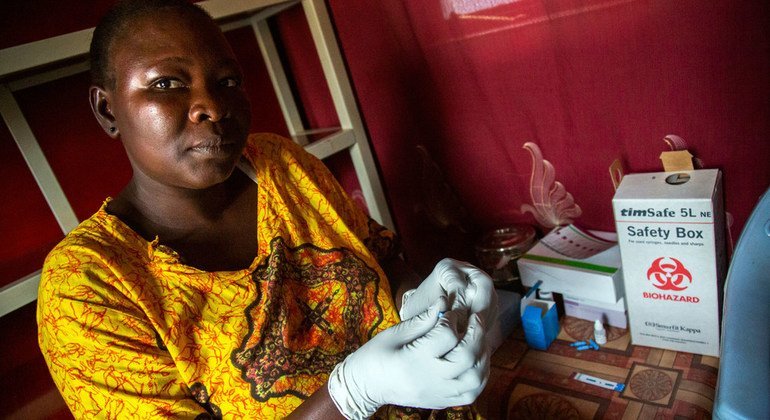
It’s all eyes on Africa as the UN looks to find ways to ensure universal health care for all
It was a historic moment earlier this month as the United Nations and African Union pledged to pursue bolds goals that will strengthen global health and provide health care to all across Africa. “The Memorandum of Understanding we have signed today is an important step towards formalizing the cooperation between WHO and the African Union and to implementing the Addis Ababa Call to Action,” said the WHO chief. “The Addis Ababa Call to Action is a powerful commitment from African Union leaders to increase domestic financing for health, and to hold themselves accountable for that commitment”, he added. Following a political declaration on universal health coverage, which was approved in September by all UN Member States, the General Assembly adopted a global resolution to translate that commitment into reality by legislators in 140 countries. November 18 - UN News It’s indeed a bold declaration and one that will require prevention, infection control and affordable delivery of care. Key UN-AU collaboration specifics Provide technical expertise to the African Medicines Agency and create an environment to foster local production of medicines. Strengthen collaboration between WHO and the Africa Centers for Disease Control and Prevention – with a particular focus on emergency preparedness, to build defenses against epidemics and other health emergencies. Support the implementation of the Addis Ababa Call to Action on universal health coverage and the AU Declaration on Domestic Financing. The prospects are positive, but delivery will be a challenge, and if you are a journalist covering this topic and need an expert source for insight and perspective – let us help. Dr. Saad Bhamla is an Assistant Professor of Chemical & Biomolecular Engineering at the Georgia Tech College of Engineering where he also runs the Bhamla Lab that develops low cost tools for science education and global health. Saad is available to speak to media regarding this topic, simply click on his icon to arrange an interview.


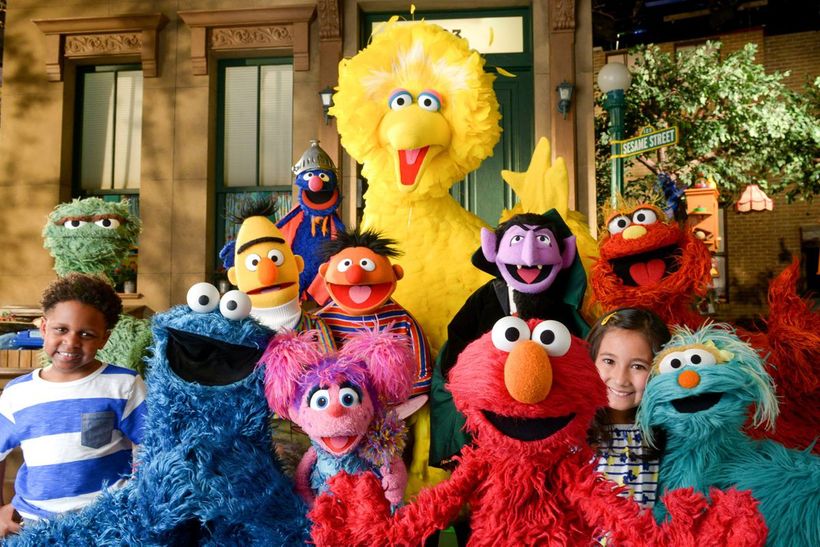
Sesame Street Celebrates 50 Years
Sesame Street, the longest-running children's show in American history, recently celebrated its 50th anniversary. Villanova's Emory Woodard, PhD, Dean of Graduate Studies in the College of Liberal Arts and Sciences, spent time working at Children's Television Workshop (now Sesame Workshop), the nonprofit organization that puts on Sesame Street. He reflects back on its legacy, its important focus on diversity and what lies ahead. Concerning the Program's Legacy "Sesame Street transformed the landscape for educational television at a time when very few content producers were paying attention to quality content for children. The show has effectively reduced the school readiness gap and prepared millions for scholastic success." On Special Memories "My parents could not afford to send me to preschool but used Sesame Street to reinforce the literacy and numeracy skills they taught me. I have fond memories of learning to count with Count von Count, learning the alphabet with Cookie Monster and even getting phonetics lessons with Big Bird. I cannot tell you how much of a delight it was to have Big Bird speak at one of our Commencement Ceremonies... "Perhaps more than the literacy and numeracy skills that I learned from Sesame Street, I remember the prosocial lessons of the show. At such a formative stage, I remember learning about sharing, cooperation and appreciating the differences between people." On Sesame Street and Diversity "Sesame Street has been keenly aware of the dual audiences it engages: children and their parents. At the preschool age, parents tend to be very involved in the media diet of their children. Sesame Street has taught a generation of parents to be more sensitive to issues of diversity." On the Program's Future "I think the future is bright. With the advent of increasingly diverse content distribution platforms (e.g., Netflix, Sling, Roku, Apple TV, etc.), the demand for quality content will remain strong. The makers of Sesame Street may have to be creative in figuring out how to support the production of their high-quality content while still serving their primary mission. Nonetheless, their longevity is a testament to the good thinkers they have charting the course to ongoing success. "The partnership with HBO is an industry reality. The funding for public television remains under threat and the choice is to either fold or be financially creative. I am delighted that the makers of Sesame Street have chosen to be financially creative. Moreover, they chose to partner with an outlet that has demonstrated itself to be a purveyor of high-quality content. As long as that content is shared with platforms that are more accessible to the economically disadvantaged, I do not see this much differently than the decision to use television as a distribution platform that was not universally accessible back in the late 1960s. "Sesame Street will remain relevant as long as they remain true to their original mission of bringing literacy and numeracy skills to disadvantaged populations through high-quality content. No one is and perhaps will ever be better at it than the makers of Sesame Street."


The link between veterans coming home and racial violence in America. Our expert can explain.
There is a long history of white supremacist and white-power ideology developing out of the wars the United States has fought. In Bring the War Home: The White Power Movement and Paramilitary America (Harvard University Press, 2018), Kathleen Belew shows that, beginning in the 1970s, a small but committed number of Vietnam War veterans took the racist understanding of the Vietnamese and Asians more broadly that the U.S. military taught them and became instrumental in building the current white-power movement. These vets often did not initially know each other, but they eventually built a wide variety of organizations: the White Aryan Resistance, the latest, post-Civil Rights Era iteration of the Ku Klux Klan, various Christian Identity and white skinhead organizations, and the militia movement of the 1980s and 1990s. In his forthcoming book, Guarding the Empire: Soldier Strikebreakers on the Long Road to the Ludlow Massacre, Otterbein’s Dr. Anthony DeStefanis has found that the men who fought the Plains Indians in the late nineteenth century and who served in Cuba and the Philippines during the Spanish-American-Filipino War (1898-1902) came to understand Native Americans, Cubans, and Filipinos as formidable but racially inferior enemies. When these same men joined the National Guards in states across the country and were called out on strike duty during the late nineteenth and early twentieth century, they took what they learned on the Plains and overseas to create a racist rationale for breaking the labor strikes of a working class that was increasingly made up of southern and eastern European, Mexican, and Asian immigrants. Many of these same men also joined the Second Ku Klux Klan that emerged in the late 1910s and became a nationwide organization by expanding the targets of its hatred beyond African Americans to include Jews, Catholics, and immigrants. Racism is a many-headed hydra with multiple roots in experience at home and abroad. Some white southerners who were central in the project of creating and maintaining Jim Crow white supremacy were Confederate military veterans and it is clear that wars across the twentieth century – from Cuba and the Philippines to Vietnam – pushed some veterans into the white- power movement. Today, we know that white-power organizations concentrate on recruiting military veterans and we have seen a spike in support for these organizations among current members of the military. It’s no accident that some of these active troops and veterans served in the Iraq and Afghan Wars, where they faced a Muslim enemy with unfamiliar social and cultural practices, and who did not welcome the U.S. military presence with open arms. Clearly, we must reckon with what our wars overseas have brought back to the United States. If you are a reporter covering this topic – let the experts from Otterbein University help. Dr. Anthony DeStefanis is an associate professor of history at Otterbein University. He specializes in modern U.S. history with an emphasis on labor and the working class and immigration, race, and ethnicity. Dr. DeStefanis is available to speak with media regarding the history of racial violence in America – simply click on his icon to arrange an interview.


Baylor Faculty Member Earns $5 Million Grant to Study Meal Deliveries for Rural Students
Baylor University’s Texas Hunger Initiative has taken an important step this week in helping move the University towards its Research 1/Tier 1 aspirations with the announcement of a $5 million grant to expand access to food for students living in rural Texas communities. Kathy Krey, Ph.D., assistant research professor and director of research and administration for Baylor’s Texas Hunger Initiative, has been awarded the three-year grant from the United States Department of Agriculture for a research project aimed at testing a novel approach to distributing food during the summer to rural students age 18 and under. The grant is from USDA’s Food and Nutrition Service. According to the National Center for Education Statistics, more than 3 million children in Texas receive free or reduced-price meals during the school year. During the summer when schools are not in session, food is available to eligible families through federal and state programs, but some students – particularly those who live in rural areas – may have difficulty accessing the food programs, leaving them without consistent access to nutrition. “The current solution to this problem, the federal Summer Food Service Program, doesn’t fit every scenario, because it requires that students congregate at a summer feeding site, often at a school or other central location,” Krey said. “Especially in rural areas, which Texas has a lot of, those meal sites can be less effective because there are transportation, cost or awareness barriers for students who are more broadly dispersed from schools and other potential meal sites.” Improving access to summer meals through mail delivery Krey and her colleagues at THI will be testing a program where families in selected areas of the state who don’t have access to a summer meal site can receive food deliveries through the mail. Grant funding will be used to purchase shelf-stable, nutritionally complete meals, including fruits and vegetables, which are packaged and delivered directly to families. The goal in designing this program, Krey said, is not to eliminate site-based summer feeding programs, but to supplement them with other mechanisms that can be more effective for Texas students whose food needs may not be met by the current system. “We envision a future in which summer feeding sites still exist. In communities where populations are centrally located, the site-based model can make a lot of sense, but we know that it’s going to take a lot of innovative solutions to meet the diversity of the problem especially in a state like Texas that has so many different geographies and different realities in terms of population density,” Krey said. The dual problems of hunger and poverty are closely related since students who don’t have access to healthy meals are at greater risk of low academic achievement and disciplinary problems. A failure to address nutritional deficiencies, Krey said, can contribute to a cycle of poverty that continues from generation to generation. “Research has proven that students need consistent access to healthy food to perform optimally in school,” she said. “If we think about generational poverty, education is such a key factor in students’ being able to break that cycle, and one way they can be equipped to do that learning is by having regular access to nutritious food. “In the summer, there aren’t as many resources and opportunities to get food, which is why it’s so important that we figure out innovative ways to use public and private resources to make sure that low-income kids have access to food during the summer,” she said. The grant also will provide research opportunities for undergraduate and graduate students. Andrea Skipor, graduate student in Baylor’s Diana R. Garland School of Social Work, said her work with the project provides important experiences in application of the concepts taught in class. “In social work, evidence-based practice is a huge part of what we do,” Skipor said. “We learn so much in a classroom, but we don’t always get the opportunity to use it. This project has really given me a way to use my social work and community research skills in a way that has sparked an interest in research for my future practice.” Krey credits students like Skipor with providing invaluable assistance in carrying out important research. “We’ve been really honored with the student researchers and student workers who have come alongside us and acquired great experience in designing a pilot research project. We’ve been so impressed with the Baylor University students’ talent and commitment and we’re really honored to have them as part of this project,” Krey said. The Texas Hunger Initiative is a multi-disciplinary project dedicated to ending hunger through research and innovation and committed to strengthening public policy to address domestic food insecurity. Jeremy Everett, founder and executive director of THI, said the organization was founded on a realization that complex societal problems like hunger and poverty need solutions that leverage the resources of the public and private sectors, faith-based organizations and university researchers. The initiative’s broad-based approach includes a widely-dispersed staff that can observe problems first-hand to come up with evidence-based solutions. “We have field staff throughout the state working in a learning-lab capacity. The average researcher might have their own laboratory. Our laboratory is the state of Texas,” Everett said. It’s a strategy that Everett said is fundamental to Baylor’s mission to positively impact the lives of people in need. “We want to leave society better than we found it,” Everett said. “Our faculty and students want to be engaged in research and evaluation, but they also want to see how that makes a difference in a young child getting access to food who previously wouldn’t have had it without that engagement.” ABOUT BAYLOR UNIVERSITY Baylor University is a private Christian University and a nationally ranked research institution. The University provides a vibrant campus community for more than 17,000 students by blending interdisciplinary research with an international reputation for educational excellence and a faculty commitment to teaching and scholarship. Chartered in 1845 by the Republic of Texas through the efforts of Baptist pioneers, Baylor is the oldest continually operating University in Texas. Located in Waco, Baylor welcomes students from all 50 states and more than 90 countries to study a broad range of degrees among its 12 nationally recognized academic divisions. ABOUT THE TEXAS HUNGER INITIATIVE AT BAYLOR UNIVERSITY The Texas Hunger Initiative (THI) at Baylor University is a capacity-building and collaborative project, which develops and implements strategies to end hunger through policy, education, research, community organizing and community development. THI works to make the state food secure by ensuring that every individual has access to three healthy meals a day, seven days a week. THI convenes federal, state and local government stakeholders with non-profits, faith communities and business leaders to create an efficient system of accountability that increases food security in Texas. THI’s work is supported by the Walmart Foundation, No Kid Hungry, and PepsiCo’s Food for Good. Along with its office located within the Diana R. Garland School of Social Work at Baylor, THI has offices located in Austin, Dallas, Houston, Lubbock, McAllen and San Angelo. For more information, visit www.baylor.edu/texashunger.


Multicultural Millennials Respond Positively to Health ‘Edutainment,’ Baylor Marketing Research Says
One-on-one interviews reveal which health issues concern millennials and their longing for optimal health Storytelling that educates and entertains – aka “edutainment” – is a powerful communications tool that can lead to positive health-related changes among multicultural millennials, according to a new marketing study from Baylor University. Tyrha Lindsey-Warren, Ph.D., clinical assistant professor of marketing in Baylor University’s Hankamer School of Business, led the study, “Making multicultural millennials healthy: The influence of health ‘edutainment’ and other drivers on health-oriented diet change,” which is published in the Journal of Cultural Marketing Strategy. Charlene A. Dadzie, Ph.D., assistant professor of marketing at the University of South Alabama, coauthored the research. The research sought to determine which health issues most concerned multicultural millennials and to gauge how effective media can be as a tool to address those issues and drive change. “This study finds that by bolstering self-identity and employing health ‘edutainment,’ it is possible to have a positive impact on the health intentions and behaviors of the millennial generation,” the researchers wrote. There are more than 92 million millennials (ages 20-34) in the United States today, the researchers observed. More than 9 million of those are identified as being overweight, and much of that can be attributed to a sedentary lifestyle and media consumption. White Americans watch an average of 140 hours of television per month (35 hours per week); African Americans watch 213 hours of television per month; and Latino Americans watch 33 hours of television per week and stream more than six hours of video per month. “Millennials are tech-savvy, they love social media, they’re actually more health conscious than previous generations, and they have significant economic power,” Lindsey-Warren said. “With so many millennials – in the scope of this study, multicultural millennials – watching so many screens, there is great opportunity to generate information and increase products and services geared towards health-oriented behavior.” But to take advantage of this opportunity, public and private organizations need to understand what drives millennials’ health choices and communicate accordingly, the researchers wrote. A total of 265 people participated in two components of the study – a health survey of 245 undergraduate students and one-on-one, in-depth interviews of 20 multicultural millennials. ‘I’m old-young and it’s getting real.’ For the second part of the study, the researchers interviewed 20 people – 10 women and 10 men – from two organizations, a large northeastern U.S. university and a mid-sized nonprofit organization in Harlem, New York. The subjects represented cultural, socioeconomic and educational diversity. The interviews were used to better understand the health status of these millennials as well as their relation to storytelling in the media, the researchers said. Participants answered health and wellness questions regarding their own health and personal network (example: “What is your ideal health?”) and questions about their personal media usage (example: “What are the top five health and wellness issues you see regularly portrayed in the media?”). One of the strongest themes to emerge from those interviews was that multicultural millennials “long to be healthy in mind, body and spirit” and are open to “seeing authentic and relevant storytelling regarding health issues in the media that is meaningful.” “They would definitely respond to health messages when they truly see themselves in storytelling that meets them where they are in life,” the researchers wrote. Some of the health-related topics addressed by those being interviewed included healthy eating, asthma, sexual health, mental health and fitness. One interviewee, a 21-year-old woman said she gets “out of breath” when she runs up the stairs and her knees “crack and hurt.” “I would love to have ideal health again. I really would. I would love it. I’m old-young, and it’s getting real,” she said. ‘More involved in the narrative’ In addition to the one-on-one interviews, each of the 20 interviewees watched media clips from two television programs – ABC’s “Private Practice” and the nationally syndicated health show, “The Doctors.” Each show highlighted the accurate health information concerning attention deficit hyperactivity disorder (ADHD). “Private Practice” told its story via fictional characters in an episodic dramatic storytelling format. In this format, health issues were not directly promoted and there was no direct-to-camera discussion of those issues. “The Doctors,” on the other hand, utilized the format of real doctors conveying accurate health information in real-life situations, directly to the camera and in front of a studio audience. “From the interviews, it was apparent that the storytelling in the health edutainment stimuli worked because the participants enjoyed and were more involved in the narrative conveyed in ‘Private Practice’ versus ‘The Doctors,’” the researchers wrote. “For example, the ‘Private Practice’ segment told the story of a young boy and his parents who desperately asked their doctor to give them a prescription for ADHD medicine for their son, even though the son did not want the medicine and the doctor felt that the prescription might not have been needed.” The “Private Practice” story resonated better with those watching and scored high across genders, according to the study. One 21-year-old male university student said he was diagnosed with ADHD as a child and saw himself and his parents in the “Private Practice” clip. He said he took ADHD medicine for a while. “I didn’t like it and I stopped taking it, and that was it. My parents were, ‘OK – if you don’t like it, that’s the way it is – you’re going to study harder, though. And, that was it,” he told the interviewers. A 28-year-old female from the nonprofit program said she saw the “Private Practice” clip and could relate to the situation as a parent. “I felt I could relate because I felt that my son had ADHD, and I really, I kind of diagnosed him myself, and said that, so I was really interested in this topic,” she told the researchers. Marketing and advertising implications Given the constant barrage of media in the lives of millennials, it is only reasonable to question the effect of this environment on their health and well-being, Lindsey-Warren said. The findings of the study are useful for practitioners in marketing, advertising, public relations, digital and branded entertainment. “Ultimately, the key to making a difference in the lives of multicultural millennials and their health, both now and into the future, may be achieving the right balance of educating and entertaining them,” the researchers wrote. “For millennials, Gen Z and alpha – the newest generation – ‘edutainment’ is and will continue to be a primary way to educate them,” Lindsey-Warren said. “It’s through the stories we tell on digital, on streaming, on gaming – that’s the way those generations are learning.” ABOUT BAYLOR UNIVERSITY Baylor University is a private Christian University and a nationally ranked research institution. The University provides a vibrant campus community for more than 17,000 students by blending interdisciplinary research with an international reputation for educational excellence and a faculty commitment to teaching and scholarship. Chartered in 1845 by the Republic of Texas through the efforts of Baptist pioneers, Baylor is the oldest continually operating University in Texas. Located in Waco, Baylor welcomes students from all 50 states and more than 90 countries to study a broad range of degrees among its 12 nationally recognized academic divisions. ABOUT HANKAMER SCHOOL OF BUSINESS AT BAYLOR UNIVERSITY At Baylor University’s Hankamer School of Business, integrity stands shoulder-to-shoulder with analytic and strategic strengths. The School’s top-ranked programs combine rigorous classroom learning, hands-on experience in the real world, a solid foundation in Christian values and a global outlook. Making up approximately 25 percent of the University’s total enrollment, undergraduate students choose from 16 major areas of study. Graduate students choose from full-time, executive or online MBA or other specialized master’s programs, and Ph.D. programs in Information Systems, Entrepreneurship or Health Services Research. The Business School also has campuses located in Austin and Dallas, Texas. Visit www.baylor.edu/business and follow on Twitter at twitter.com/Baylor_Business.


Baylor’s Jeff Levin Named a Fellow of Prestigious International Society
Baylor scientist Jeff Levin, Ph.D., M.P.H., has been invited to become a Fellow of the prestigious International Society for Science and Religion (ISSR), a multidisciplinary learned society based at Cambridge University. Founded in 2002, ISSR is the world’s preeminent scholarly organization devoted to the intersection of science and religion. The Society has only about 200 Fellows, mostly from the physical and biological sciences, philosophy, history and theology. Levin is one of the few Fellows with a background in the biomedical sciences. Levin, an epidemiologist and religious scholar, holds a distinguished chair at Baylor, where he is University Professor of Epidemiology and Population Health, professor of medical humanities and director of the Program on Religion and Population Health at the Institute for Studies of Religion. He also serves as adjunct professor of psychiatry and behavioral sciences at Duke University School of Medicine and as an affiliated member of the Center for Medical Ethics and Health Policy at the Baylor College of Medicine. Levin is a founding father of the field of research devoted to the influence of religious faith and spirituality on physical and mental health. He has been conducting studies on this subject since the early 1980s. He came to Baylor in 2009. Levin’s work “is the culmination of a lifetime of diligent scholarship, for which he is rightly renowned worldwide, said Stephen G. Post, director of the Center for Medical Humanities, Compassionate Care and Bioethics at Stony Brook University, and an ISSR Fellow. “It is hard to imagine that any one scholar could have made such a pioneering contribution across this interface, but Jeff has been digging deep for nearly 40 learned years,” Post said. Levin’s colleagues at Baylor were excited to hear about this honor. “This is an amazing honor for a world-class scholar. This recognition is a true testament to his many important publications and remarkable career,” said Byron Johnson, Ph.D., co-director of ISR and Distinguished Professor of the Social Sciences. Among the ISSR’s distinguished Fellows are several Templeton Prize laureates, Gifford lecturers and leading academic scientists and theologians in Europe and North America. “I never expected this and wasn’t sure I was even on their radar,” Levin said. “The science and religion field has become a major intellectual endeavor, but the subject of religion and health up to now has not really been acknowledged by the field or accepted in it. So this is a first—an honor for me, for sure, but also recognition of the work that so many of my colleagues and I have been doing since the 1980s.” Levin has been published in more 220 scholarly publications, including 11 books. His most recent book is “Religion and Medicine: A History of the Encounter Between Humanity’s Two Greatest Institutions,” forthcoming this fall from Oxford University Press. ABOUT BAYLOR UNIVERSITY Baylor University is a private Christian University and a nationally ranked research institution. The University provides a vibrant campus community for more than 17,000 students by blending interdisciplinary research with an international reputation for educational excellence and a faculty commitment to teaching and scholarship. Chartered in 1845 by the Republic of Texas through the efforts of Baptist pioneers, Baylor is the oldest continually operating University in Texas. Located in Waco, Baylor welcomes students from all 50 states and more than 90 countries to study a broad range of degrees among its 12 nationally recognized academic divisions. ABOUT THE BAYLOR INSTITUTE FOR STUDIES OF RELIGION Launched in August 2004, the Baylor Institute for Studies of Religion (ISR) initiates, supports and conducts research on religion, involving scholars and projects spanning the intellectual spectrum: history, psychology, sociology, economics, anthropology, political science, epidemiology, theology and religious studies. The Institutes mandate extends to all religions, everywhere, and throughout history, and embraces the study of religious effects on prosocial behavior, family life, population health, economic development and social conflict.


‘Bottom-line mentality’ can lead to loss of employee respect and loyalty, research shows Supervisors driven by profits could actually be hurting their coveted bottom lines by losing the respect of their employees, who counter by withholding performance, according to a new study led by Baylor University. The study, “The Influence of Supervisor Bottom-Line Mentality and Employee Bottom-Line Mentality on Leader-Member Exchange and Subsequent Employee Performance,” is published in the journal Human Relations. “Supervisors who focus only on profits to the exclusion of caring about other important outcomes, such as employee well-being or environmental or ethical concerns, turn out to be detrimental to employees,” said lead researcher Matthew Quade, Ph.D., assistant professor of management in Baylor University’s Hankamer School of Business. “This results in relationships that are marked by distrust, dissatisfaction and lack of affection for the supervisor. And ultimately, that leads to employees who are less likely to complete tasks at a high level and less likely to go above and beyond the call of duty.” While other studies have examined the impact of bottom-line mentality (BLM) on employee behavior, Quade said this is the first to identify why employees respond with negative behaviors to supervisors they perceive to have BLM. The research team surveyed 866 people. Half of those surveyed were supervisors; the other half were their respective employees. Data was collected from those who work in a range of jobs and industries, including financial services, health care, sales, legal and education. Researchers measured supervisor BLM, employee BLM, task performance and leader-member exchange – the rating employees gave of their relationships with their supervisors. Employees rated their supervisors’ BLM by scoring on a scale statements like: “My supervisor treats the bottom line as more important than anything else” and “My supervisor cares more about profits than his/her employees’ well-being.” They rated leader-member exchange via statements such as “I like my supervisor very much as a person” and “My relationship with my supervisor is composed of comparable exchanges of giving and taking.” Supervisors rated their employees by scoring statements such as: “This employee meets or exceeds his/her productivity requirements,” “This employee searches for ways to be more productive” and “This employee demonstrates commitment to producing quality work.” Based on the responses and the data collected and analyzed, the researchers found: High-BLM supervisors create low-quality relationships with their employees. In turn, employees perceive low-quality leader-member exchange relationships. Thus, employees reciprocate by withholding performance. When supervisor BLM is high and employee BLM is low, the damaging effects are strengthened. When both supervisor and employee BLM are high, the negative performance is still evident. The last finding on that list was particularly significant, Quade said, because it contradicts a common belief that when two parties (in this case, supervisors and employees) think alike and have similar values, there will be a positive outcome. Not so much in the case of BLM, the study shows. “When supervisor and employee BLM is similarly high, our research demonstrates the negative effect on performance is only buffered, not mitigated – indicating no degree of supervisor BLM seems to be particularly beneficial,” the researchers wrote. “It seems even if employees maintain a BLM, they would prefer for their managers to focus on interpersonal aspects of the job that foster healthier social exchange relationships with their employees in addition to the bottom line.” The profit-performance relationship can spark a conundrum for companies, Quade said, because organizations want to be profitable, and performance is an important indicator of an organization’s health and vitality. If leaders believe a negative dynamic regarding BLM exists in their organization, the researchers suggest a few practical steps: Be cautious of a BLM approach or emphasizing bottom-line outcomes that could neglect other organizational concerns, such as employee well-being and ethical standards. Managers should be aware of the message they pass along to employees (and the possible performance repercussions) when they tout bottom-line profits as the most important consideration. Organizations that need to emphasize bottom-line outcomes should consider pairing the BLM management style with other management approaches known to produce positive results, such as practicing ethical leadership. “Supervisors undoubtedly face heavy scrutiny for the performance levels of their employees, and as such they may tend to emphasize the need for employees to pursue bottom-line outcomes at the exclusion of other competing priorities, such as ethical practices, personal development or building social connections in the workplace,” the researchers wrote. “However, in doing so they may have to suffer the consequence of reduced employee respect, loyalty and even liking.” ABOUT THE STUDY “The Influence of Supervisor Bottom-Line Mentality and Employee Bottom-Line Mentality on Leader-Member Exchange and Subsequent Employee Performance” is published in the journal Human Relations. Authors are Matthew Quade, Ph.D., assistant professor of management in Baylor University’s Hankamer School of Business; Benjamin McLarty, Ph.D., assistant professor of management, Mississippi State University; and Julena Bonner, Ph.D., assistant professor, Utah State University. ABOUT BAYLOR UNIVERSITY Baylor University is a private Christian University and a nationally ranked research institution. The University provides a vibrant campus community for more than 17,000 students by blending interdisciplinary research with an international reputation for educational excellence and a faculty commitment to teaching and scholarship. Chartered in 1845 by the Republic of Texas through the efforts of Baptist pioneers, Baylor is the oldest continually operating University in Texas. Located in Waco, Baylor welcomes students from all 50 states and more than 90 countries to study a broad range of degrees among its 12 nationally recognized academic divisions. ABOUT HANKAMER SCHOOL OF BUSINESS AT BAYLOR UNIVERSITY At Baylor University’s Hankamer School of Business, integrity stands shoulder-to-shoulder with analytic and strategic strengths. The School’s top-ranked programs combine rigorous classroom learning, hands on experience in the real world, a solid foundation in Christian values and a global outlook. Making up approximately 25 percent of the University’s total enrollment, undergraduate students choose from 16 major areas of study. Graduate students choose from full-time, executive or online MBA or other specialized master’s programs, and Ph.D. programs in Information Systems, Entrepreneurship or Health Services Research. The Business School also has campuses located in Austin and Dallas, Texas. Visit www.baylor.edu/business and follow on Twitter at twitter.com/Baylor_Business.

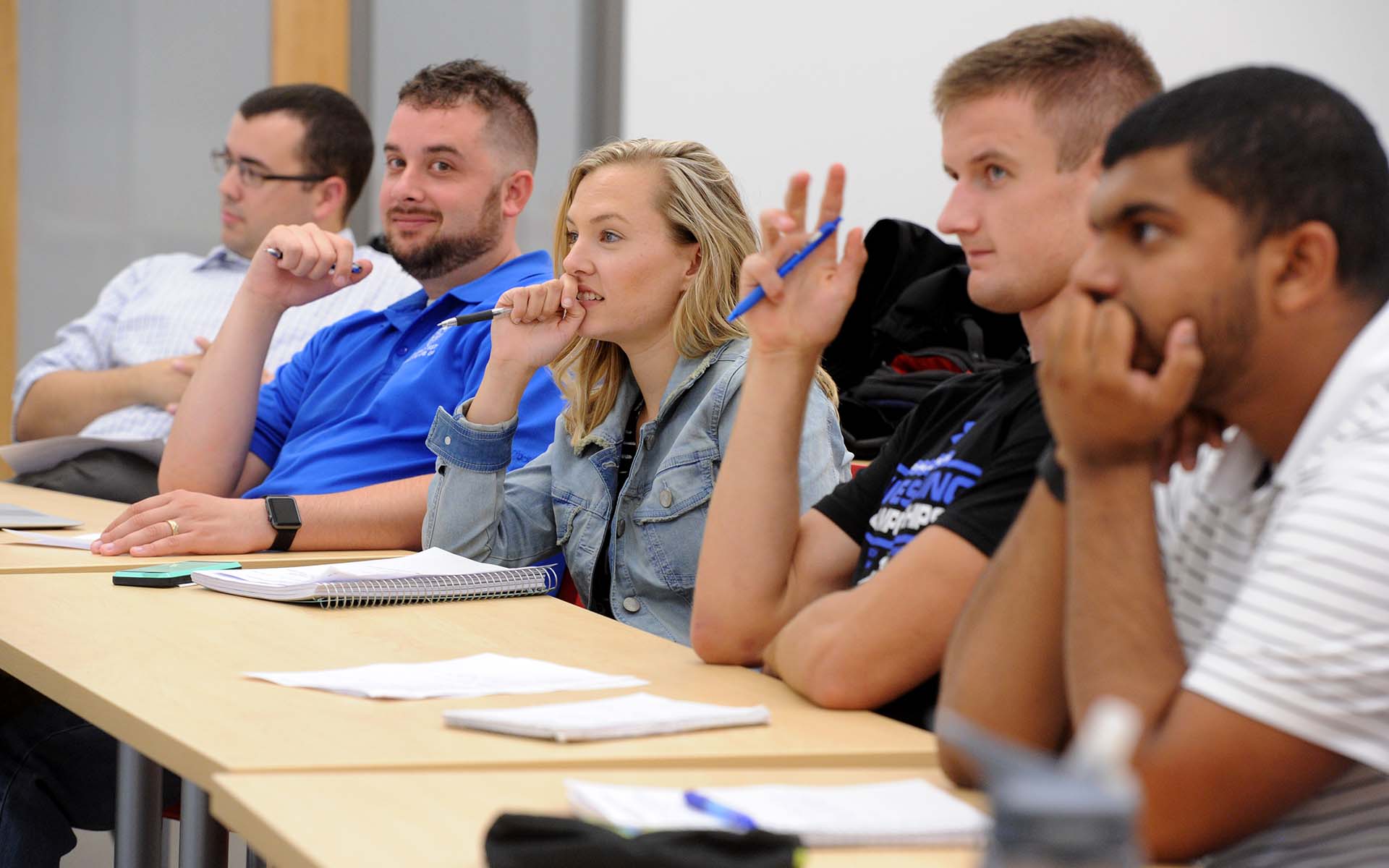
“Design thinking is a human-centered approach to innovation that draws from the designer's toolkit to integrate the needs of people, the possibilities of technology, and the requirements for business success.” - Tim Brown, CEO of IDEO I would add the following to Mr. Brown’s statement. This innovation approach requires more than a designer’s toolkit. It requires multiple departments within an organization to engage in the approach. If I’ve learned one thing in my more than 5 years in higher education it’s that companies continue to push for employees to become better problem solvers, more creative/critical thinkers, and ultimately stronger communicators. Why? Company growth is critical, and the aforementioned skills are how many companies will achieve growth. At Otterbein, we continue to provide education that addresses the development of these skills. We are designing a new focus in the MBA Program; Design Thinking. Otterbein University’s MBA Program is collaborating with the Master of Design (MDes) Program at the Columbus College of Art & Design (CCAD), to integrate a Design Thinking Area of Focus within the MBA program. Design Thinking combines design research, service design, studio & project course for prototyping/impression/artifact work, along with design thinking principles critical in succeeding in business and industry. It is designed for individuals who wish to pursue a career in business design, organizational change, and innovation, among other potential career paths. Are you a reporter covering stories that involve Design Thinking? Are you a student considering pursuing Design Thinking as a postsecondary option? If so, let our experts help with any of your questions. Eric is Director of the MBA Program at Otterbein University and is available to speak to the concepts of Design Thinking. Simply click on his icon to arrange an interview.
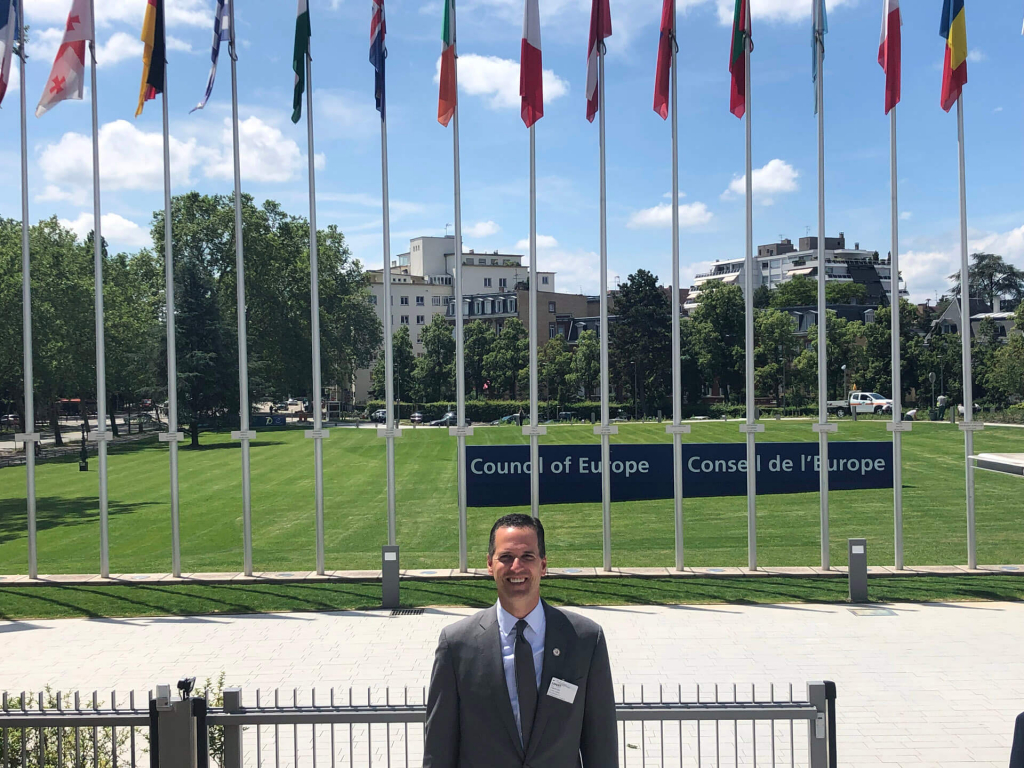
A global commitment to democracy
When I was invited to attend the Global Forum on Academic Freedom, Institutional Autonomy, and the Future of Democracy held this June in Strasbourg, France, I jumped at the chance. I was proud to add Otterbein’s support to a movement of global leaders committing to protecting democracy. I attended the forum along with more than 100 higher education leaders from around the world. Since its founding, Otterbein has stood for the rights of academic freedom and autonomy, as well as the freedom of speech of individuals, and we continue to stand resolute today. Otterbein believes that all voices from different walks of life must be represented, respected and valued, and we are committing to be a national and global leader in preserving democratic societies and values. The Global Forum was co-organized by the Council of Europe; the International Consortium for Higher Education, Civic Responsibility, and Democracy; the Organization of American States; and other partners, notably the International Association of Universities and the Magna Charta Observatory. It gathered higher education leaders and representatives of public authorities and NGOs from Europe and the United States, as well as smaller numbers from Australia, Asia, Africa, the Middle East and Latin America. - John Comerford Are you a journalist covering topics about democracy and how it is being threatened around the world? What role does higher education play in global democracy? And what countries or regions are the most at risk? There are a lot of questions regarding this topic – and that’s where we can help. John Comerford is an expert in higher education, regional and national topics. He is the President of Otterbein University and is available to speak with media regarding this issue and how higher-education needs to be made available to everyone in America regardless of income, family name or background. Simply click on his icon to arrange an interview.