
Experts Matter. Find Yours.
Connect for media, speaking, professional opportunities & more.

Aston University wins share of £118m funding to accelerate its research impact
The Impact Acceleration Account (IAA) investment over three years focuses on maximising impact, knowledge exchange, translation and commercialisation potential within research organisations Funding allows researchers to unlock the value of their work, including early-stage commercialisation of new technologies The University will receive over £580,000 ‘to accelerate UK bright ideas into global opportunities'. Aston University has won a share of £118m in UK Research and Innovation (UKRI) funding. The Impact Acceleration Account (IAA) investment over three years focuses on maximising impact, knowledge exchange, translation and commercialisation potential within research organisations. Funding allows researchers to unlock the value of their work, including early-stage commercialisation of new technologies and advancing changes to public policy and services such as NHS clinical practice. UKRI, a government body responsible for delivering £8bn research and innovation funding each year, is investing £118 million in the latest round of IAAs to translate research across 64 universities and research organisations. Aston University was successful in gaining both Engineering and Physical Sciences Research Council (EPSRC) and Biotechnology and Biological Sciences Research Council (BBSRC) IAA funding – the latter one of only 15 IAA full awards nationally. Luke Southan, technology transfer manager at Aston University, said: “This funding will be transformational for Aston University’s capacity to get the best good from the research it carries out. “We have a pipeline of world-changing inventions, medical treatments, net-zero initiatives and spinout companies that we can give the greatest chance of success through these highly prestigious pots of funding.” UKRI director of commercialisation, Tony Soteriou, said: “The UK is home to some of the brightest, most innovative and creative research teams in the world. They have the ideas and they have the entrepreneurial energy to create businesses and services that could turn sectors on their head. “What they need, what every great commercial idea needs, is support in the critical early stages. The Impact Acceleration Account is the catalyst that allows projects to grow to the next level, attracting investment, forging partnerships and creating jobs. “The breadth of UKRI allows us to work right across the UK’s world-class research and innovation system to ensure it builds a green future, secures better health, ageing and wellbeing, tackles infections, and builds a secure and resilient world.”


Dignitaries help University officials break ground on Jack and Ruth Ann Hill Convocation Center
State and local dignitaries help break ground on the new Jack and Ruth Ann Hill Convocation Center on Georgia Southern’s south campus in Statesboro. L-R: Georgia Southern Men’s Basketball Coach Brian Burg, Chair of the Georgia Southern Foundation Mike Sanders, University Foundation Board Member Leonard Bevill, University Provost Carl Reiber, Ph.D., Georgia Southern Athletics Director Jared Benko, Regent Everett Kennedy, Majority Leader Jon Burns, USG Chancellor Sonny Purdue, University President Kyle Marrero, Mr. Lance Hill, Congressman Buddy Carter, Chairman Terry England, Congressman Rick Allen, Student athlete Hannah Fuller, Waters College of Health Professions Dean Barry Joyner Ph.D. The opportunity to memorialize the late Sen. Jack Hill and wife Ruth Ann brought an impressive list of state and national leaders to Statesboro on Thursday to help break ground on a new Georgia Southern University Convocation Center that will bear their names. New University System of Georgia (USG) Chancellor Sonny Perdue, state legislators, congressmen and Georgia Southern University President Kyle Marrero – all of whom had worked extensively with Hill over the last several decades – headlined a team of speakers who lauded Hill and his impact on Georgia while helping to kick off a project that will change the face of Statesboro. “I’ve never known a more dedicated public servant than Jack Hill,” said Perdue, who shared an office with Hill and lived with him for a time while they both served in the Georgia Legislature. “It’s an honor to be here today to remember my best political friend in the world.” At 95,000 square feet, the Jack and Ruth Ann Hill Convocation Center will be the largest event venue space between Savannah and Macon and will serve as the signature building on Georgia Southern’s south campus, fronting Veterans Memorial Parkway (US 301 bypass). With an estimated total cost of $64.4 million, the center will be a multi-story complex that provides approximately 7,000 square feet of additional instructional space for the Waters College of Health Professions and provides more than a 50% increase in seating capacity in an arena that will be the new home court for Georgia Southern Eagles NCAA basketball games. The building is named for Jack Hill (‘66), who was the longest-serving Georgia senator when he died in April 2020. He was a senator for 30 years, serving as chairman of several crucial committees, including Appropriations, which has broad jurisdiction over legislation involving budgeting and spending state and federal funds. With Hill’s support, Georgia Southern reached new heights as an institution serving the southeast region and the state of Georgia. Hill was instrumental in helping the University expand its programs and build several new state-of-the-art facilities, including the Engineering and Research Building, which opened for classes in January 2021. His wife of 48 years, Ruth Ann, focused her life on public education and retired as principal of Reidsville Elementary School. She was a triple Eagle, earning degrees from Georgia Southern in 1973, 1990 and 1991. The media release announcing this historic event is attached here: If you're a journalist looking to know ore about this event or Georgia Southern University - simply reach out to Georgia Southern Director of Communications Jennifer Wise at jwise@georgiasouthern.edu to arrange an interview today.


Faculty from Georgia Southern University’s Jiann-Ping Hsu College of Public Health (JPHCOPH) have secured a federal grant totaling more than $1.8 million from the U.S. Department of Health and Human Services to promote inclusive excellence in health informatics and health equity. With the goal of empowering minority students through education, JPHCOPH’s Professor and Department Chair Gulzar Shah, Ph.D., as principal investigator, and Associate Dean for Academic Affairs Nandi Marshall, DrPH, as co-investigator, received the grant as part of the $7.98 million award for the TRIUMPH (Training in Informatics for Underrepresented Minorities in Public Health) consortium, which included three other universities and four public health organizations. “This initiative will help our college foster collaborations and community engagement involving influential public health agencies, academic institutions, community organizations and public health agencies,” stated Shah. “It will assist with paid practical experience for students and the practicum sites, and better prospects of job placements for the graduates. The grant will also involve health informatics capacity-building in the current public health workforce in Georgia.” In addition, the grant will help facilitate a new fully online concentration in public health informatics within the University’s existing Master of Public Health (MPH) program. This concentration will feature new courses focused on health information systems, data analytics and public health data visualization for evidenced-based practice. The courses will also be available as elective options for students in the Doctor of Public Health program. As well, the award also provides several graduate assistant opportunities to support students enrolled in the new MPH concentration. If you're a reporter looking to know more about this important topic - then let us help with your coverage and stories. JPHCOPH’s Professor and Department Chair Gulzar Shah, Ph.D, is available to answer your questions - simply reach out to Georgia Southern Director of Communications Jennifer Wise at jwise@georgiasouthern.edu to arrange an interview today.

With an estimated 1.5-million faculty in the US and a near 50,000 growth in UK-based academics in the last decade (to 225,000), universities and colleges have a whole range of interests and expertise on offer. In fact, despite rumours to the contrary, academia is a large and growing global ‘industry’. If you’re responsible for external relations, communications, marketing, civic engagement, knowledge exchange - or any other aspect of external engagement or “connectedness” in a university or college - then the ability to choose which faculty experts you selectively promote and publicise can be a very tough assignment. I’ve had first-hand experience with this. I was once in that very position - trying to keep up with the opportunities and the expectations afforded by 800 academics at just the one mid-sized UK institution where I worked. With the benefit of that firsthand experience and having since worked with more than 100 higher education institutions in the UK, Europe and North America, here are a few observations and also a few tips on how to organize your expertise: Approach #1: The Focus on Expertise Clusters An approach taken by some universities nowadays is to promote their expertise as a group of “grand challenges” or “beacons of excellence” - drawing together as many areas of research expertise under (usually) three or four headings. While identifying “token clusters” of expertise for focus and prioritisation may seem logical, this approach doesn’t really work. It may help with internal politics but it fails to generate enough precision to be relevant to various communities such as the media and industry. Approach #2: Selectively Promoting Key Experts One trap that universities can also fall into is to focus on a small group of academics who appear to be more suitable to promote. The reasoning for this approach is often driven by the need to have a manageable number for internal communications/press office staff to work with. The easy route to take is to just work with academics who are more keen to work with comms staff in promoting their work and who are already at ease in speaking to the media. Selection of experts on these factors, while important, isn’t the optimal way to build up the profile for the institution with key audiences. First off, this approach often doesn’t yield the diversity that audiences such as journalists and potential student and faculty recruits want to see represented. This approach will also miss the mark if it just plays to popular disciplines or hot topics. Being more inclusive to promote a wider range of disciplines and specialized topics is better value all round. Approach #3: The Faculty “Expertise Audit” I’ve seen institutions make many mistakes in positioning their faculty as experts, given it’s a proven way to differentiate brand, build profile and reputation. That’s why I’ve started to work with several universities on what I refer to as a “faculty expertise audit”. This brings a more structured process that helps prioritize key areas of research expertise and identify specialist experts. The audit also looks at the resources and overall capacity that universities have available to support an “expertise marketing” program that optimizes all these elements to significantly boost performance. Start with The Business Case for Expertise At the heart of this more structured, targeted audit approach is ensuring you are generating “return-on-investment” and “value-for-effort.” A good starting point is to ask: Where is the budget coming from? Where is current and expected demand for your programs? When starting this assessment, you have to think longer than a year out. Instead, look very hard and in detail at the next three to five years (the typical cycle of research investment and university strategies) and identify which expertise is most likely to solve the problems and consequential explorations that governments, industry, benefactors/donors, and funding agencies will want to support. I’m not saying that research areas without such sizable levels of predicted investment should be ignored - far from it - but we are in a competitive climate and universities now have to secure ‘orders’ (for applied and contracted expertise) that will ensure institutional sustainability and success. In turn, that success will allow investment in other areas that are socially vital but financially a weaker bet as regarded by funding sources. Having proven where research funding is most available, pressing and externally directed, then the audit is designed to identify and match the institution’s research talent to these requirements. These audits involve shortlisting, enlisting and then coaching the appropriate academic experts. The best results come from one-to-one sessions with academics which create buy-in and yield a more detailed marketing plan to leverage your experts. While more inclusive, this is an efficient process designed to create a “shared roadmap” for where the university and the academic both want to take their expertise. A large part of this roadmap then covers off other important activities such as creating a more discoverable and engaging online presence with enriched academic profiles that perform far better than the traditional “faculty directory.” Keeping online academic profiles fresh, content-rich, jargon-free, and compelling makes the job of expert ‘mining’ so much easier. Developing a sustained program of content with an organized lead generation process is also necessary. These extra steps are where many universities miss the mark. The result is a significant loss of inbound opportunities for research grants, consulting revenues, academic collaborations as well as local and global media coverage. I recently spoke with a Vice Chancellor of a prominent UK University who admitted that they as an institution deserved a failing grade when it came to promoting their faculty research achievements, saying that he “doubted any of their academics would be happy with the way their work was being promoted online.” This is an important aspect of the faculty audit. As a consultative process, it is non-threatening and we’re listening to staff and academics. That not only enriches the information the University has to promote its brand better, it also helps to enlist the support of the academic community who see that the university cares and that it is getting their input to put together a plan – both for the university and for individual academics. The academic is happy (they understand the value for them personally and for their institution); the University is happy (it is able to focus and prioritise its expertise in an evidence-based manner), and Communications and press office staff are happy (they have so more to work with in connecting the work of the University to a variety of local and global communities). The Benefits of A Faculty Audit Having completed many of these, I’ve seen very clearly, the results of a well run Faculty Audit process that without exception yield an excellent return on investment. Here are just some of the benefits to consider: Greater Insights: Gain a deeper understanding of the hidden strengths and opportunities within your academic ranks. Better Planning: A detailed report from a Faculty Audit enables a more strategic approach to planning where faculty research and expertise can support various programs within the University - such as industry engagement, media coverage and recruitment. Building Trust: When conducted by a third-party, a Faculty Audit is seen as more credible and less prone to perceptions of internal bias. More Engaged Faculty: Increased collaboration with faculty is gained through a more consultative process that builds “shared awareness” and enables more proactive support of their research. Increased Capacity: Producing more proactive content with faculty yields better results in terms of media coverage, research engagements, etc. Demonstrate Diversity: A better understanding of expertise that goes beyond the “usual suspects” to engaging a more diverse set of faculty to promote the University. News Coverage: Positioning your faculty and their research in a more relevant way aligns with the interests of the outside world and what's on the mind of outsiders. Less Stress: A more proactive, well structured plan helps everyone to synchronise activities better versus scrambling too much to meet deadlines in the “here and now.” Is a Faculty Audit Right for Your Institution? Here are some key considerations when evaluating the value of a Faculty Audit for your institution. You are ideally suited to undertake a faculty expertise audit if: You have a stretched workload where there's little capacity for proactive comms. You're tending to turn to the same academics for expert commentary in the media or elsewhere. You tend to get complaints (or mild mutterings) about not supporting academics enough. You don't have time to get to know the range of academic experts in your institution - especially new arrivals or eager early career academics. You've adopted an 'inside out approach' rather than one that engages with the interests of the outside world and what's on the mind of outsiders. There's weak management of expectations with the academic community - and a need for clarity and shared pathways for publicity. You're operating too much in the here and now and don't have the time to plan for future events, milestones and opportunities. You want to be more strategic in your comms and engagement - and make a real difference via attracting interest, income and investment. You don't have an integrated approach to comms (where content can be repurposed and recycled). You want more global reach and presence and can exploit digital tools to enable this. Additional Resources Academic Experts and the Media (PDF) This report, based on detailed interviews with some of the most media-experienced academics across the UK and United States draws on their experiences to identify lessons they can share in encouraging other academics to follow in their path. Download the UK Report Here Download the US Report Here The Complete Guide to Expertise Marketing for Higher Education (PDF) Expertise Marketing is the next evolution of content marketing. Build value by mobilizing the hidden people, knowledge and content you already have at your fingertips. This win-win solution not only gives audiences better quality content, but it also lets higher ed organizations show off their smarts. Download Your Copy Click Here for Additional Resources



Global award for international human resource management expert at Aston Business School
Professor Pawan Budhwar has been recognised by the International Federation of Scholarly Associations of Management (IFSAM) He is a joint recipient of its award for exceptional service to the management field worldwide Professor Budhwar has been recognised for his outstanding leadership. Professor Pawan Budhwar has been named by the International Federation of Scholarly Associations of Management (IFSAM) as a joint recipient of its Award for Exceptional Service to the Management Field Worldwide. Dr Budhwar, a professor of international human resource management and head of Aston Business School, has been recognised for his outstanding leadership in building collegiality, community, and capacity in the British Academy of Management and in the Indian Academy of Management (an affiliate of Academy of Management), where he served as co-founder and first president. Pawan is also an associate pro-vice chancellor international (India), the joint director of Aston India Centre for Applied Research at Aston University and the co-editor-in-chief of Human Resource Management Journal. He received his PhD from Manchester Business School. He has published over 150 articles in leading journals on topics related to human resource management and performance, with a specific focus on India. He has also written and/or co-edited 26 books on HR-related topics for different national and regional contexts. On this occasion, the award, which recognises significant and enduring service to the management scholarly community worldwide, has been jointly bestowed to Professor Budhwar and Professor Emeritus Jean-François Chanlat, PSL Université Paris-Dauphine, France. Professor Budhwar said: “I am truly honoured and humbled to receive this award from the International Federation of Scholarly Associations of Management. It is satisfying to receive an acknowledgement of my on-going service to our academic community from global peers. Thank you IFSAM for considering me for this.”
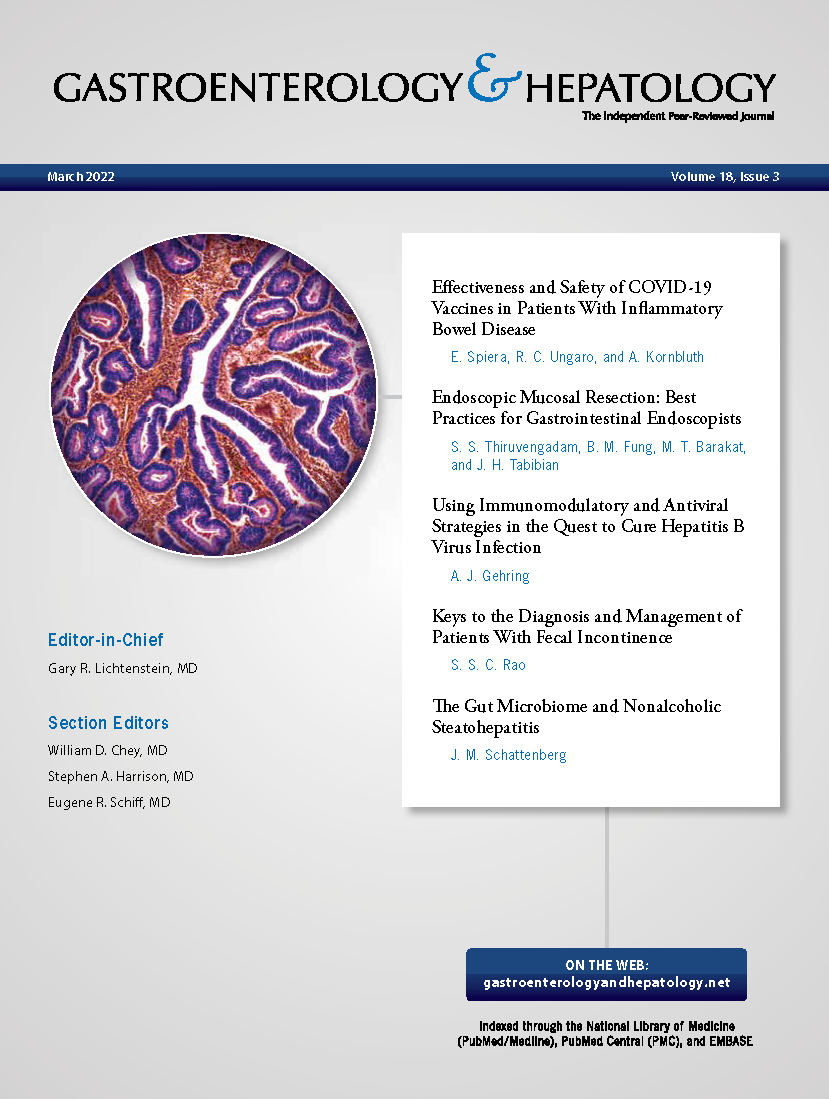
Bowel or fecal incontinence, according to the Mayo Clinic, “is the inability to control bowel movements, causing stool (feces) to leak unexpectedly from the rectum. Also called bowel incontinence, fecal incontinence ranges from an occasional leakage of stool while passing gas to a complete loss of bowel control. Common causes of fecal incontinence include diarrhea, constipation, and muscle or nerve damage. The muscle or nerve damage may be associated with aging or with giving birth.” Dr. Satish Rao is a seasoned gastroenterologist and an expert in digestive health, particularly the brain-gut connection. Rao, a professor of medicine at the Medical College of Georgia at Augusta University, recently offered a Q&A on the topic of fecal incontinence with the journal Gastroenterology & Hepatology. What is the prevalence of fecal incontinence in the adult population? Surveys have indicated a prevalence of approximately 9% to 10% in the United States. A recent study reported a 14% prevalence, although this study was Internet-based and, thus, may not have included many elderly patients, as they may not be as computer-savvy as younger patients. It is safe to say that one in seven Americans currently suffers from fecal incontinence. Prevalence appears to be equal in men and women, although women outnumber men almost three to one when it comes to gastroenterology clinic visits and health care-seeking. Men may be too embarrassed to bring the issue of fecal incontinence to the attention of a physician, but when asked about it, they will admit and discuss it. Also, extracting information from a patient about fecal incontinence depends on how the question is asked. Asking patients whether they have daily leakage vs whether they ever have had leakage or have had leakage in the past month will elicit different responses that a clinician may interpret differently. It is important to remember that leakage is not a physiologic event that a healthy adult should have at any time, even once a month or once a year. Not having the capacity to control bowel evacuation or having leakage unaware of its occurrence signals an abnormality. What are notable risk factors for fecal incontinence? In women, pregnancy can be a risk factor, particularly if giving birth involves pelvic tissue damage, such as injury inflicted by forceps use or the unfortunate occurrence of a significant tear. Neurologic or back injuries are other common risk factors. Also, chronic diarrhea can progress to fecal incontinence owing to severe irritation of the rectum or irritants in stool. Further, any condition that changes the ability of rectal capacity can result in fecal incontinence. These circumstances can include surgery or radiation to the rectal area. Hear from a patient and learn more about Rao's research using magnetic stimulation to treat fecal incontinence. What treatment modalities are currently available? Simple, conservative treatment consists of educating patients about fecal incontinence and instructing them to avoid precipitating events. For example, although many people love to have a meal followed by a cup of coffee and a walk, such a sequence of activities is ill-advised for an incontinent patient: the meal provokes a gastric-colonic response, coffee is a powerful colonic stimulant, and exercise also stimulates motility. This triad creates the perfect storm for a stool leakage or accident while the patient is out on the after-dinner walk. Antidiarrheal therapies can be very effective but only in approximately 15% to 20% of patients. Another treatment is biofeedback, which can correct muscle weakness using behavioral techniques. Biofeedback provides resolution in approximately 50% to 70% of patients. The traditional model of office-based biofeedback requires that the patient make 6 or even up to 10 visits to a specialty clinic. This may mean that some patients must drive very long distances to an appropriate care facility that is staffed with trained personnel or physical therapists. This scenario presents a significant challenge for many patients, which is increasingly being recognized by health care professionals and researchers. Good devices for home-based biofeedback have been scarce; however, such a device was recently approved by the US Food and Drug Administration. The research center at Augusta University has tested it in a clinical trial setting and found it to be quite effective as a home biofeedback treatment. Dextranomer is another treatment modality. It involves injection of small beads of dextran polymers into the anorectal region. The beads form a protective cuff or a buffer to stop stool leakage. Another treatment modality is sacral nerve stimulation using the Medtronic InterStim system. The patient is outfitted with a pacemaker-like device with wires that continuously stimulate the sacral nerves that control stool events. In the case of a torn muscle, suturing the torn ends to reduce the size of the anorectal opening is usually useful for women postpartum, although the effect may not be sustained in the long term. What emerging treatments and research should clinicians be aware of? One emerging treatment developed at Augusta University’s Clinical Research Center is called translumbosacral neuromodulation therapy (TNT). TNT is similar to TAMS and involves the fecal delivery of magnetic energy through an insulated coil to the lumbosacral nerves that regulate anorectal function. The pulses generated are of the same strength as those of magnetic resonance imaging. The team at Augusta University’s research center has shown that TNT mechanistically improves nerve function and substantively improves stool leakage. A sham-controlled study and long-term study are currently underway at Augusta University and Harvard University’s Massachusetts General Hospital. These studies are being sponsored by the National Institute of Diabetes and Digestive and Kidney Diseases. A multicenter study sponsored by the National Institutes of Health that the team at Augusta University also is involved with is the FIT (Fecal Incontinence Treatment) trial. This randomized study compares biofeedback with dextranomer injection. Also, as mentioned, tools are becoming available for home biofeedback that should allow many more affected patients to receive treatment because they can do so in the comfort of their own home. The research center at Augusta University is working on a novel home biofeedback protocol for the treatment of constipation and fecal incontinence. Thus, novel noninvasive tools are emerging for fecal incontinence. The repertoire of current and emerging tools holds the promise of improved outcomes for patients with fecal incontinence. Rao is also the founder of the Augusta University Digestive Health Center. He is available to speak to media regarding any aspect of digestive health -- simply click on his icon now to arrange an interview today.


Podcast: Academics behind new course say ‘team leaders are the future’
Inspirational Team Coaching course aims to develop leaders for the 21st century New course needed because occasional team-building activities and ‘away days’ are not enough for the needs of today Inspirational Team Coaching will be split into three modules with launch due this autumn. Top business academics at Aston University are devising a new team coaching course with the aim of ‘upskilling’ the entrepreneurs of tomorrow. The Inspirational Team Coaching course, to be launched this autumn, will lead to a Postgraduate Certificate from the Centre for Innovation in Enterprise Education at Aston Business School. It has been developed by senior lecturer Dr Uwe Napiersky and senior teaching fellow Dr Elinor Vettraino, who discussed their plans in the latest episode in the ‘Aston means business' podcast series, presented by journalist Steve Dyson. Dr Napiersky, who spent more than 20 years in international consultancy, explained that his motto for team coaching was “team excellence doesn’t come by itself”. He said: “Focused team coaching makes the difference between muddling through or performing as one – the team as a whole is the key, not the different egos. We all know the old ‘sum of the parts’ sentence which is more important than ever.” Dr Napiersky said the new course helped their learners in areas such as collective team objectives and processes, and improved team dynamics. He said coaching was a “billion-dollar” industry and team coaching was one of the “newest kids in town. He added: “One of my slogans is ‘innovation is a team effort’. Many leaders still believe in this model of the 20th century, but it’s more about the 21st century, leadership more in a team direction.” His colleague Dr Vettraino, who incorporates team coaching into her consultancy work, said: “Organisations make an assumption that people know how to work together in teams and actually that’s often not the case.” She said that while employers tend to have team building activities, “they don’t address the day-to-day challenges and benefits of working in teams the way a coaching process can.” Dr Vettraino explained that team coaching can lead to increased motivation for staff, enabling innovation and creativity to grow, along with collaboration – which she said was “a key to surviving in industry nowadays”. She added: “Being supported by a team coach adds tremendous benefit to an organisation.” The course, to be delivered by experienced coaches and team leaders, is divided into three modules, with the first on ‘foundational knowledge and essentials’. Dr Napiersky said: “We go into team learning, we go into the area of innovating teams, and we will definitely look into real world team challenges our students will have.” The second module is focused on ‘Tasks and Mindset’. Dr Vettraino said its purpose was to take some of the foundational knowledge and put it into practice, by “looking at developing participants’ innovation, creativity, problem-solving and risk-taking capacity and mindset”. She added: “It’s going to enable the participants to really dig into the playfulness and creativity of their own coaching practice that will enable them to find new and different ways of working with teams.” The third and final module looks at developing ‘Professional Practice’. “It’s really in the third unit that participants start their own swimming and with their own swimming style,” explained Dr Napiersky. The understanding goes from unprepared to clear for themselves, from singular to systemic, from messy to focused or muddling through to structured.” Dr Vettraino chipped in: “There’s a lot of opportunity here to develop really rich projects in relation to their coaching practice. What we want them to do is hone their skills and capacity for inspirational team coaching with real clients they are working with so they can develop a very rich understanding of putting the first year module’s learning into practice.” To prepare students for the real world, Dr Napiersky said: “There’s a lot for internal coaches to do – getting teams clearer, getting them working, and helping them to build up more capacity, and applying the skills they will learn on this course.” Dr Vettraino said: “This skill base will enable people who are currently practising, perhaps as consultant coaches of their own practice, to develop something that adds to their toolkit. They can take it into their own practice and potentially even coaching other organisations.” To find out more about the programme email e.vettraino@aston.ac.uk or u.napiersky@aston.ac.uk. ▪ Episode 5 in series 4 of ‘Aston means business’ podcast can be found HERE.

Aston University has teamed up with biotechnology company Biocleave Ltd in a new knowledge transfer partnership (KTP) to develop the company’s capacity to produce membrane-associated proteins on a competitive commercial scale. The partnership will see Aston University’s world-leading expertise provide next-level solutions to a complex problem and provide exciting breakthroughs from both commercial and scientific standpoints. A knowledge transfer partnership (KTP) is a three-way collaboration between a business, an academic partner and a highly qualified graduate, known as a KTP associate. The UK-wide programme helps businesses to improve their competitiveness and productivity through the better use of knowledge, technology and skills. Aston University is the leading KTP provider within the Midlands. Biocleave Ltd produces ‘Research Use Only’ (RUO) proteins. These are used widely in industry and academia to study and develop diagnostics and disease treatments. The process of manufacturing these proteins is known as ‘expression’, requiring host cells to produce them. The company is the first to engineer the non-pathogenic microbe Clostridia as a recombinant protein expression host, enabling them to overcome the typical expression challenges of production host toxicity and costly development cycles. Initial trials have demonstrated advantages to making membrane-associated proteins in Clostridia compared with established production systems. However, these proteins are associated with the fatty membrane that surrounds a cell and are not soluble in water. While Biocleave has well-established proprietary technology for manipulating the microbes, they want to extend their expertise for purifying these challenging membrane proteins, essential to commercialising their production. The Aston University team will be led by Dr Alan Goddard, senior lecturer in biochemistry in the School of Biosciences and founding member of Aston Membrane Proteins and Lipids (AMPL). Dr Goddard’s research focuses on the application of membrane biology to industrially relevant problems. He has nearly 20 years' experience working with membranes and their integral proteins. Dr Goddard will be joined by Professor Roslyn Bill, associate dean (research) for the College of Health and Life Sciences and director of AMPL. Professor Bill’s research focuses on the purification and characterisation of membrane proteins and she has published extensively on yeast as a recombinant expression host. Commenting on the project, Dr Goddard said: “This is a really exciting opportunity to leverage the decades of research experience Professor Bill and I have with expressing and purifying membrane proteins. It will allow Biocleave to enter new markets, many of which are important for drug development and healthcare. Hopefully, the products we make will have positive benefits not only for Biocleave’s customers but also wider society.” Dr Liz Jenkinson, chief executive of Biocleave Ltd, said: “We’ve made great progress in establishing the technology to work with Clostridia, a promising host, and although we’re constantly learning, so much is still unknown about the clostridial membrane. Through this KTP partnership with Aston University, we’re excited to develop the skills of our staff and expand our commercial offering to extend our range of RUO protein targets.” Because the Clostridial membrane adds a new level of complexity, successfully developing the required tools internally to resolve these issues, without input from experts, would take considerable time.


Aston University encourages SMEs to sign up to Innovation Workshops to support business growth
SMEs with a registered or trading address in Birmingham, Solihull, Redditch, Bromsgrove or the Wyre Forest are invited to attend The full series consists of three workshops hosted by academics from Aston Business School and Birmingham City Business School The workshops are part of the Innovation Vouchers scheme to help drive innovation and business growth SMEs with a registered or trading address in Birmingham, Solihull, Redditch, Bromsgrove, or the Wyre Forest have been invited to attend Aston Business School’s Innovation Workshops. The free1 workshops are part of the Innovation Vouchers project, which is part funded by the European Regional Development Fund. The full series consists of three workshops hosted by academics from Aston Business School and Birmingham City Business School on 2, 9 and 23 February 2022 running from 9.30 am to 5.00 pm at The Eastside Rooms in central Birmingham. The academics include Innovation Vouchers project director Professor Nick Theodorakopoulos and head of Aston Business School Professor Pawan Budhwar. The workshops are on three key areas: 2 February 2022: Envisioning Growth through Innovation 9 February 2022: Leadership & Strategy for Innovation 23 February 2022: Marketing for Innovation Attendees who attend all workshop sessions will receive a ‘Managing Innovation in Business’ certificate from Aston Business School. Nick Theodorakopoulos, professor of entrepreneurship development and Innovation Vouchers project director at Aston Business School, said: “The Innovation Workshops support small-and-medium sized businesses to build their capacity to innovate and grow. “Independent evaluations from the previous project phases have showed that workshops have a positive impact on attendees, resulting in substantial increases in gross value added and new job creation. “The staff who deliver the workshops are experts in their field with excellent industry experience. I would encourage businesses owners to attend the Innovation Workshops and grow their business.” Tickets for the Innovation Workshops are available HERE. Notes to Editors 1The workshops are free for eligible businesses. However, de minimis rules apply. The support we plan to provide through the workshops will comply with the State Aid rules using the de minimis exemption (in accordance with Commission Regulation (EU) No 1407/2013, OJ L 352/1). Under this exemption a single undertaking may receive up to the limit of €200,000 of De Minimis aid from the Member State within which it does business and which provides the aid over any period of three fiscal years. To attend the workshops, you will be asked to complete a Statement of Previous Aid received under the De Minimis exemption and arrange for a director of your business to sign it. Using this information we will assess your eligibility to receive assistance. About Innovation Vouchers European Regional Development Fund The project is receiving up to £803,273 of funding from the England European Regional Development Fund as part of the European Structural and Investment Funds Growth Programme 2014-2020. The Ministry of Housing, Communities and Local Government (and in London the intermediate body Greater London Authority) is the Managing Authority for European Regional Development Fund. Established by the European Union, the European Regional Development Fund helps local areas stimulate their economic development by investing in projects which will support innovation, businesses, create jobs and local community regenerations. For more information visit https://www.gov.uk/european-growth-funding Workshop Times and Dates All Innovation Workshops start at 9.30am and end at 5pm.

Will Biden’s Plan to Resettle Afghans Transform the U.S. Refugee Program?
Among the high-profile anti-immigration policies that characterized the four years of Donald Trump’s presidency was a dramatic contraction in refugee resettlement in the United States. President Biden has expressed support for restoring U.S. leadership, and increased commitment is needed to help support the more than 80 million people worldwide displaced by political violence, persecution, and climate change, says UConn expert Kathryn Libal. As Libal writes, with co-author and fellow UConn professor Scott Harding, in a recent article for the Georgetown Journal of International Affairs, the rapid evacuation of more than 60,000 Afghans pushed the Biden administration to innovate by expanding community-based refugee resettlement and creating a private sponsorship program. But more resources are needed to support programs that were severely undermined in previous years and to support community-based programs that help refugees through the resettlement process: Community sponsorship also encourages local residents to “invest” in welcoming refugees. Under existing community sponsorship efforts, volunteers often have deep ties to their local communities—critical for helping refugees secure housing, and gain access to employment, education, and health care. As these programs expand, efforts to connect refugees to community institutions and stakeholders, which are crucial to help facilitate their social integration, may be enhanced. As Chris George, Executive Director of Integrated Refugee and Immigrant Services in New Haven, Connecticut, has observed, “It’s better for the refugee family to have a community group working with them that knows the schools and knows where to shop and knows where the jobs are.” As more local communities take responsibility for sponsoring refugee families, the potential for a more durable resettlement program may be enhanced. In the face of heightened polarization of refugee and immigration policies, community sponsorship programs can also foster broad-based involvement in refugee resettlement. In turn, greater levels of community engagement can help challenge opposition toward and misinformation about refugees and create greater public support for the idea of refugee resettlement. Yet these efforts are also fraught with significant challenges. Sponsor circle members may have limited capacity or skills to navigate the social welfare system, access health care services, or secure affordable housing for refugees. If group members lack familiarity with the intricacies of US immigration law, helping Afghans designated as “humanitarian parolees” attain asylum status may prove daunting. Without adequate training and ongoing support from resettlement agencies and caseworkers, community volunteers may experience “burn out” from these various responsibilities. Finally, “successful” private and community sponsorship efforts risk providing justification to the arguments of those in support of the privatization of the USRAP and who claim that the government’s role in resettlement should be limited. Opponents of refugee resettlement could argue that community groups are more effective than the existing public–private resettlement model and seek to cut federal funding and involvement in resettlement. Such action could ultimately limit the overall number of refugees the United States admits in the future. December 11 - Georgetown Journal of International Affairs. If you are a journalist looking to know more about this topic – then let us help with your coverage and questions. An associate professor of social work and human rights, Kathryn Libal is the director of UConn's Human Rights Institute and is an expert on human rights, refugee resettlement, and social welfare. She is available to speak with media – click on her icon now to arrange an interview.

