
Experts Matter. Find Yours.
Search experts on 50,000+ topics. Or browse by topic category.
- Recent Searches


Featured
Global experts with a broad range of areas of expertise.








James Douglass, Ph.D.
- Title
- Expert in coastal marine ecology
- Role
- Florida Gulf Coast University
- Expertise

Professor Sue Backhouse
- Title
- Professor of Sport Psychology and Behavioural Nutrition
- Role
- Leeds Beckett University
- Expertise

Monder Ram
- Title
- Director, Centre for Research in Ethnic Minority Entrepreneurship & Professor of Small Business
- Role
- Aston University
- Expertise


Connecting credible expert sources & academic research
ExpertFile is a trusted resource for journalists, industry, funding agencies and government policymakers looking for fresh perspectives and innovative academic research.


Spotlights
Read expert insights on a wide variety of topics and current events.

Slowing Job Growth Raises Questions About the Economy’s Momentum
The U.S. economy added just 29,000 jobs in September, while unemployment edged up to 4.2%, raising concerns about the strength of the labor market. Downward revisions to July and August’s employment figures further weakened the picture, suggesting hiring had been less robust than previously reported. For workers seeking their first job or a new opportunity, the slowdown adds uncertainty to an already challenging economic environment. The report also complicates the Federal Reserve’s next interest-rate decision. Weaker hiring reduced expectations for another rate increase this month, as policymakers weigh inflation concerns against the risk of slowing the economy further. Higher borrowing costs can make business expansion more expensive and discourage spending on homes, vehicles and other major purchases. A softer labor market gives the Fed another reason to consider how much financial pressure households and employers can absorb. September’s figures do not establish that a recession is underway: unemployment has remained between 4.1% and 4.3% since March, and employers are still adding jobs. Nevertheless, the report raises a broader question about whether the economy can sustain growth while hiring remains subdued. The coming months will help reveal whether September represented a temporary slowdown or a more persistent loss of momentum—with consequences for household confidence, business investment and monetary policy.


Why Polls Are a Snapshot, Not a Forecast
The poll numbers will keep coming between now and Election Day. Keith Gaddie wants you to ask a different question: not who's ahead, but why. Gaddie is the Hoffman Chair of the American Ideal and a professor at Texas Christian University. He says the biggest mistake people make is treating polls like a horse race. A poll is a photo, not a prediction "A poll is just a snapshot of a sample of reality at a particular point in time, and they age out really quickly." The numbers show what one group of people thinks right now. The real work, Gaddie says, is figuring out why they think that way and how it shapes the choices they make. And those opinions are often shallow. Gaddie says that "most of the time, when polling, people haven't thought about a question until you ask them, so their opinions are immediate. It is a knee-jerk reaction to the question." Noise vs. a real trend Poll movement comes from two places. One is the sample itself. Gaddie explains that "any oscillation within 4 or 5 points, if it's happening all the time, that's just from the sample. That's just noise." A real shift looks different: numbers that keep moving in the same direction over time. Don't expect many minds to change. "There are very few true undecideds. Most people are out there actually seeking information to verify prejudice that they have or preference that they have." What does move an election is a true crisis. The 2008 financial meltdown helped lock in Barack Obama's first win, and Gaddie says crises like that tend to work against the party in power. October surprises, on the other hand, are rare. Gaddie says, "They can't be engineered or manufactured." Today's fragmented media makes it harder still. He says, "You can't create a singular story that moves in one direction." Why turnout is the real story Hardcore partisans always vote. The voters in the middle turn out when something gives them a reason, and you can't predict which party they'll back. This year, Gaddie sees a signal in Texas, where more people voted in the Democratic primary than the Republican one. He says, "Primary turnout was at a record level." And in his view, high turnout usually means one thing: "When you get high turnout, you're usually voting for change." The reason, he says, is that "anger and disappointment and desire are much more powerful motives." Presidential years pull more voters because the race is national and the choices feel simple. Midterms are harder because, as Gaddie puts it, "life gets in the way." He adds: "Once you get registered, you have to work really hard to not be able to vote, even in Texas." What to watch instead of the numbers Look at how each candidate presents themselves for the job they're running for. Then compare the reality each candidate describes with the one you see. Gaddie's reminder: "only you know what that is, and we don't all see the same reality." The election isn't over when the votes are counted Gaddie also has a warning about what comes after Election Day. He says, "This election will not be over until the last lawsuit." He believes there are "procedural concerns that everyone ought to have." He points to a line from political scientist V.O. Key that he thinks captures what's at stake: "If a democratic regime is to work successfully, it must be generally agreed that contestants for power will not shoot each other and that ballots will be counted as cast." The takeaway A poll number is where the story starts, not where it ends. Turnout, timing, trust in the process and the candidates themselves will tell you far more about how this midterm plays out. Covering the midterms? Click on Keith's icon below to connect with him. He can speak to: Polling and public opinion Midterm turnout Texas and Southern politics Voting rights and redistricting Democracy and trust in elections



Got Expertise to Share?
ExpertFile works with leading organizations with trusted experts. We help make their expertise more discoverable, structured, and actionable for AI-driven discovery, strategic outreach, and real-world opportunities.
Experts on Hurricane Preparedness, Public Health and Community Recovery
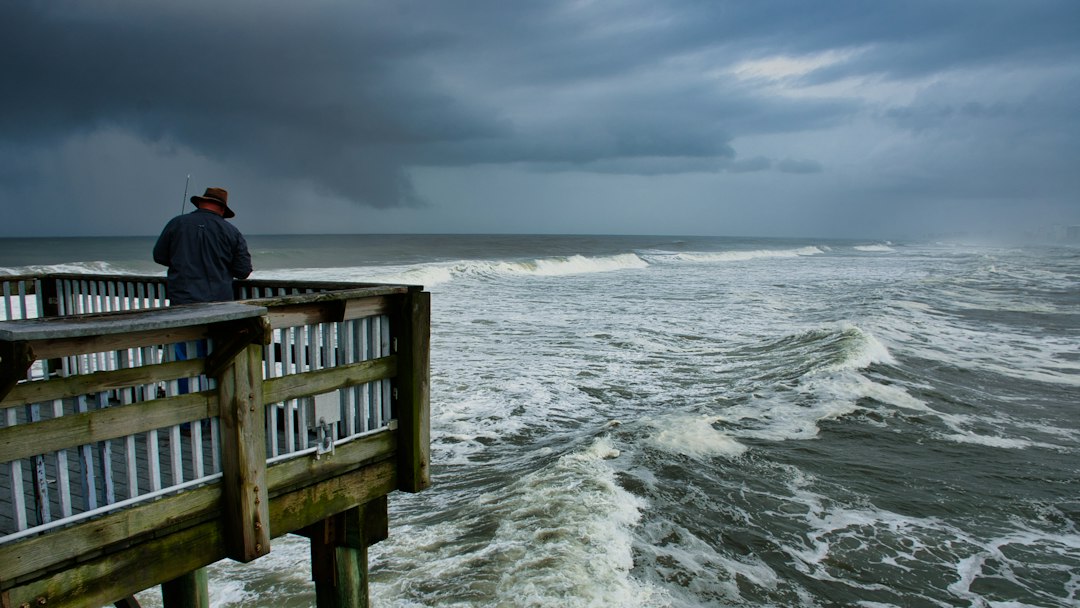
When hurricanes threaten communities already facing social and economic challenges, the need for effective disaster preparedness and response becomes even more critical. University of Delaware disaster research experts can discuss the challenges communities face before, during and after hurricanes, including Hurricane Isaias and its potential impacts across Alabama, Mississippi, the Florida Panhandle and other parts of the northern Gulf Coast. The following experts from UD's Disaster Research Center are available to discuss the public health consequences of hurricanes, disaster preparedness and community recovery. Sarah DeYoung, associate professor of sociology and criminal justice, can discuss the needs of refugee and immigrant communities before, during and after disasters, including challenges accessing information, assistance and essential resources. She worked for several years with refugee and immigrant communities in southern Alabama through a grant-funded project. Jennifer Horney, professor of epidemiology, can discuss the public health consequences of hurricanes and other disasters, including evacuation decisions, the risks posed by inland flooding and the challenges communities face during recovery. She was part of the public health response to Hurricane Harvey and can discuss how communities still recovering from major storms may face additional challenges when another hurricane threatens the region. Jennifer Trivedi, associate professor of anthropology, studies how disasters affect marginalized communities. She can discuss how disasters compound existing challenges for people struggling to meet basic needs, particularly when flooding disrupts housing, transportation, food access and other essential services. Tricia Wachtendorf, co-director of the Disaster Research Center, can discuss the social impacts of hurricanes and inland flooding, including evacuation, preparedness, community response and recovery. She can also discuss how storms that are not the most powerful can nonetheless cause significant damage and disruption. To reach these experts directly, visit their ExpertFile profile and click on the "contact" button. Interested journalists can also contact MediaRelations@udel.edu.



The House passed the Sunshine Protection Act on July 14, 2026, reviving the national debate over whether the U.S. should adopt permanent daylight saving time, return to permanent standard time, or keep the twice-yearly clock change altogether. The bill now heads to the Senate. At the University of Mary Washington, Dr. Hilary Stebbins, Associate Professor of Psychological Science, studies the chronobiology and sleep patterns of college students, research that can help inform exactly this debate: how does shifting the clock affect cognitive performance and behavior, no matter which system we land on? Dr. Hilary Stebbins is an Associate Professor in the Department of Psychological Science at the University of Mary Washington. She is an expert on sleep deprivation, circadian rhythms, and dopamine function, and how each affects cognitive performance and behavior. View her profile Stebbins doesn't take a side in the policy debate. Her focus is chronobiology, how sleep patterns and circadian rhythms affect college students' cognitive performance and behavior. But that science speaks directly to the choice lawmakers are weighing: any shift, whether it's permanent daylight saving time, permanent standard time, or sticking with the current system, creates a temporary mismatch between our internal clock and the outside world, and it takes the body time to catch up. "One of my past teams found that as people report higher levels of sleepiness, they show higher dopamine function and also have more difficulty controlling impulsive actions." — Dr. Hilary Stebbins, Associate Professor of Psychological Science, University of Mary Washington Stebbins leads a year-long undergraduate research team (PSYC 491/492) each year, and in 2018 a team of her students won the Virginia Association for Psychological Science's award for best undergraduate paper for their research on sleep deprivation. Interested in discussing chronobiology, sleep patterns, or the science behind the debate over permanent daylight saving time, permanent standard time, or dopamine and behavior? Click on the icon below and connect with Dr. Hilary Stebbins, Associate Professor of Psychological Science at the University of Mary Washington, for expert insight into sleep research and its real-world stakes.


Supreme Court’s New Term Puts Government Power and Constitutional Rights in Focus
The U.S. Supreme Court began its new term October 5 with major cases involving climate change, gun rights, immigration and religious freedom. Although the disputes address different issues, they share an underlying question: What limits govern the exercise of government power? The answers could affect how communities seek compensation, how states regulate firearms and how religious institutions participate in publicly funded programs. The climate change case centers on Boulder, Colorado’s efforts to hold Suncor Energy and ExxonMobil accountable for alleged local damage associated with greenhouse gas emissions. The companies argue that federal law prevents those claims from proceeding. Beyond the financial stakes, the dispute raises questions about whether state courts can provide remedies for local harm linked to a global problem. The outcome could influence the path available to other communities pursuing similar claims. Gun rights cases will examine restrictions on semiautomatic rifles such as AR-15s. States defend the bans as public safety measures, while challengers argue that they prohibit commonly owned firearms protected by the Second Amendment. The cases could clarify how far states may go in regulating these weapons. Immigration disputes concern detention without bond hearings and deportations to countries where migrants have no ties. These cases place the administration’s enforcement authority alongside questions about migrants’ opportunities to challenge government actions. Their practical consequences could reach people facing prolonged detention or removal to unfamiliar countries. Religious freedom will receive particular attention in a case involving Catholic preschools seeking access to Colorado’s universal preschool funding. The schools argue that their exclusion amounts to religious discrimination, while Colorado maintains that participating schools must meet nondiscrimination requirements. The dispute asks how protections for religious exercise apply when faith-based institutions seek public benefits while retaining policies grounded in their beliefs. For communities, policymakers and religious organizations, the significance of this term extends beyond individual victories or losses. These decisions could establish boundaries that guide future laws and government actions, shaping how Americans exercise their rights and seek accountability through the courts.

Auction of LI’s Oheka Castle Draws Bidders with Big Dreams
Lawrence Levy, associate vice president and executive dean of Hofstra University’s National Center for Suburban Studies, spoke to Newsday about the auction of Long Island’s Oheka Castle, which will take place later this month in Manhattan. The property has been called “a real-life Gatsby estate” and “one of the rarest trophy properties in the country.” Buyers could include hedge funds interested in developing condos, a boutique hotel chain or a catering company. “It would be broadly appealing once the economic backdrop improves in terms of being able to borrow to finance construction and purchasing,” Levy said.

Women Mean Business: Why Supporting Female Entrepreneurs Strengthens Communities.
Every October, National Women's Small Business Month invites us to recognize the women who are building, hiring, mentoring and strengthening their communities through their businesses. As a proud Augusta University alumna and now a senior lecturer at the James M. Hull College of Business, where I teach entrepreneurship, human resource management and leadership ethics, I have the privilege of watching students begin to imagine businesses of their own. Through the Women's Leadership Academy, which I facilitate, I also see how much potential is unlocked when young women are given mentors, self-awareness tools and real opportunities to lead. Also, as an entrepreneur and leader, I have learned that when women build businesses, they rarely build only a company. They build connection. Stacy Roberts, DBA, is a Lecturer of Management at the Hull College of Business. She teaches courses related to salesmanship and sales marketing, principles of management, organizational behavior and human resources. View her profile Women business owners often create opportunities close to home. They hire neighbors, mentor younger professionals, sponsor youth programs and invest in the places where they feel connected. They truly leave a mark, and that impact does not come easily. Many women entrepreneurs are navigating limited access to capital, smaller professional networks and the challenge of wearing every hat in the business while also carrying responsibilities at home. Yet those same pressures often produce leaders who are resourceful, adaptable and deeply committed to the people they serve. They truly deserved to be valued and supported. So how can our community get involved this month and beyond? Buy with intention. Choose women-owned businesses for gifts, services, catering and professional needs. Every purchase matters. Share and refer. Sponsor women by telling others about them. Leave a review, recommend a business to a colleague or share a post. Visibility is one of the most valuable things a small business can receive. Open the door. Organizations can include women owned businesses in vendor lists and procurement opportunities. Access is a game changer. Mentor and be mentored. Experienced leaders can offer guidance and emerging entrepreneurs can seek it out. No one builds alone. Invest in the next generation. Students and others interested in entrepreneurship should explore coursework, leadership programs, and local small business resources. The ideas forming in classrooms and networks today will become the businesses that anchor our communities tomorrow. To any woman considering starting a business, remember this. Get clear on your values before you get busy. Build a circle of people who will tell you the truth. Please know your numbers and remember that rest is not a reward for finishing the work. It is part of what allows you to keep doing it.

Pneumonic Plague: An Ancient Killer That Has Never Completely Disappeared
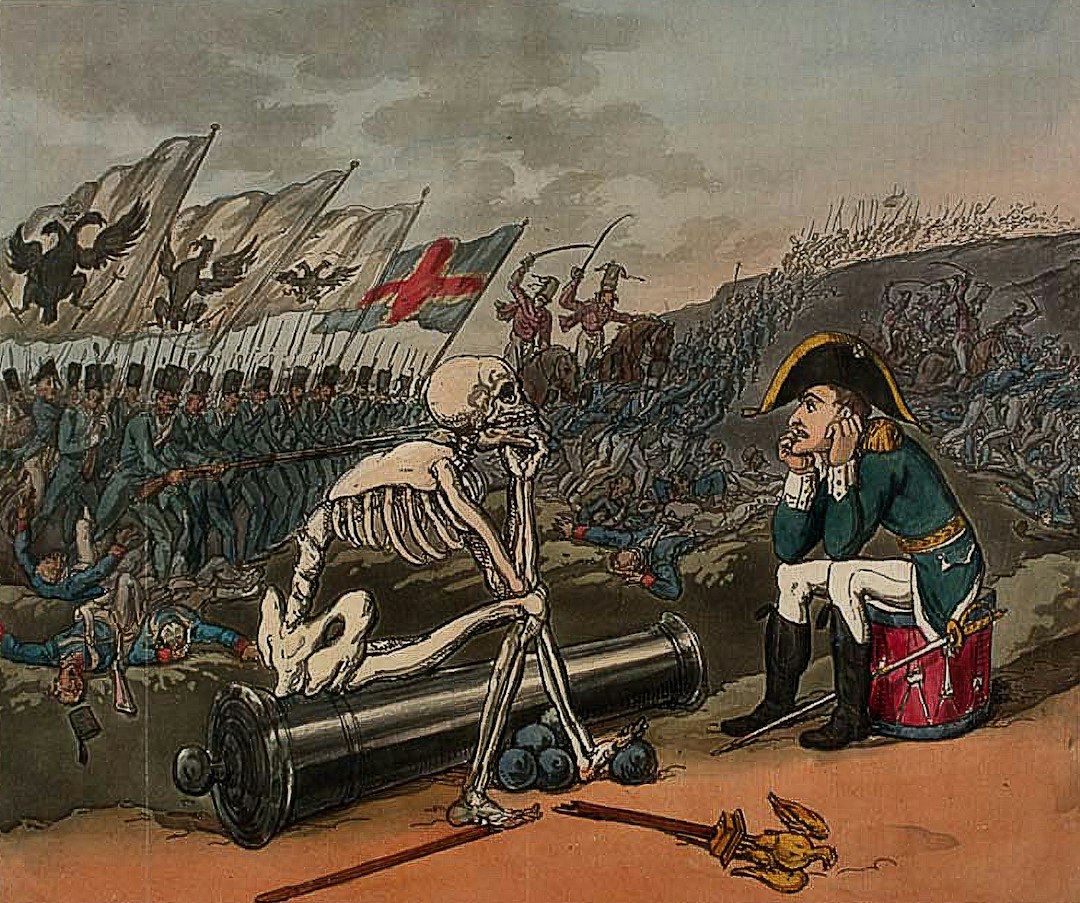
Few diseases carry the historical weight of plague. Caused by the bacterium Yersinia pestis, plague has been responsible for some of the deadliest disease outbreaks in recorded history. The most infamous was the Black Death of the 14th century, which swept through Europe, the Middle East and North Africa and killed tens of millions of people. The World Health Organization estimates that more than 50 million people died in Europe alone. But plague is not simply a disease of the past. The bacterium continues to circulate naturally among wild rodents and their fleas in parts of the world, and human cases still occur. The World Health Organization reports that most cases recorded between 2019 and 2025 occurred in the Democratic Republic of the Congo and Madagascar. What Is Pneumonic Plague? There are three primary forms of plague: bubonic, septicemic and pneumonic. Bubonic plague - historically the best-known form - usually develops following the bite of an infected flea and is characterized by painful, swollen lymph nodes known as “buboes.” Pneumonic plague occurs when Yersinia pestis infects the lungs. It can develop when untreated bubonic or septicemic plague spreads to the lungs, or when someone inhales infectious respiratory particles from a person or animal with pneumonic plague. That distinction is important: pneumonic plague is the only form of plague that can spread directly from person to person through respiratory particles. What Are the Symptoms? Pneumonic plague can progress remarkably quickly. According to the CDC, symptoms include fever, headache and weakness followed by rapidly developing pneumonia. Patients can experience shortness of breath, chest pain and coughing, sometimes producing bloody or watery mucus. Symptoms following inhalation can begin as soon as one day after exposure. Without treatment, pneumonic plague is extremely dangerous. The World Health Organization describes untreated pneumonic plague as invariably fatal, making rapid recognition and medical intervention critical. From Medieval Killer to Treatable Disease What separates plague today from the disease that devastated populations centuries ago is modern medicine. Plague is a bacterial infection and can be successfully treated with antibiotics. The CDC recommends beginning treatment as soon as plague is suspected rather than waiting for laboratory confirmation. Depending on the severity of the illness, treatment can involve intravenous or oral antibiotics, with gentamicin and fluoroquinolones among the first-line treatments used in the United States. Early detection matters enormously. Modern antibiotics, infection-control practices, surveillance and public-health responses mean that a disease once capable of devastating entire communities can now be identified, contained and treated. Yet its persistence also offers an important reminder: diseases that profoundly shaped human history do not necessarily disappear. Plague remains present in animal populations, continues to cause human infections and provides researchers with a remarkable window into the relationship between infectious disease, human behaviour, public health and even human evolution. Experts in infectious diseases, epidemiology, public health, microbiology, global health, medicine and the history of disease can help provide perspective on pneumonic plague, how it spreads, the risks it poses and what centuries of experience with plague can teach us about preventing and responding to outbreaks today. Connect with our experts today: View all of your experts here at www.expertfile.com
Nor’easter Caused Widespread Damage, Worsened Beach Erosion
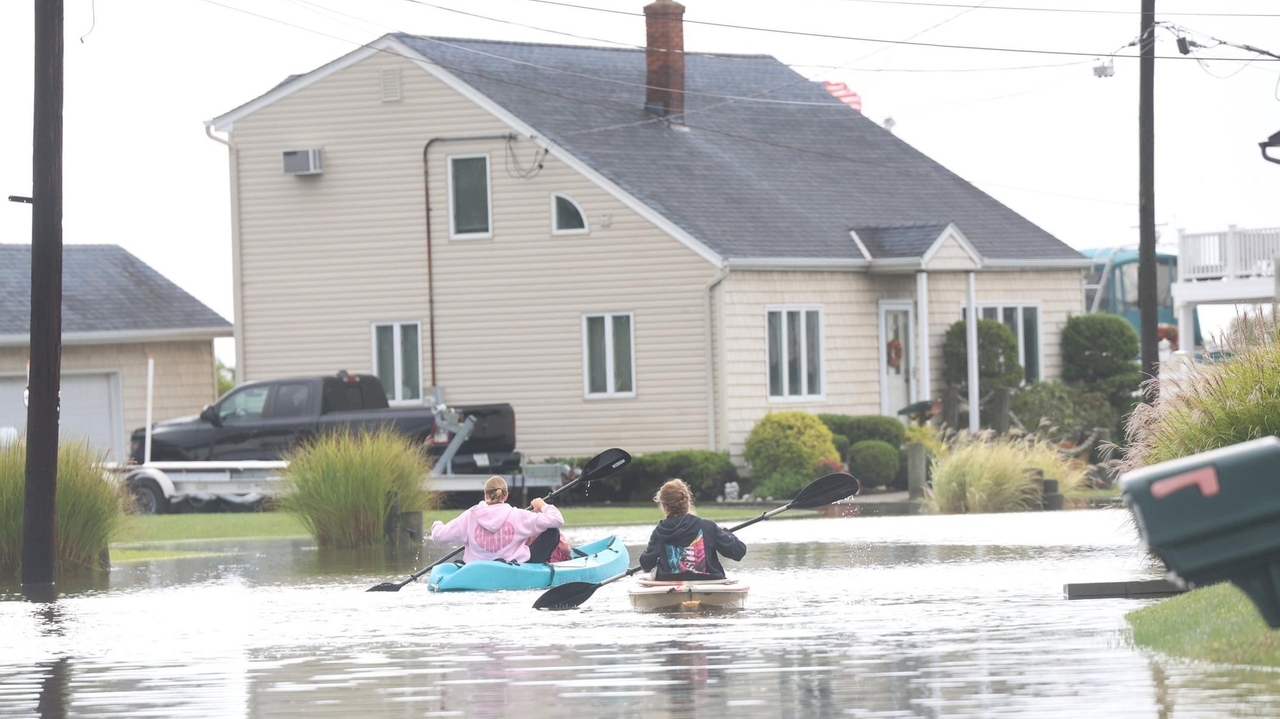
Following a rare September nor’easter, Dr. Jase Bernhardt, associate professor of geology, environment, and sustainability, talked to Newsday about the damage caused by the storm, including its effects on beach erosion. The slow-moving storm, which began overnight on Friday, September 25, and continued through Monday, September 28, resulted in local flooding, power outages, and thousands of downed trees. “It is unusual but not quite unprecedented for a nor’easter to linger for so long,” said Dr. Bernhardt. “It is possible that the time of year played a role, as the ‘blocking’ pattern that allowed this storm to linger for so long would be more likely to occur at this time of year versus during the winter, when nor’easters are more common.”
