
Experts Matter. Find Yours.
Connect for media, speaking, professional opportunities & more.

Recently named a Fellow of the Society of Automotive Engineers (SAE) International, Azim Eskandarian, D.Sc., the Alice T. and William H. Goodwin Jr. Dean of the Virginia Commonwealth University (VCU) College of Engineering, received one of the organization’s highest honors. The designation recognizes individuals who have made extraordinary and sustained impacts on the mobility industry through technical excellence, leadership, innovation and dedicated service to the profession and to SAE International. “SAE Fellows – whose leadership and technical contributions strengthen our organization embody the highest level of professional achievement,” said Carla Bailo, 2026 SAE International president and chair of the board of directors. “Election to SAE Fellow reflects an individual’s lasting influence on mobility engineering and reinforces the standards of excellence that guide SAE’s strategic direction.” Selected through a comprehensive review process led by the SAE International Fellows Committee and approved by the SAE International Board of Directors, SAE Fellows exemplify the organization’s mission to advance mobility knowledge and solutions for the benefit of humanity. “It is a great honor to receive this distinction from an organization that is so essential to the advancement of the automotive industry,” said Eskandarian. “I hope to continue collaborating with engineers, researchers and other professionals who share a vision for the great work we can do to improve the safety and efficiency of transportation.” Numerous scientific and technical contributions to automotive safety, academic programs, workforce development in crashworthiness, collision avoidance, advanced driver assistance systems, intelligent vehicles, and autonomous driving have stemmed from the more than 40 years of work Eskandarian has pioneered. His research on intelligent and autonomous vehicles includes the development of novel methods for driver safety systems. As an academic leader, Eskandarian’s enduring commitment to education, mentorship and service led him to start impactful academic programs at several universities. This includes robotics and autonomous systems programs and new master’s concentrations at the VCU College of Engineering, a graduate academic program in intelligent transportation systems and an undergraduate concentration in transportation engineering at George Washington University, and an automotive engineering concentration at Virginia Tech. Eskandarian is also a Fellow of two other technical societies, the American Society of Mechanical Engineers (ASME) and the Institute of Electrical and Electronics Engineers (IEEE).



Reading for pleasure in free fall: New study finds 40% drop over two decades
A sweeping new study from the University of Florida and University College London has found that daily reading for pleasure in the United States has declined by more than 40% over the last 20 years — raising urgent questions about the cultural, educational and health consequences of a nation reading less. Published today in the journal iScience, the study analyzed data from over 236,000 Americans who participated in the American Time Use Survey between 2003 and 2023. The findings suggest a fundamental cultural shift: fewer people are carving out time in their day to read for enjoyment. “This is not just a small dip — it’s a sustained, steady decline of about 3% per year,” said Jill Sonke, Ph.D., director of research initiatives at the UF Center for Arts in Medicine and co-director of the EpiArts Lab, a National Endowment for the Arts research lab at UF in partnership with University College London. “It’s significant, and it’s deeply concerning.” Who’s reading and who isn’t The decline wasn’t evenly spread across the population. Researchers found steeper drops among Black Americans than white Americans, people with lower income or educational attainment, and those in rural (versus metropolitan) areas — highlighting deepening disparities in reading access and habits. “While people with higher education levels and women are still more likely to read, even among these groups, we’re seeing shifts,” said Jessica Bone, Ph.D., senior research fellow in statistics and epidemiology at University College London. “And among those who do read, the time spent reading has increased slightly, which may suggest a polarization, where some people are reading more while many have stopped reading altogether.” The researchers also noted some more promising findings, including that reading with children did not change over the last 20 years. However, reading with children was a lot less common than reading for pleasure, which is concerning given that this activity is tied to early literacy development, academic success and family bonding, Bone said. Why it matters Reading for pleasure has long been recognized not just as a tool for education, but as a means of supporting mental health, empathy, creativity and lifelong learning. The EpiArts Lab, which uses large data sets to examine links between the arts and health, has previously identified clear associations between creative engagement and well-being. “Reading has historically been a low-barrier, high-impact way to engage creatively and improve quality of life,” Sonke said. “When we lose one of the simplest tools in our public health toolkit, it’s a serious loss.” The American Time Use Survey offers a unique window into these trends. “We’re working with incredibly detailed data about how people spend their days,” Bone said. “And because it’s a representative sample of U.S. residents in private households, we can look not just at the national trend, but at how it plays out across different communities.” Why are Americans reading less? While causes were not part of the study, the researchers point to multiple potential factors, including the rise of digital media, growing economic pressures, shrinking leisure time and uneven access to books and libraries. “Our digital culture is certainly part of the story,” Sonke said. “But there are also structural issues — limited access to reading materials, economic insecurity and a national decline in leisure time. If you’re working multiple jobs or dealing with transportation barriers in a rural area, a trip to the library may just not be feasible.” What can be done? The study’s authors say that interventions could help slow or reverse the trend, but they need to be strategic. “Reading with children is one of the most promising avenues,” said Daisy Fancourt, Ph.D., a professor of psychology and epidemiology at University College London and co-director of the EpiArts Lab. “It supports not only language and literacy, but empathy, social bonding, emotional development and school readiness.” Bone added that creating more community-centered reading opportunities could also help: “Ideally, we’d make local libraries more accessible and attractive, encourage book groups, and make reading a more social and supported activity — not just something done in isolation.” The study underscores the importance of valuing and protecting access to the arts — not only as a matter of culture, but as a matter of public health. “Reading has always been one of the more accessible ways to support well-being,” Fancourt said. “To see this kind of decline is concerning because the research is clear: reading is a vital health-enhancing behavior for every group within society, with benefits across the life-course.”


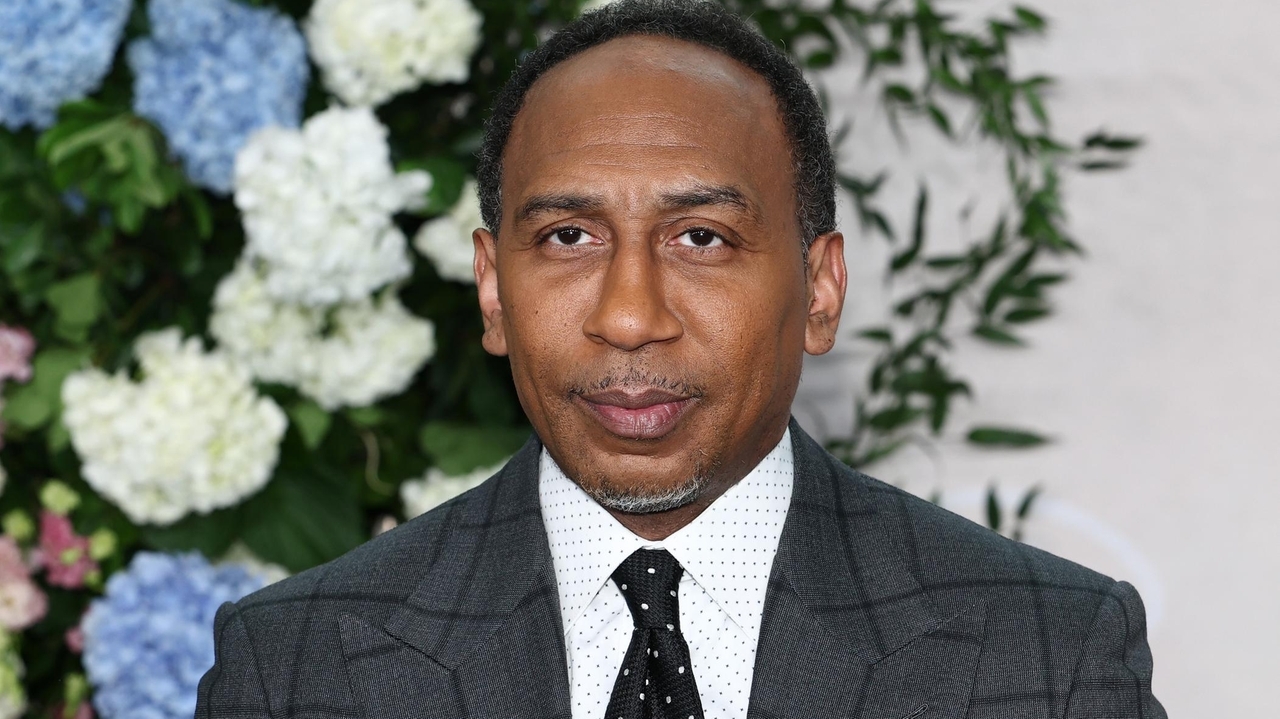
ESPN Star Suggests Plan to Run for President
Meena Bose, Hofstra University professor of political science, executive dean of the Public Policy and Public Service program, the Kalikow Chair in Presidential Studies and director of the Kalikow Center for the Study of the American Presidency, talked to Newsday about ESPN star Stephen A. Smith expressing interest in running for president of the United States.

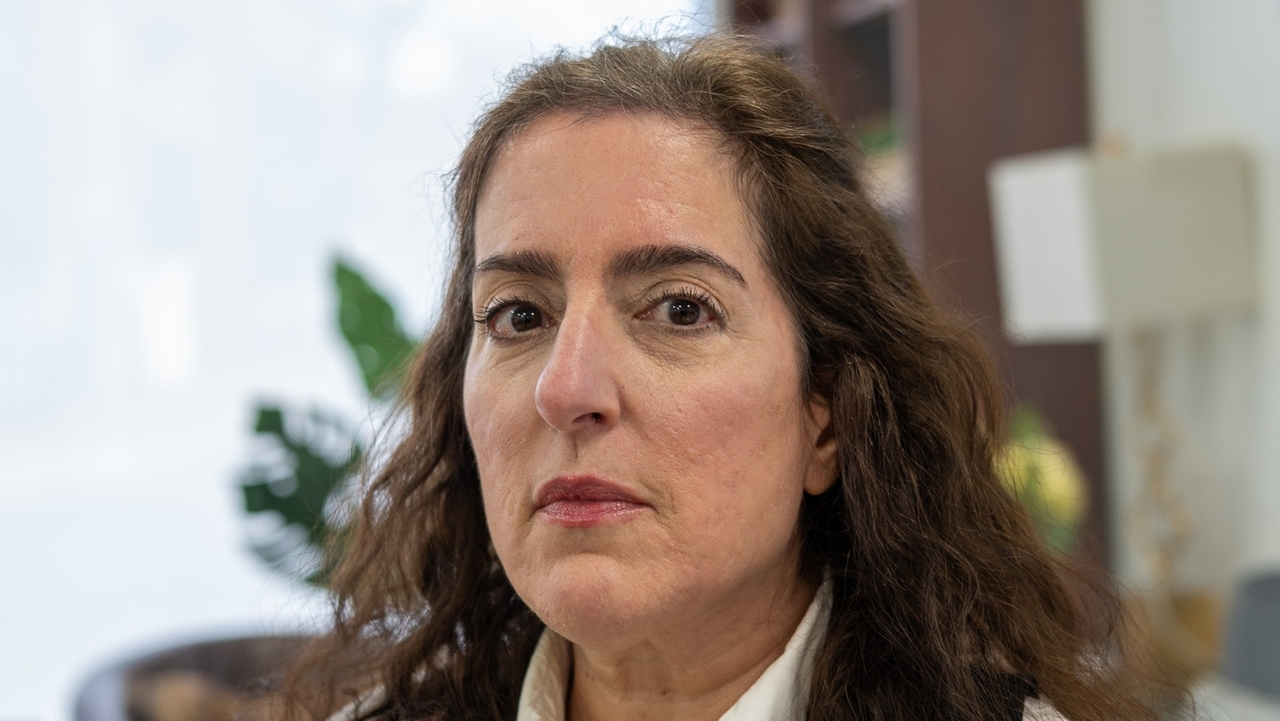
U.S. Has a “Checkered History” of Toppling Authoritarian Regimes
In a Newsday article about Long Island Iranian-Americans’ reactions to recent developments involving Iran’s leadership, Dr. Paul Fritz, associate professor and chair of Hofstra’s Department of Political Science, discussed the history of the United States toppling authoritarian regimes, which, he said, rarely leads to new democracies or stable leadership without extensive American support. “The Trump administration is banking on the people rising up and demanding some change to the regime,” Dr. Fritz said. “Foreign imposed regime change doesn’t work very often.”

Assisted by sniffer dogs and DNA sequencing, researchers discover three new truffle species
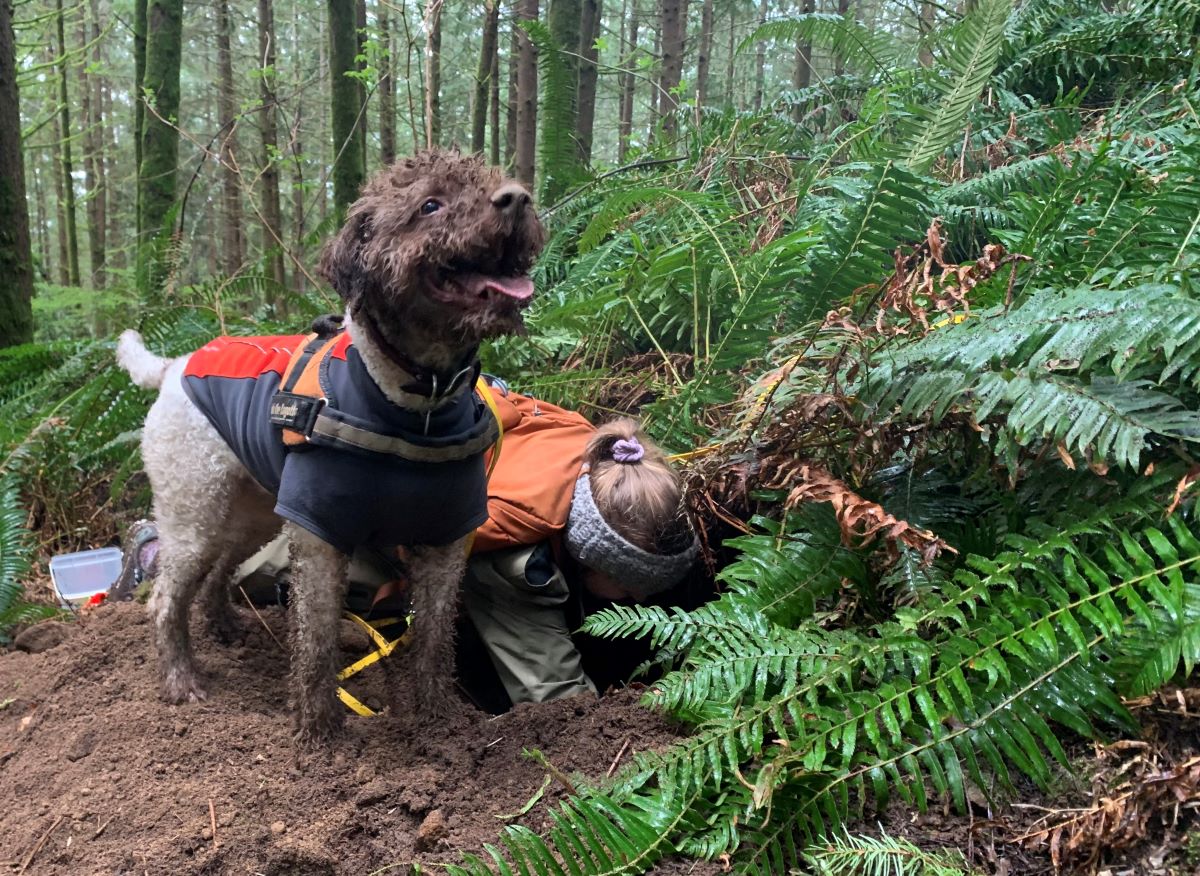
University of Florida biologists studying fungal evolution and ecology have discovered three new truffle species, including one capable of commanding hundreds of dollars per pound within culinary circles. “Our paper confirms what a lot of people had suspected for a long time, which is that the North American truffle species is genetically very distinct from its European relatives.” —Benjamin Lemmond, study co-author and a former UF student The researchers describe their discoveries in a Persoonia. Their work shakes up the Morchellaceae truffle family tree, with key insights related to perhaps the most commercially valuable truffle in North America, the Oregon black truffle. Gourmet chefs, who sometimes grate the odoriferous truffle over dishes or infuse butter with it, have been known to pay as much as $800 per pound for the delicacy. For decades, the Oregon black truffle has been known scientifically as Leucangium carthusianum. It was originally found in Europe and later found in the Pacific Northwest, from California to British Columbia. However, recent genetic testing and field analysis by researchers from UF’s Institute of Food and Agricultural Sciences (UF/IFAS) revealed the North American variety is a distinct species. Scientists are giving this newly recognized species a name honoring the Cascadia region in which it is found: Leucangium cascadiense. “Our paper confirms what a lot of people had suspected for a long time, which is that the North American truffle species is genetically very distinct from its European relatives,” said study co-author Benjamin Lemmond, a former UF student. Lemmond, now a postdoctoral associate at the University of California at Berkeley, began his research into the truffles as a first-year doctoral student studying under professor Matthew Smith of the UF/IFAS plant pathology department. During the COVID-19 pandemic, Lemmond couldn’t access the campus greenhouse where he was conducting an experiment, so Smith secured hundreds of dried truffle specimens from Oregon State University for him to study. The stash included slivers of the Oregon black truffle, a dark-colored, potato-shaped species with tiny, pyramid-shaped warts. When pandemic restrictions relaxed, Lemmond and Smith conducted genetic testing of the Oregon State specimens and others borrowed from Polish, Greek, Italian, French and Japanese collections. Their tests indicated Oregon black truffles from North America had at one point diverged from their European counterparts on the Morchellaceae evolutionary tree, according to the study. They also established the existence of another distinct and very rare species, Imaia kuwohiensis, a pale-colored truffle with dark warts, which is native to threatened spruce-fir habitats in the southern Appalachian Mountains. Their name for the truffle comes from the Cherokee word for the Great Smoky Mountains’ highest peak, Kuwohi. Field tests followed. The researchers wanted to understand the origin of Oregon black truffles’ energy. “Understanding the fundamental, basic biology and life cycle of this truffle is really important,” Lemmond said. “It’s a very valuable commodity, and this knowledge might help us to cultivate the truffle in the future. It also supports long-term conservation and management.” Most gourmet truffles are mycorrhizal, meaning they obtain energy from trees, Lemmond said. It had long been suspected that Oregon black truffles obtain energy through a symbiotic relationship with young Douglas fir trees, but no one had conclusively proven it. Lemmond traveled to the Pacific Northwest and worked with specially trained sniffer dogs capable of detecting truffles buried as deep as 10 inches beneath soil and leaf litter. With the dogs’ help, he unearthed Oregon black truffles nestled among Douglas fir stands. He used fluorescent stain that bonded with the fungal tissue, coloring it green to show where the truffle fungus grew between the cells of the tree root tissue. “The truffle fungi surround the whole root, but the fungus is healthy, and the plant is healthy,” Smith said. “The two trade nutrients back and forth.” DNA sequencing of the roots subsequently proved the truffles rely on the trees as their main source of carbon, according to the study. As the researchers conducted genome sequencing of the Oregon black truffle, they learned of a peculiar find reported by a citizen scientist on iNaturalist, an online science data network: a Leucangium truffle growing among Eastern hemlock trees in Oneida County, New York. It was the first time anyone had ever reported a Leucangium species in the United States, east of the Rocky Mountains, Lemmond said. Lemmond contacted Purdue University, which was preserving the specimen, and requested a sample. The truffle’s physical characteristics, including its dense external hairs and lack of warts, distinguished it from other Leucangium species. DNA analysis confirmed significant variation, too. The researchers named the new truffle species Leucangium oneidaense to recognize the county where it was unearthed. A few years later, just before the researchers submitted their study for publication, someone found a second Leucangium oneidaense specimen growing in Massachusetts, Lemmond said. “It was great timing, and it suggests to me that there are still a lot of undiscovered truffles out there, waiting to be found,” he said.


Why Nick Cave’s First Public Outdoor Sculpture Found Its Home at Meijer Gardens
The permanent installation of Amalgam (Origin), Nick Cave’s first public outdoor sculpture in the world, marks a major moment for contemporary art in the Midwest and a defining milestone for Frederik Meijer Gardens & Sculpture Park. As the curator who guided the project from concept to completion, Suzanne Ramljak offers essential insight into why this work matters now, how it fits within Cave’s evolving career, and what it signals about the growing role of public art in shaping cultural identity. The sculpture’s installation in October coincides with a pivotal period in Nick Cave’s career. On Feb. 13, he debuted “Nick Cave: Mammoth,” a monumental new body of work on view at the Smithsonian American Art Museum through Jan. 3, 2027. Not only is it Cave's first solo exhibition in Washington, D.C., but it is the museum’s largest ever single-artist commission. And this spring, the Obama Presidential Center in Chicago opens with a major, immersive installation by Cave, placing his work at the center of a national cultural moment. Against this timely backdrop, Meijer Gardens’ installation stands as a quiet but powerful first: the artist’s inaugural permanent outdoor public sculpture. Understanding the Significance of Nick Cave's Work The sculpture reflects the evolution of Nick Cave’s artistic practice, rooted in his groundbreaking Soundsuits series, a body of work first developed in response in the wake of Rodney King’s 1991 assault by police and designed to challenge viewers’ perceptions of identity, race, and community. Over decades, Cave’s work has moved from wearable performance art into public sculpture, allowing his socially engaged visual language to occupy shared civic space. The permanent presence of Amalgam (Origin) at Meijer Gardens highlights the institution’s commitment to showcasing art that resonates with broader cultural dialogues about resilience, protection, and collective identity. “Nick Cave’s art is deeply rooted - in his family, in community, in craft, and in nature. His work is also grounded in concerns of social justice. The power of Amalgam (Origin) stems from this fertile mix; a blend of the personal and communal, exceptional and traditional.” Suzanne Ramljak, Vice President of Collections & Curatorial Affairs, Frederik Meijer Gardens & Sculpture Park Suzanne Ramljak is Vice President of Collections & Curatorial Affairs at Frederik Meijer Gardens & Sculpture Park where she oversees the acquisition, siting and curation of engaging sculptural exhibitions. View her profile The timing also highlights Cave’s deep Midwest ties. He lives and works in Chicago and earned his master's degree at Cranbrook Academy of Art in Bloomfield Hills, Michigan. The Meijer Gardens installation connects those regional roots to a global artistic trajectory, reinforcing the Midwest’s influence on contemporary art at the highest level. Media Attention, Coverage and Cultural Momentum Since the installation was announced and unveiled, the sculpture has drawn significant regional, national and arts-focused media attention, underscoring its cultural weight and public resonance. Coverage has highlighted the work’s monumental scale, its distinction as Nick Cave’s first permanent outdoor public sculpture, and Meijer Gardens’ role as a national destination capable of supporting ambitious and timely contemporary art. Media narratives consistently framed the installation as both a major moment for Grand Rapids’ cultural landscape and a signal of Meijer Gardens’ growing influence within the national arts conversation. The range of coverage points to interest from music, arts, lifestyle, and cultural outlets, suggesting the installation’s appeal to a variety of audiences. That level of attention reflects not only the significance of the work itself, but also the curatorial vision guiding its placement and permanence, a process led by Suzanne Ramljak. Expert Insight: As Curator of Collections and Senior Curator of Sculpture, Ramljak brings expert perspective on: Why Meijer Gardens was the right home for Cave’s first outdoor public sculpture How this work fits within Cave’s broader artistic practice, particularly his engagement with performance, movement, and public space What permanence means in contemporary art, especially for works often associated with temporality and performance How landscape, scale, and audience interaction shape the experience of outdoor sculpture Her expertise situates the installation within both Cave’s career arc and Meijer Gardens’ long-standing commitment to presenting ambitious contemporary sculpture in dialogue with nature.


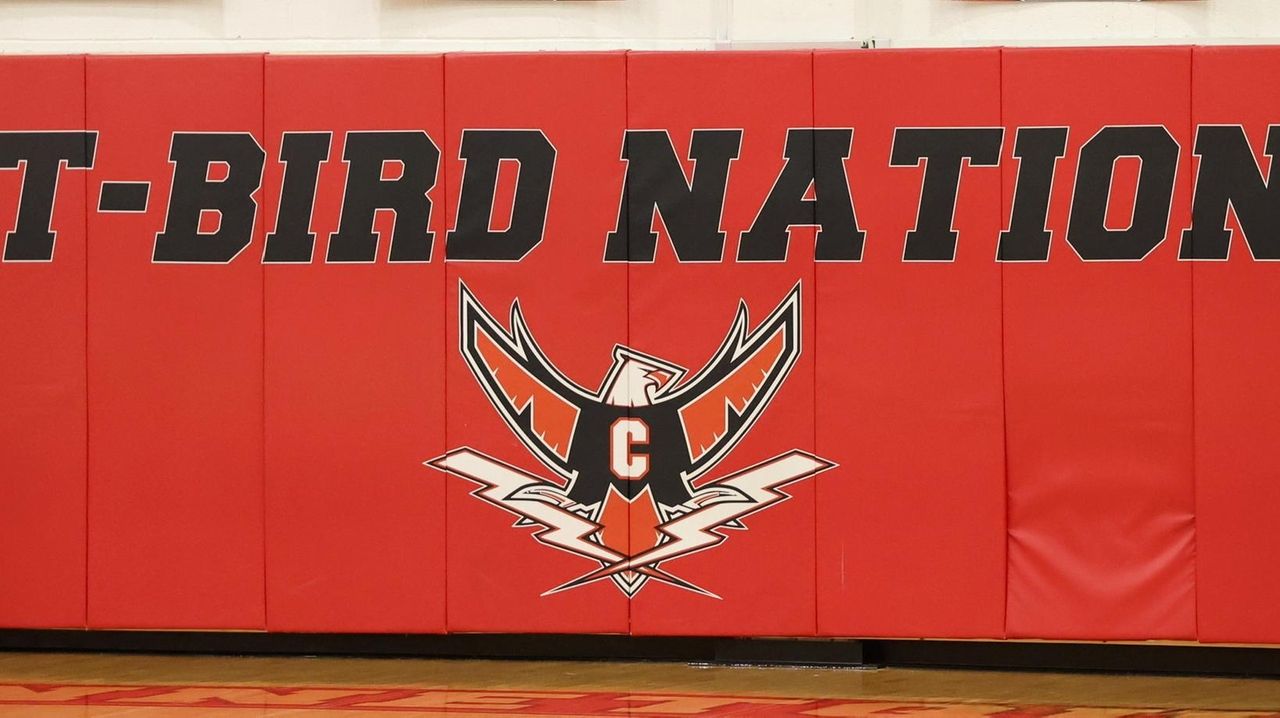
School District Faces an Impossible Choice in Fight Over Mascot Name
Education Professor Alan Singer was interviewed by Newsday about the Connetquot School District on Long Island being threatened with funding cuts if it does not reinstate its old mascot name, the Thunderbirds. The name change to T-Birds was made in 2022 to comply with the state’s ban on Native American mascots and other imagery in public schools.

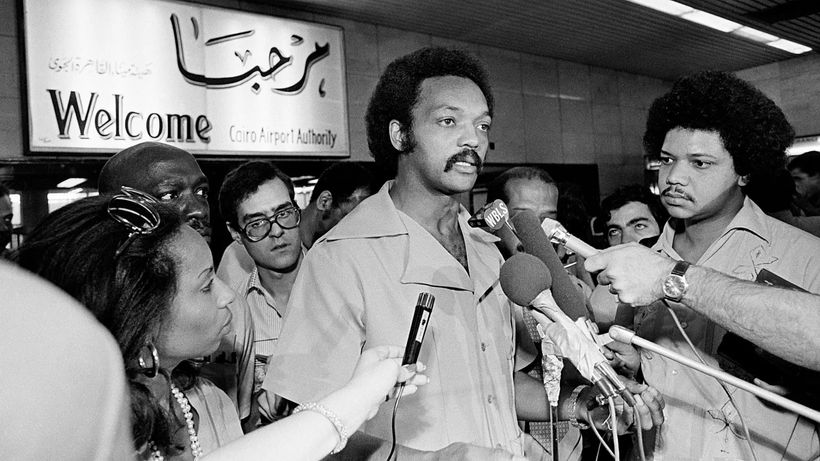
Jesse Jackson: The Activist Who Turned Protest into Political Power
Few figures bridge the worlds of street-level activism and presidential politics like Jesse Jackson. For more than six decades, he has stood at the center of America’s ongoing struggle for racial justice, economic fairness, and political inclusion. His legacy isn’t just historical, it continues to shape today’s debates about voting rights, coalition politics, economic equity, and the power of grassroots organizing. From Civil Rights Foot Soldier to National Leader Jesse Jackson rose to national prominence as a close associate of Martin Luther King Jr., working with the Southern Christian Leadership Conference during the height of the Civil Rights Movement. He was present in Memphis in 1968 during King’s assassination, a moment that profoundly shaped his path forward. After King’s death, Jackson focused on translating civil rights gains into economic opportunity, founding Operation PUSH (People United to Save Humanity), later merging it into the Rainbow PUSH Coalition. His central message: political rights mean little without economic power. The 1984 & 1988 Presidential Campaigns In 1984 and again in 1988, Jackson ran for the Democratic presidential nomination — becoming one of the first Black Americans to mount a serious, nationwide campaign for the presidency. His 1988 campaign was especially historic: He won 11 primaries and caucuses. He finished second in the Democratic race. He built what he called a “Rainbow Coalition” — uniting Black voters, Latinos, labor groups, farmers, progressives, and working-class Americans. Jackson expanded voter registration efforts and brought millions of new voters into the political process, laying groundwork for future candidates, including Barack Obama. Coalition Politics Before It Was a Buzzword Long before diversity became corporate language, Jackson was preaching multiracial, multi-class political alliances. His philosophy emphasized: Economic justice alongside civil rights Voting access and political representation Corporate accountability International human rights engagement He also engaged in diplomatic efforts abroad, including negotiating the release of American hostages in conflict zones — demonstrating how civil rights leaders could operate on the global stage. Controversies and Complexity Jackson’s career was not without controversy. Critics pointed to past inflammatory remarks and political missteps. Yet even his detractors acknowledge his role in permanently expanding the boundaries of American politics. He forced national conversations about race, poverty, and representation — and shifted the Democratic Party’s platform toward broader inclusion. A Legacy That Endures Today’s conversations about: Structural inequality Voter suppression Grassroots political mobilization Multiracial coalition building … all carry echoes of Jackson’s work. Whether viewed as a trailblazer, a bridge between eras, or a polarizing figure, Jesse Jackson helped redefine what political participation looks like in America. Connected with an expert Find more experts here: www.expertfile.com


Covering the Economy? FAU has the ideal expert to help with your questions and stories
The economy isn’t just a headline, it’s the story behind nearly every headline. From grocery bills and mortgage rates to job growth, small business confidence, and federal policy decisions, economic forces shape daily life for Americans in ways that are immediate and deeply personal. For journalists, that makes the economy a constant, high-stakes beat. Audiences want clear answers: Why are prices rising? Are we headed for a slowdown? What does the Fed’s next move mean for my community? The challenge is cutting through jargon and partisan spin to deliver insight that’s accurate, grounded, and understandable. That’s where William Luther, Ph.D., stands out. A respected economist and Associate Professor at Florida Atlantic University, Luther brings serious academic credibility, but explains economic trends in plain language that resonates beyond the classroom. His expertise in monetary policy, inflation, unemployment, cryptocurrency, and economic growth makes him a valuable resource for breaking news, enterprise stories, and long-form analysis alike. Whether reporters are covering Florida’s housing market, national interest rate decisions, or the future of digital currency, Luther offers thoughtful, balanced analysis that helps audiences understand not just what’s happening, but why it matters. William Luther, Ph.D., is an expert in monetary economics and macroeconomics. He is an associate professor of economics at Florida Atlantic University, director of the American Institute for Economic Research’s Sound Money Project, and an adjunct scholar with the Cato Institute’s Center for Monetary and Financial Alternatives. The Social Science Research Network currently ranks him in the top five percent of business authors. View his profile Recent media coverage: ABC News Others downplayed the likelihood of a meaningful loss of Fed independence, since news of the DOJ investigation of Powell drew a rare degree of Republican opposition. Powell holds only a single vote on the 12-member board responsible for setting interest rates, they said. “Anytime we’re changing institutions, we should have some concern,” William Luther, a professor of economics at Florida Atlantic University, told ABC News. “At the same time, we should recognize the institutional safeguards we have are pretty strong.” Newsweek William Luther, associate professor of economics at Florida Atlantic University, said that the immediate net financial loss to those in Florida, and all Americans, appears to be "very, very large." Luther added Florida should expect a short-term "sharp contraction" in real estate and tourism, both vital sectors for the state's economy. NPR At the moment, the economy is performing very well. It wasn't performing very well not too long ago, both because of the pandemic, which reduced our ability to produce goods and services quite significantly, and then, as a result of some of the policy responses to that pandemic, we had very high inflation. NBC Will Luther, an economics associate professor at Florida Atlantic University, acknowledged the concerns among students. "Absolutely, there are students very much concerned with whether or not they will be able to get a job when they finish here. The good news is that they will. The bad news is it's a little harder right now than it was, say, two years ago," Luther said. Fox Nation FAU's William Luther joins Fox Nation's Deep Dive, hosted by the Wall Street Journal's Mary Anastasia O'Grady, to discuss the economic impact of cryptocurrencies. Video courtesy of Fox Nation's Deep Dive.



A future in pharmacy, made possible by support and mentorship
A freshman chemistry major from Hinesville, Georgia, Geovanii Pacheco already has his sights set on a career in pharmacy. His ambition is rooted not just in a love for science, but in personal experience. Growing up, his family spent countless hours navigating prescriptions and insurance coverage for his older brother, Devin, who has autism. During those moments, one pharmacist consistently stood out. This was someone who advocated for his family, helped them through paperwork and made sure Devin got the medication he needed. “It really resonated with me,” Pacheco said. “As a pharmacist, I’d like to embody what she did for us, for others as well.” That goal brought Pacheco to Georgia Southern University where he is now supported by the National Science Foundation’s S-STEM Scholarship Program Award. This is a nearly $2 million grant designed to support Pell-eligible students pursuing degrees in biochemistry, biology, chemistry, geosciences, mathematics, physics or sustainability science. For Pacheco, the program has been nothing short of life-changing. “I can say that I’m not going to college with any financial stress,” he said. “I have no money coming out-of-pocket.” Administered through Georgia Southern’s College of Science and Mathematics, the federally funded program provides last-dollar scholarships that cover remaining costs after Pell Grants and other aid are applied. In addition to financial support, the program pairs students with dedicated faculty mentors and offers structured programming aimed at retention, professional development and long-term success. Sara Gremillion, Ph.D., professor of biology and principal investigator on the grant, said the goal is to ensure that students don’t just enroll in college, but that they also thrive once they arrive. “They may not have a strong expectation about what to expect in college,” said Gremillion. “This program not only removes financial barriers, but it also surrounds students with the support they need to navigate college and plan for their future.” Pacheco has felt that impact from day one. Thanks to the program, he moved into his residence hall a week early to attend a one-week Basebamp program to jump start his college experience. There, he met fellow scholarship recipients and connected with his faculty mentor before classes even began. His mentor, Shainaz Landge, Ph.D., associate professor of chemistry, has helped connect Pacheco with opportunities from joining the Student Affiliates of the American Chemical Society to learning about upcoming pre-pharmacy organizations and undergraduate research. “Students such as Geovanii serve as prime examples of the fulfillment derived from mentorship and teaching,” said Landge. “Their growth and engagement highlight the critical role that effective mentorship plays in fostering both academic development.” That blend of mentorship and financial support is exactly what the grant was designed to provide. Over five years, the program will serve dozens of students in eligible majors such as chemistry, biology, biomedical science, biochemistry, physics, mathematics, sustainability science and geoscience. Each student receives individualized scholarship support, up to $15,000 per year, based on need, along with a faculty mentor who stays with them throughout their undergraduate journey. For Pacheco and his family, the scholarship brought immediate relief. He vividly remembers opening the acceptance email with his mother and scrolling down to see the financial aid details. “She was tickled, let me tell you,” he said. “It lifted so much stress off her shoulders. It was life-changing.” Applications to be part of the next cohort of COSM S-STEM Scholars are open until Feb. 1, 2026. Eligibility requirements, necessary documentation and other information can be found at this webpage. Looking to know more about Georgia Southern University or the National Science Foundation’s S-STEM Scholarship Program Award? Simply contact Georgia Southern's Director of Communications Jennifer Wise at jwise@georgiasouthern.edu to arrange an interview today.
