Experts Matter. Find Yours.
Connect for media, speaking, professional opportunities & more.
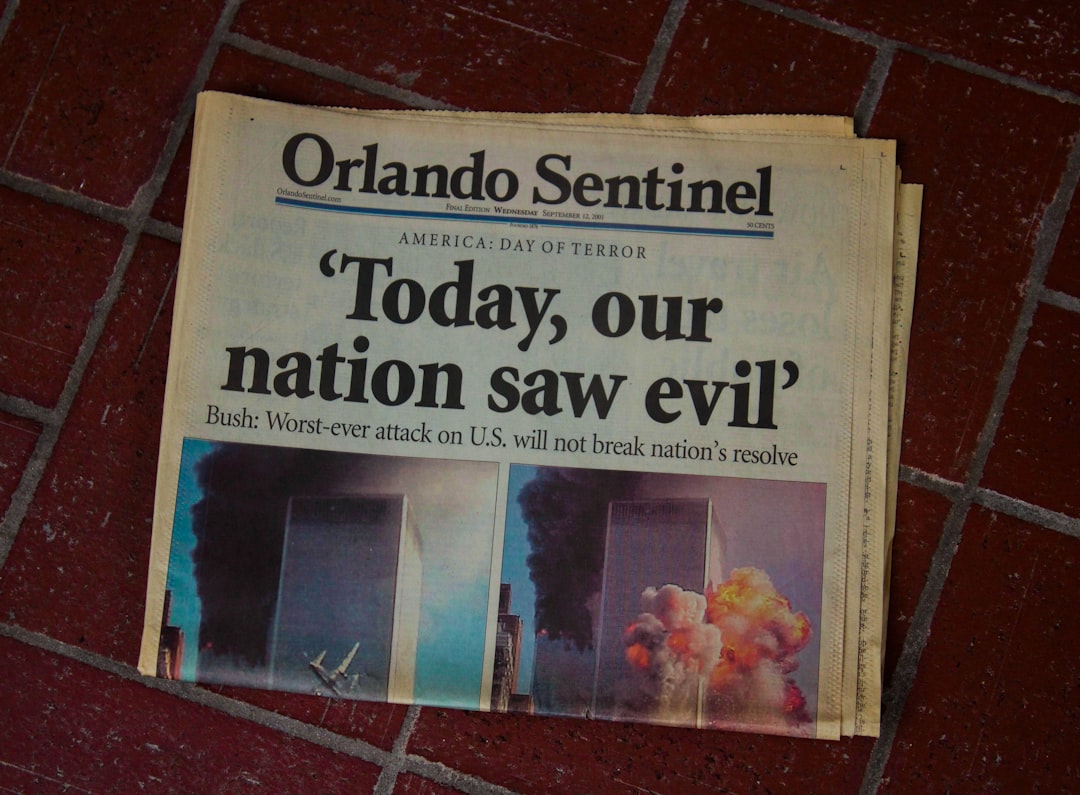
#ExpertSpotlight: The Day That Redefined America: 9/11 and Its Lasting Impact
September 11, 2001 marked a pivot in American history—a day when the nation’s sense of safety was shattered, and its collective identity reshaped. The attacks triggered sweeping changes in security, government authority, social behavior, and even cultural cohesion. Today, the legacy of 9/11 lives on in how we remember, govern, and connect. A Nation in Shock—and Unity On that fall morning, the U.S. witnessed a tragedy that killed nearly 3,000 people and devastated the nation’s psyche. In the immediate aftermath, grief turned into solidarity—as most Americans tuned into televised coverage, felt sadness, anger, and fear, yet paradoxically came together in an extraordinary show of patriotism and trust in institutions. In the months that followed, confidence in government reached levels unseen in decades—fueled by mourning, resolve, and a collective desire to heal. The Rise of “Homeland Security” & Executive Power Almost immediately, the U.S. government unleashed legal and structural transformations. The USA PATRIOT Act, passed just weeks later in October 2001, significantly expanded surveillance and law enforcement powers for domestic security—raising ongoing concerns about civil liberties. Alongside this, the Department of Homeland Security was created in 2002, bringing together 22 agencies to coordinate security against future threats and reinforcing a new era of national vigilance. Economic Shock and Air Travel Overhaul The attacks triggered immediate economic consequences: U.S. stock markets plunged, airlines and insurers suffered heavy losses, and GDP forecasts were revised downward. Meanwhile, the aviation sector underwent a rapid and lasting modernization in security protocols and flight routing. Notably, Canada’s Operation Yellow Ribbon absorbed diverted flights in the chaos, highlighting international cooperation amid crisis. Legal Precedents and Global Conflict Congress quickly approved the broad-ranging Authorization for Use of Military Force (AUMF), enabling the U.S. to pursue adversaries globally—a mandate that has since been interpreted far beyond its original context, shaping nearly two decades of “forever wars.” These legal expansions—and the accompanying conflicts in Afghanistan and Iraq—signaled a new global posture that redefined American foreign policy. Remembering, Serving, and the Legacy Continues In the years since, public memory of 9/11 has evolved—from solemn remembrance to proactive service. Patriot Day, proclaimed a national day of mourning and service, now encourages millions of Americans each year to volunteer in honor of those lost and the unity felt afterward. These acts of service continue to reflect the enduring spirit of resilience and community. Connect with our experts on the history, significance, and lasting impact of 9/11 on American life and policy. Check out our experts here : www.expertfile.com


Ashley Panichelli, M.D., has been appointed vice chair of the Department of Family and Community Medicine at ChristianaCare. In this role, Panichelli will support the department’s clinical and academic missions. She will help guide quality and safety initiatives and promote a culture of accountability, learning and psychological safety. She will advance education and professional development across faculty and residency programs, assist with strategic planning, mentorship and peer review, and strengthen collaboration across department leadership, faculty and staff. A Delaware native, Panichelli earned her medical degree from Sidney Kimmel Medical College at Thomas Jefferson University and completed her residency and chief residency in Family Medicine at ChristianaCare in 2018. She joined the residency program’s core faculty that same year and has since held several leadership roles, including clinical lead and associate program director. In 2022, she was named clinical director of Academic and Complex Primary Care, a role she continues to support. Panichelli is a clinical assistant professor at Sidney Kimmel Medical College and has been recognized with several honors, including the Delaware Academy of Family Physicians’ Teacher of the Year award and the Department’s Rising Star award. She completed ChristianaCare’s ACT course, the LEED-R elective, and the Harvard Medical Director Leadership Institute. She was an Emerging Leaders Institute scholar with the American Academy of Family Physicians Foundation. She reports to Erin Kavanaugh, M.D., FAAFP, chair of the Department of Family and Community Medicine.


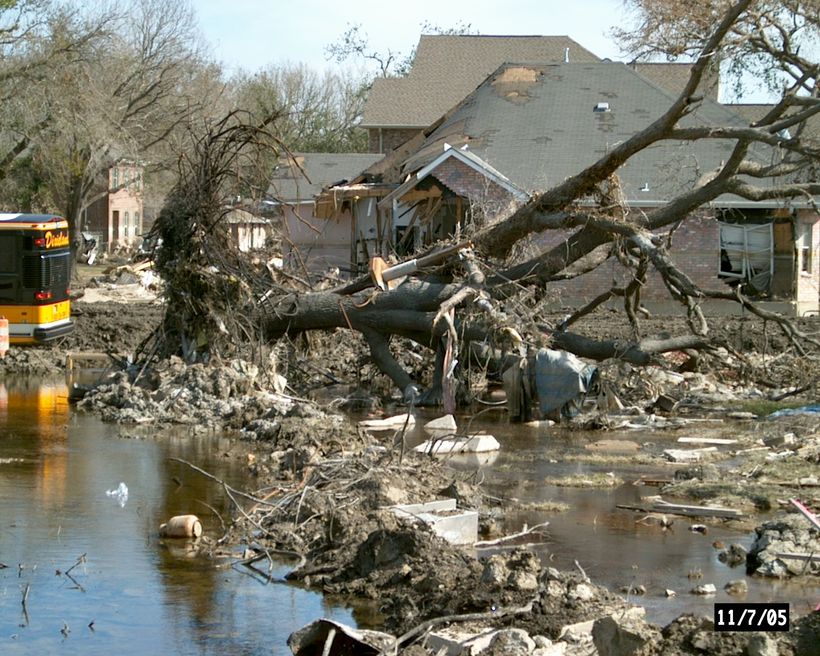
Twenty years ago, Hurricane Katrina hit the southeastern coast of the United States, devastating cities and towns across Louisiana, Florida, Mississippi, Alabama and beyond. The storm caused nearly 1,400 fatalities, displaced more than 1 million people and generated over $125 billion in damages. Rob Traver, PhD, P.E., D. WRE, F.EWRI, F.ASCE, professor of Civil and Environmental Engineering at Villanova University, assisted in the U.S. Army Corps of Engineers' (USACE) investigation of the failure of the New Orleans Hurricane Protection System during Hurricane Katrina, and earned an Outstanding Civilian Service Medal from the Commanding General of USACE for his efforts. Dr. Traver reflected on his experience working in the aftermath of Katrina, and how the findings from the investigation have impacted U.S. hurricane responses in the past 20 years. Q: What was your role in the investigation of the failure of the New Orleans Hurricane Protection System? Dr. Traver: Immediately after Hurricane Katrina, USACE wanted to assess what went wrong with flood protections that had failed during the storm in New Orleans, but they needed qualified researchers on their team who could oversee their investigation. The American Society of Civil Engineers (ASCE), an organization I have been a part of for many years, was hired for this purpose. Our job was to make sure that USACE was asking the right questions during the investigation that would lead to concrete answers about the causes of the failure of the hurricane protection system. My team was focused on analyzing the risk and reliability of the water resource system in New Orleans, and we worked alongside the USACE team, starting with revising the investigation questions in order to get answers about why these water systems failed during the storm. Q: What was your experience like in New Orleans in the aftermath of the hurricane? DT: My team went down to New Orleans a few weeks after the hurricane, visited all the sites we were reviewing and met with infrastructure experts along the way as progress was being made on the investigation. As we were flying overhead and looking at the devastated areas, seeing all the homes that were washed away, it was hard to believe that this level of destruction could happen in a city in the United States. As we started to realize the errors that were made and the things that went wrong leading up to the storm, it was heartbreaking to think about how lives could have been saved if the infrastructure in place had been treated as one system and undergone a critical review. Q: What were the findings of the ASCE and USACE investigation team? DT: USACE focused on New Orleans because they wanted to figure out why the city’s levee system—a human-made barrier that protects land from flooding by holding back water—failed during the hurricane. The city manages pump stations that are designed to remove water after a rainfall event, but they were not well connected to the levee system and not built to handle major storms. So, one of the main reasons for the levee system failure was that the pump stations and levees were not treated as one system, which was one of the causes of the mass flooding we saw in New Orleans. Another issue we found was that the designers of the levee system never factored in a failsafe for what would happen if a bigger storm occurred and the levee overflowed. They had the right idea by building flood protection systems, but they didn’t think that a larger storm the size of Katrina could occur and never updated the design to bring in new meteorological knowledge on size of potential storms. Since then, the city has completely rebuilt the levees using these lessons learned. Q: What did researchers, scientists and the general population learn from Katrina? DT: In areas that have had major hurricanes over the past 20 years, it’s easy to find what went wrong and fix it for the future, so we don’t necessarily worry as much about having a hurricane in the same place as we’ve had one before. What I worry about is if a hurricane hits a new town or city that has not experienced one and we have no idea what the potential frailties of the prevention systems there could be. Scientists and researchers also need to make high-risk areas for hurricane activity in the United States known for those who live there. People need to know what their risk is if they are in areas where there is increased risk of storms and flooding, and what they should do when a storm hits, especially now with the changes we are seeing in storm size.


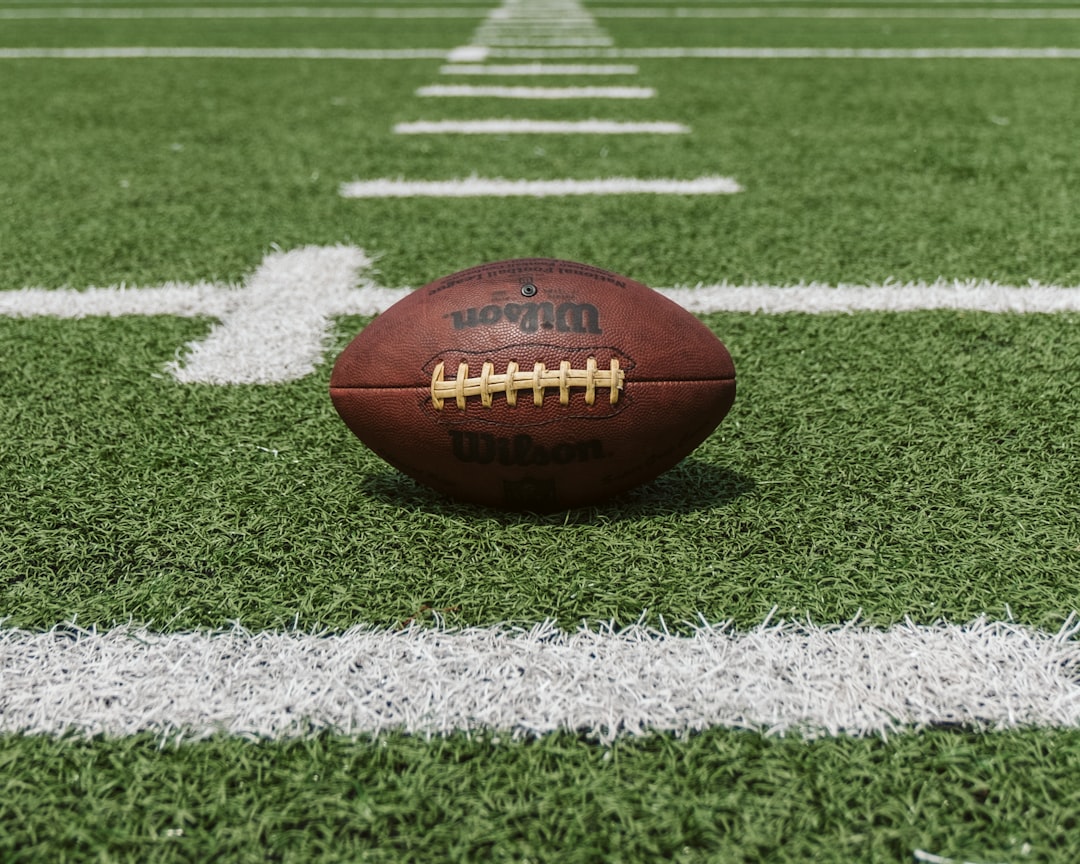
Are you ready for some football?
From its modest beginnings in the late 19th century to becoming America’s most-watched sport, professional football has not only entertained generations but also transformed communities, economies, and culture. Today, the National Football League (NFL) stands as a global brand, symbolizing both the triumphs and tensions of American life. Early Beginnings Professional football took root in the 1890s, when athletic clubs in Pennsylvania began paying players under the table. In 1920, a group of teams formed the American Professional Football Association, later renamed the NFL in 1922. Early decades were marked by instability, but the league grew steadily, and by the 1950s, with the rise of television, football began capturing national attention. The 1958 NFL Championship Game—dubbed the “Greatest Game Ever Played”—cemented football as America’s sport of the future, setting the stage for the AFL-NFL rivalry of the 1960s and the eventual Super Bowl, first played in 1967. Economic Impact Football is now one of the most powerful economic engines in American sports. The NFL generates more than $18 billion annually, with billions flowing into local economies through stadium construction, tourism, and broadcasting rights. Super Bowl weekend alone can inject hundreds of millions of dollars into host cities. The game has also reshaped industries—from sports broadcasting and advertising to fantasy leagues and legalized sports betting. It drives sponsorships, merchandise sales, and jobs connected to media, hospitality, and infrastructure. Social and Cultural Significance Football’s reach extends beyond the field. It has served as a stage for some of America’s most important social conversations—from racial integration in the 1940s, to gender roles in sports media, to the modern debates over player safety and activism. Figures like Jackie Robinson in baseball broke barriers, but in football, trailblazers such as Kenny Washington (first African American to reintegrate the NFL in 1946) helped reshape opportunity and inclusion. In more recent years, high-profile advocacy by players on issues ranging from racial justice to mental health has placed the sport squarely in the middle of national debates. At the same time, concerns about concussions and long-term health risks have fueled public dialogue on workplace safety and medical ethics, echoing issues seen across many industries. A Lasting Legacy Football is more than a game. It has become a unifying tradition—whether through Friday night lights in small towns, college rivalries that galvanize entire states, or Super Bowl Sunday as an unofficial national holiday. Its economic and cultural significance continues to expand, reflecting both America’s passion for competition and its ongoing social evolution. Connect with our experts about the history and significance of professional football in America: Check out our experts here : www.expertfile.com

LSU Expert Christine Navarre on the Threat of New World Screwworms
The New World screwworm (NWS), also known as the primary screwworm, is the larvae of the fly Cochliomyia hominivorax. Unlike the larvae (maggots) of other flies that only feed on dead tissue, the NWS feeds on live tissue. This leads to more severe and potentially deadly consequences which threatens livestock and wildlife populations. Prior to their eradication form the United States, NWS were a major economic burden to the production of livestock, especially in the in the southwestern U.S. and Florida. The U.S. Department of Agriculture estimates that the U.S. livestock industry saves approximately $900 million a year as a result of NWS eradication. Other benefits of eradication and control are enhanced human and animal health and welfare and increased survival of endangered wild animal species. The NWS fly was eradicated from the U.S. in 1966 with the release of sterile male flies to control the population. This status is maintained through the Panama-U.S. Commission for the Eradication and Prevention of the Cattle Borer Worm (COPEG) which releases millions of sterile flies weekly along the Panama-Colombia border to create a barrier preventing the northward spread of screwworms. Due to these efforts, it is now found primarily in tropical areas of South America and some Caribbean Islands, including Cuba. In 2016 NWS were found in Key Deer in the Florida Keys. The source of the outbreak was never determined. Rapid recognition of the problem and response with the release of sterile flies quickly eradicated the problem but this incident illustrates the importance of remaining vigilant. In November, NWS was detected in Mexico near the Guatemala border. The USDA Animal and Plant Health Inspection Service (APHIS) has imposed immediate import restrictions on animal commodities from Mexico. They are also intensifying efforts to prevent the northward spread of NWS by collaborating with Mexican and Central American authorities and urging livestock producers along the southern U.S. border to monitor their livestock and pets for signs of NWS. Any suspected cases should be reported immediately. Clinical Signs NWS can infest any warm-blooded animal including livestock, pets, wildlife, birds and occasionally humans. Common sites of infestation are any fresh or old wounds, warts, tumors, tick bites and antlers in shedding. Wounds left from management procedures, such as dehorning, branding, ear tagging, tail docking and shearing, can become infested. The eyes, nose, vulva and prepuce are also vulnerable, as well as the umbilicus in newborn mammals. Animals infested with NWS may show the following signs: Presence of maggots in wounds or body openings Wounds with a foul odor, bloody drainage or white/cream-colored drainage (eggs) Depression, reduced appetite, weight loss Isolation and/or signs of discomfort, head shaking Fever and other signs of secondary infection Diagnosis and Reporting Maggots found on animals showing the above clinical signs should be sent to a veterinarian or veterinary diagnostic lab for identification to distinguish NWS larvae from other more common fly larvae. In Louisiana larvae can be sent to the Louisiana Animal Disease Diagnostic Laboratory (www.lsu.edu/vetmed/laddl). Larvae should be placed in 70% alcohol for submission to the diagnostic laboratory. It is very important to immediately report any NWS infestations to the Louisiana Department of Agriculture and Forestry. A reported case will not result in herd depopulation but will allow animal health officials to take steps to help you manage your animals and prevent spread. Early detection and rapid response are critical to controlling this parasite. Treatment Immediate veterinary care should be sought to remove larvae and properly treat with insecticides. Wound care is also important to speed healing and prevent reinfestation. Prevention Treatment of NWS can be difficult, and eradication is very costly, so prevention of infestations is essential. Adult NWS flies can travel up to 12 miles to lay eggs, and eggs can be transported by animals and people traveling from infested areas. This necessitates constant vigilance to ensure that reintroduction into the U.S. does not occur. Preventative steps include: Regularly inspect livestock and pets for cuts, wounds, scabs and tick infestations. Closely monitor the umbilicus of newborn livestock, vulva of females and prepuce of males. Use insect repellant and wound dressings to prevent fly strike. Report any unusual wildlife or bird deaths to the Louisiana Wildlife and Fisheries. Pay close attention to nasal passages and eyes for signs of larvae (maggot) infestation. Seek veterinary advice for immediate treatment of open wounds, including dehorning and castration sites and preventive use of topical and systemic insecticides. Review biosecurity plans with the farm or ranch veterinarian. Original article by the LSU AgCenter here.

ExpertSpotlight: The History of Labor Day
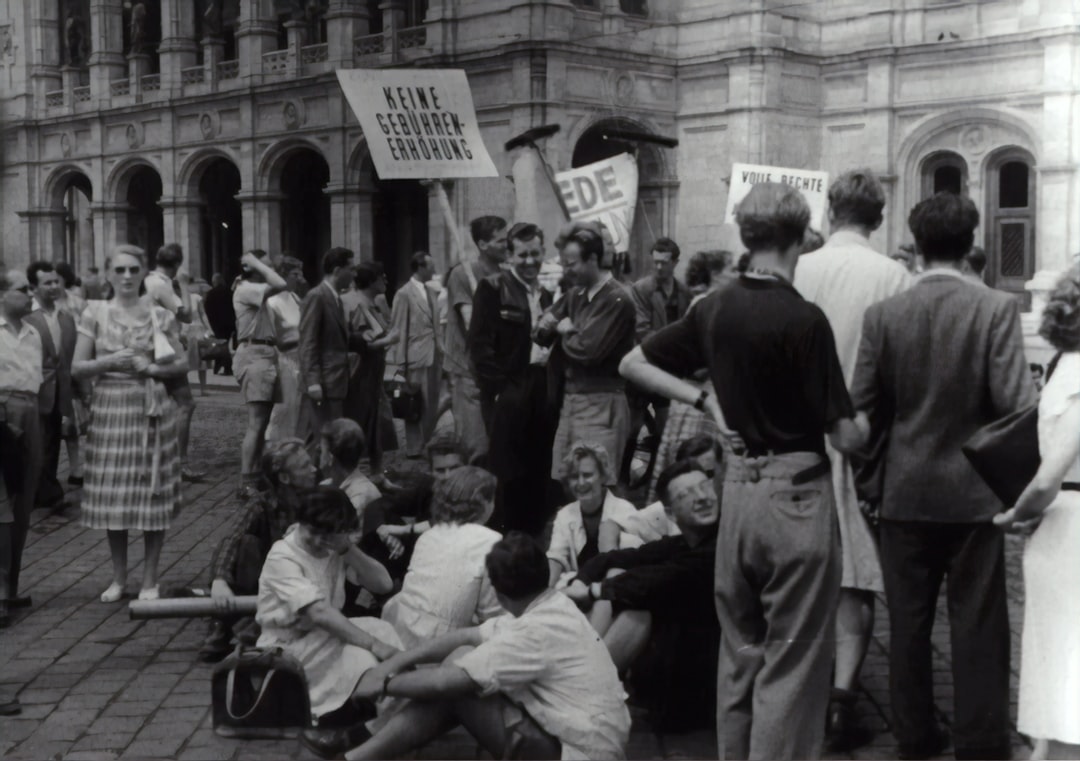
What began as a modest parade in New York City has grown into a national holiday that honors the contributions of American workers and continues to spark conversations about labor rights today. Observed on the first Monday of September, Labor Day is both a tribute to the workforce and a cultural milestone marking the close of summer. From Parade to Holiday The first Labor Day celebration took place on September 5, 1882, when roughly 10,000 workers marched through New York City in a demonstration organized by the Central Labor Union. The parade, followed by a picnic and speeches, was designed to showcase the unity and strength of trade and labor organizations. The origins of the idea remain contested. Some credit Peter J. McGuire, co-founder of the United Brotherhood of Carpenters, while others point to Matthew Maguire, a machinist and secretary of the Central Labor Union. Regardless of its champion, the concept spread quickly. By the late 1880s, states began adopting Labor Day as an official holiday. In 1894, following a wave of labor unrest that included the Pullman Strike, President Grover Cleveland signed legislation declaring the first Monday in September a federal holiday. Labor Day vs. May Day Unlike May Day (May 1)—which became closely associated with international labor movements and the more radical legacy of the Haymarket Affair of 1886—Labor Day was intended as a uniquely American holiday. Its September placement emphasized unity and recognition without the confrontational overtones of May Day. Over time, this distinction gave Labor Day a broader cultural resonance in the United States. A Living Tradition While barbecues, parades, and retail sales now dominate many Labor Day weekends, the holiday’s deeper meaning endures. It is a reminder of the hard-won gains of the labor movement, from the eight-hour workday to workplace safety protections, as well as the continuing debates over wages, unionization, and economic fairness. Even traditions like the etiquette rule of not wearing white after Labor Day reflect how the holiday shaped cultural norms at the turn of the 20th century. Today, beyond its role as summer’s unofficial finale, Labor Day continues to honor the dignity and achievements of working people across the country. Connect with our experts about the History of Labor Day. Check out our experts here : www.expertfile.com

President Turns Up the Heat on Corporate America
NPR interviewed Dr. Meena Bose for its report: “Trump is tightening the screws on corporate America — and CEOs are staying mum.” President Trump recently demanded the resignation of Intel CEO Lip-Bu Tan, which Dr. Bose called “one of the most aggressive public statements the president has made.” She added, “So much of President Trump’s second term is really charting an independent path, with very little attention to precedent — or in some ways, almost a rejection of precedent.” Dr. Bose is Hofstra University professor of political science, executive dean of the Public Policy and Public Service program, and director of the Kalikow Center for the Study of the American Presidency.



President Puts the Heat on U.S. CEOs
The Wall Street Journal interviewed Dr. Meena Bose about President Donald Trump upping public pressure on CEOs and telling them how to conduct their business. Recently he called for Intel’s chief executive to resign and told Detroit carmakers not to raise prices. Dr. Bose explained that this level of interference is highly unusual. “This is certainly not an approach the United States has seen in modern American politics,” she said. “It’s government bending economic interests.” Dr. Bose is a Hofstra University professor of political science, executive dean of the Public Policy and Public Service program, and director of the Kalikow Center for the Study of the American Presidency.
4 out of 5 US Troops Surveyed Understand the Duty to Disobey Illegal Orders
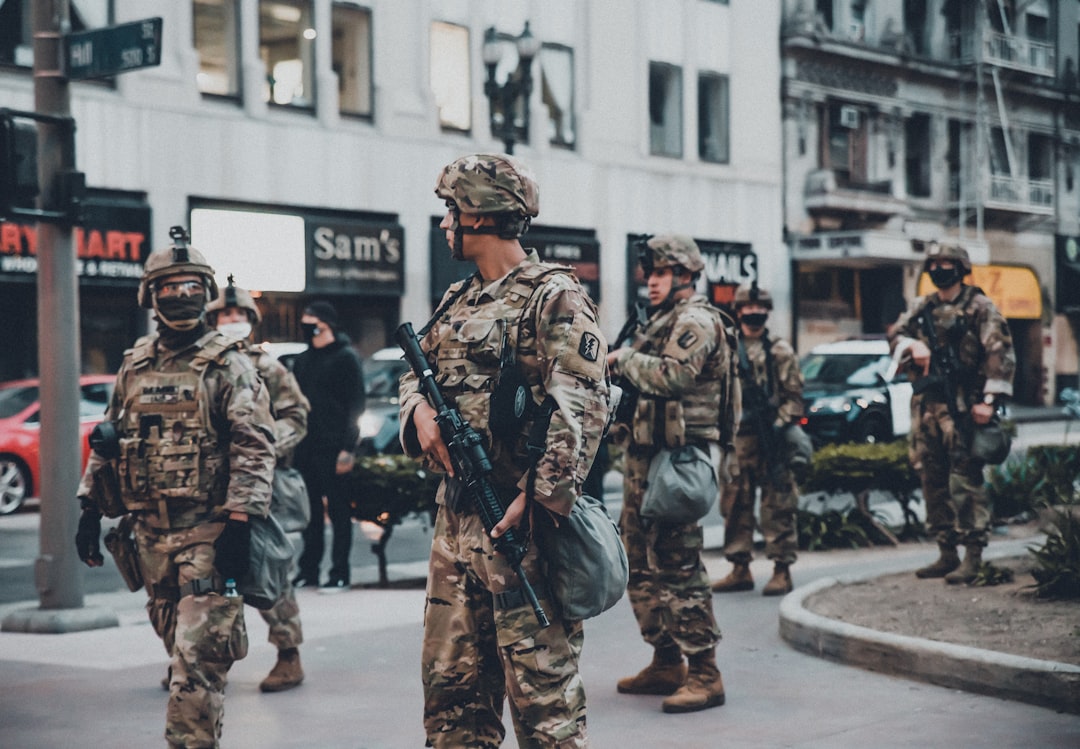
This article is republished from The Conversation under a Creative Commons license. Read the original article here. With his Aug. 11, 2025, announcement that he was sending the National Guard – along with federal law enforcement – into Washington, D.C. to fight crime, President Donald Trump edged U.S. troops closer to the kind of military-civilian confrontations that can cross ethical and legal lines. Indeed, since Trump returned to office, many of his actions have alarmed international human rights observers. His administration has deported immigrants without due process, held detainees in inhumane conditions, threatened the forcible removal of Palestinians from the Gaza Strip and deployed both the National Guard and federal military troops to Los Angeles to quell largely peaceful protests. When a sitting commander in chief authorizes acts like these, which many assert are clear violations of the law, men and women in uniform face an ethical dilemma: How should they respond to an order they believe is illegal? The question may already be affecting troop morale. “The moral injuries of this operation, I think, will be enduring,” a National Guard member who had been deployed to quell public unrest over immigration arrests in Los Angeles told The New York Times. “This is not what the military of our country was designed to do, at all.” Troops who are ordered to do something illegal are put in a bind – so much so that some argue that troops themselves are harmed when given such orders. They are not trained in legal nuances, and they are conditioned to obey. Yet if they obey “manifestly unlawful” orders, they can be prosecuted. Some analysts fear that U.S. troops are ill-equipped to recognize this threshold. We are scholars of international relations and international law. We conducted survey research at the University of Massachusetts Amherst’s Human Security Lab and discovered that many service members do understand the distinction between legal and illegal orders, the duty to disobey certain orders, and when they should do so. Compelled to disobey U.S. service members take an oath to uphold the Constitution. In addition, under Article 92 of the Uniform Code of Military Justice and the U.S. Manual for Courts-Martial, service members must obey lawful orders and disobey unlawful orders. Unlawful orders are those that clearly violate the U.S. Constitution, international human rights standards or the Geneva Conventions. Service members who follow an illegal order can be held liable and court-martialed or subject to prosecution by international tribunals. Following orders from a superior is no defense. Our poll, fielded between June 13 and June 30, 2025, shows that service members understand these rules. Of the 818 active-duty troops we surveyed, just 9% stated that they would “obey any order.” Only 9% “didn’t know,” and only 2% had “no comment.” When asked to describe unlawful orders in their own words, about 25% of respondents wrote about their duty to disobey orders that were “obviously wrong,” “obviously criminal” or “obviously unconstitutional.” Another 8% spoke of immoral orders. One respondent wrote that “orders that clearly break international law, such as targeting non-combatants, are not just illegal — they’re immoral. As military personnel, we have a duty to uphold the law and refuse commands that betray that duty.” Just over 40% of respondents listed specific examples of orders they would feel compelled to disobey. The most common unprompted response, cited by 26% of those surveyed, was “harming civilians,” while another 15% of respondents gave a variety of other examples of violations of duty and law, such as “torturing prisoners” and “harming U.S. troops.” One wrote that “an order would be obviously unlawful if it involved harming civilians, using torture, targeting people based on identity, or punishing others without legal process.” Soldiers, not lawyers But the open-ended answers pointed to another struggle troops face: Some no longer trust U.S. law as useful guidance. Writing in their own words about how they would know an illegal order when they saw it, more troops emphasized international law as a standard of illegality than emphasized U.S. law. Others implied that acts that are illegal under international law might become legal in the U.S. “Trump will issue illegal orders,” wrote one respondent. “The new laws will allow it,” wrote another. A third wrote, “We are not required to obey such laws.” Several emphasized the U.S. political situation directly in their remarks, stating they’d disobey “oppression or harming U.S. civilians that clearly goes against the Constitution” or an order for “use of the military to carry out deportations.” Still, the percentage of respondents who said they would disobey specific orders – such as torture – is lower than the percentage of respondents who recognized the responsibility to disobey in general. This is not surprising: Troops are trained to obey and face numerous social, psychological and institutional pressures to do so. By contrast, most troops receive relatively little training in the laws of war or human rights law. Political scientists have found, however, that having information on international law affects attitudes about the use of force among the general public. It can also affect decision-making by military personnel. This finding was also borne out in our survey. When we explicitly reminded troops that shooting civilians was a violation of international law, their willingness to disobey increased 8 percentage points. Drawing the line As my research with another scholar showed in 2020, even thinking about law and morality can make a difference in opposition to certain war crimes. The preliminary results from our survey led to a similar conclusion. Troops who answered questions on “manifestly unlawful orders” before they were asked questions on specific scenarios were much more likely to say they would refuse those specific illegal orders. When asked if they would follow an order to drop a nuclear bomb on a civilian city, for example, 69% of troops who received that question first said they would obey the order. But when the respondents were asked to think about and comment on the duty to disobey unlawful orders before being asked if they would follow the order to bomb, the percentage who would obey the order dropped 13 points to 56%. While many troops said they might obey questionable orders, the large number who would not is remarkable. Military culture makes disobedience difficult: Soldiers can be court-martialed for obeying an unlawful order, or for disobeying a lawful one. Yet between one-third to half of the U.S. troops we surveyed would be willing to disobey if ordered to shoot or starve civilians, torture prisoners or drop a nuclear bomb on a city. The service members described the methods they would use. Some would confront their superiors directly. Others imagined indirect methods: asking questions, creating diversions, going AWOL, “becoming violently ill.” Criminologist Eva Whitehead researched actual cases of troop disobedience of illegal orders and found that when some troops disobey – even indirectly – others can more easily find the courage to do the same. Whitehead’s research showed that those who refuse to follow illegal or immoral orders are most effective when they stand up for their actions openly. The initial results of our survey – coupled with a recent spike in calls to the GI Rights Hotline – suggest American men and women in uniform don’t want to obey unlawful orders. Some are standing up loudly. Many are thinking ahead to what they might do if confronted with unlawful orders. And those we surveyed are looking for guidance from the Constitution and international law to determine where they may have to draw that line. Zahra Marashi, an undergraduate research assistant at the University of Massachusetts Amherst, contributed to the research for this article.



New research reveals how religious tattoos reflect a cultural – and generational – shift in how faith is expressed through permanent body art. Dr. Kevin D. Dougherty, professor of sociology at Baylor University, brings a unique lens to this evolving phenomenon. An award-winning educator and active researcher, Dougherty teaches both undergraduates and graduate students in areas of sociology, including courses on religion, teaching and organizational life. His research explores religious affiliation, participation, racial diversity in congregations and the ways faith intersects with politics, work and community. In a recent study published in the Journal for the Scientific Study of Religion, Dougherty and his co-authors – Texas Tech sociology professors Jerome R. Koch, Ph.D. and Paticia Maloney, Ph.D. – examine how tattoos—once seen as rebellious—are now being embraced as spiritual markers, particularly among younger generations. The study used national data from the 2021 Baylor Religion Survey, administered by Gallup to a random sample of 1,248 U.S. adults. The findings reveal that nearly 10% of American adults have tattoos with religious or spiritual significance – suggesting a major cultural shift in how lived religion is publicly and permanently expressed. “What we’re seeing is that tattoos are becoming modern-day sacred objects,” said Koch. “They’re permanent, deeply personal and often worn as both a proclamation of faith and a private reminder of belief.” The research challenges longstanding stereotypes that religious individuals avoid tattoos. While highly religious adults remain slightly less likely overall to be tattooed, younger people with strong religious commitment were the most likely to mark their faith visibly and permanently on their bodies. The study also points to a broader evolution in faith practices. Tattoos are now joining other forms of spiritual expression like jewelry and clothing—but with one major distinction: permanence. “A religious tattoo doesn’t come off. It travels with you,” said Dougherty. “It encourages continuity, a lasting connection to what you believe.” Dougherty’s interest in the topic was sparked during a classroom assignment, where students were asked to document tattoos on campus. He was struck by how many were linked to religious themes. “Tattoos that once marked the fringes of respectable society are now being redeemed as testimonies of belief,” he said. “They’re a reminder that faith—like culture—is always adapting, always finding new ways to speak.” For media inquiries and to connect with Kevin, click the icon below.