
Experts Matter. Find Yours.
Connect for media, speaking, professional opportunities & more.

Experts available to discuss vaping and new tobacco products
A host of new tobacco products, including e-cigarettes like JUULs, have entered the market in recent years, bringing new public health concerns with them. Researchers at the University of North Carolina at Chapel Hill are studying the health and societal impacts of emerging tobacco products. UNC-Chapel Hill experts are available to discuss topics including e-cigarettes’ health impacts, their failure as smoking cessation tools, the differences in how smoking and vaping affect the body, and e-cigarette explosions and the resulting chemical burn injuries. If you’d like to speak with an expert, call (919) 445-8555 or email mediarelations@unc.edu. Dr. M. Bradley Drummond is an associate professor of medicine at UNC School of Medicine and the director of the Obstructive Lung Diseases Clinical and Translational Research Center. He can discuss the health consequences of these new tobacco products and how they vary from traditional cigarettes. He can also discuss how these products exacerbate other conditions like chronic obstructive pulmonary disease, asthma and other chronic lung diseases. Dr. Adam Goldstein is a professor in the UNC department of family medicine, the director of tobacco intervention programs at UNC School of Medicine, and a member of UNC Lineberger Comprehensive Cancer Center. He can discuss the potential drawbacks versus any potential benefit of using these products as smoking cessation tools and can share evidence-based strategies to stop smoking. He can also speak to trends in teen tobacco use. Dr. Ilona Jaspers is a professor of pediatrics and microbiology & immunology, director of the Curriculum in Toxicology, and deputy director of the Center for Environmental Medicine, Asthma and Lung Biology all at the UNC School of Medicine, and professor of Environmental Sciences and Engineering at the UNC Gillings School of Global Public Health. She can discuss the current scientific understanding of the health effects of vaping or juuling, a subject on which she has published widely. Kurt Ribisl is a professor and chair of the department of health behavior at UNC Gillings School of Global Public Health and the program leader for Cancer Prevention and Control at UNC Lineberger Comprehensive Cancer Center. Ribisl specializes in tobacco policy and regulation and can speak to taxation, advertising and marketing of new tobacco products and recommendations for preventing youth access. Robert Tarran is a professor of cell biology and physiology at UNC School of Medicine, a member of UNC Marsico Lung Institute, and a member of UNC Lineberger Comprehensive Cancer Center. He can discuss the science of vaping, including how e-cigarettes impact a person’s lungs, including their genes and what happens to the lung’s immune system. He can also speak to the varying toxic effects of different e-cigarette flavors. Rebecca Williams is a research associate at UNC Lineberger Comprehensive Cancer Center. She is a leading expert on internet tobacco sales, age verification, technology and emerging tobacco products, including the wide variety of vaping devices available today. Her research has shown that online e-cigarette vendors routinely sold to minors, a finding that underscores the need for regulations requiring and enforcing age verification for the online sale of e-cigarettes. She can discuss the sales and marketing practices of websites that sell emerging tobacco products, and underage access to these online products.

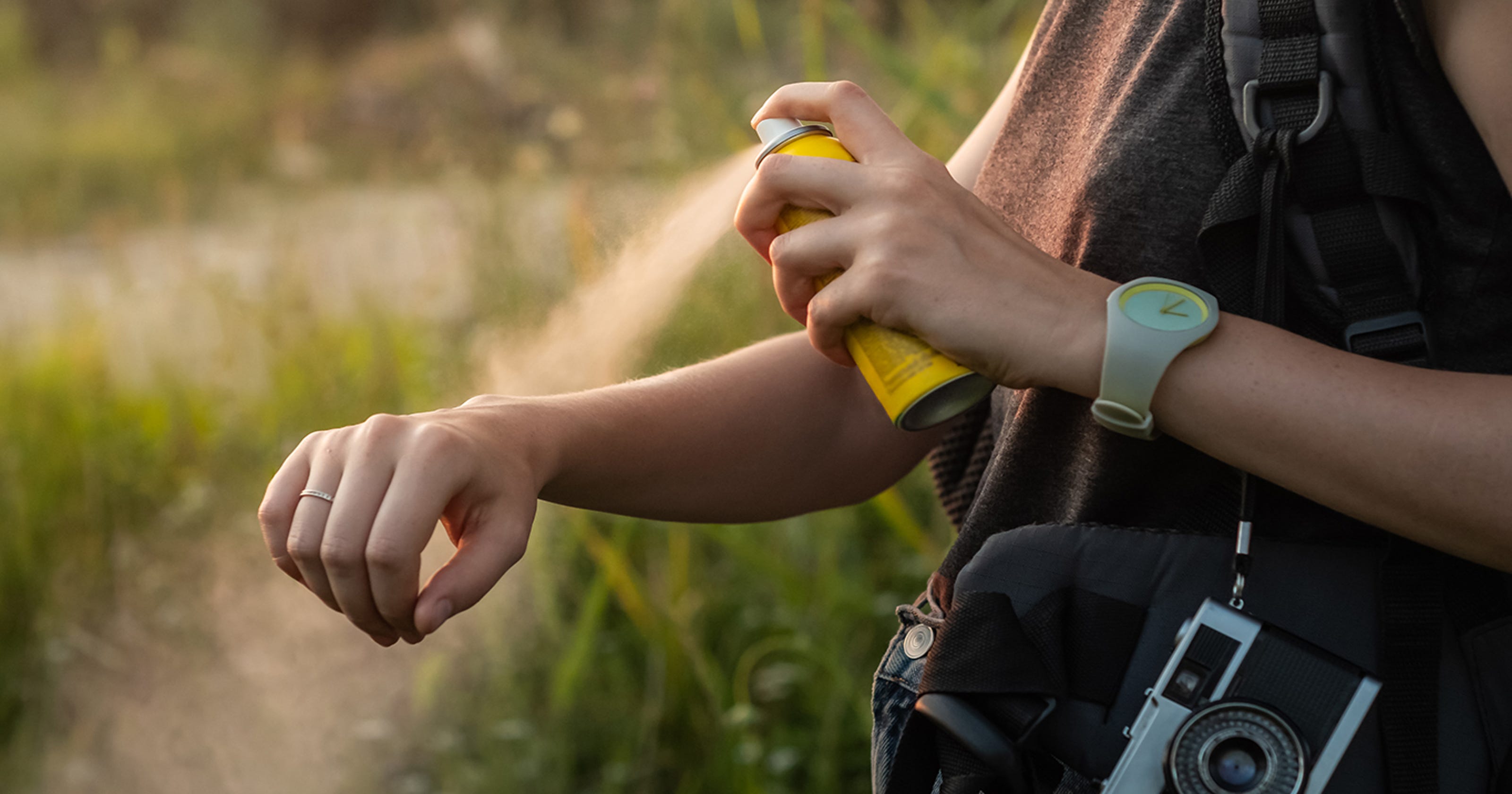
Ticks…for most the word conjures up fears of Lyme disease, pets getting sick or having to twist those tiny bugs off your dog or yourself after a day in the fields or countryside. But at Georgia Southern University, our experts have taken a certain shine to the usually awful arachnid. In fact, just recently, Jackson Tomlinson, a graduate student in the Department of Biology was rewarded with the discovery of two species of ticks that are entirely new to science. It’s an astounding find and there are more details in the articles attached below. Are you a reporter covering ticks or looking to learn more about them? There are a lot of questions to be asked: What dangers and diseases do they carry? Are ticks regional and how many different species are there? Is there really a tic that makes people allergic to red meat? If you need to get to the bottom of what makes tick…tock – well then let our experts help. Lorenza Beati's research focuses on the study of the taxonomy, evolutionary relationships, and population genetics of arthropods, in particular hard-ticks. She’s also the Curator of the U.S. National Tick Collection. Lorenza is available to speak with media – simply click on her icon to arrange an interview.


Recently in Brainerd Lake…one lucky fisherman reeled in quite the catch. What looked like a giant goldfish was in fact a very old and very rare bigmouth buffalo fish. The catch left a lot of people confused – what was it and how did it get there? And that’s where our experts can wade in to help. “We’re starting to study them more, and they’re living far longer than we ever thought possible,” explained Dr. Josh Lallaman, assistant professor of biology at Saint Mary’s University, and large river fish expert. “It shows the importance of not always focusing on popular species; there are other species out there that need to be researched. “It’s often difficult for my students to understand that in fish identification color can be variable. Two individuals of the same species can look very different. That coloration (of the golden bigmouth buffalo) was pretty unique. It’s one of those situations similar to albinism. Every once and a while a rare set of genetic conditions makes species look very different from others. That’s what makes my job really interesting. There are these rare exceptions you don’t know are out there.” Climate change is definitely putting more pressure on fish and wildlife populations. If their habitat changes, then their ability to survive in that habitat changes. It relates to this story in that if there are these unique or old lived species, then climate change is a threat to these unique individuals. “In the end, we are decreasing species diversity within the populations. Climate change increases the temperature of the water, and it may not increase it more than a couple of degrees but how quickly it changes has big impact on food availability. Fish are adapted to very specific seasonal changes. Warmer water, even a couple of degrees, increases their metabolism so they’re hungrier and need more oxygen to survive but warmer water decreases the amount of oxygen in water. So it’s a double hit because they’re less active. It’s synergistic. That stress, but also new and synthetic chemicals being introduced to in the water, as well as flooding and navigation — all of this combines together to harm fish populations a lot more than we realize,” he said. Are you covering climate change and its impact on fish and other wildlife? Do you need to know more about fish populations in rivers and lakes across America? And what does the future look like for species and their ecosystems as the impacts of climate change starts to be seen and felt? There are a lot of questions, and that’s where our experts can help. Dr. Josh Lallaman is an assistant professor of biology at Saint Mary’s University, and large river fish expert. Josh is available to speak with media - simply click on his icon to arrange an interview.


Keratoconus – ever heard of it? It’s an eye condition where genetics and environmental factors like ultraviolet light and vigorous eye rubbing conspire to make the usual curvature of the cornea more pointy, leaving us with double vision and nearsighted. National Basketball Association and Golden State Warriors star Stephen Curry helped make keratoconus, which affects an estimated 1 in 2,000, a more visible eye condition this April. A $2.1 million grant from the National Eye Institute is now helping Dr. Yutao Liu, vision scientist and human geneticist, learn more about keratoconus’ causes and identify points to better diagnose, treat and possibly prevent the progressive disease that typically starts in our teens. “We want to help patients better understand what is happening to their vision by better understanding how keratoconus happens, and give physicians better points to intervene,” says the scientist in the Department of Cellular Biology and Anatomy at the Medical College of Georgia and James and Jean Culver Vision Discovery Institute at Augusta University. For Curry, his solution was simple – treatment with corrective contact lenses. But keratoconus does progress and some who suffer may eventually require a corneal transplant surgery or corneal collagen cross-linking as treatment. Keratoconus is a fascinating disease and the research by experts at Augusta University will be groundbreaking. Do you need to know more? That’s where we can help. Dr. Yutao Liu is an associate professor of Cellular Biology and Anatomy with the Center for Biotechnology and Genomic Medicine at Augusta University. Dr. Liu and is available to speak with media regarding this rare disease - simply click on his icon to arrange an interview.


United Nations Report Warns of Potential Extinction of One Million Plant and Animal Species
The United Nations has issued an assessment sounding the alarm that one million plant and animal species are at risk of extinction due to human-related changes to the Earth’s natural landscapes. This poses a dire threat to ecosystems upon which people all over the world are dependent for survival, according to a New York Times report. The human degradation of the environment has further been exacerbated by global warming, it added. “Biodiversity is caught between the stark, local effects of human action, like deforestation, and the diffuse but steadily worsening global effects like climate change. This report says the combination is more devastating than the sum of its parts,” stated Adam Langley, PhD, an associate professor in Villanova University’s Department of Biology. Consumerism is a driving factor in the rapidly deteriorating situation, Dr. Langley said. “It’s becoming clear that no amount of information can overwhelm the will of the consumer, whether it's the greed of the wealthy or desperation of the poor. Producers and consumers act out of personal interests, not out of their fondness for wildlife.” Government action must lead the way in alleviating the severity of the direction in which biodiversity loss is headed, according to Dr. Langley. “To make the drastic changes we need, the solutions must come from the top. Governments must recognize the enormous subsidy we receive from intact ecosystems in the form of food, fiber, clean water and air. In our world, valuing biodiversity means putting a price on it—and paying the price when we degrade it.” He added, “When I see reports like this, I’m struck that, in the history of Earth, we are the first species that is able for foresee an extinction event. We can predict it in painful detail. Avoiding that demise would be truly unique, but we’ve yet to see if human nature has that capacity.”


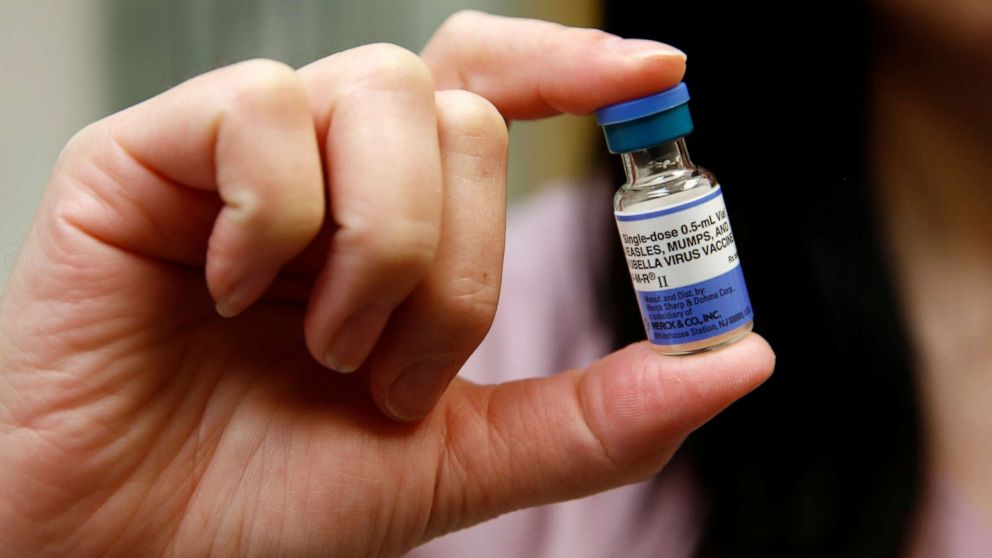
Measles is back…and our experts want people to leave the facts about vaccinations to the experts
Last week, America hit a record. Confirmed cases of measles eclipsed 700 cases. The disease that was once considered eradicated is now back and it has public health officials concerned. Dr. Todd Reinhart is the Dean of Sciences and Health Professions at Saint Mary’s University of Minnesota, and he has more than two decades of experience in infectious disease research. He’s a strong proponent of vaccinations and weighed in with his thoughts and perspective. “I’m not shocked,” says Reinhart. “I know there’s been a strong anti-vaccination movement and there’s a lot of misinformation out there.” He believes social media has been largely responsible for this movement to not vaccinate. The publication of the “Wakefield” paper, which suggested that the measles-mumps-rubella (MMR) vaccine might be linked to autism — even though retracted — got a lot of attention. However, that research that vaccinations cause autism has been debunked and even most recently there’s a study out of Denmark that covered 5,000,000 person years and there was no association with immunization and developing autism. Reinhart wants the public to look at the bigger picture and consequences. “It’s important to protect that child but also the broader society. Vaccines have been the strongest public health success story over the last few centuries. Measles is one of the most highly contagious viruses that we know. The odds of your getting it, if you’re exposed to it and you haven’t been immunized, is 90 percent. Part of the concern is for infants who aren’t immunized, the elderly because their immune systems are weaker, and those who are immunocompromised.” But there is also the matter of rights to be considered and that is playing a big part in all of this. “The problem is that individuals’ rights intersect with medicine, public health practice, and collective rights. If my infant, who couldn’t be immunized, contracts it through a carrier who could have been immunized, who has the higher ground because of rights? The problem is that even with clear data and clear information, people have been allowed the right, for the most part, to make the decisions they want,” Reinhart reiterates. If you are looking for answers and facts when it comes to vaccinations – it’s best to visit credible sources like the Centers for Disease Control and Prevention or local public health websites. If you need to speak with an expert about this topic for your news coverage – let us help. Dr. Todd Reinhart is Dean of Sciences and Health Professions, Professor, Biology and Health Professions at Saint Mary’s University of Minnesota. He has a degree in cancer biology from Harvard University’s School of Public Health and is an expert in the areas of infectious diseases. Simply click on his icon to arrange an interview.

Baylor Professors Use Whale Earwax to Reconstruct Whale Stress Levels Spanning More Than a Century
In a follow-up to their groundbreaking study, Baylor researchers were able to reconstruct baleen whales’ lifetime stress response to whaling and other manmade and environmental factors spanning nearly 150 years. Using a technique they pioneered six years ago, Stephen J. Trumble, Ph.D., associate professor of biology, and Sascha Usenko, Ph.D., associate professor of environmental science, both in Baylor University’s College of Arts & Sciences, analyzed earplug laminae, a growth layer representing six months found in whale earwax, as part of their recent study published in Nature Communications this month. Using earplugs taken from fin, humpback and blue whales originating in the Pacific and Atlantic Oceans from 1870 to 2016, Trumble and Usenko were able to determine the whales’ cortisol levels, a stress-response hormone, to industrial whaling, World War II wartime activities and sea-surface temperature. “This is the first-ever study to quantify temporal stress patterns in baleen whales,” Trumble said. “While the generated stress profile spans nearly 150 years, we show that these whales experienced survivor stress, meaning the exposure to the indirect effects of whaling, including ship noise, ship proximity and constant harassment, results in elevated stress hormones in whales spanning vast distances.” Whaling had a significant impact on whales’ cortisol levels. During the 1960s when whaling was at its peak with 150,000 whales harvested, cortisol peaked to a maximum and was the highest average in whales in the 20th century, according to the study’s findings. Second in a three-part exclusive online look at content from the Natural History Museum's Whales: Beneath the surface exhibition featuring Dr. Stephen J. Trumble and Dr. Sascha Usenko. During World War II when whaling declined, whales still showed an increase in cortisol levels. Trumble and Usenko suggest the impact of the theater of war. “The stressors associated with activities specific to WWII may supplant the stressors associated with industrial whaling for baleen whales,” Usenko said. “We surmised that wartime activities such as under water detonation, naval battles including ships, planes and submarines, as well as increased vessel numbers, contributed to increase cortisol concentrations during this period of reduced whaling.” When whaling moratoriums were introduced in the mid-1970s, whaling decreased as well as cortisol levels—reaching their lowest concentrations. “From the 1970s through the 2010s whaling counts were reportedly zero in the Northern Hemisphere, but mean cortisol levels steadily increased, with recent peaks reaching near the maximum levels observed before whaling moratoriums,” Usenko said. The impact of stress on whales could have larger implications for baleen whales, which are “considered sentinels of their environment and indicators of anthropogenic or manmade stressors,” Usenko said. “This study shows that anthropogenic stressors results in a physiological response in large whales. These chronic stressors may impact life history events such as reproductive parameters,” Trumble said. “Lastly, human-based stressors such as warming sea surface temperatures may also result in elevated stress in these whales.” The research pair has expanded the number of museums they partner with and currently have more than 100 additional earplugs to process. Earplugs were provided through a collaboration between the investigators and the Smithsonian Museum of Natural History and the Museum of Natural History London. ABOUT BAYLOR UNIVERSITY Baylor University is a private Christian University and a nationally ranked research institution, characterized as having “high research activity” by the Carnegie Foundation for the Advancement of Teaching. The University provides a vibrant campus community for approximately 15,000 students by blending interdisciplinary research with an international reputation for educational excellence and a faculty commitment to teaching and scholarship. Chartered in 1845 by the Republic of Texas through the efforts of Baptist pioneers, Baylor is the oldest continually operating University in Texas. Located in Waco, Baylor welcomes students from all 50 states and more than 80 countries to study a broad range of degrees among its 11 nationally recognized academic divisions. Baylor sponsors 19 varsity athletic teams and is a founding member of the Big 12 Conference. ABOUT BAYLOR COLLEGE OF ARTS & SCIENCES The College of Arts & Sciences is Baylor University's oldest and largest academic division, consisting of 26 academic departments and 13 academic centers and institutes. The more than 5,000 courses taught in the College span topics from art and theatre to religion, philosophy, sociology and the natural sciences. Faculty conduct research around the world, and research on the undergraduate and graduate level is prevalent throughout all disciplines.


Grip Strength of Children Gives Clues about Their Future Health, Study Finds
Measuring hand grip can help identify youths who could benefit from lifestyle changes to improve health, Baylor researcher says Adolescents with a strong hand grip — an indicator of overall muscle strength — have better odds of being healthy over time, according to a two-year study of 368 elementary school children. While other studies have shown that muscle weakness as measured by grip strength is a predictor of unhealthy outcomes — including cardiovascular and metabolic diseases, disability and even early mortality — this is the first to do so for adolescent health over time, a Baylor University researcher said. “What we know about today’s kids is that because of the prevalence of obesity, they are more at risk for developing pre-diabetes and cardiovascular disease than previous generations,” said senior author Paul M. Gordon, Ph.D., professor and chair of health, human performance and recreation in Baylor’s Robbins College of Health and Human Sciences. “This study gives multiple snapshots over time that provide more insight about grip strength and future risks for developing diabetes and cardiovascular disease,” he said. “Low grip strength could be used to predict cardiometabolic risk and to identify adolescents who would benefit from lifestyle changes to improve muscular fitness.” The study — "Grip Strength is Associated with Longitudinal Health Maintenance and Improvement in Adolescents" — is published in The Journal of Pediatrics. It was conducted by researchers at Baylor University, the University of Michigan and the University of New England. Students tracked in the study were assessed in the fall of their fourth-grade year and at the end of the fifth grade. Using the norms for grip strengths in boys and girls, researchers measured the students’ grips in their dominant and non-dominant hands with an instrument called a handgrip dynamometer. Researchers found that initially, 27.9 percent of the boys and 20.1 percent of the girls were classified as weak. Over the course of the study, boys and girls with weak grips were more than three times as likely to decline in health or maintain poor health as those who were strong. Researchers also screened for and analyzed other metabolic risk factor indicators, including physical activity, cardiorespiratory fitness, body composition (the proportion of fat and fat-free mass), blood pressure, family history, fasting blood lipids and glucose levels. “Even after taking into account other factors like cardiorespiratory fitness, physical activity and lean body mass, we continue to see an independent association between grip strength and both cardiometabolic health maintenance and health improvements,” Gordon said. While much emphasis has been placed on the benefits of a nutritious diet and aerobic activity, this study suggests that greater emphasis needs to be placed on improving and maintaining muscular strength during adolescence. If someone with a strong grip develops an even stronger grip, “we don’t necessarily see a drastic improvement in that individual’s health,” Gordon noted. “It’s the low strength that puts you at risk. “Given that grip strength is a simple indicator for all-cause death, cardiovascular death and cardiovascular disease in adults, future research is certainly warranted to better understand how weakness during childhood tracks into and throughout adulthood,” he said. “Testing grip strength is simple, non-invasive and can easily be done in a health care professional’s office. It has value for adults and children.” *An estimated 17.2 percent of U.S. children and adolescents aged 2 to 19 years are obese and another 16.2 percent are overweight, according to the National Center for Health Statistics. Excess weight carries a greater lifetime risk of diabetes and premature heart disease. While the World Health Organization and the U.S. Department of Health and Human Services recommend that youths perform at least 60 minutes of moderate to vigorous physical activity daily — including vigorous activity at least three days a week — fewer than a quarter of U.S. children do so, according to a report by the nonprofit National Physical Activity Plan Alliance. ABOUT THE STUDY The data source was the Cardiovascular Health Intervention Program (CHIP), supported by a subcontract from the Children’s National Medical Center in Washington, D.C., which was funded from The Clark Charitable Foundation. Co-researchers were lead author Mark D. Peterson, Ph.D., assistant professor, University of Michigan Department of Physical Medicine and Rehabilitation in Ann Arbor, Michigan; Baylor graduate Sonja Smeding, B.S. (Biology), ’18; and Paul Visich, Ph.D., professor and chair, University of New England’s Department of Exercise and Sport Performance in Biddeford, Maine. ABOUT BAYLOR UNIVERSITY Baylor University is a private Christian University and a nationally ranked research institution. The University provides a vibrant campus community for more than 17,000 students by blending interdisciplinary research with an international reputation for educational excellence and a faculty commitment to teaching and scholarship. Chartered in 1845 by the Republic of Texas through the efforts of Baptist pioneers, Baylor is the oldest continually operating University in Texas. Located in Waco, Baylor welcomes students from all 50 states and more than 80 countries to study a broad range of degrees among its 12 nationally recognized academic divisions. ABOUT THE ROBBINS COLLEGE OF HEALTH AND HUMAN SCIENCES The Robbins College of Health and Human Sciences at Baylor University was established in 2014, a result of identified priorities for strengthening the health sciences through Baylor’s strategic vision, Pro Futuris, which serves as a compass for the University’s future. The anchor academic units that form the new College – Communication Sciences and Disorders, Family and Consumer Sciences and Health, Human Performance and Recreation – share a common purpose: improving health and the quality of life. The College is working to create curricula that promote a team-based approach to patient care and establish interdisciplinary research collaborations to advance solutions for improving the quality of life for individuals, families, and communities. For more information visit Robbins College of Health and Human Sciences.

Do Cell Phones Cause Cancer? Ask a UMW expert
UMW Associate Professor of Biology Deb O’Dell was recently featured on “Do Cell Phones Cause Cancer?” which began airing Saturday, Aug. 18, on the With Good Reason public radio show. The program, broadcast in Fredericksburg on Radio IQ 88.3 Digital at 2 p.m. Sundays, explores O’Dell’s research on the possible carcinogenic effects of one of America’s favorite gadgets. Her results – she found that a single 25-minute exposure can significantly alter the activity of genes for up to 48 hours – “surprised and alarmed” her. “You don’t use your cell phone once every two days,” O’Dell told With Good Reason host Sarah McConnell, who said she was “amazed” by the research. “What I’m afraid of [is] that these changes are not being permitted to go back to their original state … but rather, by continually activating them, we’re causing them to change persistently and that could then lead to changes in how cells reproduce themselves leading then, maybe, to tumors.” Questions surrounding the safety of cell phones and the effects of the radiation they emit have long loomed large. O’Dell has spent years – and involved several UMW students – researching this phenomenon. If you are covering this topic and need to know more – Dr. Deborah O'Dell is available to speak with media. Simply click on her icon to arrange an interview. Source:



Biodiversity on the brink? Is there any stopping the damage to the Pervuian Amazon?
There’s nothing new or breaking about the importance of the Amazon rain forest. For decades, politicians, celebrities and most recently – even the Pope called on the world to act against the deforestation and further protection of the region. The impacts of this devastation are being felt around the world. The massive forests absorb greenhouse gases, and as deforestation occurs at a staggering rate – so too does the increase in climate change and global warming. But agriculture, mining and development seem to be ignorant to those requests and consequences. While a lot of attention naturally goes to Brazil, Peru’s is in just as much trouble. According to the United Nations, the country is one of 17 "megadiverse" countries on the planet containing 70 percent of the world's biodiversity. There’s still a l lot to know about the affects of deforestation and how losing over a million hectares of rain forest has taken a toll on fish, the ecosystem and the vast flora and fauna that remain undiscovered. That’s where our experts can help. Anthony Mazeroll, PhD, Professor of Biology at Soka University of America, is also Executive Director and Board Chair for the Amazon Research Center for Ornamental Fishes, which is devoted to sustainable breeding and conservation of the rainforest ecology. Dr. Mazeroll is available to speak with media regarding this and many other issues affecting the Amazon - simply click on Anthony’s icon to arrange an interview. Source:

