
Experts Matter. Find Yours.
Connect for media, speaking, professional opportunities & more.

Today is Victory in Europe Day (VE Day) - Our history #experts are here to help with your stories
Victory in Europe Day marks a monumental moment in human history, signifying the end of World War II in Europe and the dawn of a new era of peace and reconstruction. This event matters to the public as it commemorates the sacrifices made by millions and celebrates the triumph of freedom over tyranny. VE Day offers a plethora of compelling story angles that resonate with a broad audience: The human stories behind the victory: tales of courage, resilience, and sacrifice The significance of VE Day in shaping post-war geopolitics and international relations Commemorative events and ceremonies honoring veterans and their legacies Reflections on the lessons learned from World War II and their relevance today The cultural impact of VE Day on art, literature, and popular culture Continuing efforts for reconciliation and remembrance across generations As we mark Victory in Europe Day, journalists have an opportunity to delve into these rich narratives, shedding light on the enduring legacy of the Greatest Generation and the ongoing quest for peace and freedom worldwide. Connect with an Expert about WWII and Victory in Europe Day (VE Day): Colin Rafferty Associate Professor · University of Mary Washington Patrick Jung, Ph.D. Professor · Milwaukee School of Engineering Marc Gallicchio, PhD Professor and Mary M. Birle Chair in History | College of Liberal Arts and Sciences · Villanova University Kara Dixon Vuic LCpl. Benjamin W. Schmidt Professor of War, Conflict, and Society in 20th-Century America · Texas Christian University Stephen Sloan, B.B.A., M.A., PhD. Director of Institute for Oral History, Associate Professor of History · Baylor University To search our full list of experts visit www.expertfile.com Photo Credit: Galt Museum & Archives


Covering the Anniversary of the Coronation of King Charles today? Our experts can help
As we mark the anniversary of the coronation of King Charles, we delve into a pivotal moment in history that shaped the trajectory of a nation and its monarchy. This event not only carries historical significance but also holds relevance in contemporary discourse, shedding light on themes of continuity, tradition, and the evolving role of monarchy in modern society. Key story angles that may pique public interest include: Historical Reflections: Exploring the coronation ceremony's historical context, significance, and its enduring impact on the British monarchy. Monarchy in the Modern Age: Analyzing the role and relevance of monarchy in contemporary Britain amidst calls for reform and debates surrounding constitutional monarchy. Cultural Heritage and Identity: Examining how the coronation anniversary fosters a sense of national identity and pride, celebrating traditions and customs that define British heritage. Royal Legacy and Public Perception: Investigating public sentiment towards King Charles's reign, his accomplishments, challenges, and the monarchy's portrayal in the media. Societal Implications: Discussing the monarchy's influence on governance, diplomacy, and national unity, and its role in shaping perceptions of leadership and authority. Global Perspectives: Considering international reactions to the coronation anniversary, its resonance beyond British shores, and its implications for global monarchies and ceremonial traditions. Connect with an Expert about King Charles: Carolyn Harris Historian, Author, Royal Commentator, Instructor, University of Toronto School of Continuing Studies · Helen Wood Professor in Media and Cultural Studies · Aston University Rachel C. Boyle Dean of School · Leeds Beckett University Ruth McClelland-Nugent, PhD Chair History, Anthropology & Philosophy · Augusta University To search our full list of experts visit www.expertfile.com Photo Credit: Samuel Regan-Asante

National Teacher's Day is tomorrow! Covering? let us help!
Celebrating National Teacher's Day is not just about recognizing the individuals who dedicate their lives to education; it's a moment to reflect on the pivotal role teachers play in shaping society's future. From instilling knowledge and critical thinking skills to fostering creativity and empathy, educators mold the next generation. The significance of this day extends beyond the classroom, touching upon broader themes that resonate with the public: The evolving landscape of education in a digital age Challenges and innovations in teaching methods and curricula The impact of teachers on students' mental health and well-being Addressing inequalities in access to quality education The role of teachers in promoting diversity, equity, and inclusion Supporting and empowering educators amidst changing societal needs As we commemorate National Teacher's Day, it's an opportune moment to delve into these critical issues and highlight the invaluable contributions of teachers in shaping a brighter future for all. Connect with an Expert about Education and Teaching in America: Kitty Kelly Epstein, Ph.D. Faculty Trustee + Doctoral Faculty - School of Leadership Studies · Fielding Graduate University Brendan Cantwell Associate Professor · Michigan State University Kristina R. Llewellyn Associate Professor, Department of Social Development Studies · Renison University College, University of Waterloo Amanda L. (Glaze) Townley Associate Professor · Georgia Southern University Marta Baltodano Professor Emeritus · Loyola Marymount University To search our full list of experts visit www.expertfile.com Photo Credit: Kenny Eliason

Sunday is Cinco de Mayo. Do you know the history behind the day?
Celebrated annually on May 5th, Cinco de Mayo commemorates the Mexican army's victory over French forces at the Battle of Puebla in 1862. While often associated with festive gatherings and cultural celebrations, Cinco de Mayo also holds significant relevance beyond its historical origins, offering various story angles that appeal to a broad audience. Cultural significance and heritage preservation: Explore the historical context of Cinco de Mayo and its importance in Mexican culture, highlighting the traditions, food, music, and art associated with the holiday. Immigration and identity: Examine how Cinco de Mayo is celebrated in different parts of the world, particularly in the United States, and its role in shaping the Mexican-American identity and fostering cross-cultural understanding. Political implications and national pride: Investigate the political undertones of Cinco de Mayo, considering its significance in Mexican nationalism and its portrayal in international relations. Economic impact and tourism: Analyze the economic implications of Cinco de Mayo festivities, including the boost in tourism, sales of Mexican-themed products, and the commercialization of cultural heritage. Education and historical awareness: Discuss the educational value of Cinco de Mayo in schools and communities, examining how it promotes historical awareness, tolerance, and multiculturalism. Social justice and activism: Explore how Cinco de Mayo intersects with social justice movements, addressing issues such as immigration reform, cultural appropriation, and representation in media and politics. By covering these angles, journalists can provide their audiences with a deeper understanding of Cinco de Mayo beyond its surface-level festivities, fostering meaningful dialogue and engagement with the holiday's historical, cultural, and societal significance. Connect with an Expert about Cinco de Mayo: Margarita R. Ochoa Associate Professor and Associate Chair of History · Loyola Marymount University Timothy Matovina Chair, Department of Theology · University of Notre Dame Rodrigo Vargas Professor, Ecosystem Ecology and Environmental Change · University of Delaware Heather Chiero, PhD Associate Professor of History, Anthropology and Philosophy · Augusta University To search our full list of experts visit www.expertfile.com Photo Credit: Daniel Lloyd Blunk-Fernández

A monumental anniversary approaches as we commemorate the 1931 opening of the Empire State Building, an architectural marvel that has stood as an emblem of innovation and human achievement for nearly a century. Beyond its towering presence on the New York City skyline, this anniversary is a poignant moment to reflect on the enduring legacy of this iconic structure and its resonance with the public, encapsulating themes of perseverance, ingenuity, and urban development. Here are several compelling story angles that journalists may find ripe for exploration: Historical significance and architectural marvel: Delve into the fascinating backstory of the Empire State Building, exploring the engineering feats and human endeavor that brought this skyscraper to life. Evolving skyline and urban identity: Examine how the Empire State Building has shaped the cultural and visual landscape of New York City, and its enduring significance in an ever-changing metropolis. Sustainable initiatives and environmental impact: Explore the building's initiatives toward sustainability and energy efficiency, offering insights into its role as a model for sustainable urban development. Economic impact and tourism: Investigate the economic impact of the Empire State Building on local communities, tourism, and its enduring appeal as a global tourist destination. Cultural resonance and popular culture: Uncover the building's rich cultural legacy, from its appearances in film, literature, and art, to its symbolic significance in popular imagination. Preservation efforts and historical conservation: Shed light on ongoing efforts to preserve and maintain the architectural integrity and historical significance of this iconic landmark for future generations. Connect with an Expert about Architecture and the Empire State Building: Dana Cupkova Associate Professor · Carnegie Mellon University Richard Campanella Associate Dean for Research, Senior Professor of Practice - Architecture and Geography · Tulane University Eric Corey Freed Founding Principal · OrganicARCHITECT Peter Christensen Arthur Satz Professor of the Humanities and Professor of Art History · University of Rochester Dennis Shelden Director, Center for Architecture Science and Ecology (CASE) · Rensselaer Polytechnic Institute To search our full list of experts visit www.expertfile.com Photo Credit: Ben Dumond

Assigned a Piece for May Day? Our Experts are Here to Help with Your Questions and Coverage
May Day, celebrated on May 1st each year, holds significance as a global day of action for anti-capitalist, anarchist, and other left-wing activists. Originating from the historic struggles of the labor movement, May Day symbolizes solidarity, workers' rights, and social justice. Understanding the importance of this event requires recognizing its relevance to contemporary societal issues and its potential to spark discussions on a wide range of topics that resonate with the public. Key sub-topics that may interest journalists and the public include: Labor Rights and Worker Advocacy: Exploring the current state of labor rights worldwide, including issues such as fair wages, workplace safety, and the challenges faced by marginalized workers. Social Justice Movements: Examining the role of May Day in amplifying the voices of social justice movements advocating for equality, diversity, and inclusion across various sectors of society. Economic Inequality: Analyzing the growing disparities in wealth and income distribution globally and how May Day serves as a platform to address systemic economic injustices. Political Activism and Protest Culture: Investigating the tradition of political activism and protest culture associated with May Day, including its historical roots and contemporary expressions. Global Solidarity: Highlighting instances of international solidarity and collaboration among activists, unions, and grassroots organizations during May Day events worldwide. The Future of Work: Discussing the evolving nature of work in the digital age, automation's impact on employment, and the need for policies to ensure a just transition for workers. May Day serves as a powerful reminder of the ongoing struggles for social and economic justice, offering journalists and the public an opportunity to engage with pressing issues, amplify marginalized voices, and envision a more equitable future. Connect with an Expert about May Day: Steven E. Harris Associate Professor · University of Mary Washington Dr Elisabeth Schimpfössl Senior Lecturer · Aston University Edward Lopez Professor · Western Carolina University David Smilde Charles A. and Leo M. Favrot Professor of Human Relations and and Senior Associate Fellow at CIPR · Tulane University To search our full list of experts visit www.expertfile.com Photo Credit: Sinitta Leunen
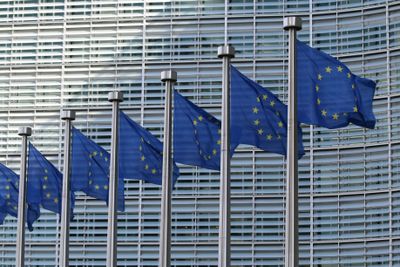
Two decades ago, the European Union welcomed ten new member states, including Cyprus, Czech Republic, Estonia, Hungary, Latvia, Lithuania, Malta, Poland, Slovakia, and Slovenia. This historic expansion not only reshaped the geopolitical landscape of Europe but also holds significance for global politics, economics, and cultural integration. Understanding this event's importance requires recognizing its impact on various fronts, from fostering regional stability to influencing trade dynamics and promoting cross-cultural exchange. Key sub-topics that may interest journalists and the public include: European Integration and Unity: Exploring how the expansion has contributed to the European Union's efforts towards unity, cooperation, and peace among member states. Economic Implications: Analyzing the economic effects of the expansion on both existing and new member states, including trade patterns, investment flows, and disparities in development. Political Dynamics: Investigating the political changes within the European Union, such as shifts in power dynamics, decision-making processes, and the challenges of governance in a larger union. Cultural Exchange and Identity: Examining the cultural exchange and diversity resulting from the inclusion of new member states, and how it has enriched the European cultural tapestry. Challenges and Achievements: Assessing the successes and ongoing challenges faced by the European Union post-expansion, including issues related to migration, integration, and institutional reforms. Future Prospects: Speculating on the future of the European Union, considering factors like potential further expansions, the rise of Euroscepticism, and the Union's role in global affairs. The 20th Anniversary of the Expansion of the European Union marks a significant milestone in the continent's history, offering journalists and the public alike a chance to reflect on the achievements, challenges, and the future trajectory of European integration. Connect with an Expert about the EU: Carolyn Dudek Professor of Political Science · Hofstra University Dr Martin Brenncke Lecturer in Law · Aston University David R. Dorondo Professor · Western Carolina University To search our full list of experts visit www.expertfile.com Photo Credit: Guillaume Périgois

#ExpertSpotlight: 10th anniversary of Flint, MI, water crisis beginning
The 10th anniversary of the Flint, MI water crisis marks a pivotal moment in environmental justice and public health awareness. This event matters deeply to the public as it sheds light on systemic failures in infrastructure management, government accountability, and the disproportionate impacts of environmental hazards on marginalized communities. Here are several sub-topics that could be of interest to a broad audience: Health Impacts and Long-term Consequences: Explore the lingering health effects on residents exposed to lead-contaminated water, including neurological disorders, developmental delays, and mental health challenges. Government Response and Accountability: Investigate the role of local, state, and federal authorities in addressing the crisis, including accountability measures taken against officials responsible for the negligence and mismanagement. Community Resilience and Activism: Highlight the resilience of Flint residents and grassroots organizations in advocating for clean water access, demanding justice, and implementing community-led solutions. Infrastructure Challenges Nationwide: Examine the broader implications of Flint's water crisis on infrastructure investment, maintenance, and regulation across the United States, particularly in aging urban areas. Policy Reforms and Prevention Efforts: Discuss policy reforms enacted post-crisis to prevent similar incidents, such as improvements in water quality testing, infrastructure upgrades, and measures to ensure environmental justice. Legacy of Environmental Injustice: Analyze the broader socio-economic factors contributing to environmental injustices like the Flint water crisis, including racial disparities in access to clean water and the intersectionality of poverty and environmental hazards. This anniversary presents an opportunity for journalists to revisit the ongoing repercussions of the Flint water crisis, amplify the voices of affected communities, and advocate for sustainable solutions to prevent similar tragedies in the future. Connect with an Expert about the Flint, MI water crisis: To search our full list of experts visit www.expertfile.com Gerald Kauffman Project Director, Water Resources Center, Institute for Public Administration; Assistant Professor, Biden School of Public Policy and Administration · University of Delaware Viviane Yargeau Professor, Department of Chemical Engineering · McGill University Jared L. Cohon University Professor · Carnegie Mellon University Joe Brown Assistant Professor, Environmental Engineering · Georgia Tech - COE For journalists with questions or looking to cover the streaming wars, here is a select list of experts. Photo Credit: Bruno Guerrero

Covering the tensions in the Middle East - our experts are here to help with your stories
Photo credit: Timon Studler With escalating tensions in the Middle East, the situation seems to be changing on a daily basis. Robert Rabil, Ph.D., is an expert in political Islam, terrorism, U.S. foreign policy, and U.S.-Arab relations at Florida Atlantic University, and can speak about the current climate in the region, as well as offer expertise on its deep history. Simply click on Rabil’s icon now to arrange a time to speak to him.


Covering 4/20? Our experts can help you see through the smoke | Media Advisory
As 4/20 approaches, the spotlight once again turns to the evolving landscape of marijuana legalization and its broader societal impacts. This annual observance not only marks a cultural moment for cannabis enthusiasts but also prompts discussions about the legal, economic, and public health implications of marijuana use in the United States. Here are key story angles for journalists to explore: Legalization efforts and state-by-state updates: Tracking the progress of marijuana legalization initiatives across the country and analyzing the legal frameworks governing recreational and medicinal cannabis use. Economic opportunities and challenges: Investigating the economic impact of the cannabis industry, including job creation, tax revenue generation, and business opportunities, as well as regulatory hurdles and market fluctuations. Social justice and equity in cannabis legalization: Examining efforts to address historical inequities in drug enforcement and incarceration through policies such as expungement, social equity programs, and community reinvestment. Public health and safety considerations: Assessing the health effects of marijuana use, the regulation of cannabis products, and efforts to mitigate potential risks such as underage consumption and impaired driving. Cannabis culture and mainstream acceptance: Exploring the evolving perceptions of marijuana in society, including trends in consumption habits, cannabis tourism, and its portrayal in media and popular culture. International perspectives on marijuana policy: Comparing approaches to marijuana legalization and regulation in other countries and evaluating lessons learned for U.S. policymakers and stakeholders. Connect with an Expert about Marijuana in America: For journalists with questions or looking to cover the streaming wars? here is a select list of experts. To search our full list of experts visit www.expertfile.com Robert Mikos Professor of Law · Vanderbilt University Michael Ostrowsky Professor of Sociology · Southern Utah University Jennifer Whitehill Associate Professor of Health Policy and Management · University of Massachusetts Amherst Daniele Piomelli Distinguished Professor · UC Irvine Almut Winterstein Distinguished Professor · University of Florida Photo Credit: Dylan Mullins