
Experts Matter. Find Yours.
Connect for media, speaking, professional opportunities & more.

Kelley expert available to discuss Bernard Madoff's legacy, long-term effect of his scheme
Bernard “Bernie” Madoff, convicted architect of an infamous and epic securities Ponzi scheme with thousands of investors, died behind bars on April 14 at the age of 82. Noah Stoffman, an associate professor of finance and Weimer Faculty Fellow at the Indiana Kelley School of Business, has researched the effect of such fraud beyond the direct investments that were lost by victims. His 2018 paper, “Trust Busting: The Effect of Fraud on Investor Behavior,” co-authored with professors at Cornell University and the University of Texas-Dallas, showed that the collapse of the Madoff Ponzi scheme had an effect not only on his many direct victims, but also on the general level of trust in financial services. “People who live in the same areas as victims of the fraud withdrew assets from investment advisers and increased their deposits in banks. Financial advisers in these areas were also more likely to close. Our analysis shows that advisers who provided services that can build trust—such as financial planning advice—saw lower levels of withdrawals. Our evidence suggests that this decline in trust shock was transmitted through social networks,” Stoffman said. Stoffman’s research focuses on the investment decisions of professional money managers and individual investors, and on the effect of technological innovation on asset prices. Much of his work highlights the importance of social interaction in the spread of information in financial markets. Stoffman teaches courses on analysis of financial data to undergraduates, MBAs, and doctoral students at the Kelley School. He can be reached at 812-955-1758 (m) or nstoffma@indiana.edu.

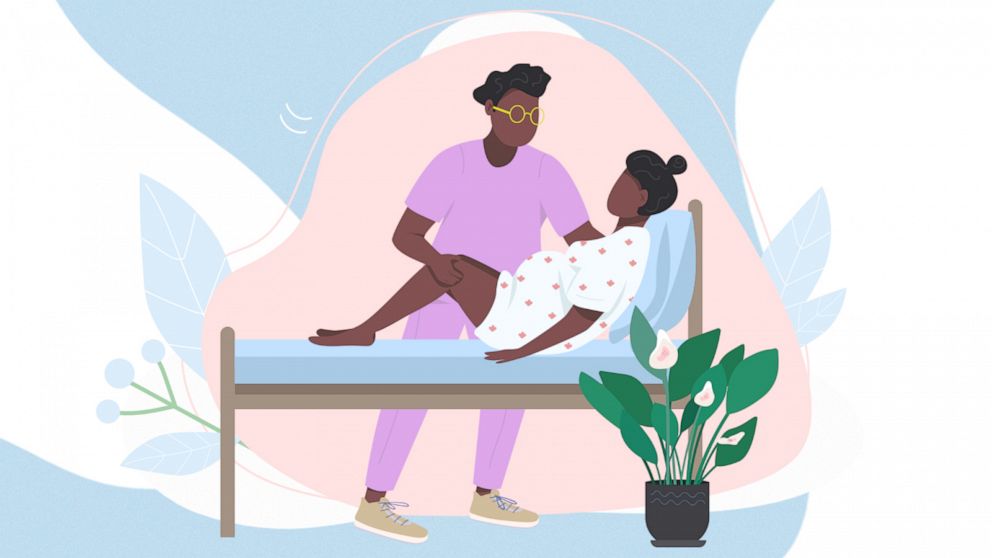
Earlier this week, President Joe Biden proclaimed that April 11 thru 17 would be Black Maternal Health Week in America. In Georgia, the state has consistently been ranked as one of the most dangerous places in this country to be a new mother. Approximately 26 Georgia women die from pregnancy complications for every 100,000 live births, compared to the national average of about 17 women. But even more devastating is the fact that about 60% of the state’s maternal deaths between 2012 and 2016 were found to be preventable, according to the Georgia Department of Public Health. And the mortality rates are much more tragic for Black women in Georgia. African American women are almost three times more likely to die from a pregnancy-related cause than white women in Georgia. Black mothers in rural areas of Georgia are at an even higher risk. “Maternal and infant mortality are really significant indicators of the quality of health in any area, so my colleagues around Georgia really felt challenged to do something that we hadn’t done in a long time in our state, which was to get the data,” says Dr. Chad Ray. “Because you can’t really fix something unless you know who and why. And then you assemble the stakeholders to formulate a plan to make a dent and to move the needle on something that is just so important.” This is an important topic that impacts mothers in Georgia and across the entire United States. And if you are a journalist looking to cover this topic – then let us help. Dr. Chad Ray is the Interim Section Chief of the Department of Obstetrics and Gynecology at the Augusta University Medical Center. He is an expert in the areas of maternal mortality & global women's health initiatives. Dr. Ray is available to speak with media about Black Maternal Health Week - simply click on his icon now to arrange an interview today.



Public health education soars in wake of pandemic
Maybe a silver lining can be found from the COVID-19 pandemic, as interest in public health education is soaring at U.S. colleges and universities, says a nationally prominent public health professor. Public health education has become a logical choice for students when looking at changing public health practice trends and their implications for public health education, explained Gulzar Shah, Ph.D., who authored an invited editorial in the March issue of the American Journal of Public Health (AJPH). Shah is department chair and professor of health policy and community health in Georgia Southern University’s Jiann-Ping Hsu College of Public Health. His editorial is titled “Public Health Education and Changing Public Health Realities in the Public Health 3.0 Era.” “For many of the 19 million college students enrolling annually in public and private colleges in the United States, public health is becoming a logical choice,” he said. “Because of COVID-19, interest in public health careers is soaring, evident from the 20% increase nationwide in Master of Public Health applicants.” The editorial also drew insights from the Association of Schools and Programs of Public Health’s national-level data from schools and programs of public health about the first employment destinations of public health graduates. “The emphasis on aligning public health practice and policy with the Public Health 3.0 framework, in which leaders partner across various sectors to address social, environmental and economic factors that affect population health and health inequity, has attracted the spotlight on generalist, behavioral education and health policy degrees,” Shah noted. “The Public Health 3.0 framework has also underscored the desirability of adopting the Health in All Policies approach and encouraging public health leaders to act as chief health strategists in influencing policies in other sectors affecting population health. Increasing focus on Health in All Policies and higher salary positions in health care may further explain the popularity of health policy and management and health law programs.” If you are a journalist looking to know more about Dr. Shah’s work, and the importance public health education in America of the programs Georgia Southern is offering – then let us help. Dr. Gulzar H. Shah is a Professor and Department Chair, Health Policy and Community Health at the Jiann-Ping Hsu College of Public Health (JPHCOPH), Georgia Southern University. He is available to speak with media regarding this important topic - simply click on his icon now to arrange an interview today.


Kids in School: 3 Feet Apart or 6 Feet?
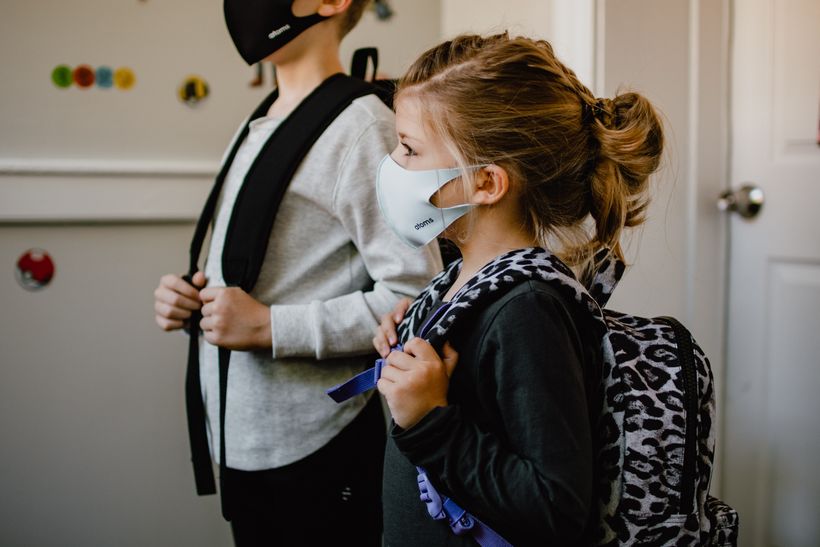
The Centers for Disease Control and Prevention (CDC) recently published updated guidelines for elementary schools, "now [recommending] that, with universal masking, students should maintain a distance of at least 3 feet in classroom settings" as opposed to the previous recommendation of 6 feet. While many have had strong reactions for and against this updated guidance, immunologist Joseph Comber, PhD, an associate teaching professor of biology at Villanova University, wants to add nuance to the conversation. On the one hand, Dr. Comber notes, when the CDC updates health and safety guidelines, the public can trust that as more information and data become available, the science behind the updates becomes more accurate. He stresses that studies "showed no difference in transmission between kids kept 3 feet apart or 6 feet apart in schools." Plus, Comber says, "we already know that kids younger than 10 and 11 are less likely to spread the virus than older kids and adults." However, Dr. Comber cautions that the subjects of the study followed "strict mask guidance and adherence to masking. We don't know what happens if schools enforce 3 feet of distance but are not strict with masking." He also points out that where the study was done can have an impact on the results. Comber emphasizes that "community spread is most important to the specific community and, as we've seen so far, different states and regions can spike with infections at different times." He wonders "if this is especially true in areas that have higher virus circulation than others." Dr. Comber notes that these guidelines are for elementary schools only, with one rather large caveat: "children are increasingly being infected." Another concern with these shifting regulations is whether they will impact public trust. Villanova professor Jie Xu, PhD, is an expert on science and health communications. Her concern about this change is minimal "because science is evolving." She emphasizes that "we need to be able to revise conclusions when new evidence comes in," and she sees the country's "highly politicized environment" as something to be taken more seriously, when it comes to public health. Dr. Xu cites "rising distrust in authorities and institutions (which has been going on for quite some time)" and notes that, when it comes to the nation’s children, in-person versus virtual schooling is a "highly charged issue." In the end, according to Dr. Comber, "it remains to be seen what happens when kids are packed 3 feet into classrooms on a broad scale."


The aftermath of a mass shooting in America
Last week America was shocked by two major mass shooting events in a week. Almost 20 people were killed and so many more will suffer the short- and long-term effects of these tragic and violent events. According to recent media reports, though the election and a full year of COVID-19 dominated news coverage, 2020 was one of the deadliest years for gun violence in decades. Until two lethal rampages this month, mass shootings had largely been absent from headlines during the coronavirus pandemic. But people were still dying — at a record rate. In 2020, gun violence killed nearly 20,000 Americans, according to data from the Gun Violence Archive, more than any other year in at least two decades. An additional 24,000 people died by suicide with a gun. The vast majority of these tragedies happen far from the glare of the national spotlight, unfolding instead in homes or on city streets and — like the Covid-19 crisis — disproportionately affecting communities of color. March 23, Washington Post And as America carries on and moves forward, the survivors, witnesses and families of those killed will be adapting to a new life and a multitude of physical and psychological challenges. If you’re a reporter looking to cover the issues survivors of mass-shooting events will experience, then let us help. Dr. Laura C. Wilson is a clinical psychologist whose expertise focuses on post-trauma functioning, particularly in survivors of sexual violence or mass trauma (e.g., terrorism, mass shootings, combat). Her research interests extend to predictors of violence and aggression, including psychophysiological and personality factors, as well as indicators of PTSD following mass trauma, long-term functioning among first responders, outcomes among survivors of sexual violence, and the influence of media on mental illness stigma. Dr. Wilson is available to speak with media – simply click on her icon to arrange an interview today.


Ask the Expert: Vaccine myths and scientific facts
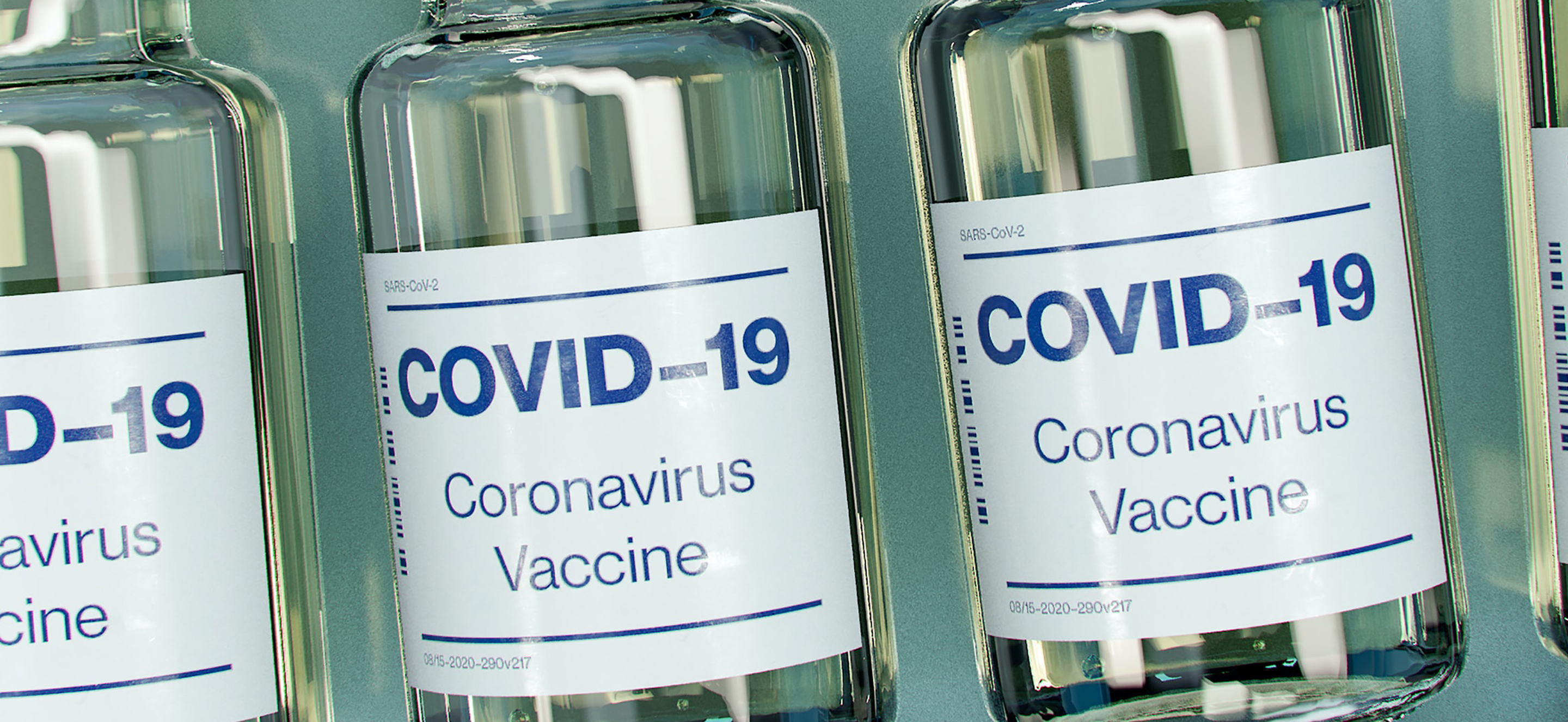
Now that there are authorized and recommended COVID-19 vaccines, it is critical people receive accurate information. Peter Gulick, professor of medicine at the Michigan State University College of Osteopathic Medicine and infectious disease expert, reviews some myths about the vaccine and counters these with scientific facts. Myth: The COVID-19 vaccines were developed in a rush, so their effectiveness and safety can’t be trusted. Fact: Studies found that the Pfizer/BioNTech and Moderna are both about 95% effective compared to the influenza vaccine, which ranges from being 50% to 60% effective each year. The Johnson & Johnson vaccine is 85% effective at curbing serious or moderate illness. The most important statistic is that all three were 100% effective in stopping hospitalizations and death. As of March 9, 2021, the Centers for Disease Control and Prevention reports that 93.7 million people have been vaccinated and all safety data collected from these doses show no red flags. There have been about 5 cases of anaphylaxis, an allergic reaction, per 1 million but this is no different than allergic reactions from other vaccines. There are many reasons why the COVID-19 vaccines could be developed so quickly and here are a few: The COVID-19 vaccines from Pfizer/BioNTech and Moderna were created with a messenger RNA technology that has been in development for years, so the companies could start the vaccine development process early in the pandemic. China isolated and shared genetic information about COVID-19 promptly so scientists could start working on vaccines. The vaccine developers didn’t skip any testing steps but conducted some of the steps on an overlapping schedule to gather data faster. The Pfizer/BioNTech and Moderna vaccines were created using messenger RNA, or mRNA, which allows a faster approach than the traditional way that vaccines are made. Because COVID-19 is so contagious and widespread, it did not take long to see if the vaccine worked for the vaccinated study volunteers. Companies began making vaccines early in the process — even before FDA authorization — so some supplies were ready when authorization occurred. They develop COVID-19 vaccines so quickly also due to years of previous research on the SARS COV-1, a related virus. Myth: The messenger RNA technology used to make the Pfizer/BioNTech and Moderna COVID-19 vaccine is brand new. Fact: The messenger RNA technology behind these two vaccines has been studied and in development for almost two decades. Interest has grown in these vaccines because they can be developed in a laboratory using readily available materials, making vaccine development faster. mRNA vaccines have been studied before for flu, Zika and rabies. Myth: You only need one dose of J&J vaccine so it’s more effective. Fact: Johnson & Johnson’s vaccine uses a different strategy — a weakened cold virus that is reprogrammed to include the code for the spike protein. Once inside the body, the viral genes trigger a similar response against the virus. All three vaccines are considered overall effective and 100% effective in preventing hospitalizations and death. Myth: Vaccine efficacy and effectiveness mean the same thing. Fact: Efficacy and effectiveness do not mean the same thing. “Efficacy” refers to the results for how well a drug or vaccine works based on testing while “effectiveness” refers to how well these products work in the real world, in a much larger group of people. Most people, however, use them interchangeably even though they have different scientific meanings. Myth: The vaccines aren’t effective against new strains of the virus. Fact: Currently, we know both the U.K. strain as well as the South African variant have increased transmissibility of 30% to 50% over the natural strain. As far as an increase in causing more serious disease, it is not known yet. We have over 600 U.K. variants in Michigan and one case of the South African variant, and I just heard of 47 cases of the U.K. variant in Grand Ledge. We (Michigan) are second in the nation in variants, but that's likely because we test for them more. The most important information is that the vaccines, in general, are 100% effective in prevention of hospitalization and death. So, it is felt they all offer some protection against variants to prevent serious disease. As far as the Johnson & Johnson, it was used with variants and has efficacy overall of 72% in U.S., 66% in Latin America and 57% in South Africa (where the main strain is the South African variant). All companies are looking at modifying (their products) (the mRNA) to cover variants and either give a booster or a multivalent vaccine to cover all variants. Myth: There are severe side effects of the COVID-19 vaccines. Fact: The COVID-19 vaccine can have side effects, but the vast majority go away quickly and aren’t serious. The vaccine developers report that some people experience pain where they were injected; body aches; headaches or fever, lasting for a day or two. This is good and are signs that the vaccine is working to stimulate your immune system. If symptoms persist beyond two days, you should call your doctor. Myth: Getting the COVID-19 vaccine gives you COVID-19. Fact: The vaccine for COVID-19 cannot and will not give you COVID-19. The two authorized mRNA vaccines instruct your cells to reproduce a protein that is part of the SARS-CoV-2 coronavirus, which helps your body recognize and fight the virus, if it comes along. The COVID-19 vaccine does not contain the SARS-Co-2 virus, so you cannot get COVID-19 from the vaccine. The Johnson & Johnson vaccine was developed using adenovirus vector technology and also will not give you COVID-19. It shows your immune system a weakened, common cold virus “disguised” as the coronavirus instead. Adenovirus vaccines have been around for about two decades, the same as mRNA vaccines. Johnson & Johnson developed a vaccine for Ebola using this technology. Myth: The vaccines are ineffective against the virus variants. Fact: More time is needed to study the vaccines’ effectiveness against the variants. Studies are now being conducted to determine if a booster dose is needed to protect against the variants or if modifications to the vaccines are needed. Myth: I already had COVID-19 and I have recovered, so I don't need to get the vaccine. Fact: There is not enough information currently available to say if or for how long after getting COVID-19 someone is protected from getting it again. This is called natural immunity. Early evidence suggests natural immunity from COVID-19 may not last very long, but more studies are needed to better understand this. The CDC recommends getting the COVID-19 vaccine, even if you’ve had COVID-19 previously. However, those that had COVID-19 should delay getting the vaccination until about 90 days from diagnosis. People should not get vaccinated if in quarantine after exposure or if they have COVID-19 symptoms. Myth: I won't need to wear a mask after I get the vaccine. Fact: It may take time for everyone who wants a COVID-19 vaccination to get one. Also, while the vaccine may prevent you from getting sick, more research is needed, but early indications show that while the vaccine is effective in reducing transmission, it is possible for a vaccinated person to spread the virus. Until more is understood about how well the vaccine works, continuing with precautions such as mask-wearing and physical distancing will be important. Myth: COVID-19 vaccines will alter my DNA. Fact: The COVID-19 vaccines will not alter any human genome and cannot make any changes to your DNA. The vaccines contain all the instructions necessary to teach your cells to make SARS-CoV-2's signature spike protein, release it out into the body, and your immune system gets a practice round at fighting off COVID-19. Myth: The COVID-19 vaccine can affect women’s fertility Fact: There is currently no evidence that antibodies formed from COVID-19 vaccination cause any problems with pregnancy, including the development of the placenta. In addition, there is no evidence suggesting that fertility problems are a side effect of any vaccine. People who are trying to become pregnant now or who plan to try in the future may receive the COVID-19 vaccine when it becomes available to them but it’s always prudent to consult with your doctor. Myth: The COVID-19 vaccine was developed to control the general population either through microchip tracking or "nanotransducers" in our brains. Fact: There is no vaccine microchip, and the vaccine cannot track people or gather personal information into a database. Myth: The vaccines were developed and produced using fetal tissue. Fact: The vaccines do not contain fetal cells nor were fetal cells used in the production the Pfizer and Moderna vaccines. Johnson & Johnson used human cell lines or also known as cell cultures to grow the harmless adenovirus but did not use fetal tissue. These same cell lines have been used for other vaccines including hepatitis, chickenpox and rabies and have been around for years. Peter Gulick is an associate professor of medicine at Michigan State University, College of Osteopathic Medicine, and serves as adjunct faculty in the College of Human Medicine and the College of Nursing. Dr. Gulick is available to speak with media - simply click on his icon now to arrange an interview today. Peter Gulick is an associate professor of medicine at Michigan State University, College of Osteopathic Medicine, and serves as adjunct faculty in the College of Human Medicine and the College of Nursing. Dr. Gulick is available to speak with media - simply click on his icon now to arrange an interview today.

Immigration history expert can provide insight on anti-Asian racism in the U.S.
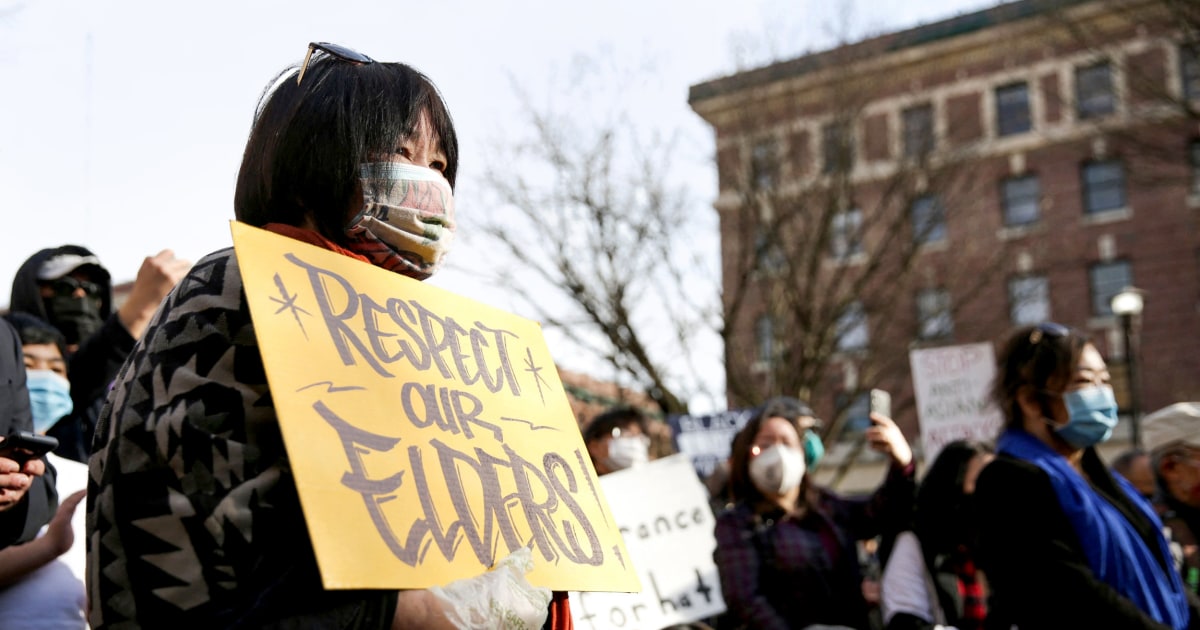
Anti-Asian hate crimes are on the rise in America, and new data has revealed over the past year that the number of these incidents — which can include shunning, verbal harassment and physical attacks — is greater than previously reported. And a disproportionate number have been directed at Asian women, such as the recent Atlanta spa shootings and the assault on an elderly woman in San Francisco. The research released by reporting forum Stop AAPI Hate on Tuesday revealed nearly 3,800 incidents were reported over the course of roughly a year during the pandemic. It’s a significantly higher number than last year's count of about 2,800 hate incidents nationwide over the span of five months. Women made up a far higher share of the reports, at 68 percent, compared to men, who made up 29 percent of respondents. The non-profit does not report incidents to police. The data, which includes incidents that occurred between March 19 of last year and Feb. 28 of this year, shows that roughly 503 incidents took place in 2021 alone. Verbal harassment and shunning were the most common types of discrimination, making up 68.1 percent and 20.5 percent of the reports respectively. The third most common category, physical assault, made up 11.1 percent of the total incidents. More than a third of incidents occurred at businesses, the primary site of discrimination, while a quarter took place in public streets. According to the data, Asian women report hate incidents 2.3 times more than men. A further examination of the submitted reports showed that in many cases, the verbal harassment that women received reflected the very intersection of racism and sexism. March 16 – NBC News If you’re a journalist covering this news story, then let us help. Dr. Krystyn Moon is an expert in U.S. immigration history, popular culture, race and ethnic studies – and is available to speak with media regarding the recent study and the history of the anti-Asian racism and violence in the United States. If you are looking to arrange an interview, simply click on her icon now to book a time today.


What’s it all mean as ‘Big-Tech’ pivots to privacy? Let our Experts help explain if you are covering
The business of the internet as we know it, is about to change. As companies in the past have thrived, boomed, and found serious cash and success harvesting your data – that model may soon be coming to an end. With companies like Google and Apple leading the way, odds are a serious transformation is about to come and the know that notice has been served, it is getting a lot of attention. The decision, coming from the world’s biggest digital advertising company, could help push the industry away from the use of such individualized tracking, which has come under increasing criticism from privacy advocates and faces scrutiny from regulators. Google’s heft means the change could reshape the digital ad business, where many companies rely on tracking individuals to target their ads, measure the ads’ effectiveness, and stop fraud. Google accounted for 52% of last year’s global digital ad spending of $292 billion, according to Jounce Media, a digital ad consultancy. About 40% of the money that flows from advertisers to publishers on the open internet—meaning digital advertising outside of closed systems such as Google Search, YouTube, or Facebook—goes through Google’s ad buying tools, according to Jounce. March 03 – The Wall Street Journal. But what will this mean for powerhouses like Facebook or the multitude of apps and carriers who rely on data, and the money that comes with it to succeed? What lies ahead will be interesting, and if you are a journalist looking to cover this topic – then let our experts help. Vilma Todri is an Assistant Professor of Information Systems & Operations Management at Emory University’s Goizueta Business School. Previously, she worked for Google where she was developing integrated cross-platform advertising strategies for large business clients that partnered with Google and recently wrote a comprehensive paper on this very topic. Vilma is available to speak with media about this subject – simply click on her icon now to arrange an interview today.



Fewer cars, but more fatalities - What's happening on America's pandemic roadways
Fewer vehicles are traveling on America's roadways during the ongoing coronavirus pandemic, but the number of fatal car crashes in 2020 increased exponentially compared to the same time period in 2019. UConn expert Eric Jackson, a research professor and director of the Connecticut Transportation Safety Research Center, and behavioral research assistant Marisa Auguste examined the increase in a recent essay published by The Conversation: Curious about traffic crashes during the pandemic, we decided to use our skills as a social scientist and a research engineer who study vehicle crash data to see what we could learn about Connecticut’s traffic deaths when the stay-at-home orders first went into place last March. A partnership between the Department of Transportation, local hospitals and the University of Connecticut discovered what many people intuitively knew: Traffic volume and multivehicle crashes fell significantly during the stay-at-home order. Statewide, daily vehicle traffic fell by 43% during the stay-at-home order compared to earlier in the year, while mean daily counts of multivehicle crashes decreased from 209 before the stay-at-home order to 80 during lockdown. What was unexpected, however, was the significant increase in single-vehicle crashes, especially fatal ones. During the stay-at-home period, the incidence rate of fatal single-vehicle crashes increased 4.1 times, while the rate of total single-vehicle crashes was also up significantly. Data about all crash types in the state, whether single- or multivehicle, tell a similar story. Although preliminary, police reports have placed the 2020 year-end total for traffic deaths at 308, a 24% increase from 2019. While the researchers said that it's unclear why this counterintuitive increase in fatalities on the roads has occurred, their advice to drivers? "Check your speed" and "don't drive angry." If you are a journalist looking to know more about this topic, let us help. Simply click on Eric Jackson’s icon to arrange an interview today.


Ten Years Later: Japan Society Remembers the Great East Japan Earthquake (3.11)
To Mark the 10th Anniversary of the Triple Disaster, Japan Society Will Present Programming Reflecting Upon the Aftermath, Recovery and Spirit of Resiliency After the Great East Japan Earthquake, tsunami and nuclear disaster devastated the Tohoku region of northeastern Japan on March 11, 2011 (3.11), Japan Society's Japan Earthquake Relief Fund (JERF) raised over $14 million from more than 24,600 donors from all 50 U.S. states and 55 countries, the largest amount raised by a nonprofit not specializing in disaster and emergency relief and the 7th largest fundraising campaign by a U.S. nonprofit organization. Through a series of events and videos leading up to the 10-year anniversary of 3.11, Japan Society invites our community to remember those who were lost, and to look toward Tohoku’s continued recovery. We also extend our sincere appreciation to all who donated to the Japan Earthquake Relief Fund (JERF), which was launched by Japan Society the day after the tragic events of 3.11. Since 2011, JERF has funded more than 65 grant projects and 45 organizations supporting Tohoku’s immediate relief and reconstruction efforts as well as the mid- to long-term recovery of these communities. In 2021, Japan Society has earmarked the remaining funds to support additional projects facilitating community-building and economic recovery in disaster-hit areas where challenges have become further exacerbated by the onset of the global pandemic and additional disasters that most recently struck the region on February 13. More information on these organizations and projects is available here. To mark the 10th anniversary of the triple disaster, Japan Society will report back on how JERF grants have contributed to Tohoku’s recovery, and highlight stories of what was witnessed in the aftermath of 3.11, including Tohoku’s resiliency, the bravery and initiative of all who responded to unprecedented challenges, the strength of U.S.-Japan relations, and the spirit of human generosity and goodwill. As we remember and draw lessons from the events of 3.11, we hope to nurture hope for the future of Tohoku and the world. “2021 is a year to reflect on resilience and recovery as we navigate the challenges of the COVID-19 pandemic and remember not just the tragedy of 3.11, but the strength of the Japanese people and the generosity of the world in its aftermath,” said Japan Society President and CEO Joshua W. Walker, Ph.D. “As we mark the 10-year anniversary of these events, we honor those who were lost, and extend our gratitude to the individuals and organizations who offered their support, including the donors to our relief fund.” Events include a contemporary theater performance “Ludic Proxy: Fukushima,” held live on March 6, 7 & 11 and available on demand from March 12 - 16. This video adaptation of Brooklyn-based theater-maker Aya Ogawa’s play Ludic Proxy follows a woman visiting her older sister, who lives on the outskirts of the Fukushima nuclear evacuation zone. The interactive play, which features a unique element of audience participation, explores the theme of human survival in the face of disaster. Taking advantage of our expertise in bringing together American and Japanese experts, a live U.S.-Japan symposium on March 9, 7-9pm EST, “Resilience & Recovery: A U.S.-Japan Dialogue Ten Years after 3.11”, will feature leading voices from Tohoku, Japan and the U.S. to discuss lessons learned from 3.11 on resilience and recovery from catastrophes. The symposium will be co-hosted with JERF recipient, ETIC., a Japanese nonprofit dedicated to nurturing social entrepreneurs and recovery efforts in Tohoku. As its first exhibition upon reopening to the public, Japan Society will also present When Practice Becomes Form: Carpentry Tools from Japan opening on March 11th. The exhibition celebrates the resilient spirit of Japanese architecture and craftsmanship through woodworking tools, architectural patterns, and models. The site-specific exhibition design, conceived by the esteemed architect Sou Fujimoto in collaboration with Brooklyn-based Popular Architecture, introduces major themes from the exhibition and is in dialogue with the gallery’s spaces, highlighting an enduring connection between traditional Japanese wooden construction and modern architecture. Viewing is available every Thursday through Sunday with advance timed-entry ticket reservations online. Further digital features include: Testimonials on the impact of JERF’s support from recipients and participants in fund-supported programs; A special season of Japan Society’s Tea Time series featuring six short interviews with key leaders from the U.S. and Japan including former U.S. Ambassador John V. Roos and retired General Ryoichi Oriki on their responses and lessons learned from the disaster; Dialogues between social entrepreneurs from Tohoku and their counterparts in New Orleans, LA and Wilmington, OH to discuss their work in using data, nurturing social entrepreneurship, and rebuilding communities recovering from natural disasters and economic crisis. These conversations feature alumni from “U.S.-Japan Leaders Exchange: Three-Year Training & Networking Program for Leaders in Tohoku’s Recovery and Reconstruction,” a multi-year program organized by Japan Society and ETIC from 2013-16. For a full list of programs and more information about JERF and the fund recipients, visit the Japan Society webpage. About Japan Society Founded in 1907, Japan Society in New York City presents sophisticated, topical and accessible experiences of Japanese art and culture, and facilitates the exchange of ideas, knowledge and innovation between the U.S. and Japan. More than 200 events annually encompass world-class exhibitions, dynamic classical and cutting-edge contemporary performing arts, film premieres and retrospectives, workshops and demonstrations, tastings, family activities, language classes, and a range of high-profile talks and expert panels that present open, critical dialogue on issues of vital importance to the U.S., Japan and East Asia. Japan Society is located at 333 East 47th Street between First and Second avenues (accessible by the 4/5/6 and 7 subway at Grand Central or the E and M subway at Lexington Avenue). www.japansociety.org

