
Experts Matter. Find Yours.
Connect for media, speaking, professional opportunities & more.

What Does the GameStop Buying Spree Tell Us?
Villanova School of Business assistant professor Keith Wright was in the chat rooms when individual investors were discussing pumping up the GameStop stock and forcing the hedge fund shorts to have to cover, losing millions of dollars. "At the time, David was clearly beating Goliath," says Wright, adding that some of the young people on Reddit had done extremely well. "They made significant money on their investments. Some of them were a little late; you don’t want to be the last one in who takes the position at the top." He adds, "I have a feeling that this may actually be something revolutionary, and we're seeing the bottom of the pyramid—which is Generation Z, the Millennials, the Robin Hood investors—really changing the game." "Going forward, you've got this group that's collaborating, and that makes them extremely powerful," says Wright. "If they all follow each other into a position, they can really move markets in any direction they choose... Are they powerful enough as a group to defeat the hedge funds? Now, maybe they win this battle and they lose the war. Or maybe they win this battle and they decide to try a couple of others. This is not the only occurrence; this is one stock, but it's happening in a couple of other positions as well." As to whether a group of people should have this type of an effect on the stock market, Wright suggests that maybe it's a good thing. "We live in an economy where wealth is very unbalanced. You have a lot of people at the very top who are doing extremely well. But there is some inequity, and these short sellers used to crush the average retail investor, but no longer. Maybe this will create some equity, and maybe it will even the playing field a little bit."


Consumer Behavior Has Shifted Significantly During Pandemic, Survey Reveals
The COVID-19 pandemic has brought about significant shifts in people’s behaviors, from a sharp increase in telework and online commerce, to a significant decrease in the number of personal trips people make. Understanding the effects of these rapid changes on the economy, supply chains, and the environment is essential, as some of these behaviors will continue even after the pandemic has ended. José Holguín-Veras, the director of the Center for Infrastructure, Transportation, and the Environment at Rensselaer Polytechnic Institute, is part of a research team conducting a series of surveys in an effort to quantify and understand these unprecedented shifts. For instance, according to the team’s surveys, the number of monthly work trips people made during the start of the pandemic decreased by 60%. Post-pandemic, respondents believe they will still be making fewer work trips than before, down by 8.2%. Monthly grocery store trips decreased by 41.6% when the pandemic happened, with some people shopping less frequently and others shifting to grocery purchases online. Post-pandemic, survey respondents expect to return to the grocery store more often, but still less than before the pandemic began, by about 8.2%. In contrast, monthly delivery of groceries increased by 132.2% during the pandemic, a trend that may not disappear once the pandemic is over. Respondents expect that post-pandemic, their monthly grocery deliveries will still be 63.8% higher than before COVID-19. While all package deliveries increased during this pandemic period, the grocery delivery increase was the largest. The researchers hope their findings help policymakers develop future policies to offset not just the effects of COVID-19, but also the lasting changes that may result even after the pandemic has ended. Holguín-Veras is available to talk about the research team’s findings, and the importance of understanding these significant shifts.


Savannah is drenched in history, but many of the city’s stories often go untold. Four Georgia Southern University history students aim to shed light on these untold stories as a part of their project, Savannah History Remix. The project, developed by graduate students Lauren Della Piazza Hartke, R. Dalton Bryant, Noah Prince, and Dalton Blackmon, is a series of walking tours featuring lesser-known stories of Savannah’s history. “The walking tours seemed like the safest bet and a good opportunity to learn some digital skills,” said Assistant Professor of history Alena Pirok, Ph.D., who is overseeing the project. “The tours intend to bring new and useful historical information to the city, its residents and the historical tourism industry.” When the project began, the students identified subjects not found on commercial tours of Savannah, including modern immigration, laborers, common people of Savannah and the LGBTQ community. Hartke created the tour, “A Seat at the Table: A Social History of Savannah’s Foodways,” which revolves around the culinary history of the city. “My goal for this project was to show how Savannah’s food scene today is the product of many years of input and contribution from many different subgroups of peoples,” she said. “I want people to understand how our notion of southern food is the product of English, West African and Native American foodways, combined with regional practices unique to Savannah’s economy and ecology.” Pirok said the Savannah History Remix tours have more freedom than commercial tours. “A non-profit tour like ours does not have to worry about losing customers and money,” she said. “This gives us the freedom to take more risks and to offer new, but academically sound, historical narratives that people do not find familiar or ones that might challenge their vision of the world.” Despite COVID-19, students at Georgia Southern University are combining innovation, technology and creativity to see the projects they want to fulfill come to fruition. If you’re a journalist looking to know more about the Savannah History Remix or similar projects, simply reach out to Georgia Southern Director of Communications Jennifer Wise at jwise@georgiasouthern.edu to arrange an interview today.


Cheap Energy Can Be a Bridging Fuel Needed to Get to the Endpoint of Renewable Energy Sooner
Far from banning fracking, the Biden/Harris ticket appears to be allowing it if not tacitly supporting it. This is not a contradictory stance to their aggressive renewable energy policy, according to Scott Jackson, a visiting professor of chemical and biological engineering at Villanova University's College of Engineering, who previously directed the microbial enhanced oil recovery program at DuPont Corporation. "Rather, it is recognition that cheap energy—especially natural gas produced as a result of fracking—can be a bridging fuel needed to get to the end point of renewable energy sooner," Jackson says. No one can dispute that the share of our energy coming from less efficient/more polluting coal has dropped dramatically despite the current administration’s attempts at supporting the coal industry. The reason is obvious—cleaner burning energy (less CO2 emissions) from gas fired turbine generators make more economic sense. Gas fired turbine generators are economical at a smaller scale and provides an energy source that can be rapidly turned on or off at any time. This helps to counterbalance the intermittency of renewable energy and, in some sense; this has allowed greater adoption of renewable energy. The cheapest energy source on the planet is land based wind power. The market has responded to this and now renewables make up 19 percent of our electricity. This percentage was thought to be impossible just a few years ago. Wind power energy payback time (time needed to recoup the energy invested) is measured in months and not years, and investors understand this. A much greater share of renewables (wind and solar) is very doable and makes economic sense. Jackson notes that development of cheap energy storage technology will help and must be implemented once economies of scale are achieved, however, a national power grid capable of moving energy from the wind- and sun-rich Midwest to the West Coast and East Coast will improve the reliability of renewables to the point where as much as 70% of our electricity can be sourced renewably—without new storage capacity (2018 study by the National Renewable Energy Laboratory). Improvements in battery technologies and economy of scale are starting to drive down the costs of electric transportation and storage. Eventually, natural gas sourced power generation will not be competitive to renewables," notes Jackson. "Despite the current low price of gasoline, in part as a result of fracking used in oil fields, electric cars are far more economical to operate. Companies like BP, Exxon-Mobile and Shell recognize that they are energy companies and are pivoting to more renewable sources of energy. "Ultimately, our government has a responsibility to invest in the technologies of the future that make economic sense—as renewables do—and not support the more costly and outdated fossil fuel industry," says Jackson.
A record number of female candidates are running in 2020
It’s been a full century since the 19th Amendment was passed in the United States, giving women the right to vote. This year, women are not only casting their ballots - they're appearing on them in record numbers. A record number of women are running for Congress this year, boosted in part by a surge of Republican women seeking office in a party struggling to regain lost ground with female voters. The influx adds to the advances female candidates — mostly Democrats — made in the 2018 midterm election that helped reshape the makeup of Congress. It also has echoes in the presidential race, based on voting patterns from two years ago and Democrat Joe Biden’s lead in polls over President Donald Trump among female voters. Biden has vowed to pick a woman as running mate. As of July 1, 574 women had filed to run in primaries for U.S. House seats, topping the record 476 from two years ago, according to data compiled by the center. Another 58 women filed to run for the Senate, compared with 53 in 2018. In all, that’s a 20% increase in women making congressional bids. July 13 – Providence Journal It is an impressive number and one every American should be proud of. But there are a few questions that still need to be asked. With close to 220 GOP women vying for a seat in Congress – has the party that traditionally does not have the support of women voters finally changed its course? Are female candidates motivated by the need to change when it comes to key issues like health care, the environment, and the economy? If you are a journalist looking to cover the increased number of females running for elected office this November – then let our experts help. Dr. Rosalyn Cooperman, associate professor of political science at the University of Mary Washington and member of Gender Watch 2018, is an expert on women in politics. She is available to speak with media regarding this topic – simply click on her icon to arrange an interview.


With an economy on life support – is inflation inevitable?
As countries around the globe are flooding their respective economies with enough cash to hold back the financial tsunami that could be felt by COVID-19 … will all that cash inevitably come with an unfortunate consequence like inflation? Those who work the markets and do their best to see into the future … think so. With the world economy forecast to shrink 6% this year, it may seem like a strange time to fret about inflation. And sure enough, market-based gauges suggest an uptrend in prices may not trouble investors for years. U.S. and euro zone inflation gauges indicate that annual price growth will be running at barely over 1% even a decade from now. So if inflation really is, as the IMF put it in 2013, “the dog that didn’t bark”, failing to respond to all the central bank money-printing unleashed in the wake of the 2008-9 crisis, why should investors prepare for it now, especially as demographics and technology are also conspiring to tamp down inflation across the developed world? The answer is that some think the dog really will bark this time, partly because - unlike in the post-2008 years - governments around the world have also been rolling out massive spending packages, in a bid to limit the impact of the coronavirus pandemic. “We will be pushing, pushing, pushing on the string and dropping our guard, then 3-5 years from now...that’s when the (inflation) dog will start barking,” said PineBridge Investments’ head of multi-asset Mike Kelly, who has been buying gold on that view. “Gold worries about such things long in advance. It has risen through this coronavirus with that down-the-road-risk top of mind,” he added. June 22 - Reuters It’s a daunting and stressful scenario. How much inflation could America expect and what would it mean to household incomes and spending? What industries would be further devastated by this? Is there any way to reverse inflation or is there an upside to it for some? If you are a reporter covering this topic – then let our experts help. Jeff Haymond, Ph.D. is Dean, School of Business Administration and a Professor of Economics at Cedarville and is an expert in finance and trade. Dr. Haymond is available to speak with media regarding this topic – simply click on his icon to arrange an interview.


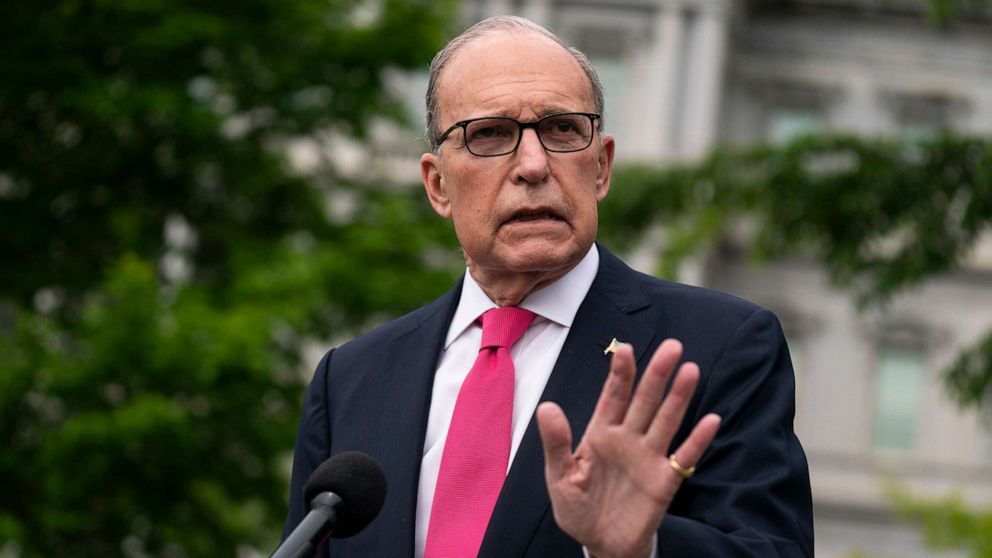
FAU College of Business Experts Available to Discuss May Unemployment Numbers
Professors in Florida Atlantic University’s College of Business are available to discuss U.S. unemployment figures that are scheduled to be released by the Bureau of Labor Statistics on Friday, June 5. The U.S. unemployment rate jumped to 14.7 percent in April in response to the coronavirus pandemic. It’s the highest level since the Great Depression, and analysts fear it could be years before the economy fully recovers. If you are a journalist covering this important story about employment and the economy of Florida and America – let our experts help. Rebel Cole, Ph.D., a Lynn Eminent Scholar Chaired Professor of Finance, has expertise in financial institutions, commercial banking and small business finance. He spent 10 years working in the Federal Reserve System. Cole has been interviewed by numerous national media outlets, such as The Wall Street Journal and The Palm Beach Post. William Luther, Ph.D., an assistant professor in FAU’s Economics Department, has expertise in economic growth, monetary policies, business cycles and cryptocurrencies. He has authored more than two dozen articles. Luther’s research has obtained media interest across the nation, including recent coverage by Politico and Florida Trend. Both Professor Cole and Luther are available to speak with media – simply click on either expert’s icon to arrange an interview today.


Governmental response to the pandemic shuttered much of the regional economy toward the end of the first quarter of 2020, stated Michael Toma, Ph.D., Fuller E. Callaway professor of economics, in Georgia Southern University’s Q1 2020 Economic Monitor. Economic growth ground to a halt as seven of the eight indicators of current economic activity in the region fell. Significant declines were recorded in airplane boardings, hotel sales and port activity. The business forecasting index fell sharply in the first quarter, as initial claims for unemployment insurance skyrocketed during the last week of March. All six leading indicators declined, and further signs of economic damage will be forthcoming in second quarter data, noted Toma. “Looking ahead, the regional economy will experience sharp contraction in the second quarter, likely extending into the third quarter of 2020,” he continued. “The speed of rebound and recovery will be influenced primarily by how people react to governmental easing of restrictions on business activity. More substantial economic recovery will be delayed until such time that business owners, employees and consumers develop a greater level of comfort interacting with each other in the public domain.” If you are a reporter looking to know more about the Georgia economy, including areas such as: Regional expansion Employment trends Tourism and Expected deterioration of local business Then let our experts help with your coverage. Michael Toma, Ph.D., is Georgia Southern University's Fuller E. Callaway professor of economics and is available to speak with media about this topic – simply click on his icon to arrange an interview.

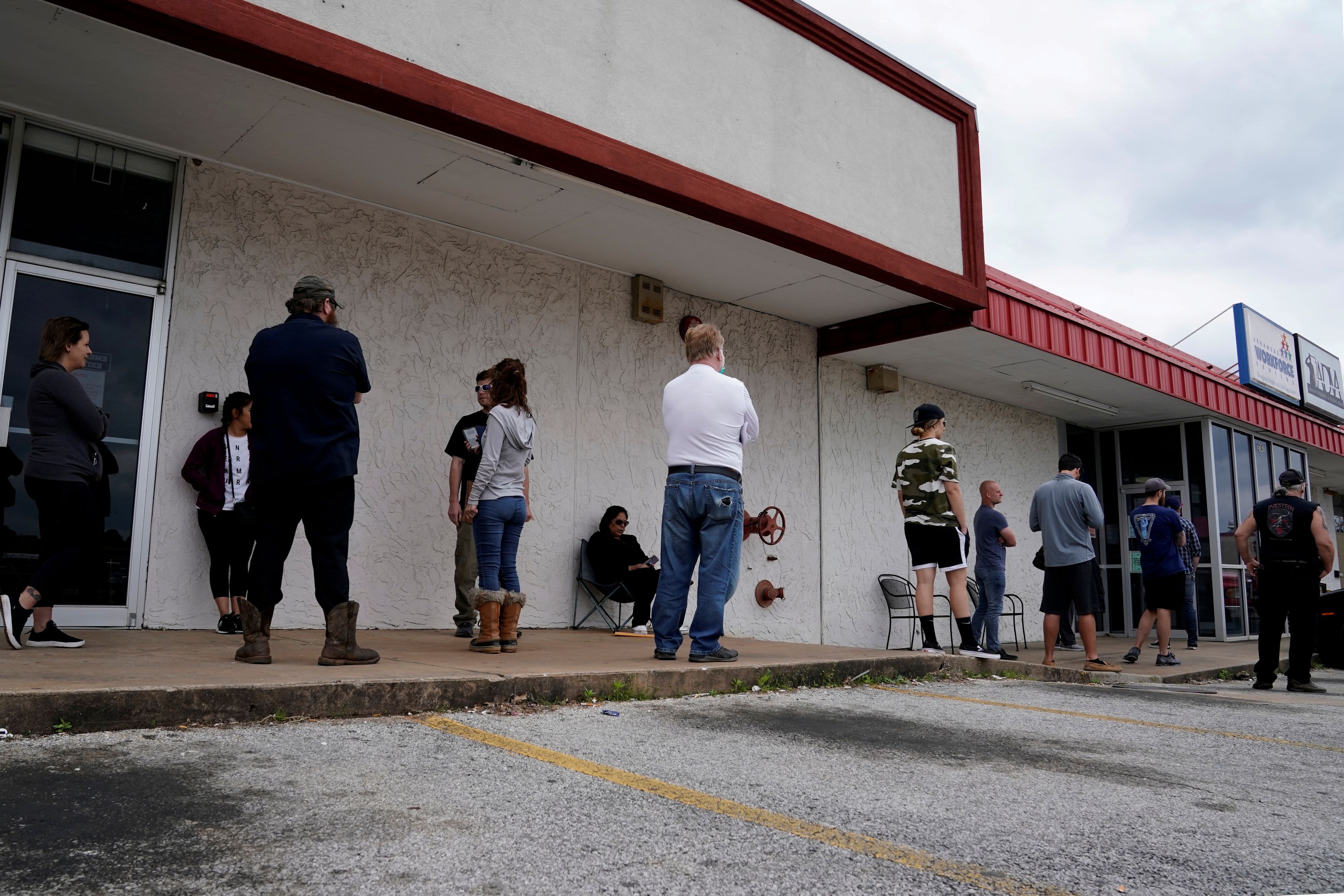
The road back – how long will it take for America’s economy to recover?
With unemployment at a staggering 14 percent, America’s economy looks as if it is in freefall. With COVID-19 forcing factories to shut down, small businesses to shutter and restaurants to close their doors, there is anxiety at every level of government about when the country’s economy will get back in motion. Economists surveyed by Dow Jones had been expecting payrolls to shed 21.5 million and the unemployment rate to go to 16%. April’s unemployment rate topped the post-war record 10.8% but was short of the Great Depression high estimated at 24.9%. The financial crisis peak was 10% in October 2009. The bleak numbers paint a “pretty dismal picture, but April may be it for job losses going forward with the country starting to reopen,” said Chris Rupkey, chief financial economist at MUFG Union Bank. “If there is a silver-lining in today’s dismal jobs report, it is in the realization that the economy cannot possibly get any worse than it is right now.” CNBC – May 08 Bleak indeed, but there are still many questions to be answered. How long will it take until people are back to work? What industries and businesses are impacted or lost forever? Is there a safe way to get back to work? Are there worries of inflation? And who is paying for all this stimulus funding and bailouts. If you are a journalist covering the economy, let one of our experts help. Jeff Haymond, Ph.D. is Dean, School of Business Administration and a Professor of Economics at Cedarville and is an expert in finance and trade. Dr. Haymond is available to speak with media regarding this topic – simply click on his icon to arrange an interview.

As the global pandemic touches almost all parts of the United States – it is essential that the public receives only accurate and definitive information from credible and expert sources as news, media and information reaches million of people across the country. An invisible enemy is killing thousands and forcing people worldwide to cower behind closed doors. Unfounded conspiracy theories and miracle “cures” abound on social media. Politicians and pundits send mixed messages about how to protect yourself. Who you gonna call? - Bedford Gazette, April 14 As the coronavirus rampages, the public increasingly is turning to experts in academia and government -- the educated, experienced “elites” that many Americans had tuned out. The Coronavirus 2019 (COVID-19) situation is certainly new to all of us. As guidance from the CDC changes and instructional methods transition, there are experts at Georgia Southern who can help to answer questions such as: How should we best address this pandemic as a nation? How should we best address this pandemic individually? What does it mean to “flatten the curve?" What is the economic impact of COVID-19? How do you best manage employees virtually? Why are grocery stores having trouble keeping inventory on their shelves? Should we prepare for a lapse in groceries and goods? What contributes to the fear and panic in disasters and pandemics? What do educators, parents and students need to know to prepare for online learning in the K-12 and college settings? If you are a reporter covering COVID-19, let the team of experts from Georgia Southern help with your coverage. Public Health: Atin Adhikari, Ph.D. Associate Professor of Environmental Health Sciences, Department of Biostatistics, Epidemiology and Environmental Health Sciences, Jiann-Ping Hsu College of Public Health Dr. Adhikari brings over 15 years of extensive research experience on aerosols, airborne microorganisms, other air pollutants, and related respiratory disorders. His current research areas include environmental air quality, exposure assessment, occupational health and safety, environmental microbiology, and respiratory health. Before joining JPHCOPH, Dr. Adhikari was also involved (Co-I) with two DoD-DTRA and U.S. Office of Naval Research funded projects on inactivation of hazardous microorganisms. Chun Hai (Isaac) Fung, Ph.D. Associate Professor, Department of Biostatistics, Epidemiology and Environmental Health Sciences, Jiann-Ping Hsu College of Public Health Dr. Isaac Chun-Hai Fung is a digital health expert and an infectious disease epidemiologist. He analyses social media data for public health surveillance and health communication and uses digital technologies for public health interventions. He investigates the transmission of communicable diseases with a focus on respiratory infections and environmentally transmitted infections. He applied a variety of methods, from classical statistical methods to machine learning and mathematical modeling, to address public health problems and to provide solutions to policy-makers. He is especially interested in assisting public health agencies in their responses to public health emergencies. He is currently a guest researcher with the Health Economics and Modeling Unit, Division of Preparedness and Emerging Infections, National Center for Emerging and Zoonotic Infectious Diseases, Centers for Disease Control and Prevention (CDC). Examples of his recent projects include: Surveillance of unplanned school closures through social media platforms, Analysis of social media posts pertinent to public health emergencies, such as Ebola, MERS and Zika. Jessica Schwind, Ph.D. Assistant Professor, Department of Biostatistics, Epidemiology, and Environmental Health Sciences, Jiann-Ping Hsu College of Public Health Dr. Jessica Smith Schwind is an epidemiologist and program evaluator. She joined the Department of Biostatistics, Epidemiology and Environmental Health Sciences at JPHCOPH in August 2017. Her current research interests include disease surveillance, capacity building and risk communication for the prevention and/or early recognition of outbreaks with a focus on: best practices for operationalizing the ‘One Health’ approach, understanding and improving capacity building efforts and priorities for increasing health surveillance, and improving early warning systems for disease detection and response by bridging the gap between global digital databases and local health information. Schwind also conducts SoTL research on innovative online/onsite teaching and evaluation with a focus on immersive and service-learning practices. Pandemics, panic and the public: Amy Ballagh, Ed.D. Associate Vice President of Enrollment Management Featured in the Washington Post : Jessica Schwind, Ph.D. Assistant Professor, Department of Biostatistics, Epidemiology, and Environmental Health Sciences, Jiann-Ping Hsu College of Public Health Dr. Jessica Smith Schwind is an epidemiologist and program evaluator. She joined the Department of Biostatistics, Epidemiology and Environmental Health Sciences at JPHCOPH in August 2017. Her current research interests include disease surveillance, capacity building and risk communication for the prevention and/or early recognition of outbreaks with a focus on: best practices for operationalizing the ‘One Health’ approach, understanding and improving capacity building efforts and priorities for increasing health surveillance, and improving early warning systems for disease detection and response by bridging the gap between global digital databases and local health information. Schwind also conducts SoTL research on innovative online/onsite teaching and evaluation with a focus on immersive and service-learning practices. Jodi Caldwell, Ph.D. Executive Director of the Georgia Southern University Counseling Center On a national level, Dr. Caldwell is currently serving her second elected term to the Directorate Board of the Commission for Counseling and Psychological Services of the American College Personnel Association and is a certified Red Cross Disaster Mental Health Responder. COVID-19 and logistics, the economy and the workforce: Alan Mackelprang, Ph.D. Associate Professor, Department of Logistics & Supply Chain Management Currently the director of the Ph.D. in Logistics and Supply Chain Management program, his research interests include examining interdependencies among supply chain partners, JIT/Lean production, manufacturing flexibility as well as supply chain integration. Scott Ellis, Ph.D. Associate Professor, Department of Logistics & Supply Chain Management Scott Ellis’ research interests center on the study of purchasing and supply management processes and functions. He has published in Journal of Operations Management and Journal of Supply Chain Management, among others. Richard McGrath, Ph.D. Professor, Parker College of Business Richard McGrath researches immigration, consumer survey methodology, and applied microeconomics. He is a long time expert on the economy in Savannah and the Coastal Empire. Michael Toma, Ph.D. Fuller E. Callaway Professor of Economics Michael Toma is a professor and lead analyst for the Center for Business Analytics and Economic Research, a student- and faculty-staffed applied research group focused on the Savannah-area economy that works with many local partners on special initiatives, customized applied business research and impact studies. Based on Toma's analytics, the Center publishes the quarterly Coastal Empire Economic Monitor, a closely watched economic report. Toma's community ties are also strong in the area. He serves on the Board of Directors for United Way of the Coastal Empire and on the organization's Executive Committee as chair of the Community Investments Committee. David Sikora, Ph.D. Assistant professor of management David Sikora’s research interests include strategic human resource management and the business impact of employee management practices. He has published his research in such journals as the Journal of Applied Psychology, Leadership Quarterly, Human Resources Management Review, International Journal of Selection and Assessment, and International Journal of Human Resources Development and Management. Prior to his academic career, David had extensive corporate experience in human resources and marketing including serving as human resources vice president at Cigna Corporation and director of human resources product management at Gevity HR, Incorporated. Steven Charlier, Ph.D. Associate Professor, Department of Management Charlier’s research interests are focused on the modern work environment, and include virtual teams, e-learning, leadership in a virtual world, and management education. His work has been published in several leading international academic journals, including The Leadership Quarterly, Human Resource Management, Journal of Organizational Behavior, Academy of Management Learning & Education, and Human Resource Management Review. Online teaching and learning: Charles Hodges, Ph.D. Professor, Department of Leadership, Technology and Human Development Hodges is a tenured professor of instructional technology at Georgia Southern with over 20 years of online teaching experience. As an active researcher in online teaching and learning, Hodges presents regularly at the national and international levels. He currently serves as the editor-in-chief of the journal and he is a long-time member of the Association for Educational Communications and Technologies, a professional organization for Educational Technology scholars and practitioners. Featured in the Inside Higher Ed article (published 3/11/20): Jeffrey Tysinger, Ph.D. and Dawn Tysinger, Ph.D. Professors, Department of Leadership, Technology and Human Development The Tysingers are one of very few individuals who are actively researching in the area of crisis preparedness in K-12 online learning Professors, Department of Leadership, Technology and Human Development The Tysingers are one of very few individuals who are actively researching in the area of crisis preparedness in K-12 online learning: o https://digitalcommons.georgiasouthern.edu/nyar/vol2/iss1/4/ o https://dl.acm.org/doi/10.5555/2811036.2811057 o https://eric.ed.gov/?q=Tysinger&id=EJ1147626 o https://eric.ed.gov/?q=Tysinger&id=ED595756 Dawn Tysinger, NCSP, serves as professor and program director for the nationally-recognized, National Association of School Psychologists-Approved Education Specialist program in school psychology at Georgia Southern University. Tysinger has contributed to her field through active participation in NASP, publications in school psychology journals, and presentations at the local, state, regional, national, and international levels. She currently serves on the NASP program review board for school psychology programs and as a member of the editorial boards of Journal of School Psychology, Psychology in the Schools, Trainers’ Forum: Journal of the Trainers of School Psychologists, National Youth-At-Risk Journal and Journal of Online Learning Research. Jeff Tysinger, NCSP, is a professor of school psychology at Georgia Southern University. He has been the president of the Kansas Association of School Psychologists (KASP), editor of the KASP Newsletter, KASP Futures committee member, KASP NCSP committee member, member of National Association of School Psychologists (NASP) since 1997, Nationally Certified School Psychologist since 1997, NASP Program Reviewer, NCSP Portfolio Reviewer, member of NCATE Board of Examiners, member of Georgia Association of School For parents at home with (k-12) children now distance learning: Chelda Smith Associate Professor, Department of Elementary and Special Education Smith’s master's thesis focused on parents as the first teachers of children and can speak to how parents can be empowered in that role. Her research agenda continues to focus on home and community assets, of which parents/caregivers are the primary influence and factor for positive outcomes. Lastly, as a parent of both a middle schooler and a toddler, Smith is navigating the process of being a primary educator in the home in real-time. Each expert is available to speak with media – simply contact Melanie Simon at 912.313.3245 to arrange an interview today.