
Experts Matter. Find Yours.
Connect for media, speaking, professional opportunities & more.

Higher education, biotech and innovation - will the future be part of the 2024 campaign?
As the RNC brings national attention to Milwaukee, discussions are expected to cover pivotal topics such as biotechnology, innovation, and higher education. And as the Republican National Convention 2024 begins, journalists from across the nation and the world will converge on Milwaukee, not only to cover the political spectacle but also to dig deeper on the key issues that may decide the election. To help visiting journalists navigate and understand these issues and how and where the Republican policies are taking on these topics our MSOE experts are available to offer insights. Dr. Wujie Zhang, Dr. Jung Lee, Dr. Eric Baumgartner, Dr. Candela Marini, and Dr. John Walz are leading voices nationally on these important subjects and are ready to assist with any stories during the convention. Dr. John Walz President Expertise: Thought leadership on higher education, relevancy and value of higher ed View Profile “Engineering is not a very diverse field,” Walz said. “I want to continue to push those boundaries and make our programs open, to see more and more under-represented students come here and succeed here, and do well here.” MSOE president John Walz works to make 'hidden gem' not so hidden. Milwaukee Journal Sentinel May 17, 2023 Dr. Wujie Zhang Professor, Chemical and Biomolecular Engineering Expertise: Biomaterials; Regenerative Medicine and Tissue Engineering; Micro/Nano-technology; Drug Delivery; Stem Cell Research; Cancer Treatment; Cryobiology; Food Science and Engineering (Fluent in Chinese and English) View Profile “We accidentally noticed that we can make the hydrogel particle red blood cell shaped,” he explains. “We started then to make artificial red blood cells to mimic pretty much all aspects of red blood cells.” You're Somebody's Type MKE Lifestyle January 24, 2020 Dr. Jung Lee Professor, Chemical and Biomolecular Engineering Expertise: Bioinformatics, drug design and molecular modeling. View Profile Dr. Eric Baumgartner Executive Vice President of Academics Expertise: Thought leadership on higher education, relevancy and value of higher ed, role of A.I. in future degrees and workforce development. View Profile MSOE serves as an educational resource to Wisconsin companies is building an A.I.-ready workforce. In 2018 MSOE was the first in the nation to launch a B.S. in Computer Science with a sole focus on A.I. and machine learning. Wisconsin Governor’s Task Force on Workforce and Artificial Intelligence December, 2023 Dr. Candela Marini Assistant Professor Expertise: Latin American Studies and Visual Culture View Profile “Contrary to stereotypical images of Native Americans trying to stop ‘progress’ by fighting against mines and pipelines projects, the Menominees’ sustainable forestry stands out as a clear example of resource management that actually thinks about, and works for, the future,” said Marini. The MSOE Mindset visits the Menominee Indian Reservation MSOE Online April 11, 2019 . . . Media Relations Contact To schedule an interview or for more information, please contact: JoEllen Burdue Senior Director of Communications and Media Relations Phone: (414) 839-0906 Email: burdue@msoe.edu . . . About Milwaukee School of Engineering (MSOE) Milwaukee School of Engineering is the university of choice for those seeking an inclusive community of experiential learners driven to solve the complex challenges of today and tomorrow. The independent, non-profit university has about 2,800 students and was founded in 1903. MSOE offers bachelor's and master's degrees in engineering, business and nursing. Faculty are student-focused experts who bring real-world experience into the classroom. This approach to learning makes students ready now as well as prepared for the future. Longstanding partnerships with business and industry leaders enable students to learn alongside professional mentors, and challenge them to go beyond what's possible. MSOE graduates are leaders of character, responsible professionals, passionate learners and value creators.





Water, resources and infrastructure
Across America we're seeing flooding, drought, epic storms and reservoirs running dry. Water, how it is controlled and regulated is an emerging topic. And for the next four years, with the unknown impacts of climate change - water will be on a lot of people's minds. And as the Republican National Convention 2024 begins, journalists from across the nation and the world will converge on Milwaukee, not only to cover the political spectacle but also to dig deeper on the key issues that may decide the election. To help visiting journalists navigate and understand the depth of Milwaukee's heritage and modern vibrancy, our MSOE experts are available to offer insights. Professor William Gonwa has worked in the fields of wastewater collection, storm water management, and flood protection since 1984. His research focuses on the water resources area of civil engineering including collection systems and stormwater management. He received his doctorate from Marquette University, his masters from the University of Kentucky, and his bachelors from the University of Wisconsin-Madison, all in civil and environmental engineering. . . . Dr. William Gonwa Professor, Civil Engineering Expertise: Water Resources, Sewers, Storm Water, Civil Engineering education View Profile One may hear of news reports of large events and notice that they appear to occur more frequently than they might expect (i.e. a 100-year storm is reported in the news in the Detroit region more often than once every 100 years). A casual observer not well versed in what these rainfall statistics mean might be tempted to blame this on climate change, but the dynamic described here is not the result of just climate change. It is the result of the large size of the city of Detroit and the fact that rainfall frequencies are published for a point rainfall, not regions. This regional rainfall effect will occur in any metropolitan area with a large geographic extent. Why properly characterizing large storms is critical for stormwater professionals Stormwater Solutions June 07, 2024 . . . For further information and to arrange interviews with our experts, please contact: JoEllen Burdue Senior Director of Communications and Media Relations Phone: (414) 839-0906 Email: burdue@msoe.edu . . . About Milwaukee School of Engineering (MSOE) Milwaukee School of Engineering is the university of choice for those seeking an inclusive community of experiential learners driven to solve the complex challenges of today and tomorrow. The independent, non-profit university has about 2,800 students and was founded in 1903. MSOE offers bachelor's and master's degrees in engineering, business and nursing. Faculty are student-focused experts who bring real-world experience into the classroom. This approach to learning makes students ready now as well as prepared for the future. Longstanding partnerships with business and industry leaders enable students to learn alongside professional mentors, and challenge them to go beyond what's possible. MSOE graduates are leaders of character, responsible professionals, passionate learners and value creators.

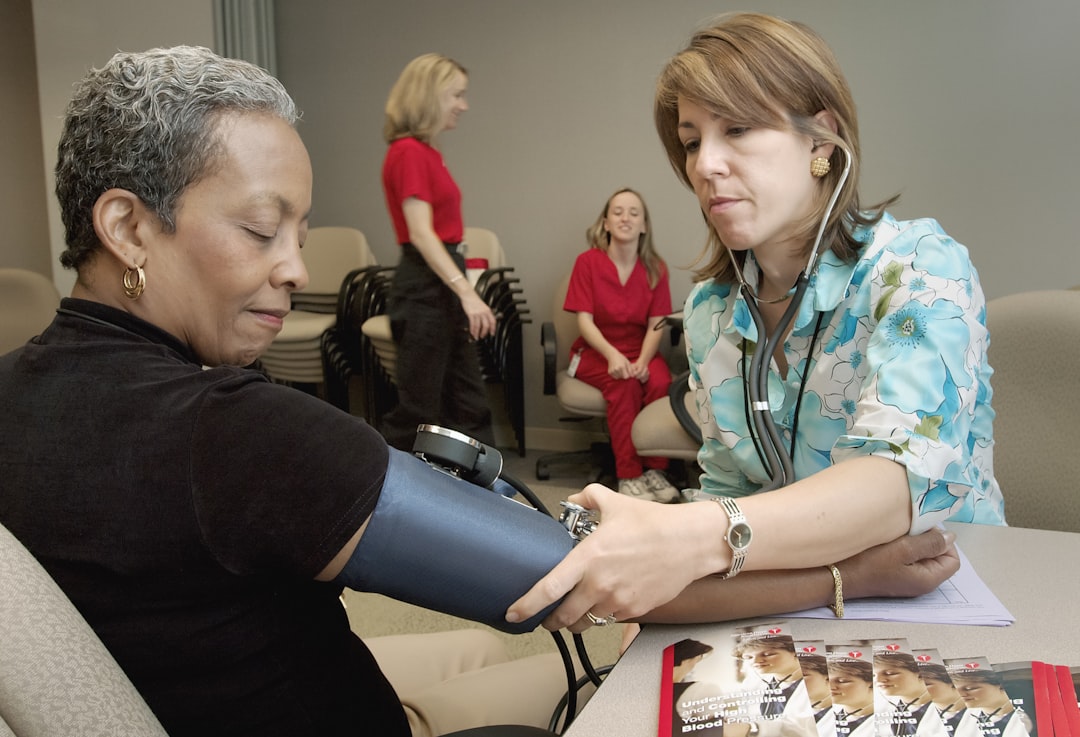
The pandemic and who reacted better has been debate fodder for the campaigns of Donald Trump and Joe Biden already this election. The pandemic, preparing for the next one is just one of several key public health issues that America is dealing with. Opioids, obesity and nutrition are just a few others. And as the Republican National Convention 2024 begins, journalists from across the nation and the world will converge on Milwaukee, not only to cover the political spectacle but also to dig deeper on the key issues that may decide the election. To help visiting journalists navigate and understand the depth of Milwaukee's heritage and modern vibrancy, our MSOE experts are available to offer insights. Robin Gates is a nurse executive with a wide range of experience in community home, health and hospice, organ and tissue donation, managing primary care clinics, and clinical trials involving medical devices and pharmaceuticals. She has also worked as a nurse educator for health care organizations and higher education. . . . Robin Gates Assistant Professor, Nursing Expertise: Population health expert: understanding and addressing the diverse factors that influence health outcomes across different populations. View Profile “Leadership experience in various health care environments provides my ability to empower the next generations of nurses to understand the medical system for nursing practice wholistically,” said Gates. “Nurses are change agents. We are a pivotal part of a multidisciplinary team. I emphasize to nursing students their role in the community, corporations, hospitals, clinics, telehealth, home care and hospice, insurance, government and so on.” MSOE Online February 25, 2022 . . . For further information and to arrange interviews with our experts, please contact: JoEllen Burdue Senior Director of Communications and Media Relations Phone: (414) 839-0906 Email: burdue@msoe.edu . . . About Milwaukee School of Engineering (MSOE) Milwaukee School of Engineering is the university of choice for those seeking an inclusive community of experiential learners driven to solve the complex challenges of today and tomorrow. The independent, non-profit university has about 2,800 students and was founded in 1903. MSOE offers bachelor's and master's degrees in engineering, business and nursing. Faculty are student-focused experts who bring real-world experience into the classroom. This approach to learning makes students ready now as well as prepared for the future. Longstanding partnerships with business and industry leaders enable students to learn alongside professional mentors, and challenge them to go beyond what's possible. MSOE graduates are leaders of character, responsible professionals, passionate learners and value creators.


Exploring Milwaukee and Wisconsin's Cultural and Urban Landscape
As the Republican National Convention 2024 approaches, journalists from across the nation and the world will converge on Milwaukee, not only to cover the political spectacle but also to uncover the rich cultural, architectural, and urban tapestry that makes this city truly unique. Milwaukee, often referred to as the "Cream City" for its distinctive cream-coloured bricks, with many historical and contemporary narratives is waiting to be explored. To help visiting journalists navigate and understand the depth of Milwaukee's heritage and modern vibrancy, our MSOE experts are available to offer insights. Discover the rich tapestry of Milwaukee and Wisconsin through the lens of two distinguished experts. Dr. Michael Carriere and Kurt Zimmerman bring unparalleled expertise in the fields of culture, architecture, and urban planning, offering deep insights into the region's unique historical and contemporary narratives. Dr. Michael Carriere Professor, Honors Program Director Expertise: Sustainability, American History, General Social Science, Honors Program, History, General Humanities, Student Affairs, Urban Studies View Profile Dr. Michael Carriere, a Professor and Honors Program Director, is an urban historian specializing in American history, urban studies, and sustainability. With a focus on the growth and challenges of Milwaukee's neighborhoods, Dr. Carriere provides valuable perspectives on urban agriculture, creative placemaking, and the Milwaukee music scene. His extensive knowledge of Milwaukee and Wisconsin history and politics makes him a key resource for understanding the region's evolving urban landscape. “To me, it’s a no-brainer,” says Carriere, now a professor of history at Milwaukee School of Engineering and author of The City Creative: The Rise of Urban Placemaking in Contemporary America. “Cities like Louisville, like Buffalo, like Boston have really leveraged the Olmsted spaces in their cities. … The reason I’m really excited about [the bicentennial] is that this could be the chance to have useful, and in some cases uncomfortable, conversations on how public spaces should look and operate in a 21st-century city like Milwaukee.” The Lasting Legacy of Frederick Law Olmsted and His 3 Signature Milwaukee Parks Milwaukee Magazine April 1, 2022 Kurt Zimmerman Assistant Professor Expertise: Deep Energy, Retrofit Integrated Project, Delivery Architecture, Design, Building Envelope, Building Science, Sustainability, LEED AP View Profile Kurt Zimmerman, an Assistant Professor, offers expertise in Milwaukee's architectural history, urban planning, and sustainable design. His insights into the city's architectural evolution and design principles contribute to a deeper appreciation of Milwaukee's unique urban fabric and sustainable development efforts. “If you’re trying to build buildings that are meant to last, look back in history and see what is still standing. Those are your models. It’s all about build it once, build it right, build it to last. I’m very conscious of the environmental aspects of our projects, whether the clients ask for it or not.” The Daily Reporter October 2, 2014 For further information and to arrange interviews with our experts, please contact: JoEllen Burdue Senior Director of Communications and Media Relations Phone: (414) 839-0906 Email: burdue@msoe.edu About Milwaukee School of Engineering (MSOE) Milwaukee School of Engineering is the university of choice for those seeking an inclusive community of experiential learners driven to solve the complex challenges of today and tomorrow. The independent, non-profit university has about 2,800 students and was founded in 1903. MSOE offers bachelor's and master's degrees in engineering, business and nursing. Faculty are student-focused experts who bring real-world experience into the classroom. This approach to learning makes students ready now as well as prepared for the future. Longstanding partnerships with business and industry leaders enable students to learn alongside professional mentors, and challenge them to go beyond what's possible. MSOE graduates are leaders of character, responsible professionals, passionate learners and value creators.


Key topics at RNC 2024: Artificial Intelligence, Machine Learning and Cybersecurity
As the Republican National Convention 2024 begins, journalists from across the nation and the world will converge on Milwaukee, not only to cover the political spectacle but also to cover how the next potential administration will tackled issues that weren't likely on the radar or at least front and center last election: Artificial Intelligence, Machine Learning and Cybersecurity With technology and the threats that come with it moving at near exponential speeds - the next four years will see challenges that no president or administration has seen before. Plans and polices will be required that impact not just America - but one a global scale. To help visiting journalists navigate and understand these issues and how and where the Republican policies are taking on these topics our MSOE experts are available to offer insights. Dr. Jeremy Kedziora, Dr. Derek Riley and Dr. Walter Schilling are leading voices nationally on these important subjects and are ready to assist with any stories during the convention. . . . Dr. Jeremy Kedziora Associate Professor, PieperPower Endowed Chair in Artificial Intelligence Expertise: AI, machine learning, ChatGPT, ethics of AI, global technology revolution, using these tools to solve business problems or advance business objectives, political science. View Profile “Artificial intelligence and machine learning are part of everyday life at home and work. Businesses and industries—from manufacturing to health care and everything in between—are using them to solve problems, improve efficiencies and invent new products,” said Dr. John Walz, MSOE president. “We are excited to welcome Dr. Jeremy Kedziora as MSOE’s first PieperPower Endowed Chair in Artificial Intelligence. With MSOE as an educational leader in this space, it is imperative that our students are prepared to develop and advance AI and machine learning technologies while at the same time implementing them in a responsible and ethical manner.” MSOE names Dr. Jeremy Kedziora as Endowed Chair in Artificial Intelligence MSOE online March 22, 2023 . . . Dr. Derek Riley Professor, B.S. in Computer Science Program Director Expertise: AI, machine learning, facial recognition, deep learning, high performance computing, mobile computing, artificial intelligence View Profile “At this point, it's fairly hard to avoid being impacted by AI," said Derek Riley, the computer science program director at Milwaukee School of Engineering. “Generative AI can really make major changes to what we perceive in the media, what we hear, what we read.” Fake explicit pictures of Taylor Swift cause concern over lack of AI regulation CBS News January 26, 2024 . . . Dr. Walter Schilling Professor Expertise: Cybersecurity and the latest technological advancements in automobiles and home automation systems; how individuals can protect their business operations and personal networks. View Profile Milwaukee School of Engineering cybersecurity professor Walter Schilling said it's a great opportunity for his students. "Just to see what the real world is like that they're going to be entering into," said Schilling. Schilling said cybersecurity is something all local organizations, from small business to government, need to pay attention to. "It's something that Milwaukee has to be concerned about as well because of the large companies that we have headquartered here, as well as the companies we're trying to attract in the future," said Schilling. Could the future of cybersecurity be in Milwaukee?: SysLogic holds 3rd annual summit at MSOE CBS News April 26, 2022 . . . For further information and to arrange interviews with our experts, please contact: Media Relations Contact To schedule an interview or for more information, please contact: JoEllen Burdue Senior Director of Communications and Media Relations Phone: (414) 839-0906 Email: burdue@msoe.edu . . . About Milwaukee School of Engineering (MSOE) Milwaukee School of Engineering is the university of choice for those seeking an inclusive community of experiential learners driven to solve the complex challenges of today and tomorrow. The independent, non-profit university has about 2,800 students and was founded in 1903. MSOE offers bachelor's and master's degrees in engineering, business and nursing. Faculty are student-focused experts who bring real-world experience into the classroom. This approach to learning makes students ready now as well as prepared for the future. Longstanding partnerships with business and industry leaders enable students to learn alongside professional mentors, and challenge them to go beyond what's possible. MSOE graduates are leaders of character, responsible professionals, passionate learners and value creators.


Expert Q&A: Should We Permit AI to Determine Gender and Race from Resumes?
The banner ads on your browser, the route Google maps suggests for you, the song Spotify plays next: algorithms are inescapable in our daily lives. Some of us are already aware of the mechanisms behind a targeted ad or a dating profile that lights up our phone screen. However, few of us may actually stop to consider how this technology plays out in the hiring sector. As with any major technological advancement, it usually takes society (and legislation) a while to catch up and adjust for unintended consequences. Ultimately, algorithms are powerful tools. Like any tool, they have the potential for societal benefit or harm, depending on how they’re wielded. Here to weigh in on the matter is Assistant Professor of Information Systems & Operations Management Prasanna Parasurama, who recently joined Emory Goizueta Business School’s faculty in fall of 2023. This interview has been edited for clarity. Describe your research interests in six words. Six words…that’s difficult to do on the spot. How about “the impact of AI and other digital technologies on hiring.” Is that condensed enough? That works! What first interested you in the intersection of AI and hiring practices? Before I did my PhD, I was working as a data scientist in the HR analytics space at a start-up company. That is where my interest in the topic began. But this was a long time ago. People hadn’t started talking much about AI, or algorithmic hiring. The conversation around algorithmic bias and algorithmic fairness picked up steam in the second or third year of my PhD. That had a strong influence on my dissertation focus. And naturally, one of the contexts in which both these matters have large repercussions is in the hiring space. What demographics does your research focus on (gender identity, race/ethnicity, socioeconomic status, all of the above)? Do you focus on a particular job sector? My research mostly looks at gender and race for two main reasons. First, prior research has typically looked at race and gender, which gives us a better foundation to build on. Second, it’s much easier to measure gender and race based on the data that we have available—from resumes, from hiring data, like what we collect from the Equal Employment Opportunity Commission. They typically collect data on gender and race, and our research requires those really large data sets to draw patterns. They don’t ask for socioeconomic status or have an easy way to quantify that information. That’s not to say those are less important factors, or that no one is looking at them. One of the papers you’re working on examines resumes written by self-identified men and women. It looks at how their resumes differ, and how that influenced their likelihood of being contacted for an interview. So in this paper, we’re essentially looking at how men and women write their resumes differently and if that impacts hiring outcomes. Take resume screening algorithms, for example. One proposed way to reduce bias in these screening algorithms is to remove names from resumes to blind the applicant’s gender to the algorithm. But just removing names does very little, because there are so many other things that serve as proxies to someone’s gender. While our research is focused on people applying to jobs in the tech sector, this is true across occupations. "We find it’s easy to train an algorithm to accurately predict gender, even with names redacted." Prasanna Parasurama What are some of those gendered “tells” on a resume? People write down hobbies and extracurricular activities, and some of those are very gendered. Dancing and ballet tend to denote female applicants; you’re more likely to see something like wrestling for male applicants. Beyond hobbies, which is sort of obvious, is just how people write things, or the language they use. Female applicants tend to use a lot more affective words. Men, on the other hand, use more of what we call agentic words. Can you explain that a little more? In social psychology, social role theory argues that men are stereotyped to be more agentic, whereas women are stereotyped to be more communal, and that their communication styles reflect this. There’s essentially a list of agentic words that researchers have come up with that men use a lot more than women. And women are more likely to use affective words, like “warmly” or “closely,” which have to do with emotions or attitudes. These communication differences between men and women have been demonstrated in social sciences before, which has helped inform our work. But we’re not just relying on social science tools—our conclusions are driven by our own data. If a word is able to predict that an applicant’s resume belongs to a female versus male applicant, then we assign different weights, depending on how accurately it can predict that. So we’re not just operating on theories. Were there any gendered patterns that surprised you? If you were to assign masculinity and femininity to particular words, an algorithm would likely assign “married” to be a feminine term in most contexts. But in this particular case, it’s actually more associated with men. Men are much more likely to use it in resumes, because it signals something different to society than when women use it. "One of the most predictive terms for men was references to parenthood. It’s much easier for men to reference kids than for women to reveal information about their household status. Women face a penalty where men receive a boost." Prasanna Parasurama Studies show that people perceive fathers as being more responsible employees, whereas mothers are regarded as less reliable in the workplace. We haven’t studied this, but I would speculate that if you go on a platform like LinkedIn, men are more likely to disclose details about fatherhood, marriage, and kids than women are. There were some other tidbits that I didn’t see coming, like the fact that women are much less likely to put their addresses on their resume. Can AI predict race from a resume as easily as it can predict gender? There’s surprisingly very little we know on that front. From existing literature outside of algorithmic literature, we know differences exist in terms of race, not just on the employer side, where there might be bias, but we also on the worker side. People of different races search for jobs differently. The question is, how do we take this into account in the algorithm? From a technical standpoint, it should be feasible to do the same thing we do with gender, but it just becomes a little bit harder to predict race in practice. The cues are so variable. Gender is also more universal – no matter where you live, there are probably men and women and people who identify as in between or other. Whereas the concept of race can be very specific in different geographic regions. Racial identities in America are very different from racial identities in India, for instance. And in a place like India, religion matters a lot more than it does in the United States. So this conversation around algorithms and bias will look different across the globe. Beyond screening resumes, how does AI impact people’s access to job opportunities? A lot of hiring platforms and labor market intermediaries such as LinkedIn use AI. Their task is to match workers to these different jobs. There’s so many jobs and so many workers. No one can manually go through each one. So they have to train algorithms based on existing behavior and existing design decisions on the platform to recommend applicants to particular jobs and vice versa. When we talk about algorithmic hiring, it’s not just hiring per se, but spaces like these which dictate what opportunities you’re exposed to. It has a huge impact on who ends up with what job. What impact do you want your research to have in the real world? Do you think that we actually should use algorithms to figure out gender or race? Is it even possible to blind AI to gender or race? Algorithms are here to stay, for better or worse. We need them. When we think about algorithmic hiring, I think people picture an actual robot deciding who to hire. That’s not the case. Algorithms are typically only taking the space of the initial part of hiring. "I think overall, algorithms make our lives better. They can recommend a job to you based on more sophisticated factors than when the job was chronologically posted. There’s also no reason to believe that a human will be less biased than an algorithm." Prasanna Parasurama I think the consensus is that we can’t blind the algorithm to gender or other factors. Instead, we do have to take people’s demographics into account and monitor outcomes to correct for any sort of demonstrable bias. LinkedIn, for example, does a fairly good job publishing research on how they train their algorithms. It’s better to address the problem head on, to take demographic factors into account upfront and make sure that there aren’t drastic differences in outcomes between different demographics. What advice would you give to hopeful job candidates navigating these systems? Years of research have shown that going through a connection or a referral is by far the best way to increase your odds of getting an interview—by a factor of literally 200 to 300 percent. Hiring is still a very personal thing. People typically trust people they know. Prasanna Parasurama is an Assistant Professor of Information Systems & Operations Management at Emory University’s Goizueta Business School. Prasanna’s research areas include algorithmic hiring, algorithmic bias and fairness, and human-AI interaction. His research leverages a wide array of quantitative methods including econometrics, machine learning, and natural language processing. Prasanna is available to talk about this important and developing topic - simply click on his icon now to arrange an interview today.



Expert Insight: Training Innovative AI to Provide Expert Guidance on Prescription Medications
A new wave of medications meant to treat Type II diabetes is grabbing headlines around the world for their ability to help people lose a significant amount of weight. They are called GLP-1 receptor agonists. By mimicking a glucagon-like peptide (GLP) naturally released by the body during digestion, they not only lower blood sugar but also slow digestion and increase the sense of fullness after eating. The two big names in GLP-1 agonists are Ozempic and Wegovy, and both are a form of semaglutide. Another medication, tirzepatide, is sold as Mounjaro and Zepbound. It is also a glucose-dependent insulinotropic polypeptide (GIP) agonist as well as GLP-1. Physicians have been prescribing semaglutide and tirzepatide with increasing frequency. However, both medications come with a host of side effects, including nausea and stomach pain, and are not suitable for every patient. Many clinics and physicians do not have immediate access to expert second opinions, as do the physicians at Emory Healthcare. Creating a Digital Twin That lack of an expert is one of the reasons Karl Kuhnert, professor in the practice of organization and management at Emory University’s Goizueta Business School, is using artificial intelligence to capture the expertise of physicians like Caroline Collins MD through the Tacit Object Modeler™, or TOM. By using TOM, developed by Merlynn Intelligence Technologies, Kuhnert and Collins can create her “decision-making digital twin.” This allows Collins to reveal her expertise as a primary care physician with Emory Healthcare and an Assistant Professor at Emory School of Medicine, where she has been leading the field in integrating lifestyle medicine into clinical practices and education. Traditional AI, like ChatGPT, uses massive amount of data points to predict outcomes using what’s known as explicit knowledge. But it isn’t necessarily learning as it goes. According to Kuhnert, TOM has been designed to learn how an expert, like Collins, decides whether or not to prescribe a drug like semaglutide to a patient. Wisdom or tacit knowledge is intuitive and rooted in experience and context. It is hard to communicate, and usually resides only in the expert’s mind. TOM’s ability to “peek into the expert’s mind makes it a compelling technology for accessing wisdom.” “Objective or explicit knowledge is known and can be shared with others,” says Kuhnert. "For example, ChatGPT uses explicit knowledge in its answers. It’s not creating something new. It may be new to you as you read it, but somebody, somewhere, before you, has created it. It’s understood as coming from some source." Karl Kuhnert “Tacit knowledge is subjective wisdom. Experts offer this, and we use their tacit know-how, their implicit knowledge, to make their decisions. If it were objective, everyone could do it. This is why we hire experts: They see things and know things others don’t; they see around corners.” Mimicking the Mind of a Medical Expert Teaching TOM to see around the corners requires Collins to work with the AI over the course of a few days. “Essentially what I do is I sit down with, in this case, a physician, and ask them, ‘What are thinking about when you make this decision?'” says Kuhnert. “The layperson might think that there are hundreds of variables in making a medical decision like this. With the expert’s tacit knowledge and experience, it is usually between seven and twelve variables. They decide based on these critical variables,” he says. "These experts have so much experience, they can cut away a lot of the noise around a decision and get right to the point and ask, ‘What am I looking at?’" Karl Kuhnert As TOM learns, it presents Collins with more and different scenarios for prescribing semaglutide. As she makes decisions, it remembers the variables present during her decision-making process. “Obviously, some variables are going to be more important than other variables. Certain combinations are going to be challenging,” says Collins. “Sometimes there are going to be some variables where I think, yes, this patient needs a GLP-1. Then there may be some variables where I think, no, this person really doesn’t need that. And which ones are going to win out? That’s really where TOM is valuable. It can say, okay, when in these difficult circumstances where there are conflicting variables, which one will ultimately be most important in making that decision?” The Process: Trusting AI After working with TOM for several hours, Collins will have reacted to enough scenarios for TOM to learn to make her decision. The Twin will need to demonstrate that it can replicate her decision-making with acceptable accuracy—high 90s to 100 percent. Once there, Collins’ Twin is ready to use. “I think it’s important to have concordance between what I would say in a situation and then what my digital twin would say in a situation because that’s our ultimate goal is to have an AI algorithm that can duplicate what my recommendation would be given these circumstances for a patient,” Collins says. “So, someone, whether that be an insurance company, or a patient themselves or another provider, would be able to consult TOM, and in essence, me, and say, in this scenario, would you prescribe a GLP-1 or not given this specific patient’s situation?” The patient’s current health and family history are critical when deciding whether or not to prescribe semaglutide. For example, according to Novo Nordisk, the makers of Ozempic, the drug should not be prescribed to patients with a history of problems with the pancreas or kidneys or with a family history of thyroid cancer. Those are just the start of a list of reasons why a patient may or may not be a good candidate for the medication. Kuhnert says, “What we’re learning is that there are so many primary care physicians right now that if you come in with a BMI over 25 and are prediabetic, you’re going to get (a prescription). But there’s much more data around this to suggest that there are people who are health marginalized, and they can’t do this. They should not have this (medication). It’s got to be distributed to people who can tolerate it and are safe.” Accessing the Digital Twin on TOM Collins’s digital twin could be available via something as easy to access as an iPhone app. “Part of my job is to provide the latest information to primary care physicians. Now, I can do this in a way that is very powerful for primary care physicians to go on their phones and put it in. It’s pretty remarkable, according to Colllins.” It is also transparent and importantly sourced information. Any physician using a digital twin created with TOM will know exactly whose expertise they are accessing, so anyone asking for a second opinion from Colllins will know they are using an expert physician from Emory University. In addition to patient safety, there are a number of ways TOM can be useful to the healthcare industry when prescribing medications like semaglutide. This includes interfacing with insurance companies and the prior approval process, often lengthy and handled by non-physician staff. “Why is a non-expert at an insurance company determining whether a patient needs a medication or not? Would it be better to have an expert?” says Collins. “I’m an expert in internal medicine and lifestyle medicine. So, I help people not only lose weight, but also help people change their behaviors to optimize their health. My take on GLP-1 medications is not that everyone needs them, it’s that they need to be utilized in a meaningful way, so patients will get benefit, given risks and benefits for these medications.” The Power of a Second Opinion Getting second, and sometimes third, opinions is a common practice among physicians and patients both. When a patient presents symptoms to their primary care physician, that physician may have studied the possible disease in school but isn’t necessarily an expert. In a community like Emory Healthcare, the experts are readily available, like Collins. She often serves as a second opinion for her colleagues and others around the country. “What we’re providing folks is more of a second opinion. Because we want this actually to work alongside someone, you can look at this opinion that this expert gave, and now, based on sourced information, you can choose. This person may be one of the best in the country, if not the world, in making this decision. But we’re not replacing people here. We’re not dislocating people with this technology. We need people. We need today’s and tomorrow’s experts as well,” according to Kuhnert. But also, you now have the ability to take an Emory physician’s diagnosing capabilities to physicians in rural areas and make use of this information, this knowledge, this decision, and how they make this decision. We have people here that could really help these small hospitals across the country. Caroline Collin MD Rural Americans have significant health disparities when compared to those living in urban centers. They are more likely to die from heart disease, cancer, injury, chronic respiratory disease, and stroke. Rural areas are finding primary care physicians in short supply, and patients in rural areas are 64 percent less likely to have access to medical specialists for needed referrals. Smaller communities might not have immediate access to experts like a rheumatologist, for example. In addition, patients in more rural areas might not have the means of transportation to get to a specialist, nor have the financial means to pay for specialized visits for a diagnosis. Collins posits that internal medicine generalists might suspect a diagnosis but want to confirm before prescribing a course of treatment. “If I have a patient for whom I am trying to answer a specific question, ‘Does this patient have lupus?’, for instance. I’m not going to be able to diagnose this person with lupus. I can suspect it, but I’m going to ask a rheumatologist. Let’s say I’m in a community where unfortunately, we don’t have a rheumatologist. The patient can’t see a rheumatologist. That’s a real scenario that’s happening in the United States right now. But now I can ask the digital twin acting as a rheumatologist, given these variables, ‘Does this patient have lupus?’ And the digital twin could give me a second opinion.” Sometimes, those experts are incredibly busy and might not have the physical availability for a full consult. In this case, someone could use TOM to create the digital twin of that expert. This allows them to give advice and second opinions to a wider range of fellow physicians. As Kuhnert says, TOM is not designed or intended to be a substitute for a physician. It should only work alongside one. Collins agreed, saying, “This doesn’t take the place of a provider in actual clinical decision-making. That’s where I think someone could use it inappropriately and could get patients into trouble. You still have to have a person there with clinical decision-making capacity to take on additional variables that TOM can’t yet do. And so that’s why it’s a second opinion.” “We’re not there yet in AI says Collins. We have to be really careful about having AI make actual medical decisions for people without someone there to say, ‘Wait a minute, does this make sense?’” AI Implications in the Classroom and Beyond Because organizations use TOM to create digital twins of their experts, the public cannot use the twins to shop for willing doctors. “We don’t want gaming the system,” says Collins. “We don’t want doctor shopping. What we want is a person there who can utilize AI in a meaningful way – not in a dangerous way. I think we’ll eventually get there where we can have AI making clinical decisions. But I don’t think I’d feel comfortable with that yet.” The implications of using decision-making digital twins in healthcare reach far beyond a second opinion for prescription drugs. Kuhnert sees it as an integral part of the future of medical school classrooms at Emory. In the past, teaching case studies have come from books, journals, and papers. Now, they could come alive in the classroom with AI simulation programs like TOM. "I think this would be great for teaching residents. Imagine that we could create a simulation and put this in a classroom, have (the students) do the simulation, and then have the physician come in and talk about how she makes her decisions." Karl Kuhnert “And then these residents could take this decision, and now it’s theirs. They can keep it with them. It would be awesome to have a library of critical health decisions made in Emory hospitals,” Kuhnert says. Collins agreed. “We do a lot of case teaching in the medical school. I teach both residents and medical students at Emory School of Medicine. This would be a really great tool to say, okay, given these set of circumstances, what decision would you make for this patient? Then, you could see what the expert’s decision would have been. That could be a great way to see if you are actually in lockstep with the decision-making process that you’re supposed to be learning.” Kuhnert sees decision-making twins moving beyond the healthcare system and into other arenas like the courtroom, public safety, and financial industries and has been working with other experts to digitize their knowledge in those fields. "The way to think about this is: say there is a subjective decision that gets made that has significant ramifications for that company and maybe for the community. What would it mean if I could digitize experts and make it available to other people who need an expert or an expert’s decision-making?" Karl Kuhnert “You think about how many people aren’t available. Maybe you have a physician who’s not available. You have executives who are not available. Often expertise resides in the minds of just a few people in an organization,” says Kuhnert. “Pursuing the use of technologies like TOM takes the concept of the digital human expert from simple task automation to subjective human decision-making support and will expand the idea of a digital expert into something beyond our current capabilities,” Kuhnert says. “I wanted to show that we could digitize very subjective decisions in such areas as ethical and clinical decision-making. In the near future, we will all learn from the wisdom codified in decision-making digital twins. Why not learn from the best? There is a lot of good work to do.” Karl Kuhnert is a Professor in the Practice of Organization & Management and Associate Professor of Psychiatry, School of Medicine and Senior Faculty Fellow of the Emory Ethics Center. If you're looking to connect with Karl to know more - simply click on his icon now to arrange a time to talk today.


Milwaukee-Based Experts Available During 2024 Republican National Convention
Journalists attending the Republican National Convention (RNC) are invited to engage with leading Milwaukee School of Engineering (MSOE) experts in a range of fields, including artificial intelligence (AI), machine learning, cybersecurity, urban studies, biotechnology, population health, water resources, and higher education. MSOE media relations are available to identify key experts and assist in setting up interviews (See contact details below). As the RNC brings national attention to Milwaukee, discussions are expected to cover pivotal topics such as national security, technological innovation, urban development, and higher education. MSOE's experts are well-positioned to provide research and insights, as well as local context for your coverage. Artificial Intelligence, Machine Learning, Cybersecurity Dr. Jeremy Kedziora Associate Professor, PieperPower Endowed Chair in Artificial Intelligence Expertise: AI, machine learning, ChatGPT, ethics of AI, global technology revolution, using these tools to solve business problems or advance business objectives, political science. View Profile Dr. Derek Riley Professor, B.S. in Computer Science Program Director Expertise: AI, machine learning, facial recognition, deep learning, high performance computing, mobile computing, artificial intelligence View Profile Dr. Walter Schilling Professor Expertise: Cybersecurity and the latest technological advancements in automobiles and home automation systems; how individuals can protect their business operations and personal networks. View Profile Milwaukee and Wisconsin: Culture, Architecture & Urban Planning, Design Dr. Michael Carriere Professor, Honors Program Director Expertise: an urban historian, with expertise in American history, urban studies and sustainability; growth of Milwaukee's neighborhoods, the challenges many of them are facing, and some of the solutions that are being implemented. Dr. Carriere is an expert in Milwaukee and Wisconsin history and politics, urban agriculture, creative placemaking, and the Milwaukee music scene. View Profile Kurt Zimmerman Assistant Professor Expertise: Architectural history of Milwaukee, architecture, urban planning and sustainable design. View Profile Biotechnology Dr. Wujie Zhang Professor, Chemical and Biomolecular Engineering Expertise: Biomaterials; Regenerative Medicine and Tissue Engineering; Micro/Nano-technology; Drug Delivery; Stem Cell Research; Cancer Treatment; Cryobiology; Food Science and Engineering (Fluent in Chinese and English) View Profile Dr. Jung Lee Professor, Chemical and Biomolecular Engineering Expertise: Bioinformatics, drug design and molecular modeling. View Profile Population Health Robin Gates Assistant Professor, Nursing Expertise: Population health expert: understanding and addressing the diverse factors that influence health outcomes across different populations. View Profile Water Resources Dr. William Gonwa Professor, Civil Engineering Expertise: Water Resources, Sewers, Storm Water, Civil Engineering education View Profile Higher Education Dr. Eric Baumgartner Executive Vice President of Academics Expertise: Thought leadership on higher education, relevancy and value of higher ed, role of A.I. in future degrees and workforce development. View Profile Dr. Candela Marini Assistant Professor Expertise: Latin American Studies and Visual Culture View Profile Dr. John Walz President Expertise: Thought leadership on higher education, relevancy and value of higher ed View Profile Media Relations Contact To schedule an interview or for more information, please contact: JoEllen Burdue Senior Director of Communications and Media Relations Phone: (414) 839-0906 Email: burdue@msoe.edu About Milwaukee School of Engineering (MSOE) Milwaukee School of Engineering is the university of choice for those seeking an inclusive community of experiential learners driven to solve the complex challenges of today and tomorrow. The independent, non-profit university has about 2,800 students and was founded in 1903. MSOE offers bachelor's and master's degrees in engineering, business and nursing. Faculty are student-focused experts who bring real-world experience into the classroom. This approach to learning makes students ready now as well as prepared for the future. Longstanding partnerships with business and industry leaders enable students to learn alongside professional mentors, and challenge them to go beyond what's possible. MSOE graduates are leaders of character, responsible professionals, passionate learners and value creators.

Associate Professor of Voice Emily Grundstad-Hall, DMA, left, plays the piano while members of the Savannah Song Birds sing. If you asked Alyson Brinkley what her favorite day of the week was, her answer of “Monday” might surprise you. But Monday mornings are her favorite because Brinkley, a graduate student in the Communication Sciences and Disorders (CSDS) program at Georgia Southern University, teams up with fellow students and faculty to sing and harmonize while simultaneously helping Parkinson’s disease (PD) patients with therapy. Through a unique and collaborative singing group called the Savannah Songbirds, the RiteCare Center for Communications Disorders uses this group to raise awareness of PD while providing therapeutic support through the power of music. “It is the best part of my week and the best way to start my Monday morning,” Brinkley said. “It has enhanced my experience as a student by providing a unique experience I would not have received at any other school. The Savannah Songbirds is the only choir for people with Parkinson’s in the nearby area.” Founded in 2023 by Tory Candea, clinic coordinator for the RiteCare Center, the Savannah Songbirds gather weekly for rehearsals. Inspired by The Parkinson Voice Project, the group’s formation reflects Candea’s dedication to functional communication, community engagement and enriching the lives of those battling neurological diseases. The therapeutic benefits of music and vocal exercises for PD patients are profound,” Candea said. “PD often impairs communication by affecting the muscles involved in speech production. Through singing and vocal exercises, individuals engage these muscles in a demanding yet enriching manner, enhancing communication abilities and overall quality of life.” Candea partnered with Associate Professor of Voice Emily Grundstad-Hall, DMA, from the Gretsch School of Music to enhance the Savannah Songbirds choir. Grundstad-Hall directs the choir, facilitates the rehearsals, selects music and helps organize an end-of-semester concert. “This is a great collaboration between the two departments,” said Grunstad-Hall. “There has always been a positive outlook on departments and schools working together ‘across the curriculum.’ Singing is housed in the arts and speech is housed in health professions, but singing and speaking use the same instrument/anatomy to achieve a goal. It makes sense that we would work well together.” During their sessions, the Savannah Songbirds learn a repertoire of songs, including classics like “Moon River,” “Danny Boy,” “That Old Black Magic,” “Dona Nobis Pacem” and “Give Me Your Tired.” “I have enjoyed the collaboration with my colleagues and students in the CSDS department,” Grundstad-Hall said. “The singers that participate in the choir are amazing and I benefit from the community that being in a choir can bring. We are all working toward a common goal and we get to do it by singing songs. What could be better than that?!” Participants describe the experience as both enjoyable and rewarding, highlighting the therapeutic value of music in their journey with PD, Candea said. Students like Moriah Pearce, also a graduate student in the CSDS program, see the benefits of participating. “This experience working with these individuals has cemented my passion for working with individuals with Parkinson’s disease,” said Pearce, whose interest in working with PD patients developed in her undergraduate coursework at Texas Woman’s University. “It has provided me with experience outside of a therapy room in a different environment. It is rewarding to see these individuals who are motivated and happy to be part of this wonderful group.” Like Brinkely, Pearce describes the Monday meetings as her favorite way to start the week. “The most rewarding part of being in this choir is being part of a program that provides a sense of community and camaraderie for these individuals,” Pearce said. “Our weekly meetings provide these individuals an opportunity to spend time with people who may have the same or similar experiences with PD and who have a passion for music.” Seeing the motivation of participants has also been rewarding for Brinkley. “The most rewarding part of the choir is to see the members sing when they thought that their singing voices would be diminished due to Parkinson’s,” Brinkley said. “Although Parkinson’s is a progressive neurological condition, our members show up every Monday to rehearse. Some travel from South Carolina to be a part of the choir. It is so rewarding to see such strong motivation and to create a safe space for members to sing with their new voices and recognize what they are capable of.” For the clinicians and faculty involved, the collaboration represents a unique opportunity to provide evidence-based therapy creatively and engagingly. By integrating music into therapy sessions, they aim to enhance outcomes and promote community service-minded efforts. “Overall, working with the Savannah Songbirds has been immensely educational and rewarding, and one of the most enjoyable experiences of my professional career,” Candea said. “Being afforded the opportunity to provide evidence-based speech therapy services in a less traditional way has been engaging. Learning to enhance outcomes and the enjoyment of treatment through the addition of creative arts has been eye-opening. Promoting the importance of community service-minded efforts has been gratifying.” The Savannah Songbirds will host their next performance in the Fine Arts Auditorium on the Armstrong Campus on April 29 at 11 a.m. The event is free and open to the public. The partnership between the CSDS program, music department, and RiteCare Center offers a multitude of benefits for both PD patients and the broader community. Beyond therapeutic support, the collaboration fosters awareness and education about PD while showcasing the diverse programs offered by the RiteCare Center. For those seeking assistance, the RiteCare Center for Communication Disorders, located in the Armstrong Center, offers comprehensive evaluation and treatment services for individuals of all ages impacted by speech, language, cognitive, or swallowing disorders. Interested in learning more about the RiteCare Center? Contact Georgia Southern's Director of Communications Jennifer Wise at jwise@georgiasouthern.edu to arrange an interview today.


Trump now a convicted felon.... let our experts explain this unprecedented situation.
Just six months before the upcoming election, former President Donald Trump has become the first U.S. president to be convicted of a felony, following his involvement in the hush money scandal. A Manhattan jury delivered a guilty verdict on 34 counts, raising profound questions about the implications for Trump's political future, the Republican Party, and the broader landscape of American politics. This unprecedented situation marks a historic moment in American politics, as no former president has ever faced such legal repercussions so close to an election. From constitutional debates to shifts in public opinion, and from international reactions to financial impacts, the scope of the story is immense. Here are several journalistic angles to explore this multifaceted issue: Constitutional implications of a felon running for presidency. Republican Party's internal conflicts after Trump's felony conviction. Public opinion on Trump's candidacy post-conviction. Trump's legal appeals and their impact on his campaign. Media's role in shaping perception of Trump's conviction. International reactions to Trump's felony and candidacy. Trump's campaign strategy adjustments after the conviction. Financial implications for Trump's businesses and fundraising. Historical instances of political candidates facing legal troubles. Impact of Trump's legal issues on down-ballot races. The ramifications of Trump's conviction are vast and unpredictable, potentially reshaping the political landscape in ways that are still unfolding. Let our experts assist with your understanding of this complex and evolving situation. Connect with an Expert about the Trump conviction: John Clinton | Vanderbilt University Abby and Jon Winkelried Professor of Political Science Brian Kalt | Michigan State University Professor of Law & Harold Norris Faculty Scholar Mean Bose | Hofstra University Professor of Political Science, Executive Dean for Public Policy & Public Service Programs Michael Genovese | Loyola Marymount University Professor of Political Science and International Relations, President of Global Policy Institute David RedHawks | University of Delaware Professor and Chair, Political Science Political Science and International Relations Tony Smith | UC Irvine Professor of Political Science James Sample | Hofstra University Professor of Law Todd Collins | WCU Steed Distinguished Professor Mark Caleb Smith | Cedarville University Professor of Political Science Stephen Farnsworth | University of Mary Washington Professor of Political Science and International Affairs To search our full list of experts visit www.expertfile.com
