Experts Matter. Find Yours.
Connect for media, speaking, professional opportunities & more.

World Cup 2026: Former soccer executive analyzes tournament economics and youth soccer structure
With the 2026 FIFA World Cup days away, the University of Delaware's John Allgood is available to discuss the business of soccer, youth sports participation and the tournament's impact on communities and the economy. As a former United Soccer League (USL) top executive, Allgood brings firsthand experience and knowledge of the commercial operations and development sides of the sport. He also currently serves as an instructor of sport management at UD. Areas of expertise relevant to the World Cup include: • Economic impact: How the tournament will drive local revenue. • The business of soccer: Sports marketing and the commercialization of global sports entertainment. • U.S. youth soccer: The tiered structure of soccer in the U.S., including the pay-to-play system in youth soccer that is different from development models in other countries. • Participation and interest: How the World Cup will boost participation and fan interest in soccer, especially among youth players. • Soccer as a unifying force: The sports' social impact and how it brings people together. To reach Allgood directly and arrange an interview, click the "contact" button on his profile. Interested journalists can also send an email to mediarelations@udel.edu.



World Cup: Expert Sees World History in Motion
Most soccer fans watch the FIFA World Cup for the goals, the stars, and the drama. Pablo Sierra Silva sees a lot more. “You’re seeing empire, migration, nationalism, labor, religion, commercialization, and identity all unfolding in real time,” says Sierra Silva, a University of Rochester history professor who teaches a course called “World History Through Soccer.” He adds: “The World Cup is never just 22 players kicking a ball.” As the largest World Cup field ever unfolds across North America, Sierra Silva says the tournament offers a unique lens into the forces shaping the modern world. Fans need only look for it. Take the scheduled Group Stage game between France and Senegal. The matchup reflects centuries of shared history, from French colonial rule in West Africa to contemporary migration patterns and diaspora populations. The crowd, the flags, the chants, and even who is playing can reveal as much as the final score. The same is true for players like Spain’s teenage superstar Lamine Yamal, whose Moroccan and Equatorial Guinean heritage reflects broad changes in European society. “He is redefining what it means to be Spanish,” Sierra Silva says. “This is one of the stories of modern Europe, and soccer makes it visible.” Sierra Silva also studies how the World Cup has evolved into a global cultural phenomenon shaped by social media, celebrity, commerce, and fandom. Even seemingly simple traditions — such as collecting Panini World Cup stickers — offer lessons about geography, migration, and national identity. For journalists looking for unique angles on the World Cup, Sierra Silva can provide expert commentary on: • The history and politics behind international soccer rivalries • Migration, diaspora communities, and national identity • Race, religion, and representation in global sport • Sports marketing, fandom, and media culture • The World Cup as a reflection of world history and its various impacts on nations “People feel connected to histories and identities through these teams,” Sierra Silva says. “That’s why it matters.” To connect with Sierra Silva, contact University of Rochester media relations specialist David Andreatta at david.andreatta@rochester.edu.

The World Cup Beyond the Pitch
As the FIFA World Cup kicks off this month across Canada, the United States, and Mexico, global attention will focus on the action on the field. But some of the most important stories surrounding the tournament may happen beyond the final score. A recent Hofstra University article 'Hofstra History Professor Plays Key Role in 2026 World Cup Antidiscrimination Efforts' highlighted the work of historian and soccer scholar Brenda Elsey, who has been involved in efforts to address discrimination, inclusion, and fan culture issues connected to major international football events. Her work examines how race, gender, politics, identity, and social change intersect with the world's most popular sport. Dr. Brenda Elsey is a leading soccer scholar whose research explores the intersection of football, politics, gender, and society in Latin America. She has written extensively on the history and cultural impact of the sport, including its role in shaping identity, social movements, and international events. View her profile here For journalists, the 2026 World Cup presents opportunities to explore topics ranging from fan behaviour and inclusivity to the social and cultural impacts of hosting one of the largest sporting events on the planet. Questions around accessibility, equity, nationalism, gender representation, and the evolving role of sport in public life are expected to be part of the broader conversation surrounding the tournament. Brenda Elsey is a leading expert on the history, politics, and culture of soccer, with particular expertise in issues of gender, discrimination, and social justice in sport. Her research has examined how major international tournaments reflect broader societal trends and challenges, making her a valuable source for media looking to provide deeper context beyond match results and standings. Whether covering host cities, fan experiences, emerging controversies, or the legacy of the tournament, journalists seeking expert insight into the broader cultural significance of FIFA World Cup 2026 should consider connecting with Brenda Elsey.

Expert Spotlight: Tiananmen Square - 37 Years Later, Why the World Still Remembers
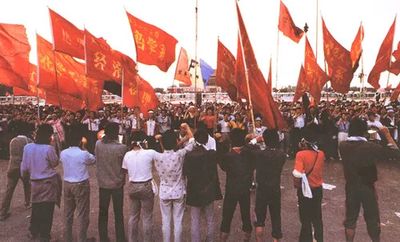
Thirty-seven years after the events in Beijing's Tiananmen Square, the anniversary continues to spark global reflection on democracy, freedom of expression, state power, and the importance of preserving historical memory. While discussion of the events remains heavily restricted within China, commemorations continue around the world as scholars, journalists, policymakers, and human rights advocates examine the lasting significance of what occurred in the spring of 1989. The movement began in April 1989 following the death of reform-minded Chinese leader Hu Yaobang. What started as student-led gatherings evolved into a nationwide protest movement calling for political reform, greater transparency, accountability, and action against corruption. Hundreds of thousands of demonstrators occupied Tiananmen Square, while similar protests spread to cities across China. After weeks of escalating tensions, martial law was declared. On the night of June 3 and into June 4, Chinese troops and tanks moved into Beijing to clear the protests. The exact number of deaths remains disputed and unknown, with estimates ranging from hundreds to thousands. The Chinese government has never released a full accounting of those killed, injured, detained, or disappeared. Perhaps the most enduring image from the crackdown is that of the unidentified "Tank Man" who stood alone before a column of tanks on June 5, 1989. The photograph became a global symbol of individual courage in the face of overwhelming state power and remains one of the most recognizable images of the twentieth century. Why Tiananmen Still Matters Beyond its historical significance, Tiananmen remains relevant because it raises enduring questions about civil liberties, government accountability, censorship, collective memory, and the role of citizen activism. Researchers continue to study how societies remember contested events and how governments shape historical narratives. The anniversary also serves as a reminder of the importance of preserving documentary evidence and firsthand accounts for future generations. Today, remembrance efforts continue through archives, academic research, museums, oral histories, and public commemorations outside mainland China. Recent reports highlight ongoing attempts by scholars, journalists, and activists to preserve photographs, diaries, eyewitness accounts, and other records associated with the 1989 protests and crackdown. Expert Perspectives Available Journalists covering the Tiananmen anniversary may wish to connect with experts in: Chinese history and politics Human rights and international relations Collective memory and historical preservation Democracy movements and social protest Media censorship and information control East Asian studies and contemporary China The Tiananmen Square anniversary remains more than a historical milestone. It continues to influence conversations about freedom, political participation, historical accountability, and the power of memory in shaping the future. If you're covering - connect now! See all of our experts at www.expertfile.com

Villanova Sports Business Expert Bret Myers, PhD, Previews the World Cup
Move over, American football fans. Hello, American… fútbol fans. Soon, the homes of NFL franchises like the Kansas City Chiefs, Dallas Cowboys and Philadelphia Eagles will play host to the 2026 FIFA World Cup, returning to the United States for the first time in 32 years. Through five-plus weeks of action-packed matches, soccer lovers from across the country—alongside more than 1.2 million international visitors—will flock to the nation’s metro areas to take in and celebrate the “beautiful game,” contributing to an atmosphere of revelry, drama and overall excitement. One person adding to the chorus of “olé”s will be Bret Myers, PhD, a sports business expert and professor of the practice of Management and Operations at Villanova University. Formerly a consultant with the Philadelphia Union, the Columbus Crew and Toronto FC, he recently shared some thoughts concerning the upcoming World Cup, its stateside appeal and the latest developments relating to the international contest. Q: The last World Cup game played on U.S. soil took place in 1994. How has soccer’s profile, and the American relationship with the sport, evolved since then? Dr. Myers: Undoubtedly, soccer has grown in this country since 1994 across all relevant metrics—namely, youth participation and academy development, domestic professional league development, TV and streaming viewership and the strength of the national team. A recent Economist survey even identified soccer as the third most popular sport in the country. A lot of that can be attributed to different demographic trends. Many Gen Xers grew up playing and following the sport, and Millennials and younger have become accustomed to engaging with it through social media. The popularity of EA Sports’ FIFA on gaming consoles has also helped with brand and player recognitions domestically. That said, while there have been many positive signs of growth, it is still a complex landscape in the U.S. Major League Soccer (MLS) has increased in quality over its 30 years of existence, but it has been challenging for them to carry the same kind of stature and appeal as the English Premier League, Mexico’s Liga MX, Spain’s La Liga and Germany’s Bundesliga—whose global broadcast rights and merchandising have attracted a lot of American fans due to higher standards of play and tradition. Q: How effective are promotions surrounding the World Cup? And do domestic professional and youth soccer teams benefit from the interest cultivated? DM: Honestly, it doesn’t take much to generate interest in World Cup games. Back in 1994, promotional efforts were arguably more important because soccer was in its infant stages of growth in the U.S., and the ticket prices were accordingly much lower, to spur demand. For this year’s World Cup, there’s an inverse problem. There is so much demand that FIFA is capitalizing with high ticket prices, unfortunately pricing out a lot of avid soccer fans. As for youth soccer and MLS, I don’t see a direct relationship between the promotional effort for the World Cup and the dynamics there. Participation in youth soccer is already high, and it has become a very competitive landscape with a lot of different tiers across multiple age groups, male and female. Meanwhile, MLS interest and ticket sales really boil down to the talent the league attracts. For instance, Lionel Messi’s decision to sign with Inter Miami was an enormous lift factor, bumping up attendance levels and increasing revenue levels for tickets, sponsorships and broadcast rights. Q: This year’s competition marks the first that will feature 48 teams, up from 32 previously. Could you speak about the logic and potential benefits of boosting the number of participants? DM: With the expansion of the World Cup field, there are certainly revenue benefits that come with more matches, more ticket sales, more consumption by fans and more viewership potential. That is the business side of things. From a competition standpoint, the clear beneficiaries are the smaller nations from less competitive continents that get the opportunity to participate, like Curaçao and Cape Verde. These teams are not going to win the World Cup, but they will make things interesting at times in the group phase, as there is always the potential for a surprise knockout or qualification for the next stage. Q: As Sports Illustrated reports, a series of rule changes have been put into effect for the World Cup to “maximize fairness and eliminate the dark arts.” Do you see any of these tweaks meaningfully impacting the product on the pitch? DM: While I think it’s good that FIFA is continuing to examine how to make the game safer, fairer and more exciting, I don’t think the World Cup is the place to experiment. Players should have the chance to get accustomed to rule changes during other types of competitions, so that they can better understand how they are being enforced. That said, in the long term, I think the proposed changes [aimed at preventing time-wasting and feigned injuries] will impact the sport positively. On-field theatrics compromise the integrity of the game, and most fans pick up on it and don’t appreciate it. Q: What elements of the upcoming tourney have you most excited? Are there any particular trends or stories you suggest fans track? DM: Personally, I’m satisfied to see that certain players are defying the traditional notion of an “age curve.” Many countries have players over 35 on their roster, with some of the bigger names being Messi (38), Cristiano Ronaldo (41) and U.S. team captain Tim Ream (38). It is also interesting to see the other end of the spectrum, with emerging talents like Spain’s Lamine Yamal (18) and Brazil’s Estêvão (19). With all the “GOATs” and “young bucks,” it isn’t exactly clear who is effectively the best player in the world right now. It’ll be interesting to see who emerges at the end of the World Cup to stake a claim.


Pride Month: From Protest to Global Celebration
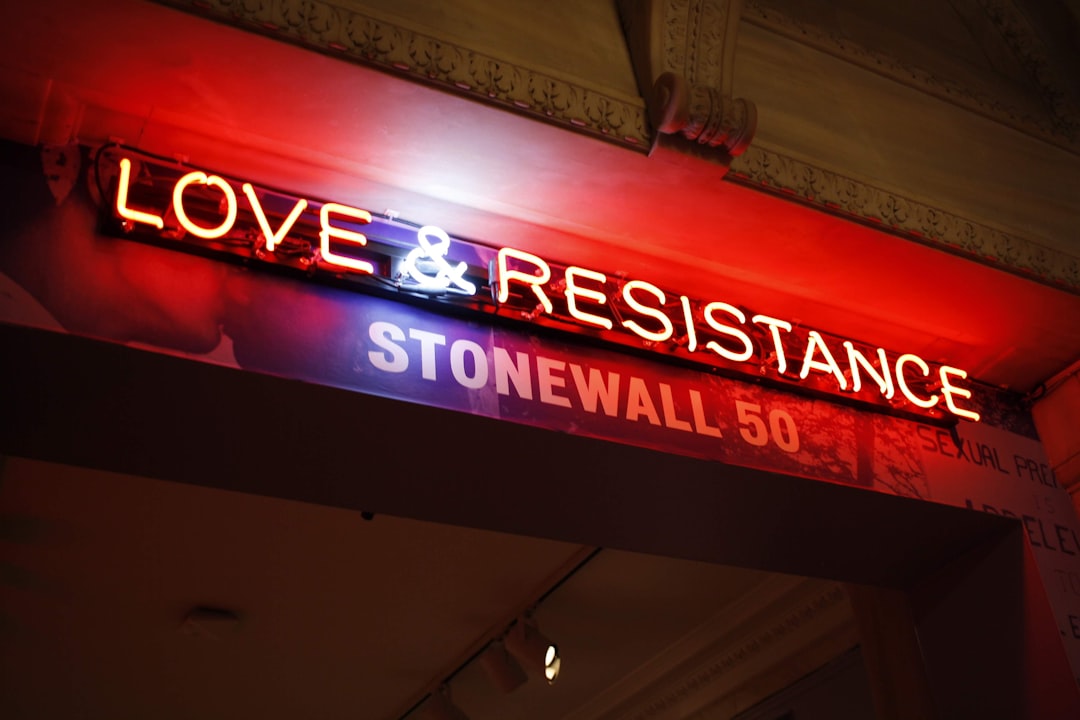
Pride Month is celebrated each June to honour the 1969 Stonewall Uprising in New York City, when LGBTQ+ patrons resisted a police raid at the Stonewall Inn. The uprising lasted several days and became a defining moment in the modern LGBTQ+ rights movement. One year later, the first Pride marches were held, transforming public protest into an annual call for visibility, dignity, safety, and equality. Today, Pride is marked around the world in many different ways. In Canada, the United States, and much of Europe, celebrations often include parades, festivals, concerts, flag-raisings, community events, and public education campaigns. In places such as Brazil, Mexico, South Africa, Japan, India, and Australia, Pride can blend celebration with activism, reflecting local histories, cultures, and legal realities. In countries where LGBTQ+ rights remain restricted or unsafe, Pride may take the form of smaller gatherings, private events, online campaigns, or human-rights advocacy rather than large public parades. What makes Pride powerful is that it is both celebration and protest. It recognizes progress, honours those who fought for change, and draws attention to the discrimination, violence, and legal barriers still faced by LGBTQ+ people in many parts of the world. For journalists, Pride Month offers a timely opportunity to explore history, human rights, culture, public policy, youth identity, corporate participation, faith communities, education, health, and the changing meaning of inclusion across borders. Connect with experts who can speak to the history of Pride, LGBTQ+ rights, identity, culture, and how communities around the world continue to mark this important month. Discover all of our experts here: www.expertfile.com
Pope Leo XIV Releases First Encyclical, "Magnifica Humanitas"
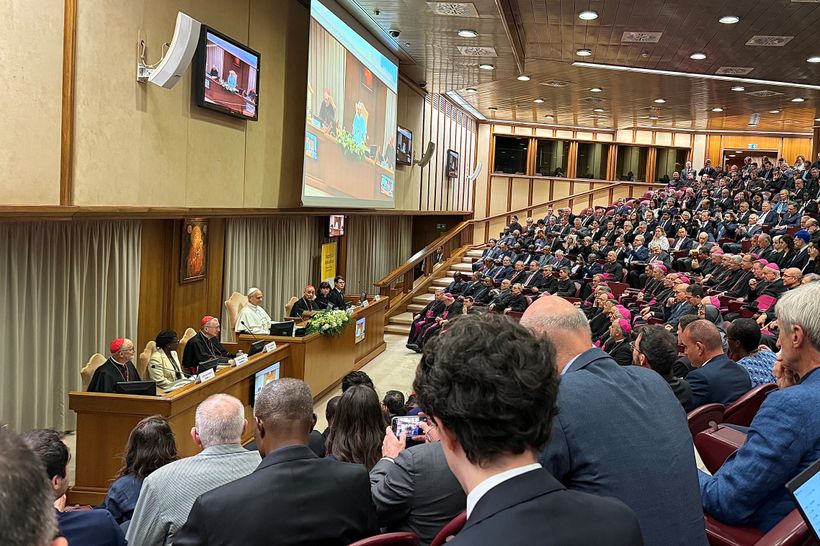
On May 25, 2026, Pope Leo XIV released his first papal encyclical, “Magnifica Humanitas: On Safeguarding the Human Person in the Time of Artificial Intelligence.” The letter—true to its title’s meaning of “magnificent humanity”—addresses how society, collectively, must preserve human virtues in a time of rapid technological advancement. The 42,000-word document features five distinct chapters, exploring various elements of the broader issue at hand and serving as a guidepost for moral and ethical use of technology, through the lens of Church teachings. It covers everything from the development and principles of Church social doctrine to technological responsibility, the culture of power, building civilization through love and preserving humanity through truth, work and freedom. “In recent years, it has become increasingly evident how rapidly and profoundly digitalization, artificial intelligence (AI) and robotics are transforming our world,” wrote Pope Leo in the encyclical’s introduction. “Technology should not be considered, in itself, as a force antagonistic to humanity. On the contrary… “Over the centuries, technological development has significantly improved the living conditions of humanity. At the same time, each phase of progress has also revealed the ambiguity of tools that can cause harm when not oriented toward the good… The power and prevalence of emerging technologies are interwoven into the fabric of daily life, shaping decision-making processes and deeply affecting the collective imagination: ‘Never has humanity had such power over itself.’ “[Most] people are watching and waiting, observing from afar and merely hoping for the best. For this very reason, crucial questions impose themselves on our conscience and can no longer be avoided: Where are we going? Toward what goal do we wish to orient ourselves? What direction should we choose as a people and as a human community?” What Is a Papal Encyclical? Popes have written more than 300 encyclicals—or “circulating letters”—since the mid-18th century. They were initially used to clearly communicate doctrine and guidance to priests throughout the world who were facing religious, political or social issues, which was especially useful as the world grew more interconnected and the Church grew larger. Beginning with Pope Leo XIII’s Rerum Novarum and continuing today, some papal encyclicals have been referred to as “social encyclicals” because they address a pervasive social issue through the lens of Catholic Social Teaching and are written not only for those within the Church, but laypeople as well. Some examples of those included Pope Saint John Paul’s 1987 Sollicitudo Rei Socialis on international inequality, and Pope Francis’ 2015 Laudato Si’ on environmental care and social justice. “[Pope Leo XIII and his successors] were developing a new way of teaching the world how to order itself according to Catholic principles, now translated into a vocabulary that would be intelligible to the larger world,” said Patrick Brennan, JD, Chair of Catholic Legal Studies at Villanova University Charles Widger School of Law, on LiveNow From Fox. “They try to address important social questions in ways that any person of goodwill can read and understand.” “Encyclicals contribute to our collective wisdom for how to live as community,” wrote Sally Scholz, PhD, professor of Philosophy at Villanova, in her recent contribution to Church Life Journal titled “What to Look For in Pope Leo XIV's First Social Encyclical.” “The principles and various themes they discuss offer guidance for day-to-day interpersonal interactions as well as for how to participate as a Catholic and as a “person of good will” at every level of social existence: in our families, our communities, our institutions, our states and in our ‘one human family.’” Observations From Magnifica Humanitas A New Twist on a Longstanding Issue While the types of technology being discussed in the letter—particularly artificial intelligence—are unique to our modern times, encyclicals addressing how to interact with contemporary technology are far from it. “Discussion of the relationship between humans and technology appears in many of the previous social encyclicals,” wrote Dr. Scholz in Church Life Journal. “It is a social phenomenon with so much promise but inspires so much fear for how it will change work and the workplace, communication, global trade, war and the family.” “Technology is integral to evolution. Understanding technology's relationship to human welfare means grasping its role within the flow of biological and human life,” wrote Sister Ilia Delio, OSF, PhD, the Josephine C. Connelly Endowed Chair in Christian Theology in the 2025 Global Sisters Report. What Pope Leo argues in his lengthy letter, boiled down to a few sentences, is that while technological advancements, and AI in particular, can be beneficial to society, they must never supersede human dignity, moral responsibility and the common good. A society that allows systems to replace human judgment, concentrate power or exploit workers risks dehumanization. For Jaisy Joseph, PhD, assistant professor of Theology and Religious Studies at Villanova University, particularly striking was something not written in the document itself, but rather spoken at the official promulgation of the letter in Rome. There, Pope Leo was joined in powerful reflection by Anthropic co-founder Christopher Olah. Olah analogized the current reality with bringing a fictional character to life, citing that while technical fields build the machinery of AI, “what character we choose, how it interacts with the world, how it ought to interact with the world— these are more clearly questions for the humanities, for religion, for philosophy, for society at large.” On that front, he then enlisted the help of the Church in addressing three pressing concerns related to AI and human flourishing, before ending with a request for the Church to continue to be an unyieldingly moral voice and informed critic. “The dynamic dialogue and discernment between Leo and Olah reflect a significant continuity with the Francis papacy,” Dr. Joseph said, referencing the late pontiff’s encouragement of “theology to adopt a transdisciplinary method that recognized how this discipline is part of a web of relationships among disciplines.” Technology Through the Lens of Augustinian Theology Throughout Magnifica Humanitas, Pope Leo’s ubiquitous thoughts and guidance on safeguarding humanity—particularly in the context of modern technology—are infused with references to the teachings of St. Augustine. “[Augustine’s teachings say] we need standards to guide our judgements and actions,” said Terence Sweeney, PhD, assistant teaching professor of Humanities at Villanova. “Pope Leo XIV, ‘a son of St. Augustine,’ offers us standards for how we judge our world in the age of AI. “One surprising standard in a document on Big Tech is that ‘a litmus test for social justice today is the treatment of migrants, refugees and those forced to move.’ Why this litmus test? Leo is shaped by Augustine’s rejection of communities of perfection where only the pure, powerful and perfect are welcome.” “Pope Leo beautifully aligns himself with traditional Catholic Social Teaching while grounding his vision in the theology of St. Augustine,” Dr. Joseph added. “The result is a groundbreaking defense of the human person in our new age of artificial intelligence.” Pope Leo, through a scriptural metaphor of the Tower of Babel, “resurrects Augustine’s famous warning that human history is a constant struggle between two loves fighting for our hearts,” Dr. Joseph said. He references how the builders of the tower tried to create “a single language, a single technology, a single direction” without reference to God. “The concluding paragraphs of chapter three highlight Pope Leo XIV’s distinctively Augustinian approach to evaluating the place of technology and scientific progress in the world,” said Emma Kennedy, PhD, assistant professor of Christian Ethics at Villanova University. “What we love, ‘both as individuals and as a society,’ will guide us to participate in ‘the rebuilding of Jerusalem’ or ‘the construction of Babel’––a contrast that hearkens back to Augustine’s ‘two cities.’” “Pope Leo [also] draws on an Augustinian spirituality that highlights fundamental desiring in the shared search for truth,” added Tim Hanchin, PhD, associate professor of Practical Theology at Villanova. “Our desire for truth, or wonder, reflects humanity’s transcendent origin and end. That we are created in the image and likeness of the Triune God (Genesis 1:26-27) distinguishes human knowing from mere data processing.” A Discussion on Slavery, Past and Present Intermixed with Pope Leo’s chapter four thoughts on modern slavery—such as various forms of human trafficking that he says are “directly linked to the digital economy”—he made an historic recognition and apology for the Church’s role in the transatlantic slave trade centuries ago. Tia Noelle Pratt, PhD, special assistant to the Vice President of Mission and Ministry at Villanova University, assistant professor of Sociology, and editor of the Journal of Catholic Social Thought, said that what makes this acknowledgement so important is how it differs from the way previous popes have addressed the issue, which have condemned slavery but remained at the individual level. “They spoke of their papal predecessors and those popes’ actions, but stopped short of invoking the institution itself and the institution's role in the promulgation of slavery,” Dr. Pratt said. Tying it back to current affronts on human dignity fueled by the digital age, Pope Leo penned his own papal version of the famous saying that “Those who cannot remember the past are condemned to repeat it.” “If we want to avoid the need to ask for pardon again in the future for having failed to respect the treasure of human dignity that is required by our faith, it falls to us today to denounce, clearly and firmly, trafficking in its many forms,” he wrote. “Pope Leo is telling us today that we cannot have detachment between the past and the present,” Dr. Pratt said. “We must see how these things are connected.” Inspired by Rerum Novarum, but Far From a Repeat Pope Leo XIV signed Magnifica Humanitas on May 15—the 135th anniversary of the release of Pope Leo XIII’s Rerum Novarum. That was the most famous social encyclical issued by the long-reigning pontiff and is considered to be a foundational text of modern Catholic Social Thought. It addressed numerous issues facing the working class during the time of the Industrial Revolution. On May 10, 2025—just two days after his election—Pope Leo referenced his namesake’s 1891 encyclical in an address to the College of Cardinals, foreshadowing the attention he intended to pay to the modern version of the same issue. “Pope Leo XIII in his historic encyclical Rerum Novarum addressed the social question in the context of the first great industrial revolution,” Pope Leo said in that address. “In our own day, the Church offers to everyone the treasury of her social teaching in response to another industrial revolution and to developments in the field of artificial intelligence that pose new challenges for the defense of human dignity, justice and labor.” Yet, while he was explicitly inspired by the 19th-century pontiff and his text, Pope Leo makes it clear early in Magnifica Humanitas that “While Leo XIII spoke in his time of ‘new things’ (rerum novarum), today we cannot limit ourselves simply to repeating his insightful teachings. “Instead, we must ask God for the wisdom to interpret the great trends of our time, particularly technological advances.”




How Worried Should We Be About Hantavirus?
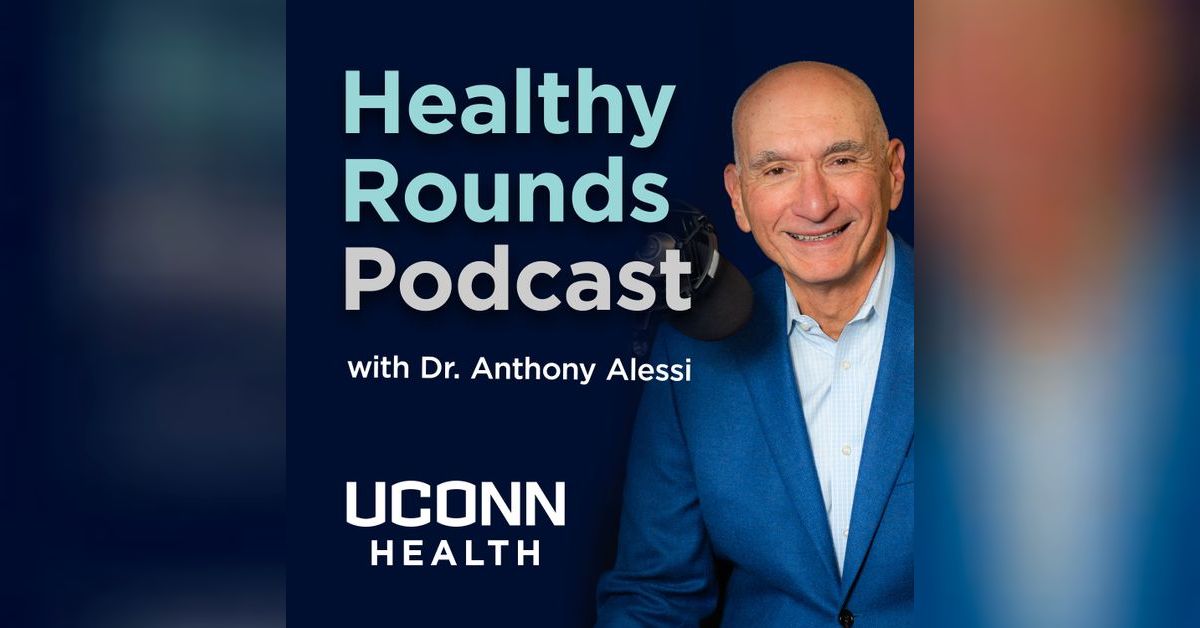
An outbreak of an uncommon but not unheard-of illness is responsible for the deaths of at least three people who were on an international cruise ship. With the rest of the passengers and crew under observation in their home countries — including 18 Americans who went to a quarantine facility at the University of Nebraska — how worried do we need to be about hantavirus? Dr. David Banach, UConn Health infectious diseases physician and hospital epidemiologist, joins Dr. Anthony Alessi to explain what we’re dealing with, the public health implications, and how, unlike COVID, the medical community at least has some history with this virus. You can check out the podcast here: It doesn’t spread in the same way that COVID does, in the sense that there’s no established sort of asymptomatic or pre-symptomatic spread. — Dr. David Banach Dr. Banach explains that hantavirus is a rare but serious virus carried primarily by rodents and spread through exposure to rodent waste or contaminated environments. While most cases are isolated, clusters can occasionally occur. The discussion compares hantavirus to COVID-19, with Dr. Banach emphasizing that hantavirus spreads much less easily between humans and is therefore less likely to become a global pandemic. However, it can cause severe cardiopulmonary illness with a significantly higher mortality rate than COVID. There is currently no vaccine or specific antiviral treatment, meaning care is largely supportive for patients who become critically ill. Dr. Banach also addresses public anxiety and misinformation surrounding the outbreak, encouraging people to rely on trusted organizations such as the World Health Organization and the Centers for Disease Control and Prevention for accurate information. He notes that public health officials continue to closely monitor the situation, but at this stage the overall risk to the general public remains low. Interested in learning more? Simply click on Dr. Banach's icon to arrange a time to talk today.


ExpertSpotlight - Ebola: What It Is, How It Spreads, and Whether the Public Should Be Concerned
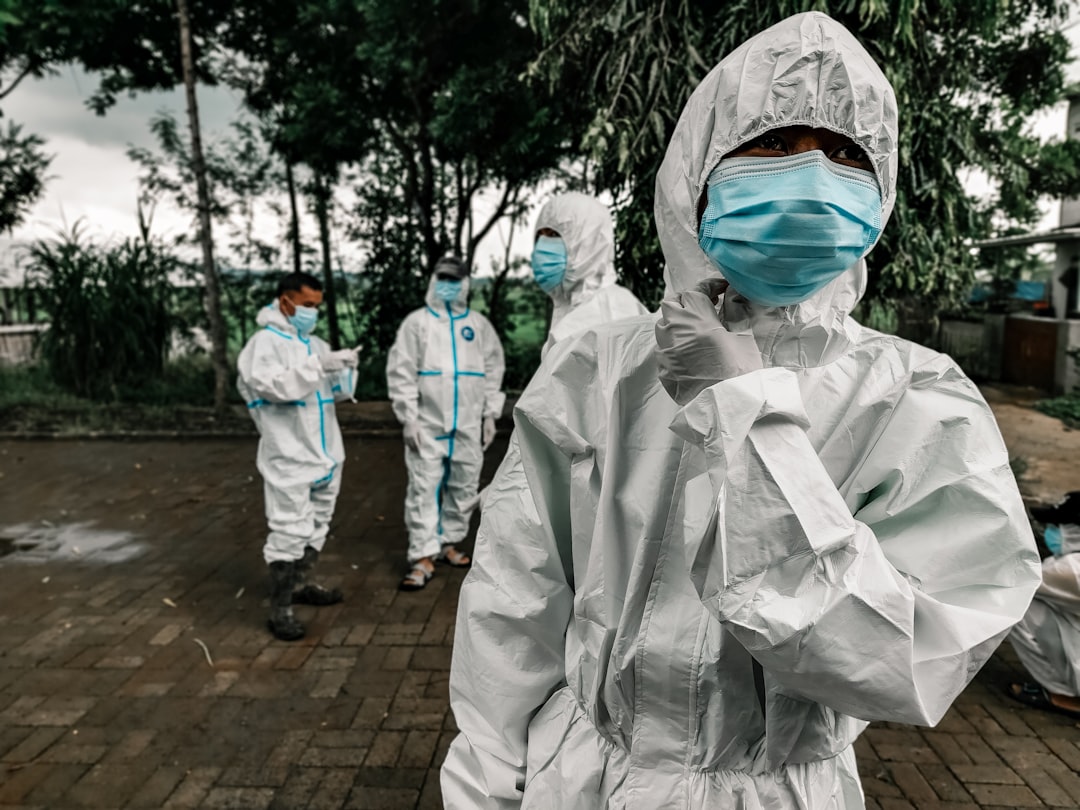
Few diseases in modern history have generated the level of fear associated with Ebola. With graphic symptoms, high mortality rates, and images of overwhelmed treatment centres etched into public memory, Ebola became synonymous with the dangers of global outbreaks long before COVID-19 reshaped how the world thinks about pandemics. But what exactly is Ebola? Where did it come from? How dangerous is it today? And should the public still be worried? A Deadly Virus with a Modern Legacy Ebola virus disease was first identified in 1976 during simultaneous outbreaks in what is now the Democratic Republic of the Congo and South Sudan. The virus was named after the nearby Ebola River, and from the beginning it proved exceptionally dangerous, capable of causing severe hemorrhagic fever with fatality rates that have ranged from 25 to 90 percent depending on the outbreak and available medical care. For decades, Ebola outbreaks were typically isolated to remote regions of Central and West Africa. That changed dramatically in 2014 when the largest Ebola outbreak in recorded history spread through Guinea, Liberia, and Sierra Leone, infecting more than 28,000 people and killing over 11,000. The crisis exposed major weaknesses in global health preparedness and demonstrated how quickly infectious diseases can overwhelm healthcare systems and destabilize economies and communities. The outbreak also fundamentally changed international public health policy. Governments, hospitals, and health organizations around the world began investing more heavily in infectious disease surveillance, emergency response planning, quarantine procedures, and vaccine development. What Ebola Actually Does to the Body Ebola begins much like many common viral illnesses, which can make early detection difficult. Initial symptoms often include: Sudden fever Severe fatigue Muscle pain Headache Sore throat As the disease progresses, patients may develop: Vomiting and diarrhea Rash Liver and kidney impairment Internal and external bleeding Multi-organ failure The virus attacks the immune system and damages blood vessels and organs, often leading to shock and death in severe cases. Patients who survive can still face long-term complications including joint pain, neurological problems, eye disorders, and ongoing fatigue months or even years later. How Ebola Spreads - And How It Does Not One of the most important public health facts about Ebola is that it does not spread through the air like influenza or COVID-19. Transmission occurs through direct contact with: Blood or bodily fluids of infected individuals Contaminated needles or medical equipment Infected animals Surfaces contaminated with infectious fluids This means Ebola is highly contagious in healthcare settings and among close family caregivers without proper protective equipment, but far less transmissible in casual public settings than many people assume. Funeral practices involving direct contact with deceased individuals have also historically contributed to outbreaks in some regions, making culturally sensitive public health education critically important during containment efforts. Treatments and Vaccines Have Changed the Outlook For years, Ebola was viewed almost as a death sentence. That perception has begun to change. Major advances in medicine and outbreak response have significantly improved survival rates, including: Rapid testing and surveillance systems Specialized isolation units Improved supportive care and hydration Monoclonal antibody treatments Effective vaccines for certain Ebola strains The development of the rVSV-ZEBOV vaccine represented a major breakthrough and has helped contain several recent outbreaks before they expanded into international crises. Global health organizations are now far better equipped to identify and isolate cases quickly compared to the early years of Ebola response. Should the Public Be Worried? Ebola remains a serious and deadly disease, but experts generally emphasize that widespread public panic is not warranted. Most outbreaks remain geographically limited and are aggressively monitored by national governments, the World Health Organization, and international health agencies. Countries with advanced healthcare systems also have far stronger infection prevention and containment capabilities than existed during earlier outbreaks. Still, Ebola continues to command attention because it highlights how interconnected global health has become. International travel, fragile healthcare systems, political instability, climate pressures, and human interaction with wildlife all increase the risk of future outbreaks of emerging infectious diseases. In many ways, Ebola serves as both a warning and a lesson: deadly viruses can emerge unexpectedly, but rapid science, coordinated public health measures, and global cooperation can dramatically reduce their impact. The world’s experience with Ebola helped shape many of the outbreak response systems now used to confront emerging diseases today, and public health experts continue to view it as one of the clearest examples of why pandemic preparedness remains essential. Connect with an expert:
UD experts break down the 2026 World Cup
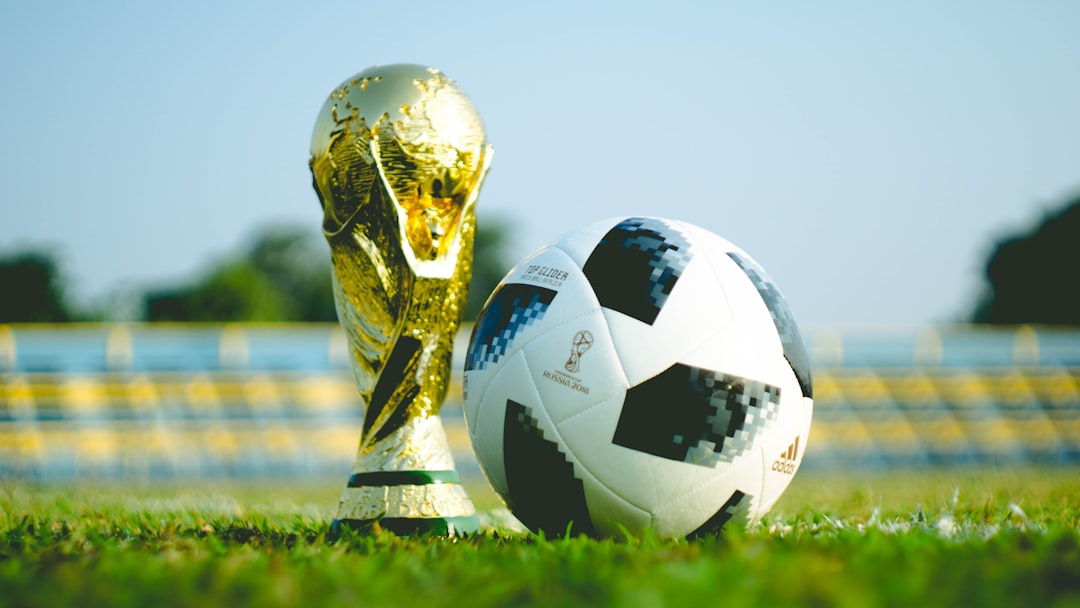
As the world gears up for the 2026 FIFA World Cup, experts from the University of Delaware are available to provide timely insight on the science, business, and human impact behind the global tournament. Player Safety, Concussions and the Future of the Game Tom Kaminski, professor of kinesiology and applied physiology, is a leading authority on player safety and head injuries. As the sole U.S. representative on FIFA’s Heading Expert Group, Kaminski is helping shape international guidelines around heading in soccer—particularly for youth athletes. He can speak to concussion risks, prevention strategies, and how evolving safety standards are influencing the modern game. Joining him is Tom Buckley, who also specializes in concussion research and athlete health, offering additional perspective on injury trends and recovery in elite competition. The Business of the World Cup: Tourism and Global Impact Matt Robinson from UD’s Lerner College of Business and Economics explores how mega-events like the World Cup drive tourism, economic growth, and global connection. Robinson can discuss how host cities benefit, the long-term economic ripple effects, and how sports act as a powerful unifier across cultures. Youth, Development and the Next Generation of Fans Sara Goldstein brings expertise in adolescent development, offering insight into how traditions with family shape youth identity, social development, and engagement with physical activity. Her perspective is especially relevant for younger audiences experiencing the World Cup through schools and community programs, including UD’s Lab School initiatives. Inside the Game: Sports Analytics in Action With the rise of data-driven performance, UD’s new Sports Performance Analytics major is preparing students to analyze gameplay at the highest level. Martin Heintzelman, department chair, can connect media with program leaders and practitioners including Jack Davis and Christina Rasnake, who are helping students apply real-time analytics to global competitions like the World Cup. The Science Beneath the Game: Playing Surfaces World Cup matches are required to be played on natural grass—a costly and complex requirement, especially for indoor stadiums. Erik Ervin can discuss how turfgrass systems have evolved, the science behind maintaining elite playing surfaces, and the massive investment required to meet international standards. Why Watching Together Matters Amit Kumar studies the psychology of happiness and shared experiences. He can speak to why gathering to watch World Cup matches—whether in stadiums, bars, or living rooms—boosts well-being and strengthens social bonds, making the tournament as meaningful off the field as it is on it. Connect with UD experts to explore every angle of the 2026 World Cup – from the pitch to the people. Email mediarelations@udel.edu to connect with these experts.