
Experts Matter. Find Yours.
Connect for media, speaking, professional opportunities & more.

Pause for Water. Stay for the Ads. FIFA's $500 Million Timeout
FIFA's decision to introduce mandatory hydration breaks in every match of the 2026 FIFA World Cup is drawing attention far beyond player welfare circles. The new rule requires a three-minute stoppage in each half of all 104 tournament matches, creating more than 10 hours of additional broadcast inventory that did not exist in previous World Cups. Analysts estimate the added commercial value could approach $500 million, making the breaks one of the most significant business stories of the tournament. While FIFA has emphasized player health and safety amid concerns about summer temperatures across North America, broadcasters and advertisers have quickly recognized the value of guaranteed in-game breaks. Networks are now able to sell premium advertising inventory during some of the most highly watched sporting events on the planet, creating opportunities that resemble the commercial structure of American sports broadcasts. Tim Derdenger is an Associate Professor of Marketing and Strategy at Carnegie Mellon’s Tepper School of Business. An expert in sports markets, his research is centered around celebrity endorsements and how to optimize their impact on product sales. View his profile The move has generated debate among fans and observers, with some questioning whether commercial considerations played a role in expanding hydration breaks to every match regardless of venue or weather conditions. Critics argue the stoppages alter the traditional flow of soccer, while supporters point to growing concerns about extreme heat and player safety. For brands, however, the development represents a rare opportunity. Unlike traditional halftime advertising, hydration breaks occur while viewers remain actively engaged in the match, creating premium moments for sponsors seeking global reach and attention. The breaks also open new possibilities for branded content, integrated sponsorship activations, and enhanced fan engagement strategies during live play. Looking to know more? We can help. Tim Derdenger is an expert in sports marketing, sponsorship strategy, media rights, and the business of major sporting events. He can discuss: • How hydration breaks create new revenue opportunities for broadcasters and sponsors • The growing commercialization of global sports properties • Whether fans will accept more advertising during live sporting events • How brands can maximize engagement during high-profile World Cup broadcasts • What this development signals about the future of sports media rights and sponsorship Looking for expert insight on the business side of the 2026 FIFA World Cup? Connect with Tim Derdenger today to discuss how FIFA's hydration breaks could reshape sports marketing, sponsorship activation, and broadcast economics for years to come.



From Economic Crisis to Global Influence: The Evolution of the G7
The world's attention is once again focused on the G7 as leaders meet this week in Évian-les-Bains, France. The summit brings together the leaders of Canada, France, Germany, Italy, Japan, the United Kingdom, the United States, and representatives of the European Union to discuss some of the world's most pressing challenges, including Ukraine, economic stability, artificial intelligence, global security, and international development. From Economic Crisis to Global Leadership Forum The G7 traces its origins to 1975, when leaders from six industrialized democracies met in Rambouillet, France, amid economic turmoil following the 1973 oil crisis. The gathering was designed to create an informal forum where leaders could have candid discussions about economic recovery, inflation, energy security, and trade. Canada joined the following year, creating what became known as the G7. Unlike formal international organizations, the G7 has no permanent headquarters or treaty structure. Its influence comes from the economic and political weight of its members and the ability of leaders to coordinate policy responses to global challenges. Major Milestones in G7 History 1975 – Rambouillet, France The first summit established a new model for direct dialogue among world leaders during a period of economic uncertainty. 1980s – Managing Economic Volatility Summits focused heavily on inflation, energy security, trade liberalization, and coordination among major economies as globalization accelerated. 1998 – Expansion to the G8 Russia joined the group, transforming it into the G8 and reflecting hopes for greater post-Cold War cooperation. 2002 – Kananaskis, Canada Following the September 11 attacks, security and counterterrorism became central themes. The summit also launched major international development initiatives. 2014 – Return to the G7 Russia was suspended following its annexation of Crimea, and the forum returned to its current G7 structure. 2023 – Hiroshima, Japan Leaders met in the world's first city devastated by an atomic bomb, reinforcing commitments to peace, international security, and nuclear non-proliferation. 2025 – Kananaskis, Canada The summit marked the 50th anniversary of the first G7 gathering and focused on energy security, digital transformation, emerging technologies, and strengthening international partnerships. Why the G7 Still Matters While the global economy has evolved dramatically since 1975, the G7 remains a critical venue for coordination among advanced democracies. The agenda has expanded far beyond economics to include climate policy, international security, public health, emerging technologies, cybersecurity, artificial intelligence, and responses to international conflicts. This year's summit in France reflects that evolution. Alongside discussions on Ukraine and global economic imbalances, leaders are expected to focus on the opportunities and risks presented by AI, debt challenges facing developing nations, and growing geopolitical tensions around the world. Connect With An Expert Journalists covering the 2026 G7 Summit, international relations, global governance, economic diplomacy, trade policy, international security, or the evolving role of multilateral institutions can connect with experts from your institution through ExpertFile. Whether examining the summit's historical significance or its impact on today's geopolitical landscape, expert insight can help provide context behind the headlines. Visit all of our experts at www.expertfile.com


Research Matters: Water, Water Everywhere — and Lots to Drink
Researchers at the University of Rochester have discovered a better way to turn seawater into drinking water as climate change, population growth, and drought intensify pressure on freshwater supplies. Desalination, as the process of converting saltwater to freshwater is known, has been used for some time. But desalination methods commonly used today have significant drawbacks: they require large amounts of energy and generate brine waste that can damage marine ecosystems. Enter University of Rochester optics and physics professor Chunlei Guo and his research team, who have developed a solar-thermal desalination technology that converts seawater into drinking water without chemical additives and without producing the harmful brine. Their system uses a specially engineered solar panel made of “superwicking” black metal etched with ultrafast lasers that allow it to absorb light and attract water. The panels have a laser-treated “active” region that pulls a think layer of water across the surface, absorbs sunlight, distills the water, and deposits leftover salts and minerals onto the untreated “passive” region. The technology also transforms waste into a resource. Instead of generating brine, the process captures salts in solid form, creating opportunities to recover valuable minerals. Guo's team has already demonstrated the ability to extract lithium, a critical component in rechargeable batteries, from salt-rich water sources. For reporters covering sustainability innovation, Guo is available to discuss: • Why desalination is becoming increasingly important worldwide • The environmental challenges associated with current desalination technologies • How solar-powered desalination works • The role of advanced materials and laser engineering in water purification • Recovering valuable minerals such as lithium from seawater • The future of sustainable water and resource management With an estimated 2.2 billion people worldwide lacking access to safely managed drinking water, Guo's research offers a glimpse of how next-generation technologies could help address both global water shortages and growing demand for critical minerals. Researchers recently explained their method in a paper published in Light: Science & Applications. Journalists can connect with Guo by contacting Luke Auburn, director of communications at the University of Rochester’s Hajim School of Engineering and Applied Sciences, at luke.auburn@rochester.edu.

World Cup 2026: Story Angles Beyond the Pitch
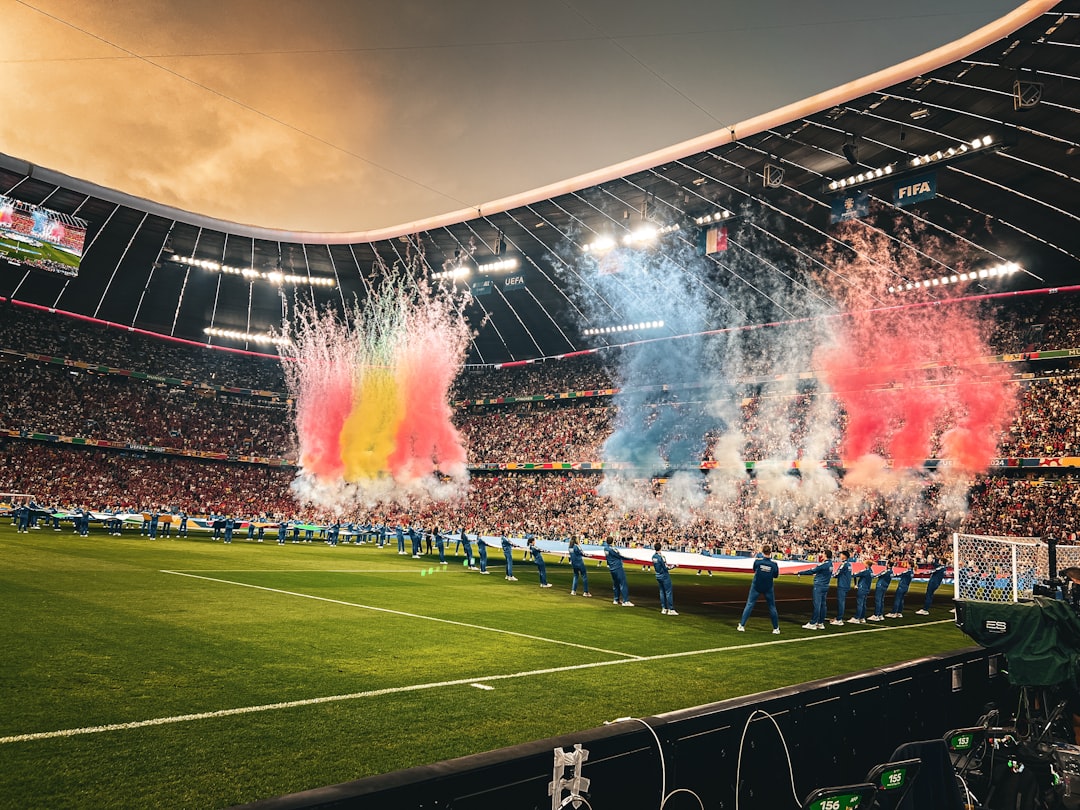
The 2026 FIFA World Cup will be one of the biggest sports stories of the year, with matches taking place across Mexico, Canada and the United States. But the story will reach well beyond the field. As the tournament moves from city to city, it will bring host communities, public agencies, local businesses and civic leaders into the spotlight. That creates a wide range of story angles for journalists, from public health and safety, tourism and economic impact to sports technology, fan culture, athlete performance, national identity and the politics of international sport. Institutions using ExpertFile are helping media cover these broader World Cup stories through dedicated Topic Authority Hubs, Spotlight posts and expert profiles featuring trusted sources across health, business, technology, public policy, culture and sport. Featured World Cup Expert Hubs With the World Cup coming to the New York metro area, Hofstra University’s hub brings together experts on athlete health, recovery, injury prevention, mental performance, public health, tourism, local business impact and the cultural history of soccer. Explore Hofstra’s World Cup 2026 Hub. Source: Hofstra University The University of Delaware’s hub focuses on player safety, concussion research, sports analytics, tourism, youth development, fan behavior, shared experiences and the science behind elite competition. Explore the University of Delaware’s World Cup 2026 Hub. Source: University of Delaware Carnegie Mellon University’s hub looks at the tournament through the lenses of geopolitics, diplomacy, sports marketing, fan engagement, AI, robotics, biomechanics, human performance and emerging sports technologies. Explore Carnegie Mellon’s World Cup 2026 hub. Source: Carnegie Mellon University Story Angles As coverage plans take shape, these are some of the World Cup 2026 story angles journalists may want to explore. The Topic Authority Hubs featured above offer a helpful starting point, with Spotlight posts and expert profiles connected to many of these issues. Journalists can also search directly on expertfile.com to find additional academic experts who can bring depth, context and clarity to their coverage. The politics behind the tournament The World Cup is never just about sport. It can become a global stage for diplomacy, national pride, protest, soft power and political tension, with countries not only competing on the field but also presenting themselves to the world. For journalists, that creates timely story opportunities around national identity, international relations and the political flashpoints that often surface around major global sporting events. The next generation of fans A World Cup can shape how young people connect with sport, family, community and national identity. For many children and teenagers, this may be the first tournament they experience in a big way — at school, at home, in their community or through local soccer programs. The mental pressure of representing a country Few sporting events carry the emotional weight of the World Cup. Players are not just competing for clubs or contracts. They are carrying national expectations in front of a global audience, often under intense media and social media scrutiny. The science of movement under pressure World Cup matches are full of moments that happen almost too quickly to see: a sudden change of direction, a hard landing, a collision, a late tackle, a split-second decision to accelerate or pull back. Experts can help explain the biomechanics behind elite soccer movement, how the body absorbs stress during competition, and why injuries such as ACL tears and concussions remain such important issues at the highest level of the game. How technology is changing the game AI, sports analytics, wearables, robotics, motion tracking and virtual experiences are changing how soccer is played, trained, analyzed and watched. Some of this technology is visible to fans. Much of it is happening behind the scenes. The hidden science behind the tournament Some of the most important parts of the World Cup are easy to overlook. Playing surfaces, stadium preparation, natural grass requirements, turfgrass systems and venue logistics all play a role in the quality of the tournament. What host cities gain — and what they have to manage The World Cup can bring major attention to host cities, along with increased demand on hotels, restaurants, transportation systems, small businesses and public services. The story is not only how many people visit, but who benefits and what remains after the tournament moves on. Sports analytics in action Data is now part of how elite soccer is understood, taught and analyzed. From performance trends to real-time decision-making, analytics can help explain what is happening inside the game and how teams, coaches and analysts evaluate play at the highest level. Soccer as culture and identity For many fans, soccer is tied to family, community, immigration, history and belonging. The World Cup offers a chance to tell stories about fan culture, grassroots soccer, Latin American soccer history, gender and power in the sport, and why watching together can feel so meaningful. Public health and mass gatherings Millions of fans travelling across borders and gathering in stadiums, fan zones and public spaces create important public health questions. Cities need to think about disease surveillance, emergency preparedness, health system readiness and health equity — all while hosting one of the most visible events in the world. About ExpertFile ExpertFile helps organizations become the most trusted and visible source of expertise in an AI-driven world. The platform combines expert profiles, content publishing, inquiry management, analytics and media distribution into a single Visible Authority infrastructure - enabling universities, healthcare organizations, corporations and associations to improve how their expertise is discovered, cited and engaged across search engines, AI assistants and media channels. Built-in workflow orchestration, governance controls and compliance oversight help organizations reduce risk and achieve greater impact with existing resources. Trusted by leading institutions including Carnegie Mellon University, the Massachusetts Institute of Technology (MIT) and ChristianaCare, ExpertFile helps organizations unlock the full value of their expertise at scale. The ExpertFile Mobile App connects journalists, conference organizers, policymakers, researchers and industry partners with authoritative expertise across more than 50,000 topics.


World Cup 2026: Former soccer executive analyzes tournament economics and youth soccer structure
With the 2026 FIFA World Cup days away, the University of Delaware's John Allgood is available to discuss the business of soccer, youth sports participation and the tournament's impact on communities and the economy. As a former United Soccer League (USL) top executive, Allgood brings firsthand experience and knowledge of the commercial operations and development sides of the sport. He also currently serves as an instructor of sport management at UD. Areas of expertise relevant to the World Cup include: • Economic impact: How the tournament will drive local revenue. • The business of soccer: Sports marketing and the commercialization of global sports entertainment. • U.S. youth soccer: The tiered structure of soccer in the U.S., including the pay-to-play system in youth soccer that is different from development models in other countries. • Participation and interest: How the World Cup will boost participation and fan interest in soccer, especially among youth players. • Soccer as a unifying force: The sports' social impact and how it brings people together. To reach Allgood directly and arrange an interview, click the "contact" button on his profile. Interested journalists can also send an email to mediarelations@udel.edu.



World Cup: Expert Sees World History in Motion
Most soccer fans watch the FIFA World Cup for the goals, the stars, and the drama. Pablo Sierra Silva sees a lot more. “You’re seeing empire, migration, nationalism, labor, religion, commercialization, and identity all unfolding in real time,” says Sierra Silva, a University of Rochester history professor who teaches a course called “World History Through Soccer.” He adds: “The World Cup is never just 22 players kicking a ball.” As the largest World Cup field ever unfolds across North America, Sierra Silva says the tournament offers a unique lens into the forces shaping the modern world. Fans need only look for it. Take the scheduled Group Stage game between France and Senegal. The matchup reflects centuries of shared history, from French colonial rule in West Africa to contemporary migration patterns and diaspora populations. The crowd, the flags, the chants, and even who is playing can reveal as much as the final score. The same is true for players like Spain’s teenage superstar Lamine Yamal, whose Moroccan and Equatorial Guinean heritage reflects broad changes in European society. “He is redefining what it means to be Spanish,” Sierra Silva says. “This is one of the stories of modern Europe, and soccer makes it visible.” Sierra Silva also studies how the World Cup has evolved into a global cultural phenomenon shaped by social media, celebrity, commerce, and fandom. Even seemingly simple traditions — such as collecting Panini World Cup stickers — offer lessons about geography, migration, and national identity. For journalists looking for unique angles on the World Cup, Sierra Silva can provide expert commentary on: • The history and politics behind international soccer rivalries • Migration, diaspora communities, and national identity • Race, religion, and representation in global sport • Sports marketing, fandom, and media culture • The World Cup as a reflection of world history and its various impacts on nations “People feel connected to histories and identities through these teams,” Sierra Silva says. “That’s why it matters.” To connect with Sierra Silva, contact University of Rochester media relations specialist David Andreatta at david.andreatta@rochester.edu.
The World Cup Beyond the Pitch
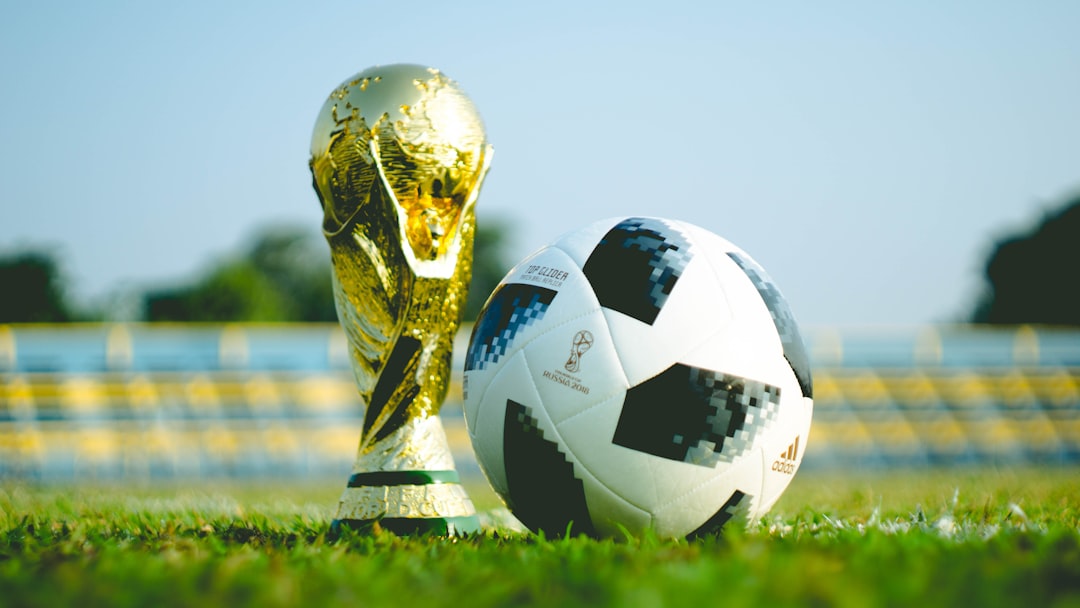
As the FIFA World Cup kicks off this month across Canada, the United States, and Mexico, global attention will focus on the action on the field. But some of the most important stories surrounding the tournament may happen beyond the final score. A recent Hofstra University article 'Hofstra History Professor Plays Key Role in 2026 World Cup Antidiscrimination Efforts' highlighted the work of historian and soccer scholar Brenda Elsey, who has been involved in efforts to address discrimination, inclusion, and fan culture issues connected to major international football events. Her work examines how race, gender, politics, identity, and social change intersect with the world's most popular sport. Dr. Brenda Elsey is a leading soccer scholar whose research explores the intersection of football, politics, gender, and society in Latin America. She has written extensively on the history and cultural impact of the sport, including its role in shaping identity, social movements, and international events. View her profile here For journalists, the 2026 World Cup presents opportunities to explore topics ranging from fan behaviour and inclusivity to the social and cultural impacts of hosting one of the largest sporting events on the planet. Questions around accessibility, equity, nationalism, gender representation, and the evolving role of sport in public life are expected to be part of the broader conversation surrounding the tournament. Brenda Elsey is a leading expert on the history, politics, and culture of soccer, with particular expertise in issues of gender, discrimination, and social justice in sport. Her research has examined how major international tournaments reflect broader societal trends and challenges, making her a valuable source for media looking to provide deeper context beyond match results and standings. Whether covering host cities, fan experiences, emerging controversies, or the legacy of the tournament, journalists seeking expert insight into the broader cultural significance of FIFA World Cup 2026 should consider connecting with Brenda Elsey.

Expert Spotlight: Tiananmen Square - 37 Years Later, Why the World Still Remembers
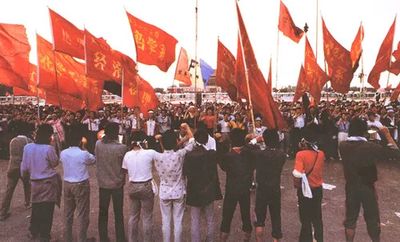
Thirty-seven years after the events in Beijing's Tiananmen Square, the anniversary continues to spark global reflection on democracy, freedom of expression, state power, and the importance of preserving historical memory. While discussion of the events remains heavily restricted within China, commemorations continue around the world as scholars, journalists, policymakers, and human rights advocates examine the lasting significance of what occurred in the spring of 1989. The movement began in April 1989 following the death of reform-minded Chinese leader Hu Yaobang. What started as student-led gatherings evolved into a nationwide protest movement calling for political reform, greater transparency, accountability, and action against corruption. Hundreds of thousands of demonstrators occupied Tiananmen Square, while similar protests spread to cities across China. After weeks of escalating tensions, martial law was declared. On the night of June 3 and into June 4, Chinese troops and tanks moved into Beijing to clear the protests. The exact number of deaths remains disputed and unknown, with estimates ranging from hundreds to thousands. The Chinese government has never released a full accounting of those killed, injured, detained, or disappeared. Perhaps the most enduring image from the crackdown is that of the unidentified "Tank Man" who stood alone before a column of tanks on June 5, 1989. The photograph became a global symbol of individual courage in the face of overwhelming state power and remains one of the most recognizable images of the twentieth century. Why Tiananmen Still Matters Beyond its historical significance, Tiananmen remains relevant because it raises enduring questions about civil liberties, government accountability, censorship, collective memory, and the role of citizen activism. Researchers continue to study how societies remember contested events and how governments shape historical narratives. The anniversary also serves as a reminder of the importance of preserving documentary evidence and firsthand accounts for future generations. Today, remembrance efforts continue through archives, academic research, museums, oral histories, and public commemorations outside mainland China. Recent reports highlight ongoing attempts by scholars, journalists, and activists to preserve photographs, diaries, eyewitness accounts, and other records associated with the 1989 protests and crackdown. Expert Perspectives Available Journalists covering the Tiananmen anniversary may wish to connect with experts in: Chinese history and politics Human rights and international relations Collective memory and historical preservation Democracy movements and social protest Media censorship and information control East Asian studies and contemporary China The Tiananmen Square anniversary remains more than a historical milestone. It continues to influence conversations about freedom, political participation, historical accountability, and the power of memory in shaping the future. If you're covering - connect now! See all of our experts at www.expertfile.com
Villanova Sports Business Expert Bret Myers, PhD, Previews the World Cup
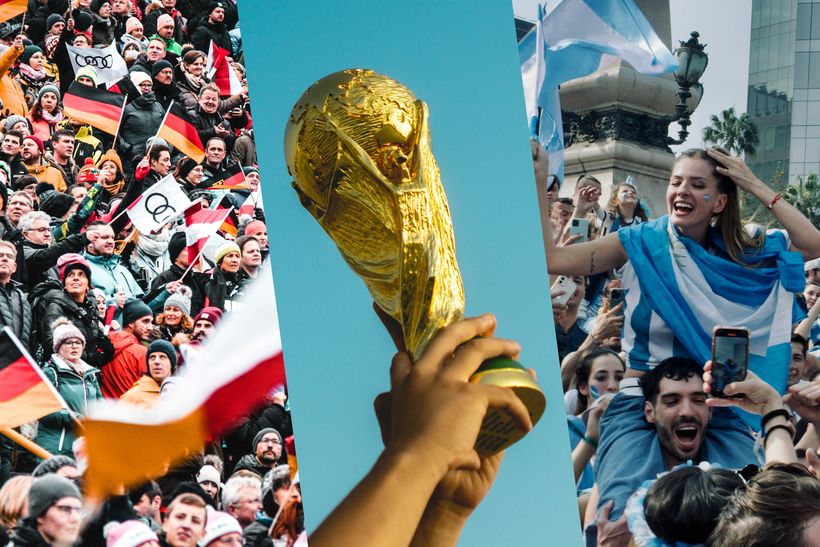
Move over, American football fans. Hello, American… fútbol fans. Soon, the homes of NFL franchises like the Kansas City Chiefs, Dallas Cowboys and Philadelphia Eagles will play host to the 2026 FIFA World Cup, returning to the United States for the first time in 32 years. Through five-plus weeks of action-packed matches, soccer lovers from across the country—alongside more than 1.2 million international visitors—will flock to the nation’s metro areas to take in and celebrate the “beautiful game,” contributing to an atmosphere of revelry, drama and overall excitement. One person adding to the chorus of “olé”s will be Bret Myers, PhD, a sports business expert and professor of the practice of Management and Operations at Villanova University. Formerly a consultant with the Philadelphia Union, the Columbus Crew and Toronto FC, he recently shared some thoughts concerning the upcoming World Cup, its stateside appeal and the latest developments relating to the international contest. Q: The last World Cup game played on U.S. soil took place in 1994. How has soccer’s profile, and the American relationship with the sport, evolved since then? Dr. Myers: Undoubtedly, soccer has grown in this country since 1994 across all relevant metrics—namely, youth participation and academy development, domestic professional league development, TV and streaming viewership and the strength of the national team. A recent Economist survey even identified soccer as the third most popular sport in the country. A lot of that can be attributed to different demographic trends. Many Gen Xers grew up playing and following the sport, and Millennials and younger have become accustomed to engaging with it through social media. The popularity of EA Sports’ FIFA on gaming consoles has also helped with brand and player recognitions domestically. That said, while there have been many positive signs of growth, it is still a complex landscape in the U.S. Major League Soccer (MLS) has increased in quality over its 30 years of existence, but it has been challenging for them to carry the same kind of stature and appeal as the English Premier League, Mexico’s Liga MX, Spain’s La Liga and Germany’s Bundesliga—whose global broadcast rights and merchandising have attracted a lot of American fans due to higher standards of play and tradition. Q: How effective are promotions surrounding the World Cup? And do domestic professional and youth soccer teams benefit from the interest cultivated? DM: Honestly, it doesn’t take much to generate interest in World Cup games. Back in 1994, promotional efforts were arguably more important because soccer was in its infant stages of growth in the U.S., and the ticket prices were accordingly much lower, to spur demand. For this year’s World Cup, there’s an inverse problem. There is so much demand that FIFA is capitalizing with high ticket prices, unfortunately pricing out a lot of avid soccer fans. As for youth soccer and MLS, I don’t see a direct relationship between the promotional effort for the World Cup and the dynamics there. Participation in youth soccer is already high, and it has become a very competitive landscape with a lot of different tiers across multiple age groups, male and female. Meanwhile, MLS interest and ticket sales really boil down to the talent the league attracts. For instance, Lionel Messi’s decision to sign with Inter Miami was an enormous lift factor, bumping up attendance levels and increasing revenue levels for tickets, sponsorships and broadcast rights. Q: This year’s competition marks the first that will feature 48 teams, up from 32 previously. Could you speak about the logic and potential benefits of boosting the number of participants? DM: With the expansion of the World Cup field, there are certainly revenue benefits that come with more matches, more ticket sales, more consumption by fans and more viewership potential. That is the business side of things. From a competition standpoint, the clear beneficiaries are the smaller nations from less competitive continents that get the opportunity to participate, like Curaçao and Cape Verde. These teams are not going to win the World Cup, but they will make things interesting at times in the group phase, as there is always the potential for a surprise knockout or qualification for the next stage. Q: As Sports Illustrated reports, a series of rule changes have been put into effect for the World Cup to “maximize fairness and eliminate the dark arts.” Do you see any of these tweaks meaningfully impacting the product on the pitch? DM: While I think it’s good that FIFA is continuing to examine how to make the game safer, fairer and more exciting, I don’t think the World Cup is the place to experiment. Players should have the chance to get accustomed to rule changes during other types of competitions, so that they can better understand how they are being enforced. That said, in the long term, I think the proposed changes [aimed at preventing time-wasting and feigned injuries] will impact the sport positively. On-field theatrics compromise the integrity of the game, and most fans pick up on it and don’t appreciate it. Q: What elements of the upcoming tourney have you most excited? Are there any particular trends or stories you suggest fans track? DM: Personally, I’m satisfied to see that certain players are defying the traditional notion of an “age curve.” Many countries have players over 35 on their roster, with some of the bigger names being Messi (38), Cristiano Ronaldo (41) and U.S. team captain Tim Ream (38). It is also interesting to see the other end of the spectrum, with emerging talents like Spain’s Lamine Yamal (18) and Brazil’s Estêvão (19). With all the “GOATs” and “young bucks,” it isn’t exactly clear who is effectively the best player in the world right now. It’ll be interesting to see who emerges at the end of the World Cup to stake a claim.


Pride Month: From Protest to Global Celebration
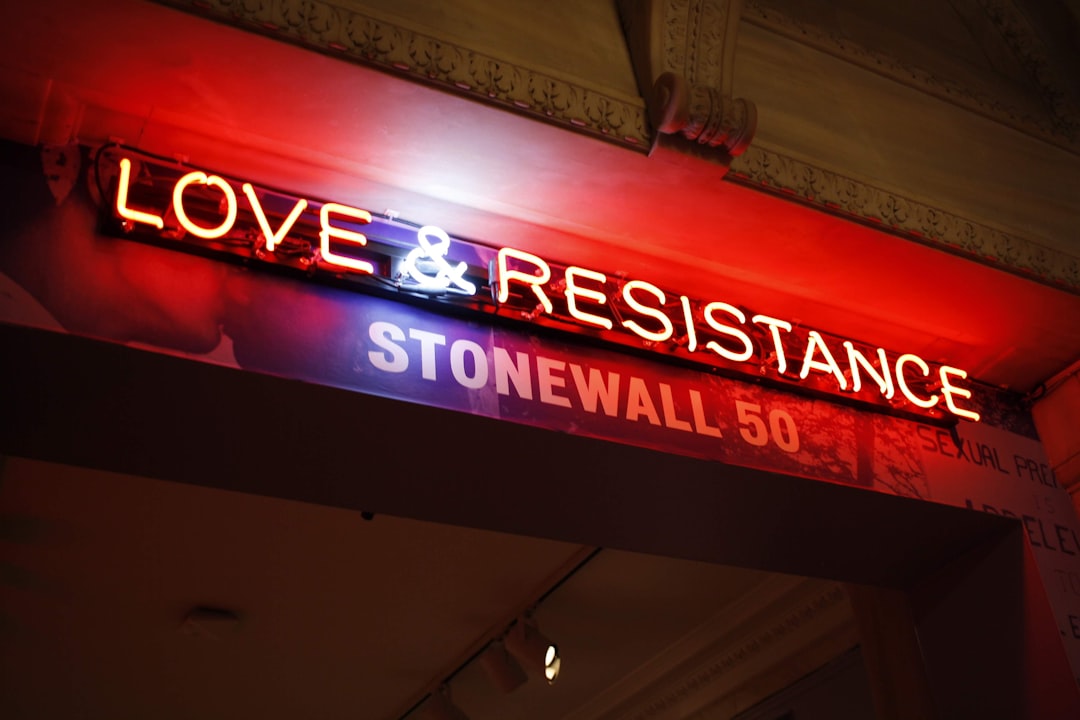
Pride Month is celebrated each June to honour the 1969 Stonewall Uprising in New York City, when LGBTQ+ patrons resisted a police raid at the Stonewall Inn. The uprising lasted several days and became a defining moment in the modern LGBTQ+ rights movement. One year later, the first Pride marches were held, transforming public protest into an annual call for visibility, dignity, safety, and equality. Today, Pride is marked around the world in many different ways. In Canada, the United States, and much of Europe, celebrations often include parades, festivals, concerts, flag-raisings, community events, and public education campaigns. In places such as Brazil, Mexico, South Africa, Japan, India, and Australia, Pride can blend celebration with activism, reflecting local histories, cultures, and legal realities. In countries where LGBTQ+ rights remain restricted or unsafe, Pride may take the form of smaller gatherings, private events, online campaigns, or human-rights advocacy rather than large public parades. What makes Pride powerful is that it is both celebration and protest. It recognizes progress, honours those who fought for change, and draws attention to the discrimination, violence, and legal barriers still faced by LGBTQ+ people in many parts of the world. For journalists, Pride Month offers a timely opportunity to explore history, human rights, culture, public policy, youth identity, corporate participation, faith communities, education, health, and the changing meaning of inclusion across borders. Connect with experts who can speak to the history of Pride, LGBTQ+ rights, identity, culture, and how communities around the world continue to mark this important month. Discover all of our experts here: www.expertfile.com