
Experts Matter. Find Yours.
Connect for media, speaking, professional opportunities & more.

UD experts break down the 2026 World Cup
As the world gears up for the 2026 FIFA World Cup, experts from the University of Delaware are available to provide timely insight on the science, business, and human impact behind the global tournament. Player Safety, Concussions and the Future of the Game Tom Kaminski, professor of kinesiology and applied physiology, is a leading authority on player safety and head injuries. As the sole U.S. representative on FIFA’s Heading Expert Group, Kaminski is helping shape international guidelines around heading in soccer—particularly for youth athletes. He can speak to concussion risks, prevention strategies, and how evolving safety standards are influencing the modern game. Joining him is Tom Buckley, who also specializes in concussion research and athlete health, offering additional perspective on injury trends and recovery in elite competition. The Business of the World Cup: Tourism and Global Impact Matt Robinson from UD’s Lerner College of Business and Economics explores how mega-events like the World Cup drive tourism, economic growth, and global connection. Robinson can discuss how host cities benefit, the long-term economic ripple effects, and how sports act as a powerful unifier across cultures. Youth, Development and the Next Generation of Fans Sara Goldstein brings expertise in adolescent development, offering insight into how traditions with family shape youth identity, social development, and engagement with physical activity. Her perspective is especially relevant for younger audiences experiencing the World Cup through schools and community programs, including UD’s Lab School initiatives. Inside the Game: Sports Analytics in Action With the rise of data-driven performance, UD’s new Sports Performance Analytics major is preparing students to analyze gameplay at the highest level. Martin Heintzelman, department chair, can connect media with program leaders and practitioners including Jack Davis and Christina Rasnake, who are helping students apply real-time analytics to global competitions like the World Cup. The Science Beneath the Game: Playing Surfaces World Cup matches are required to be played on natural grass—a costly and complex requirement, especially for indoor stadiums. Erik Ervin can discuss how turfgrass systems have evolved, the science behind maintaining elite playing surfaces, and the massive investment required to meet international standards. Why Watching Together Matters Amit Kumar studies the psychology of happiness and shared experiences. He can speak to why gathering to watch World Cup matches—whether in stadiums, bars, or living rooms—boosts well-being and strengthens social bonds, making the tournament as meaningful off the field as it is on it. Connect with UD experts to explore every angle of the 2026 World Cup – from the pitch to the people. Email mediarelations@udel.edu to connect with these experts.



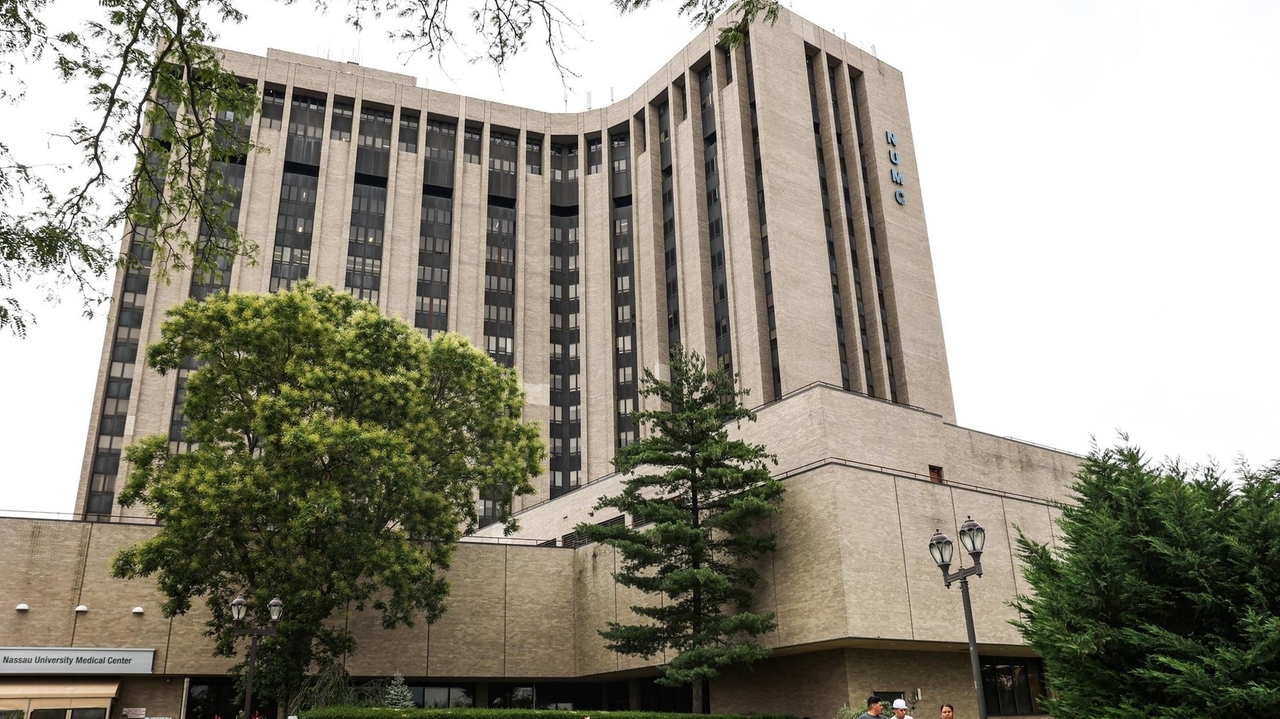
NUMC temporarily pauses most services for pregnant women
Martine Hackett, associate professor of population health and chair, spoke with Newsday about how the abrupt decision to pause services at NUMC will affect women already receiving services there. She highlights the stress and uncertainty this creates for expectant mothers trying to plan for delivery.



The Biggest Study Yet on School Cellphone Bans Shows Results Aren’t So Simple
As more schools move to restrict or completely ban smartphones in classrooms, the largest study ever conducted on school cellphone bans is challenging assumptions about what these policies actually achieve. The new U.S. study, involving roughly 4,600 schools and researchers from institutions including Stanford, Duke, the University of Michigan, and the University of Pennsylvania, found that strict cellphone bans dramatically reduced phone use during the school day. In some schools, classroom phone use dropped from 61 percent to just 13 percent. It's a popular topic and media coverage of the results has been extensive. But the findings became more complicated from there. Researchers found little immediate evidence that phone bans significantly improved test scores, attendance, classroom attention, or bullying rates. Some schools even saw short-term increases in student discipline issues and declines in student well-being immediately after bans were introduced. Still, the study suggested that longer-term outcomes may improve as students adjust and schools refine enforcement strategies. Teachers consistently reported fewer classroom distractions and stronger learning environments. Mizuko Ito is a cultural anthropologist of technology use, focusing on children and youth's changing relationships to media and communications. She recently completed a research project supported by the MacArthur Foundation a three year ethnographic study of kid-initiated and peer-based forms of engagement with new media. View her profile The findings arrive as governments across North America continue expanding school cellphone restrictions amid growing concerns about distraction, screen addiction, anxiety, and the impact of social media on youth mental health. The study highlights a growing debate among educators, parents, and researchers: while limiting phone access may reduce distractions, the relationship between young people, technology, mental health, and learning is far more complex than simply removing devices from classrooms.



Hantavirus cruise ship outbreak: Epidemiologist discusses causes and challenges
A deadly outbreak of hantavirus on a cruise ship currently stuck off Cape Verde, Africa, has put the virus on the national radar for the first time since 1993. University of Delaware epidemiologist Jennifer Horney can talk about the potential for a larger outbreak and the challenges associated with responding to the emergency. There have been nearly 1,000 cases of hantavirus in the U.S. since surveillance began in 1993. That year, an outbreak of the severe respiratory disease in the four corners area of the U.S. Southwest was linked to domestic exposure to rodents, Horney said. Horney can discuss the following points in reference to the Dutch vessel M/V Hondius, which has seen three people die since departing from Argentina on April 1. • The response to this global public health emergency will be challenging given the cuts to U.S. public health and extensive leadership turnover at the Centers for Disease Control and Prevention. • Climate change and global transit likely contributed to the new cases, as rodent populations thrive during certain weather conditions. • When humans inhale rodent feces, urine or saliva, often when dust is aerosolized through cleaning, they can become infected. While symptoms may develop up to two months after exposure, the disease has a mortality rate of up to 50%. To reach Horney directly and arrange an interview, visit her profile and click on the "contact" button. Interested media can also send an email to MediaRelations@udel.edu.

Levy on Bipartisan Success to Protect the WTC Health Program; DiNapoli’s Primary Opponents
Lawrence Levy, associate vice president and executive dean of the National Center for Suburban Studies, talked to Newsday about successful bipartisan efforts to protect the World Trade Center Health Program from attempts by the White House to reduce the federal workforce. Levy explained to Newsday that advocates and New York lawmakers from both sides of the aisle have found success protecting the program from cuts this past year underscored “the power to get things done, not only when Republicans and Democrats come together, but through urban-suburban coalitions.” Levy also spoke to Newsday about New York State Comptroller Tom DiNapoli facing several primary opponents this year. Levy said that DiNapoli is seen as an establishment figure within the Democratic Party who is more cautious than the progressive wing would like. He also has deep ties to the state’s politically powerful unions. “In a close race, he’s going to count on them to get out the vote,” Levy said.


ChristianaCare Advances New Health Campus in Camden, Delaware to Close Care Gaps
ChristianaCare has taken another major step to expand access to high quality care across Delaware by submitting a Notice of Intent to the Delaware Health Resources Board to develop a new health campus in Camden. Like the Georgetown campus announced in February, the proposed campus will include a health center and a neighborhood hospital and is part of the $865 million statewide commitment announced last July. “For many people in central Delaware, getting timely emergency or specialty care can still mean long drives or long waits,” said Janice E. Nevin, M.D., MPH, president and CEO of ChristianaCare. “We are investing in facilities that bring care closer to where people live. This campus reflects our commitment to ensuring every Delawarean, no matter their ZIP code, can count on timely, compassionate, high-quality care close to home.” Closing Care Gaps in Central and Southern Delaware The approximately 38,000‑square‑foot Camden campus will be located on the west side of Route 13, just south of Lochmeath Way. It is expected to open in late 2028 or early 2029 and will bring primary care, specialty care and outpatient services together in one location, supported by eight emergency department beds and eight inpatient beds. The project will create 83 new jobs for the community, including 60 positions at the neighborhood hospital and 23 at the health center. Kent and Sussex counties are both designated as Medically Underserved Areas by the Health Resources and Services Administration. At the same time, the region is growing quickly. By 2030, the population in central and southern Delaware is expected to increase by 8 percent, with residents aged 65 and older growing even faster, by 22 percent. Shortages in primary care, behavioral health and specialty services have forced many residents to travel long distances for care. The Camden campus will help change that by bringing essential services closer to home. Expanding Capacity on a Strong Foundation The Camden campus represents a $58.1 million investment and reflects ChristianaCare’s focus on access, coordination and community need. ChristianaCare already provides a broad range of services in Kent County, including primary care, specialty care, behavioral health, rehabilitation, home health, hospice and virtual care. The Camden campus will build on this foundation by increasing capacity and making care more convenient as demand grows. Partnering to Deliver Care Close to Home ChristianaCare is partnering with Emerus Holdings, Inc. on the neighborhood hospital component. Emerus is the nation’s leading developer of this model, with 49 acute care facilities across the country. “Communities are stronger when people can depend on care close to home,” said Vic Schmerbeck, CEO of Emerus Holdings, Inc. “We are proud to partner with ChristianaCare to deliver a neighborhood hospital that provides high quality care in a setting designed around the needs of the community.” Growing Access Across the Region The ChristianaCare Georgetown campus is planned for 20769 DuPont Boulevard at an estimated cost of $65.1 million. ChristianaCare is also expanding this innovative care model beyond Delaware. In July 2025, the system opened a neighborhood hospital at its West Grove Campus in southern Chester County, Pennsylvania. Additional campuses are planned in Springfield and Aston in Delaware County, Pennsylvania.


U.S. National Debt: How to Stop the Bleeding
The U.S. national debt exceeding the size of the American economy is a dubious milestone that has sparked alarm and confusion among policymakers who are asking how worried they should be and what can be done to stop the bleeding. David Primo, a political scientist and professor of business administration at the University of Rochester and a fiscal policy expert who has testified before Congress on the national debt, says Americans should be very concerned about the debt and, at the same time, know there is a solution. “The federal budget outlook is grim and threatens the economic future of the United States,” says Primo, the author of Rules and Restraint: Government Spending and the Design of Institution (University of Chicago Press). “If Congress waits to act, Americans will need to give up a bigger piece of the nation’s economic pie to stabilize the country’s finances.” Primo says a solution lies in a constitutional amendment restraining the federal budget. Specifically, such an amendment would clearly define spending and revenue, set spending limits based on a multiyear period, and allow for waiving the limit only with a large supermajority in Congress. “As it stands, Congress is constitutionally incapable of tying its own hands, making it difficult for legislators to implement durable changes to the federal budget,” Primo says. Recent data show the national debt has crossed 100% of the GDP threshold — roughly $31.27 trillion versus $31.22 trillion in economic output — marking the highest peacetime level in U.S. history. The Congressional Budget Office has projected that debt levels, if left unchecked, could reach 181% of GDP in the next 30 years. Primo says delaying implementing a solution raises the risk of increased interest rates, which would, in turn, reduce investment and, ultimately, economic growth. For journalists covering deficits, tax policy, and the long-term economic outlook, Primo offers key expertise and a clear lens on: • The implications of national debt exceeding GDP • Constitutional and institutional approaches to fiscal reform • Fiscal policy and political incentives “The United States is in precarious fiscal health,” Primo told Congress in 2023. “In the absence of a constitutional amendment, I fear it will take a fiscal crisis before Congress acts. Nobody wants that.” Connect with Primo by clicking on his profile.


TCU Nutritional Sciences Expert Discusses New US Dietary Guidelines
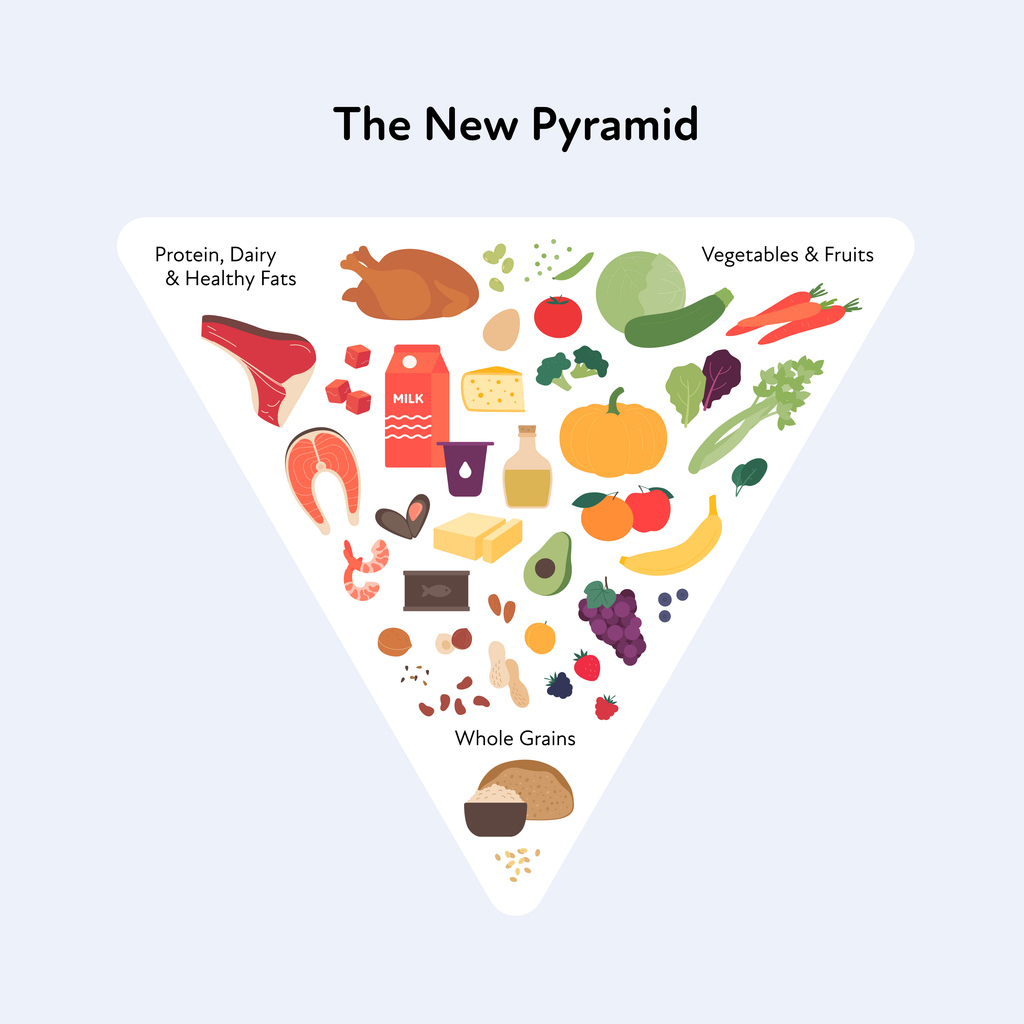
As updated federal recommendations roll out, Samantha Davis highlights gaps between science and messaging. When the 2025-2030 Dietary Guidelines for Americans were released, the message seemed straightforward: Eat more whole foods and reduce processed ingredients and sugar intake. But for Samantha Davis, professor of professional practice in nutritional sciences in TCU’s Louise Dilworth Davis College of Science & Engineering, a closer look reveals a more complicated picture. “These guidelines influence far more than individual choices,” she said. “They shape what’s served in schools, child care programs and federal nutrition programs nationwide. That’s why it’s so important to ensure the recommendations and the messaging are aligned with the science.” A Growing Public Health Challenge The conversation comes amid rising concerns about chronic disease in the United States. More than 70% of American adults are overweight or obese, and nearly one in three adolescents has prediabetes. At the same time, almost 90% of health care spending is tied to chronic disease. “These are not small trends,” she said. “Nutrition guidance plays a significant role in how we respond.” When the Math Doesn’t Match the Message While the guidelines recommend limiting saturated fat to 10% of daily calories, following the suggested servings, particularly for animal proteins and full-fat dairy, the numbers do not add up. “When you actually break it down, those recommendations can push intake closer to 20%,” Davis said. “The math is not mathing.” That gap raises concerns for heart health, as higher saturated fat intake is associated with elevated LDL cholesterol and increased cardiovascular risk. Rethinking Protein in the American Diet The updated guidelines increase protein recommendations, in some cases significantly. However, protein deficiency is not a widespread issue in the United States. “The idea that more protein automatically leads to more muscle is a misconception,” she said. “Exercise builds muscle. Protein supports maintenance and repair.” Davis also notes that protein is found across a variety of foods, including grains and vegetables, reinforcing the importance of balance ahead of overemphasis. Not All Fats Function the Same The guidelines encourage incorporating “healthy fats,” but distinctions between fat types may not always be clear. “There’s important nuance here. Some fats support heart health, while others are linked to increased risk. That difference matters,” she said. “If we’re trying to address obesity at a population level, we need to consider where calories are coming from.” For most people, nutrition guidance is distilled into quick takeaways and simplified messaging. “People remember what they see and hear in an instant,” she said. “If those messages aren’t clear or consistent, it can lead to confusion.” Her advice remains grounded in fundamentals: Focus on whole, minimally processed foods and look beyond trends for long-term health. Davis’ expert perspective was also featured in Fort Worth Weekly, contributing to the broader conversation about how national nutrition guidance shapes everyday life.

TCU Chemistry Researcher Named a Big 12 Faculty of the Year
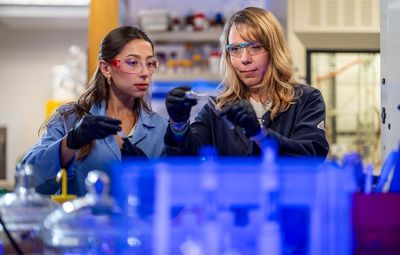
Kayla Green has built an internationally recognized research program while mentoring the next generation of scientists at Texas Christian University, and her efforts are getting noticed. The chemistry professor and assistant dean of undergraduate affairs at the Louise Dilworth Davis College of Science & Engineering represents TCU among this year’s Big 12 Faculty of the Year honorees. The Big 12 Faculty of the Year Award honors outstanding faculty who excel in innovation and research at each of the athletic conference’s 16 universities. Honorees represent and reflect the best attributes that make a Big 12 college campus a bastion for learning and growth. “In my view, Professor Green exemplifies the fact that student success cannot happen without research, and world-leading research cannot happen without authentic, student-centered experiences,” wrote a nominator when Green was named the 2025 winner of the Chancellor’s Award for Distinguished Achievement as a Creative Teacher and Scholar. “Professor Green has maintained a vibrant, externally funded research program throughout the past 15 years, a distinction shared by very few TCU faculty.” Green was chosen in part for her international reputation in the field of inorganic chemistry as applied to neurodegenerative diseases and catalysis, as well as her leadership in a growing research program that has brought in more than $2.5 million in external support. This includes work with Ben Janesko, professor and chair of chemistry and biochemistry, and biology professors Giri Akkaraju and Michael Chumley on a grant from the National Institutes of Health. Green’s collaborative work with students highlights her ability to weave together research and mentorship. “Dr. Green’s vision and drive have strengthened the foundation of our college,” said T. Dwayne McCay, interim dean of Davis College. “Her ability to inspire students and colleagues alike reflects the kind of leadership that propels our mission forward.” One of her most impactful initiatives is Chemistry Boot Camp, a program she developed with colleagues Janesko and Heidi Conrad to help incoming students build confidence before their first chemistry class. The Big 12 Faculty of the Year Award is intended to showcase the diversity of research breakthroughs and educational opportunities afforded to students attending Big 12 institutions and helps attract future students. This year’s award recipients stretch across a vast array of departments. “We are constantly looking for ways to highlight how Big 12 faculty continue to educate and inspire the next generation of leaders,” Jenn Hunter, Big 12 chief impact officer said. “From the arts and filmmaking to business and engineering, this year’s cohort showcases the vast opportunities available to students pursuing an education on Big 12 campuses.” Faculty members were nominated by their institutions in conjunction with conference faculty athletic representatives, provosts and other university leaders. “I’m very honored to represent TCU as a Big 12 Faculty of the Year,” Green said. “I hope that I am not expected to exhibit any athletic skill sets but am happy to cheer on the Frogs in all they do in our classrooms and competitions! Congratulations to the honorees from across our great conference. TCU has the best faculty, and I am happy to represent them in this capacity.”

Seeing Green: Chemistry Professor Transforming Undergraduate Research at TCU
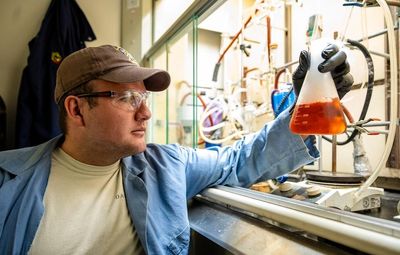
When it comes to advancing both student success and world-class research, Kayla Green embodies how the two can go hand in hand. The chemistry professor and assistant dean of undergraduate affairs at the Louise Dilworth Davis College of Science & Engineering has built an internationally recognized research program while mentoring the next generation of scientists and reshaping how chemistry is taught at Texas Christian University. Her leadership weaves together research and mentorship in ways that have elevated the department’s impact. With more than $2.5 million in external funding and a track record of collaboration around the globe, Green’s work has not only advanced the field of inorganic chemistry, particularly as applied to neurodegenerative diseases and catalysis, but also strengthened TCU’s standing as a hub for undergraduate research excellence. “In the summer heading into my junior year, I began working on what would be my research project in Dr. Green’s lab … that would use iron as a catalyst in molecules. I would end up presenting that research in my senior year,” said Jack Bonnell ’24, a John V. Roach Honors College laureate. Iron is more affordable, more available and less societally problematic than preexisting palladium- or platinum-based molecules. “By the end of my senior year, I was able to achieve comparable results with my iron catalyst as you could achieve with palladium or platinum,” said Bonnell, now a second-year medical student at the Anne Burnett Marion School of Medicine at TCU. “That was a pretty cool moment in my research, to be able to put it up there in comparison to those.” Since joining TCU in 2010, Green has mentored more than 50 undergraduate students in her lab, many of whom have gone on to publish their work, present at national conferences and pursue medical or doctoral degrees. She has also been instrumental in creating programs that prepare students to succeed in challenging classes and stay the course in scientific disciplines. “Dr. Green’s vision and drive have strengthened the foundation of our college,” said T. Dwayne McCay, interim dean of the Davis College of Science & Engineering. “Her ability to inspire students and colleagues alike reflects the kind of leadership that propels our mission forward.” Lifting Them Up One of Green’s most impactful initiatives is Chemistry Boot Camp, a program she developed with colleagues Ben Janesko and Heidi Conrad to help incoming students build confidence before their first chemistry class. “The boot camp helps lift them up, and it’s really helped with retention of students in pre-health and science fields,” said Timothy Barth, psychology professor and associate dean of graduate affairs in Davis College. “She didn’t have to do this; she created it because of her commitment and dedication to the students.” Green’s innovative use of grant funding has expanded laboratory resources, supported student travel to conferences and strengthened research collaborations. The result is a department that rivals larger institutions in both output and opportunity. “Davis College does a fantastic job on undergraduate research training,” Green said. “We are a powerhouse.” For Green, teaching and research are inseparable. Her classroom and laboratory experiences are deliberately interconnected, allowing students to see how chemistry concepts play out in the real world. “Going into a lot of these complicated diagnoses and being able to break them down into digestible pieces of information for patients is a skill that I definitely can see as useful in my future as a physician,” Bonnell said. As much as the material itself, he credits Green’s mentorship and the opportunities she provided for his preparation for medical school. “I had only taken Dr. Green’s general chemistry course in my first semester as a freshman at TCU. I joined her lab in the spring semester of my freshman year, and I knew only the bare minimum about chemistry. I was in meetings with graduate students who had been working on projects for years,” Bonnell said. “At the beginning, she bounced me around, and I worked with different graduate students to learn all the different things they were doing to find my best fit.” That blend of rigor and encouragement has become a hallmark of her approach and a model for other departments seeking to integrate research more deeply into the undergraduate experience. Building on Success Green’s excellence has earned her wide recognition, including honors from the American Chemical Society (Emerging Investigator and Women Chemists Rising Star awards), TCU’s Deans’ Award for Research and Creative Activity and, most recently, the Chancellor’s Award for Distinguished Achievement as a Creative Teacher and Scholar. She now brings that same analytical insight and collaborative spirit to her position as the college’s assistant dean of undergraduate affairs, a role she began this academic year. “We’ve already begun to experience her decision-making and analysis as part of the dean’s team,” Barth said. “In a short period of time, she’s proving to be an amazing and remarkable administrator.” Looking ahead, Green continues to build on her success through a National Institutes of Health R15 AREA grant, which supports undergraduate research and provides students with opportunities to contribute to federally funded science. “TCU Chemistry has an incredible record of placing students in medical school, Ph.D. programs and research labs across the country,” Green said. “It’s rewarding to see our students thrive in environments that started with their hands-on experiences here.”