
Experts Matter. Find Yours.
Connect for media, speaking, professional opportunities & more.

Self-Built Protein Coatings Could Improve Biomedical Devices
Fouling is a natural phenomenon that describes the tendency of proteins in water to adhere to nearby surfaces. It’s what causes unwanted deposits of protein to form during some food production or on biomedical implants, causing them to fail. Using her expertise in developing bio-inspired materials for use in human health, R. Helen Zha, an assistant professor of chemical and biological engineering will harness this process found in nature to develop a versatile and accessible approach for modifying solid surfaces. With the support of a more than $592,000 National Science Foundation Faculty Early Career Development (CAREER) grant, Zha will use silk fibroin — a protein that naturally assembles itself — to grow a nanoscale film on the surface of an object. This approach only requires a beaker, water, salt, and the protein, which Zha said makes it biocompatible, safe, ecofriendly, and accessible beyond the walls of a lab. Zha has demonstrated that this approach can work and, in some cases, even increase the therapeutic benefits of an implant. In research published in ACS Biomaterials Science & Engineering, Zha collaborated with Ryan Gilbert, a professor of biomedical engineering at Rensselaer, to modify the surface of a fibrous scaffold that was developed by Gilbert’s lab in order to encourage the growth of neurites at the site of nerve damage. The importance of this research could expand beyond the protein Zha and her lab are working with. This approach, she explained, could be applied to any number of proteins and macromolecules.


Novel coronavirus discovered in British bats
A coronavirus related to the virus that causes Covid-19 in humans has been found in UK horseshoe bats – according to new collaborative research from the University of East Anglia, ZSL (Zoological Society of London), and Public Health England (PHE). However, there is no evidence that this novel virus has been transmitted to humans, or that it could in future, unless it mutates. UEA researchers collected faecal samples from more than 50 lesser horseshoe bats in Somerset, Gloucestershire and Wales and sent them for viral analysis at Public Health England. Genome sequencing found a novel coronavirus in one of the bat samples, which the team have named ‘RhGB01’. Due to the rapid response nature of this research, it has not yet been peer reviewed. It is the first time that a sarbecovirus (SARS-related coronavirus) has been found in a lesser horseshoe bat and the first to be discovered in the UK. The research team say that these bats will almost certainly have harboured the virus for a very long time. And it has been found now, because this is the first time that they have been tested. Importantly, this novel virus is unlikely to pose a direct risk to humans, unless it mutates. A mutation could happen if a human infected with Covid-19 passes it to an infected bat, so anyone coming into contact with bats or their droppings, for example those engaged in caving or bat protection, should wear appropriate PPE. Prof Diana Bell, an expert in emerging zoonotic diseases from UEA’s School of Biological Sciences, said: “Horseshoe bats are found across Europe, Africa, Asia and Australia and the bats we tested lie at the western extreme of their range. “Similar viruses have been found in other horseshoe bat species in China, South East Asia and Eastern Europe. “Our research extends both the geographic and species ranges of these types of viruses and suggests their more widespread presence across more than 90 species of horseshoe bats. “These bats will almost certainly have harboured this virus for a very long time – probably many thousands of years. We didn’t know about it before because this is the first time that such tests have been carried out in UK bats. “We already know that there are different coronaviruses in many other mammal species too,” she said. “This is a case of ‘seek and you will find’. “Research into the origins of SARS-CoV-2, the virus that causes Covid-19 in humans, has focussed on horseshoe bats - but there are some 1,400 other bat species and they comprise 20 per cent of known mammals. “Our findings highlight the need for robust genotype testing for these types of viruses in bat populations around the world. And it raises an important question about what other animals carry these types of viruses.” Prof Andrew Cunningham, from the Zoological Society of London, said: “Our findings highlight that the natural distribution of sarbecoviruses and opportunities for recombination through intermediate host co-infection have been underestimated. “This UK virus is not a threat to humans because the receptor binding domain (RBD) – the part of the virus that attaches to host cells to infect them - is not compatible with being able to infect human cells. “But the problem is that any bat harbouring a SARS-like coronavirus can act as a melting pot for virus mutation. So if a bat with the RhGB01 infection we found were to become infected with SARS-CoV-2, there is a risk that these viruses would hybridise and a new virus emerge with the RBD of SARS-CoV-2, and so be able to infect people. “Preventing transmission of SARS-CoV-2 from humans to bats, and hence reducing opportunities for virus mutation, is critical with the current global mass vaccination campaign against this virus.” Prof Bell added: “The main risks would be for example a bat rehabilitator looking after a rescued animal and infecting it with SARS-CoV2 - which would provide an opportunity for genetic recombination if it is already carrying another sarbecovirus. “Anyone coming into contact with bats or their droppings, such as bat rescuers or cavers, should wear appropriate PPE – in order to reduce the risk of a mutation occurring. “We need to apply stringent regulations globally for anyone handling bats and other wild animals,” she added. The new virus falls within the subgroup of coronaviruses called sarbecoviruses which contains both SARS-CoV-2 (responsible for the current pandemic) and SARS-CoV (responsible for the initial 2003 SARS outbreak in humans). Further analysis compared the virus with those found in other horseshoe bat species in China, South East Asia and Europe and showed that its closest relative was discovered in a Blasius’s bat from Bulgaria in 2008. Ivana’s story The UK discovery was made by undergraduate ecology student Ivana Murphy, from UEA’s School of Biological Sciences, who collected bat droppings as part of her final year research dissertation. Jack Crook conducted the genetic analyses in partnership with other researchers at PHE. A total of 53 bats were captured, and their faeces collected in sterile bags. The research was conducted under strict Health and Safety protocols. Full PPE was worn and Ivana was regularly tested for Covid-19 to avoid any chance of cross contamination. The bats were released immediately after their droppings had been collected. Ivana said: “I am very fortunate to be surrounded by so many experts in their fields, which has allowed me access to resources that many undergraduates wouldn’t have. I feel extremely lucky to have been able to conduct such an advanced study.” “We weren’t shocked by the results, but I am extremely eager to carry out further research. “I chose to study ecology at UEA as I have a passion for trying to protect and conserve nature. I wanted a better understanding of the global situation and so chose UEA to study ecology and conservation. “The plan after graduation is to do an extended study of viruses in UK bats, very similar to the one I carried out as an undergraduate. There is still a lot more to understand and I am extremely excited to see what else we can find out.” But she says that she doesn’t want her research to turn people against bats. “More than anything, I’m worried that people may suddenly start fearing and persecuting bats, which is the last thing I would want and would be unnecessary. As like all wildlife, if left alone they do not pose any threat.” ‘Metagenomic identification of a new sarbecovirus from horseshoe bats in Europe’ is published on the Research Square pre-print server. Read the full story, including a Q&A with all you need to know.


ChristianaCare also ranks as No. 1 overall employer for diversity and inclusion in Delaware, No. 14 among U.S. health systems (WILMINGTON, Del. – April 23) magazine ranked ChristianaCare as one of the best employers for diversity and inclusion in the United States in its list of Best Employers for Diversity 2021. ChristianaCare also ranked as the No. 1 employer for diversity in Delaware and the No. 14 health system for diversity in the nation. ChristianaCare ranked 121st out of the 500 employers that were recognized. “At ChristianaCare, our mission is simple, but profound – we take care of people,” said Janice Nevin, M.D., MPH, president and CEO of ChristianaCare, which is Delaware’s largest private employer. “And caring for people means that we work together, guided by our values of love and excellence, to bring equity and inclusion to everyone we serve, including our own caregivers. We are committed to building a workforce that reflects the diverse communities we serve, as we aspire to deliver high-quality, accessible care and achieve health equity.” ChristianaCare has committed to being an anti-racism organization and works to ensure that commitment is reflected through the organization’s policies, programs, and practices. (Read more about ChristianaCare’s anti-racism commitment here.) ChristianaCare’s inclusion efforts also include the launch of 10 employee resource groups, which connect caregivers who have a common interest or bond with one another. Formed by employees across all demographics – such as disability, gender, race, military status, national origin, sexual orientation, etc. – these voluntary grassroots groups work to improve inclusion and diversity at ChristianaCare. More than 750 caregivers at ChristianaCare participate in employee resource groups. ChristianaCare also recently launched LeadershipDNA, a new leadership development program that is specifically targeted to underrepresented, diverse populations and is designed to foster professional and career development. “We are grateful for this recognition, which affirms that our organization is committed to taking on the meaningful work to help our caregivers be exceptional today and even better tomorrow,” said Pamela Ridgeway, chief diversity officer and vice president of Inclusion and Diversity at ChristianaCare. “The fact that our caregivers can see the value and feel the impact of our inclusion and diversity efforts illustrates the importance for us to continue to push onward.” Forbes’ Best Employers for Diversity were identified from an independent survey of more than 50,000 U.S. employees working for companies employing at least 1,000 people in their U.S. operations. The employees were asked to give their opinion on a series of statements surrounding the topic of age, gender equality, ethnicity, disability, LGBTQ+, and general diversity concerning their own employer. The survey also gave survey participants the chance to evaluate other employers in their respective industries that stand out with regard to diversity. Only the recommendations of minority groups were considered. Also factored in was diversity engagement amongst managers and diversity among leadership. About ChristianaCare Headquartered in Wilmington, Delaware, ChristianaCare is one of the country’s most dynamic health care organizations, centered on improving health outcomes, making high-quality care more accessible and lowering health care costs. ChristianaCare includes an extensive network of primary care and outpatient services, home health care, urgent care centers, three hospitals (1,299 beds), a freestanding emergency department, a Level I trauma center and a Level III neonatal intensive care unit, a comprehensive stroke center and regional centers of excellence in heart and vascular care, cancer care and women’s health. It also includes the pioneering Gene Editing Institute. ChristianaCare is nationally recognized as a great place to work, rated by Forbes as the 5th best health system to work for in the United States and by IDG Computerworld as one of the nation’s Best Places to Work in IT. ChristianaCare is rated by HealthGrades as one of America’s 50 Best Hospitals and continually ranked among the nation’s best by U.S. News & World Report, Newsweek and other national quality ratings. ChristianaCare is a nonprofit teaching health system with more than 260 residents and fellows. With the unique CareVio™ data-powered care coordination service and a focus on population health and value-based care, ChristianaCare is shaping the future of health care. ####

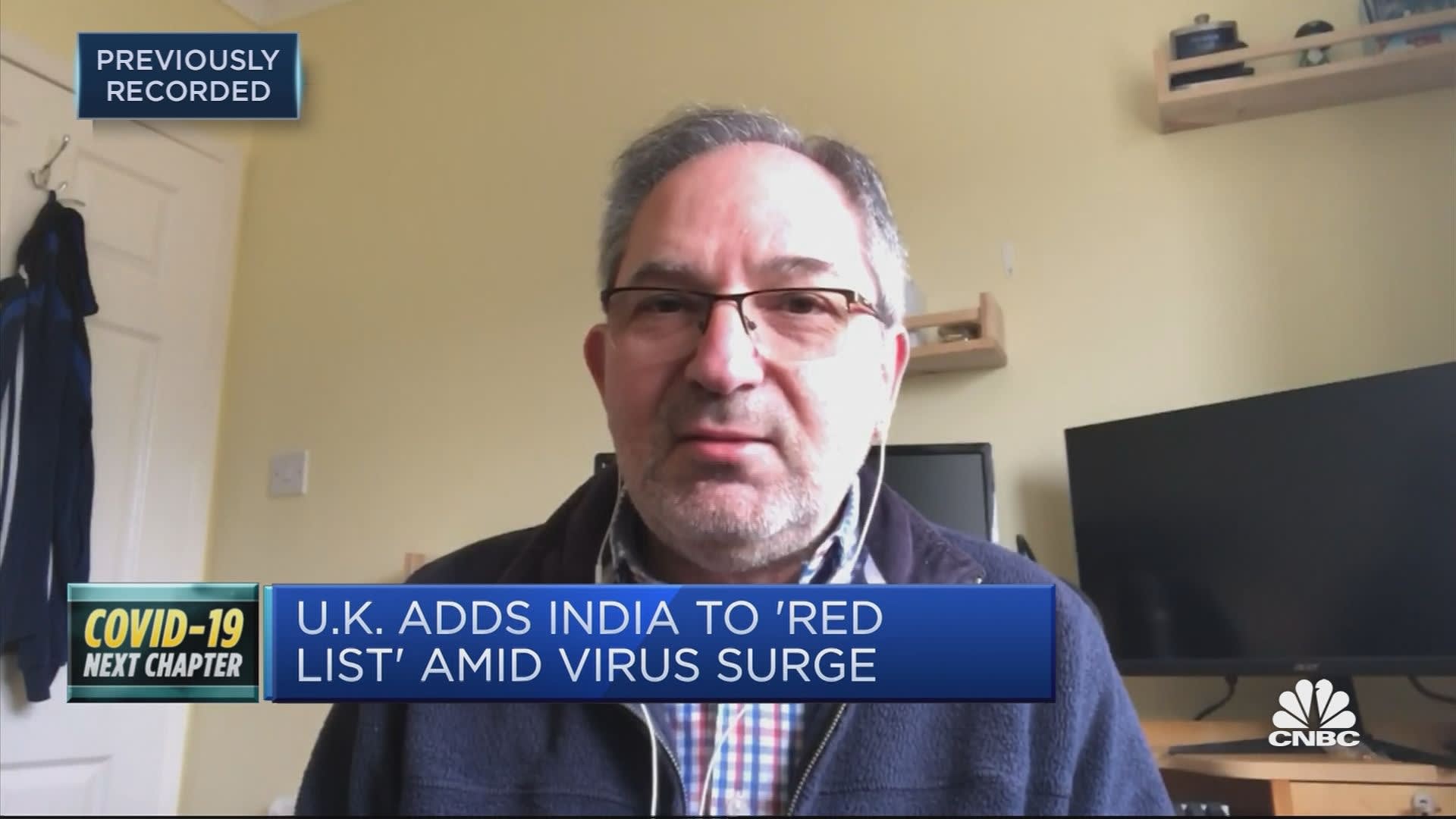
COVID expert: Prof Lawrence Young, UK
Professor Lawrence Young of the University of Warwick is one of the go-to experts in the UK on COVID-19. A Professor of Molecular Oncology at Warwick Medical School, he can comment on many aspects of the pandemic -- from the nature of the virus itself and its effects in patients, to its impacts on hospitals and wider society. He regularly features on TV, radio, and newspapers in the UK and worldwide, including: If you would like to book an interview with Prof. Young, contact press@warwick.ac.uk or L.Walton.1@warwick.ac.uk


Combating Vaccine Hesitancy Through Messaging
As vaccine hesitancy becomes a threat to Americans' decision to get the COVID vaccine, persuasive messaging is at the forefront of changing people's minds. Allyson Levin, PhD, a visiting assistant professor of communication, believes social media messaging plays a key role—and that post-vaccination selfies can actually help convince people to get the vaccine. "When we don't know what to do, we look to others to guide our behavior," stated Dr. Levin. "It is really important when we see people who share online that they were vaccinated—who are close to us, our friends or family and people we look up to like influencers and celebrities." Further, online communities create a world where it appears that people are getting vaccinated actively. "If we look around and see an environment where people are getting vaccinated, we will want to get vaccinated as well. That will encourage vaccination. At least if we trust those people around us," said Dr. Levin. Dr. Levin also contends that the social media platform TikTok can be extremely useful when information is "scientifically valid, evidence-based and coming from people who understand science like medical professionals." "A unique opportunity we have with TikTok is that users are receiving health information when they aren't looking for it," said Dr. Levin. In addition, she notes the incredible impact company advertisements endorsing COVID vaccinations have had on their wider acceptance. "At the end of the day, it is wonderful that brands are amplifying these messages, like Budweiser donating their airtime during the Super Bowl. There is an element of public relations, too: The brands look good for promoting these messages. But the more people that see these messages, the better." However, Dr. Levin pointed out that, while messaging is extremely important, vaccine availability is crucial. "Access is equally important. Unless people can actually have access to the vaccinations, the message is just one part of it," stated Dr. Levin.

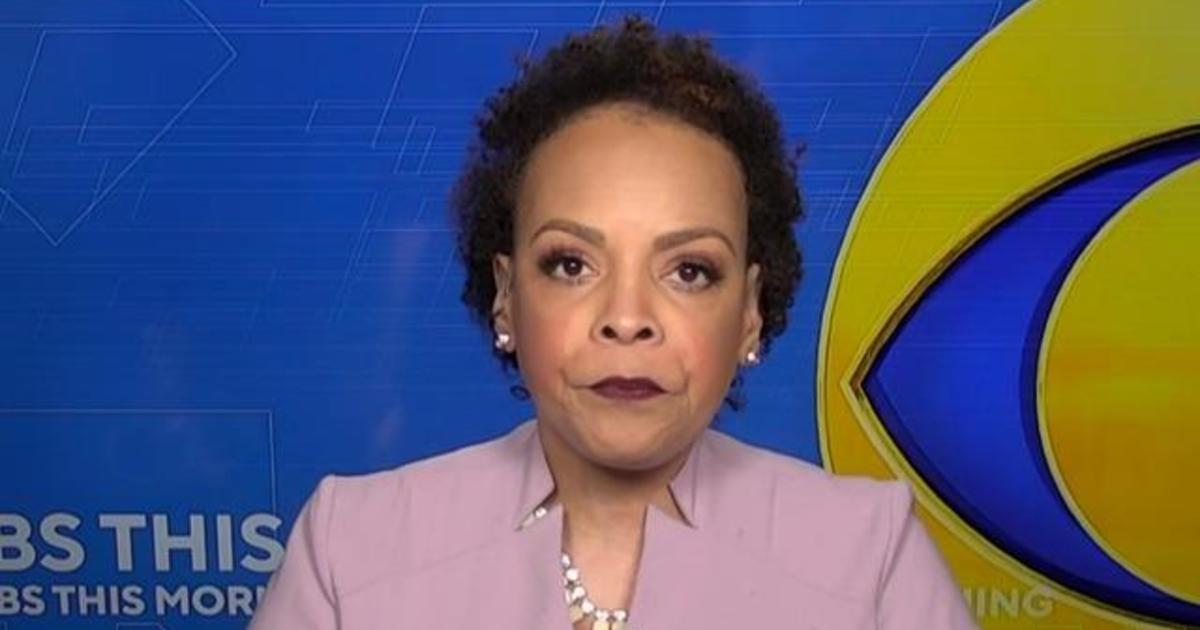
UConn Expert Dr. Wizdom Powell on the mental health impact of Chauvin trial
For weeks, Americans closely watched the trial of the police officer charged in the death of George Floyd last May, and as the jury's guilty verdict brings those proceedings to a close, the impact on communities across the country may be lasting. Dr. Wizdom Powell, director of UConn's Health Disparities Institute Director, joined CBS This Morning to discuss the impact of the Chauvin trial on mental health, particularly among members of the Black community. "The thing about racism, in general, is that it is a bio-social stressor. And incidents, like being in a courtroom and repeating the exposure to those eight minutes and forty-six seconds – and, now we know, nine minutes – of George Floyd’s demise can be triggering for everyone who is exposed to it. And so, there is a consequence of having that be replayed in an open court." **** "I think that we all have had our breaths collectively stolen by the incidents of racial violence that we’re all baring witness to virtually and directly, for those who were actually on scene during the tragic event. So, I would say that, what you can do now, if you’re really wanting to rise up and meet Black, Indigenous, and People of Color in this moment, is to act in true allyship. Listen with a third ear. Accept the reality and truths of what people are experiencing, without requiring them to explain away or to offer additional context for what they are feeling. Believe people when they tell you they’re hurting the first time. That kind of response – legitimating the wounds that we are experiencing in this moment – can go a long way in promoting racial healing, unity, and restorative justice." If you are a journalist looking to discuss this issue or cover this very important topic – then let us help. An associate professor of psychiatry at UConn Health, Dr. Powell is an expert on the role of racism and gender norms in African American male health and healthcare inequities. Dr. Powell is available to speak with media about this topic – simply click on her icon now to arrange an interview today.

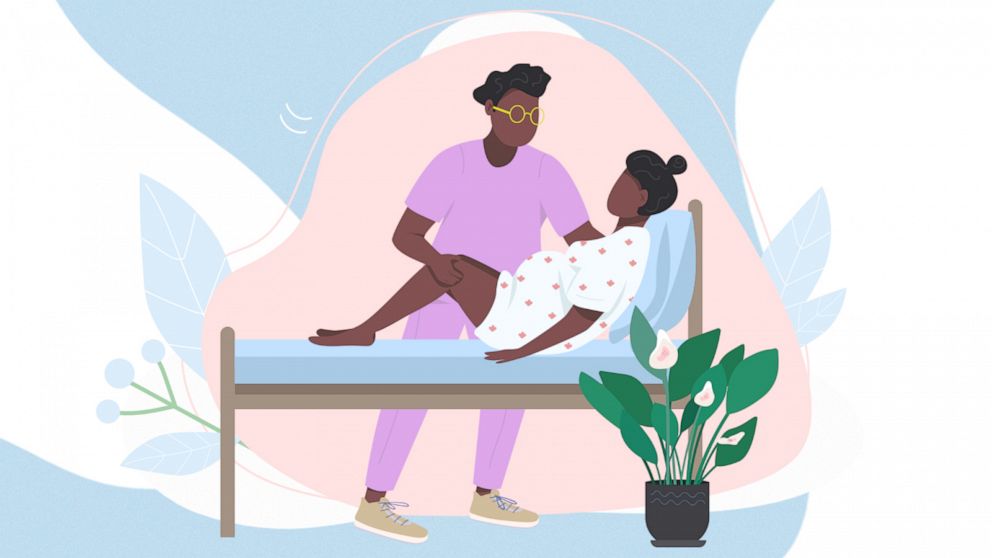
Earlier this week, President Joe Biden proclaimed that April 11 thru 17 would be Black Maternal Health Week in America. In Georgia, the state has consistently been ranked as one of the most dangerous places in this country to be a new mother. Approximately 26 Georgia women die from pregnancy complications for every 100,000 live births, compared to the national average of about 17 women. But even more devastating is the fact that about 60% of the state’s maternal deaths between 2012 and 2016 were found to be preventable, according to the Georgia Department of Public Health. And the mortality rates are much more tragic for Black women in Georgia. African American women are almost three times more likely to die from a pregnancy-related cause than white women in Georgia. Black mothers in rural areas of Georgia are at an even higher risk. “Maternal and infant mortality are really significant indicators of the quality of health in any area, so my colleagues around Georgia really felt challenged to do something that we hadn’t done in a long time in our state, which was to get the data,” says Dr. Chad Ray. “Because you can’t really fix something unless you know who and why. And then you assemble the stakeholders to formulate a plan to make a dent and to move the needle on something that is just so important.” This is an important topic that impacts mothers in Georgia and across the entire United States. And if you are a journalist looking to cover this topic – then let us help. Dr. Chad Ray is the Interim Section Chief of the Department of Obstetrics and Gynecology at the Augusta University Medical Center. He is an expert in the areas of maternal mortality & global women's health initiatives. Dr. Ray is available to speak with media about Black Maternal Health Week - simply click on his icon now to arrange an interview today.


Wastewater Hazards in Southwest Florida Spark Environmental Concerns Across the State and Beyond
Over the last week hundreds of millions of gallons of wastewater have spewed from a former fertilizer plant in Piney Point, Florida, which was abandoned in 2001 and taken over in 2006 by the Florida Department of Environmental Protection. The location is adjacent to Tampa Bay, a 400-square-mile body of water that separates Tampa, Clearwater and St. Petersburg and is full of fish, crabs, seagrass, dolphins, manatees and seabirds of every kind. The state plans to close Piney Point, scientists are trying to forecast what comes next and environmentalists fear algal blooms and fish kills (also known as fish die-offs). “There are hundreds if not thousands of these waste storage ponds in the United States and each one is a ticking time bomb,” says Villanova University’s Metin Duran, PhD, an expert on the biological processes of environmental engineering, including public health microbiology and biological processes for waste management. “The last major disaster was in December 2008, when a 40-acre pond used by Tennessee Valley Authority for the coal-burning Kingston Fossil Plant collapsed. The aftermath included damage to the area’s ecosystem and lawsuits.” Regulations regarding waste storage ponds are at the state level, and they aren’t very strict, says Dr. Duran. “Though there are strict design and groundwater monitoring requirements to ensure waste does not cause groundwater pollution, these waste impoundments are prone to have issues under extreme weather events, such as heavy rains. With the increased frequency of such events recently, there is a risk that more of such may fail.” Dr. Duran adds that it can be difficult to predict short- and long-term effects of the Florida case, but the reported low-level radioactive contamination could cause major damage to aquatic life and properties—and that phosphorous and nitrogen would cause eutrophication in Tampa Bay as well.


Toolkit is easily incorporated into any laboratory science course Wilmington, Del., April 1, 2021 – St. Georges Technical High School in southern New Castle County, Delaware is the first high school in the United States to use ChristianaCare Gene Editing Institute’s innovative CRISPR in a Box Educational Toolkit™ in a science class. CRISPR in a Box brings to life the much-heralded CRISPR gene editing technology – the “genetic scissors” that allow scientists to edit DNA. The toolkit is designed for educational sessions in secondary and post-secondary schools and is suitable for remote learning. “Gene editing is the future of medicine,” said Eric Kmiec, Ph.D., director of ChristianaCare’s Gene Editing Institute. “Our partnership with the Delaware Department of Education will help cultivate the next generation of genetic scientists and enhance Delaware’s position as a leader in the biosciences.” “We are thrilled that students at St. Georges Technical High School will be the first In the United States to experience a live demonstration of CRISPR gene editing using our Innovative CRISPR in a Box educational toolkit,” said Siobhan Hawthorne, Education and Community Outreach leader at ChristianaCare’s Gene Editing Institute. “This toolkit will provide STEM students with a visual understanding of how the exciting CRISPR technology can unlock medical treatments to improve lives.” Delaware Secretary of Education Susan Bunting praised her department's partnership with ChristianaCare's Gene Editing Institute to develop the “Seeds of STEM” course that teaches high school students about gene editing. “Gene editing approaches diseases in new ways and will have significant impact in the health care and agriscience fields,” Bunting said. “This is a great example of an industry and education partnership investing in youth by providing hands-on knowledge and skills around emerging technology.” “We are so fortunate that ChristianaCare’s Gene Editing Institute reached out to our program to plan a high school ‘first’ opportunity with this new CRISPR experiment,” said Danya Espadas, one of the St. Georges biotech teachers. “Giving students the chance to use a cutting-edge, 21st century tool for medicine in their own high school lab – to have that technology at their fingertips – transcends what they see in a textbook or a video. By being able to do it themselves, it makes it real for them.” Espada said the experiment focuses on editing a gene of a non-infectious E.coli bacteria to become resistant to an antibiotic, thereby allowing researchers to create a new class of antibiotics that cannot be overcome by bacteria that are gene resistant. “We’re talking about eventually saving lives, here,” she said. “What can be more important than that?” The tools in CRISPR in a Box have been designed based on the pioneering discoveries of the Gene Editing Institute that are currently being used to explore next-generation medical therapies and diagnostics for diseases, including lung cancer and sickle-cell anemia. Component items in the toolkit include the CRISPR/Cas complex, a target DNA molecule, a mammalian cell free extract and a synthetic DNA molecule. All materials in the kit are safe, synthetic materials. There are no live cultures or viruses involved. The kit is meant to provide a hands-on demonstration of CRISPR’s capabilities, and not allow for manipulations of living organisms. “The kit is easy and fun to use,” said Kristen Pisarcik, research assistant at the Gene Editing Institute who has taught students at Delaware Technical Community College which first used the toolkit. “In a short period of time students will reliably and successfully complete the laboratory activity and be able to see the results of gene editing,” she said. Since the foundations of the kit touch upon key themes in biology, it can be readily incorporated into practically any science or biology course with a laboratory component, “One of the beauties of CRISPR in a Box is that there is no need to purchase specialized equipment. If a teaching lab can support bacterial cultivation, it can perform the in vitro gene editing lab activity,” Pisarcik said. CRISPR in a Box is the evolution of a partnership between the Gene Editing Institute, Delaware Technical Community College and Rockland Immunochemicals that began in 2017 with a National Science Foundation grant to develop the first-ever gene editing curriculum for community college students. Video and photo collection of first class in U.S. to use CRISPR in a Box™ educational gene editing toolkit. About ChristianaCare’s Gene Editing Institute The Gene Editing Institute, a worldwide leader in CRISPR gene editing technology and the only institute of its kind based within a community health care system, takes a patient-first approach in all its research to improve the lives of people with life-threatening disease. Since 2015, researchers at the Gene Editing Institute have been involved in several ground-breaking firsts in the field, including the development of the first CRISPR gene editing tool to allow DNA repairs outside the human cell which will rapidly speed therapies to patients and a unique version of CRISPR called EXACT that reduces the number of off-target edits to other areas of the genome, which is vital for further research and patient applications. Its researchers are currently developing a patient trial for lung cancer using CRISPR and employing the technology to combat the COVID-19 pandemic. About the biotech program St. Georges Technical High School The Biotech career program of study at St. Georges Technical High School is the first such program offered in a Delaware high school. With two teachers and approximately 100 students in grades 10-12, the program presents advanced content in biology and chemistry with opportunities for students to learn basic laboratory techniques and procedures and to maintain and operate common instruments and equipment used in a biotechnology laboratory. St. Georges is a comprehensive career and technical high school with 1,100 students who study in one of 16 different career pathways.

Public health education soars in wake of pandemic
Maybe a silver lining can be found from the COVID-19 pandemic, as interest in public health education is soaring at U.S. colleges and universities, says a nationally prominent public health professor. Public health education has become a logical choice for students when looking at changing public health practice trends and their implications for public health education, explained Gulzar Shah, Ph.D., who authored an invited editorial in the March issue of the American Journal of Public Health (AJPH). Shah is department chair and professor of health policy and community health in Georgia Southern University’s Jiann-Ping Hsu College of Public Health. His editorial is titled “Public Health Education and Changing Public Health Realities in the Public Health 3.0 Era.” “For many of the 19 million college students enrolling annually in public and private colleges in the United States, public health is becoming a logical choice,” he said. “Because of COVID-19, interest in public health careers is soaring, evident from the 20% increase nationwide in Master of Public Health applicants.” The editorial also drew insights from the Association of Schools and Programs of Public Health’s national-level data from schools and programs of public health about the first employment destinations of public health graduates. “The emphasis on aligning public health practice and policy with the Public Health 3.0 framework, in which leaders partner across various sectors to address social, environmental and economic factors that affect population health and health inequity, has attracted the spotlight on generalist, behavioral education and health policy degrees,” Shah noted. “The Public Health 3.0 framework has also underscored the desirability of adopting the Health in All Policies approach and encouraging public health leaders to act as chief health strategists in influencing policies in other sectors affecting population health. Increasing focus on Health in All Policies and higher salary positions in health care may further explain the popularity of health policy and management and health law programs.” If you are a journalist looking to know more about Dr. Shah’s work, and the importance public health education in America of the programs Georgia Southern is offering – then let us help. Dr. Gulzar H. Shah is a Professor and Department Chair, Health Policy and Community Health at the Jiann-Ping Hsu College of Public Health (JPHCOPH), Georgia Southern University. He is available to speak with media regarding this important topic - simply click on his icon now to arrange an interview today.

