
Experts Matter. Find Yours.
Connect for media, speaking, professional opportunities & more.
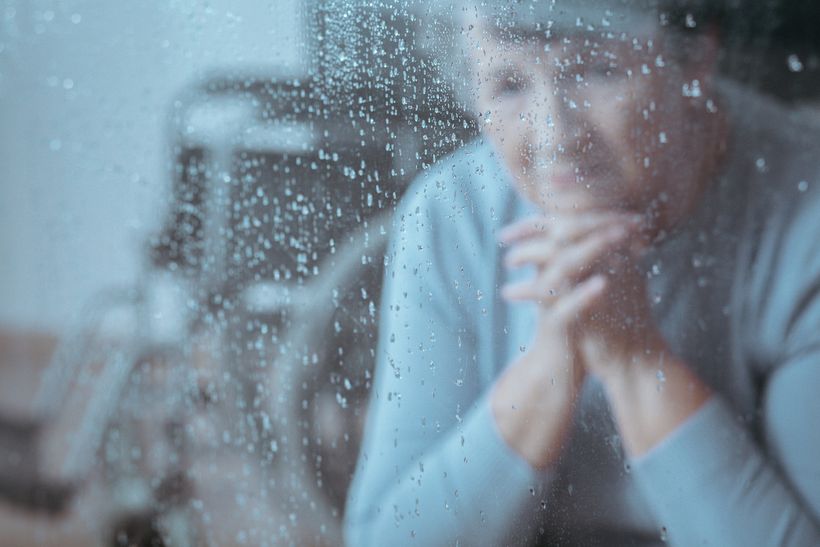
Baylor Gerontology Expert: Signs that Your Loved One is Suffering Elder Abuse
Each year, an estimated 5 million older adults are abused, neglected or exploited, according to the Administration for Community Living. Gerontology expert James Ellor, Ph.D., M.Div., professor in Baylor University’s Diana R. Garland School of Social Work, shares what elder abuse looks like and how people can respond if they see the signs. Reports of abuse are most often submitted by family members, hospital staff and law enforcement. But churches and other organizations should also be diligent, Ellor said, adding that clergy are considered mandatory reporters in many states. “No one group of caring persons can solve this problem alone; it takes a community of caring lay and professional leaders to even try to start to make a difference,” Ellor said. “If signs are noticeable, the next steps will depend on the type of abuse. In most cases, counseling support is critical, but often the need for medical help or legal help is also very important.” Elder abuse – intentional or negligent acts by a caregiver or trusted individual – comes in many forms: neglect or isolation, physical abuse, sexual abuse, exploitation or financial abuse, emotional and psychological abuse, verbal abuse and threats. Physical Abuse Like any other form of physical abuse, physical abuse incudes odd bruising, broken bones or contusions that are not easily explained, Ellor said. One sign that quickly raises suspicion is when broken bones or bruises happen repeatedly. Drug overdoses or the withholding of drugs are also challenging. Emotional abuse Ellor said this could include yelling at the senior, humiliating him or her, blaming and/or scapegoating. Sexual abuse “This is contact without consent,” Ellor said. “We see this often between spouses, particularly when one spouse has dementia.” Neglect “Possibly one of the most common categories, it simply means not taking the time to respond to a wide variety of needs when one is the designated caregiver,” Ellor said. Financial exploitation “Laws governing guardianship and power of attorney try to address this, but family members who take money from seniors as cash or property are the most common culprits,” Ellor explained. Fraud This can involve financial exploitation or even heath care fraud, but it generally involves either over-charging, selling unnecessary benefits of something, or it may include trying to sell something that would benefit one’s children, Ellor said. Self-Neglect “Some seniors simply choose to not help themselves, often in the name of leaving money or property to family members,” Ellor said. “Evidence of this could be that they don’t purchase needed medications or other resources.” Report suspected mistreatment to local adult protective services, long-term care ombudsman or law enforcement agencies that can investigate the situation. ALSO READ: "Gerontology Expert: Six Questions You Should Ask Before Choosing a Nursing Home" SEE: Baylor University's Directory of Faculty Experts ABOUT JAMES ELLOR, PH.D. James Ellor, Ph.D., M.Div., is a professor in Baylor University’s Diana R. Garland School of Social Work. Ellor works with older adults around issues of mental and spiritual health. He has served on the executive committee of the Midwestern Geriatric Education Center and provided education, counseling and planning for individuals and groups who work with seniors. His research includes work in entrostomal therapy, hunger, the church as service provider, spiritual assessment and intervention techniques with cognitively impaired older adults. ABOUT BAYLOR UNIVERSITY Baylor University is a private Christian University and a nationally ranked research institution. The University provides a vibrant campus community for more than 17,000 students by blending interdisciplinary research with an international reputation for educational excellence and a faculty commitment to teaching and scholarship. Chartered in 1845 by the Republic of Texas through the efforts of Baptist pioneers, Baylor is the oldest continually operating University in Texas. Located in Waco, Baylor welcomes students from all 50 states and more than 80 countries to study a broad range of degrees among its 12 nationally recognized academic divisions. ABOUT DIANA R. GARLAND SCHOOL OF SOCIAL WORK Baylor University’s Diana R. Garland School of Social Work is home to one of the leading graduate social work programs in the nation with a research agenda focused on the integration of faith and practice. Upholding its mission of preparing social workers in a Christian context for worldwide service and leadership, the School offers a baccalaureate degree (B.S.W.), a Master of Social Work (M.S.W.) degree and three joint-degree options, M.S.W./M.B.A., M.S.W./M.Div. and M.S.W./M.T.S., through a partnership with Baylor’s Hankamer School of Business and George W. Truett Theological Seminary, and a Ph.D. program. Visit www.baylor.edu/social_work to learn more.


Surveying Patients about Health Care Providers Is Likely of Little Use
But a newly developed questionnaire delves more deeply and may provide valuable information, Baylor University study finds For anyone who has ever taken a survey after a medical appointment and wondered whether the effort was worthwhile, the answer is probably “No,” says a Baylor University psychologist and researcher. Health care providers are pushing to assess patient satisfaction, and many companies charge millions of dollars to assess patients for the providers. But while the intentions are great, “when I started looking at the instruments currently being used to assess doctor-patient relationships, it became apparent they were highly problematic and not providing useful information,” said Keith Sanford, Ph.D. professor of psychology and neuroscience in Baylor’s College of Arts & Sciences. After conducting a series of studies to clarify problems with existing scales, Sanford — a scholar of psychometrics who develops assessment instruments — has created a new tool to measure patient experience during consultations, and research findings suggest it works better than others. The research — “Medical Consultation Experience Questionnaire: Assessing Perceived Alliance and Experienced Confusion During Medical Consultations” — was published in Psychological Assessment, a journal of the American Psychological Association, and funded in part by a grant from Baylor College of Medicine. Working with Baylor University psychologists were physicians with Texas Children’s Hospital and Baylor College of Medicine. The new instrument — the Medical Consultation Experience Questionnaire (MCEQ) — measures two aspects of patient experience — “alliance” and “confusion.” Researchers stressed that it addresses the consultation, not treatment results. Practitioners strive for a good alliance, in which the patient sees the practitioner as committed, competent and dedicated to understanding patient desires and views. Another goal is good exchange of information to avoid confusion. But in attempting to measure how well those goals are being met, some questionnaires have limited options that may result in skewed results, Sanford said. For example, one survey offers respondents a 4-point scale in which the answers range from “always” to "never” to such questions as “How often did doctors listen carefully to you?” Another existing assessment instrument asks respondents to use a 5-point scale — from “poor” to “excellent” — to rate practitioner communication in such areas as whether they were treated with respect. The problem is that most respondents choose the top response for each item, with fewer than 5 percent choosing the bottom option, previous research has shown. While such a scale can identify “highly disgruntled” patients, “it cannot make reliable distinctions between patients having experiences ranging from marginally acceptable to extremely positive,” researchers wrote. “The key question is whether a ‘good doctor’ is a single thing or whether there is a range of goodness,” Sanford said. “If you ask the right questions, you’re able to get results that show that range.” To evaluate the new questionnaire, researchers conducted three studies with a total of 576 participants. They compared responses to the new survey with those participants’ responses to other questionnaires. Respondents ranged from adults with diabetes and/or hypertension to parents of children requiring plastic surgery (for such conditions as a cleft palate or facial injury) to parents of children with medical conditions meeting one or more of such criteria as having to go to an emergency room, spend time in a hospital, cope with a chronic condition or deal with a life-threatening condition. The study results support the validity of the new questionnaire in several important ways. It allows for measuring a wider range of patient experiences with more extensive and specific responses, making for better assessment of “alliance” and “confusion” — rather than merely identifying only the most dissatisfied or angry patients, Sanford said. “One of the reasons this is so important is if you don’t form an alliance with your practitioner, they may give you all the wonderful advice in the world, but you might not follow it, or you might be skeptical,” Sanford said. “And if you don’t quite understand what you are supposed to do, that will interfere with your doing the recommended actions.” Sanford noted that because the study relied on self-reported data and sampled only three groups with varying medical conditions, future research on patients with other health issues could be valuable. Tracking such outcomes as physiological measurements or frequency of attending rehabilitation sessions also could be of value, he said. “My hope is that people who use these surveys might realize that just as there is a science behind medical treatment, there is a science behind getting good survey reports,” Sanford said. “We want to make this available freely to anyone who wants to administer it.” *Co-researchers were Alannah Shelby Rivers, doctoral candidate in psychology and neuroscience at Baylor University; Dr. Tara L. Braun and Kelly P. Schultz, Division of Plastic Surgery at Baylor College of Medicine; and Dr. Edward P. Buchanan, Division of Plastic Surgery, Department of Surgery, Texas Children’s Hospital in Houston and Division of Plastic Surgery at Baylor College of Medicine. ABOUT BAYLOR UNIVERSITY Baylor University is a private Christian University and a nationally ranked research institution. The University provides a vibrant campus community for more than 17,000 students by blending interdisciplinary research with an international reputation for educational excellence and a faculty commitment to teaching and scholarship. Chartered in 1845 by the Republic of Texas through the efforts of Baptist pioneers, Baylor is the oldest continually operating University in Texas. Located in Waco, Baylor welcomes students from all 50 states and more than 80 countries to study a broad range of degrees among its 12 nationally recognized academic divisions. ABOUT BAYLOR COLLEGE OF ARTS & SCIENCES The College of Arts & Sciences is Baylor University’s oldest and largest academic division, consisting of 25 academic departments and seven academic centers and institutes. The more than 5,000 courses taught in the College span topics from art and theatre to religion, philosophy, sociology and the natural sciences. Faculty conduct research around the world, and research on the undergraduate and graduate level is prevalent throughout all disciplines. Visit www.baylor.edu/artsandsciences.

‘The surprise, and the up side, is that episodic memories from before the children’s treatment were spared,’ Baylor researcher says Children with certain types of brain tumors who undergo radiation treatment are less likely to recall the specifics of events they experienced after radiation than to remember pre-treatment happenings, according to a Baylor University study comparing them to children with healthy brains. The finding is significant because children after treatment had less volume in the hippocampus — a part of the brain that plays an important role in memory. But while such a decrease usually is associated Alzheimer’s disease, dementia, brain injury, epileptic amnesia, encephalitis and aging, with those conditions both remote and recent memories are impaired, said lead author Melanie Sekeres, Ph.D., director of Sekeres Memory Laboratory at Baylor University. “The surprise, and the up side, is that episodic memories from before the children’s treatment were spared,” Sekeres said. For the study, published in The Journal of Neuroscience, researchers focused on “autobiographical memory,” which is linked to unique personal events and involves the recollection of emotional and perceptual details that allow a person to mentally re-experience the event, said Sekeres, assistant professor of psychology and neuroscience in Baylor’s College of Arts & Sciences. Radiotherapy and chemotherapy are used to treat the most common malignant brain tumor in children — a medulloblastoma. The reduced volume of the hippocampus is likely associated with radiation’s impact on the development of new cells in the nervous system, including the growth of new neurons in the hippocampus, or neurogenesis. “We know that these new cells play crucial roles in regulating memory and spatial learning, which is required to navigate. These treatments limit the brain’s ability to produce these new cells, which, in turn, limits the ability to form new memories,” Sekeres said. Research participants were 13 child survivors of brain tumors who had previously received radiotherapy and chemotherapy treatment at least one year before the study. Twenty-eight healthy youths of similar ages (ranging from 7 to 18) also were recruited for the study, conducted with The Hospital for Sick Children in Toronto, Ontario, Canada. All the youths completed the Children’s Autobiographical Interview — a standardized memory test — and underwent magnetic resonance imaging (MRI) of the brain. In individual interviews, children in both groups also were asked to recall memories from personal events that occurred at a specific time and place. Children were asked to recall a very old memory from an event before their radiation treatment (or an equally old memory for the healthy children) and a recent memory from within the past month. They were offered a list of events such as a birthday party, family trip, graduation and getting a pet but were told that they could choose another happening. The interview allowed children to freely recall without prompting before being asked general and specific questions about the event. “They have a hard time forming new, detailed memories,” Sekeres said. For example, when talking about a recent birthday party for a friend, they might tell how they met the friend and what that individual likes to do, but few specifics such as what they wore, the type of cake, what friends were there and what activities they did at the party, she said. “Such specific details might seem trivial, but these are precisely the kinds of details that allow us to vividly replay important events in our lives,” Sekeres said. “For most events, though, even healthy people forget a lot of specific details over time because we typically don’t need to retain all that incidental information. Some forgetting is normal and adaptive, and what we remember is the gist of an older event.” The patients were just as capable as healthy children of recalling these older memories, she said. But for children with brain tumors who have undergone radiation, the study suggested “deficits in their ability to either encode and/or retrieve highly detailed memories for personal events,” Sekeres said. “And those are the kind of memories that allow us to understand who we are and give us rich personal lives. “The study identifies an area of cognition that is inadvertently impacted by standard treatment, which has real consequences for the quality of life of the survivors. The physicians’ ultimate goal is to allow their patients to survive and to live as well as possible,” Sekeres said. “Although these treatments are often crucial in the effective management of the cancer, if the physicians and the family know there are these unintended side effects, that may be an additional factor to consider when exploring the treatment options.” ABOUT THE STUDY The study — “Impaired recent, but preserved remote, autobiographical memory in pediatric brain tumor patients” — was conducted with the Brain Tumor Program and the Program in Neurosciences and Mental Health at The Hospital for Sick Children in Toronto, Ontario, Canada. Funding was provided through the Canadian Institutes of Health Research. ABOUT BAYLOR UNIVERSITY Baylor University is a private Christian University and a nationally ranked research institution. The University provides a vibrant campus community for more than 17,000 students by blending interdisciplinary research with an international reputation for educational excellence and a faculty commitment to teaching and scholarship. Chartered in 1845 by the Republic of Texas through the efforts of Baptist pioneers, Baylor is the oldest continually operating University in Texas. Located in Waco, Baylor welcomes students from all 50 states and more than 80 countries to study a broad range of degrees among its 12 nationally recognized academic divisions. ABOUT BAYLOR COLLEGE OF ARTS & SCIENCES The College of Arts & Sciences is Baylor University’s oldest and largest academic division, consisting of 25 academic departments and seven academic centers and institutes. The more than 5,000 courses taught in the College span topics from art and theatre to religion, philosophy, sociology and the natural sciences. Faculty conduct research around the world, and research on the undergraduate and graduate level is prevalent throughout all disciplines. Visit College of Arts & Sciences.
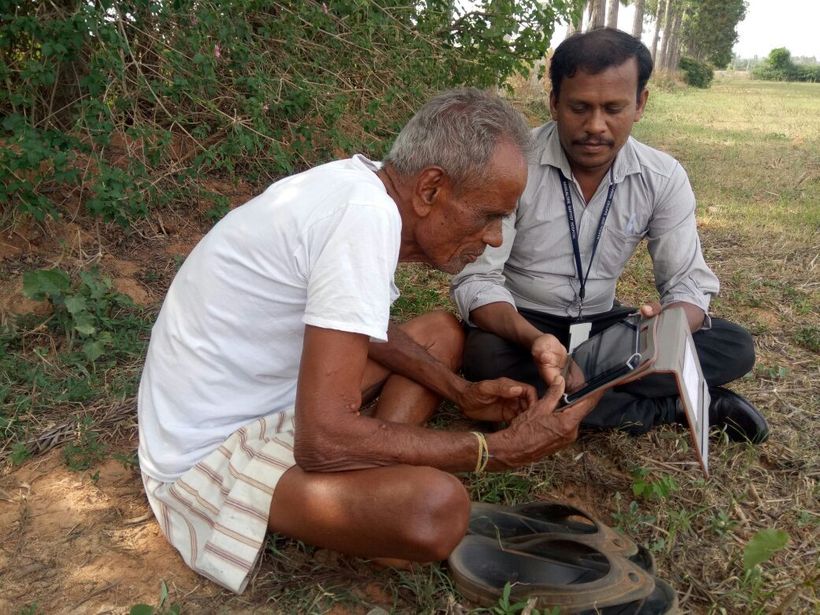
Baylor Researchers Awarded Grant to Develop Diabetes Mobile Health App for Use in India
An interdisciplinary team of Baylor University researchers – from nursing and business information systems to art and video game design – and physicians from Bangalore Baptist Hospital in Bengaluru, India, were awarded a 21st Century Knowledge Initiative Grant from the U.S. India Education Foundation (USIEF) to develop a diabetes mobile health app to boost awareness and educate those in India who are most at risk for diabetes. The team is led by Shelby Garner, Ph.D., R.N., assistant professor in Baylor’s Louise Herrington School of Nursing, who has worked in India over the past six years to develop technological health resources. She cited statistics from the World Health Organization that show life expectancy in India is among the lowest in the South East Asian Region and is largely attributed to growing rates of non-communicable diseases, such as diabetes. Contextualized health education is one key to help raise awareness in the country, she said. “There is a need for culturally appropriate health education materials in India,” Garner said. “Our early research showed that technology, such as smartphones and internet accessibility, are widely available in India among health providers, but most technological educational resources were developed in the West and do not effectively translate to the Indian context.” Physicians from Bangalore Baptist Hospital will provide cultural context and help identify important medical content to be included in the app. “Our diabetes app will feature an interactive 3D animated video with gaming features to help educate patients at risk for diabetes,” Garner said. “Answers to questions addressed in the app include: What is diabetes? What happens if I have diabetes? How do I prevent and treat diabetes? What do I do now?” The app also serves as a data collection tool to help researchers determine if the video is improving participants’ knowledge on diabetes. Community health workers employed by Bangalore Baptist Hospital will use the app as they visit with people in rural villages and urban slums during door-to-door health education visits, Garner said. The research team will compare the app’s effectiveness with standard health educational resources previously used. Garner said the USIEF grant was awarded, in large part, due to the success of an earlier project that led to the development of a hypertension app. “Earlier this year, we tested the hypertension app among 346 people in one of the largest slums in Bengaluru, India, and in several rural villages surrounding Bengaluru,” she said. “The app was significantly effective in improving knowledge among participants. We used these results to justify the need to design more resources and applied for funding from the U.S. India Education Foundation.” From previous experience developing and employing the hypertension app, Garner said she knew this new project would require input from a variety of perspectives. “I’ve realized some of the ‘big picture’ challenges in health education, and it will take a team of experts to make this happen,” she said. Team members are: • Shelby Garner, Ph.D., R.N., assistant professor in Baylor’s Louise Herrington School of Nursing • Dr. Carol Elizabeth George, community health physician, Bangalore Baptist Hospital • Dr. Gift Norman, community health physician, Bangalore Baptist Hospital • Dr. Kingsly Victor, internal medicine physician, Bangalore Baptist Hospital • Hope Koch, Ph.D., associate professor of business information systems, Baylor’s Hankamer School of Business • Phil Young, Ph.D., assistant clinical professor of business information systems, Baylor’s Hankamer School of Business • Julia Hitchcock, M.F.A., associate professor of art, Baylor’s College of Arts & Sciences • Matthew Fendt, Ph.D., lecturer in computer science, Baylor’s School of Engineering and Computer Science The grant also will fund exchange teams of researchers and faculty from India to come to the U.S. and for Baylor team members to go to India to collaborate on the research for the next two years. The first team from India is due in late October. “We are really excited about the work we will do together with our Indian partners over the next two years,” Garner said. ABOUT BAYLOR UNIVERSITY Baylor University is a private Christian University and a nationally ranked research institution. The University provides a vibrant campus community for more than 17,000 students by blending interdisciplinary research with an international reputation for educational excellence and a faculty commitment to teaching and scholarship. Chartered in 1845 by the Republic of Texas through the efforts of Baptist pioneers, Baylor is the oldest continually operating University in Texas. Located in Waco, Baylor welcomes students from all 50 states and more than 80 countries to study a broad range of degrees among its 12 nationally recognized academic divisions. ABOUT LOUISE HERRINGTON SCHOOL OF NURSING The Baylor University Louise Herrington School of Nursing (LHSON) located in Dallas was established in 1909 as a diploma program within Baylor Hospital in Dallas, which is now Baylor University Medical Center, and in 1950 became one of the six degree-granting schools of Baylor University. The first Baccalaureate degrees were granted in 1950 establishing the school among the earliest baccalaureate nursing programs in the United States. In 1999, the School was renamed the Baylor University Louise Herrington School of Nursing after Louise Herrington Ornelas, a 1992 Baylor Alumna Honoris Causa, who made an endowment gift to the school. Accredited by the Commission on Collegiate Nursing, LHSON offers Bachelor of Science in Nursing (B.S.N.) degrees through a traditional program and FastBacc (one-year accelerated program). LHSON also offers an online Master of Science in Nursing (M.S.N.) Leadership and Innovation program, as well as Doctor of Nursing Practice (D.N.P.) programs to include Family Nurse Practitioner (F.N.P.), Nurse-Midwife (C.N.M.) and Neonatal Nurse Practitioner (N.N.P.). LHSON was featured in U.S. News & World Reportfor the 2018Best Graduate Schools ranking the D.N.P.program in the top 50 U.S.nursing schools at No. 46. The Baylor M.S.N.program is ranked at No. 56and the Nurse Midwifery Program ranked No. 10. Baylor’s M.S.N. in Nursing Leadership andInnovation Online Program ranked No. 39 in the 2018U.S. News Best Online Graduate Programs. For more information, www.baylor.edu/nursing.

Vielight Pilot Study Featured in AARP Magazine
Light Therapy Offers Bright New Remedies for Alzheimers The Vielight technology and pilot study was mentioned in an article by the American Association for Retired People. Dr Hamblin, a principal investigator at the Wellman Center for Photomedicine at Massachusetts General Hospital in Boston, spoke briefly about the pilot study’s protocol and results in 2015. For more information please reference the work Vielight is doing to investigate the benefits of photobiomodulation in the following: Read the AARP article here : Link Read our 2015 pilot study here : Link Current Vielight clinical trials : Link Disclaimer: Please note that the technologies are still being studied in clinical trials are not approved by any national regulatory body for the treatment of specific medical conditions.


Sainthood and the legacy of Oscar Romero in El Salvador
If you’re covering the Canonization of Archbishop Oscar Romero, consider Rick Jones, who’s spent his entire career working on poverty and social justice issues in El Salvador. Rick knows first-hand that Romero’s messages are as relevant and necessary as ever. As he puts it: Changing repressive policies, calling on gangs and organized criminal groups to stop the killing, denouncing human rights abuses and caring for the victims is as urgent today as when Romero was archbishop. Based in El Salvador for more than 20 years, Rick works closely with the Church in Latin America on justice issues, including migration, internal displacement and youth violence. He understands well the poverty, violence and political divisions that compelled Romero to defend human rights in the face of death threats and even opposition from his colleagues in the Church. Oscar Romero was Archbishop of San Salvador until he was brutally assassinated on March 24, 1980 while celebrating Mass in the chapel of the Divine Providence cancer hospital where he lived. More than three decades later he was declared a martyr of the Church, killed out of hatred of the faith, and was beatified on May 23, 2015. Rick is available to speak with media regarding Romero’s legacy and what his sainthood represents for El Salvador and Latin America. To arrange an interview, simply click on his icon and we will be in touch immediately.


Being homeless negatively impacts health in diverse ways, especially for those experiencing chronic homelessness.1 Such persons are at higher risk for multiple infectious diseases, traumatic injuries, interpersonal violence, conditions related to extreme heat or cold, and death due to alcoholism and drug overdoses. They are more likely than housed persons to use hospital emergency departments for health care and to be admitted to the hospital for health problems, because they are less likely to have health insurance and because their conditions cannot be appropriately cared for without safe and secure housing. Thus, there are compelling reasons to know whether interventions aimed at reducing homelessness also reduce the adverse health consequences associated with it. Source:


The effect of multitasking on worker performance
Diwas KC, associate professor of information systems & operations management, completed an in-depth investigation of the impact of multitasking in a complex work environment by analyzing patient flow and clinical data of physicians in a large hospital ER. The study provides important findings for understanding multitasking and its “implications for a knowledge economy, where attention and focus are significant drivers of productivity and quality.” The research indicated that multitasking starts out as a positive influence on work, giving physicians the “ability to utilize idle time between tasks.” Additionally, lower levels of multitasking actually improved the quality of care, since “low levels of stress can aid cognitive function.” Once multitasking behavior became excessive, productivity declined dramatically due to a variety of factors, including work interruptions and coordination costs. A higher level of multitasking also led to a drop in detected diagnoses and an increased rate of revisits in a 24-hour period for patients initially treated in the emergency department. Physicians spent less time with patients and their overall focus suffered. Source:



Baylor Gerontology Expert: It's Important for People to Know the Signs of Elder Abuse
Gerontology expert James Ellor, Ph.D., M.Div., professor in Baylor University’s Diana R. Garland School of Social Work, said it's important to remind people what elder abuse looks like and how they can respond if they see the signs. Reports of abuse are most often submitted by family members, hospital staff and law enforcement. But churches and other organizations should also be diligent, Ellor said, adding that clergy are considered mandatory reporters in many states. “No one group of caring persons can solve this problem alone; it takes a community of caring lay and professional leaders to even try to start to make a difference,” Ellor said. Elder abuse – intentional or negligent acts by a caregiver or trusted individual – comes in many forms: * neglect or isolation * physical abuse, sexual abuse * exploitation or financial abuse * emotional and psychological abuse * verbal abuse and threats “If signs are noticeable, the next steps will depend on the type of abuse. In most cases, counseling support is critical, but often the need for medical help or legal help is also very important,” Ellor said. Read the linked article to learn more. ... Dr. Ellor works with older adults around issues of mental and spiritual health. He has served on the executive committee of the Midwestern Geriatric Education Center and provided education, counseling and planning for individuals and groups who work with seniors. His research includes work in entrostomal therapy, hunger, the church as service provider, spiritual assessment and intervention techniques with cognitively impaired older adults. Source: