
Experts Matter. Find Yours.
Connect for media, speaking, professional opportunities & more.

First in Delaware to Offer Breakthrough Tricuspid Valve Disease Treatments
For the first time in Delaware, patients with tricuspid valve disease have access to two new FDA-approved, minimally invasive procedures that can repair or replace a failing heart valve without the need for open-heart surgery. The tricuspid valve helps keep blood moving in the right direction through the heart. When it doesn’t close properly — a condition known as tricuspid valve regurgitation — blood leaks backward, forcing the heart to work harder. Over time, patients can experience fatigue, shortness of breath and swelling in the legs and ankles. ChristianaCare’s Center for Heart & Vascular Health is among the first in the nation and the first in the state to offer these advanced procedures, which can restore valve function and improve quality of life. “ChristianaCare continues to innovate in the area of non-surgical valve procedures,” said Kirk Garratt, M.D., MSc, medical director of the Center for Heart & Vascular Health. “We now offer every FDA-approved therapy for tricuspid valve disease, which means we can tailor treatment to each patient and choose the option that best fits their condition.” New Procedures Offer Hope for Patients ChristianaCare offers these minimally invasive procedures to treat tricuspid valve regurgitation: TriClip, which repairs a leaky tricuspid valve. A staple-like clip is attached to the flaps of the valve that don’t close properly, which stops the valve from leaking. EVOQUE, which replaces a faulty tricuspid valve. When the new valve is placed, it uses the patient’s own tricuspid valve as an anchoring system. The new valve takes over for the leaky valve, correcting the problem. “Most of our patients with tricuspid valve disease are older adults, and they really do not desire to travel to Philadelphia for treatment,” said Erin Fender, M.D., an interventional cardiologist at the Center for Heart & Vascular Health. ChristianaCare’s tricuspid valve disease program enables patients to stay in Delaware for treatment and receive this leading-edge care. Fender and interventional cardiologist James Hopkins, M.D., performed ChristianaCare’s first TriClip procedure in August. In September, they performed ChristianaCare’s first EVOQUE procedure. Minimally Invasive, Maximum Impact During both procedures, an IV catheter is inserted into a vein at the top of the leg. A hollow tube is threaded through the IV and into the heart, allowing the clip or replacement valve to access the tricuspid valve. The entire procedure is guided by echocardiogram and generally takes one to two hours. “Patients are usually up and walking later that evening or the next morning, depending on what time of day the procedure was done,” Fender said. “They’re typically discharged the following day.” In the past, open-heart surgery was the only treatment for tricuspid valve disease, but patients with severe symptoms usually weren’t good surgical candidates. “When I was a fellow, I did research focused on tricuspid regurgitation at a time when patients really had no therapeutic options,” Fender said. “Now, being able to offer people therapy that’s so safe and effective, with minimal downtime afterwards, is absolutely transformative to our patients. It’s delightful to see the evolution.” Expanding the Toolbox of Innovation The TriClip and EVOQUE are two of the most recent minimally invasive procedures performed at the Center for Heart & Vascular Health. Other recent innovative, minimally invasive heart and vascular procedures include: Pulsed field ablation for atrial fibrillation. A-fib arises when abnormal heart tissue mistakenly prompts electrical impulses, causing heart palpitations, chest pain and shortness of breath. Pulsed field ablation safely destroys the abnormal tissue quicker and more consistently than other treatments, such as freezing (cryoablation) or heating (radiofrequency ablation). Genicular artery embolization for mild to moderate knee pain. Osteoarthritis can cause inflammation and pain within the knee, which can limit a patient’s mobility. Genicular artery embolization pinpoints areas of inflammation within the knee, and tiny bead-like particles are placed within the blood vessels to block blood flow to those areas. The procedure reduces pain and improves mobility. National Recognition for Excellence ChristianaCare’s Center for Heart & Vascular Health continues to earn national recognition as one of the nation’s premier destinations for cardiovascular care. Most recently, the Center received the HeartCare National Distinction of Excellence award from the American College of Cardiology for the 6th consecutive year. This award honors hospitals that consistently deliver superior medical, surgical and radiologic care aligned with the most rigorous standards of the American College of Cardiology. The award reflects ChristianaCare’s commitment to ensuring patients receive the best, evidence-based care for every cardiovascular need. That excellence is further affirmed by U.S. News & World Report, which named ChristianaCare a High Performing hospital in its 2025—2026 Best Hospitals rankings for aortic valve surgery, heart bypass surgery and heart failure. The Center for Heart & Vascular Health is among the largest and most advanced programs on the East Coast, uniquely integrating cardiac surgery, vascular surgery, vascular interventional radiology, cardiology and interventional nephrology in one location. In 2024, its expert clinical teams performed nearly 200,000 patient procedures, underscoring the depth of experience and patient-centered care that set ChristianaCare apart.

#Expert Research: Incentives Speed Up Operating Room Turnover Procedures
The operating room (OR) is the economic hub of most healthcare systems in the United States today, generating up to 70% of hospital revenue. Ensuring these financial powerhouses run efficiently is a major priority for healthcare providers. But there’s a challenge. Turnovers—cleaning, preparing, and setting up the OR between surgeries—are necessary and unavoidable processes. OR turnovers can incur significant costs in staff time and resources, but at the same time, do not generate revenue. For surgeons, the lag between wheels out and wheels in is idle time. For incoming patients, who may have spent hours fasting in preparation for a procedure, it is also a potential source of frustration and anxiety. Reducing OR turnover time is a priority for many US healthcare providers, but it’s far from simple. For one thing, cutting corners in pursuit of efficiency risks patient safety. Then there’s the makeup of OR teams themselves. As a rule, well-established or stable teams work fastest and best, their efficiency fueled by familiarity and well-oiled interpersonal dynamics. But in hospital settings, staff work in shifts and according to different schedules, which creates a certain fluidity in the way turnover teams amalgamate. These team members may not know each other or have any prior experience working together. For hospital administrators this represents a quandary. How do you cut OR turnover time without compromising patient care or hiring in more staff to build more stable teams? To put that another way: how do you motivate OR workers to maintain standards and drive efficiency—irrespective of the team they work with at any given time? One novel approach instituted by Georgia’s Phoebe Putney Health System is the focus of new research by Asa Griggs Candler Professor of Accounting, Karen Sedatole PhD. Under the stewardship of perioperative medical director and anesthesiologist, Jason Williams MD 02MR 20MBA, and with support from Sedatole and co-authors, Ewelina Forker 23PhD of the University of Wisconsin and Harvard Business School’s Susanna Gallini PhD, staff at Phoebe ran a field experiment incentivizing individual OR workers to ramp up their own performance in turnover processes. What they have found is a simple and cost-effective intervention that reduces the lag between procedures by an average of 6.4 percent. Homing in on the Individual Williams and his team at Phoebe kicked off efforts to reduce OR turnover times by first establishing a benchmark to calculate how long it should take to prepare for different types of procedure or surgery. This can vary significantly, says Williams: while a gallbladder removal should take less than 30 minutes, open-heart surgery might take an hour or longer to prepare. “There’s a lot of variation in predicting how long it should take to get things set up for different procedures. We got there by analyzing three years of data to create a baseline, and from there, having really homed in on that data, we were able to create a set of predictions and then compare those with what we were seeing in our operating rooms—and track discrepancies, over-, and underachievement.” Williams, a Goizueta MBA graduate who also completed his anesthesiology residency at Emory University’s School of Medicine, then enlisted the support of Sedatole and her colleagues to put together a data analysis system that would capture the impact of two distinct mechanisms, both designed to incentivize individual staff members to work faster during turnovers. The first was a set of electronic dashboards programmed to record and display the average OR turnover performance for teams on a weekly basis, and segment these into averages unique to individuals working in each of the core roles within any given OR turnover team. The dashboard displayed weekly scores and ranked them from best to worst on large TV monitors with interactive capabilities—users could filter the data for types of surgery and other dimensions. Broadcasting metrics this way afforded Williams and his team a means of identifying and then publicly recognizing top-performing staff, but that’s not all. The dashboards also provided a mechanism with which to filter out team dynamics, and home in on individual efforts. “If you are put in a room with one team, and they are slower than others, then you are going to be penalized. Your efforts will not shine. Now, say you are put in with a bigger or faster team, your day’s numbers are going to be much higher. So, we had to find a way to accommodate and allow for the team effect, to observe individual effort. The dashboards meant we could do this. Over the period of a week or a month, the effect of other people in the team is washed out. You begin to see the key individuals pop up again and again over time, and you can see those who are far above their peers versus those who, for whatever reason, are not so efficient.” Sharing “relative performance” information has been shown to be highly motivating in many settings. The hope was that it would here, too. Three core roles: Who’s who in the Operating Room turnover team? OR turnover teams consist of three roles: circulating nurse, scrub tech, and anesthetist. While other surgery staff might be present during a turnover, depending on the needs of consecutive procedures, these are the three core roles in the team, and they are not interchangeable in any way: each individual assumes the same responsibilities in every team they join. Typically, turnover tasks will include removing instruments and equipment from the previous surgery and setting up for the next: restocking supplies and restoring the sterile environment. Turnover tasks and activities will vary according to the type of procedure coming next, but these tasks are always performed by the same three roles: nurse, scrub tech, and anesthetist, working within their own area of expertise and specialty. OR turnover teams are assembled based on staff schedules and availability, making them highly fluid. Different nurses will work with different scrub techs and different anesthetists depending on who is free and available at any given time. With dashboards on display across the hospital’s surgery department, Williams decided to trial a second motivational mechanism; this time something more tangible. “We decided to offer a simple $40 Dollar Store gift card to each week’s top performing anesthetist, nurse, or scrub technician to see if it would incentivize people even more. And to keep things interesting, and sustain motivation, we made sure that anyone who’d won the contest two weeks in a row would be ineligible to win the gift card the following week,” says Williams. “It was a bit of a shot in the dark, and we didn’t know if it would work.” Altogether, the dashboards remained in situ over a period of about 33 months while the gift card promotion ran for 73 weeks. It was important to stress the foundational importance of safety and then allow individuals to come up with their own ways to tighten procedures. This was a bottom-up, grassroots experience where the people doing the work came up with their own ways to make their times better, without cutting corners, without cutting quality, and without cutting any safety measures. Jason Williams MD 02MR 20MBA Incentives: Make it Something Special and Unique Crunching all of this data, Sedatole and her colleagues could isolate the effect of each mechanism on performance and turnover times at Phoebe. While the dashboards had “negligible” effect on productivity, the addition of the store gift cards had immediate, significant, and sustained impact on individuals’ efforts. Differences in the effectiveness of the two incentives—the relative performance dashboard and the gift cards—are attributable to team fluidity, says Sedatole. “It’s all down to familiarity. Dashboards are effective if you care about your reputation and your standing with peers. And in fluid team settings, where people don’t really know each other, reputation seems to matter less because these individuals may never work together again. They simply care less about rankings because they are effectively strangers.” Tangible rewards, on the other hand, have what Sedatole calls a “hedonic” value: they can feel more special and unique to the recipient, even if they carry relatively little monetary value. Something like a $40 gift card to Target can be more motivating to individuals even than the same amount in cash. There’s something hedonic about a prize that differentiates it from cash—after all, you will just end up spending that $40 on the electricity bill. Asa Griggs Candler Professor of Accounting, Karen Sedatole “A tangible reward is something special because of its hedonic nature and the way that human beings do mental accounting,” says Sedatole. “It occupies a different place in the brain, so we treat it differently.” In fact, analyzing the results, Sedatole and her colleagues find that the introduction of gift cards at Phoebe equates to an average incremental improvement of 6.4% in OR turnover performance; a finding that does not vary over the 73-week timeframe, she adds. To get the same result by employing more staff to build more stable teams, Sedatole calculates that the hospital would have to increase peer familiarity to the 98th percentile: a very significant financial outlay and a lot of excess capacity if those additional team members are not working 100% of the time. These are key findings for healthcare systems and for administrators and decision-makers in any setting or sector where fluid teams are the norm, says Sedatole: from consultancy to software development to airline ground crews. Wherever diverse professionals come together briefly or sporadically to perform tasks and then disperse, individual motivation can be optimized by simple mechanisms—cost-effective tangible rewards—that give team members a fresh opportunity to earn the incentive in different settings on different occasions—a recurring chance to succeed that keeps the incentive systems engaging and effective over time. For healthcare in particular, this is a win-win-win, says Williams. “In the United States we are faced with lower reimbursements and higher costs, so we have to look for areas where we can gain efficiencies and minimize costs. In the healthcare value model, time and costs are denominators, and quality and service are numerators. Any way we can save on costs and improve efficiencies allows us to take care of more patients, and to be able to do that effectively. “We made some incredible improvements here. We went from just average to best in class, right to the frontier of operative efficiency. And there is so much more opportunity out there to pull more levers and reach new levels, which is truly encouraging.” Looking to know more or connect with Asa Griggs Candler Professor of Accounting, Karen Sedatole? Simply click on her icon now to arrange an interview or time to talk today.



Delaware INBRE Summer Scholars Complete Biomedical Research Projects at ChristianaCare
Eight undergraduate scholars recently completed a 10-week immersion in biomedical research through the Delaware IDeA Network of Biomedical Research Excellence (INBRE) Summer Scholars Program at ChristianaCare. Their projects, spanning oncology, emergency medicine and community health, culminated in a capstone presentation and celebration on August 13 at Christiana Hospital. This year’s cohort included students from University of Delaware, Delaware State University and Delaware Technical Community College, as well as Delaware residents attending college out of state. Each student was paired with expert mentors from across ChristianaCare, contributing to research designed to improve patient care and outcomes. In addition to their primary projects, the scholars explored ChristianaCare’s advanced facilities such as the Gene Editing Institute Learning Lab, gaining hands-on exposure to cutting-edge methods in biomedical research. “This year’s DE-INBRE program at ChristianaCare was a one-of-a-kind experience,” said Susan Smith, Ph.D., RN, program director of Technology Research & Education at ChristianaCare and the INBRE site principal investigator. “We brought together undergraduates from various academic backgrounds and immersed them in real, hands-on biomedical research with some of our most accomplished investigators. “Watching these students go from a little unsure on day one to confidently presenting their own findings by the end of the summer was inspiring, and proof that programs like this are building the next generation of biomedical researchers in Delaware.” Delaware INBRE is a statewide initiative funded by the National Institutes of Health to strengthen Delaware’s biomedical research infrastructure. It supports undergraduate research training, faculty development and core facility investments across partner institutions. At ChristianaCare, the program offers students immersive, hands-on research experiences guided by seasoned investigators, equipping them with the skills, mentorship and exposure essential for careers in science and medicine. Madeline Rowland, a Delaware resident and rising senior at Williams College in Massachusetts, collaborated with Hank Chen, senior medical physicist at the Helen F. Graham Cancer Center & Research Institute, to evaluate tattoo-free, surface-guided radiation therapy for breast cancer patients. She also worked with leaders of ChristianaCare’s Center for Virtual Health to explore how different patient populations experience virtual primary care. Rowland praised the program for the research skills and knowledge she gained as well as the meaningful relationships she built with mentors, health care professionals and fellow scholars she might not have otherwise met. “Dr. Chen and the whole Radiation team really adopted me into the department,” Rowland said. “From sitting on the CT simulation table in my first week to working on my project, I felt fully welcomed. I’ve learned so much, and the people I’ve met made this summer unforgettable.” Chen was recognized as the program’s inaugural “Mentor of the Summer” for his exceptional dedication and thoughtful approach to teaching. Having now mentored INBRE scholars for three years, Chen has a personal connection to the program. His own daughter participated as an undergraduate and recently began her general surgery residency after graduating from Sidney Kimmel Medical College at Thomas Jefferson University in Philadelphia. For Chen, mentoring represents an investment in health care’s future. “The greatest asset of any institution is its talent,” he explained. “When you welcome students into your environment, you draw good people to your field, and patients ultimately benefit from that.” Naana Twusami, a rising senior at Delaware State University, spent her summer with the Oral & Maxillofacial Surgery and Hospital Dentistry Department. She examined social determinants of health in facial trauma patients, analyzing how factors like income, education, transportation and insurance status influence recovery. “Being here showed me that things like income or transportation can matter just as much as the medical care itself,” she said. “The INBRE Summer Scholars Program gave me a real look at how health care works, and how places like ChristianaCare are helping shape where it’s headed.” Amy Minsker, continuing medical education manager, Academic Affairs, served as manager of the summer scholars program. Read more on news.christianacare.org.

LSU Veterinary Teams Recall Courage, Loss, and Lasting Change from Hurricane Katrina Animal Rescues
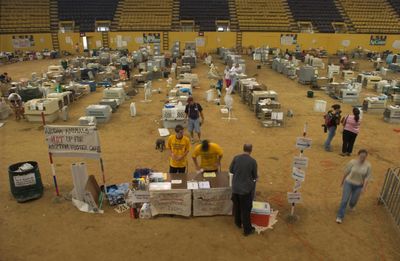
From that tragedy came transformative change, with new animal evacuation protocols and policies, including the creation of the federal Pet Evacuation and Transportation Standards (PETS) Act, which requires state and local disaster plans to include provisions for pets and service animals. LSU School of Veterinary Medicine played a pivotal role in this evolution. In the days and months after Katrina, LSU Vet Med faculty, staff, and students worked alongside state officials, military units, and volunteers from across the nation to rescue, treat, and shelter thousands of animals. Two decades later, Katrina’s scars remain, but so does the resilience of the people and animals who lived through it. Their stories serve as a reminder that in even the darkest moments, compassion can spark lasting change. Rescue in a War Zone Dr. Jenny Sones (then veterinary student): I had been working at LSU Vet Med for five years when Katrina hit. LSU Vet Med put out an ‘all hands on deck’ call to employees. All of our hospital wards were turned into an ER. We opened our homes to complete strangers who came to help. It was organized chaos. Many animals came to us looking like corpses with a heartbeat because they’d been in the flood waters so long. I worked all day at LSU Vet Med, where we saw the sickest, most injured patients, and worked at Lamar Dixon evenings and weekends. Twenty years later, the images are so vivid in my mind. I took a horse trailer on a rescue mission into New Orleans with two students and a state veterinarian escort one week after Katrina hit. The scene looked like a war zone, helicopters everywhere, buildings burning, gunshot sounds. Every area we saw was looted. The stench was awful. There were people on the overpasses who had been there for a week. We were there to rescue animals. Military, Louisiana National Guard, and police brought the animals to us where our trailer was parked on an overpass. We picked up a few strays on our way out. The animals we rescued were so scared. Some had been in the flood waters a long time and were soaking wet and foul smelling. Their skin was sloughing off and they were emaciated. Amazingly, none of the dogs, cats, or horses were aggressive—maybe because they were in shock or they were grateful. We treated them all at Lamar Dixon, washed them with Dawn dishwashing soap and applied betadine. Sick ones were transported by trailer to LSU Vet Med. They were very dark times and very good times too. We were able to get the New Orleans French Quarter mules out to Lamar Dixon. Their caretaker crew stayed with them. They hooked up the mules, still in good shape because they weren’t in the flood waters, and they gave workers short rides around the Lamar Dixon grounds. It was such rewarding work. We were exhausted but in the best way. It would have been easy to get caught up in the devastation if we didn’t focus on our purpose to help animals. You can’t fix everything, but you can fix what’s in front of you. If you can survive the devastation of Katrina, you can survive anything. From Classroom to Crisis Dr. Jenny Sones (then veterinary student): In August 2005, I was starting my second year of veterinary school at LSU. I had no idea that life was about to change so drastically. School was cancelled, and electricity was out most places except at the vet school. My colleagues set up temporary housing in our study rooms and other places throughout the vet school. We then began to learn of the effects of Katrina on our veterinary species—dogs, cats, horses, and more. These precious creatures were the reason why we studied, crammed, and signed up to endure the rigors of veterinary school. It was time to close the books and help! Although we were not licensed veterinarians yet, we were keen to provide aid in any way we could. I, along with lots of my classmates, volunteered at Parker Coliseum on the LSU campus, where displaced small animals were seeking refuge, and at Lamar Dixon, which became the shelter for large animals and small animals. We spend many hours doing anything we could, cleaning litter boxes, refilling water bowls, changing bedding, administering medications, and assisting the heroic volunteer veterinarians working tirelessly to treat the injured, sick, and rescued. Lots of important lessons were learned during Katrina. Many animals were not reunited with their owners. That's when I learned the value of microchipping to permanently identify animals, gained an appreciation for animal search and rescue, and the value of quick response. (Sones is now CSU Equine Reproduction Laboratory reproduction specialist.) Mapping Rescues by Hand Ashley Stokes (former faculty member): It was unlike anything I’ve ever experienced. I was researching and teaching at LSU Vet Med in 2005. LSU Vet Med stepped up in so many ways. We started receiving calls from citizens and local authorities at the vet school almost immediately after the storm. They needed help with resources—animal rescue, food, and water. They had to leave New Orleans quickly. I particularly remember a call from someone from south of Belle Chase, La., who had left horses, cattle, and two dogs in the house and needed help. It was surreal to see the devastation, houses floating, there in the Delta. We were making real-time decisions to help their animals. They’d lost so much, and for some, their animals were all they had left. We put a paper map of Louisiana on the wall and put pins in the locations that called for assistance. We covered all of New Orleans and surrounding areas, including the north shore and extending west to Baton Rouge. We took the callers’ information and sent teams of staff, students, and volunteers to different locations with donated trailers, hay, water, and other resources for rescue. We continued rescues for months after the storm. We were there for people for the long haul. The whole experience was transformational in my life. What I learned from Katrina became part of my own career and what I continue to do. There were beautiful moments, especially seeing how resilient and helpful people could be. I saw every day how the community came together and were absolute bright lights. Positive came from tragedy. (Stokes is now dean of UC Davis College of Agricultural & Environmental Sciences.) The Boxer on the Third Floor Dr. Neil Henderson (alumnus): When Katrina hit, the Louisiana Veterinary Medical Association sent out a request for help from veterinarians. I got to the Lamar Dixon Center on Day 5 after Katrina hit. St. Bernard Parish was where I spent most of my time helping. It was literally destroyed. One day, while we were making our rounds, a man came running up to me and said that he just remembered that while the storm was coming through—he was on the third story of a building looking out of the window—he noticed a dog swimming around frantically with nowhere to go. He opened a window for it with the hopes that it would swim inside the building to safety. Seven or eight days later, with the temperature well into the upper 90s, the man came up to me and asked me to go into the building to see if I could find the dog. I did not have much hope but went anyway. There, on the third floor of the building, I found the dog, a boxer, alive. She was in surprisingly good shape. The man was ecstatic to see the dog and could not believe that it made it inside the building to safety. I stayed for five days helping animals, and my late father (Dr. Robert Henderson, class of 1977) came after that for five more days. (Henderson is the owner of the Pine Ridge Veterinary Center in Stonewall, La.) Article originally posted here.


Jennifer Oldham of ChristianaCare Champions Life-Saving CPR Care
“Whether you’re a brother or whether you’re a mother/ You’re stayin’ alive, stayin’ alive.” Nearly 50 years since this song’s debut, the faint symphony of the Bees Gees’ “Stayin’ Alive” can be still heard around the world, though not only through an ordinary radio or Bluetooth speaker. Some people, like Jennifer Oldham, MSN, RN, CEN, AACC, play the tune in their thoughts when giving and demonstrating rhythmic CPR compressions. The song’s tempo serves as guidance to match the timing of CPR chest compressions. Oldham, a cardiovascular quality and innovation nurse program manager at ChristianaCare’s Center for Heart & Vascular Health, has dedicated the last three decades to teaching others about harnessing the power of CPR to save patients and loved ones. She knows firsthand the miracles CPR can produce. Knowledge is power Community members, health care professionals and students have the ability to save a life thanks to Oldham. She’s conducted dozens of classes and lectures to give nurses and bystanders the tools and confidence to perform CPR in an emergency. Her profound work recently earned her an honor at the American Heart Association’s Delaware Heart Ball. The Heart Association recognized four individuals representing four key tenets or “chambers” — “discovery, advocacy, equity, and knowledge.” Oldham was chosen as the honoree for the Knowledge Chamber for her dedication to empowering others with life-saving education and tools. “Jen Oldham’s work is the heartbeat of our Knowledge Chamber. Her dedication to CPR education reflects the very mission of the American Heart Association – to ensure more lives are saved through awareness and action,” said Ellen Vild, director of the Delaware Heart Ball. “Jen’s story reminds us that knowledge is power, but more importantly, it’s compassion in action. We are honored to recognize her as someone who lives that mission every single day.” Oldham’s colleague Neil Wimmer, M.D., MS, interventional cardiologist and medical director of the Cardiac Catheterization Laboratory, was delighted to see her recognized. “Jen is an amazing colleague and friend who is driven by compassion and empathy. She makes everyone in our state safer, whether they know it or not,” Wimmer said. The gift of life To Oldham, teaching others about CPR is rewarding. She makes a meaningful impact on patients’ lives every day through care, education, emotional support and community connection. CPR is more than just a technique, she said: It’s a lifechanging bond. “In my opinion, performing CPR is one of the most kind and loving acts one person can do for another. It is incredibly intimate … laying hands on someone’s chest and pushing, circulating their blood to save their life,” Oldham said. “What a beautiful gift to give someone — the gift of life, the gift of more time with their loved one.” Walking to save lives The ChristianaCare team and Oldham support heart health as part of the annual Wilmington Heart Walk. Last year they raised over $42,000 for the American Heart Association to fund research and education to help Americans live longer, healthier lives. Oldham has been a co-chair of the event since 2017 and is a strong advocate of the AHA’s mission. Valerie Dechant, M.D., MBA, FACP, chief medical officer of Christiana Hospital, knows the value of Oldham’s efforts in the community. “Jen’s passion for educating the public about acute cardiac emergencies is unmatched,” she said. “With decades of experience and a remarkable ability to translate clinical expertise into clear actionable knowledge, she empowers others to learn to feel confident and prepared in a crisis.”


In a landmark moment for ChristianaCare, more than 1,500 guests gathered on Saturday, July 26, to celebrate the grand opening of ChristianaCare Hospital, West Grove, the organization’s first neighborhood hospital in its 188-year history. The event was a vibrant showcase of community spirit, heartfelt connection and ChristianaCare’s unwavering commitment to delivering exceptional care. “This day was about more than opening our doors. It was about opening our hearts to the community,” said Pauline Corso, president of Ambulatory Network Continuity and Growth at ChristianaCare. “We are here to serve, to listen and to grow with the people of West Grove,” Corso said. “Today’s celebration was a joyful reflection of that commitment.” The West Grove campus was full of energy and excitement, with activities for all ages. Kids enjoyed face painting and bounce houses, while families took guided tours of the new hospital, sampled tasty treats and checked out emergency vehicles during the popular Touch-a-Truck experience. The ChristianaCare LifeNet helicopter was a crowd favorite. Guests were among the first to step inside the state-of-the-art facility and meet the caregivers who will soon deliver health care with excellence and love, right in the heart of southern Chester County. Set to open in mid-August, ChristianaCare Hospital, West Grove introduces a new model of emergency and acute care designed to meet the needs of the community. The exact opening date will be confirmed following final inspection by the Pennsylvania Department of Health, scheduled for the first week of August.

ChristianaCare Hospital, West Grove to Open Mid-August 2025
ChristianaCare is opening its first neighborhood hospital in the company’s 188 year history — ChristianaCare Hospital, West Grove. Set to open in mid-August, this facility offers a new model of emergency and acute care right in the heart of southern Chester County. The exact opening date will be confirmed following final inspection by the Pennsylvania Department of Health, which is scheduled to occur in the first week of August. A Modern Hospital, Right in the Neighborhood Located at 1015 West Baltimore Pike, the 20,000-square-foot hospital will operate 24/7, offering around-the-clock care in a modern, easy-to-access setting. Developed in partnership with Emerus Holdings, Inc., the nation’s leading developer of neighborhood hospitals, this facility brings high-quality acute and emergency care directly into the community. It will be staffed with board-certified emergency physicians, skilled nurses and clinical specialists, all dedicated to delivering patient-first, efficient and compassionate care. “It’s an honor and privilege to expand access to high-quality care for our neighbors in southern Chester County,” said Janice Nevin, M.D., MPH, president and CEO of ChristianaCare. “We will be opening our doors for the families in this community with a steadfast commitment to being their trusted health care partner. We’re grateful for the opportunity to bring love and excellence to those we will serve.” Convenient, Comprehensive Services ChristianaCare Hospital, West Grove is designed to meet a wide range of everyday medical needs. Key features include: A full-service emergency department with 10 treatment rooms. A 10-bed inpatient unit for overnight stays, observation and diagnostics. Advanced imaging and lab services, including ultrasound, CT scan and X-ray. Virtual access to specialists in such areas as cardiology, critical care and infectious disease. The emergency department is equipped to treat conditions such as falls, injuries, heart attacks and strokes. Patients requiring surgery or more complex care will be stabilized and seamlessly transferred to a hospital with more expanded service offerings based on the clinical needs of the patient. “This neighborhood hospital brings the right mix of services to support the health and well-being of our neighbors,” said Pauline Corso, president of ambulatory network continuity and growth at ChristianaCare. “We’re excited to bring care close to home to meet the needs of the community. We’re here to stay and grow alongside this community.” The project has received strong local support and was made possible in part by generous grants from the Commonwealth of Pennsylvania and the Chester County Board of Commissioners — Josh Maxwell, Marian Moskowitz, and Eric Roe — whose leadership helped bring this vision to life. Health Center Expands Access to Primary and Specialty Care As part of its long-term investment in the West Grove Campus, ChristianaCare has also purchased the building at 900 W. Baltimore Pike, across the street from the hospital. This facility currently houses a ChristianaCare primary care practice and imaging services, offering walk-in X-rays and scheduled mammography and ultrasound appointments. This health center will continue to evolve to meet the growing needs of the community. Meeting Regional Needs with a Broader Vision ChristianaCare is expanding its neighborhood hospital model to address care gaps across southeastern Pennsylvania. New hospitals are being planned for Aston and Springfield Townships in Delaware County, with the Aston location already under construction and expected to open in late 2026. In addition, ChristianaCare was the successful bidder for Crozer Health outpatient centers in Glen Mills, Havertown, Broomall and Media, further strengthening its regional footprint and ability to deliver timely, high-quality care. A Legacy of Care in Southeastern Pennsylvania ChristianaCare’s presence in the region is long-standing. The organization currently provides primary care at three Chester County locations — Kennett Square, Jennersville and West Grove — and recently opened a cardiology practice in West Grove. In neighboring Delaware County, the Concord Health Center in Chadds Ford offers a wide range of services, including primary care, women’s health, sports medicine, and behavioral health. Together, these sites serve as the medical home for more than 25,000 residents, underscoring ChristianaCare’s deep commitment to delivering accessible, high-quality care where it’s needed most.

ChristianaCare Names John Lewin III Vice President, Pharmacy Services
John Lewin III, PharmD, MBA, FASHP, FCCM, FNCS, has joined ChristianaCare as vice president of Pharmacy Services. In this role, he will lead all aspects of pharmacy strategy, operations and clinical services across the hospital system, advancing ChristianaCare’s commitment to safe, high-quality, patient-centered care. Lewin brings more than 25 years of leadership experience in pharmacy and health care. He most recently served as chief medical officer at On Demand Pharmaceuticals, where he led pharmacy, quality and regulatory initiatives and supported federal partnerships to improve medication access. Lewin previously spent 16 years at The Johns Hopkins Hospital and Johns Hopkins University School of Medicine, where he held multiple leadership roles and led efforts to improve medication safety, streamline operations and strengthen collaboration across care teams. Lewin holds a Doctor of Pharmacy from Temple University and an MBA from the Johns Hopkins Carey Business School. He completed a PGY1 and a PGY2 critical care residency at the Medical University of South Carolina. A recognized leader in critical care pharmacy, he has authored numerous publications and presented nationally and internationally. He reports to Kim Evans, senior vice president of Clinical Essential Services.


ChristianaCare and Children’s Hospital of Philadelphia (CHOP) today announce a new strategic affiliation to expand access to world-class pediatric care in Delaware and surrounding communities. The collaboration, which is expected to begin in spring 2026, will enhance access to specialized pediatric care by bringing CHOP’s renowned expertise closer to home for families in the communities ChristianaCare serves in Delaware, Maryland, Pennsylvania and New Jersey. By integrating CHOP’s services with ChristianaCare’s established network, the collaboration will improve care delivery, making advanced pediatric treatments more accessible and reducing the need for families to travel long distances for care. A Bold Step Forward in Pediatric Care “This collaboration brings together two amazing organizations that are already nationally recognized for clinical excellence—and we’re going to be even better together,” said Janice E. Nevin, M.D., MPH, president and CEO of ChristianaCare. “Our affiliation with CHOP marks a bold step forward in our mission to provide the highest quality care to children and families across the communities we serve. These are uncertain times for many parents with young children in need of routine or complex medical care. ChristianaCare and CHOP are joining forces to provide world-class care, close to home, at a time when it’s needed most.” “Bringing seamless, family-centered care to our patients is a priority at Children’s Hospital of Philadelphia,” said Madeline Bell, CEO at Children’s Hospital of Philadelphia. “As one of the region’s most dynamic health systems, ChristianaCare has earned a national reputation for its bold approaches to both clinical care and innovation. Our new affiliation is driven by a shared vision: redefining what is possible in health care and ensuring that every patient — at every stage of life — receives the highest standards of care, from infancy through adulthood.” “Our team at ChristianaCare is excited to work closely with Children’s Hospital of Philadelphia to bring even more specialized care to our community,” said Megan Mickley, M.D., chair of Pediatrics at ChristianaCare. “CHOP’s leadership in pediatric medicine will complement the outstanding care already provided at ChristianaCare, ensuring that our youngest patients receive the most advanced treatments in a compassionate and supportive environment.” Initial Focus and Future Growth This affiliation between ChristianaCare and CHOP represents a significant increase in access to world-class pediatric care for communities in Delaware, Maryland, southeast Pennsylvania and southern New Jersey. CHOP, a global leader in pediatric care and research for over 165 years, is consistently ranked among the top children’s hospitals in the country, known for pioneering breakthroughs across a breadth of pediatric care areas. The affiliation will include all ChristianaCare hospitals and locations where pediatric emergency and inpatients are cared for. The collaboration will initially focus on pediatric and neonatal services. Patients at ChristianaCare will have access to CHOP’s expertise in rare and complex diseases and a wide range of newborn and pediatric services, including surgery, cardiology, neurology, radiology, ophthalmology and genetics, as well as educational and research opportunities. As the collaboration grows, it will explore further opportunities to expand pediatric care and improve health care delivery in the region.

AU research team awarded $4.4 million American Heart Association grant
A research team at Augusta University, led by Jennifer C. Sullivan, PhD, has secured a $4.4 million grant from the American Heart Association to study the risk factors for cardiovascular and kidney diseases and how they impact women. Sullivan’s research center, “Disruptions in cardiorenal free fatty acid metabolism in Cardiovascular Kidney Metabolic Syndrome,” is part of a larger $15 million project titled “Strategically Focused Research Network on Cardiovascular Kidney Metabolic Syndrome: Heterogeneity in Women.” The overarching AHA project is aimed at learning why women may be more likely to develop cardiovascular and kidney diseases due to certain unique risk factors and life stages. Research teams from Massachusetts General Hospital and The Ohio State University were also chosen. “I think this is a huge step for Augusta University as we continue to distinguish ourselves and the research that we have here focused on the health of women,” said Sullivan, dean of The Graduate School. “This grant is particularly impactful as we look to advance and improve the health of women, not just in Georgia, but for the entire country.” According to the Healthy Georgia Report, produced by AU’s School of Public Health, Georgia has the 23rd highest rate of obesity in the United States. Among the women living in the state, 38.3% of them, as well as 37.5% of people living in rural areas, suffer from obesity. “It’s great that we are able to represent the state of Georgia because our state has such a high prevalence for obesity rates,” said Sullivan, who is the director of AU’s SCORE project “Improving awareness of women with hypertension: ROAR (Rural, Obese, At Risk).” “It’s important for us to understand that different populations have distinct needs. You can’t talk about a one-size-fits-all approach to health. This is really about trying to understand how different groups are impacted.” Each center is comprised of three teams, as well as a training component and an area partner. Together, they will explore obesity’s lifetime impact on CKM syndrome through three projects. CKM syndrome is a clinical term that describes the combined health effects of heart disease, kidney disease, diabetes and obesity, which puts people at high risk for heart attack, stroke and heart failure. According to the American Heart Association’s 2025 Heart Disease and Stroke Statistics, about 1 in 3 U.S. adults has at least three components of CKM syndrome, which include high blood pressure, abnormal cholesterol, high blood glucose (sugar), impaired kidney function and excess body weight. The first project is led by Daria Ilatovskaya, PhD, and Justine Abais-Battad, PhD, and will look at aging and Western diet-induced CKMS mechanisms in obesity. Ilatovskaya is an associate professor and the graduate program director for the Doctor of Philosophy in Physiology program, and Abais-Battad is an assistant professor in the Department of Physiology with the Medical College of Georgia at Augusta University. The second component, led by Jessica Faulkner, PhD, an assistant professor in MCG’s Physiology department, will study obesity-associated mechanisms of CKMS in pregnancy. The third project, led by Stephen Coughlin, PhD, with Marlo Vernon, PhD, is looking at CKMS epidemiology, associations with obesity, CVD/CKD. Coughlin is the program director for the Master of Science in Epidemiology and professor of epidemiology in the School of Public Health’s Department of Biostatistics, Data Science, and Epidemiology, while Vernon is an associate professor with MCG’s Georgia Prevention Institute and SPH’s Department of Community and Behavioral Health Sciences. Additionally, the team will talk to women and health care providers from a variety of backgrounds and experiences to assess current knowledge and interest levels in heart health and use that information to develop programs that may help treat and prevent disease. There is also a training director, Alison Kriegel, PhD, a professor in the Department of Physiology, and a core director, Guido Verbeck, PhD, chair and professor of the Department of Chemistry and Biochemistry in the College of Science and Mathematics. “We have a strong blend of clinical epidemiology and basic science, as well as a training component, which we will fill with post-doctoral fellows,” Sullivan said. “Dr. Ilatovskaya, Dr. Faulkner, Dr. Abais-Battad and Dr. Vernon are all a part of our ROAR grant, and, while this isn’t directly related to that program, it allowed us to demonstrate how we are already well positioned to work together to amplify our ability and increase awareness about the importance of the health of women.” The team has over 50 collaborative papers and has secured more than $13 million in collaborative funding to advance the health of women. They also all have experience training fellows and students to continue to expand their reach. “We already have a lot of the infrastructure in place for this kind of cross-disciplinary project, so we leaned very heavily into our connections and the expertise we have here at Augusta University. It’s set up very similar to our ROAR program, so this is something that was really organic in nature,” Sullivan said. The American Heart Association has invested almost $300 million to establish 18 Strategically Focused Research Networks, each aimed at addressing a key strategic issue identified by the association’s volunteer Board of Directors. Prior networks have been studying a wide variety of important topics including, but not limited to, prevention, hypertension, the health of women, heart failure, obesity, vascular disease, atrial fibrillation, arrhythmias/sudden cardiac death, cardiometabolic health/type 2 diabetes, health technology, cardio-oncology, the biological impact of chronic psychosocial stress and the role of inflammation in cardiovascular health. Each network centers around scientific knowledge and knowledge gaps, prevention, diagnosis and treatment of the key research topic. Three to six research centers make up each network, bringing together investigators with expertise in basic, clinical and population/behavioral health science to find new ways to diagnose, treat and prevent heart disease and stroke. Funding scientific research and discovery through initiatives like these awards is a cornerstone of the century-old American Heart Association’s lifesaving mission. The association has now funded more than $5.9 billion in cardiovascular, cerebrovascular and brain health research since 1949, making it the single largest non-government supporter of heart and brain health research in the United States. New knowledge resulting from this funding continues to save lives and directly impact millions of people in every corner of the U.S. and around the world. Looking to know more about the amazing research happening at Augusta? To connect with Dr. Sullivan, simply click on her icon to arrange an interview today.


