
Experts Matter. Find Yours.
Connect for media, speaking, professional opportunities & more.

ChristianaCare Reduces Health Care Costs by $6.2 Million While Improving Care for Medicaid Patients
ChristianaCare’s Delaware Medicaid Partners Accountable Care Organization (ACO) has set the standard for innovative, high-quality care at lower cost for the State of Delaware’s Medicaid population. According to the most recent data available, ChristianaCare’s ACO reduced health care spending by $6.2 million in 2023 while improving care for nearly 30,000 Medicaid beneficiaries in Delaware, including approximately 8,000 children. “We’re demonstrating that population health works,” said Christine Donohue-Henry, M.D., MBA, chief population health officer, ChristianaCare. “Our neighbors count on us to take care of them — and we can improve their health while also helping the state reduce health care costs. We do this by delivering high-quality care that emphasizes preventive care and proactive management of health conditions, and by investing in our population health infrastructure. “In this way, we can keep people healthier and reduce the need for them to access the most expensive kinds of care, such as emergency care and hospitalization.” ChristianaCare’s Medicaid ACO includes more than 1,900 primary and specialty care clinicians who partner with patients and families to prevent illness, manage chronic diseases and help them achieve their health goals. The ACO makes it easy for adults and children to get the screenings and treatments they need, improving overall health. ChristianaCare’s Medicaid ACO is one of four authorized by the State of Delaware and the only one to voluntarily accept downside financial risk at its launch in 2021, which means that if ChristianaCare’s Medicaid ACO is not successful in reducing cost and improving care for a particular year, the ChristianaCare ACO is required to make a payment to the state. By sharing in both savings and losses, the ACO controls state health care costs while maintaining high-quality care. Bending the Cost Curve by Focusing on High-Quality Preventive Care Alongside financial savings, ChristianaCare’s Medicaid ACO has improved care quality and worked to reduce health disparities. By focusing on preventive care, the ACO has helped adults and children get the screenings and treatment they need, leading to better health outcomes and fewer unmet needs. Since launching in 2021, ChristianaCare’s ACO has met all required quality standards and consistently improved its performance each year on key measures like diabetes management, blood pressure control and breast cancer prevention. Year over year, breast cancer screenings have increased by 4%, while patients with high blood pressure (hypertension) have shown improvement in blood pressure control. Notably, healthy blood sugar levels (HbA1c less than 8%) have also improved in patients with diabetes by 7%. In collaboration with its Medicaid health plan partners, ChristianaCare primary care and imaging teams host patient-centered health and wellness day events to increase access to care, close quality gaps and improve the overall health of the communities they serve. These events help patients get preventive screenings and services, supporting the ACO’s goals of better care and health equity. The ACO’s success is driven by its focus on caring for entire families, including addressing the needs of pregnant mothers and supporting children and adults throughout their lives, according to Rose Kakoza, M.D., MPH, senior clinical network director, ChristianaCare Clinical Alliance. Key programs include enhanced maternity care to support mothers and infants, expanded mental health services and social support programs that address food and housing needs. By integrating clinical care with social support — such as help with food and housing — the ACO is working to break cycles of poor health across generations. This approach also has practical benefits. For example, the improved mental health of a parent strengthens the family environment, supporting children’s well-being and development. “By making significant investments in population health and addressing both medical needs and the social drivers of health, we’ve not only improved health outcomes but also more effectively managed costs for Delaware’s most vulnerable residents, helping to reduce state spending,” Kakoza said. About Delaware Medicaid Partners Delaware Medicaid Partners ACO, led by ChristianaCare, uses a family-centered approach to save money and improve care for Medicaid patients. By combining medical care with social support, the ACO addresses the unique needs of Medicaid patients, improving health and promoting equity. Care coordination is provided by ChristianaCare’s CareVio®, whose team of nurses, social workers, and pharmacists help patients with serious health conditions get the care they need. CareVio uses real-time data to prevent complications that could lead to unnecessary hospital stays or emergency visits. Through ongoing collaboration and innovation, Delaware Medicaid Partners ACO aims to set an example for other states working to improve care while managing costs.




ChristianaCare Caregivers Help Our Neighbors on Martin Luther King Jr. Day of Service
More than 200 ChristianaCare caregivers and their families came together for a systemwide service project on the Martin Luther King Jr. Day of Service on Jan. 20 to pack supply kits for neighbors in need. Hosted by ChristianaCare’s Office of Inclusion & Diversity, caregivers united in service on our Cecil County, Newark and Wilmington campuses. These volunteers assembled 3,500 supply kits with essential items like washcloths, dish soap and detergent for individuals transitioning into permanent housing and toiletries, journals and puzzle books for patients in treatment for cancer at the Helen F. Graham Cancer Center & Research Institute. The kits also carried inspiration. Caregivers handwrote encouraging messages that were tucked in alongside toiletries and other essentials: “You’ve got this!” “You are stronger than you know.” “This is tough. But so are you!” Other caregivers delivered the inspirations and the kits to the the Graham Cancer Center, the Union Hospital Emergency Department, New Castle County Hope Center, Inc., and other community partners. Natalie Torres, director of Inclusion & Diversity, credited ChristianaCare’s Supply Chain and Transportation departments with making sure toiletries and other supplies were available at the three campus locations and also coordinating the pickup and delivery of donations. “This service project is such a powerful reminder of how our values of love and excellence shine through in everything that we do,” Torres said. “Dr. King truly resonates with who we are as an organization. Serving our community, connecting with one another, making a difference — it’s what we do best — and we are so honored to carry on this tradition in Dr. King’s name.”


I Was 33 Years Early to the ADU Party
The early 1990s were tough for many Canadians, including my partner and me. The recession of 1990-1991 hit us hard, leaving both of us without jobs and staring at an unemployment rate that had climbed to a record 10.23%. With bills piling up and options dwindling, we had to get creative—and fast. That’s when we found an unexpected lifeline in an unlikely place: my partner’s grandmother’s house. Grandma, a 90-year-old fireball from Newfoundland, was sharp as a tack and fiercely independent. However, her home was starting to feel too large for her to manage on her own. Meanwhile, we needed a place to live that wouldn’t drain our limited savings. Over cups of tea at her cozy kitchen table, a plan started to take shape: we would build a basement apartment in her house, move in, and exchange affordable rent for assistance around the house. It was a perfect win-win. I didn't know it, but I was an ADU pioneer Today, this living arrangement may be recognized as an Accessory Dwelling Unit (ADU), a secondary housing unit on a single-family property. However, in 1991, this concept was far from mainstream. For us, it was simply a matter of survival—a practical solution born from necessity. We rolled up our sleeves and got to work. With a few friends and determination, we transformed Grandma’s basement into a modest but functional living space. It was basic, even a bit wonky—you had to walk through the bedroom to get to the living room-kitchen combo—but it was ours. We managed most of the construction ourselves, and hired an electrician for the wiring and a plumber to handle the pipes. The rest was pure sweat equity. Living in that basement was an adjustment, to say the least. Space was tight, and our DIY craftsmanship wasn’t exactly HGTV-worthy. However, it provided us with a fresh start. But as ADU pioneers, we got much more than we could have imagined. A much closer connection to family. Grandma’s wit and energy were the heart of the house, and we grew closer to her than we ever imagined. Her stories about growing up in Newfoundland in the late 1800s mesmerized me. I would sit there, wide-eyed, as she recounted winters so cold that tea froze before it hit the cup and evenings illuminated by whale oil lamps. We laughed constantly, and she quickly became the grandmother I never had since my grandparents had passed before I was born. Grandma and I stayed close even after my relationship with my partner ended. I couldn’t imagine life without our Friday lunches, which became a cherished tradition. Every week, I’d visit, and she’d share more stories or critique my cooking attempts with her quick wit and that unmistakable Newfoundland twang. She continued to be a beacon of joy and wisdom in my life. Grandma thrived on independence, which she held onto with great determination. At 90 years old, she re-tarred her driveway by herself, much to the neighbours' surprise and my immense admiration. The tar application was as wrinkled as her skin, and she couldn't care less. She beamed with pride while I took her picture! She loved having visitors, and the parish clergy were frequent guests. She always welcomed them with a twinkle in her eye and a sharp sense of humour. Once, when the parish priest asked her if she ever thought about "the hereafter," she shot back, “Oh, I think about it every day when I go into the basement and ask myself, ‘What am I here after?’” That was Grandma: quick-witted, strong, and full of life. Our basement apartment was more than just a place to live; it was a lifeline. The benefits extended beyond us. Grandma stayed in the home she loved until she passed away peacefully at 96 years old, sitting at her kitchen table on my birthday. It was a poignant moment that reminded me how much she had shaped my life. The modest basement apartment not only sheltered us but also added value to her home. We inadvertently enhanced the property’s functionality and appeal by converting unused space into livable quarters. This represents a key advantage of ADUs in today’s economy. Given the housing shortages and rising costs, ADUs provide a practical solution by offering affordable rental options, increasing property values, and creating opportunities for intergenerational living. In recent years, governments have acknowledged the importance of ADUs, making it easier and more affordable for families to construct them. Changes to mortgage lending policies have been introduced to promote ADU construction. For instance, insured loans now cover up to $1.5 million, and the amortization period has been extended to 30 years, enhancing financing accessibility. Furthermore, the federal government has announced new refinancing options to allow up to 90% of the property’s value. At the same time, low-interest loans for ADU construction have doubled to $80,000, with repayment terms of 15 years. These welcome changes will lower financial barriers and assist homeowners in creating secondary housing units, addressing both affordability and housing shortages. This intergenerational arrangement we set up over three decades ago was a win-win in every way. It provided mutual support, strengthened family bonds, and created a housing solution that benefited both generations. Seniors can age in place with dignity and companionship while younger generations gain access to affordable housing and the chance to learn from their elders. The laughter, shared meals, and stories crafted memories that will last a lifetime. Moreover, ADUs can help ease housing shortages and increase the availability of affordable rentals. They represent a practical, cost-effective method to utilize existing properties better. For families, they offer flexibility—a space for aging parents, adult children, or even potential rental income. For communities, they supply essential housing stock without necessitating large-scale development. For a deeper dive into ADUs, here's a link to a post we shared last year https://expertfile.com/spotlight/10346/additional-dwelling-units--adus- What's Old is New Again It's often said that many things come back in style if you wait long enough. This may hold for ADUs, simply an old concept whose time has come again. Nonetheless, ADUs empower our younger generation to afford housing and achieve homeownership. They also provide vital support for our older generations, enabling them to age in place while generating much-needed income for a dignified retirement. Reflecting on the past, I often ponder who saved whom. Grandma’s indomitable spirit and sharp humour made every bump in the road worthwhile. She would tease me about the crooked shelves we installed and joke that our kitchen was so small we could stir the soup without getting off the couch. In truth, she gave me more than I ever gave her. Her strength, love, and unwavering sense of humour helped me navigate one of the most challenging times in my life. The quirky basement we built in 1991 may not have been perfect, but it served its purpose. Today, as ADUs gain popularity, they represent more than just housing; they embody connection, resilience, and finding creative solutions to life’s challenges. Whether it’s a basement apartment, a backyard cottage, or a garage conversion, ADUs can foster connection and help families thrive—just as we did all those years ago. And as for Grandma? She demonstrated that a touch of humour, plenty of love, and the occasional jab at a priest could keep anyone young at heart. Every time I think of her now, I can’t help but smile and wonder if, somewhere, she’s still re-tarring driveways and asking herself, ‘What am I here after?’ Don’t Retire … Re-Wire! Sue


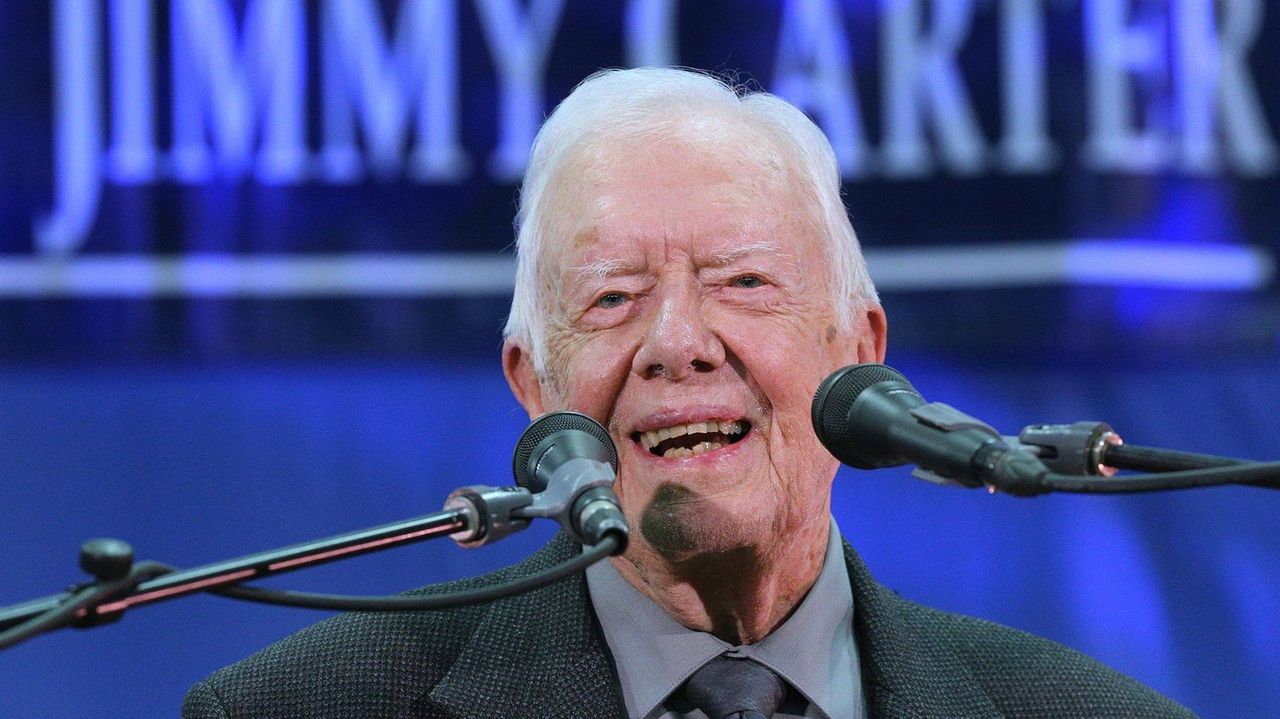
Legacy of Former President Jimmy Carter
Following the death of Jimmy Carter, the 39th president of the United States, Dr. Meena Bose was featured in a Newsday article about his legacy. Dr. Bose is a Hofstra University professor of political science, executive dean of the Public Policy and Public Service program, and director of the Kalikow Center for the Study of the American Presidency. She noted that Carter served under difficult economic and political times. “But then, of course, he went on to have a highly successful post-presidency winning the Nobel Peace Prize, being highly active in public housing policy, voting rights … and really was quite active on the public scene until just a few years ago,” she said. The article also referenced the Hofstra Cultural Center’s 1990 three-day presidential conference on the Carter administration, which President Carter and First Lady Rosalynn Carter attended.


Additional Dwelling Units (ADUs)
Summary: In a previous post, I wrote about the need for more creative solutions to the cost of housing. I also spoke to the housing shortage and the steep downpayment rules we continue to face. At the same time, the need for retirement income and an increased focus on "aging in place" has more and more property owners looking for solutions. Here, we explore why adding secondary living spaces to their properties, commonly referred to as Additional Dwelling Units (ADUs), is something you may want to consider. What Are ADUs? ADUs are fully equipped residential units situated on the same lot as a single-family home. They offer a distinct and private living arrangement while maintaining proximity to the main house. These living spaces may be integrated into the primary residence—such as a transformed garage or basement—or exist as independent structures, including small cottages or apartments. Why ADUs Are Gaining in Popularity ADUs can fulfill a broad range of needs, from accommodating aging relatives or adult children to creating a valuable source of rental income for homeowners. This income could assist seniors with cash flow and substantially boost their property's overall value. But is an ADU right for you? Before answering this, let's first take a brief look at their advantages and the rules and regulations governing the conversion or construction of such structures. Types of ADUs ADUs encompass a variety of secondary suites or dwelling units, primarily categorized as attached, detached, and semi-detached structures. Attached ADUs arise when homeowners convert existing spaces, such as basements, into livable areas. In contrast, detached ADUs consist of separate structures built apart from the principal residence. Laneway Houses / Laneway Suites: These small, detached units are constructed in the backyard or along the laneways of existing properties, maximizing the use of available space. Garden Suites: Similar to laneway houses, garden suites are secondary residences in the primary home's backyard. They offer self-sufficient living environments and are increasingly favoured for boosting housing density in urban settings while preserving the character of residential neighbourhoods. Basement Apartments: Self-contained living spaces in the basement of a residential property. These usually have a distinct entrance. In-law Units (In-law Suites, In-law Flats) are separate living sections within a single-family home that cater to relatives, providing a comfortable space for parents or in-laws. Detached Garages: These standalone structures are separate from the main house and traditionally store vehicles. They can also serve as storage areas or workshops. Adding a second-story apartment above garages is popular. Parking is premium in cities, and these structures provide the best of both worlds: keeping parking, storage, and adding living quarters above. Carriage Houses and Coach Houses: Originally designed as outbuildings on larger estates to store horse-drawn carriages, carriage houses, and coach houses have often been repurposed as living accommodations, guest houses, or rental units while maintaining their historic architecture. The Benefits of ADUs Additional Dwelling Units (ADUs) are indispensable in alleviating housing shortages and addressing affordability challenges within various communities. They also offer a wide range of personal and economic advantages for homeowners and tenants searching for budget-friendly rental options. Some key benefits include: An Aging-in-Place Option for Seniors: ADUs can allow elderly relatives to stay in their community and maintain an important sense of connection with neighbours, friends, and family. Rental Income: Homeowners can establish a dependable revenue stream with an ADU. These units represent a highly appealing affordable housing alternative. Accommodation for Adult Children: An ADU can provide temporary living arrangements to adult children who may not be able to buy into the housing market or who want to be closer to their aging parents. Dedicated Office/Creative Space: With more people working from home part-time or going entirely virtual, ADU can provide a more professional and comfortable work environment But There's Another Payoff for ADUs Beyond these apparent benefits, I'm also struck by how ADUs can help us cultivate a stronger sense of community and intergenerational connection. Let me unpack this more and list some unique attributes of ADUs that make them so vital to our housing strategy: Affordability: ADUs can also be more affordable than standalone houses, making them increasingly attractive for individuals or small families looking for budget-conscious living options. Connection: ADUs are much closer to the primary residence. This allows younger renters to forge more meaningful relationships and interactions with their homeowners (many of whom are seniors). Equity: For renters who want to move beyond an apartment or condo but lack the financial means, ADUs could present a great alternative. They also provide a unique way to give renters access to neighbourhoods where housing availability is a challenge. For young families, renting an ADU could allow them to place their children in better schools that require residency in the school district. Support: As we age, we are more likely to need help maintaining our homes. For example, help with yard work and snow removal could be traded for reduced rent. There is much to be said about the comfort and safety of having someone live a few steps away for our older generation. ADUs are a Key Part of the Government's Housing Strategy The Federal Government just announced the expansion of the Canada Secondary Suite Loan Program. Here's what you need to know: The loan amount has been increased to $80,000, and it has a 2% interest rate and a 15-year repayment term. In addition to the Secondary Suite Loan Program, homeowners can refinance with insured mortgages to help cover the cost of adding a secondary suite, starting January 15, 2025. Lenders and insurers will begin allowing mortgage refinancing of up to 90 percent of the post-renovation value of their home up to $2 million, amortized for up to 30 years. Homeowners can use this loan program and mortgage financing to help cover the cost of adding a secondary suite. These developments should get us all thinking more about the possibilities of ADUs. The benefits for many people and the clear intergenerational win-win exchanges are compelling. Given the impact they could yield for seniors in unlocking the value of their home equity and the compelling social benefits they offer for communities, I'll be exploring ADUs in much more detail over the coming year. Stay tuned. Don’t Retire … Re-Wire! Sue

Drops in the Bank of Canada rate will not solve housing affordability.
Summary: The Bank of Canada’s interest rate cuts won’t resolve Canada’s housing affordability crisis. Factors such as skyrocketing home prices, unaffordable down payments, and stagnant wage growth are other primary challenges to address. A personal example offered by the author shows how the price of her Toronto home surged over 1,000% from 1983 and 2024 while her wages during the same period rose only 142%. While some see this issue as a consequence of Baby Boomers remaining in their homes, it's more nuanced than that. We have systemic barriers in Canada that necessitate targeted policy changes. It’s time to tackle affordability and implement effective solutions. The Bank of Canada met today, to determine interest rates for the last time this year. They announced a drop of .50 basis points. This is part of a broader effort to stimulate economic growth in Canada, which faces challenges, especially a softening labor market and persistent inflation. Why Should You Care? Interest rates determine how affordable our debt will be and what return we can expect on our savings. Since mortgages represent most consumer debt, interest rates directly impact affordable housing costs, making them very newsworthy. However, interest rates only tell part of the story. When the Bank of Canada lowers its rate, it primarily impacts variable-rate mortgages. These are tied directly to the BoC's overnight rate, so a rate cut can reduce the interest costs on these loans. Homeowners with variable rates would likely see a reduction in their payments, with more of their payments going toward principal rather than interest. People without debt and savings (primarily seniors) will see a drop in their investment returns. In contrast, fixed-rate mortgages, which are not directly tied to the BoC's rate, are influenced more by the bond market, particularly the 5-year government bond yield. The current trend in bond yields suggests that fixed mortgage rates could also decrease over time. Let’s pause here and talk about the affordability of houses and how interest rates are not the reason housing is out of reach for most first-time buyers. A walk down memory lane might offer some perspective. I purchased my first home in the fall of 1983 for $63,500 (insert head shake). I was 27 years old, and before you do the math, yes, I am a Baby Boomer. My first serious (so I thought) live-together relationship had just ended, and I was looking for a place to live. I had finished school and had a good full-time job with Bell Canada. A rental would have been preferred, except I had a dog. Someone suggested that I buy a home. I did not know very much about purchasing real estate or homeownership, for that matter. But I was young and willing to learn. I had been working full-time for two and a half years. During my orientation at Bell Canada, my supervisor told me to sign up for their stock option program. She said I would never miss the money or regret signing up for the plan. She was right. When I purchased my home, there was enough money in my stock account for a down payment and closing costs. My interest rate was a terrifying 12.75%, yielding a mortgage payment of just under $670 monthly. The lender deemed this affordable based on my $18,000 annual wage. Life was good. This was in 1983, when the minimum down payment for a home purchase in Canada was typically 10% for most buyers. However, a lower down payment could be possible with mortgage insurance (provided by organizations like Canada Mortgage Housing Corporation (CMHC), which allowed buyers to put down as little as 5%, provided they qualified for insurance. This was commonly available for homes under $150,000, with stricter terms for higher-priced homes. If you had a higher down payment of 25% or more, mortgage insurance wasn't required, and you could avoid extra costs associated with insured mortgages. This was part of broader efforts by the government to make homeownership more accessible, especially amid the high interest rates of the time. So let's do the math. Circa 1983 I first needed to prove that I had saved $3,175 in down payments and $953 in closing costs for $4128. In the 2.5 years I worked at Bell Canada, I saved $4,050 (including Bell Canada’s contribution) in stocks. I also had another $5,000 in my savings account. $9,000 was enough to complete the transaction and leave me with a healthy safety net. Fast forward to 2024 Let’s compare what the same transaction would look like today. Using the annual housing increase cited on the CREA website, the same house would be valued at approximately $700,000 today. Interest rates are much lower today, at 4.24%, yielding a mortgage payment of $3,545. 1. The down payment rules have changed. For the first $500,000, The minimum down payment is 5%. 5% X 500,000=25,0005\% \times 500,000 = 25,0005% X 500,000 = $25,000 2. The minimum down payment for the portion above $500,000 is 10%. 10% X (700,000−500,000) = 20,00010\% \times (700,000 - 500,000) = 20,00010% X (700,000−500,000) = $20,000 3. Total minimum down payment: 25,000+20,000 =4 5,00025,000 + 20,000 = 45,00025,000+20,000 = $45,000 Thus, the minimum down payment for a $700,000 home is $45,000. Here is the comparison: 1983 Scenario 2024 Scenario Variance Purchase Price: $63,500 $700,000 up 1002% Down Payment: $3,175 $45,000 up 1317% Loan Amount: $60,325 $655,000 up 986% Interest Rate: 12.75% 4.24% down 200% Monthly Mortgage Payment: $670 $3,545 up 429% Wage: $18,000 $43,500 up 142% Gross Debt Service Ratio: 44.6% 97.8% up 119% Time to Save for Down payment: 2 years 12.4 years up 520% *Please note that this example does not include mortgage insurance The real problem As you can see, housing was much more affordable for me in 1983 and far from cheap in 2024. During the past 41 years, wages have increased by 142%, yet interest rates have dropped by 200%. But the most significant impact on affordability has been the over 1,000% increase in housing prices. So why is all the focus on interest rates? At the risk of oversimplifying a complicated issue, I believe the media often uses interest rates as a "shiny penny" to capture attention, diverting focus from deeper housing affordability issues. This keeps the spotlight on inflation and monetary policy, aligning with economic agendas while ignoring systemic problems like down payment barriers and the shortage of affordable homes. Indeed, a movement in interest rates often has an immediate and noticeable impact on borrowers' affordability, making it a hot topic for news and policymakers. However, the frequency and consistency of the Bank of Canada meetings on interest rates give the impression that rates are the primary issue, even though they are just one part of a complex system. For example, even if the Bank of Canada dropped interest rates below zero, it would do little to solve today’s homeownership affordability issue. The real problems: 1. Down Payment Challenges: With housing prices skyrocketing, the 5%- 20% down payment required has become insurmountable for many, particularly younger buyers. High rents, stagnant wage growth relative to home prices, and rising living costs make saving nearly impossible. 2. Lack of Affordable Starter Homes: Due to profitability and zoning restrictions, housing developments often prioritize larger, higher-margin homes or luxury condos over affordable single-family starter homes. 3. Misplaced Generational Blame: Blaming Baby Boomers for "holding onto homes" oversimplifies the issue. They are staying put due to limited downsizing options, emotional attachments, or the need for housing stability in retirement, not a desire to thwart younger generations. 4. Political Challenges: Addressing structural issues like zoning reform or incentivizing affordable housing construction requires political will and collaboration, which can be slow and contentious. A broader lens is needed to understand and address the actual barriers to home ownership. Interest drops are merely a band-aid solution that misses the central issue of saving a down payment. The suggestion that we have an intergenerational issue needs to be revised. The fact that Baby Boomers are holding on to their homes should not surprise anyone. However, Real Estate models that predicted copious numbers of Baby Boomers selling their homes to downsize got it wrong. Downsizing was a concept conceived in the 1980s. Unfortunately, it did not account for record-setting home price increases or inflation, leaving it undesirable for today’s seniors. Although this is a complex issue, a few suggested solutions are worth exploring. What can be done? Focus on Policy Innovations: To create housing, increase supply, curb speculative investments, and provide targeted assistance for builders to build modest starter homes. To create rentals, homeowners should also receive income tax incentives to build Accessory Dwelling Units (ADUs). These could be used as affordable rentals or to house caregivers for senior homeowners. Today, The federal government announced a doubling of its Secondary Suite Loan Program, initially unveiled in the April 2024 budget. This is a massive step in the right direction. To create down payments, adopt a policy allowing first-time home buyers to avoid paying tax on their first $250,000 of income. Then, they could use the tax savings as a down payment. Focus on Education and Advocacy: Include a warning that helps consumers understand that withdrawing from RSPs results in a significant loss of compound interest related to withdrawals and how this can harm income during retirement. Encourage early inheritance to create gifted down payments. Normalize the concept by emphasizing the benefits to the giver and the receiver. Educate the public on using financial equity safely and create down payments as an early inheritance for their heirs. This will shift the conversation and initiate an intergenerational transfer of wealth that empowers the next generation to own a home. The Bottom Line While the Bank of Canada interest rate cut may ease some financial strain for homeowners with variable-rate mortgages, it will do little to address the core issue of housing affordability. The media's fixation on interest rates as a "shiny penny" distracts from more profound systemic barriers, such as the inability to save for a down payment and the lack of affordable housing stock. These challenges require targeted policies, structural reforms, and intergenerational collaboration to be tackled effectively. The focus must shift from short-term rate adjustments to long-term solutions that prioritize accessibility and affordability in housing. Without meaningful action, homeownership will remain out of reach for many, perpetuating the cycle of financial inequity across generations. Dont't Retire... Re-Wire! Sue

The Great Trillion Dollar Wealth Transfer
Summary: Between now and 2026, over $1 Trillion of wealth will move from Canadian Baby Boomers to younger generations. Dubbed the “Great Wealth Transfer,” this change is underscored by a cultural shift toward “giving while living,” where seniors are motivated to share their wealth during their lifetimes, driven by factors including personal satisfaction, rising costs for younger generations, and tax efficiency. These shifts in wealth highlight the importance of open, informed Intergenerational conversations and the need for trusted financial advice to manage this transfer effectively. However, it risks widening wealth gaps between the haves and have-nots. Better financial literacy, tax planning, and a better understanding of real estate’s role in estate planning and wealth management are essential for ensuring equity and sustainable financial legacies. What it Means • The Largest Transfer of Wealth Is Happening Now: Between now and 2026, over $1 Trillion of wealth will move across multiple generations from Canadian Baby Boomers to their GenX and Millennial heirs. • A Culture Shift is Happening: Older Canadians are now, more than ever, “giving while living.” They actively want to share their wealth with younger family members while still healthy. In many families going forward, you won't hear that familiar phrase, "Hey Gram, Stop Spending My Inheritance!" • We aren't fully prepared for this shift: Families need informed, intergenerational conversations among themselves and with trusted financial advisors. They also need to better understand how some of their more significant assets, such as real estate, can provide tax-efficient ways to unlock and share wealth with younger family members. Boomers are sharing their wealth while they still have their health. Many Canadians have joined the growing trend of “giving while living.” This trend is not only changing societal norms but is also spreading like wildfire. The current economic climate, with out-of-reach housing prices coupled with Boomers wanting to witness the impact of their financial gifts, makes for a perfect storm. This storm, valued at 1 trillion dollars, could rebalance the distribution of wealth for many fortunate beneficiaries. Let’s explore what is motivating the Baby Boom generation in Canada to leave a living inheritance to a younger generation: 1. Psychological Reasons: Many seniors want to help their children or grandchildren with significant expenses such as education or home purchases. This provides a gratifying sense of pride. The logic is that they (children or grandchildren) will eventually get their money, so why not give it to them now when they need it the most? 2. Economic Reasons: Some parents or grandparents feel compelled to step in and help financially as they see their adult children and grandkids struggling. It may be to help fund education or to pay off debt such as a student loan. The burden of debt often delays other decisions, such as having children, traveling, or saving for a down payment on a first home or a bigger home to accommodate a larger family. And the price of homes today is well beyond the means of the younger generation, even without student debt. 3. Personal Reasons: Older Canadians often find joy in seeing their financial contributions positively impact their loved ones during their lifetime. Sometimes, there are some less conspicuous motivators as well. Improving their children’s financial situation may entice them to have precious grandchildren, or providing financial assistance could allow the gift giver to have a say on how the money is spent—something they would have less control over if they were deceased. 4. Tax Savings: Distributing wealth while alive can reduce the size of an estate and minimize probate fees. And with the popularity of RESP's and TFSA's there are options to gift or contribute to these plans that may offer tax advantages. And some seniors aim to avoid conflicts by distributing assets directly, ensuring clarity and fairness. 5. Cultural Reasons: Traditional notions of inheritance and family values are evolving. Many Baby Boomers see their wealth as a tool to uplift and empower their families while they are alive and are able to counsel their families on preserving and spending the money wisely. This is an opportunity for seniors to create a legacy while alive. Sharing wealth can bring a sense of purpose, gratitude, and connection. For many, it’s an opportunity to strengthen family bonds and pass on values like generosity, financial literacy, and responsibility. Impact • A Wider Wealth Gap: This transfer of wealth could have a significant impact by increasing the income disparities between the haves and have-nots. According to figures from the Canadian Professional Accountants Association, at the end of 2022, the wealthiest families in Canada (the top 20 percent) accounted for two-thirds of the country’s net worth, while the bottom 40 percent accounted for just 2.6 percent. In this latest economic cycle of soaring inflation and growing credit card debt, the net worth of Canada’s least wealthy households is suffering. And while we’ve seen recent increases in capital gains taxes, more changes from the federal government will likely be required to bridge this wealth divide. • The Need for Honest Intergenerational Conversations. Let’s face it: having a transparent conversation with family members about death and money is awkward. But post-pandemic, we’re seeing more seniors looking closely at their financial and estate plans to see what they can do to pass on wealth to deserving and often younger family members. Getting to know the impact of one’s gifts has its practical advantages in addition to the karma generated. Whether it’s to help a family member buy their first home, pay down college debt or start a business, these gestures can be transformative for other family members and very satisfying for seniors. As the saying goes, "you can’t take it with you." • The Need for Trusted Advisors. For many of these younger beneficiaries lucky to receive this generational transfer, having a clear financial plan that extends to informed tax strategies will be vital. The entire community, from financial planners to accountants, lawyers and mortgage brokers, have a lot of work ahead of them, according to the research. A recent Ipsos Reid study suggests Canadians are primarily unprepared to manage their inherited money. The Ipsos poll (conducted on behalf of RBC Insurance) reveals that 61 percent of Canadians don’t feel knowledgeable about (or haven’t even heard of) the probate process or the process to establish the validity of a will, and 57 percent don’t know that specific insurance policies can mitigate estate tax burden. • Improved Financial Literary for All Ages. Conversations about money also need to extend to better discussions about how significant assets such as real estate holdings contribute to wealth. For instance, given a considerable proportion of many family estates are related to real estate and more seniors are looking to “Age in Place” at home, seniors and their adult children must understand various financial strategies, such as equity lending, that can give seniors the financial freedom to age in place while giving them the cashflow to help younger family members while reducing potential tax burdens. Getting to know the impact of one’s gifts has its practical advantages in addition to the karma generated. Whether it’s to help a family member buy their first home, pay down college debt or start a business, these gestures can be transformative for other family members and very satisfying for seniors. As the saying goes, "you can’t take it with you." The Bottom Line One thing is certain. This is an infrequent event, which, over the next few years, will benefit many. Much is on the line for families, the financial industry, and our government. We should expect to see more discussions on tax reform and addressing wealth disparities to ensure social stability and economic growth. And it will require the financial industry to adapt in a number of ways. For instance, how should we account for these demographic shifts and potentially longer lifespans in our guidelines and how we work with clients? I also hope we see more open and honest discussions about family legacy and financial literacy/education, which play a significant role in preparing the next generation to handle inherited wealth responsibly. As I continue research for my upcoming book, I'm looking closer at demographic trends, gaps in financial literacy, to how our industry needs to work better with Seniors in a way that recognizes these emerging cultural and economic shifts. I'd like to know what you think. Drop me a line in the comments, or reach out to me directly at our new website - www.retirewithequity.ca Don't Retire...Re-Wire! Sue

Does Donald Trump Like Seniors?
At 78, Donald J. Trump already has 13 years of experience as a senior citizen. During his previous presidency, he occasionally referenced his senior status, particularly when discussing issues affecting older Americans. For example, in the 2020 election campaign, he acknowledged his age and addressed fellow seniors directly in his messaging, sometimes referring to himself as part of the senior community. Looking at his record, Trump appears to have a complex relationship with seniors. While expressing support for essential programs such as Social Security and Medicare, he often weaves the needs of seniors into his rhetoric. Yet some of his policy decisions have created mixed feelings among older Americans and advocacy groups. While pledging to protect these programs, he’s considered budget-cut proposals to reduce the funding of both these programs. Plus, his administration attempted to repeal the Affordable Care Act. While even the smartest of experts have learned it’s difficult to predict what Donald Trump will do on key policy decisions, there are some clues as to how his move back into the Oval Office will impact Canada and, more specifically, seniors. This topic got me wondering. Does Trump (a senior himself), like seniors? Let’s look closer at this demographic. Everyone knows that older people are the most reliable voters. The stats are compelling. According to Elections Canada - 75% of Canadians aged 65-74 voted compared to 48% of those aged 18-24. - The statistics for our US neighbours are similar, with 70% of Americans aged 65+ voting and 50% of Americans aged 18-29 voting. Knowing this voting power of the senior demographic, did Trump pander to this voting cohort? Yes, he most certainly did. He knew that as people age, their concerns narrow to a smaller list of critical topics such as Financial Security, Health, and Safety. During his 2024 presidential campaign, Donald Trump focused heavily on appealing to older voters, who historically make up a significant portion of the electorate and are more likely to vote. His campaign emphasized economic stability, protecting Social Security and Medicare, and national security—particularly relevant to older demographics. Let’s take a closer look at how the Trump administration could impact Canada's senior demographic in the following areas: Inflation Background: Inflation has a direct correlation to the cost of living. As the prices of goods and services rise over time, the purchasing power of money decreases – a challenge for many seniors. Critical expenses like housing, healthcare, food, and utilities could increase noticeably, putting pressure on limited retirement incomes and pensions. All this is stressful. According to a 2024 national survey of over 2,000 Canadians (conducted by Leger on behalf of FP Canada), money remains the top stressor for Canadians, with 44 percent citing money as their primary concern; That's up from 40 percent in 2023 and 38 percent in both 2022 and 2021. What This Means: Two of Trump’s biggest promises in his campaign (mass deportation of undocumented immigrants and more restrictive trade regulations) would have a "significant impact," according to an article by Ellen Cushing in the Atlantic. A domestic labour shortage plus double-digit import taxes would raise food prices on both sides of the border. Cushing goes on to say that “deporting undocumented immigrants would reduce the number of workers who pick crops by 40-50%.” While this rhetoric may have played well during the campaign, you can't fake the simple math here. Fewer workers means higher wages. That means higher prices. And the senior demographic will be hit hard because of their fixed incomes. Many will eat less of the expensive grocery store items like fresh meat, fruits and vegetables to make ends meet. Food prices will inevitably climb with these policies. The only question is when. According to a new poll conducted for CIBC and Financial Planning Canada on November 27, 2023, approximately 75% of working Canadians still need a formal financial plan for retirement. And many retirees face economic difficulties. A whopping 25% are still carrying debt into retirement. Many also report they have a substantial portion of debt and report that their retirement lifestyle isn't as comfortable as expected. The impact of inflation could be dire with few solutions; it is different for these older Canadians because they cannot re-enter the workforce. The only saving grace is that many of the hardest-hit Canadians are homeowners with equity options. Interest Rates Prediction: According to Beata Caranci, SVP & Chief Economist of TD Bank, the US is likely to raise interest rates to control growth. Canada is also expected to increase its rates, mainly to keep the Canadian dollar stable against the U.S. dollar. The Bank of Canada could be forced to rescind the projected planned interest rate reductions or at least reduce them. However, it's a delicate balancing act. Our economy could suffer if we don’t mirror the US increases in interest rates. Impact: Increasing Canadian interest rates will impact seniors by increasing mortgage carrying costs. At the same time, older Canadians with investment savings could see increased returns on these savings. A rise in interest rates would also impact housing prices and foreign exchange rates. House Prices Background: Economic, demographic, and policy-related factors influence home prices in Canada. The new Trump administration will undoubtedly impact these factors. To understand this area, let's examine some significant variables affecting housing costs. 1. Supply and Demand When housing supply is limited, and demand is high, prices rise. Conversely, when supply exceeds demand, prices stagnate or fall. Should the new administration adopt more restrictive immigration policies in the US, Canada might see an increased influx of skilled workers and families seeking an alternative place to live. Housing demand will likely increase in major Canadian cities—Toronto, Vancouver, and Calgary- resulting in price increases. 2. Population Growth An increase in population or immigration boosts housing demand, particularly in urban centers, consequently increasing home prices. Canada welcomed 485,000 immigrants in 2024, many of whom settled in cities like Toronto and Vancouver. This influx has driven up demand for housing, contributing to price increases. The Canadian government has recently reduced the number of immigrants we allow into our country, dropping the number from 500,000 to 395,000 in 2025. Current immigration numbers plus any overflow from the US should keep demand buoyant and we could see home prices continue to rise. However, Canada needs more housing, especially in high-demand urban areas. In addition to immigration, slow construction timelines and zoning restrictions are contributing factors. Canada's ongoing housing shortage and the potential impacts of Donald Trump's election win in the U.S. could exert upward pressure on home prices, particularly in major cities like Toronto and Vancouver. These cities, already grappling with limited housing and high prices, will likely see further price increases due to increased demand. Without robust policy interventions to increase the housing supply, Canada’s housing prices, particularly in major centers, will likely continue rising. And there will be winners and losers here. This is great news for seniors wishing to sell and exit the market by finding other living arrangements, such as renting, moving in with family, or entering retirement homes. It is even better news for seniors wishing to age in place as they will have more equity to fund their retirement. But it’s disappointing news for those wishing to downsize and stay in the same communities. They may be able to sell high, but they could also be forced to buy high. 3. Foreign Currency Trump's policies, such as tax cuts and protectionist trade measures, have historically strengthened the U.S. dollar. If similar policies are reintroduced, the U.S. dollar could become more robust due to increased investor confidence and perceived economic growth in the U.S. That’s bad for Canadians traveling or living in the U.S. Trump's potential trade disputes, particularly with China, and his aggressive geopolitical stance could also create uncertainty in global markets. While this might temporarily strengthen the U.S. dollar as a haven, long-term concerns about trade wars and deficits could cause fluctuations, impacting the Canadian dollar's stability against the U.S. dollar. This volatility directly impacts Canadians, especially those with significant financial exposure to the U.S. dollar. A second Trump presidency will likely impact the exchange rate between Canadian and U.S. dollars, which is especially relevant for 85% of Canadian Snowbirds, who, according to Snowbird Advisor, spend winters in the United States. This number was estimated to be 900,000 in 2023. These seniors may face increased expenses for property taxes, utilities, and other daily living costs in the U.S. If exchange rate volatility persists, locking in more favourable rates or using specialized currency exchange services, US credit/debit cards with lower transaction fees, and using US dollar accounts might be wise - especially for more significant financial transactions. The Bottom Line One thing is certain. Trump's second term has the potential to impact many Canadian seniors if he implements the policies he discussed during his election campaign. While some could benefit financially from higher home equity and investment returns, many may need help with increased living costs, especially food and foreign exchange challenges, particularly Snowbirds and those on fixed incomes. While we are all watching this situation unfold, one thing is sure. It's difficult to predict if Trump’s second term will make Canadian or US seniors "great again."

Consumers Face Elevated Prices Despite Waning Inflation
The years of high inflation appear to be over as inflation is now in line with the Federal Reserve’s target, though prices will likely remain permanently elevated, according to the Monthly Inflation Report produced by Florida Atlantic University’s College of Business. The Personal Consumption Expenditures Price Index (PCEPI), the Federal Reserve’s preferred measure of inflation, grew at a continuously compounding annual rate of 2.1% in September, up from 1.4% the prior month. Overall, PCEPI inflation has averaged 1.8% over the last three months and 2.1% over the last year. “The good news is that the period of high inflation appears to be in the rearview mirror. The bad news is that prices remain permanently elevated,” said William J. Luther, Ph.D., associate professor of economics in FAU’s College of Business. “The PCEPI is about nine percentage points higher today than it would have been had inflation averaged 2% since January 2020. This unexpected burst of inflation transferred wealth from savers and employees to borrowers and employers.” Core inflation, which excludes volatile food and energy prices, remains elevated. Core PCEPI grew at a continuously compounding annual rate of 3% in September. It has averaged 2.3% over the last three months and 2.6% over the last year. High core inflation is partly due to housing services prices, which grew at a continuously compounding annual rate of 3.8% in September. “If the Fed were committed to price stability, it would have helped bring prices back down to a level consistent with pre-pandemic inflation,” Luther said. Fed officials have projected another 25 basis points worth of rate cuts this year, a much smaller change than is required to return the policy rate to neutral. Since the data shows inflation is back on track, Luther says they should move more quickly. “As it stands, Federal Open Market Committee members intend to take some time reducing the policy rate to neutral, with policy likely to return to neutral sometime in 2026,” Luther said. “They might move more quickly if the economy shows signs of contraction or reduce the pace of rate cuts if they become concerned that inflation will pick back up.” William Luther, Ph.D., an assistant professor in FAU’s Economics Department, has expertise in economic growth, monetary policies, business cycles and cryptocurrencies. Luther’s research has obtained media interest across the nation, including recent coverage by The Wall Street Journal, Politico and Florida Trend. If you're looking to know more - let us help. Simply click on William's icon now to set up an interview today.


International Education Week: University of Delaware leads the way in global studies
The University of Delaware has a lot to boast about in regards to International Education Week, which takes place from Nov. 18-22. This includes a four-year academic program that immerses students in both culture and classrooms of host countries; a mentoring program for international students on UD's campus; and the oldest study abroad program in the nation. UD's World Scholars program offers students a four-year global education that begins with a semester of study in Greece, Italy, England, New Zealand or Spain where students earn credits in their majors while becoming immersed in the culture and history of the respective host country. The 101-year-old Study Abroad Program – the oldest program founded by a U.S. institution – offers programs in 40 countries. More than 30 percent of UD undergraduates study abroad at least once, and while one in 10 American students study abroad, at UD the number is 3 in 10. Finally, UD’s Center for Global Programming and Services offers the iBuddy Mentoring Program, which pairs incoming international students with trained and experienced UD student mentors. After undergoing iBuddy training, these mentors offer friendship and guidance on academic matters, social life, housing options and more. They also organize events to help them get socialized.
