
Experts Matter. Find Yours.
Connect for media, speaking, professional opportunities & more.

World Water Day - United Nations World Water Development Report Launched | Media Advisory
World Water Day marks the launch of the United Nations World Water Development Report, a comprehensive review of the state of the world's freshwater resources. This day serves as a crucial reminder of the importance of water conservation, the challenges of water scarcity, and the need for sustainable management of this essential resource. As climate change accelerates and global demand for water increases, the findings of this report are more relevant than ever, offering a call to action for governments, businesses, and individuals worldwide. Key areas of focus include: Global Water Scarcity: The current status and future projections of freshwater availability. Impact of Climate Change on Water Resources: How global warming is affecting water cycles and availability. Innovative Water Management Solutions: Emerging technologies and strategies for sustainable water use. Water and Sanitation for All: Progress towards ensuring access to clean water and sanitation as a fundamental human right. Economic Implications of Water Management: The costs and benefits of investing in water infrastructure and conservation. International Cooperation on Water Issues: Examples of successful cross-border water management and conservation efforts. For journalists seeking research or insights for their coverage on this topic, here is a select list of experts. Michael Savarese Professor of Marine Science & Environmental Studies, Florida Gulf Coast University Karen Clay Professor, Carnegie Mellon University Pamela Grothe Assistant Professor University of Mary Washington Michael Vandenbergh Professor of Law, Vanderbilt University Tom Rand Managing Director at MaRS Cleantech Fund To search our full list of experts visit www.expertfile.com Photo by Artem Beliaikin


What Families Need to Know about How to Safely Store Firearms at Home
Guns have been identified as the leading cause of death for children in the United States, making ongoing discussions about firearm safety especially important. Kerri Raissian, an associate professor of public policy at the University of Connecticut, and Jennifer Necci Dineen, associate director of the ARMS Center for Gun Injury Prevention, recently co-authored an very important piece for The Conversation titled detailing what families need to know about safely storing firearms at home. There were 2,571 children age 1 to 17 who died in shootings in the U.S. in 2021, 68% more than the 1,531 that occurred in 2000. To help reduce the number of firearm-related deaths and injuries among children, Secretary of Education Miguel Cardona in January 2024 called upon school and district administrators to talk with parents and guardians about safe firearm storage practices. As experts on the safe storage of firearms – and as leaders of the University of Connecticut’s ARMS Center for Gun Injury Prevention – we often get questions about the best ways to keep guns out of the hands of children. We offer the following tips: 1: Safely store all of your firearms 2. Don’t assume you can hide your guns 3. Store ammunition separately 4. Learn to talk about firearm safety 5. Know the law 6. Invest in a quality safe and/or locking device The full piece is available here from The Conversation. Kerri Raissian is an associate professor in the School of Public Policy at the University of Connecticut, director of the University of Connecticut's UConn’s Center for Advancing Research, Methods, and Scholarship (ARMS) in Gun Violence Prevention, and co-director of the Institute for Collaboration on Health, Intervention, and Policy (InCHIP) Gun Violence Prevention Research Interest Group. Her research focuses on child and family policy, with an emphasis on understanding how policies affect fertility, family formation, and family violence. She is available to speak to media about this important topic - simply click on her icon now to arrange an interview today.


2024 presidential and Michigan state elections: MSU experts can comment
MSU experts can discuss national political issues to the Supreme Court and constitutional issues to Michigan's state politics and races The 2024 presidential election is in full swing. As President Joe Biden is set to cruise to the Democratic nomination and former President Donald Trump is likely poised to receive the Republican nomination, 2024 is setting up to be a rematch of 2020. Michigan’s primary is now earlier on the calendar, Feb. 27, with the Republicans holding a caucus to award their remaining delegates on March 2. Despite being a presidential election year, Michigan has important statewide elections. An open U.S. Senate seat, vacated by retiring Sen. Debbie Stabenow, could tip the balance of power in the Senate, potentially deciding which party holds the majority. Michigan’s seventh and eight congressional races have incumbents leaving office, making those set to be some of the most nationally watched and funded races nationally. The state House currently has an exact bipartisan split, setting up races with very high stakes. Michigan State University experts are available to comment on many issues of the presidential election including: political parties and their evolution, campaign strategy and polling, Trump’s legal troubles and the U.S. Supreme Court, political diversity and messaging and local elections and voting. Additionally, several of these experts can comment on Michigan’s federal and state elections. General presidential and Michigan election issues Corwin Smidt is an associate professor of American politics and research methods in the Department of Political Science in the College of Social Science. He can comment on national elections and polling for the presidential election as well as statewide elections. Contact: smidtc@msu.edu "Michigan continues to trend toward being a battleground state, but right now it looks like a battle of attrition. Donald Trump's poll numbers really haven't improved as much since 2021 as Joe Biden's have declined, but Governor Whitmer's popularity remains high. The state Republican party continues to have fights over its management and will have a contested and possibly divisive Senate primary. Despite this, Republicans have a chance to pick up seats in the US House and state legislature because of Democratic retirements and ongoing redistricting changes." Matt Grossmann is the director of MSU’s Institute for Public Policy and Social Research and a professor of political science. He is an expert on a broad range of topics surrounding the 2024 election, including political parties ,campaigns and elections. He also oversees survey research, candidate development and legislative training at MSU. Additionally, he can discuss Michigan’s primary and elections. Contact: grossm63@msu.edu “The presidential nomination process evolved out of reforms to the delegate selection process for those conventions, which now means delegates are overwhelmingly selected based on presidential primary results. From the voters’ perspective, it often looks like any other election where you select your preferred candidate. But the parties still have power to coordinate their rules and selection procedures. Michigan has an opportunity to set the terms for future elections, showing that it can become engaged, with diverse interests, and earn the right to vote early in the process in 2028. Since Michigan does not have party registration, voters will be able to participate in the primary of their choice, which has provided an incentive for individuals to vote in the contest that presents the most uncertainty.” Read more from Grossmann on MSUToday. Dante Chinni is a research specialist in MSU’s School of Journalism and is the director of the American Communities Project in the College of Communication Arts and Sciences. He can discuss polling and changes in the parties over time, as well as the voting patterns among groups in specific places. He can also comment on various Michigan political issues. Contact: chinni@msu.edu “In Michigan, and in other states, the 2024 election will be determined by the margin of victory in different kinds of places. Can the Democrats get what they need out of the big city and college town communities, like Wayne, Ingham and Washtenaw counties? Can the Republicans get the numbers they need out of blue-collar middle suburbs, such as Macomb? The turnout and margins in those kinds of places, and others, will determine who wins in November.” Constitutional issues and the Supreme Court Jordan Cash is an assistant professor of political theory and constitutional democracy in James Madison College. He can comment on general requests about the presidency and national elections as well as issues surrounding the Supreme Court. Contact: cashjor1@msu.edu “The 2024 election is already shaping up to be one of the most unusual elections in American history, but one of the most unique aspects is the role that the judiciary is likely to play in the process. With former president and likely Republican nominee Donald Trump facing indictments at both the state and federal levels, the election season is as likely to be punctuated with legal news and updates as it is with campaign speeches and negative advertising. Moreover, the Supreme Court will be critical as it has heard or will likely be hearing cases surrounding whether states can disqualify Trump from the ballot under the 14th Amendment and whether he has absolute immunity from when he was president. When we also consider that President Joe Biden is facing his own investigations from House Republicans, the election seems poised to not only raise the political stakes but also considerable constitutional and legal questions.” Read more from Cash about presidential elections on MSUToday. Brian Kalt is a professor of law and the Harold Norris Faculty Scholar in the College of Law. He can comment on 20th Amendment issues, the electoral college and presidential prosecution and immunities. Contact: kalt@law.msu.edu “A lot of constitutional law questions that seemed purely theoretical are now front and center in our election campaign. Hopefully, the Supreme Court will move quickly and provide some clarity and certainty on these issues so that when November rolls around, voters can make a fully informed choice.” Ryan Black is a professor of American politics in the Department of Political Science in the College of Social Science, and a faculty affiliate in the College of Law. His expertise includes public opinion and the Supreme Court, and he can speak to appointments and vacancies. Contact: rcblack@msu.edu “Results of the 2024 election have the potential to profoundly shift the center of gravity in the politics of appointments to the federal judiciary, which includes, most importantly, the Supreme Court. There is no doubt that a president's most enduring legacy is who they put on the High Court, but confirmation politics today make the partisan makeup of the Senate a prominent roadblock in a president’s path to success.” Erica Frantz is an associate professor of comparative politics in the Department of Political Science in the College of Social Science. She is a specialist on issues and themes relating to authoritarianism. Contact: frantzer@msu.edu “Today’s democracies typically fall apart at the hands of their elected leaders, such that elections are critical focal points for understanding democratic trajectories. Importantly, research shows that where leaders come to power backed by personalist parties – or parties that are synonymous with the leader’s persona – the risk of democratic erosion increases substantially. For the U.S., this implies that the more the Republican Party becomes indistinguishable from Trump, the more American democracy is vulnerable to collapse from within should Trump return to the presidency.” Political messaging and diversity Dustin Carnahan is an associate professor in the College of Communication Arts and Sciences. His work focuses on how exposure to political information influences people’s attitudes, beliefs and decisions. His recent research focuses on how people come to encounter and believe misinformation and the effectiveness of messages designed to correct misinformed beliefs. Contact: carnaha9@msu.edu “While research suggests that political misinformation does not have a profound impact on voters’ decisions, the proliferation of misinformation can have more subtle effects on voters and elections – such as fostering toxic discourse around issues and candidates, promoting political polarization and distracting from more substantive matters. Concerns around misinformation are likely to be of great interest during the upcoming election cycle as advances in AI technology pose significant challenges to voters’ ability to identify what is real and what is fake.” Eric Juenke is an associate professor of American politics in the Department of Political Science in the College of Social Science. He can comment on issues relating to minority candidates, specifically the candidacy and election of minority candidates. Additionally, he teaches in the Chicano/Latino Studies program. Contact: juenke@msu.edu “While we do seem to have a rematch at the top of the ticket, with a vice president who is a woman of color and another vice president who has yet to be announced but could also be a woman candidate, we will be seeing a continued diverse candidate pool this cycle, I expect. It’s still early yet in the congressional races, but there should be a number of high-profile races in the country and in Michigan that should highlight a more diverse candidate pool. While the parties still have a long, long way to go in recruiting and supporting women and racial and ethnic minority candidates to run for office, the trajectory is positive.” Daniel Bergan is an associate professor and the director of master’s studies in the College of Communication Arts and Sciences, who also has an appointment in James Madison College. His research focuses on constituent communications with policymakers. Contact: bergan@msu.edu “When communicating with a policymaker, especially one with whom you disagree, you want to prevent them from discounting your opinion. One way to do this is by citing quality evidence to support your position. When contacting a policymaker about an issue, be aware that they may discount your opinion if they disagree. But note also that carefully crafted communications can convey your position without being written off — and could improve how accurately the policymaker understands public attitudes about public policies.” Read more from Bergan on MSUToday. Importance of local elections Sarah Reckhow is a professor of American politics in the Department of Political Science in the College of Social Science. She can comment on topics related to education policy in the presidential election. She is a specialist on local elections and school board elections. Contact: reckhow@msu.edu “Partisan polarization is having a growing impact on education politics, and we can see growing disagreement between Democrats and Republicans on key issues such as school choice and curriculum. This polarization is playing a role in elections, even nonpartisan school board elections, and it will be an important trend to watch in 2024.” Erin Kramer is the community liaison coordinator for MSU Community and Student Relations. She also advises MSUVote to support students and the local community voting. She can comment on efforts to promote voting efforts and resources that can be offered by universities and municipalities. Contact: kramere6@msu.edu “Michigan State University is home to MSUvote, an Initiative that strives to support students in their civic engagement. Student participation in voting is both a right and a responsibility. MSUvote is committed to getting out the vote,getting out the vote, reducing barriers to registration, and supporting all educational initiatives. Over the years, Michigan State has been fortunate to work with the East Lansing, Lansing, Meridian Township, and Bath Clerks to support our students in exercising their right to vote. Participation is foundational to the function of democracy, and we are committed to supporting students in that activity. MSUvote has hosted registration rallies, absentee parties, and worked to facilitate awareness of elections through multiple campus channels over the years to support participation and education. This year, the MSU STEM Building will be home to one of East Lansing’s Early Voting Centers, it will be operating Saturday Feb. 17 through Sunday Feb. 25.” Top issues for voters David Ortega is an associate professor in the Department of Agricultural, Food and Resource Economics in the College of Agriculture and Natural Resources, where he is also a faculty laureate. He can comment on consumer, producer and agribusiness decisions that affect the agricultural and food sectors, including the cost of food, which remains a concern for many Americans. Contact: dlortega@msu.edu “Persistent high food prices are a constant reminder of the economic difficulties facing voters. Although overall inflation has cooled and grocery price increases have moderated, food costs 25% more today than it did four years ago. And given the frequent nature of grocery shopping, food costs have a disproportionate impact on how voters perceive inflation.” Robert Brathwaite is the associate dean for research and an associate professor with a specialization in international relations in James Madison College. He can comment on foreign conflict and relations, including how it will impact U.S. policy and the presidential election. Contact: brathwa1@msu.edu “As the war between Russia and Ukraine approaches it two-year mark, the political and economic ramifications of this conflict are becoming more profound. Some political dynamics to watch this year associated with this conflict include changes in NATO’s military posture, political unity of the European Union, deepening Sino-Russian strategic cooperation, and the 2024 US presidential election. This conflict will also impact important global economic trends this year that include global energy supplies, food security, technology export controls, and the role of the US dollar in the global economy. More importantly, this ongoing conflict is a catalyst to evolving changes in the global security architecture with costs and consequences that are unknown.” Jason Miller is the interim chairperson of them Department of Supply Chain Management and the Eli Broad Professor in Supply Chain Management in the Broad College of Business. He can comment on various supply chain issues such as the impact of Suez Canal diversions on disruptions and inflation as well as the impact of tariffs on U.S. firms and consumers, as foreign conflict and trade are top of mind this presidential election. Contact: mill2831@broad.msu.edu “Business leader across industries ranging from manufacturing and mining to retailing are closely watching the 2024 election cycle, as the outcome could substantially shape the business landscape in the form of tariffs, foreign policy toward China and Russia, and the extent of military escalation in the Mideast. All of these policies affect strategic, long-term decisions regarding global sourcing, market entry strategies, and capacity and demand planning.” Antonio Doblas Madrid is an associate professor in the Department of Economics in the College of Social Science. He can comment on the economy and the effect of inflation, which remains a top issue for voters this year. Contact: doblasma@msu.edu “The economy and inflation is an issue on the minds of many Americans.Forecasters and market-based measures of expectations both predict that inflation is likely to continue falling gradually in 2024, to about 2.5%. Thus, the inflation shock that hit the economy is expected to continue fading, although it may take some time to go that last mile from 3% to 2%. The Fed also appears to be quite optimistic on inflation, given its latest forward guidance.” Read more from Doblas Madrid on the economy and inflation on MSUToday.


Employers who don’t step up to help with workplace supports may make informal caregiving ‘an even tougher role,’ Baylor University researcher says (Image credit: iStockphoto) People who care for their parents outside of their full-time jobs — and are unpaid for their help — experience considerable disruption of their workplace routines. Many are not getting employer support because it is not offered or because they do not feel able to use it, even if it is available, according to a Baylor University researcher. “A big and overwhelming consequence of America’s aging population is that so-called sandwiched caregivers, typically middle-aged, are caring for ailing parents while trying to work full-time and raise their own children,” said Matthew A. Andersson, Ph.D., assistant professor of sociology in Baylor University’s College of Arts & Sciences. “It’s no wonder we see such high rates of work interruption among caregivers. “But what’s particularly troubling — and what’s new in this study — is that employees who are experiencing work interruption are much more likely to say they have unmet need for workplace support than those who manage to keep working at the same pace,” he said. “This tells us that employers may not be stepping up to connect informal caregivers with workplace supports they need. That makes informal caregiving an even tougher role.” About three fourths of informal (unpaid) caregivers have at least a mild interference, such as working partial rather than full days, and about one quarter express an unmet need for workplace support, Andersson said. “That means they need help from one of six potentially useful workplace programs we looked into — such as eldercare referral or financial counseling. Yet they’re still not getting that help, even if their employer provides access to it.” The study — “Strapped for Time or Stressed Out? Predictors of Work Interruption and Unmet Need for Workplace Support Among Informal Elder Caregivers” — is published in the Journal of Aging and Health. About one in four employed U.S. adults provides informal care for a parent, in-law or other family member older than 65, according to the United States Census Bureau. This number is projected to grow as the population continues to age and as many continue to live into their 80s or beyond. Researchers from Baylor, Louisiana State University and the University of Iowa analyzed data from 642 individuals at a large public university who were informal caregivers for anyone 65 or older, often parents, spouses or friends. Unmet needs for caregiving support are about twice as common among employees whose work is interrupted, suggesting a strong link between unmet needs and lapsed work performance, researchers said. Those interruptions ranged from mild ones, such as adjusting work hours, to more severe ones, such as moving from a full- to a part-time job position to taking a leave of absence or even early retirement. While the study focused on the association between unmet needs for workplace support and work disruption among informal elder caregivers, researchers also examined how much unmet needs and work interruptions are linked to such factors as caregivers’ personal or job characteristics; their physical and psychological well-being; and the caregiving particular situations, including time weekly, necessary travel, number of individuals assisted and their health conditions — among them physical limitations, independence issues, chronic conditions and mental illness or cognitive impairment. Among their findings: Nearly three-fourths of the informal caregivers experience mild or severe work interruption. More than half of those who serve as caregivers 10 or more hours weekly reported severe interruption of work. More than 40 percent of caregivers reported being involved in caregiving 10 or more hours weekly; most care-providing (60 percent) took place within the household or less than 30 minutes away. While caring for one family member was most common (68 percent), a sizeable number oversaw two or three. Most (70 percent) assisted individuals with chronic health conditions; 80 percent cared for people with physical limitations. Caregivers with several work interruptions were especially likely to care for those with mental illness or cognitive impairment. “We know that informal caregiving is becoming more common and more complicated due to the multiple health conditions of care recipients and the all-too-familiar work-family conflict,” Andersson said. “First, we need to do more research not just on individual caregivers but on caregiving networks,” he said. “Because informal caregiving can be so difficult and time-consuming, it’s usually too much to ask of one person. It’s not uncommon for multiple family members to get involved. “Second, we need to get employers more involved in the reality of this pressing situation. This study examined the unmet needs of caregivers in a large workplace where these supports are, in theory, available to everyone. Yet, caregivers weren’t taking advantage — even when they thought they should be.” To combat that, “supervisors should see their power for what it is: they shape culture more than they realize,” Andersson said. “Work teams should be structured so that absences can be taken in stride when family duties are pressing. This places a burden on supervisors to model how long-term success involves, first and foremost, taking care of yourself and your family.” Employee training should involve clarity and communication about available supports and how to use them. “Using them should not be a source of guilt,” Andersson said. “And it definitely does not mean an employee is not valuable or productive.” Previous research has found that workers who care for the elderly have more stress, decreased health, more work-family conflict, greater financial burdens, strained relations with co-workers and diminished self-esteem. Additional duties may lead to lost productivity as well as missed training opportunities or diminished job skills. All those issues are concerns for employers wanting to retain and invest in employees. *The study was supported by the TIAA-CREF Institute. The University of Iowa, Iowa Center on Aging and Iowa Social Science Research Center provided additional support. Program on Aging seminar participants at Yale School of Medicine provided feedback. Co-researchers were Mark H. Walker, Ph.D., Louisiana State University; and Brian P. Kaskie, Ph.D., The University of Iowa College of Public Health.*


In Poland, the Debate Over Solidarity's Legacy Continues
On November 13, 2023, Poland’s parliament convened for the first time since a centrist-progressive coalition won a legislative majority, ending the eight-year rule of the right-wing Law and Justice party. The recent political shift has been heralded by some as the most significant since 1989, when the then-Soviet-controlled government allowed the country’s first elections in over four decades. That year, an anti-authoritarian movement called “Solidarity” seized all but one seat in the Senate and every contested seat in the Sejm (or lower chamber). A stunning rebuke for the Soviet regime, the landslide victory effectively signaled the end of Communism in Poland—and served as a harbinger of the Eastern Bloc’s collapse. Gerald Beyer, PhD, is a professor of Christian ethics in Villanova University’s College of Liberal Arts and Sciences, the instructor of the class “Solidarity and Peacebuilding in Central and Eastern Europe” and the author of Recovering Solidarity: Lessons from Poland’s Unfinished Revolution. He recently shared his thoughts concerning the parallels being drawn between 1989 and 2023, the complicated legacy of Poland’s anti-Communist struggle and what can be gleaned from studying and reconsidering the Solidarity movement. Q: As a new Polish government takes shape, how would you describe the current political situation in the country? Dr. Beyer: At the present moment, Poland finds itself at a major crossroads. Like the United States, the country is very divided, politically speaking. On the one hand, you have people who believe that Poland has turned away from the European Union (EU) to a troubling extent and backslid into authoritarianism under the Law and Justice party’s rule. So, you have a significant portion of Polish society who believe that this recent election [in October] was about protecting democracy and ensuring the future of democracy in the country. On the other hand, you have an equally significant portion of the population who think democracy has not been in peril—and that, in this year’s election, what’s at stake was a sense of Polish national values and national sovereignty. Q: Is there any credence to the new legislative majority’s claims that the Law and Justice party “overstepped” while in governance? DB: I think there’s reason to ask that question. The EU has sanctioned Poland during the present ruling party’s tenure for weakening the autonomy of the judicial system, and there has been concern over the ruling party exerting undue influence on state-based Television Poland (TVP). Poland, however, has a very vibrant free press—and has since 1989… I would contend that there’s been some backsliding on measures that would not score well on the democracy metrics, but I would not say that Poland has been existing under an authoritarian regime. Q: Do you consider this year’s election comparable to the election of 1989? DB: It’s certainly one of monumental significance. You may have noted the turnout of 74-plus percent. That’s historic for Poland, that massive turnout. At the same time, the overthrow of the Communist system in ’89 stands out as a unique and discrete moment in Polish history. So, there are ways that a comparison can be made, but there are ways in which I don’t believe it’s particularly apt. Q: What makes tying the events of 1989 and 2023 a complicated issue? DB: Whether or not 2023 is directly comparable to 1989 is a matter of perspective, and there are a number of different perspectives that exist in Poland today. Since the fall of Communism, there has been an ongoing conflict over Solidarity, its history and its legacy, and various political actors and parties have claimed their objectives are in concert with the values and principles of the movement. In this year’s election, the Law and Justice party’s candidates presented themselves as guarantors of freedom, which was at the heart of the Solidarity movement, by stressing their opposition to external forces like the EU. In addition, during their time in leadership, the party’s officials worked to institute a number of social welfare programs that were designed to help people economically, providing something akin to what Catholic social teaching calls a “family living wage.” So, they were actively trying to raise the standard of living in a way that was arguably analogous to Solidarity. On the other side of this equation, the election-winning opposition parties emphasized their status as defenders of democracy—once again, a core tenet of Solidarity. As we discussed, many members of that alliance and their supporters felt that the independent judiciary had been stifled by the Law and Justice-run government; they also voiced concerns about the free press. On both sides, there has existed and continues to exist a sense that they are the ones best suited, maybe even solely suited in the current political landscape, to carry on Solidarity’s legacy and to ensure Poland thrives. Herein lies the source of conflict. Q: Despite the ongoing debate over Solidarity’s legacy, are there any lessons from the movement’s history that might prove helpful today? DB: Sadly, much of Poland’s current political acrimony can be traced to the “war at the top” that emerged within Solidarity in the wake of 1989, when longstanding tensions within the movement manifested in political rivalries. Once united, anti-Communist organizers became adversaries in the years after the Soviet regime’s dissolution, laying the groundwork for the divisive rhetoric of the current day. Looking beyond what’s transpired over the past three decades, however, I think much can be learned from Solidarity in its early years and at its core. When the movement first took shape, its central aim was attaining a society characterized by unity among differences. And, to achieve this end, its leaders and supporters recognized the “necessity of dialogue,” a concept frequently invoked in Father Józef Tischner’s The Spirit of Solidarity. Given the stark divides that currently define Polish politics, I think these origins and these concepts should be revisited—and that it’s important to look at Solidarity not just as a political moniker, but as an objective and a virtue. Personally, I believe that people can change. And if they are reacquainted with the principles that inspired and guided their struggle for freedom and democracy, perhaps Poland’s elected officials can change for the better.

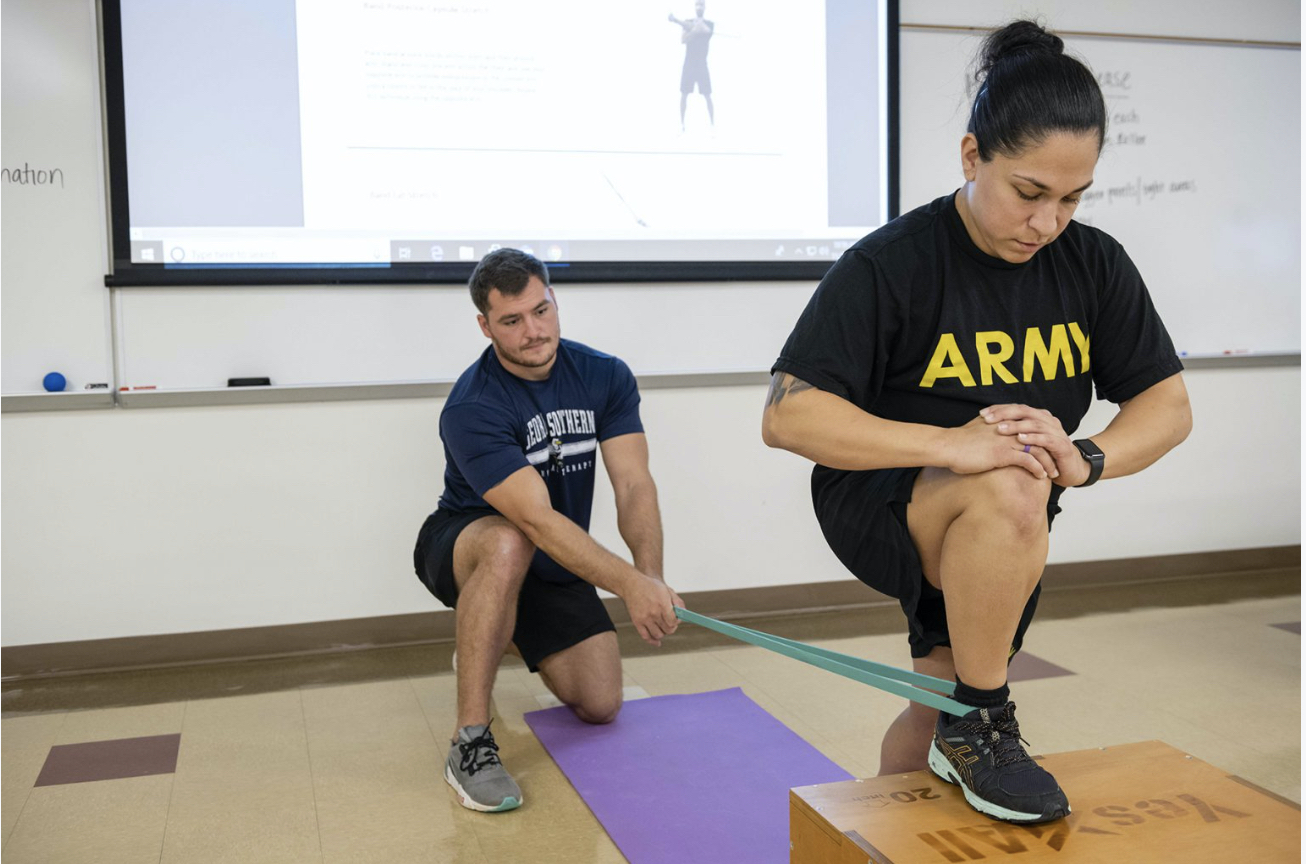
The Georgia Southern University Soldier Performance and Readiness (SPAR) program received a $1.5 million, two-year grant from the Department of Defense’s U.S. Army Medical Research and Development Command (USAMRDC). The grant will expand Georgia’s Southern research and programming capacity in injury prevention techniques that ensure force readiness for the Army. “Through this large-scale research study, Georgia Southern doctoral students have opportunities to be involved in the research process and work directly with soldiers,” said Nancy Henderson, Ph.D., assistant professor in the Doctor of Physical Therapy (DPT) program. “Additionally, the grant will fund graduate assistant positions in the Doctor of Physical Therapy program.” USAMRDC’s mission is to provide solutions to medical problems for American service members at home and abroad, as well as to the public at large. The scope of this effort and the priorities attached to specific projects are influenced by changes in military and civilian medical science and technology, operational requirements, military threat assessments and national defense strategies. Extramural research and development programs play a vital role in the fulfillment of the objectives established by the organization. Research and development funded through this are intended to benefit both military and civilian medical practices. “The grant investigates different physical training programs to identify those practices that best prevent non-combat injuries,” said Henderson. “Faculty on the research team will seek to advance the body of literature by determining the best educational models to educate soldiers on injury-prevention topics.” This is the first time that Georgia Southern will act as lead investigator on a collaborative research project with an Army research institute. However, SPAR has long been involved in multiple branches of research with community impact. “Georgia Southern has several initiatives underway to help improve the health, fitness and performance of military service members, law enforcement personnel and firefighting and rescue personnel,” said Joseph Kardouni, Ph.D., director of the Tactical Performance Group. “The Tactical Athlete Certificate (TAC) program is one of these initiatives that teaches service members exercise fundamentals to help mitigate training-related injuries. The funding coming through Medical Research and Development Command will improve evidence-based teaching methods and inform similar efforts to teach service members within this field. Leaders from health and human performance programs within the Army understand the importance of leveraging partnerships with academic institutions to work toward improving the quality of life, health and occupational performance of soldiers.” Faculty and students in the DPT program have educated soldiers on injury prevention topics since 2016 and this grant further provides students with the opportunity to assess effectiveness while learning how to improve educational methods with military service members. “This research is an important next step in delivering on the promise of the SPAR program and Georgia Southern’s close working relationship with Army research partners,” said Interim Vice President for Research and Economic Development Christopher Curtis, Ph.D. Curtis also noted that funding was made possible by the advocacy of U.S. Rep. Buddy Carter and the strong support of Georgia’s legislative delegation in Washington D.C. Interested in learning more or looking to talk with Nancy Henderson? Simply click on her icon now or Contact Georgia Southern's Director of Communications Jennifer Wise at jwise@georgiasouthern.edu to arrange an interview today.


President Joe Biden is set to meet Chinese president Xi Jinping during this week’s APEC Summit in California, marking the first in-person communication between the two leaders since they spoke in Bali almost exactly a year ago. While this meeting is not expected to produce notable changes to the United States’ policy toward China, or new initiatives between the countries, the hope is that it will at least keep the doors cracked on such conversations moving forward. “The purpose of this summit—for both the U.S. and China—is to show that each country is willing to talk to the other,” said Preston Jordan Lim, an assistant professor of international law at Villanova University and expert in Chinese foreign policy. “The fact that both leaders are willing to meet face to face and restart their conversation could well lead to more regularized bilateral communication and, down the road, to some small, bite-sized agreements.” However, that does not mean the upcoming meeting – and the careful language from both countries during the leadup – are just for show. Lim says that it is very likely the two heads of state will discuss “topics of real concern,” noting that President Biden indicated following their talk in November 2022 that they had “been very blunt with one another.” There is even more at stake now. Tensions have been soaring over the last 12 months between the U.S. and China, figuratively and literally. The incident with the Chinese balloon flying over the U.S, along with aggressive maneuvers from Chinese fighter jets near American military planes have earned harsh condemnation from U.S. officials. Separately, China believes the U.S. is trying to “economically cripple” them through a “mix of measures,” according to Lim. Those are not the only factors fueling tensions. “The U.S. continues to express significant concerns about aggressive Chinese actions in the South China Sea,” Lim said. “U.S. officials also continue to criticize China’s ongoing genocide of the Uyghur people. “On top of that, the geopolitical situation is even more tempestuous than it was in November 2022. In addition to the Russia-Ukraine war, both countries are now dealing with the effects of the Israel-Hamas War.” These are all topics Lim thinks could be discussed this week, in a meeting he says President Xi has more incentive to go through with than President Biden. “The Chinese economy entered a prolonged economic slowdown in April and there is mounting domestic dissatisfaction with how the Party-state has handled the economy,” Lim explained. “Xi has, on several recent occasions, indicated that the two countries should cooperate more closely. After Governor of California Gavin Newsom’s recent meeting with Xi, the Chinese Ministry of Foreign Affairs emphasized that China’s U.S. policy ‘remains one of mutual respect, peaceful coexistence and win-win cooperation.’ “Clearly, Xi and the Chinese government want to give off the impression that they are willing to have cooperative conversations with the U.S. government, even if they are unlikely to respond in good faith to U.S. concerns.” That unlikeliness to respond in good faith underscores the true nature of the meeting between the two powers, despite the largely positive messaging from both parties in advance. Does simply meeting at the table mean they will break bread? “U.S.-China relations are at a nadir right now and may well decline further, even if Xi and Biden meet,” Lim said. “There are serious roadblocks standing in the way of more harmonious bilateral relations, even though cooperation between the two countries has never been so necessary. It remains to be seen whether the U.S. and China will be able to work together on areas of mutual concern given the many stressors in the relationship.”


Aston University fraud specialist continues ongoing engagement with UK Government
Dr Rasha Kassem advises UK government on countering fraud through the Government Counter Fraud Profession (GCFP) advisory group She shapes policies to combat £33 billion annual losses Dr Kassem influences fraud standards and shares vital research. Dr Rasha Kassem, a fraud specialist based at Aston Business School, remains actively engaged with the UK government through her advisory role in the Government Counter Fraud Profession (GCFP) advisory group. This advisory group, a vital component of the Government Counter Fraud Function, collaborates with cross-sector experts to shape policies and strategies aimed at countering fraud and other financial crimes. The Government Counter Fraud Profession Strategy 2023-25 underscores the severity of fraud within the public sector, estimating losses at a minimum of £33 billion annually due to fraud and error. As a dedicated member of the GCFP Cross Sector Advisory Group, Dr Kassem plays a pivotal role in advising and supporting the development of policies to combat these financial crimes. The GCFP serves as a professional body for counter-fraud experts within central government and beyond. Its mission is to unite the counter-fraud community under a common framework of standards, fostering growth and development to safeguard public services and combat economic crime. Dr Kassem's involvement in the advisory group holds significant impact, influencing the establishment of knowledge, skills and experience requirements for fraud professionals across various disciplines and levels. Additionally, she contributes to the publication of influential fraud research in the Public Sector Counter Fraud Journal and addresses UK government fraud conferences on recent research findings. Dr Kassem also collaborates with experts from diverse sectors to bridge training gaps, all while engaging in discussions through regular group meetings. The Government Counter Fraud Profession operates under the umbrella of the Public Sector Fraud Authority (PSFA), established in August 2022. The GCFP is positioned within the Practice, Standards, and Capability Function of the Authority. The PSFA, a collective effort by 17 public sector organisations, adheres to core principles of building capability, with the GCFP taking a lead role in advancing structures and services. Dr Kassem emphasises the critical nature of engaging with policymakers through knowledge exchange activities to amplify research impact. Her active participation in UK Government fraud conferences and contributions to the Public Sector Counter Fraud Journal serve to raise awareness on prevailing fraud issues. Furthermore, her feedback on existing and new fraud guidance aids the GCFP in crafting professional standards and guidance for countering fraud. Dr Kassem has been a valued member of the Cross-Sector Advisory Group of the UK Government Counter Fraud Profession since 2019. Dr Kassem said: “Collaborating with the UK government through the Government Counter Fraud Profession has been a rewarding journey. “It's through these engagements that we're shaping policies and standards to counter fraud and protect public resources. “The recent Annual GCFP conference was well attended by fraud investigators, law enforcement, and regulators from the public sector. My presentation was well received and some participants said it was wildly fascinating to hear the striking reality that insider fraud can be, especially in UK policing, given its impact on policing integrity and legitimacy. The presentation opened their eyes to the risk of insider fraud and its impact. “Together, we're making a significant impact on the battle against financial crime.” For further information and to explore Dr Kassem's recent research, click here.

Georgia Southern University to offer new executive master’s in criminal justice degree
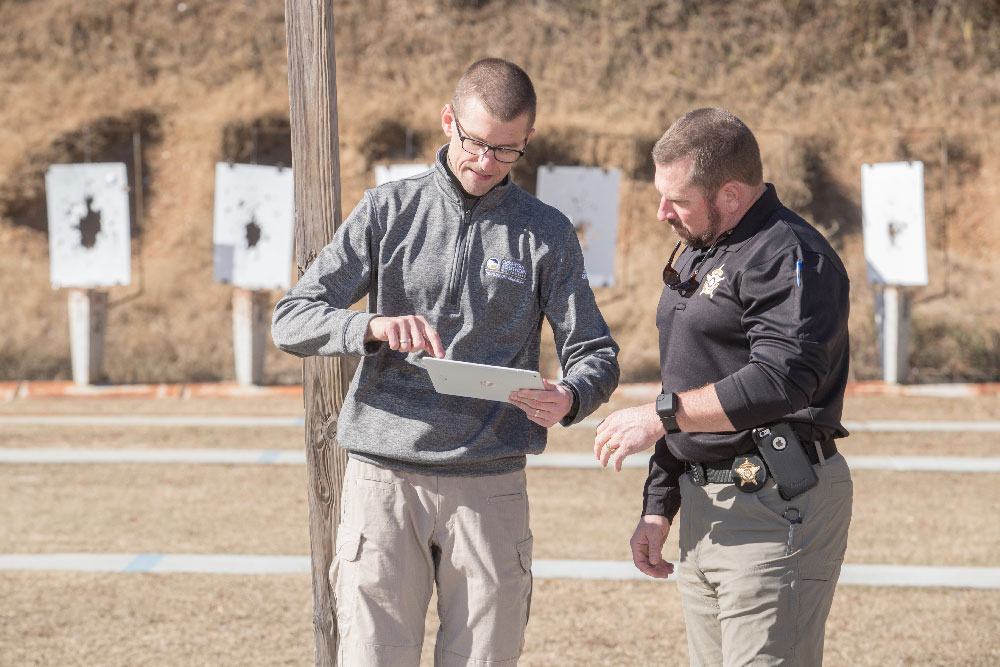
Georgia Southern University is offering members of the law enforcement community a chance to boost their careers with a brand new executive master’s in criminal justice (EMCJ), a program specifically tailored for law enforcement professionals seeking career advancement. This program is certified by the Georgia Peace Officer Standards & Training Council (P.O.S.T.) and offers a comprehensive curriculum designed to accommodate the demanding work schedules of law enforcement agencies. Students in the program follow a unique schedule that features two, three-week modules per semester, requiring only one week of on-site attendance at the Armstrong Campus in Savannah, Georgia. Program participants can complete their degree in just two years. “I am excited about this new and innovative executive-style graduate program designed for law enforcement professionals across Georgia,” said Ryan Schroeder, Ph.D., Dean of the College of Behavioral and Social Sciences. “Students in the program will be exposed to current research in criminology and criminal justice and develop research skills to advance their careers. Graduates are prepared to be leaders in law enforcement organizations across the state.” The EMCJ program is especially beneficial for officers in county and city law enforcement, sheriff’s department personnel, Georgia Bureau of Investigation, Georgia FBI, University System of Georgia law enforcement agencies and more. Through the coursework, students will refine their analytical, research and critical thinking skills, foster a superior understanding of criminal justice and have the chance to network with fellow officers, build relationships and enhance connections nationwide. “We’re excited to offer this executive master’s program to all our law enforcement partners throughout the state,” said Laura Mcullough, director of Public Safety and Chief of Police for Georgia Southern. “This program is designed to work specifically with the agencies and for the upcoming leaders in law enforcement within Georgia. As an agency head, the ability to develop our future leaders while being able to provide for the demands of our communities is invaluable. This program will allow officers to develop into better officers and stronger leaders within their agencies and community without demanding large amounts of time away from work or home.” The program does not require a nomination, but candidates must hold a bachelor’s degree from a regionally accredited institution and be a certified, registered or exempt peace officer currently employed with a Georgia law enforcement agency recognized by the Georgia P.O.S.T. Interested in learning more? Contact Georgia Southern's Director of Communications Jennifer Wise at jwise@georgiasouthern.edu to arrange an interview today.

A recent survey conducted on behalf of CAA Insurance Company has found that a growing number of Ontarians have significant concerns about vehicle theft. The findings indicate that almost half of respondents (47 per cent) are very concerned about auto theft. That number increases to 57 per cent for those living in Toronto and the Greater Toronto Area (GTA). In contrast, those who live in either Northern (14 per cent) or Southwestern Ontario (10 per cent) were less worried about auto theft. "As an organization, we are deeply concerned about the rising trend of auto theft in Ontario and across the country. The survey results highlight the urgency of taking comprehensive action to protect our communities," says Elliott Silverstein, director of government relations CAA Insurance Company. Many Ontarians have a false sense of security. While many of those surveyed are concerned about the increase in vehicle theft, far fewer (30 per cent) are worried that their vehicle is at risk of getting stolen. This discrepancy suggests that many Ontarians may have a false sense of security when trusting that their cars are not at risk of being stolen. In most cases, basic auto theft prevention does not go far enough. According to the Solicitor General of Ontario, a car is stolen every 48 minutes. From 2014 to 2021, there was a 72 per cent increase in auto theft across the province, with a 14 per cent increase in the last year alone. While many people are diligent about locking their doors, basic auto theft prevention does not go far enough. Eighty-two per cent of drivers are ensuring their vehicle is always locked. Seventy-seven per cent of drivers ensure valuables are out of sight. Nearly 50 per cent of drivers park their cars in locked garages. Six per cent of drivers use a steering wheel lock, and only 8 per cent use a Faraday box to block the transmission of RFID signals. "Auto theft can happen to anyone, and drivers need to do more than just lock their doors to make their vehicle difficult to steal. We are urging Ontarians to take additional preventive measures to safeguard their vehicles, making them less appealing targets for thieves," adds Silverstein. Tips that can help deter vehicle theft As car-related thefts in Ontario have risen dramatically. Here are tips that can help deter vehicle theft: Secure your parked vehicle with an anti-theft deterrent such as a steering wheel lock, brake pedal lock or wheel & tire lock device like "The Club" Store your key fob in a Faraday box/pouch to block its signal from being hacked Lock your doors, and if you have a garage, park your vehicle inside If you have multiple vehicles, park the less expensive one closest to the street Install motion sensors on your driveway and a camera to capture any activity Cover the VIN (Vehicle Identification Number) so that it’s not visible on the dashboard Store an Air Tag in your vehicle to track your vehicle should it be stolen Ensure items are out of sight, and do not leave valuables in your vehicle at all Never leave your vehicle running Share any suspicious activity with law enforcement CAA Insurance believes that to combat auto theft properly; it will require collaboration with the government, insurers, vehicle manufacturers, and others, including Canada Border Services Agency. About This Survey The survey conducted for CAA Insurance Company is a representative sample of 2,000 Ontarians balanced and weighted on age, gender, and region. Comparative margin of error = +/-3.1%

