Experts Matter. Find Yours.
Connect for media, speaking, professional opportunities & more.
LSU Vet Med urges animal owners to be vigilant for New World screwworm
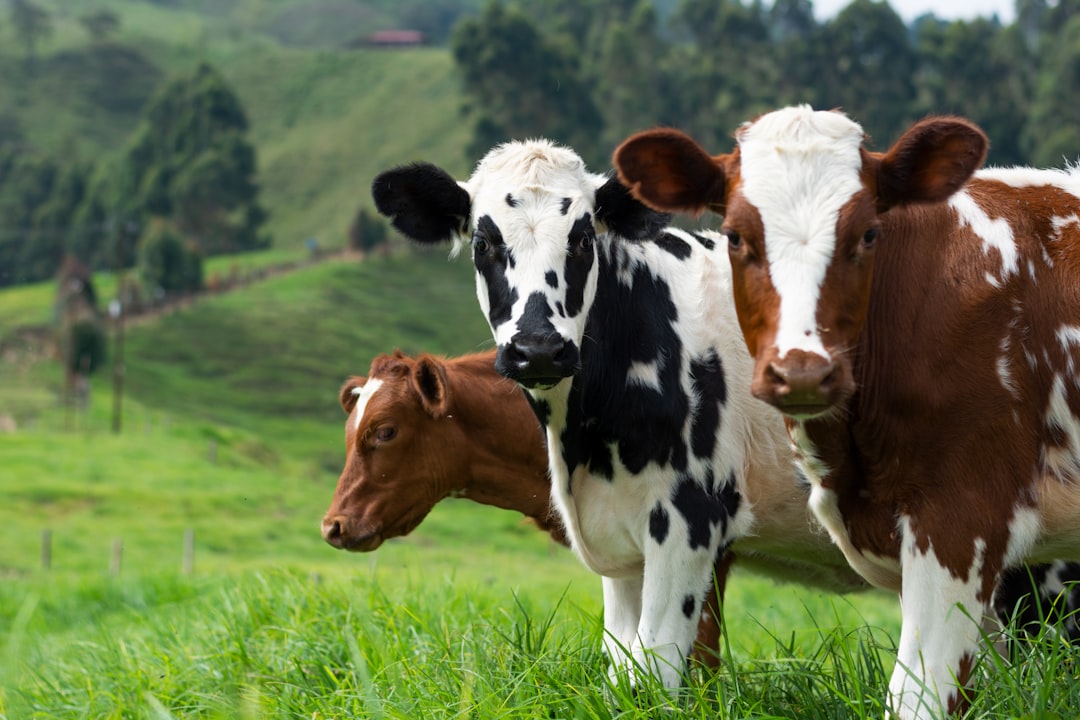
The LSU School of Veterinary Medicine is encouraging pet owners, livestock producers, horse owners, and veterinarians to remain vigilant following the recent detection of New World screwworm (NWS) confirmed cases in Texas and New Mexico. What is NWS? New World screwworm is a parasitic fly whose larvae, commonly known as maggots, feed on the living tissue of warm-blooded animals. Unlike most maggots that feed on dead tissue, screwworm larvae burrow into healthy flesh, causing painful wounds, severe infections, and, if left untreated, death. The pest can affect livestock, horses, wildlife, dogs, cats, and, in rare cases, people. Currently, there are no confirmed cases of New World screwworm in Louisiana, but awareness and early detection are critical. Animal owners should routinely inspect their animals for wounds and seek veterinary care immediately if they notice anything unusual. Government Response The U.S. Department of Agriculture and Texas animal health officials are actively responding to the detection through quarantines, surveillance, movement controls, and the release of sterile male screwworm flies to help stop the pest's spread. According to the Louisiana Department of Agriculture and Forestry, additional animal movement requirements are being implemented to reduce the risk of the pest entering Louisiana. These measures include enhanced health certificate requirements for certain animals entering the state from Texas, specifically lowering the validity of health certificates for animals entering Louisiana from 30 to seven days. Learn more at ldaf.la.gov. What to Look For Screwworm larvae most commonly enter through open wounds, surgical incisions, tick bites, the navels of newborn animals, or natural body openings such as the nose, ears, eyes, and genital regions. Animal owners should watch for: Wounds that fail to heal Bloody or foul-smelling discharge from wounds Visible maggots or egg masses in wounds or body openings Excessive licking, chewing, or irritation around a wound Signs of discomfort, depression, or reduced appetite There are currently no vaccines available to prevent New World screwworm. Rapid detection and response remain the most effective tools for preventing its spread. Diagnosis LSU Diagnostics (Louisiana Animal Disease Diagnostic Laboratory) is working with the Louisiana State Animal Health Officials (SAHO) for identification of all suspected cases. All confirmatory testing and reporting are being performed by the National Veterinary Services Laboratories, which will communicate results to the SAHO. What to Do if You Suspect NWS Animal owners who suspect New World screwworm should contact their veterinarian and the State Animal Health Official (SAHO) immediately at vetreports@ldaf.state.la.us or 225-925-3980. In Louisiana, the SAHO is Louisiana State Veterinarian Dr. Daniel Myrick (LSU 2001) with the Louisiana Department of Agriculture and Forestry. The public should be aware that New World screwworm does not affect the safety of the U.S. food supply. Federal inspection programs are designed to identify affected animals and prevent contaminated products from entering commerce. For more information about New World screwworm, visit Screwworm.gov or the LSU AgCenter webpage on NWS. About LSU Vet Med: Bettering lives through education, public service, and discovery The LSU School of Veterinary Medicine is one of only 33 veterinary schools in the U.S. and the only one in Louisiana. LSU Vet Med is dedicated to improving and protecting the lives of animals and people through superior education, transformational research, and compassionate care. We teach. We heal. We discover. We protect.

UD English professors reveal 2026 beach reads, tying summer picks to big themes in today’s culture
When summer rolls around, the best beach reads do more than just pass the time—they somehow capture what everyone’s talking about right now. That’s the vibe behind University of Delaware’s professor-picked list: books that are fun to sink into, but also surprisingly sharp about the world we’re living in. Think big feelings, messy relationships, culture shifts, and the kind of stories that make you look up from the page and go, “Yep, that tracks.” "There Is No Antimemetics Division" By qntm A Reddit novel turned print bestseller, "There Is No Antimemetics Division" is a surreal horror story that follows an X-Fileish government division fighting aliens whose battlefield is the human mind. How do you fight an enemy whose existence you cannot remember? – Siobhan Carroll, Associate Professor "The Briar Club" By Kate Quinn I'm a big fan of Kate Quinn. Her books never disappoint. Her writing is wonderful and captivating, and the voices and characters are authentic. This book, set in the 50s, is a post-war reflection on a group of tenants in a boarding house who, over food (recipes included!), become friends and navigate McCarthyism, conspiracies and fear. It is historical fiction written to remind us that history repeats itself. – Christine Cucciarre, Professor "Guido Brunetti mysteries" By Donna Leon I've gotten completely hooked on these mysteries set in Venice. Fans will tell you the best is the fifth book in the series, "Acqua Alta," but be sure you read the first book to meet the characters! – Emily S. Davis, Director of Graduate Studies "When We Cease to Understand the World" By Benjamin Labatut An English professor recommending a book detailing the lives of physicists, scientists and mathematicians? Yes! History, heady concepts, madness, melancholy and beautiful prose come together in a haunting way. – Viet Dinh, Associate Professor "Dungeon Crawler Carl series" By Matt Dinniman What if you smushed role-playing video games/tabletop games with The Running Man? Plus, there's a sassy cat who talks! – Lowell Duckert, Associate Professor "Just Kids" By Patti Smith I've recently read "M Train" by Patti Smith, and now I'm looking forward to reading the book for which she won the National Book Award. Smith's memoirs can be impressionistic, but they often come down to some unexpected detail or some ongoing longing. If you know her music, you can sometimes hear it in the background, or you can spot those moments in her life when music would almost necessarily emerge as a great force gathered by her authentic approach to life. She's one of those writers who can change how you look for and find what most matters to you, how you look for and embrace your own soul. – John Ernest, Chair in English "Prairie Fires: The American Dreams of Laura Ingalls Wilder" By Caroline Fraser I loved reading the "Little House" books as a child. It seemed like a life full of adventure and love, even through "The Long Winter." But this biography of author Laura Ingalls Wilder reveals a life full of struggle and loss behind the calico dresses and the fiddle lullabies. Caroline Fraser won the 2018 Pulitzer Prize for "Prairie Fires," using unpublished manuscripts, letters, diaries, and land and financial records to pull back the pioneer spirit curtain and show readers the reality of life on the prairie. – Dawn Fallik, Associate Professor "The School for Good Mothers" By Jessamine Chan Warning: Do not bring this book to the beach without plenty of sun screen, because you will not put it down and that might make YOU a candidate for enrollment in The School. Second Warning: The book is compelling precisely because it will make you mad and freak you out. My wife gave it to friends as a Mother's Day present, and every mother who read it could relate. – Peter X Feng, Associate Professor "Audition" By Katie Kitamura This book has been on my bedside table for months now, just waiting for the semester to end. I am a sucker for books that shift perspective in the middle (see also: Susan Choi's "Trust Exercise"). – Peter X Feng, Associate Professor "The Road to Tender Hearts" By Annie Hartnett You might not expect a book that features domestic violence, children being orphaned and a 63-year-old man still pathetically dependent on his ex-wife to be funny. But I laughed out loud multiple times—and had some tears as well—as I read this novel! Follow the adventures of PJ, two children from his town, and a death-predicting cat as they road trip across the country. "The Road to Tender Hearts" was the best book I read all year! – Jill Flynn, Professor "The Stories of John Cheever" By John Cheever One of the finest collections of short fiction ever published. Witty, magical, often devastating portraits of people navigating mid-century New York. – McKay Jenkins, Cornelius Tilghman Professor of English "Vacationland: True Stories from Painful Beaches" By John Hodgman This book is a collection of nonfiction essays by John Hodgman (Daily Show writer and "Judge John Hodgman" podcast and The NY Times Magazine column). It is laugh-out-loud funny in a very self-deprecating, Gen X way. – Matthew Kinservik, Professor "Cloud Cuckoo Land" By Anthony Doerr This is one of the best novels I've ever read. Ever. It follows three stories set in very different times and places (15th-century Constantinople, 21st-century Idaho, and the not-too-distant future on a spacecraft headed to a new planet that will support human habitation). It's a book about the value of books and human storytelling. The stories eventually get braided together in moving and surprising ways. Amazing. – Matthew Kinservik, Professor "The Wilderness" By Angela Flournoy Have you wondered how your friendships in your early 20s might follow you into middle age? "The Wilderness" focuses on the friendships between four women: Desiree, Monique, Nakia and January from 2008 until 2027, when they are in their early 40s. They support one another through marriage, divorce, career anxiety, loss and a persistent set of questions about who they each want to be in the world and the lives they want to live. "The Wilderness" is told from many perspectives and details how culture, place, habits, friendships and childhood experiences combine to make and remake our adult lives. – Davy Knittle, Assistant Professor "Kin" By Tayari Jones "Kin" is about two motherless girls from Louisiana who find themselves as grown women on two very different paths, looking to other mother figures along the way. The writing is beautiful and engaging! I could not put this book down. I truly fell in love with all of the characters, and even the locations come alive. – Meg McGuire, Associate Director of First-Year Writing "How to Solve Your Own Murder" By Kristen Perrin This truly is a cozy mystery about a woman called Frances Adams—a resident of the moody Castle Knoll. When Frances is a teenager, she encounters a fortune teller who portends Frances's murder. Frances then spends most of her life sort of obsessively surveilling everyone around her, trying to figure out who will kill her. When she does die, her great niece Annie is surprised to learn that the late Frances has left Annie her entire estate, even though they have never actually met. When Annie arrives in Castle Knoll and at the estate, she follows in her great aunt's footsteps by holding all of the town's quirky characters at arm's length while she tries to discover who killed her late great aunt. This is an easy-breezy read, even if it does include a murder mystery at the center. Perfect for a day at the beach. Best of all, if you fall in love with the characters and the place, it's part of a series of three books, so you can keep going! – Cathryn Molloy, Professor "The Order of Time" By Carlo Rovelli You could read any Rovelli book, really—I am reading the one on the birth of science at the moment— but this is the one that drew me in. He merges a physics/science‒centered approach to time with a human/experienced‒centered view of it, which I just cannot get enough of. It is beautifully written, at times verging on poetic, while also bringing in a lot of the information and knowledge I seem to have skipped over as a terrible science student. It's joyful and intense and meditative. And yes, this is what I read for fun! – Amish Trivedi, Assistant Professor "The Season of Styx Malone" By Kekla Magoon Two young Black boys in small-town Indiana fall under the spell of Styx Malone, a mysterious new kid who arrives for the summer and stirs things up by persuading them to pursue their biggest dreams and breaking a few rules along the way. I collect multicultural kids books and stumbled across this one six years ago. It captured me because it celebrates family and friendship, depicts young people with rich interior lives, and mixes in a little mystery and humor. There's something sweet and down-home about it. It's a refreshing little respite from, well, everything ... – Délice Williams, Associate Professor To speak to the professors more about what makes these books the perfect summer reads, email mediarelations@udel.edu.


The AI In Action Symposium, hosted by the LSU E. J. Ourso College of Business, brings together expert voices at the heart of the AI revolution to explore how they have successfully navigated this evolving landscape. The 2026 symposium focuses on the practical implications of AI in business, including hiring AI-ready talent, ensuring responsible and ethical use, and exploring the challenges of implementing AI across both large enterprises and small startups. Speakers Attendees will hear from Louisiana leaders and national AI experts, including… Secretary Bruce Greenstein of the Louisiana Department of Health April Wiley, Senior Vice President at Community Coffee Robert Veit and Julian Tandler from Scale Team Six, a San Francisco-based business accelerator Dr. Tonya Jagneaux, who leads medical analytics at the Franciscan Missionaries of Our Lady Health System (FMOLHS) Hunter Thevis, president and co-founder of Lafayette-based S1 Technology …and many more! Details March 20, 2026, 8:00 a.m. – 1:00 p.m. Registration deadline is March 15. Held on the LSU A&M Campus, in the LSU Student Union Register at lsu.edu/business/ai-symposium Discount available for LSU System employees


War in Iran: Impact on Oil Prices
As global markets respond to escalating tensions in Iran, energy prices are once again at the center of international concern. For insight into what this conflict could mean for oil markets, consumers and the broader economy, media can turn to Greg Upton, executive director and associate research professor at the LSU Center for Energy Studies. An expert at the intersection of energy and environmental economics, Upton studies how geopolitical disruptions, supply constraints and policy decisions influence oil prices and downstream economic impacts. As instability in the Middle East threatens global supply chains, he can provide context on potential price volatility, implications for Louisiana’s energy sector and what higher crude prices may mean for gasoline costs and inflation in the United States. Upton has contributed to more than 40 academic publications and has presented his research to over 200 industry, government and academic audiences. He has testified before committees in both chambers of the Louisiana Legislature and a subcommittee of the U.S. House of Representatives. A frequent voice in national and local media, Upton has been quoted or cited more than 250 times, including by the The Wall Street Journal, The New York Times, USA Today and NPR. In addition to his research, Upton teaches in LSU’s MBA program and in the Department of Economics and Environmental Sciences, helping prepare the next generation of leaders to navigate complex energy and environmental challenges. For timely, data-driven analysis on the impact of oil price fluctuations amid the ongoing conflict in Iran, Dr. Greg Upton is available for interviews and expert commentary.

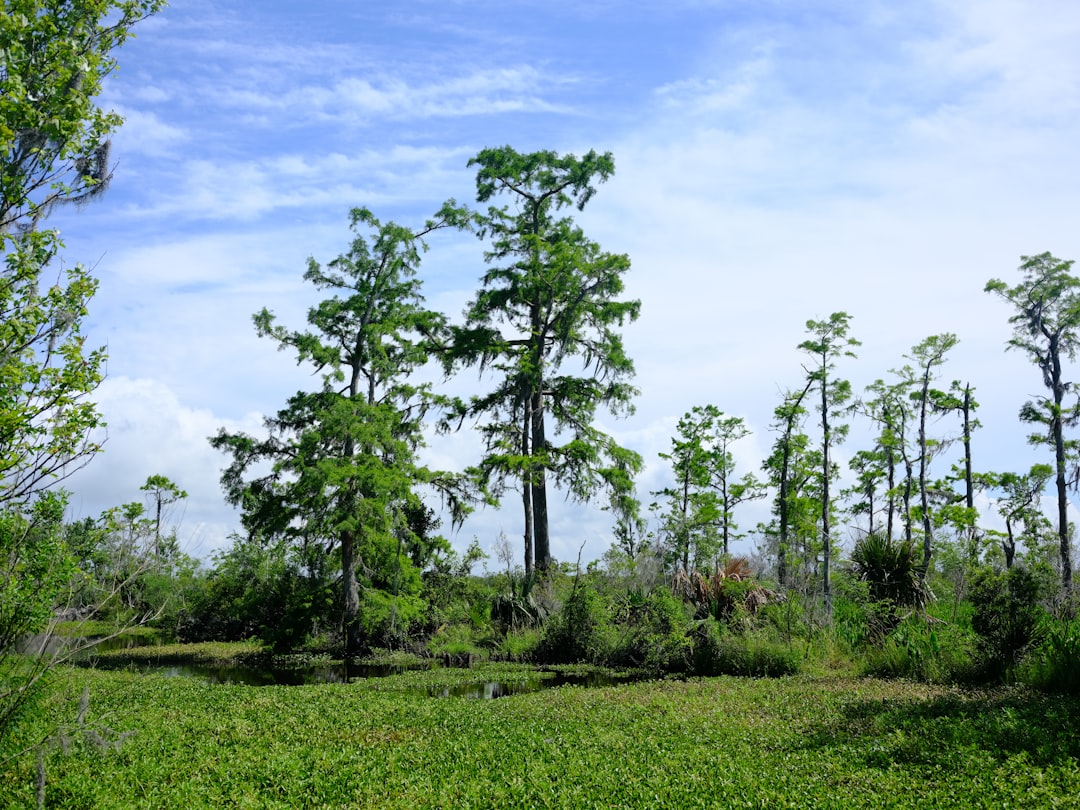
Wetlands: Nature’s First Line of Defense for Our Coast and Communities
Since the 1930s, Louisiana’s coastline has been reshaped by the relentless advance of the Gulf, with over 2,000 square miles of land disappearing beneath its waters and representing the largest loss of coastal land anywhere in the continental United States. This dramatic transformation has far-reaching consequences, threatening local economies, delicate ecosystems, and heightening the state’s exposure to hurricanes. In the face of these urgent challenges, LSU’s College of the Coast & Environment (CC&E) stands at the forefront, leading pioneering research and bold initiatives that not only protect Louisiana’s coast, but also build stronger, more resilient communities. Below are just a few examples of how CC&E is driving meaningful solutions for our coastal future. Wetlands are vital to protecting our coast, and CC&E researchers are actively investigating the role of both constructed and natural wetlands in reducing coastal flooding hazards. Through several projects funded through the US Army Corps of Engineers, Drs. Robert Twilley, Matthew Hiatt, and CC&E Dean Clint Willson, along with collaborators across campus, are conducting research on coastal ecosystem design - a framework that leverages the benefits of natural and nature-based coastal features, such as wetlands, environmental levees, and flood control gates – and how that could be integrated into engineering design and urban planning. Through the State of Louisiana’s ambitious Coastal Master Plan, administered by the Louisiana Coastal Protection and Restoration Authority, wetland construction and restoration play a huge role in managing the Louisiana coastal region. Such innovative techniques leveraging natural and nature-based features require evaluation to determine the success of such projects, and CC&E researchers are using cutting-edge science to advance this endeavor. Dr. Tracy Quirk and her students are investigating the success of marsh restoration by comparing structural and functional characteristics (e.g., vegetation, elevation, hydrology, accretion, and denitrification) between two created marshes and an adjacent natural reference marsh along the north shore of Lake Pontchartrain, Louisiana. Wetlands not only serve as a buffer from storms and sea level rise but also play a major role in regulating greenhouse gas emissions and contribute to productive vibrant ecosystems. In large collaborative project funded by the National Science Foundation, Dr. Giulio Mariotti is using computer models to forecast how coastal marshes may change in size, shape, and salinity in the future, and how these changes could affect methane emissions. As part of the same project, Drs. Haosheng Huang and Dubravko Justic are creating high-resolution hydrodynamic and biogeochemical models to predict changes in methane emissions in coastal Louisiana. In another project, with funding from Louisiana Center of Excellence, National Science Foundation, Louisiana Sea Grant, and the National Oceanic and Atmospheric Administration, Drs. Matthew Hiatt and John White have established a network of sensors to measure water levels and salinity throughout the wetlands in Barataria Bay, Louisiana, a region that has experienced significant land loss and storm impacts. The goal is to establish an understanding of the drivers of saline intrusion in marsh soils, and to ultimately determine what this means for the ecological resiliency of wetlands experiencing rapid change. CC&E’s leadership in wetlands science is recognized nationwide. It is the only college in the United States to have six faculty members—Drs. John White, John W. Day, Jr., Robert Twilley, William Patrick, James Gosselink, and R. Eugene Turner—honored with the prestigious National Wetlands Award. No other institution has had more than one recipient. Presented annually by the Environmental Law Institute, this award celebrates individuals whose work demonstrates exceptional innovation, dedication, and impact in wetlands conservation and education. CC&E’s unmatched record reflects decades of pioneering research and a deep commitment to safeguarding the nation’s most vulnerable coastal landscapes. Every day, CC&E channels this expertise into action—protecting Louisiana’s coast and, in turn, the communities, wildlife, and ecosystems that depend on it. Through bold research, collaborative partnerships, and a vision grounded in science, the college is shaping a more resilient future for coastal regions everywhere. CC&E is building teams that win in Louisiana, for the world. Article originally published here.
UF expert answers questions about local risk of bird flu
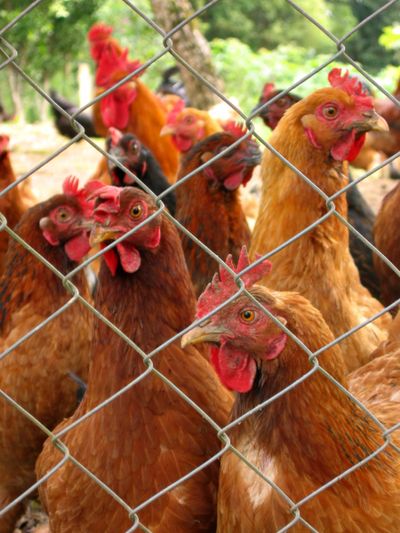
Consumers may have noticed the rising price of eggs and even some shortages at grocery stores lately due to H5N1 avian influenza, but as cases of human and animal infections continue to rise, how concerned should you be about the virus? Benjamin Anderson, Ph.D., an assistant professor in the University of Florida College of Public Health and Health Professions’ Department of Environmental and Global Health and lead for UF’s Emerging Pathogens Institute bird flu response team answers some questions about the risk of infection to humans and animals from bird flu and how to protect yourself. Who is at risk? Currently, the Centers for Disease Control and Prevention says the risk to humans is low. “That is correct on an overall level,” Anderson said. There is no human-to-human transmission right now. Anderson said that while there have been an “alarming” number of human cases, the number of infections is still fewer than 100. Of those, most have resulted in mild illness and were in people who had direct exposure to infected animals. So far, there has been only one death attributed to the current outbreak of H5N1, known more commonly as bird flu – a man in Louisiana who was infected by a backyard flock. “We do have a lot of people who keep chickens,” Anderson said. “Because of the situation in Louisiana, this has, I think, piqued the concern even more so among folks who might have backyard poultry to recognize that is a potential pathway for transmission.” If you see a dead chicken, do not touch it or try to investigate yourself. Instead, report it to the Florida Department of Agriculture and Consumer Services. Report dead wildlife, including migratory birds, to the Florida Fish and Wildlife Commission. Anderson said while the risk to the public is currently low, the future risk, including human-to-human transmission that could result in a pandemic, is still uncertain. Right now, he said, “Unless you’re handling poultry or working with or near dairy cattle, where bird flu outbreaks have been ongoing, your risk is relatively low.” Can I catch the virus from my backyard bird feeder? Gainesville is on a major flyway for migratory birds – a draw for birdwatching enthusiasts, particularly in the winter. This may be how bird flu has made its way into backyard flocks, since infected migratory birds shed the virus in their waste. So far, there is no data that suggests bird feeders could pose a significant transmission risk to people, and no reported human cases of bird flu have been traced to feeders. “However, when I say there’s no data, that means there’s no data. It hasn’t been investigated,” Anderson said. Waterfowl such as ducks and geese are more likely to carry the virus than songbirds. But if backyard birdwatchers are concerned, he said, take precautions such as wearing gloves and disinfecting bird feeders. And whether there’s an elevated risk of bird flu or not, always take care to avoid touching bird feces, which can contain salmonella. “Using some common sense, good hygiene practices, is going to be an effective way of protecting yourself,” he said. Are my outdoor cats in danger? Outdoor cats are susceptible to bird flu through exposure to dairy cattle, wild birds and contaminated raw milk. There is also new evidence of some sources of raw cat food being contaminated with H5N1. H5N1 causes severe infection in cats, with neurological symptoms that could mimic rabies. Infected cats may be disoriented, lethargic or disinterested in food. Florida residents can contact the Florida Health Department if they notice these symptoms in their pet. “If you see something unusual, seeking out professional care for that animal is an important thing to do,” Anderson said. As of now, it’s unclear whether cats can transmit the virus to humans, but as it adapts, transmission to other species could become easier and more widespread. What about eggs and poultry from the farmers market? Florida state statutes require sellers to register as a food supplier and meet certain criteria for food handling safety. But the regulations can be unclear to some small, local egg and poultry producers, and others operate under the radar. “I wouldn’t say that if you go to a farmers market, it’s a guarantee that the products you’re buying are produced under the proper regulations,” Anderson said, but the regulations themselves can be unclear. Some things you can do to keep yourself safe are asking the vendor if they’re registered and permitted with the state’s agriculture agency and checking that the products are labeled. Per the statutes, eggs must be refrigerated at all times between packaging and sale to the consumer. And definitely steer clear of raw milk, which has been tied to several human and animal H5N1 infections and always carries a risk of salmonella. “Don’t drink it, and don’t give it to your animals,” Anderson said. Is there a vaccine? How else can I protect myself? There is a vaccine for bird flu. While it isn’t currently being administered to humans in the U.S., Anderson said some agriculture workers in Europe have received it. “There is a potential justification for starting to release some of the stock of the H5N1-specific vaccine,” but it would come with tradeoffs, he said, such as maintaining stockpiles and keeping the vaccine matched well to an evolving virus. In his opinion, though, it makes sense to start the process now, both to protect workers who are already at higher risk of contracting the virus, and to begin collecting data on how well the vaccine is working. The idea that the U.S. should hold off on releasing a vaccine until bird flu becomes a pandemic is contrary to protecting public health, he said, adding that the tipping point for him was seeing the virus start to show up in backyard poultry. “That’s the rationale that I base my opinion off of,” Anderson said.

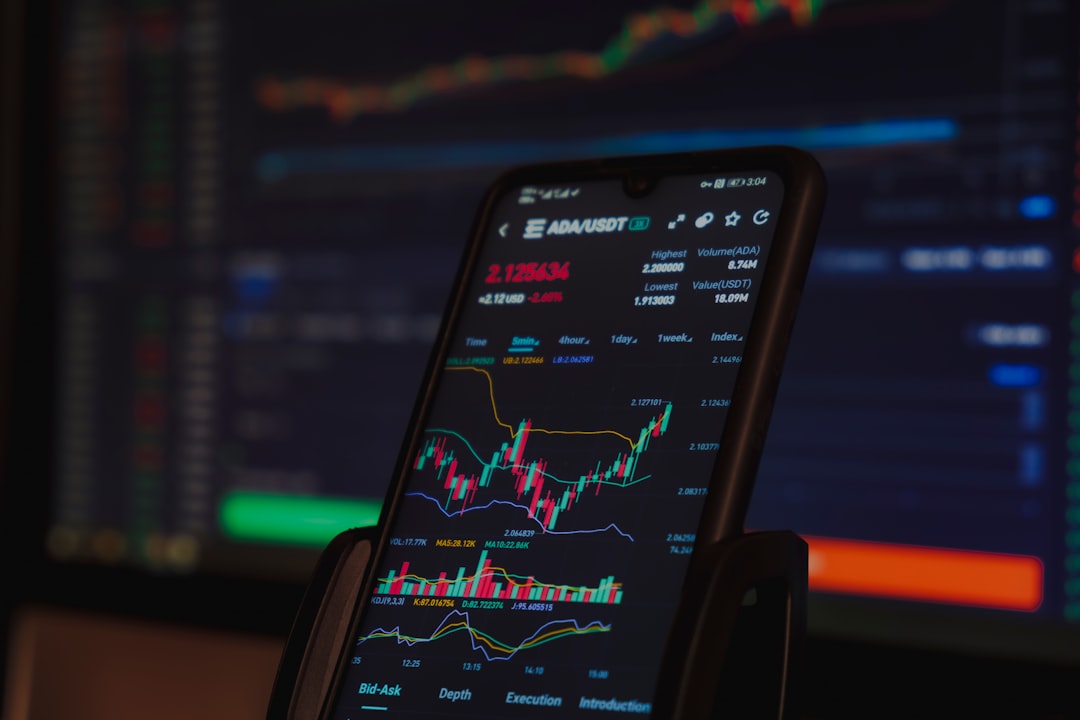
Op-Ed: Stablecoin 'rewards' are a risk to financial stability
Congress has long recognized that stablecoins should not function as unregulated bank deposits. The intent of the recently enacted GENIUS Act is clear: to prohibit stablecoin issuers from paying interest or yield to holders, maintaining a distinction between payment instruments and bank deposits which are not only used for payment purposes but also as a store value. Yet loopholes have already emerged. Some crypto exchanges and affiliated platforms now offer “rewards” to stablecoin holders that work much like interest, potentially undermining the stability of the traditional banking system and constraining credit in local communities. Terminology matters. Credit card rewards are funded by interchange fees and paid to encourage spending — you earn points for using your card. Stablecoin “rewards” are different. They’re funded by investing the reserves backing stablecoins, typically in Treasury bills or money market funds, and passing that interest income to holders. You earn returns for holding the stablecoin, not for using it. Economically, this is indistinguishable from a bank deposit paying interest. When a platform advertises “5% rewards” on stablecoin holdings, it’s generally backing those tokens with Treasuries yielding about 4.5%, then passing that yield to users. Whether labeled rewards, yield or dividends, the function is the same: interest on deposits. Banks perform a similar activity — taking deposits, investing in loans and paying depositors a return — but face far higher costs, including FDIC insurance, capital requirements and compliance obligations that stablecoin issuers largely avoid. This dynamic has a precedent. In the 1970s and early 1980s, Regulation Q capped bank deposit rates at 5.25% while inflation and Treasury yields soared above 15%. Money market funds filled the gap, offering market rates directly to consumers. Deposits fled smaller banks, which lost their funding base, while large money-center institutions gained reserves. The result was widespread disintermediation, the collapse of the savings and loan industry and the farm-credit crisis of the 1980s. Stablecoin “rewards” risk repeating that history. Just as money market funds exploited the gap between regulated deposit rates and market rates, stablecoin platforms exploit the difference between what banks can profitably pay and what lightly regulated issuers can offer by passing through Treasury yields with minimal overhead. Some ask why banks can’t just raise deposit rates. The answer lies in structure. Banks operate under a fundamentally different business model and cost framework. They pay FDIC premiums, maintain capital reserves and comply with extensive supervision — costs most stablecoin issuers don’t bear. Banks also use deposits to make loans, which requires holding capital against potential losses. Stablecoin issuers simply hold reserves in ultra-safe assets, allowing them to pass through nearly all the yield they earn. To match 5% “rewards,” banks would need to earn 6% to 7% on their loan portfolios — an unrealistic target in today’s environment, especially for smaller community banks. The consequence is not fair competition, but a structural disadvantage for regulated depository institutions. The Consumer Bankers Association warns this loophole could trigger a massive shift of deposits from community banks to global custodians. Citing Treasury Department estimates, the Association notes that as much as $6.6 trillion in deposits could migrate into stablecoins if yield programs remain permissible. Because the GENIUS Act’s prohibition applies narrowly to issuers, exchanges and intermediaries may still offer financial returns under alternate terminology. This opens the door to affiliate arrangements that replicate the essence of interest payments without legal accountability. Those reserves don’t stay in local economies. The largest stablecoin issuers hold funds at global custodians such as Bank of New York Mellon, in money market funds managed by firms like BlackRock or — if permitted — directly with the Federal Reserve. When a community-bank depositor moves $100,000 into stablecoins, that capital exits the local bank and concentrates at systemically important institutions. The community bank loses lending capacity; the megabank or the Fed gains reserves. The result is disintermediation with a concentrated risk profile reminiscent of the money-market fund crisis. The Progressive Policy Institute estimates that community banks — responsible for roughly 60% of small-business loans and 80% of agricultural lending nationwide — could be among the most affected. In Louisiana, where local banks finance small businesses and family farms, that risk is especially relevant. If deposits migrate to unregulated digital assets, community-bank lending could tighten, particularly in rural parishes and underserved communities. Research from the Brookings Institution reinforces the need for regulatory parity. The label “rewards” doesn’t change the fact that these payments are economically interest. Allowing intermediaries to generate yield without deposit insurance or prudential oversight could recreate vulnerabilities similar to those seen during the 2008 money market fund crisis. To preserve financial stability, policymakers should move to close the stablecoin-interest loophole. Clarifying that the prohibition on interest applies to all entities— not just issuers — would uphold Congress’ intent. Regulators such as the Securities and Exchange Commission, Commodities Futures Trading Commission and federal banking agencies could also treat “reward” programs as equivalent to deposit interest for supervisory purposes. Stablecoins offer genuine efficiencies in payments, but unchecked yield features risk turning them into unregulated banks. History shows what happens when regulatory arbitrage allows competitors to offer deposit-like products without oversight: deposit flight, institutional instability and capital flowing away from community lenders. Acting now could help sustain stability, protect depositors and preserve the credit channels that support community lending — especially in states like Louisiana, where community banks remain the backbone of Main Street.

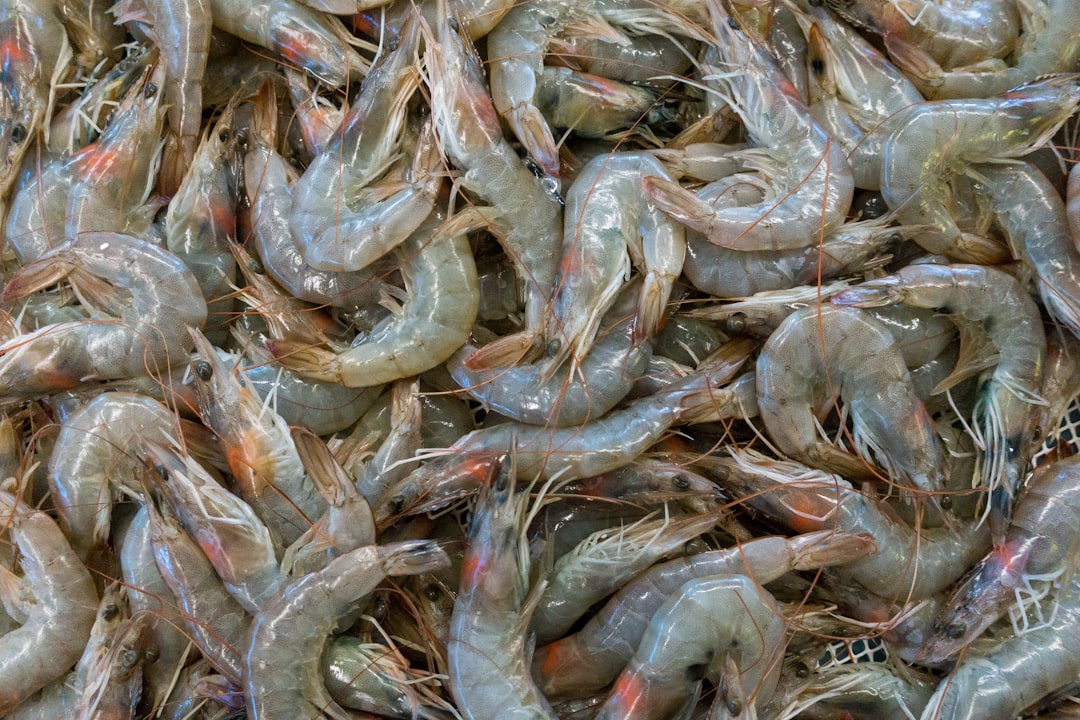
How LSU is Helping Keep Louisiana at the Center of the Nation’s Seafood Map
1. Strengthening the Seafood Workforce Through outreach programs like Louisiana Fisheries Forward, a partnership between Louisiana Sea Grant and the Louisiana Department of Wildlife and Fisheries, LSU helps fishers and processors modernize their operations. These voluntary programs teach best practices in handling, traceability, and sustainability — directly improving product quality and market reputation. LSU’s extension agents also provide hands-on disaster recovery assistance after hurricanes and market disruptions, helping ensure Louisiana’s seafood workforce remains resilient and ready for the next season. 2. Building Seafood Resilience The total economic value for oysters in 2018 was more than $180 million. Resilience defines LSU’s seafood science. Researchers at the LSU AgCenter and Louisiana Sea Grant are leading selective breeding programs and developing genetic tools to combat disease, temperature changes, and salinity stress. With a powerful combination of hatchery capacity, genetics expertise, and industry collaboration, LSU is helping Louisiana’s seafood industry adapt faster and smarter — protecting both the food supply and the economic backbone of coastal communities. 3. Powering Economic Growth Every part of LSU’s seafood research and outreach ties directly to Louisiana’s economy. AgCenter economists analyze market data and advise state and federal partners on strategies to grow the seafood sector. Meanwhile, Sea Grant specialists help entrepreneurs develop value-added seafood products, from branded lines to ready-to-eat options, that increase profit margins and create new jobs in coastal towns. By helping Louisiana seafood businesses stay competitive, LSU keeps more of the industry’s economic benefits right here at home. 4. Supporting Communities Louisiana’s seafood industry faces constant challenges. LSU’s coastal extension agents and Sea Grant programs provide on-the-ground support to help communities recover and rebuild after disasters. Whether assisting with dock repairs, connecting fishers to relief programs, or helping restart operations, LSU’s commitment ensures that Louisiana’s coastal workforce can weather any storm. 5. Preparing the Next Generation LSU’s work extends from the lab to the dock — and into the classroom. New research and education programs are training future scientists, producers, and entrepreneurs to continue Louisiana’s seafood legacy. For new LSU students interested in the coast, Bayou Adventure, a trip created by the College of the Coast & Environment (CC&E), was designed specifically to educate incoming freshmen about some of the challenges and marvels of the Louisiana coastline. The trip stops at sites that showcase "not just the significance of these areas to the state and nation, but the important work that is being done to sustain and preserve them," said Clint Willson, dean of CC&E. Through workforce development, hands-on learning, and applied research, LSU is shaping the next wave of innovators who will protect Louisiana’s coast and ensure its seafood remains world-renowned. Looking Ahead As the seafood industry faces new challenges and opportunities, LSU’s mission remains clear: to protect Louisiana’s coast, empower its seafood workforce, and ensure the state remains synonymous with the best seafood in America.
LSU Launches Louisiana’s Most Advanced Microscope at Research Core Facility
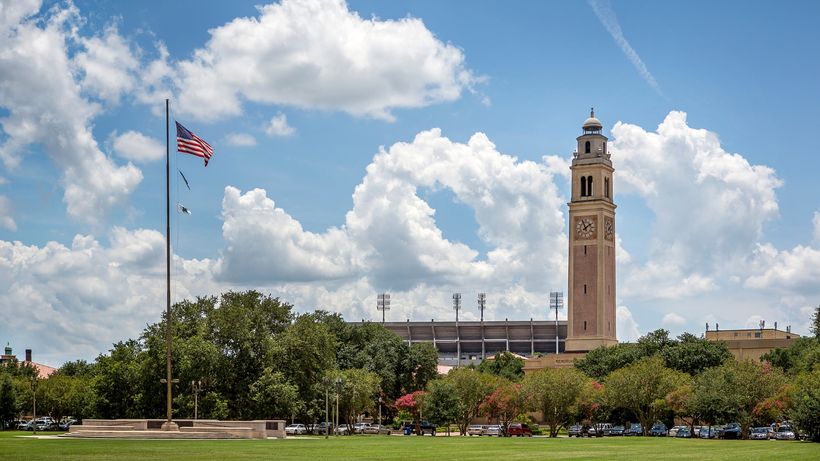
LSU’s Advanced Microscopy and Analytical Core (AMAC) facility gives Louisiana researchers access to 16 state-of-the-art instruments, including a new Spectra 300 Scanning Transmission Electron Microscope (S/TEM) for atomic-scale imaging and analysis. The new microscope—the most advanced in Louisiana—was installed with $10 million in support from the U.S. Army. Standing almost 13 feet tall on a platform isolated from vibration, the S/TEM required major renovations, including a raised ceiling, acoustic wall panels, and a magnetic field cancellation system to ensure the instrument’s stability and performance. The microscope offers magnification up to 10 million times, powerful enough to enlarge a single grain of Mississippi River silt to the size of Tiger Stadium. “This is a transformational moment for LSU and for the future of research in Louisiana,” Interim LSU President Matt Lee said. “With the installation of the most advanced microscope in the state, LSU is once again demonstrating how we’re delivering on our promises—leading in research, innovation, and service to the state and nation.” The launch of the AMAC and S/TEM demonstrates LSU’s increased investment in providing its faculty and partners with the best possible equipment for research and discovery, including for national defense, energy, and health. “Winning in research is no different than winning in athletics—the best facilities attract the best talent, and you need the best of both to win,” LSU Vice President of Research and Economic Development Robert Twilley said. “Today’s launch is about a state-of-the-art microscope but also the launch of the AMAC as our first research core facility at LSU—the first of more to come to attract, train, and supply the best research talent for Louisiana and build research teams that win.” Using a finely focused electron beam and techniques such as energy dispersive X-ray spectroscopy (EDS) and electron energy loss spectroscopy (EELS), the S/TEM can reveal both structure and chemistry at atomic resolution. These capabilities drive advances in materials science—improving semiconductors, solar cells, batteries, catalysts, coatings, and alloys—while supporting biomedical research by mapping drug delivery, uncovering the structures of viruses and bacteria, and improving medical implant design. LSU’s AMAC research core facility was recently rebranded, changing its name from the Shared Instruments Facility (SIF). Learn more about how AMAC instruments help unlock millions in federal research funding to Louisiana and deliver solutions.


What the First U.S. Chikungunya Virus Case Means: LSU Expert Breaks It Down
"The main vector in the US, Aedes albopictus, is known to have been there so it isn’t terribly surprising that we’d eventually have a case. The fact that is was a local transmission case – meaning that a mosquito transmitted it to someone who had not traveled outside the area – is a bit concerning and points to a couple of things: We need more surveillance for these types of viruses; the fact that it got here means likely someone who had traveled brought it back from their vacation The surveillance infrastructure via the CDC and federal funding has been gutted – which of course is problematic when we have these sorts of introductions occurring. These types of mosquitoes go a little quiet in the fall/winter because it gets too cool for them to be as active as say the summertime. They’re lucky it’s in the fall and not at the start of summer, where the weather would be more conducive to MORE transmission. HOWEVER, as weather patterns change from a combination of climate change and urban development (which creates more heated areas), we’re going to see the times that these mosquitoes are more active becoming longer – which will again mean more opportunities for transmission. Of course, in Louisiana, these mosquitoes are active for a lot of the year. We have good mosquito control, but anyone who sits outside will tell you that doesn’t eliminate biting (though imagine if we didn’t have it) we need to stay vigilant and support the systems that protect us: mosquito abatement, federal and state surveillance, and the science and research that supports our ability to recognize and respond to outbreaks." Dr. Christofferson's recent research publications in this area: