
Experts Matter. Find Yours.
Connect for media, speaking, professional opportunities & more.

Peer Support Program Helps Patients With Substance Use Disorders
Recognizing that stigma may keep people from accessing treatment and recovery resources, ChristianaCare Union Hospital is partnering with the Cecil County Health Department and Voices of Hope to make peer recovery specialists available at the bedside for patients who have experienced a drug overdose or live with substance use disorder. Ten peer recovery specialists are available at Union Hospital seven days a week from 8:30 a.m. to 1 a.m. to talk with patients about behavioral health care navigation, access to treatment and referrals to harm-reduction and recovery-support resources. Patients can be connected with a certified peer recovery specialist if they are brought to the Emergency Department because of a drug overdose, or if they screen positive for substance use while they are a patient in the hospital. ChristianaCare Union Hospital is partnering with the Cecil County Health Department and the Maryland nonprofit Voices of Hope to make peer recovery specialists, pictured in blue t-shirts, available at the bedside for patients who have experienced a drug overdose or live with substance use disorder. Patients are not required to speak with a peer recovery specialist, but the specialists’ unique combination of lived experience and training to help people experiencing behavioral health issues offers an opportunity for people with substance use disorder to get help without fear of judgment or stigma. “Substance use disorder continues to be a serious health problem that affects people of all ages and walks of life,” said Lanre Akinkunmi, M.D., interim chief medical officer and medical director for population health at ChristianaCare Cecil County Campus. “The good news is that it is treatable, and when people are in the hospital or the emergency department, they are often most receptive to discussions about treatment. Through this expanded use of peer recovery specialists at Union Hospital, we are making a positive impact on the health of our patients and our community.” A voice of experience Peer recovery specialists who work on the weekdays are employed by the Cecil County Health Department, supported by a grant from the National Association of County and City Health Officials. Voices of Hope, a nonprofit focused on recovery support for people in Harford and Cecil counties in Maryland, employs the peer specialists working evenings and weekends. “This program is a great example of using resources wisely and effectively. We already know the tremendous work being done by Voices of Hope and Cecil County Health Department to help our neighbors who have been impacted by substance use disorder,” said Lisa Fields, manager of Community Engagement at the Cecil County Campus. “By partnering on this important program, we are building trust with our patients and helping them to get on the road to recovery.” Since the expanded program launched in September, there have been about 40 referrals for patients to speak with peer support specialists, and more than half of them have agreed to some kind of treatment, Fields said. Unique connection “Helping people get through what I went through really warms my heart,” said Hannah Dean, a peer recovery specialist with the Cecil County Health Department who works at Union Hospital. “I love what I do.” Cecil County’s death rate from drug overdoses is nearly twice as high as the rest of Maryland and more than three times the U.S. rate. The drug overdose death rate in Cecil County more than doubled between 2016 and 2020, according to the 2022 Cecil County Community Health Needs Assessment. Because peer support specialists have lived experience with substance use disorder and recovery, along with specialized training to support people struggling with mental health or substance use issues, they can connect with patients on a personal level and offer empathetic guidance, said Lauren Levy, health officer for the Cecil County Health Department. “Allowing peer recovery specialists to engage bedside with patients who may be struggling with substance use disorders will not only enhance access to behavioral health treatment but will also help reduce stigma surrounding substance use disorders and foster a more compassionate and supportive community,” Levy said. “We are honored to be a part of this innovative private-public collaboration and to work alongside ChristianaCare Union Hospital and Voices of Hope, Inc. This project helps to break down barriers to treatment and provide immediate support to those in need.” A history of support ChristianaCare has long been a pioneer in the use of peer recovery specialists, going back to the launch of Project Engage at ChristianaCare’s Wilmington Hospital in 2008. Union Hospital first partnered with the Cecil County Health Department 10 years ago to provide a peer recovery specialist in the Emergency Department. That program, the first of its kind in Maryland, was recognized with a best practice award from the Maryland Association of Counties in 2014. However, it operated only on weekdays during daytime business hours, and its ability to connect with hospital patients slowed during the COVID-19 pandemic. This reinvigorated peer recovery program is strengthened by the high level of collaboration among these Cecil County organizations, said Erin Wright, chief operations officer for Voices of Hope. “As community-based organizations, we are in a position to make a difference, and our perspective in the care for people with substance use disorder is really valuable,” said Wright, who has been in recovery for eight years. “As someone who has been through it, we are able to have that empathy. Even if the person does not want to go to treatment, you sit with them and maybe plant a seed.” Catharine Murray hopes her role as a certified peer recovery specialist can help someone struggling with addiction see recovery as a viable option for themselves. “This wasn’t available to me when I was trying to get better. I want to make it more accessible to others,” she said.

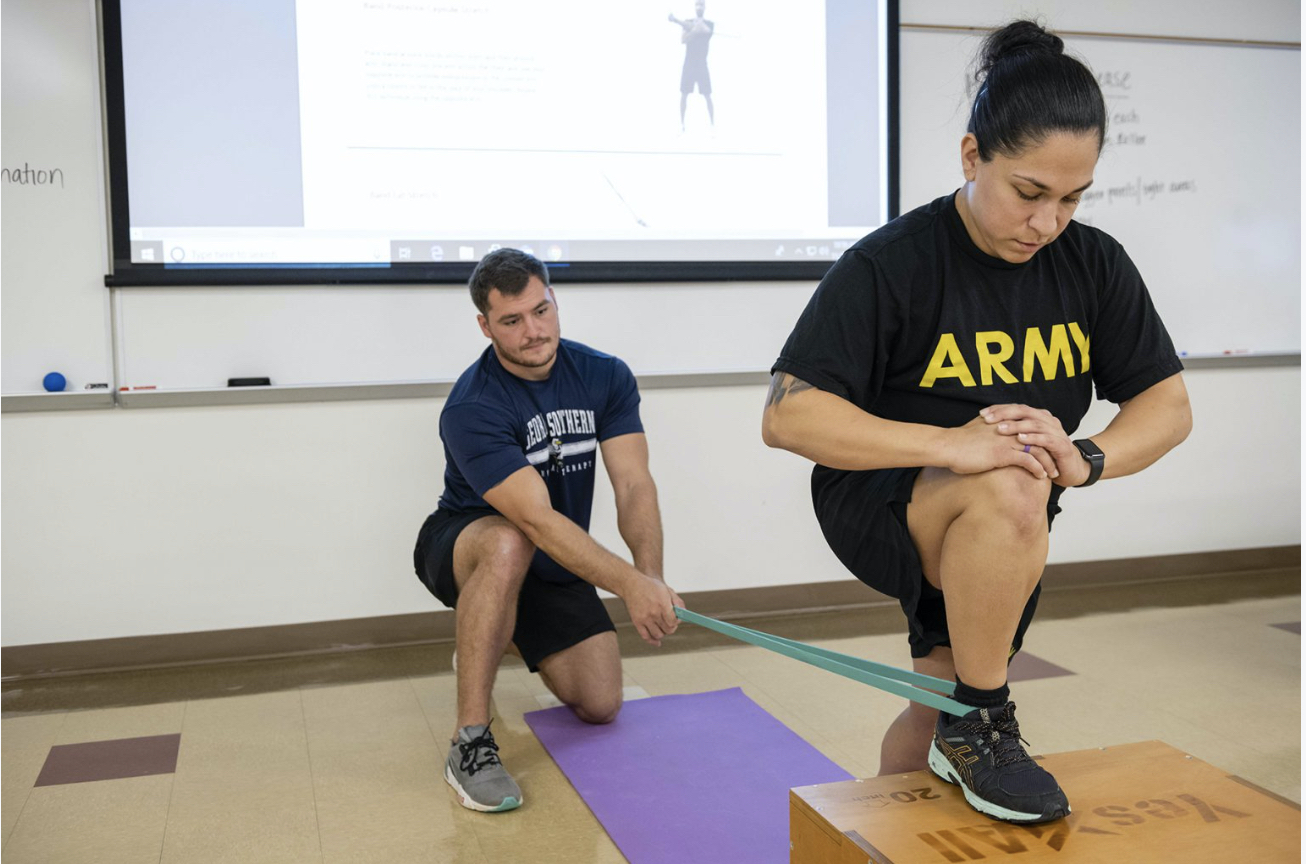
The Georgia Southern University Soldier Performance and Readiness (SPAR) program received a $1.5 million, two-year grant from the Department of Defense’s U.S. Army Medical Research and Development Command (USAMRDC). The grant will expand Georgia’s Southern research and programming capacity in injury prevention techniques that ensure force readiness for the Army. “Through this large-scale research study, Georgia Southern doctoral students have opportunities to be involved in the research process and work directly with soldiers,” said Nancy Henderson, Ph.D., assistant professor in the Doctor of Physical Therapy (DPT) program. “Additionally, the grant will fund graduate assistant positions in the Doctor of Physical Therapy program.” USAMRDC’s mission is to provide solutions to medical problems for American service members at home and abroad, as well as to the public at large. The scope of this effort and the priorities attached to specific projects are influenced by changes in military and civilian medical science and technology, operational requirements, military threat assessments and national defense strategies. Extramural research and development programs play a vital role in the fulfillment of the objectives established by the organization. Research and development funded through this are intended to benefit both military and civilian medical practices. “The grant investigates different physical training programs to identify those practices that best prevent non-combat injuries,” said Henderson. “Faculty on the research team will seek to advance the body of literature by determining the best educational models to educate soldiers on injury-prevention topics.” This is the first time that Georgia Southern will act as lead investigator on a collaborative research project with an Army research institute. However, SPAR has long been involved in multiple branches of research with community impact. “Georgia Southern has several initiatives underway to help improve the health, fitness and performance of military service members, law enforcement personnel and firefighting and rescue personnel,” said Joseph Kardouni, Ph.D., director of the Tactical Performance Group. “The Tactical Athlete Certificate (TAC) program is one of these initiatives that teaches service members exercise fundamentals to help mitigate training-related injuries. The funding coming through Medical Research and Development Command will improve evidence-based teaching methods and inform similar efforts to teach service members within this field. Leaders from health and human performance programs within the Army understand the importance of leveraging partnerships with academic institutions to work toward improving the quality of life, health and occupational performance of soldiers.” Faculty and students in the DPT program have educated soldiers on injury prevention topics since 2016 and this grant further provides students with the opportunity to assess effectiveness while learning how to improve educational methods with military service members. “This research is an important next step in delivering on the promise of the SPAR program and Georgia Southern’s close working relationship with Army research partners,” said Interim Vice President for Research and Economic Development Christopher Curtis, Ph.D. Curtis also noted that funding was made possible by the advocacy of U.S. Rep. Buddy Carter and the strong support of Georgia’s legislative delegation in Washington D.C. Interested in learning more or looking to talk with Nancy Henderson? Simply click on her icon now or Contact Georgia Southern's Director of Communications Jennifer Wise at jwise@georgiasouthern.edu to arrange an interview today.


Ask Our Expert: Why it’s important to get a flu vaccination
As cold and flu season approaches, it’s time to take proactive steps to ensure the health and well-being of everyone. Getting a flu vaccination is be the best defense in staying healthy this time of year. Klaus Ley, MD, founding co-director of the Immunology Center of Georgia, part of the Medical College of Georgia at Augusta University, emphasizes the significance of getting vaccinated against the flu. “The flu can have serious consequences and by getting vaccinated, you protect yourself and those around you,” Ley said. “It’s a simple yet effective way to prevent the spread of this contagious virus.” Flu vaccination is not only a responsible choice but also a crucial step in maintaining public health. The World Health Organization records about 1 billion cases of influenza each year. Severe cases often result in hospitalizations, contributing to up to 650,000 respiratory-related deaths globally. Worried about potential side effects from the vaccine? Ley said that’s a minor concern compared to the effects of the full-blown flu. According to the Centers for Disease Control and Prevention, life-threatening allergic reactions to flu shots are very rare. While severe reactions are uncommon, it’s important to let your health care provider know if you have a history of allergy or severe reaction to vaccines before getting a flu shot. “Common side effects from a flu shot could include soreness or swelling at the site of the injection, headache, low-grade fever, nausea, muscle aches or fatigue. Those minor side effects are an indication your immune system is responding as it should to the vaccination. You will experience much more severe fever, aches and other symptoms if you catch the flu without being vaccinated against it,” said Ley. Klaus Ley, MD, is the Georgia Research Alliance Bradley Turner Eminent Scholar in Immunology, founding co-director of the Immunology Center of Georgia, and a professor in the Department of Physiology at the Medical College of Georgia at Augusta University. He's available to speak with media regarding flu season and vaccinations - simply click on his icon now to arrange an interview today.


Is too much of a good thing actually a bad thing? That’s what researchers in Georgia Southern’s Biodynamics and Human Performance Center aim to find out through a recent study of 75 ultramarathon runners during the 50th anniversary of the Western States 100-mile Endurance Run (WSER) in California. The study focuses on the benefits of physical activity beyond the typical recommended amount by examining the cardiovascular effects of extreme exercise in the WSER, a 100-mile trail race through the Sierra Nevada mountains that climbs more than 18,000 feet and descends nearly 23,000 feet before runners reach the finish. Drs. Grosicki and Babcock (University of Colorado, Anschutz Medical Campus) work through the night to collect cardiovascular measures on race finishers. “We know that exercise is beneficial for health, and national and international public health agencies, such as The American Heart Association, advise that adults get at least 150 minutes of moderate or 75 minutes of vigorous physical activity per week,” said Gregory Grosicki, Ph.D., associate professor in the Waters College of Health Professions Department of Health Sciences and Kinesiology. “Moreover, there is a dose-response relation between exercise and health, whereby an individual can gain even more health benefits by being active for up to 300 minutes per week,” he continued. “However, it is uncertain whether exercising for greater than 300 minutes will confer any additional health benefits, and importantly, excess exercise may actually detract from cardiovascular health.” It is important to note, Grosiciki said, that this apparent “partial loss of health benefits” from excess exercise is theoretical for the time being. “Studies such as ours will help to determine whether this hypothesis is valid, and if so, what can be done about it,” he said. This is the third year Grosicki and colleagues attended WSER to collect data on some of the world’s most extreme athletes. Previous studies focused on changes in gut health during exercise, which, believe it or not, may actually be linked to changes in cardiovascular health. Associate Professor Gregory Grosicki, Ph.D., and research colleagues stand at the start line of the Western States Endurance Run. Grosicki recruited 10 research faculty and students from Auburn University, Florida State University, San Francisco State University and the University of Colorado Anschutz to assist in the data collection. “We measured blood pressure, arterial stiffness, heart size and function and kidney blood flow, and we collected blood and urine from 75 athletes pre-race, 55 of which completed the race and returned for post-race measures,” stated Grosicki. “This is, without question, the largest and most comprehensive dataset ever to be collected at a single event like this.” WSER begins in Olympic Valley, California, and ends in Auburn, California, and is considered one of the oldest and most competitive ultramarathons in the United States. Participation is highly selective, and if chosen, athletes have only 30 hours to cover the distance. The Western States Endurance Run Research Foundation funded this project. This is exciting research and you are a reporter looking to contact Gregory Grosicki, Ph.D. from the Waters College of Health Professions Department of Health Sciences and Kinesiology - then let us help. Simply contact Georgia Southern's Director of Communications Jennifer Wise at jwise@georgiasouthern.edu to arrange an interview today.

Wilmington Hospital Emergency Department Earns Lantern Award for World-Class Excellence
ChristianaCare’s Wilmington Hospital Emergency Department is one of 53 emergency departments around the world to receive the Emergency Nurses Association (ENA) Lantern Award for 2023, recognizing the excellence of its caregivers in incorporating evidence-based practice and innovation. The ENA Lantern Award celebrates emergency departments that demonstrate exceptional leadership, practice, education, advocacy and research performance. It honors the late Florence Nightingale, who is credited as the founder of modern nursing and is referred to as the “Lady With the Lamp” for her round-the-clock care given to wounded soldiers during the Crimean War. “Every day, our caregivers bring to life the ChristianaCare values of love and excellence through the ways they care for our neighbors who come to the Wilmington Hospital Emergency Department,” said Danielle Weber, MSN, MSM, RN-BC, NEA-BC, chief nurse executive and chief nursing officer of Wilmington Hospital. “By putting the patient first and rethinking outdated models of care, we have created a better experience for patients at a time when they are often most in need. This recognition signifies the transformative effect of our commitment to being exceptional today and even better tomorrow.” Rooted in history, focused on the future Wilmington Hospital has served the community for nearly 125 years, meeting diverse medical needs and providing a safety net for people in underrepresented communities. The Wilmington Hospital Emergency Department is the second-busiest ED in the state, with 58,744 visits in fiscal year 2023. Combined, ChristianaCare’s emergency departments are ranked 12th in the United States and 7th on the East Coast in number of patient visits, according to the American Hospital Association. A highly engaged staff supports the high volume of work in the department, where nurses serve in collaborative decision-making, shared governance and nurse autonomy, “practicing in an environment of empowerment,” said ED nurse Christina Hoddinott, MSN, RN, FNP-BC, CEN, CPE, who helped work on the Lantern application for Wilmington ED. “The staff who perform the work participate in decision-making that directly affects their practice,” Hoddinott said. “When our patients walk through our emergency department doors in their unexpected and stressful moments of need, we do everything we can to see that they receive the highest level of care.” Doreen Nord, MSN, RN, CEN, NPD-BC, nurse manager for Wilmington Hospital ED, said the Lantern award reflects the greatness seen every day among its nursing caregivers. “Their commitment and compassion shine, and there is never a doubt about who is most important — our patients,” Nord said. “We are honored by this recognition, the highest available in emergency nursing.” A collaborative effort Wilmington Hospital ED and the other Lantern recipients were recognized in the Hall of Honor at Emergency Nursing 2023, ENA’s annual conference, Sept. 21-23, in San Diego, California. See the list of other award recipients here. “Each and every emergency department on this list has worked extremely hard implementing innovations to better their emergency department for staff and patients alike,” said ENA President Terry Foster, MSN, RN, CEN, CPEN, CCRN, TCRN, FAEN. “Hearing the excitement these EDs had when notified that they were a recipient was so heart-warming and reminded me of the commitment that ED nurses have to continuous improvement.” In Wilmington, the spirit of collaboration and support among caregivers creates an environment that ensures patients receive the highest level of care. Hoddinott likens her fellow caregivers to puzzle pieces — each one is dynamic and unique. “When the pieces come together, we have one big complete puzzle. We are a team that supports each other during stressful moments, happy occasions and all the in between,” she said. “Our team does not take for granted the ‘specialness’ we have here, and our patients can truly feel that when they come through our doors.”


ChristianaCare Launches a New Speakers Bureau: Is This the Future of Healthcare Communications?
Only just a few months after their win of an IABC Gold Quill Award (shared with ExpertFile), the ChristianaCare healthcare communications and digital team has once again made major moves to make their organization even more accessible to the community with the launch of their new ChristianaCare Speakers Bureau. As one of the leading healthcare systems in the United States, Delaware based ChristianaCare is home to a wide variety of medical experts. Now live, the ChristianaCare Speakers Bureau features 80 experts who are currently available for speaking engagements on a wide variety of health topics including: Aging and Senior Health, Cancer, Children’s Health, COVID-19, Diabetes, Pregnancy and Childbirth. Sports Medicine, Stroke, Weight Management and Women’s Health. Designed with the ExpertFile platform, the ChristianaCare Speakers Bureau provides easy discovery and access to experts, including their biographies, downloadable photographs, samples of past presentations, languages spoken and more. The site can be viewed here. Screenshot from the new ChristianaCare Speakers Bureau launched Aug. 2023. The site provides easy discovery and access to experts, with the ability to search by topics and keywords. Detailed profiles for experts include biographies, downloadable photographs, samples of past presentations, languages spoken and more. How a Speakers Bureau boosts thought leadership A Speaker's Bureau is an initiative within an organization that assembles a team of expert speakers who can represent the organization and speak authoritatively on its behalf. While media appearances are often the core focus for experts in organizations, a Speakers Bureau opens up additional opportunities to speak at events such as in-person conferences, webinars, podcasts. Speakers ideally represent a diverse group of professionals from within the organization, and can share their knowledge, insights, and experiences on a range of topics relevant to the organization's mission, values, and field of work. Through event appearances, these experts help to enhance the organization's visibility, foster community engagement, and solidify the organization's reputation as a thought leader in its field. Speakers Bureaus provide effective and efficient way to promote the organization's initiatives, achievements, and viewpoints to the wider public. Creating New Connections Between Experts and the Community Following a string of successes that followed the launch of their ChristianaCare Experts site that resulted in major increases in national media coverage and SEO performance, the formation of a Speakers Bureau was a smart move that will further extend the reach of the ChristianaCare brand. Events provide an excellent way to connect meaningfully with a wider audience to help ChristianaCare make progress on key goals such as delivering effective community health education and improving healthcare equity. “At ChristianaCare, our mission of service to the community includes a commitment to provide timely, accurate health information so that people can make informed decisions about their health,” said Karen Browne, vice president of marketing and communications. “Through our new speakers bureau, we’ve expanded our capacity to meet these needs in the community.” The Benefits of a Speakers Bureau Given the fragmentation of traditional media channels and the massive growth in events such as webinars and podcasts, Speakers Bureaus are fast gaining popularity as a proven way to personify your organization and build a stronger connection to your brand. So far the ChristianaCare Speakers Bureau appears to be off to a solid start. "We had a huge response to our media release when we launched earlier this week and in the first day alone we had multiple organizations sending speaking opportunities for our medical experts. We're also seeing a great response internally as more of our experts requested to join the Speakers Bureau once it went live," said Hiran Ratnayake, Senior Manager of Media Relations at ChristianaCare who played a key role in developing the Speakers Bureau with his colleagues Shane Hoffman, Communications Director and Tom Hendrich - Senior Digital Content Editor at ChristianaCare. Is a Speakers Bureau Right For Your Organization? Here are some key benefits to consider in determining if a speakers bureau makes sense for your organization: Bolsters Community Engagement: An active Speaker's Bureau helps create a bridge between your organization and the community you serve. Promotes Diversity and Inclusion: A Speaker's Bureau offers an exciting opportunity to showcase the diverse voices and unique experiences within your organization. Enhances Organizational Visibility: The increased exposure at events can lead to greater recognition in the industry, more opportunities for collaborations, and ultimately, a wider reach for your healthcare services. It also is a proven way to boost SEO pagerank and domain authority in search engines and also provides a lot of additional content for your social channels. Develops Professional Skills: For healthcare professionals who participate, a Speakers Bureau offers an excellent opportunity to develop public speaking skills, foster leadership abilities, and establish themselves as thought leaders in their respective fields. Facilitates Knowledge Sharing: A Speaker's Bureau cultivates a more dynamic learning environment, which can lead to new ideas, innovations, and improved patient care within your organization. Strengthens Crisis Management Readiness: Having a pool of trained speakers ready to contribute can be incredibly beneficial in times of crisis. These professionals can help your communications team more effectively communicate critical information to the public, media, and other stakeholders. Enhances Employee Engagement: Employees who are given the opportunity to share their knowledge and represent their organization publicly, often feel more valued and invested in their work. Going Beyond the Walls of Your Medical Facility In the constantly evolving world of healthcare, accurate and timely information is critical to informed patient decisions and effective treatments. Organizations such as ChristianaCare understand that their role as a prominent healthcare system is to deliver information that extends beyond their immediate medical responsibilities. It’s simply no longer adequate to provide care within the walls of a medical facility. Today there is a critical demand for a more engaged approach, requiring hospitals and healthcare systems to leverage their in-house expertise for community education. A more informed community, armed with knowledge, which can make empowered decisions about their healthcare. While the public has an abundance of medical information at their fingertips, to help them participate more actively in their healthcare, much of the information found on social media today often lacks clarity, context, and credibility, leading to confusion and misinterpretations. Healthcare experts, leaders, and executives can play a pivotal role in dispelling myths and offering credible, evidence-based insights. An engaged, approachable healthcare professional is a reassuring sight, reinforcing the community’s faith in the system. It’s a win-win for these experts and the healthcare institution they represent. And most importantly it's a win for the communities they serve, as people identify potential health issues earlier, adopt healthier lifestyles, and reduce emergency hospital visits. This puts less burden on the region’s healthcare system, and better utilizes resources to reach a broader audience. After all, healthcare is not just about curing the sick; it’s about educating, engaging, and empowering the community for a healthier future. Congratulations to the entire team at ChristianaCare for creating such a valuable resource for your community. And thank you for letting us be a part of this exciting journey.


Jacqueline Ortiz Honored for Increasing Patient Access to Interpreter Services
Fifty-eight years ago, a young man from Argentina wound up in surgery at a California hospital after stomach pains turned out to be peritonitis, a potentially life-threatening inflammation of the membrane lining the abdominal wall. He was discharged to his wife’s care, with one problem — neither the man nor his wife had any idea how to care for the open wound in his abdomen. Jacqueline Ortiz The couple did not understand the lengthy instructions delivered in English, and there was no interpreter to explain to them in their native Spanish what to expect. So, when the man tried to take a bath and discovered the gauze was stuck to his wound, he didn’t know what to do. Fear and uncertainty compounded an already stressful time. Jacqueline Ortiz wasn’t yet born when her father’s health care emergency took place, but growing up she heard the story over and over. It was more than family lore for Ortiz — it was a lesson. Ortiz said she wanted her mother, pictured with her at the DVTA event, to see the growing number of people working as interpreters to ensure people get the information they need in the language they understand. Ortiz, now the vice president for Health Equity and Cultural Competence at ChristianaCare, saw firsthand how the experience left her parents terrified of the medical environment. Removing barriers to good health Years later, Ortiz is a leader in advocating for patients to have access to qualified, culturally responsive medical interpreting services to remove communication barriers with providers and ensure the best possible care and outcomes. “Language access is what fills my heart and soul,” Ortiz said. Her pioneering efforts and enthusiasm for promoting the use of trained interpreters in health care earned Ortiz the inaugural Making an Impact Award from the Delaware Valley Translators Association (DVTA) during an event Sept. 9 at Widener University. In her role at ChristianaCare, she builds the organization’s capacity to reduce the incidence of disease and improve health outcomes, advance equitable health care services, and reduce health disparities for identified conditions and target populations through culturally competent care, including providing health care in patients’ native languages. She has over 20 years of experience researching, teaching and working in cultural competence and health equity, social networks, and economic sociology. “Language access is what fills my heart and soul,” Ortiz said. A vision for serving everyone Eliane Sfeir-Markus, CHI, president of the DVTA, said the award recognizes the efforts of those working to make interpreting and translation more available to people with limited English proficiency, and those who are deaf or hard of hearing. Ortiz’s pioneering work to expand language services for patients and implement comprehensive cultural competence training at ChristianaCare have set a standard for caring for patients in their native languages. “Jaki’s vision for a health care system that truly serves everyone, regardless of their cultural or linguistic background, is inspiring,” Sfeir-Markus said. “We as patients deserve someone who knows our culture to take care of us.” ChristianaCare has more than 20 health care interpreters and over 100 caregivers who have undergone additional training to provide interpreting services when needed. ChristianaCare has more than 20 health care interpreters — who wear eggplant-colored uniforms — and over 100 bilingual caregivers who have undergone special training to serve as interpreters in some settings. “Jaki is a well-known name in the field of interpreting and translation because she has advocated for education and professionalization of interpreters in health care,” said Claudia Reyes-Hull, MArch, CMI, CHI, manager of Cultural and Linguistic Programs at ChristianaCare. “Thanks to her advocacy, more health care systems are recognizing the need to have trained interpreters for their patients.” In accepting the award, Ortiz said interpreters play a critical role in health care by making it possible for patients — and their families — to take an active role in their own care and decrease the anxiety over visiting a health care provider. She credited the success of ChristianaCare’s interpreting and translations services and its continued growth to the collaborative spirit and camaraderie among its team of caregivers, particularly Reyes-Hull. Ortiz said her family’s personal experience with a lack of interpreting services during a hospital stay made them anxious about health care for years. “Probably all of us in this room have walked into a courtroom or a lawyer’s office or a hospital room or a clinic and introduced ourselves and seen that immediate response and relaxation in the person we were speaking with,” Ortiz said to the translators at the DVTA event. “You make those interactions within our legal, educational and health care systems so much better.”


For the second consecutive time, ChristianaCare has earned the Joy in Medicine™ recognition from the American Medical Association (AMA). ChristianaCare earned Gold Level recognition, the highest level of recognition in the Joy in Medicine™ Health System Recognition Program. It was one of only 10 health systems nationwide to achieve Gold Level. The recognition underscores ChristianaCare’s demonstrated commitment to the well-being of clinical care team members. “Receiving the Joy in Medicine Award the first time was certainly an honor, but achieving gold level status a second time is an even greater achievement, as the requirements are more exacting,” said ChristianaCare Chief Wellness Officer Heather Farley, M.D., MHCDS, FACEP. “It is a testament to the fact that at ChristianaCare and our Center for WorkLife Wellbeing, we are not comfortable resting on our laurels. We continue to raise the bar in our efforts to support the well-being of our caregivers, effectively respond to the changing health care landscape and foster an environment where each of our caregivers can thrive.” Continued Excellence in Support of Caregivers In 2022, ChristianaCare’s Center for WorkLife Wellbeing launched Psychological First Aid training to help organization leaders build skills to identify and support colleagues impacted by stress. More than half of ChristianaCare leaders completed the training in 2022. The training is now available to all caregivers. In addition, ChristianaCare’s peer support program, known as Care for the Caregiver, offers confidential individual peer support and group support following a range of stressful events at work. The program completed nearly 2,500 encounters from 2015 to 2022. ChristianaCare also has established the Workplace Civility Steer Team, which provides strategic direction in establishing an environment that is safe and free of violence for caregivers, patients and visitors. The team performs this through program and process development for the identification, prevention and response to workplace violence, a challenge increasingly faced by health care workers nationwide. “Health organizations that have earned recognition from the AMA’s Joy in Medicine Health System Recognition Program are leading a national movement that has declared the well-being of health professionals to be an essential element for providing high-quality care to patients, families and communities,” said AMA President Jesse M. Ehrenfeld, M.D., M.P.H. “Each Joy in Medicine recognized organization is distinguished as among the nation’s best at creating a culture of wellness that makes a difference in the lives of clinical care teams.” Burnout rates among the nation’s physicians and other health care professionals spiked dramatically as the COVID-19 pandemic placed acute stress on care teams and exacerbated long-standing systemic issues. While the worst days of the pandemic have passed, the lingering impact of work-related burnout remains an obstacle to achieving national health goals. Since its inception in 2019, the Joy in Medicine™ Health System Recognition Program has recognized more than 100 organizations across the country. In 2023, a total of 72 health systems nationwide earned recognition with documented efforts to reduce system-level drivers of work-related burnout and demonstrated competencies in commitment, assessment, leadership, efficiency of practice environment, teamwork and support.
Hospital at Home: Understanding How It Works
As the ChristianaCare Hospital Care at Home program grows, we see the benefits of improving the way we deliver care to our patients. With each patient we care for, we are reminded that a big part of recuperating and getting better is not just physical but mental and emotional. Being home allows patient to visit with loved ones, cuddle with pets and sleep in their own bed. It also helps our health care providers better understand a patient’s living environment, making it possible for us to provide the individual services they need. Q. What is hospital care at home? A. I think of a virtual hospital as three components: a command center, technology and in-home care. The command center is a 24/7, 365-day- a-week center staffed by physicians, nurses, advanced practice clinicians and patient digital ambassadors. This team of health care providers is tethered to patients in the home by way of our technology. We give our patients a tablet that lists their daily schedule so they know who to expect in their home and the time our health care providers will arrive. It also allows them to contact the command center at any time by pressing a button. When they do that, a nurse appears on the screen right away. Edwin Bryson Sr. said ChristianaCare made it easy to treat his diabetes complications from the privacy and comfort of his own home. With hospital care at home, he said, “all I do is hit the button and a nurse comes on to assist me with anything I need. It was 24-hour service here, just like I was in the hospital.” Technology also allows us to monitor patients’ vital signs at home as we would in the traditional hospital setting. We use Bluetooth technology to upload that information into the electronic medical record. In-home care is made up of a team that goes into the home to deliver the services that a particular patient needs. This includes radiology (X-rays and ultrasound), blood tests, intravenous medications, physical therapy, occupational therapy and more. A licensed professional, such as a nurse, also visits the patient at home at least twice a day. Q. Who is eligible for hospital care at home? A. There are requirements for participation. Patients need to live within 25 miles from our Delaware hospital campuses which are in Newark and Wilmington. We also are looking for patients that meet our acute, inpatient level of care. So if they’re in observation status, for example, they wouldn’t be a good candidate. We also need patients who don’t require continuous monitoring: If a patient has telemetry monitoring or if they’re in the intensive care unit or a step-down unit, they would not be a good candidate. Our team works every day with caregivers at both Delaware hospitals to identify patients who would benefit from hospital care at home. Q. What are common sicknesses that can be treated at home? The first 20 patients we admitted into this program had 20 different diagnoses. But after treating more than 500 patients, the most common diagnoses that we see are cellulitis, sepsis, pneumonia, chronic obstructive pulmonary disease (COPD) exacerbation and congestive heart failure. Hospital at home may not be the solution for all patients, but in many cases it can help patients get better quicker and in a place where they most feel comfortable. As ChristianaCare strives for greater access to care, home may be where the health is.

ChristianaCare’s Union Hospital has been recognized by Healthgrades as a 2023 Patient Safety Excellence Award™ recipient. This distinction places Union Hospital, part of ChristianaCare’s Cecil County Campus in Maryland, among the top 10% of all short-term acute care hospitals as evaluated by Healthgrades. Union Hospital is one of only five hospitals in Maryland to receive the 2023 Patient Safety Excellence Award™. “At ChristianaCare, we commit to being exceptional today and even better tomorrow,” said Kert F. Anzilotti, M.D., MBA, FACR, system chief medical officer. “We are proud that Healthgrades has recognized our deep commitment to excellence in patient safety. This award belongs to all our Union Hospital caregivers.” Among the most important ingredients to Union Hospital’s success in patient safety has been standardization of evidence-based practices. Examples include a standardized process for central line insertion that reduces the risk of central line infections, and standardized patient handling processes that help to prevent falls. Union Hospital also established a multidisciplinary committee that standardized caregivers’ approach to skin assessment to prevent pressure injuries. Safe care saves lives During the 2019-2021 study period, 164,592 potentially preventable patient safety events occurred among Medicare patients in U.S. hospitals.* Healthgrades’ analysis revealed that patients treated in hospitals receiving the Healthgrades 2023 Patient Safety Excellence Award were, on average: 61.4% less likely to experience an in-hospital fall resulting in hip fracture than patients treated at non-recipient hospitals.* 52.7% less likely to experience a collapsed lung resulting from a procedure or surgery in or around the chest than patients treated at non-recipient hospitals.* 66.1% less likely to experience pressure sores or bed sores acquired in the hospital than patients treated at non-recipient hospitals.* 67.3% less likely to experience catheter-related bloodstream infections acquired in the hospital than patients treated at nonrecipient hospitals.* Healthgrades noted that if all hospitals, as a group, performed similarly to the 2023 Patient Safety Award recipients then 95,880 patient safety events could have been avoided on average.* “Through our 2023 Patient Safety Excellence Awards, we seek to recognize hospitals that excel in providing top-quality care for their patients while preventing serious injuries during hospital stays,” said Brad Bowman, M.D., chief medical officer and head of Data Science at Healthgrades. “We are proud to name ChristianaCare’s Union Hospital as a 2023 Patient Safety Excellence Award recipient and look forward to their continued efforts to make patient safety a top priority.” Consumers can visit healthgrades.com for more information on how Healthgrades measures hospital quality and to access the complete methodology. *Statistics are calculated from Healthgrades Patient Safety Ratings and Excellence Award methodology which is based primarily on AHRQ technical specifications (Version 2022.0.1) for MedPAR data years 2019 through 2021 and represent three-year estimates for Medicare patients only.
