
Experts Matter. Find Yours.
Connect for media, speaking, professional opportunities & more.

ChristianaCare Named one of Mogul’s Top 100 Companies with Inclusive Benefits
Recognition affirms ChristianaCare’s deep commitment to inclusion and diversity ChristianaCare has been recognized as one of the Top 100 Companies with Inclusive Benefits by Mogul, a diversity recruitment platform that partners with the world’s fastest-growing companies to attract and advance top diverse talent. ChristianaCare was recognized for both its “diverse hiring practices” and “progressive workplace resources.” “At ChristianaCare, we embrace diversity and show respect to everyone, and we reinforce these behaviors through purposeful actions that enable all our caregivers to serve our neighbors with love and excellence,” said Neil Jasani, M.D., MBA, FACEP, chief people officer at ChristianaCare. “By offering a wide array of inclusive benefits, we more fully support our caregivers in their commitment to being exceptional today and even better tomorrow.” The honor by Mogul is the latest recognition for ChristianaCare’s commitment to inclusion and diversity. ChristianaCare, Delaware’s largest private employer, has committed to being an anti-racism organization and works to ensure that this commitment is reflected through the organization’s policies, programs and practices. (Read more about ChristianaCare’s anti-racism commitment here.) ChristianaCare President and CEO Janice E. Nevin, M.D., MPH, has signed the CEO Action for Diversity & Inclusion Pledge. This pledge outlines a specific set of actions the signatory CEOs will take to cultivate a trusting environment where all ideas are welcomed and employees are empowered to have discussions about diversity and inclusion. More than 3,100 of ChristianaCare’s caregivers also have signed the pledge. ChristianaCare’s inclusion and diversity efforts feature 11 employee resource groups, which connect caregivers who have a common identity or bond with one another. Formed by employees across all demographics – including disability, race, military status, national origin and gender identity – these voluntary, grassroots groups work to improve inclusion and diversity at ChristianaCare. More than 1,350 caregivers participate. ChristianaCare has developed LeadershipDNA, a leadership development program that is specifically targeted to underrepresented caregivers early in their careers. ChristianaCare’s deep commitment to inclusion and diversity also includes: Providing $500,000 in scholarships to 10 high school students in Delaware who plan to pursue degrees in health care. Supporting Project Search, which is a nationally recognized program dedicated to providing education and training to young adults with intellectual and developmental disabilities. Participation in Project Hope, a partnership with external agencies that provides support to individuals who were involved with the criminal justice system. This program creates pathways to meaningful and sustainable employment within ChristianaCare. Participation in Project Veteran through career fairs that target veterans. Elimination of bias in hiring through biannual education for all hiring managers, along with leader demographic scorecards to support building a diverse workforce. Parental leave of 12 weeks for the bonding, care and wellbeing of a newborn, adopted children or foster care children. This policy applies to both birthing and non-birthing caregivers. Behavioral health services for employees that include access to professionals who specialize in mental health care and substance use disorder. A work life employee assistance program that provides free and confidential resources designed specifically for caregivers and their families. Coverage in employee health plans for gender affirmation surgery, which consists of medical and surgical treatments that change primary sex characteristics for individuals diagnosed with gender dysphoria. Autism spectrum disorders benefits – such as diagnostic assessment and treatment – to the children of caregivers who are under 21 years of age. “Our commitment to inclusion and diversity touches all areas of our organization – including our benefits packages,” said Natalie Torres, director of Inclusion & Diversity at ChristianaCare. “We know that when we offer an inclusive benefits package that anticipates the needs of our caregivers, they can better support their families and provide better care to our community.”

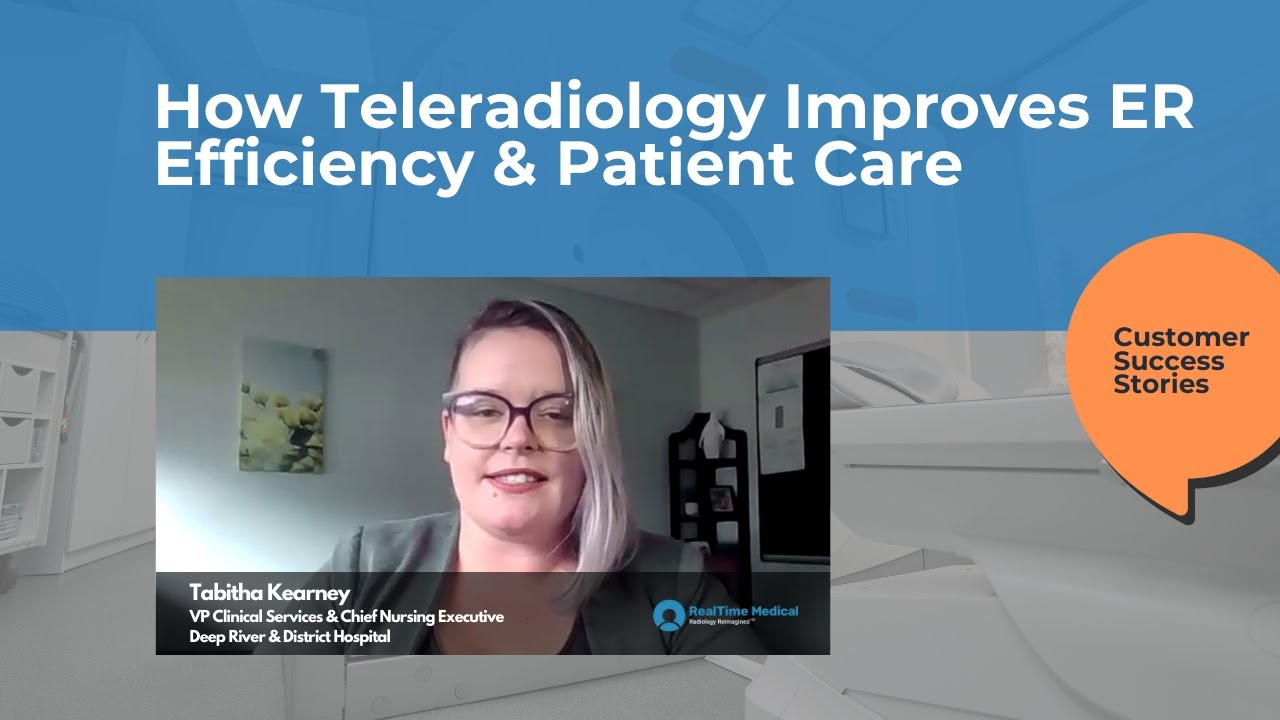
How Teleradiology Improves ER Efficiency & Patient Care
Is your ER efficiency where you need it to be? Learn how radiology collaboration services from RealTime Medical have improved ER efficiency and patient care from Tabitha Kearney, VP Clinical Services, Deep River & District Hospital. Learn how radiology collaboration services have improved ER efficiency and patient experience from Tabitha Kearney, VP Clinical Services, Deep River & District Hospital. Learn more here: https://realtimemedical.com/radiology-services/ #radiology #teleradiology #diagnosticimaging


Innovative virtual practice offers continuous, coordinated and connected care ChristianaCare has launched Virtual Primary Care, a new health solution that offers the benefits of a long-term relationship with your primary care team, with the convenience of virtual care that can be accessed at home, at work or on the go, using a smartphone, tablet or other digital device. The practice is an offering of ChristianaCare’s Center for Virtual Health. “Virtual primary care in most markets does not establish an ongoing relationship between the patient and the provider — it’s on-demand care with the next available provider,” said Sarah Schenck, M.D., medical director of Virtualist Medicine at ChristianaCare. “ChristianaCare Virtual Primary Care is different. We offer a personalized approach in which patients have the attention of their care team who are all focused on their specific needs and health goals. Each care team knows their patients and is actively working to help them reach their personal health goals. And when patients need specialized care or services, our providers have access to ChristianaCare’s network and the ability to refer to the trusted services and specialists a patient might need outside of primary care.” The practice is accessible to residents of Delaware, Pennsylvania, Maryland and New Jersey, New York and Florida and available by monthly, quarterly or yearly subscription. Plans are available for people ages 5 and older and start as low as $35 per month. The subscription provides full access to virtual primary care services — with no additional fees or copays — including same-day appointments, extended hours on nights and weekends, secure text-messaging and the convenience of always-on care. Services that are not a part of primary care, such as emergency room visits, lab tests, diagnostic imaging and specialist referrals, are not included in the subscription and would be subject to the patient’s existing health insurance coverage. “At ChristianaCare we are reimagining health care by making it radically convenient and accessible, and by creating a unique and personal experience,” said Sharon Anderson, MS, RN, FACHE, ChristianaCare’s chief virtual health officer and president of ChristianaCare’s Center for Virtual Health. “The Virtual Primary Care practice goes beyond simply offering video visits to patients. We’ve transformed care so it no longer revolves around waiting for an appointment — it’s immediate, coordinated, continuous. Patients can now access virtual primary care 24/7 as well as a host of other health services — all through their computer, tablet or smartphone.” When individuals sign up, they’ll choose their care team of experts including a primary care provider, nurse and a patient digital ambassador (PDA). The patient digital ambassador serves as a personal health guide to assist individuals with registration and technology set-up for their virtual visits. As a care team member, the PDA is available as a personal health guide, while the primary care provider supports patients with their clinical care needs. Once enrolled, individuals will receive a welcome kit tailored to their needs with tools to assist in their care, such as monitoring blood pressure, weight and temperature. Benefits of ChristianaCare Virtual Primary Care: Schedule a virtual checkup, communicate using video, send photos through secure text messaging and discuss health concerns and treatment options. Schedule same-day appointments and enjoy extended hours on weekends. Get quick referrals to specialists. Create a personalized Working on Wellness Plan (also known as WOW plan) to help achieve healthy goals around stress management, exercise, nutrition, sleep and more. For more information, visit the ChristianaCare Center for Virtual Health or call 302-428-2400.

Protein engineer to explore route from DNA blueprint to synthetic antibodies – public lecture
Professor Anna Hine will explore how advances in protein engineering have enabled us to make both synthetic antibodies and their replacements Inaugural lecture will take place at Aston University on Tuesday 28 March 2023 at 6.30pm Members of the public may attend in person or online. Professor Anna Hine, a molecular biologist specialising in protein engineering in the College of Health and Life Sciences at Aston University, is to present her inaugural public lecture on Tuesday 28 March 2023. During her lecture, A route to synthetic antibodies (and their replacements), Professor Hine will take the audience from the basics of molecular biology to explaining her inventions in protein engineering, through to examining the ways in which her research is being applied internationally to develop synthetic antibodies. Professor Hine gained her PhD in molecular biology from The University of Manchester Institute of Science and Technology in 1992 and did her postdoctoral training at Harvard Medical School. She returned to the UK to take up a lectureship in molecular biology at Aston University in 1995. Professor Anna Hine, professor of protein engineering, said: “Antibodies are one of our major lines of defence against infection and we can create them very quickly to help incapacitate a multitude of biological invaders. Humans do this by changing the part of the antibody that recognises the invading pathogen, through a process of rapid, natural mutation. Protein engineers have learned to mimic this process in the laboratory to create synthetic proteins – particularly antibodies - for use in both therapy and fundamental research.” “I am delighted to have the opportunity to present our discoveries in a way that I hope will make just as much sense to non-scientists as to a scientific audience.” Similar to the natural mutation of antibodies, protein engineers can make vast numbers of tiny variations of a protein such as an antibody. Professor Hine added: “We will contemplate the vast numbers involved in protein engineering and present how our Aston University-based inventions have made the creation of DNA (and thus protein) ‘libraries’ as efficient as possible. “We will then examine the ensuing problem of how to find the few proteins that we really want from within a protein library. This includes collaborating with experts who specialise in computer-assisted library design and also working with those who have developed the latest methods to search the libraries that we make.” Professor Hine will also show how her latest collaborative projects are starting to move beyond the antibody itself. The lecture will take place at Aston University at 6.00pm for 6.30pm on Tuesday 28 March 2023. It will be followed by a drinks reception from 7.30 pm to 8.00 pm. The lecture is open to the public and free to attend. Places must be booked in advance via Eventbrite.


Why Grand River & St. Mary’s General Hospital Runs the RealTime Medical Platform?
What makes for a good DI partner company? Learn about how Dr. Darren Knibutat and the team at Grand River & St. Mary’s General Hospital are implementing RealTime’s radiology collaboration services to help manage a demanding workload, hold the line on costs and deliver improved patient care. Full interview here: https://youtu.be/lScHwliTnXY Learn more here: https://realtimemedical.com/radiology-services/ #peerlearning #radiology #teleradiology #qualityofcare #radiologyreimagined #radiologyproductivity #workloadbalancing #diagnosticimaging #patientcare #radiologysolutions
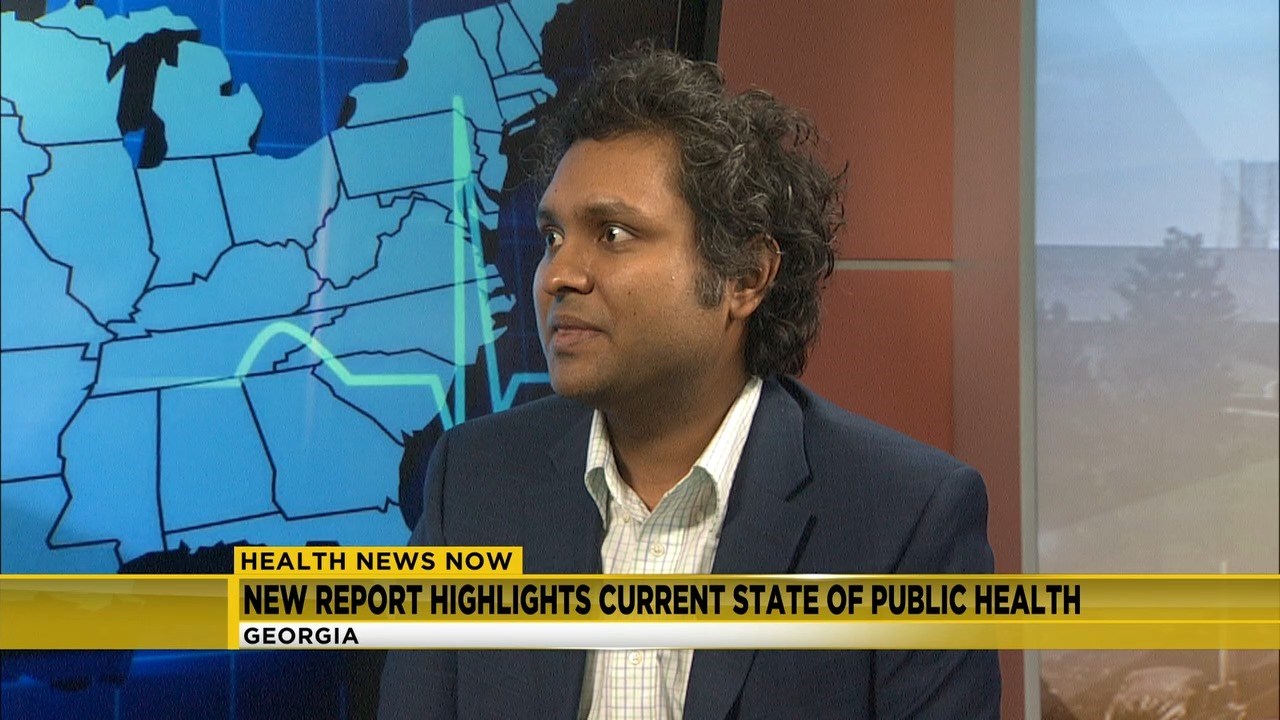
Augusta University’s second annual Healthy Georgia Report has been released, offering a snapshot of health in the Peach State as compared to not only neighboring states, but also the entire country. While Georgia’s population is doing well in some key health factors, researchers also found areas that could benefit from more awareness and public policy action. Biplab Datta, PhD, assistant professor in the Institute of Public and Preventive Health and the Medical College of Georgia’s Department of Population Health Sciences, collaborated with other IPPH faculty and staff to update the report and add new categories this year. The goal of the report is to connect with lawmakers, community leaders and researchers, stimulate conversations about public health needs and promote action, such as greater community engagement, research for informing effective policies and appraisal of required funds. “We need to make lawmakers aware of the public health situation in the state of Georgia,” said Datta. “We hope this report will help identify areas that need policy attention. It can also play an important role in bridging the gap between researchers and policymakers.” Using 2021 data from the Behavioral Risk Factor Surveillance system, the National Survey of Children’s Health, the American Community Survey and the Center for Disease Control and Prevention’s COVID Data Tracker website, the report was compiled on numerous health topics. Some categories studied include high cholesterol, hypertension, obesity, arthritis, asthma, cancer, cardiovascular diseases, alcohol consumption, diabetes and more. It also broke down each category by age, sex, race, income level and other socioeconomic indicators to get a full representation of the data. New to the study this year is an in-depth look at health insurance coverage, COVID-19 vaccinations, breastfeeding, child maltreatment, and unmet healthcare need of children. Georgia ranks 49th in the nation when it comes to health insurance coverage. That was a surprise to Datta. “I didn’t expect the numbers to be that bad, but I think it also indicates the scope of work that we need to undertake to improve insurance coverage in Georgia,” he said. Another surprise was the low rate of flu vaccination in Georgia. “We know there is a difference between whites and Blacks in the U.S. But when we look at and compare Black people in Georgia with Blacks in the rest of the southeastern states, we see the flu vaccination rate was significantly lower among Blacks in Georgia. This is an issue that warrants further research to understand the underlying causes of such disparity,” said Datta. As it was a year ago, hypertension remains a concern. There are several issues involved when talking about hypertension but there are also straightforward ways to improve the condition Datta said. “I think one of the core components of hypertension control is just changing some behavioral stuff. If we just reduced the sodium content in our daily diet, if we do regular physical exercise for a certain amount of time that will significantly improve our hypertension management. Community-level initiatives to make people aware of these things can make a real difference,” said Datta. Residents in Georgia are doing better in several areas such as obesity, cancer rates, asthma prevalence and depressive disorders. Datta said it’s important to recognize these improvements so we can learn from them. “We need to figure out where we are doing well and use that experience in areas where we are not doing so well. It will help us move toward the right direction.” He added it’s important to always be looking for ways to evolve the study, and that includes adding new categories when enough data is available. “We didn’t cover sexually transmitted diseases in this year’s report, which we would like to add when data will become available. We’d also like to add teenage pregnancy, maternal health issues, gun violence and opioid use,” he said. Looking to learn about health in the Peach State? Then let us help. Biplab Datta is available to speak with media regarding this important topic. Simply click on his icon now to arrange an interview today.



Georgia Southern University’s College of Science and Mathematics has been awarded a six-year grant of $493,065 from the Howard Hughes Medical Institute (HHMI) Inclusive Excellence 3 (IE3) initiative. Georgia Southern is among a select group of 104 schools that have received an HHMI IE3 grant to support diversity, equity and inclusion. “Science is about building, witnessing and collaborating with each other, which is why Georgia Southern is so proud to receive this grant,” said Georgia Southern Provost and Vice President of Academic Affairs Carl Reiber, Ph.D. “Our inclusive initiatives are breaking down the walls that have separated science from interested students.” The HHMI IE3 initiative challenges U.S. colleges and universities to increase student participation in sciences, focusing especially on populations who have been historically underrepresented in the field. The Georgia Southern IE3 leadership team includes: Karelle Aiken, Ph.D, (program director), Tricia Muldoon Brown, Ph.D., (co-director) Sara Gremillion, Ph.D., (co-director), Checo Colón-Gaud, Ph.D., Issac Taylor and Delana Schartner, Ph.D. “The IE3 initiative is tapping into the transformative power of collaboration; the ability of a critical mass to drive cultural change. As such, an ingenious mandate of this grant is that its 104 institutional awardees work on their goals in teams of Learning Community Clusters (LCC),” said Aiken. Georgia Southern’s IE3 LCC hub, LCC4, includes 13 other institutions from across the U.S., all of whom are seeking to answer a specific challenge: How can an institution evaluate effective inclusive teaching, and then use the evaluation in the rewards system including faculty promotion and tenure? The IE3 initiative has been rolled out in two phases. The most recent award marks the beginning of the second phase and so, the work of the Georgia Southern team and their LCC4 colleagues is ongoing. At Georgia Southern, over the next six years the IE3 initiative will support training for faculty and student-leaders centered on inclusive teaching strategies and the effective evaluation of those strategies; an annual COSM IE3 Spring Speaker Series (established in 2022); the continued development of a new faculty mentorship program piloted in 2022 by Inclusive Excellence Faculty Fellows; student- and faculty-led initiatives geared toward cultivating inclusive learning environments; and more. Looking to know more - then let us help. For more information or to arrange an interview with Carl Reiber or anyone from the Georgia Southern IE3 leadership team - simply reach out to Georgia Southern Director of Communications Jennifer Wise at jwise@georgiasouthern.edu to arrange an interview today.


MEDIA RELEASE: Five ways to cut costs on travel; plus, the one thing you should never skip
Manitobans love to travel, but with costs rising due to inflation, it has become more important than ever to find ways to save money, while still crossing off destinations on your bucket list. “This year, more and more people across the province are eager to embark on their next adventure, whether that means disconnecting in a tropical paradise or exploring the history of an ancient city,” says Susan Postma, regional manager, CAA Manitoba. “While we are seeing a renewed interest in travel, we know the costs associated with it will be factor for many people.” With the help of our travel professionals, CAA Manitoba (CAA MB) has compiled a few tips to help save you money. Plan ahead. Start planning your trip well in advance of your departure date. Determine what your budget will allow and book flights, hotels, and rental cars early to get the best deals and rates possible. With the higher demand for travel, last-minute planning will result in higher airfares, hotel rates and even disappointment from no availability. Redeem your loyalty points or member benefits. Use frequent flyer miles or credit card points to pay for flights or hotels. Take advantage of CAA member benefits and discounts at hotels and attractions, or tap into hotel loyalty programs. Now is your time to finally redeem all those accumulated rewards points from a member program or credit card. Also, don’t forget to check the expiration date on unused vouchers or credits. Look for hotels that include breakfast or allow self-catering. Food costs continue to rise and will quickly eat into your budget when you’re paying for three meals (+ snacks) each day. A free breakfast, offered by many hotels, or a hotel room with a kitchenette or fridge will help reduce food costs and give you more money to put towards excursions and other experiences while you’re away. Travel during off-peak times. There are both days of the week and times of the year that are cheaper to travel. Consider travelling during these off-peak times or leaving for your trip during the week versus on a weekend. Partner with a travel agent to get the best deal. A travel agent will know when there are active sales. Travel promotions happen several times throughout the year, and a trusted travel agent will know the best time to book your next getaway. While everyone likes a great deal, the one thing you should never skip is travel insurance says Postma. “You may be in good health before your departure, but unexpected medical emergencies can still happen while you are away from home. If you get sick or injured, travel insurance is important to ensure your medical treatment is covered, along with any related out-of-pocket expenses.” If you're uncertain what coverage you need, CAA encourages you to talk to your travel insurance expert who can help you find the most suitable coverage for your trip and your needs.



MEDIA RELEASE: Five ways to cut costs on travel; plus, the one thing you should never skip
Ontarians love to travel, but with costs rising due to inflation, it has become more important than ever to find ways to save money, while still crossing off destinations on your bucket list. “This year, more and more people across the province are eager to embark on their next adventure, whether that means disconnecting in a tropical paradise or exploring the history of an ancient city,” says Susan Postma, regional manager, CAA Club Group. “While we are seeing a renewed interest in travel, we know the costs associated with it will be factor for many people.” With the help of our travel professionals, CAA South Central Ontario (CAA SCO) has compiled a few tips to help save you money. Plan ahead. Start planning your trip well in advance of your departure date. Determine what your budget will allow and book flights, hotels, and rental cars early to get the best deals and rates possible. With the higher demand for travel, last-minute planning will result in higher airfares, hotel rates and even disappointment from no availability. Redeem your loyalty points or member benefits. Use frequent flyer miles or credit card points to pay for flights or hotels. Take advantage of CAA member benefits and discounts at hotels and attractions, or tap into hotel loyalty programs. Now is your time to finally redeem all those accumulated rewards points from a member program or credit card. Also, don’t forget to check the expiration date on unused vouchers or credits. Look for hotels that include breakfast or allow self-catering. Food costs continue to rise and will quickly eat into your budget when you’re paying for three meals (+ snacks) each day. A free breakfast, offered by many hotels, or a hotel room with a kitchenette or fridge will help reduce food costs and give you more money to put towards excursions and other experiences while you’re away. Travel during off-peak times. There are both days of the week and times of the year that are cheaper to travel. Consider travelling during these off-peak times or leaving for your trip during the week versus on a weekend. Partner with a travel agent to get the best deal. A travel agent will know when there are active sales. Travel promotions happen several times throughout the year, and a trusted travel agent will know the best time to book your next getaway. While everyone likes a great deal, the one thing you should never skip is travel insurance says Postma. “You may be in good health before your departure, but unexpected medical emergencies can still happen while you are away from home. If you get sick or injured, travel insurance is important to ensure your medical treatment is covered, along with any related out-of-pocket expenses.” If you're uncertain what coverage you need, CAA encourages you to talk to your travel insurance expert who can help you find the most suitable coverage for your trip and your needs.

Cancer Program Earns Reaccreditation From the Commission on Cancer
Report cited zero deficiencies and highlights leadership, innovative programs and strong research program The Commission on Cancer, a quality program of the American College of Surgeons, has granted three-year reaccreditation to the cancer program at ChristianaCare’s Helen F. Graham Cancer Center & Research Institute, one of the original National Cancer Institute Community Cancer Centers Program sites in the U.S. ChristianaCare has received accreditation since 1951. To earn accreditation, a cancer program must meet 34 quality care standards, be evaluated every three years through a survey process and maintain levels of excellence in the delivery of comprehensive patient-centered care. The Commission cited zero deficiencies during its site visit and in its final report. “Earning this prestigious accreditation with no deficiencies cited is a testament to the unparalleled expertise and quality of care our entire team at the Graham Cancer Center provides to our patients and community across the continuum of cancer care,” said Nicholas Petrelli, M.D., Bank of America Endowed Medical Director of the Helen F. Graham Cancer Center & Research Institute. “Patients in the communities we are privileged to serve can be assured of groundbreaking cancer treatments, innovative technology, state-of-the-art research, prevention, education and the most caring, dedicated team anywhere.” “Innovative programs that address community need” The Graham Cancer Center was recognized in the reaccreditation report for taking a multidisciplinary approach to treating cancer as a complex group of diseases that requires consultation among surgeons, medical and radiation oncologists, diagnostic radiologists, pathologists and other cancer specialists. This multidisciplinary partnership results in exceptional patient care. In its performance report, the Commission on Cancer praised the Graham Cancer Center’s leadership that has built a “culture of continual process improvement across all areas from prevention, screening, treatment and support for the patient.” It highlighted “innovative programs that address community need,” such as its on-site primary care practice and its Oncology Express Unit, which offers urgent care for patients with advanced disease. The report also stated that the “research trial offerings are a strong point.” Clinical trials test new drugs and combinations of treatments, as well as new techniques using surgery, radiation therapy, gene therapy, immunotherapy and biologics. ChristianaCare is among the national leaders in cancer clinical trials; patient enrollment rates into clinical trials at the Graham Cancer Center are at 29% which is seven times the national average. A national standard for accreditation The Commission on Cancer accreditation program provides the framework for the Graham Cancer Center to improve its quality of patient care through various cancer-related programs that focus on the full spectrum of cancer care including prevention, early diagnosis, cancer staging, optimal treatment, rehabilitation, life-long follow-up for recurrent disease and end-of-life care. When patients receive care at a Commission on Cancer-accredited facility, they also have access to information on clinical trials and new treatments, genetic counseling and patient-centered services including psycho-social support, a patient navigation process and a survivorship care plan that documents the care each patient receives and seeks to improve cancer survivors’ quality of life. Like all Commission on Cancer-accredited facilities, the Graham Cancer Center maintains a cancer registry and contributes data to the National Cancer Database, a joint program of the Commission on Cancer and American Cancer Society. This nationwide oncology outcomes database is the largest clinical disease registry in the world. Data on all types of cancer is tracked and analyzed through the database and used to explore trends in cancer care. Cancer centers, in turn, have access to information derived from this type of data analysis, which is used to create national, regional and state benchmark reports. These reports help facilities with their quality improvement efforts. Established in 1922 by the American College of Surgeons, the Commission on Cancer is a consortium of professional organizations dedicated to improving patient outcomes and quality of life for patients with cancer through standard-setting, prevention, research, education and the monitoring of comprehensive, quality care. There are currently more than 1,500 Commission on Cancer-accredited programs in the U.S. and Puerto Rico that diagnose and treat more than 70% of all patients newly diagnosed with cancer.
