
Experts Matter. Find Yours.
Connect for media, speaking, professional opportunities & more.
Holiday Phones, Real Kids: “Don’t Give a 10-Year-Old a 24/7 Device Without a Plan”
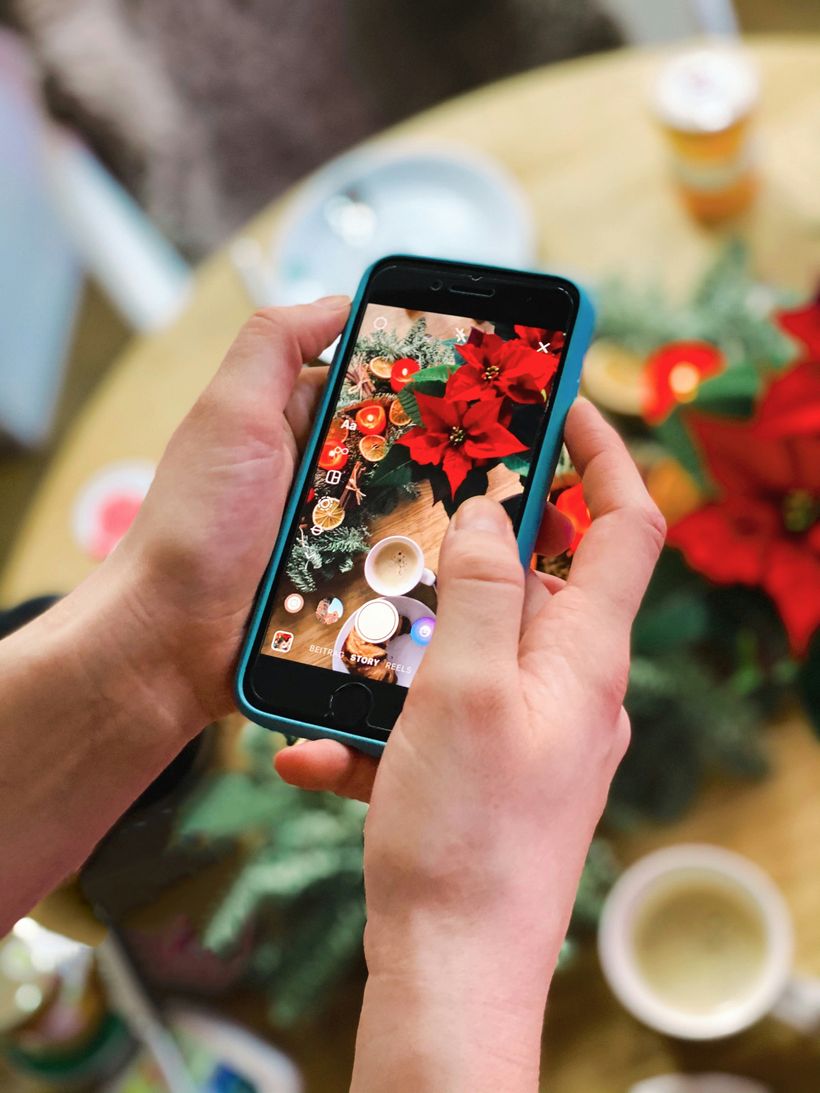
Smartphones and tablets are among the hottest holiday gifts for tweens and teens. They’re also one of the biggest sources of parental anxiety. “We’re giving 9, 10, 11-year-olds a pocket device with the power to nuke their sleep, social life and self-esteem — and we’re doing it with almost no training,” says Eli Singer, founder and CEO of Offline.now. “The question isn’t ‘Should kids have phones?’ It’s ‘What’s the plan for this incredibly powerful tool?’” Singer, a coach and parent who lives with ADHD himself, takes a non-judgmental, shame-free approach with families. He’s blunt about the risks — social comparison, late-night scrolling, drama at school that now comes home in their pocket — but equally blunt that guilt doesn’t help. “Parents are overwhelmed and scared. They’ve seen the headlines linking social media to anxiety and depression, and they feel like they’re already behind,” he says. “My job isn’t to scare them; it’s to help them write the first draft of a family agreement they can actually live with.” Singer recommends three simple starting points over the holidays: Bedrooms are sacred. Phones charge overnight outside kids’ rooms and ideally outside parents’ rooms, too. Meals are for humans, not phones. A bowl or basket at the table becomes the visual reminder: we’re here together. Model what you ask. If parents scroll through dinner or answer work emails at fireworks, kids get the message long before any rule is written. Offline.now’s Digital Wellness Directory includes professionals who specialize in families, ADHD, and youth mental health; Singer positions Offline.now as the bridge between overwhelmed parents and the right expert help. Why now Late December is “first phone” season. January brings the real-world consequences: blown bedtimes, drama in group chats, school exhaustion. Singer can give reporters a nuanced, practical angle on holiday devices — beyond “phones are bad” vs. “phones are fine” — and concrete questions families can ask before they unwrap the box. Available for interviews Eli Singer - CEO of Offline.now; author of Offline.now: A Practical Guide to Healthy Digital Balance. I speak about practical behavior change, non-judgmental family agreements, and confidence-based starting points - and I can direct people to licensed professionals via the Offline.now Directory when needs go beyond coaching.



With the MOMitor™ app, Florida mothers have better maternal care right at their fingertips
A program spearheaded by University of Florida physicians recently expanded to improve care for new mothers throughout the state, using tools they have right at home. Five years ago, a team of obstetricians and researchers at the UF College of Medicine launched MOMitor™, a smartphone app that allows new mothers to answer health screening questions and check vitals like blood pressure in the comfort of their own homes, using tools given to them by their health care providers. Depending on the data, the clinical team can then follow up with patients as needed for further medical intervention. Now, the app is expanding beyond North Central Florida — where nearly 4,400 mothers have participated in the program — to other areas in the state. Clinicians are also teaming up with data scientists at the College of Medicine who are using artificial intelligence to study data and identify trends that can lead to more personalized care. Program expansion Thanks to funding from the Florida Department of Health to support the state’s Telehealth Maternity Care Program, MOMitor™ has recently expanded for use in Citrus, Hernando, Sumter, Flagler, Volusia, Martin, St. Lucie and Okeechobee counties, said Kay Roussos-Ross, M.D. ’02, MPAS ’98, a UF professor of obstetrics/gynecology and psychiatry who is leading the program. “The Florida Legislature was really motivated and interested in improving maternal morbidity and mortality, and through this program we’re touching additional parts of the state and helping patients beyond North Central Florida,” she said. Maternal mortality is a serious concern in the United States, with more than 18 deaths recorded per 100,000 births in 2023, according to the latest data available from the U.S. Centers for Disease Control and Prevention. This is a much higher rate than most other developed countries, Roussos-Ross said. Common factors that may lead to maternal mortality, which is measured from pregnancy through the first year after giving birth, include infection, mental health conditions, cardiovascular conditions and endocrine disorders. Many of these complications can go unnoticed or unmonitored, particularly if at-risk mothers are not reporting complications to clinicians. A 2025 study published in the Journal of the American Medical Association shows that up to 40% of women do not attend postpartum visits. “By leveraging AI, we have the opportunity to target moms and moms-to-be who might be at greater risk of complications ... and encourage them to participate in the program to mitigate these.” — Tanja Magoc, Ph.D. “Whereas we’re used to seeing patients pretty routinely during pregnancy, after delivery visits quickly drop off and some women don’t make it back for postpartum care, so we may not have an opportunity to continue supporting them,” Roussos-Ross said. “This can often be because of barriers such as housing, transportation or food insecurity. We offer referrals to help with some of these services.” With MOMitor™, patients can let their clinician know how they are recovering without visiting the clinic, improving access to care in situations where that is not always an easy option for new mothers. “It’s a way to be proactive,” Roussos-Ross said. “Instead of waiting for a patient to come to us when they haven’t been doing well for a while, we connect with them through the app and follow up when they initially begin not doing well, so we can address concerns more quickly.” Studying data to personalize care Roussos-Ross’ team is collaborating with data scientists from the College of Medicine’s Quality and Patient Safety initiative, or QPSi, to determine how AI can assist in finding ways to further improve processes. “By leveraging AI, we have the opportunity to target moms and moms-to-be who might be at greater risk of complications, such as developing postpartum depression or hypertension, and encourage them to participate in the program to mitigate these complications,” said Tanja Magoc, Ph.D., the associate director of QPSi’s Artificial Intelligence/Quality Improvement Program. David Hall, Ph.D., a QPSi data scientist, said his team is working alongside the clinical team to analyze data that can be used to create recommendations for patients. “Everything we do comes from information supported in the patients’ charts,” Hall said. “We also make sure the data upholds compliance standards and protects patients’ privacy.” “We’re interested in finding out what areas might be hot spots and determining what makes them this way, so we can ... better identify areas where there may be high-risk patients and provide interventions to those who need it most.” — David Hall, Ph.D. The teams aim to intervene before patients encounter postpartum complications, addressing potential issues before they become significant problems. After taking into account a patient’s personal and family medical history, the team looks at information such as geolocation, drilling down to areas much smaller than the ZIP code level in order to find points of potential concern. “We’re interested in finding out what areas might be hot spots and determining what makes them this way, so we can study these patterns throughout the state and better identify areas where there may be high-risk patients and provide interventions to those who need it most,” Hall said. Roussos-Ross said she is proud of the work her team has done to improve patient outcomes through the program so far and is excited to empower more patients. “Every year, the participants give us recommendations on how to improve the app, which we love. But they also say, ‘This is so great. It helped me think about myself and not just my baby. It helped me learn about taking care of my own health. It made me remember I’m important too, and it’s not just about the baby,’” Roussos-Ross said. “And that is so gratifying, because women are willing to do anything to ensure the health of their baby, sometimes at the expense of their own care. This is a way for us to let them know they are still important, and we care about their health as well.”


Staying Sober and on the Path to Recovery During the Holidays
The holidays can be a joyous time full of celebrations and they also can be a time of intense stress. Individuals with substance and alcohol use disorders can experience additional stress during the holidays, which can interfere with their recovery, and they may need additional support to abstain from substance use. What can people in recovery do to both abstain and enjoy the holidays? And what can loved ones do to support them? “Holidays can be difficult for anyone, but those with substance use and mental health disorders may have a more difficult time coping with those difficulties,” said Baylor University substance use disorder treatment expert Sara Dolan, Ph.D., professor of psychology and neuroscience. “The holidays can be – on one hand – a time rife with loneliness, and on the other hand, a time where family conflict might be more present,” Dolan said. “Both of these situations are hard for many of us to cope with, but we may want to be more sensitive to those who struggle more with these situations.” Dolan is a nationally known researcher on how neuropsychological dysfunction, including problems with memory and executive functions, affects how people cope with alcohol and substance use disorders and how these issues affect the treatment process and outcome. Dolan offers the following suggestions for individuals in recovery to help them get through the holidays and how family and friends can offer support. Stay active in recovery If the individual already has a recovery plan in place such as a 12-step program or Celebrate Recovery, make sure to continue attending meetings and appointments during the holiday season. “There are numerous virtual and in-person resources for people who are struggling, including mutual aid support groups like Alcoholics Anonymous, Narcotics Anonymous and Smart Recovery,” Dolan said. “People can also call the SAMHSA national helpline at 1-800-662-HELP.” Even when traveling, it is a good idea to know local meeting schedules, use virtual resources and consider attending extra meetings to stay on top of your recovery. Have a coping plan “It is important for people to have a solid coping plan before they go into potentially distressing situations,” Dolan said. Are there places or events to just stay away from? Dolan said it is “okay to keep yourself safe by leaving or even avoiding places that may be unsafe.” By having a plan to handle stressors ahead of time, you can manage it better in the moment. Preparation is key to feeling safe and enjoying the holidays. Avoid triggers and stressors Understanding personal triggers, which can be different for different people, can help us avoid them ahead of time. “For some people, it’s family conflict, for some, it’s loneliness, and for some it’s feelings of anxiety or depression,” Dolan said. “It’s important to know your own stress points before you go into situations that may trigger them.” Once you know what leads to urges to use alcohol or other substances, you can determine how to counteract those circumstances or avoid them if necessary. Reach out for support Reach out to family and friends who will most likely offer positive support. Letting your loved one know what you need – and how to support you in your recovery – can help you abstain from substance use during stressful situations. In fact, Dolan said you may even want to let them know ahead of time that you may need extra support. How to support someone with a substance use disorder Be as open, direct and caring as you can be. Dolan suggests talking to your loved one directly about what may – or may not be helpful – during the holidays. “Some people in recovery may feel more comfortable in alcohol-free environments,” she said, “but some may not want their loved ones altering their behavior. “Ask – don’t assume – and let your loved one tell you what might work best for them,” Dolan added. Using these suggestions can help both individuals with substance and alcohol use disorders and their families have a healthy and happy holiday season.


Why 48 Hours Outdoors Does More Than a Week of Scrolling Breaks
When people feel burned out from their phones, the default solution is often a “digital detox”: delete the apps for a week, set a screen-time limit, maybe move social icons off the home screen. Then work, group chats and FOMO pull them right back in. Personal Development Coach Mark Diamond, an expert in the Offline.now directory who ran a tech-free summer camp for 25 years, says the real reset button isn’t a slightly less frantic version of the same life. It’s 48 hours of real-world experience outdoors. “I’ve watched kids and adults go from wired and anxious to relaxed and connected in a matter of days — not because we lectured them about screens, but because they were hiking, cooking over a fire, laughing with friends, actually living,” Diamond says. “Nature gives your nervous system something it can’t get from a feed.” The science backs up what he sees at camp. A large meta-analysis of nature exposure in adults found that as little as 10 minutes in natural settings improves markers of mental health — including mood and stress — with larger benefits for longer doses of time outside. A broad review on nature and health reports that regular contact with green and blue spaces is associated with: Better mental health and reduced stress Improved cognitive function and attention Higher levels of physical activity Better sleep quality Experimental work using brain imaging has also shown that short visits to green spaces can boost positive affect and change patterns of brain activation in ways consistent with reduced rumination and improved emotional regulation, the opposite of what many people experience after long periods of doomscrolling. Diamond’s camp experience maps directly onto these findings: after even a weekend of tech-free outdoor time, he sees kids and adults become more patient, more playful and more able to tolerate “boredom”: a key ingredient for real focus and creativity. Offline.now integrates this into its digital balance approach by treating offline, outdoor experiences as a core intervention, not a reward you earn after perfect screen behavior. Instead of asking, “How can I use my phone less?” the question becomes, “What can I do offline that naturally displaces my screen time?” “You don’t have to move to the woods,” Diamond says. “Two days of walks, parks, backyard projects, or local trails can do more for your brain than seven days of white-knuckling your way through a ‘detox’ while you stay indoors thinking about your phone.” For journalists covering digital wellness, mental health, or lifestyle resets, this story connects the dots between nature research, digital fatigue, and why a simple 48-hour outdoor reset might be more realistic and more powerful than yet another all-or-nothing break from apps. Featured Expert Mark Diamond – Personal Development Coach and longtime director of a tech-free outdoor camp. He specializes in outdoor wellness, sustainable behavior change, and helping families and individuals swap abstract “detox” goals for concrete, nature-based experiences that restore mood, focus and connection. Expert interviews can be arranged through the Offline.now media team.


Tinsel, Tears, and Turkey: How Seniors Really Feel About the Holidays
Ah, the holidays. That magical season when cinnamon fills the air, grandkids are glued to their phones, and you're wondering if it's too early to spike the eggnog. (Answer: it's 5 o'clock somewhere, and that somewhere is your kitchen.) For many older adults, the season is a cocktail of nostalgia, joy, and melancholy—served in a glass rimmed with memories of when the house was full, and the turkey wasn't store-bought. Dealing With The Ghosts of Christmas Past The holidays used to mean full houses, laughter echoing off the walls, and more food than a Costco freezer aisle. Now? Smaller gatherings, missing faces, and a nagging feeling that you're somehow in the way at your own celebration. There's a certain ache that comes with the holidays as we age. It's not just arthritis—it's memory. The people who made our holidays special might no longer be around, and while their photos still grace the mantle, their absence can hit harder than a fruitcake to the forehead. It's the quiet that gets you. The stillness of a home that used to hum with chaos. The microwave hums where the oven once sang. The Christmas card list has ghosted us—literally—replaced by e-cards that can't be hung on the fridge or hugged. And yet, despite the ache, many seniors keep the traditions alive. They polish the silver, bake the cookies, and set the table—because ritual matters. It's a way to say, I'm still here, and this still matters. Loneliness: The Fear No One Talks About Let's name the holiday elephant in the room. Yes, it turns out that one really is the loneliest number. It's that heavy feeling that sneaks in right around the time commercials start showing perfect families in matching pajamas (who, let's be honest, probably fought about those pajamas in the parking lot). The numbers tell a sobering story: A report by the National Institute on Ageing, finds that as many as 41 per cent of Canadians aged 50 years and older are at risk of social isolation and up to 58 per cent have experienced loneliness before. The holidays often bring additional pressure for many. It's important to note, you don't have to live alone to feel lonely. Seniors often fear being forgotten—left out of the group chat, the dinner invite, or even the conversation at dinner. Some feel like a burden, convinced their presence is more "obligation" than "invitation." That fear of irrelevance can creep up faster than fruitcake at a church bake sale. The internal dialogue doesn't help: "They're busy." "They have their own lives." "I don't want to be a bother." But here's the truth: you're not a bother. You're the keeper of stories, the family's living archive, and—let's face it—the only one who actually knows how to carve a turkey without creating a crime scene. The health stakes are real: According to a 2023 research report from the U.S. Surgeon General, loneliness and social isolation have a profound effect on mortality, equal to smoking 15 cigarettes per day. That’s more impact than obesity or sedentary lifestyles. It's associated with increased risk of heart disease, stroke, dementia, depression, and anxiety. This isn't just about feeling blue; it's about actual health outcomes. When Depression Wears a Santa Hat Holiday depression doesn't always look like tears and tissues. Sometimes it's withdrawing from events, skipping meals, or not bothering to decorate. It's saying "I'm fine" with a smile that doesn't reach your eyes. A prominent research study of seniors in the UK over a 12-year period published in The Lancet, confirms what many seniors experience: loneliness is a significant predictor of depression in older adults. The study found that higher loneliness scores were consistently associated with increased depression severity. The relationship works both ways—people with mental health conditions are more than twice as likely to experience loneliness. It can also show up physically—fatigue, poor sleep, or that vague feeling that something's just... off. The sparkle of the season fades under the weight of grief, change, or just the exhausting pressure to be merry when you're not feeling it. A few sad moments are natural. We all get a little misty when "White Christmas" plays for the 47th time. But if the blues linger past Boxing Day, it might be time for a gentle check-in—with a friend, a doctor, or someone who actually listens (not just nods while scrolling). Remember: asking for help isn't a weakness. It's wisdom. And honestly? It's badass. The Magic of Rituals and Traditions For seniors, traditions aren't just habits—they're anchors. The same decorations, the favorite songs, the "don't touch that, it's Grandma's angel" moment that happens every. Single. Year. Research shows that rituals and traditions provide crucial psychological benefits for older adults, including a sense of stability, purpose, and belonging. They offer structure and comfort during challenging times, helping seniors feel grounded and connected to their roots. Studies have found that maintaining traditions contributes to overall mental well-being and can even reduce symptoms of anxiety and depression. These rituals offer stability in a world that keeps changing at warp speed (seriously, when did voice-activated ornaments become a thing?). But when traditions fade—when no one asks for the shortbread recipe or the ornaments stay boxed—it can feel like being erased in real time. So here's the trick: Evolve the traditions. Pass the torch, not the guilt. Let the grandkids lead carols (even if they insist on adding Mariah Carey). Use the good china. Pull out the silverware stored in the wooden case under the china cabinet that hasn't been opened since 1987. Keep the spirit alive, even if it looks different now. How Seniors Can Create a Joyful Holiday (Yes, Really!) Reach Out First: Don't wait for others to make the first move. Call, text, or—even better—show up with cookies. People are often grateful for the invitation but also afraid to impose. Be the one who breaks the ice. Host a Mini Gathering: Even if it's just tea with a neighbor, connection is the best seasoning of all. Bonus: smaller gatherings mean less cleanup and more actual conversation. Volunteer: Nothing lifts the spirit like helping someone else. Food banks, shelters, and local schools welcome extra hands. Plus, it's a great reminder that you're still needed—and you are. Laugh on Purpose: Watch old comedies. Tell those same stories (again). Laughter really is medicine—no prescription, no co-pay required. Decorate Anyway: Even if no one's visiting, do it for you. Light up your space, and your mood might just follow. And if the neighbors think you're overdoing it? Even better. What Families Can Do (Besides Show Up Hungry) Here's your holiday homework, families: Visit More, Scroll Less. You can't hug over FaceTime. And honestly, Grandma's WiFi probably can't handle it anyway. Listen Like It's a Gift. Because it is. Let seniors share their stories without rushing them or checking your phone. They're not just repeating themselves—they're reliving joy. (And yes, you've heard it before. Listen again.) Include Them in the Chaos. Let Grandma wrap presents, Grandpa set the playlist, or Aunt Sue take charge of... okay, maybe not the gravy. But give them a role. Purpose is the best present. Check In Regularly. A quick "thinking of you" text can mean more than an expensive gift. Though, to be fair, both are nice. Respect Their Pace. Big gatherings can be overwhelming. Sometimes small and meaningful beats loud and crowded. Not everyone wants to do the Macarena at Christmas dinner. (Looking at you, Uncle Bob.) Remember: the greatest present you can give an older adult is presence—yours. The Importance of Joy (and How to Find It Again) Joy doesn't always come in grand gestures. Sometimes it's hiding in the small stuff: • The smell of pine needles • The first snowflake (before it turns into gray slush) • That old ornament you swore you'd throw out • The laughter of family—even if it's at your expense Joy isn't found lying around like loose change. It's made. Sometimes it's coaxed out with a memory, a song, or a well-timed bad joke about Aunt Sue's lumpy gravy. And if all else fails, remember this: you've survived decades of holidays. Burnt turkeys. Broken ornaments. That unfortunate incident with the glue gun in 2003. You've earned the right to laugh through the tears and dance in your slippers if you damn well feel like it. The Real Gift The holidays remind us that connection—not perfection—is the true magic. For seniors, it's about being seen, heard, and loved. For families, it's about showing up, listening, and laughing together. Because one day, those elders' stories will become yours. And you'll want someone to care enough to hear them, too. So let's make this season count. Let's call more, visit more, and laugh more. Let's honor the past while making new memories. And let's remember that the best traditions aren't the ones that stay the same—they're the ones that adapt, evolve, and keep bringing us together. Now pass the eggnog. The spiked kind. Let's All Sit Under the Mistletoe and Sing the Retired Remix of "Jingle Bells" (To the tune of "Jingle Bells") Dashing through the snow, With a walker all in tow, To the mall we go, Moving nice and slow! Family's out of sight, Texting through the night, Oh, what fun it is to Zoom My grandkids once a night—hey! Chorus: Jingle bells, jingle bells, jingle all the way, Oh, what fun it is to chat With friends who won't delay—hey! Jingle bells, jingle bells, laughter saves the day, Lonely hearts can still feel joy— If love just finds a way. Happy holidays, everyone. May your turkey be moist, your family be present, and your eggnog be strong. Want more insights like this? Subscribe to my free newsletter here, where I share practical strategies, real-world stories, and straight talk about navigating retirement with confidence—not confusion. Plus, all subscribers get exclusive early access to advance chapters from my upcoming book. For Canadians 55+: Get actionable advice on making your home equity work for you, understanding your options, and living retirement on your terms. For Mortgage Brokers and Financial Professionals: Learn how to become the trusted advisor your 55+ clients—it's your opportunity to build lasting relationships in Canada's fastest-growing demographic. Sue Don’t Retire…Re-Wire! References & Resources for You or a Loved One On Loneliness and Social Isolation: • U.S. Surgeon General. (2023). Our Epidemic of Loneliness and Isolation: The U.S. Surgeon General's Advisory on the Healing Effects of Social Connection and Community. https://www.hhs.gov/sites/default/files/surgeon-general-social-connection-advisory.pdf • Medicare FAQ. (2024). Loneliness in Seniors Statistics: Combating Social Isolation. https://www.medicarefaq.com/blog/senior-loneliness-statistics/ • Mayo Clinic. (2023). Loneliness and Social Isolation Through the Holidays. https://newsnetwork.mayoclinic.org/discussion/loneliness-and-social-isolation-through-the-holidays/ On Depression and Mental Health: • Kok, R.M., & Reynolds, C.F. (2020). The association between loneliness and depressive symptoms among adults aged 50 years and older: A 12-year population-based cohort study. The Lancet Psychiatry. https://www.thelancet.com/journals/lanpsy/article/PIIS2215-0366(20)30383-7/fulltext • Cigna. (2021). The Loneliness Epidemic Persists: A Post-Pandemic Look at the State of Loneliness Among U.S. Adults. On Traditions and Rituals: • Oregon Counseling. Why Traditions Matter to Mental Health. https://oregoncounseling.com/article/why-traditions-matter-to-mental-health/ • Care365. Maintaining Traditions with Seniors. https://www.care365.care/resources/maintaining-traditions-with-seniors Additional Support: • National Council on Aging. Four Steps to Combat Loneliness in Seniors During the Holidays. https://www.ncoa.org/article/four-steps-to-combat-loneliness-in-seniors-during-the-holiday-and-beyond/ Emergency Services If the situation is urgent or someone is in immediate danger: Call 911. Canada Suicide Prevention Service (CSPS) • Call: 1-833-456-4566 (available nationwide, 24/7) • Text: 45645 (evenings) • Chat: available at 988.ca

Stress-Free Holiday Gatherings Made Simple
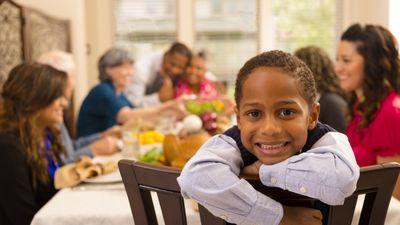
Holiday gatherings often bring a mix of joy and challenges, especially when navigating complex family dynamics. Anticipating potential hurdles, such as sensitive topics or interpersonal tensions, can help family members approach these events with confidence and clarity. Baylor University communication expert Allison M. Alford, Ph.D., researches adult daughtering, invisible labor and family relationships and emphasizes the importance of preparation to ensure a more relaxed and enjoyable experience for everyone over the holidays. She shares five practical tips to help families navigate the holidays with ease: Dr. Allison Alford’s Five Family Tips for a Stress-free Holiday 1.Work out known hurdles before you arrive to the holiday event. Family dynamics often have predictable friction points – whether it’s a difference in political views, sibling rivalries or unresolved conflicts. Identify these hurdles in advance and decide how to approach them. “For instance, if you anticipate a certain topic will come up, plan a calm response or rehearse setting a boundary,” Alford said. “If you’re traveling with a partner or children, discuss how you’ll handle challenging moments as a team. The goal is to minimize surprises and feel equipped to manage potential stressors.” 2.Come prepared with a list of topics you’re ready and willing to talk about (and off-limits subjects, too!). Having a mental (or physical!) list of neutral or positive conversation topics can keep the mood light and engaging, Alford said. “Think about shared hobbies, family memories or recent accomplishments,” she said. “At the same time, identify subjects that are off-limits for you – like contentious debates or sensitive personal matters – and practice polite ways to redirect or deflect those conversations. For example, you could say, ‘I’d rather not get into that today. Tell me about your new garden!’ Preparation is key to feeling in control of the dialogue.” 3.Set a mantra for your intention. Repeat often. Alford suggests anchoring yourself with a phrase or saying that aligns with your values and goals for the event. For example, “I will stay calm and kind,” or “I am here to connect, not to control.” Repeat this mantra to yourself whenever you feel stress creeping in. “It acts as a mental reset and helps you respond intentionally rather than react impulsively. Over time, this practice can shift your mindset and create a buffer against family tension,” Alford said. View her profile 4.Take breaks when you feel things going off the rails. Recognizing when you’re overwhelmed is a vital skill. If emotions are running high, excuse yourself for a breather. A short walk, stepping outside for fresh air, or even taking an extended “bathroom break” can provide the time you need to decompress and regroup. “Use this break to practice deep breathing, text a supportive friend or simply enjoy a few moments of solitude. Returning with a clearer head can prevent escalation and help you maintain your composure,” Alford said. 5.Stand up for your needs. Don’t abandon yourself! While family gatherings often involve compromise, Alford said it’s important not to sacrifice your emotional well-being. If a situation feels uncomfortable or hurtful, express your needs calmly but firmly, she said. For example, “I feel uncomfortable when this is discussed. Let’s talk about something else.” “Prioritize your mental health and remember that it’s okay to say no, step away or leave early if necessary. Standing up for yourself sends a clear message that your feelings matter and reinforces healthy boundaries,” Alford said. By addressing known hurdles in advance, curating conversation topics, setting personal intentions and taking mindful breaks when needed, Alford said family members can create a buffer against tension and foster meaningful connections. “At the same time, standing up for your needs and setting boundaries helps preserve your emotional well-being,” she said. “With these strategies, you’ll be better equipped to approach holiday events with confidence and calm.”

AI Can’t Replace Therapists – But It Can Help Them
For a young adult who is lonely or just needs someone to talk to, an artificial intelligence chatbot can feel like a nonjudgmental best friend, offering encouragement before an interview or consolation after a breakup. AI’s advice seems sincere, thoughtful and even empathic – in short, very human. But when a vulnerable person alludes to thoughts of suicide, AI is not the answer. Not by itself, at least. Recent stories have documented the heartbreak of people dying by suicide after seeking help from chatbots rather than fellow humans. In this way, the ethos of the digital world – sometimes characterized as “move fast and break things” – clashes with the health practitioners’ oath to “first, do no harm.” When humans are being harmed, things must change. As a researcher and licensed therapist with a background in computer science, I am interested in the intersection between technology and mental health, and I understand the technological foundations of AI. When I directed a counseling clinic, I sat with people in their most vulnerable moments. These experiences prompt me to consider the rise of therapy chatbots through both a technical and clinical lens. AI, no matter how advanced, lacks the morality, responsibility and duty of care that humans carry. When someone has suicidal thoughts, they need human professionals to help. With years of training before we are licensed, we have specific ethical protocols to follow when a person reveals thoughts of suicide. Read the full article from US News & World Report here


Navigating Grief During the Holiday Season
The holiday season is a time of joy, togetherness and celebration, but for many – especially those who are grieving the death of a loved one or a deep loss – it can bring a complex mix of emotions, ranging from sadness and sorrow to gratitude and joy. Baylor University professors Candi Cann, Ph.D., a death scholar and associate professor of religion in the Honors College, and Jo-Ann Tsang, Ph.D., a leading gratitude researcher and associate professor of psychology, offer four strategies for people experiencing difficult emotions and grief during the holidays. Embrace the spectrum of emotions Both Tsang and Cann say the key to maintaining balance and authenticity – even while deep in grief – is understanding and accepting where you are emotionally. “It’s possible and normal to feel different emotions at one time,” Tsang said. “You can feel happiness during the holidays, but also sad that you miss someone who you wish were present. Being grateful does not rule out feeling other emotions; we can cultivate gratitude, but that does not necessitate running away from other emotions.” Cann pointed out that grief can be complicated if the death or loss is from a difficult relationship. “It is okay to feel relief in addition to grief and it is important to validate all of your feelings – it’s a complicated grief because it was a complicated relationship,” Cann said. The importance of self-care Self-care is vital during this time, Cann said. She encourages grieving people to stay active, eat healthy, go outside to be in nature and get enough sleep. “It’s totally normal to need more sleep when you're depressed and grieving. You just have to be gracious with yourself about that,” Cann said. Allowing ourselves to feel emotions like stress, sadness or grief gives us insight into what we value and “can motivate us to take some time for self-care,” Tsang said. Acknowledging that we are stressed might lead us to reach out to others for help with tasks that overwhelm us or to let go of things to reduce stress. In addition to taking care of your physical health, staying engaged in your community or church and being in community with others is beneficial for mental health, Cann said. But at the same time, be honest with yourself about what you want to do and only accept invitations or participate in activities that you feel you can handle, she added. The place of gratitude Tsang suggests approaching challenging emotions with gratitude as it “might also provide context and perspective for our loss and potentially transform our negative emotions.” “As an example, I might feel frustrated that I am sad but then feel grateful that I have good family and neighbors to check on me and coworkers to help me finish the tasks that I can’t do while I’m down,” Tsang said. “This gratitude might help reduce my frustration by helping me see the support that is present in my life, on which I had not previously reflected.” At the same time, she reiterated that, in addition to cultivating gratitude, it’s important for people to permit themselves to experience negative emotions such as grief and sadness in response to life circumstances. “It’s okay if it’s hard to experience gratitude. God meets us where we are,” Tsang said. Evaluate traditions and embrace memories Cann suggests evaluating family traditions, choosing those that are most important to continue and starting new traditions that include their loved one. “A lot of people feel like when that person is gone, the love is gone too, but the love is still there,” Cann said. “You wouldn't feel the grief or the big hole that you now have if you didn't have all of this love in the first place.” She suggests embracing their loved one’s presence by including a place at the table for Christmas dinner, making their favorite recipe or finding other ways to continue the bonds. By doing these things, “you're including them in your conversation, and you're making space for that person, both literally and symbolically,” Cann said. Supporting someone who is grieving Being supportive of someone grieving requires patience and vulnerability. “Engage with the person and ask how you can best support them, and let them know that you are thinking about them during this time,” Cann said. Sometimes, friends or family members don’t want to bring up death during the holidays because they don't want to make people sad at a joyful time. “But the point is, they already are sad, so bringing it up allows them to express it” and feel accepted in their pain, Cann said. It also is important to remember that not all grief is related to death. There are many types of loss that people experience such as divorce or disease. The Baylor researchers note that we can’t decide or predict what defines another person's grief, but we can offer love and support. Approaching the holidays when experiencing grief over a death or a deep loss may be painful at first, but using these strategies can help us face the future by celebrating with gratitude what we had in the past. Ultimately, the holidays are a time for reflection, connection and self-compassion. Allow yourself to feel your emotions fully – whether joyful, challenging or a mix of both – and use them as guides for meaningful action. Looking to know more or arrange an interview? Simply click on the expert's icon below or contact: Shelby Cefaratti-Bertin today.


The University of Florida’s ‘AI Queen’ is using AI technology to help prevent dementia
To help the 50 million people globally who live with dementia, the National Institute on Aging is finding researchers to develop tech-based breakthroughs that target the disease — researchers like the University of Florida’s “AI Queen.” It’s a fitting nickname for Aprinda Indahlastari Queen, Ph.D., who is applying artificial intelligence technology to study transcranial direct current stimulation, or tDCS — a technique that involves placing electrodes on the scalp to deliver a weak electrical current to the brain — as a possible way to prevent dementia. The assistant professor in the UF College of Public Health and Health Professions’ Department of Clinical and Health Psychology is using UF’s supercomputer, HiPerGator, to perform neuroimaging and machine learning analyses to study how anatomical differences may affect tDCS outcomes. “Investigating working memory in patients with mild cognitive impairment offers an opportunity to understand how cognitive processes are disrupted in the early stages of Alzheimer’s disease,” said Queen, whose study — funded by a National Institute on Aging research career development grant — integrates neuroimaging with information on brain structure that is unique to older adults and those with mild cognitive impairment. Refining the treatment with AI Using neuroimaging, Queen captures real-time changes during tDCS to the parts of the brain associated with working memory, which is the type of memory that allows humans to temporarily keep track of small amounts of information. Think of this as a mental “scratchpad.” Her study includes older adults with mild cognitive impairment as well as individuals who are cognitively healthy. In tDCS, a safe, weak electrical current passes through electrodes placed on a person’s head. The stimulation is being used in research and clinical settings for a variety of conditions and has shown partial success as a nonpharmaceutical intervention that can improve cognitive and mental health in older adults. But tDCS results can vary across individuals, and the suspected cause is both simple and complex: Everyone’s head is different. “One potential reason tDCS may not work for some individuals is the variation in head tissue anatomy, including differences in brain structure,” Queen said. “Since electrical stimulation must travel through multiple layers of tissue to reach the brain, and every individual’s anatomy is unique, these differences likely affect outcomes.” To address this further, Queen is using AI. “Artificial intelligence will play a major role in the modeling pipeline, including constructing individualized head models, conducting predictive analyses to identify which participants will respond to the stimulation, and disentangling multiple individual factors that may contribute to these outcomes,” Queen said. An estimated 10 to 20% of adults over age 65 have memory or thinking problems characterized as mild cognitive impairment. Their symptoms are not as severe as Alzheimer’s disease and other dementias, but they may be at increased risk for developing dementia. “The fact that not all individuals with mild cognitive impairment progress to Alzheimer’s disease emphasizes the need to identify effective interventions that can slow the progression to dementia,” Queen said. “This project presents an opportunity to differentiate between multiple types of mild cognitive impairment and investigate how tDCS affects the brain across these subtypes.” An AI visionary Queen, who joined the UF faculty under the university’s AI hiring initiative, is an instructor in the College of Public Health and Health Professions’ undergraduate certificate program in AI and public health and health care, and the co-chair of the college’s AI Workgroup. She is also the assistant director for computing and informatics at the UF Center for Cognitive Aging and Memory Clinical Translational Research and a member of UF’s McKnight Brain Institute. Queen received her Ph.D. training in engineering with a focus on building and running computational models to investigate medical devices. She experienced a career “a-ha” moment as a postdoc, when she was a co-investigator on a large clinical trial that paired brain stimulation with cognitive training to enhance cognition in older adults. “This experience was transformative for me. I had the chance to interact directly with participants, which was both fulfilling and eye-opening. These interactions allowed me to see the immediate, real-world implications of my work and sparked a passion for pursuing aging research,” Queen said. “I realized that, through this type of research, I could have a more direct impact on addressing age-related challenges, which prompted a shift in my career plans.” The new grant will help Queen further improve her understanding of the neurobiology and progression of Alzheimer’s disease and other dementias. “These experiences will ultimately prepare me to become a well-rounded aging investigator, capable of making meaningful contributions to the field of aging research,” Queen said. She also credits her mentors and collaborators — Ronald Cohen, Ph.D.; Adam Woods, Ph.D.; Steven DeKosky, M.D.; Ruogu Fang, Ph.D.; Joseph Gullett, Ph.D.; and Glenn Smith, Ph.D. — with supporting her as an early career scientist. “It really takes a village to get here!” Queen said.


Holiday Anxiety Is Real — Here’s How People Can Actually Stay Sane This Season
The holidays promise joy, warmth, and “quality time,” but for many people they also deliver a cocktail of stress, expectations, forced cheer, family politics, and receipts longer than a CVS bill. Between travel chaos, financial pressure, social burnout, and attempting to assemble toys designed by engineers who clearly hate humans, holiday anxiety is soaring. The good news: experts who study mental health, behaviour, and stress management say there are ways to keep your nerves intact — and maybe even enjoy yourself along the way. Why the Holidays Stress People Out (Science Says It’s Not Just You) Adults report higher levels of stress in November and December than almost any other time of year. Common triggers include: Financial expectations: gifts, gatherings, travel, meals, and the sudden belief that every present needs to be “meaningful.” Time pressure: too much to do, too few days on the calendar. Social overload: introverts, extroverts, and “I’m-just-here-for-the-food-verts” all feel it. Family dynamics: every family has at least one person who always “starts something.” Nostalgia vs. reality: the pressure to create a “perfect holiday,” despite the fact that perfect holidays only exist in movies and greeting cards. Experts note that people often skip their routines (sleep, exercise, healthy meals) and then wonder why their stress spikes. The season demands more of people while simultaneously removing their coping mechanisms. Practical Ways to Reduce Holiday Anxiety — Backed by Psychology (and Common Sense) 1. Lower the Bar: “Good Enough” Is a Holiday Gift to Yourself Researchers consistently find that perfectionism fuels anxiety. A store-bought pie, a slightly messy house, or wrapping gifts in whatever paper you can find at 11 p.m. will not derail the season. 2. Set Boundaries (Even With the Loud Relatives) Experts often emphasize that saying “no” is one of the most effective stress-management tools. Fewer events, fewer obligations, fewer emotional landmines. 3. Budget Before You Shop Financial therapists note that anxiety drops when people pre-set limits and stick to them. You don’t need a MasterCard bill that arrives in January carrying the emotional weight of a Greek tragedy. 4. Protect Your Recharge Time A short walk, fresh air, or 10 minutes of solitude is not selfish — it’s psychological maintenance. Mental-health researchers recommend intentionally scheduling downtime before the calendar fills itself. 5. Keep Expectations Realistic Not every moment will be magical. Not every conversation will be smooth. Not every plan will unfold as imagined. Experts say acceptance, not forced positivity, lowers stress significantly. 6. Focus on Meaning, Not Perfection Studies show that people feel calmer when they shift their focus toward connection, gratitude, and small moments rather than elaborate performances of holiday cheer. Holiday Angles for Journalists The psychology behind holiday anxiety — what triggers it and why it’s so universal How family systems and old patterns surface at holiday gatherings The economics of holiday stress — debt, spending pressure, and emotional spending How introverts (and extroverts) navigate holiday overload differently Why holiday nostalgia makes people emotionally sensitive Healthy boundary-setting during family events How immigrant, multicultural, and blended families are reshaping holiday expectations Let's get you connected to an expert. The holiday season is increasingly fast-paced, commercialized, and socially demanding. Many people feel pressure to present a perfect life at a time when burnout, financial strain, and mental-health challenges are higher than ever. Helping audiences understand holiday stress — and giving them practical, research-grounded strategies — can make a measurable difference in their emotional well-being. For journalists covering mental health, family dynamics, holiday culture, or stress-management trends, ExpertFile’s roster of psychologists, counsellors, behavioural scientists, and wellness experts can offer insights, interviews, and real-world advice to support your reporting. Find your expert here: www.expertfile.com
