
Experts Matter. Find Yours.
Connect for media, speaking, professional opportunities & more.
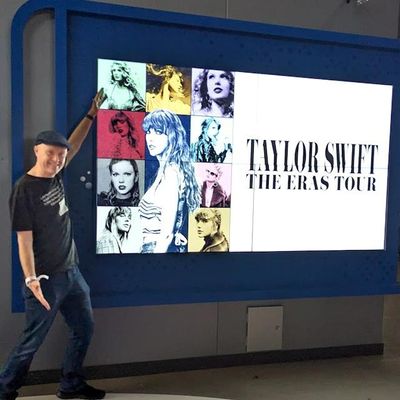
At Texas Christian University, Dr. Andrew Ledbetter, Chair of the Communication Studies Department, is turning his scholarly attention to one of pop culture’s biggest phenomena: Taylor Swift. His research uses data-driven analysis to reveal how Swift’s albums and songs build an interconnected narrative universe — what he calls her “Taylorverse.” Ledbetter ran lyrics across ten albums through semantic-network software to show how certain songs act as linchpins connecting themes of fame, womanhood, love and storytelling. “I was interested in interconnections among the song lyrics,” says Ledbetter. “The songs that are most central have a lot of overlap with other songs, might tend to be songs that are the most popular.” November 03 0 NBC News The work stands out not just for its pop-culture relevance, but for its academic innovation: combining computational text-analysis with narrative theory to unlock why certain tracks resonate more deeply than others. For journalists, cultural commentators or anyone covering the evolving intersection of music, identity and media, Dr. Ledbetter is a go-to expert. He can speak to how storytelling in music shapes audience engagement, how media fandom becomes scholarship, and why Swift’s songwriting continues to spark new research just as much as chart-topping hits. Andrew Ledbetter is available for interviews - Simply click on his icon now to arrange an interview today.


RPI to Host Holiday Concert and Troy Victorian Stroll Kickoff December 6
RPI President Martin A. Schmidt ’81, and his wife, Lyn, invite the Capital Region to join them for the RPI Holiday Concert and Troy Victorian Stroll Kickoff, which will take place on Saturday, December 6, at 7 p.m. in the Concert Hall of the Curtis R. Priem Experimental Media and Performing Arts Center (EMPAC) on RPI’s campus. This event is free and open to the public, and a reception with refreshments will follow. The concert, titled “Light in Winter,” will include performances from the RPI Wind Symphony, Concert Choir, and Orchestra, all under the direction of Robert Whalen, RPI lecturer in music and conducting. For the second year in a row, the concert will also serve as the kickoff for the 43rd annual Troy Victorian Stroll, made possible through RPI’s partnership with the Rensselaer County Regional Chamber of Commerce. “This concert is a wonderful opportunity for our students, who work so hard all year, to share their passion for music and create something meaningful for the entire community,” said Whalen. The program, following a “Light in Winter” theme, celebrates the various ways we bring light and joy to the darker winter season. “There is a common connection across cultures of lighting up the darkness in the late fall and winter, said Whalen. “Consider Diwali, Hannukah, Christmas, Alban Arthan, and others. Music and the arts, as well as education, each represent a way of sharing our inner creative light to illuminate the darkness.” During the concert, students will perform music by Smetana, Tchaikovsky, Gershwin, Lauridsen, and Saint-Saens, all following the “Light in Winter” theme. The program will feature two winners of the 2025 RPI Concerto Competition, Reese Bush '27 in Saint-Saens' "Introduction and Rondo capriccioso" for Violin and Orchestra, and Avery Roach '25 singing Gershwin's gorgeous and evocative "Summertime". Performers across the three groups represent 160 students from 34 different majors and all 5 schools, a reminder of just how curious and well-rounded RPI students are, and that art and science don’t just coexist, they actually enhance each other. The opportunity to continue growing as a musician while pursuing an engineering degree is something that connects many of us and inspires the music we create,” said Bush. “We’re excited to share our hard work and passion with the community.” The Holiday Concert is an annual tradition that celebrates peace and unity, the creativity and hard work of RPI students, and the confluence of science, engineering, and art. Combining the concert with the Troy Victorian Stroll has been a great opportunity for RPI to partner with its home city and further engage with the community. RSVP here: Media are welcome to attend.


Want a Better Thanksgiving? Start With a Screen Break
For many families, Thanksgiving weekend has quietly become a four-day screen marathon: football, streaming, shopping, scrolling through sales, and group chats buzzing in the background. Personal development coach Mark Diamond has spent decades seeing what happens when people take a different approach. After running a tech-free camp for 25 years, he’s watched kids and adults transform when phones disappear and the outdoors becomes the main event. “You can actually feel nervous systems reset,” he says. “People sleep better, they laugh more, and they have the kinds of conversations that just don’t happen when everyone’s half-present on their devices.” Diamond believes Thanksgiving is one of the easiest times of year to test what he’s learned - without asking anyone to give up the game or the parade. “You don’t have to cancel screens,” he says. “You just have to make sure they’re not the only thing you remember about the weekend.” He suggests families experiment with one simple offline tradition they can repeat every year: Everyone helps with the meal - put on some good music and try to learn to cook! Hear family stories - instead of talking about trending videos, have some questions ready to learn about the lives of relatives you don't see so often. A tech-free walk before or after dinner - leave phones at home or in pockets on airplane mode. An outdoor game (even in colder weather) - touch football, a scavenger hunt for younger kids, or a quick “around the block” relay. A “no scroll, just snap” rule - photos are fine, but posting and scrolling wait until the next day. When people are already together, Diamond notes, it’s actually easier to introduce new traditions. “You can say, ‘This year, let’s try 30 minutes of no screens while we do X.’ It feels like a shared experiment, not a punishment.” The real payoff, he says, isn’t just fewer hours online. It’s the memories and inside jokes that come from doing something real together, not just watching the same screen side by side. “We’re not going to remember every highlight reel or Black Friday deal,” Diamond says. “We remember the time we got caught in the rain on a walk, or when somebody’s throw went wildly off course and everyone burst out laughing.” In his coaching work, Diamond helps people who feel “glued to their phones” design lives where brief, meaningful offline moments are built in — starting with accessible opportunities like holiday weekends. “Thanksgiving is a perfect low-stakes test. If one tiny offline tradition makes the day feel better, that’s powerful feedback. You can carry that forward into December, and into the new year.” About the Expert Mark Diamond is a personal development coach and founder of a long-running tech-free camp. He focuses on outdoor wellness, sustainable behavior change, and helping people reconnect to happiness and real-world experiences in an age of constant screens. Mark is part of the Offline.now expert directory, contributing to the community supporting better parental modelling for device use.



Who Decided 50 Means Beige Pants?
Recently, I was invited to my friend Paul's 80th birthday party. To his credit, he did it up right. We all dressed in an '80s theme, danced to '80s music, and he even hired a Michael Jackson impersonator. It was a blast—and it got me thinking. Why do we treat milestone birthdays as such big moments? And what flashes in your head when you read "80th birthday"? A rocking dance floor—or a rocking chair? The Big Deal About Big Birthday Numbers Somewhere along the way, we decided that birthdays ending in zero were cosmic mile-markers. Turn 50? Buy beige pants. Turn 70? Slow down. Turn 80? Put away your passport. Really? Who wrote this memo—and why weren't we asked to edit it? Here's the truth: age is a marker, not a mandate. You don't "have to" start coasting at 50. You might actually be hitting your stride. At 70, maybe you're still climbing mountains (literal or metaphorical). At 80, maybe it's not about stopping travel but upgrading to business class—because you've earned the legroom. The Year Before: A Release Valve Melissa Kirsch recently pointed out something fascinating in her recent New York Times article, "Banner Year: The Year Before a Milestone (39, 59, 79) Often Carries More Anticipation and Anxiety Than the Milestone Itself. You're approaching the summit," full of pent-up energy and maybe even dread. And then you get there—and it's oddly a relief. You've crested the hill. The anticipation is gone. You're not nearing 70 anymore—you are 70. Sometimes naming the number feels like releasing a pressure valve. The Psychology of Birthday Milestones Humans love structure. We love mental reset buttons—New Year's Day, Mondays, and yes, milestone birthdays. Psychologists refer to it as the "fresh start effect." It's why we so often decide to start new habits after birthdays or holidays. But here's where it gets tricky: we often judge our progress against societal norms we've internalized without question. Be married by 30. Have kids by 40—career set by 50. Start winding work down by 60. Head to the bleachers by 70—health issues by 80. You get the point. These invisible benchmarks can make milestone birthdays feel less like celebrations and more like report cards. Instead of asking "What awed me this decade?" we ask "Why haven't I achieved X by now?" UC Berkley, Psychologist Dacher Keltner, in his book titled Awe: The New Science of Everyday Wonder, reminds us that awe is a muscle we can develop through experiences such as music, nature, crowds, or small acts of gratitude. What if we countered our harsh self-judgments with awe instead? What if milestone birthdays became moments to marvel at what we've experienced rather than tally what we haven't accomplished? Instead of seeing milestones as end points, why not use them as launchpads? At 50, instead of coasting, maybe you finally train for that half-marathon—or half-marathon Netflix binge—both count. At 70, you don't have to slow down—you might adjust the pace. Hike the mountain, but pack the good snacks. At 80, don't stop travelling—travel better. Upgrade your flight, book the tour guide, or better yet, let your grandkids carry the luggage. Milestones are invitations, not limitations. The Self-Fulfilling Prophecy of Age What we whisper to ourselves about aging matters. A lot! Psychologist Robert Merton coined the now infamous term "self-fulfilling prophecy": hold an expectation, behave as though it's true, and—voilà—it becomes true. Becca Levy's Stereotype Embodiment Theory at Yale demonstrates how cultural age stereotypes become internalized, ultimately affecting our physical, cognitive, and psychological well-being. Decades of research confirm it: people who view aging positively live 7.5 years longer on average than those who don't. Your expectations are literally a health factor. So when we tell ourselves "70 means slowing down," guess what? We often slow down. But if we say, "70 means redirecting my energy," the body and mind rise to meet it. Real-Life Icons Who Didn't Get the Memo Need proof? Could you just look around? Barbara Walters retired at 84 and lived to 93. Andy Rooney continued to share his witty commentaries on 60 Minutes until the age of 92. Grandma Moses began painting in her 70s and built an entire art career. Laura Ingalls Wilder published her first Little House book in her 60s. Benjamin Franklin produced much of his most famous work after the age of 50. These aren't exceptions. They're reminders that energy, purpose, and influence aren't tied to the number of candles. Beyond Decades: Other Ways of Marking Time Why are we so obsessed with zero-ending birthdays? Some ancient Greek philosophers suggested dividing life into seven-year stages. Other traditions slice life into "seasons" or chapters. Victor Hugo famously quipped: "Forty is the old age of youth; fifty the youth of old age." I'd add: "Seventy is the mischievous middle age of wisdom, and eighty the encore tour." We may need to stop seeing decades as finish lines and start seeing them as chapters. The real story isn't the number—it's how you're writing the next page. Routines, Rituals, Traditions As I reflected on Paul's 80th birthday, I realized that birthdays are part of a bigger theme: how we structure our lives. We often use "routine," "ritual," and "tradition" interchangeably—but they aren't the same. Routines ground us—morning coffee, workouts, journaling. They stabilize our health and cater to every age group. These predictable patterns provide comfort, calmness, and a sense of direction. They're the scaffolding that holds our days together, especially during times of uncertainty or transition. And here's something beautiful: the best way to support someone older in your life is to make connection a routine. Tuesdays on the telephone with Toonie. Jeopardy on Wednesday with Gram. Sunday brunch with Dad. These aren't just nice gestures—they're anchors. They say "you matter" in the most reliable way possible: showing up, predictably, with love. Rituals connect us to meaning—lighting a candle, walking at dusk. They remind us of our values and create moments of intention in our lives. Rituals transform ordinary acts into sacred pauses. Traditions connect us to community—holiday dinners, family reunions. But some age as well as polyester leisure suits—time to remix them. Traditions connect us to community—holiday dinners, family reunions. But some age as well as polyester leisure suits—time to remix them. The key is to keep what serves us: comfort, connection, and a sense of continuity. However, we should abandon the "I should have accomplished X by now" narrative and replace it with one of celebration and gratitude. Ask not "Am I where society says I should be?" but rather "Am I building a life that feels meaningful to me?" One of my favourite traditions comes from Denmark: on birthdays, the Danish flag is placed at the celebrant's place setting. It's a small gesture, but it turns an ordinary meal into a moment of honour. Sometimes it's the little flags, not the giant balloons, that matter most. Practical Tips (With a Wink) Write Your Own Script: Stop asking, "What should I be doing at this age?" Ask instead, "What do I want to be doing?" Shrink the Feast, Keep the Fun: Big productions can be scaled down into smaller, more frequent micro-celebrations. Take a page from Frank Sinatra and do it "my way." Invest in Memories, Not More Stuff: Hot-air balloon ride VS another knick-knack. Say Yes First, Edit Later: Pickleball at 75? Say yes. Forget your shoes later. Celebrate in Advance: Start the party a month early. Stretch the milestone like an all-inclusive buffet. Here's a thought: the older we get—whether it's 80, 90, or more—the more we should celebrate. Why restrict joy to just one day? Turn it into a birthday week. Or even better, a birthday month. We've earned it. A Toast to Us Milestone birthdays aren't warnings to slow down; they're reminders to cherish the present. They're reminders to double down. They're invitations to rewrite rituals, remix goals, and re-ignite purpose. If younger generations can say "live your best life," then let's steal that line and run with it (but don't break a hip). At every age, every stage, we can choose growth over decline, curiosity over fear, and why over why not. So the next time you're invited to an 80th birthday, picture the dance floor, not the rocking chair. Paul sure did. When I asked what's next, he smiled and said: "Finding ways to make it to 90!" Raise a glass and repeat after me: "If not now…when?" Because we're not over the hill—we're still building trails on it, with snacks. Sue Don't Retire... ReWire!


(Because “surviving” retirement is like saying you survived a salad bar—aim higher, my friend. Nobody hands out medals for dodging the croutons.) Retirement isn’t about hunkering down as if you’re waiting out a storm, counting your Werther’s Originals like gold coins until the grandkids arrive. It’s about creating Act Two—the remix of your life—that’s lively, connected, and wildly fulfilling. Think less “retirement home” and more “retirement launchpad.” The good news? You don’t need to be at any specific stage to benefit. Whether your pre-retirement and plotting your escape from the 9-to-5, mid-retirement and still adjusting your sails, post-retirement and wondering “what now?”, or simply looking for inspiration to “accidentally” leave on your spouse’s pillow, this guide is your playbook. So buckle up. Here are my "10 Commandments of Retirement Thrival"— think of them as your cheat codes for aging fabulously, with style, sass, and maybe even a standing ovation at the end of the show. 1. Thou Shalt Keep Moving Motion is lotion, darling. I’ve said this before, and I’ll keep saying it until it’s tattooed on your sneakers: your body doesn’t rust—it negotiates early retirement if you stop using it. Movement isn’t optional; it’s oxygen for your joints, muscles, and mood. Don’t ignore this commandment or file it under “tomorrow’s problem.” Tomorrow never squats, stretches, or gets 10,000 steps—you do. Start early and make it a routine. Walk, stretch, lift soup cans during commercials. If you feel daring, dance in the kitchen and startle the cat (extra points if the cat looks personally offended). The trick isn’t big gestures; it’s the small moves that add up to a second act full of energy instead of tired excuses. Fact check: The World Health Organization reports that inactivity causes 2–5 million preventable deaths annually. Translation: move it, or lose it. Maxim: Thou Shalt Keep Moving... lest ye creak louder than your old floorboards. And yes, jumping counts. Take it from someone who teaches four to five Zumba, Body Pump, RPM, Flex, and Flow, and yes, Kick Boxing to people of all ages. As a certified fitness instructor, I've seen the transformation that even the tiniest efforts can have. 2. Thou Shalt Guard Thy Health Hydrate, sleep, take your meds, and eat real food (and no, ketchup still doesn’t qualify as a vegetable, even if you put it on kale). Think of these as deposits into your “health account.” Skip too many deposits, and guess what? Your body’s cheques will bounce—hard. Let’s get specific: Water: Most of us aren't drinking enough of it. In fact, a 2024 Canadian study by Liquid I.V. reported that 63 per cent of respondents reported feeling regularly dehydrated. Yet, 74 percent of respondents were aware of the recommended daily amount of water they should drink (6-8 glasses of water per day). Yes, coffee helps a little, but wine doesn’t count. Also, keep in mind that as cooler weather approaches, dehydration can often become less noticeable. However, through skiing, snowboarding, skating, or simply the regular course of daily activity, hydration must be monitored just as much in the winter as in the summer. Hydration isn’t optional — it fuels your energy, digestion, and even cognitive sharpness. Forgetting to drink water? That's no excuse. Just download an app for your phone. The "Water Reminder" App is great and it's free! Sleep: Aim for 7–9 hours of sleep per night (CDC, 2024). Less than that doesn’t make you a hero; it makes you a cranky health risk. Chronic sleep deprivation is linked to heart disease, diabetes, obesity, and depression. Translation: bedtime is self-care, not surrender. Meds: Here’s the reality—According to the WHO, about 50% of people don’t take their medications as prescribed. Missing doses isn’t “oops, I forgot”—it’s a slow-motion sabotage of your health. Non-adherence leads to unnecessary hospital stays, complications, and yes, premature exits from the party. The solution? Create a system: use pill organizers, set alarms, download apps, or keep sticky notes on the fridge—whatever helps you stay consistent. Fact check: According to Harvard, good health routines can reduce the risk of chronic disease by up to 40%. That’s not a suggestion; that’s a bargain. Maxim: Guard thy health… lest thy golden years turn into waiting-room marathons 3. Thou Shalt Simplify Thy Finances Paper statements from 1983? Cute. But clutter isn’t just untidy—it’s risky. Scammers thrive on confusion nearly as much as raccoons love your green bin. Automate what you can, consolidate what you must, and shred the rest. Remember this fact: how we handle one aspect reflects how we handle everything. If your finances are a chaotic jumble of forgotten accounts and mysterious charges, you’re likely bringing that chaos into other areas of your life. Money can be daunting for many, but don’t make it worse by spreading it across multiple banks, credit cards, and half-finished spreadsheets. We want to engage with our finances, not withdraw from them because of overwhelm. And let’s be honest—leaving a financial mess for your heirs isn’t just uncool, it’s the opposite of building a legacy. Don’t be the reason your kids fight over who has to sift through shoeboxes of bank statements and expired loyalty cards. Make a pot of coffee, hold your nose, and simplify. If it feels too overwhelming, hire a trusted professional—yes, it’s an investment, but peace of mind pays dividends. Also, don’t wait. Tomorrow is not guaranteed, and too many people run out of tomorrows before they ever get around to cleaning up their finances. Here’s a simple formula: Simple = Automate, Consolidate, Eliminate, Delegate. (If it doesn’t fit one of those buckets, it’s clutter.) Fact check: Canadians aged 65 and older lose more than $500 million annually to fraud (Source: RCMP). A streamlined financial life makes you a smaller target. Maxim: Simplify thy finances… lest ye become the star of Scam-baiters: Seniors Edition. 4. Thou Shalt Build Emotional Resilience Retirement can be joyful or lonely. The key often lies in how you build your emotional toolkit. Start by finding a “third place” (somewhere outside of home or work): a coffee shop, gym, church, pickleball club, or karaoke night. Bonus points if it includes cake. But resilience isn’t just about where you go; it’s about what happens in your mind. Your self-talk is the constant soundtrack of your life. If there are many ways to get downtown, there must also be many ways to reframe what just occurred. Did you forget your keys? Maybe it’s an opportunity to practice your steps. Reframing is a vital life skill—it can turn setbacks into stepping stones, boost your confidence, and protect your self-image from unnecessary harm. Practicing resilience also involves enhancing your self-esteem. Read thinkers like Mel Robbins (famous for the “5 Second Rule”) who promote simple, actionable mindset shifts. Mental health pioneers such as Carl Rogers and Nathaniel Branden highlight self-compassion, strengths-based approaches, and Cognitive Behavioural Therapy (CBT) techniques as effective ways to reshape one’s self-image. Even parents and teachers have long recognized that positive reinforcement in childhood helps establish resilient adults. The good news? You can still re-parent yourself today by practicing gentler self-talk and focusing on your strengths. And remember: loneliness has a cost. According to the U.S. Surgeon General, chronic loneliness is as damaging as smoking 15 cigarettes a day. Emotional resilience isn’t optional—it’s a form of preventative health. Maxim: Build resilience... or you'll find yourself yelling at the weather forecast all alone. 5. Thou Shalt Know Thy Values Your values are your North Star. They guide your choices, shape your relationships, and keep you grounded when life gets messy. Forgive quickly, return Tupperware (with cookies, if you’re classy), and keep your promises—especially when caffeine is involved. As Teddy Roosevelt once said, “If you don’t stand for something, you will fall for everything.” And let’s be honest, falling gets riskier with age. For many of us, values become a cornerstone in later years—a kind of personal compass that points not just to what we do, but who we are. Passing on a good set of values is one of the greatest legacies you can leave. It’s something to be proud of, but here’s the trick: don’t hand them down like stone tablets from a mountaintop. Instead, offer them like an irresistible invitation—guidelines that inspire, not commandments that suffocate. Leave room for others to adapt, remix, and make them their own. That way, your values live on not as rigid rules, but as living gifts. Maxim: Know your values... lest you drift like a Costco cart with a broken wheel. 6. Thou Shalt Not Retire Without Purpose Purpose doesn’t have to mean curing cancer. It could be as simple as baking banana bread that makes your neighbours swoon, mentoring a younger colleague, painting watercolours, or volunteering at the food bank. What matters isn’t the scale—it’s the spark. Without purpose, retirement can feel like a never-ending long weekend, with Monday never arriving. That might sound good for a while, but trust me: eternal Saturdays get old fast. Here’s why this matters: Studies consistently show that purpose literally adds years to your life. A landmark 2002 Yale University study, led by psychologist Becca Levy, found that people with a positive outlook on aging lived an average of 7.5 years longer than those without. And Dan Buettner, author of The Blue Zones, has documented how centenarians around the globe credit purpose (or ikigai, as the Okinawans call it) as a key factor in their longevity. Purpose isn’t just a nice bonus; it’s a life extender. Finding your purpose can seem overwhelming, but start by taking small steps. Begin by removing what you don’t want—that’s often the most straightforward way forward. Purpose is also about creating a legacy. It’s not just about how you live, but how you’ll be remembered. You have the power to craft a story that outlives you, whether through relationships, creativity, community impact, or simple acts of kindness. This is why my personal mantra is: Don’t retire… rewire. Retirement isn’t an ending—it’s your opportunity to craft the most meaningful chapter yet. Maxim: Have purpose… lest ye binge more shows than Netflix can fund. 7. Thou Shalt Create Joy and Laughter Adults laugh about four times a day. Kids? Closer to 400. There is something drastically wrong with this statistic. Somewhere between filing taxes and misplacing our bifocals, we’ve lost our bearings—time to take them back. Joy and laughter aren’t luxuries—they’re vital for our survival. Here’s how to get your daily dose: watch I Love Lucy reruns (Lucy never fails), subscribe to a “joke-a-day” email, or better yet, send a funny joke to a friend or grandchild via text. Join a laughter yoga class, stream a comedy special, or dust off those “dad jokes” that make you roll your eyes. The goal isn’t polished comedy—it’s allowing yourself to be silly. And don’t overlook this: Laughter is both contagious and magnetic. People (yes, even your relatives) want to be around joy, not another monologue about your lumbago. Laughter is also a clever rebranding tactic. Instead of being “that cranky retiree,” you can update your image to “the one who brings the fun.” Need more on this? Check out my blog: What’s Your Brand, Boomer? Boomer?https://expertfile.com/spotlight/10790 Maxim: Create joy… lest ye petrify into a cranky old codger. 8. Thou Shalt Always Have Hope on the Calendar Hope is a date with tomorrow. It’s the promise of Taco Tuesday, a small road trip, or lunch with friends. It doesn’t need to be Paris—unless you’re offering, then yes, Paris (and I’ll pack light). Here’s why it matters: hope isn’t just feel-good fluff—it’s fuel. Research indicates that hope enhances resilience, reduces stress, and even strengthens the immune system. Viktor Frankl, a psychiatrist and Holocaust survivor, famously noted that prisoners in concentration camps who clung to hope—even a flicker—did better than those who gave up. Hope literally helps us survive, but more importantly, it allows us to thrive. Your mindset is the driving force behind how you present yourself to the world. A hopeful outlook radiates within you, affecting your energy, healing, and how you handle daily challenges. And here’s the surprise: hope is contagious. Surround yourself with hopeful people, read inspiring stories or books, and intentionally plan activities to look forward to. Pair it with gratitude—it’s the ideal companion—and you’ll cultivate a daily practice that enhances your mindful well-being. Remember: you have nothing to lose. Being “right” about your ailments, family drama, or the world’s troubles won’t help. But choosing happiness? That just might. I dare you. Maxim: Always have hope… lest thy days blur into “laundry o’clock.” 9. Thou Shalt Find Thy Person Everyone needs someone they can call at 8 p.m. who will actually answer (sorry, Siri doesn’t count—and Alexa is a terrible listener). Pick your person, and just as importantly, be theirs too. This isn’t about being needy — it’s about being human. Decades of research show that strong social connections aren’t just warm fuzzies; they’re lifelines. Harvard’s landmark Study of Adult Development — the longest-running study on happiness — found that close relationships are the single most significant predictor of long-term health and well-being, even more than wealth or fame. Meanwhile, the U.S. National Institute on Aging notes that loneliness is as harmful to physical health as smoking 15 cigarettes a day. Yes, fifteen. Your support system safeguards both your body and mind, resulting in lower blood pressure, enhanced immune function, sharper cognition, less depression, and a longer life. Friendship acts as preventive medicine. So don’t overlook this one. Arrange that coffee, send the silly meme, answer the late-night call. Your health relies on it. Maxim: Find thy person… lest ye end up pouring your heart out to Alexa, Alana or whatever her name is. 10. Thou Shalt Declutter Thy Life Decluttering isn’t just for closets—it’s for your mind, your finances, and your garage full of “vintage” ski poles that last saw snow in 1987. Think of it as spring cleaning for your soul. Bonus: Swedish Death Cleaning (döstädning, if you want to impress your friends at dinner parties) saves your kids from having to rent a dumpster in your honour. The Guardian popularized this movement, reminding us that downsizing possessions while we’re alive is the ultimate gift to loved ones—practical, compassionate, and oddly liberating. Here’s the flip side: hoarding—or its younger cousin, “not throwing anything out”—becomes more common as we age. It clutter not only our homes but also our minds, increasing stress, fall risks, and social isolation. The Mayo Clinic notes that hoarding is linked to depression and anxiety, and in older adults, it can seriously impact safety. Awareness is your first defence—don’t become a statistic. Follow the simple 1 item in, 1 item out” rule. When you bring home a new sweater, let go of an old one. If you buy a fancy gadget, put aside the bread maker that’s been collecting dust since 2002. Respect your space and maintain cleanliness, and you’ll enjoy more clarity, peace, and perhaps even more visits from relatives—who might stay for a cup of tea instead of rushing for the door. Maxim: Declutter your life... lest you become the star on Hoarders: Golden Years Edition. The Final Scroll As my friend Lottie often says, “Looking after yourself is a full-time job.” Authentic—but unlike your old 9-to-5, the boss is fantastic (you), the hours are flexible, and the benefits are, quite literally, life-extending—no HR paperwork needed. So live it. Share it. Laugh through it. Retirement isn’t about shrinking back — it’s about thriving forward. This is your encore, your second act, your chance to rewrite the script. You’ve got the commandments, the cheat codes, and hopefully, a few good jokes left in your pocket. Remember: joy, purpose, resilience, health, hope, and laughter aren’t extras—they’re essential. Add them daily like vitamins, and watch the years become richer, not just longer. And if all else fails? Put on some music, dance in your kitchen, and scare the cat or the neighbours if the curtains are open. Because retirement isn’t the end of the book—it’s the chapter where the hero (that’s you) finally gets to write their own plot twist. Don’t Retire—Rewire. Sue p.s. Want more retirement hacks (and a few laughs)? I share them weekly on my new Substack — with special offers and early invites to upcoming events. You can subscribe here: #RetirementReset #HealthyAging #FinancialWellness #PositiveAging #SecondActSuccess

Inflation: It’s Not Just for Prices Anymore
Lately, headlines are full of talk about inflation — a response to the economy and the looming tariffs. I’ve experienced many inflationary periods, but it feels different in retirement. When I was earning a paycheque, inflation was just an annoyance, something I needed to pay attention to and maybe buy a cheaper cut of steak. Now, as someone on a “fixed income,” it feels like a real threat. Recently, Ben McCabe, CEO of Bloom Financial, appeared on Breakfast Television and delivered a truth bomb: “We’re approaching a perfect storm. Longer life expectancy, fewer defined benefit pensions, and rising inflation.” Well, that storm has arrived — and it’s inflating more than just prices. It’s also expanding our waistlines, prescription lists, and emotional baggage. Inflation, at its core, means “the condition of being inflated.” And it turns out that definition applies to more than the grocery bill. So, grab a cup of green tea (or a celery stick if you’re feeling virtuous). Let’s explore the three sneaky forms of inflation threatening your retirement — and what you can do about them. This blog will appeal to individuals who have retired or aspire to retire in the future. Let’s light this candle! 1. Financial Inflation: The Usual Suspect Let’s start with the obvious: inflation means your money won’t stretch as far as it used to. In 2022, Canada’s Consumer Price Index increased by 6.8% — the highest rise in 40 years. Although it slowed down a bit in 2023, essentials such as food, rent, and fuel continue to grow. Your retirement income might be fixed, but prices definitely aren’t. Retirement Risks from Financial Inflation: • Longer lives mean longer bills. A 65-year-old woman today has a 50% chance of living past 90 years old. That’s over 25 years of expenses. • Vanishing pensions. Defined benefit pensions are disappearing faster than good manners on Twitter. • Healthcare creep. Public healthcare doesn’t cover everything, especially if you want care that wasn’t designed in 1978. As Ben McCabe aptly put it: “We need to stay healthy so our health span matches our lifespan,” huh?— “otherwise, inflation will affect us through the cost of medications, home care, and long-term care facilities.” What You Can Do: • Review your income sources. Prioritize indexed income sources, such as CPP, OAS, and annuities with COLA (Cost of Living Adjustment) riders. • Use home equity sensibly. If you’re house-rich but cash-poor, consider a reverse mortgage or other equity release products. • Adjust your spending habits. Host themed nights, like “Tuna Tuesdays” — a nostalgic, fun, and budget-friendly option. How to Support Others: • Discuss money matters with kindness. Many retirees feel ashamed of their finances. Show compassion, listen more, talk less. • Bring food, not judgment. A regular Saturday brunch with Sadie can make a significant difference, not just financially. • Foster social connections. Financial stress can cause isolation. Encourage hosting potlucks, card nights, or joining a community group. 2. Physical Inflation: The Expanding Middle Retirement brings more free time… and more room. Waistlines, cholesterol, and prescriptions all seem to rise in tandem. Signs you’re experiencing physical inflation: • Pants that used to be snug are now aspirational • Your Fitbit died months ago — and so did your motivation • Your pharmacy knows you by name... and birthday The bad news? Poor physical health is expensive. Chronic illness can deplete savings faster than a grandchild with your credit card. What You Can Do: • Keep moving. Walk, garden, spin — whatever gets you vertical and vibrant. • Lift weights. Muscle mass starts declining at 40. Resistance training isn’t just for 20-somethings. Strong is the new sexy, pass it on! • Meal plan smart. Grocery inflation peaked at 8.9% — eat better, waste less, save more. Consider shopping daily and buying only the amount of food needed for that day. Your health span should align with your lifespan. Stay strong, stay mobile, and yes, stretching counts — but not if you’re reaching for the TV remote. Inflammation — The Silent Saboteur If inflation is bad, inflammation is worse. Chronic inflammation contributes to: • Heart disease and stroke • Type 2 diabetes • Alzheimer’s disease and brain fog • Arthritis, osteoporosis, and varicose veins • Mood disorders such as anxiety and depression • Certain Cancers Even CNN and Al Jazeera recently reported that Donald Trump was diagnosed with chronic venous insufficiency (CVI) — a common, often overlooked condition among those over 55. Small veins, big problem. (Insert your own “tiny vein, tiny…” joke — I’m staying classy.) Inflammation is the unwelcome guest that never departs. If inflammation had a personality, it would be the dinner guest who drinks all your wine, insults your cat, and brings up politics at dessert. Whether it's fueling joint pain, causing swelling in your ankles, or messing with your metabolism, chronic inflammation is one of the biggest saboteurs of aging gracefully. It often hides in plain sight, presenting itself as: • Low-grade fatigue • Weight gain (especially belly fat) • Mood swings or brain fog • Increased pain and stiffness • Slow healing. What You Can Do: • Eat anti-inflammatory foods, such as leafy greens, whole grains, and healthy fats. Cut out the sugar. • Move each day. Yes, again. It’s that important. • Lower stress to improve sleep. Stress and poor sleep fuel inflammation. • Maintain social and emotional bonds. Loneliness and inflammation are frequently connected — break the link. De-Inflation — The Great Slowdown • So, we’ve discussed inflation... but what about its quieter, sneakier cousin: deflation? • No, not the economic kind. We’re talking about the physical “poof” that occurs when we reach our late 70s and 80s — when the padding diminishes, posture declines, and everything else… well, just seems a little less buoyant. • Suddenly, you’re shrinking. Your weight drops — but not in a sexy, "I’ve been intermittent fasting" kind of way. More like "my pants are falling down and my doctor says I’m 2 inches shorter" sort of vibe. Welcome to the gravitational pull of aging. Signs of De-Inflation: • Pants fit strangely, but not in a bragging way • You’re hunched over as if you’re forever bowing to the Queen • Your arms and legs have that crepey, crinkly look — like tissue paper with a gym membership • And let’s not forget the wrinkles on your face — a stunning topographical map of your life Let’s be honest: gravity always wins. Biology always wins. And yes, our skin thins — insert your own joke about being “thin-skinned” here. But we are not entirely powerless. Here’s How to Push Back (Gently — you don’t want to break a hip): • Check your posture monthly. Have a friend take a quick side photo. Are you upright and confident — or resembling a question mark? • Stretch regularly. Yoga, fascia stretching, and massage can help combat the hunch. • Move intentionally. Gentle strength training and balance exercises can maintain muscle and stability. • Moisturize and hydrate. For your skin, your joints, and your soul. • Celebrate your lines. They’re not “flaws” — they’re proof you’ve felt joy, sorrow, surprise, and a few good martinis. They’re not signs of aging; they’re signs you’ve been living. Remember: frowning only causes more wrinkles. So, smile — or better yet, laugh. Loudly. Often. Preferably at inappropriate moments. Oh — and take my advice on this: never (and I mean never) open your eyes during downward-facing dog. Some things just can’t be unseen. 3. Emotional Inflation: When Grudges Accumulate Like Interest Here’s the sneaky one. Emotional inflation appears as: • Bitterness over who got what in Mom’s will • Inflated egos and “right-titis” (a chronic need to be right) • Replaying 1983 arguments in your head like they’re Oscar contenders. • Giving not-so-nice nicknames to your former coworkers (and using them… publicly) • Keeping a mental spreadsheet of injustices — now colour-coded for quick reference (who says seniors are not tech-savvy?) Here’s the thing: emotional inflation isn’t just about what others have done. It’s also about how we interpret our role in those stories. Ready for a bold idea that can free you from decades of emotional baggage? What if we stopped keeping score and instead focused on how we want to show up in our relationships? What if you chose, intentionally, to be a generous sister, a supportive friend, a gracious parent, or a collaborative co-worker — not because they "deserve it," but because that's who you want to be? It’s not easy. It may require deep breathing and the occasional muttering in the car. However, for those willing, this mental reframe can be a total game-changer. What to do: • Let go. You can’t carry joy and a grudge at the same time — and joy is lighter. Lighten the emotional load. You don’t need to wait for someone to say sorry to feel free. • Choose your character. Think of it as casting yourself in the movie of your life. Be the wise one, the peacemaker, the person who breaks the cycle, not the one still angry about a forgotten birthday in 1996. • Write your own story. Present yourself as the person you want to be, even if others haven’t read the same script. You can’t control other people, but you can control how much space they occupy in your mind (especially if they’re not even paying for snacks). • Reframe your perspective. Instead of keeping score, focus on who you want to be: a generous sibling, a gracious friend, or a person at peace. Let go of the scorekeeping. It rarely results in a tie, and even if you win… You still feel empty. • Define your role. Be the big-hearted sibling, the calm presence, the one who lets go, not the person who stores bitterness in Tupperware containers. • Invest in joy. Dance classes, martinis, laughter — choose your remedy. • Talk it out. Therapy is more affordable than wine-fuelled Facebook rants and far more effective. Take the high road. There’s less traffic and better scenery. You can’t always avoid emotional hurt, but you can avoid living in a constant state of emotional inflation. And trust me, nothing deflates retirement faster than a bloated list of resentments. And if you’re feeling weighed down by the bloat of what life has thrown at you, remember: you can’t control inflation, but you can choose your response. Choose grace over grudges. Choose strength over stagnation. Choose the version of yourself that makes you proud. Because guess what? You’re still becoming who you are. Trust me — it’s better than a juice cleanse and more affordable than therapy. Some people age like fine wine; others age like vinegar. Emotional inflation is the burden you carry that doesn't show on the scale, but it weighs everything down. You can’t rewrite someone else’s story, but you can decide how to present yourself in your own. Taking the high road is less crowded and provides better perspectives. Inflation May Be Inevitable — But Misery? That’s Optional. Inflation has seeped into our lives like glitter at a craft table — impossible to contain and popping up in the most unexpected spots. It’s not just your budget that’s swollen (thanks to blueberries and Botox), but also your belly, your prescription drawer, and — if you’re not careful — your resentment list. But here’s the good news: While you can’t control how high prices go, how slow your metabolism becomes, or how long Uncle Jerry holds a grudge… You can control your response. So, here’s your call to calm, intentional, fabulous action: 1. Reclaim your power — in your spending, your body, and your mindset. 2. Choose curiosity instead of crankiness. Move more instead of staying still. Salad rather than salt (well… sometimes). 3. Be the kind of person who ages like disco — a little dramatic, slightly sparkly, and always ready to dance. And if you absolutely must inflate something… make it your sense of humour. Because in the grand game of Retirement Inflation Nation, laughter is your best hedge — and it’s fully indexed to joy. Oh — and if you're wondering whether I practice what I preach: I'm a certified fitness instructor and teach 5 jam-packed fitness classes a week at Canada’s largest gym. Movement isn’t just medicine — it’s music, community, and yes, a fabulous way to earn the right to your next martini. So, take it from someone still riding the rhythm of life — gravity is real, but so is joy. And we’re still dancing under the stars. (Here’s proof from the Coldplay concert — yes, I was the one yelling “Fix You” with both hands in the air and not a single regret.) Keep inflating the things that matter: your laugh lines, your playlist, and your purpose. With love, lunges, and a little glitter, Sue Don’t Retire... Rewire!

What did Ozzy Osbourne mean to music?
The world lost a heavy metal pioneer on Tuesday when Ozzy Osbourne, the frontman for the group Black Sabbath who went on to astounding commercial success as a solo artist, died at the age of 76. University of Rochester music professor John Covach can help frame the contributions the self-proclaimed “Prince of Darkness” made to the genre of heavy metal and popular music. “What’s That Sound?: An Introduction to Rock and Its History,” which Covach wrote with Carleton College professor Andrew Flory, is widely considered a landmark history of rock music. Covach can help distill heavy metal’s history and influences and Osbourne’s place in both. He recently helped The New York Times explain what made the album “Pet Sounds” a masterpiece for Beach Boys chief songwriter Brian Wilson. He has offered commentary to the New York Daily News on why artists might relinquish ownership of their music. Last year, he offered thoughts to The Boston Globe on the timeless appeal of aging rock ‘n’ rollers who are still packing arenas. Connect with Covach by clicking on his profile.



Yes, Ringo Starr just turned 85. Let that sink in. I read this in the Washington Post and felt like a bag of Beatles vinyl had walloped me. How is this possible? How can the mop-top drummer be 85 when I was dancing to “Yellow Submarine” in bell-bottoms with a brush for a microphone? More urgently: how old does this make me?! Ringo isn’t slowing down. He’s still touring with two bands, making music, flashing that cheeky Liverpudlian smile, and preaching peace and love as if he’s got nowhere else to be. No plans to retire. No plans to fade away. Just a rockstar with a great attitude... and maybe a titanium hip (unconfirmed). This made me realize that, as the birthday candles on my cake now need a fire permit, “attitude” plays a huge role in how we age. Based on the feedback I received from my last post, “What’s Your Brand, Boomer?”, it’s clear that many people are genuinely interested in managing their personal brand as they age. This week, I want to go deeper—because whether you’re 45 or 85, you are Old People in Training. That’s right. Every one of us is aging in real-time, and understanding the stages ahead—either for ourselves or our aging loved ones—helps us walk this path with humour, grace, and fewer surprises. So, here they are: The 8 (Unofficial but Uncannily Accurate) Stages of Aging 1. The Stand-Up-and-Forget-Why Stage (Kicks in around mid-to-late 50s) You walk into a room with purpose, then wonder: was I here to fold laundry, pay a bill, or practice my slow blink? Bonus points if you’re already wearing the glasses you’re hunting for. How it helps: Eases forgetfulness. It’s not early dementia; it’s early distraction. Keep a notebook or use Voice Memos. Or do what I do: shrug, laugh, and keep walking until something jogs the memory (usually coffee). 2. The “Senior? Not Unless There’s a Discount” Stage (Hits in your early 60s) You bristle at the word “senior,” unless it saves you $2.50 at the movies or 15% at Shoppers. Suddenly, age becomes a tool, not a label. How it helps: Celebrate the advantages! You’ve earned them. And remember: owning your age is the new anti-aging remedy. Confidence looks good on everyone. Remember, you are still that age, whether you admit it or not. You might as well save some money! 3. The “Yes, I Really Am That Age” Reminder Stage (Kicks in around 65) You find yourself saying your age out loud like it’s a riddle. "I’m 65. Sixty-five! Isn’t that wild?" You’re still trying to catch up with the numbers, or maybe you’re worried you’ll forget your age. How it helps: Accept the number without letting it define you. It’s not a limit — it’s a launchpad. Bonus: Use it as an excuse to do something you’ve always put off. 4. The Replacement Parts Stage (Hits in the early to mid-70s) Welcome to orthopedic roulette: knees, hips, maybe a shoulder. You collect joint replacements like frequent-flyer miles. Fortunately, modern medicine allows for joint replacements to be performed more quickly than ordering takeout. Still waiting for Staples to offer 3D-printed hips. How it helps: Embrace science instead of fighting it. Biology always prevails! Mobility equals independence. And nothing embodies “active aging” like beating your grandkids at pickleball with a shiny new titanium knee. 5. The “I’ve Run Out of F*cks to Give” Stage (Kicked in the late 70s into the early 80’s) You’ve earned the right to speak your mind—and wear socks with sandals. You say what you want, mean what you say, and anyone who doesn’t like it can take a number. Opinions? Too many! Filters? Deleted. Freedom? Glorious. Friends? Running for cover! How it helps: This is peak freedom. Use it wisely. Advocate, participate, mentor, and model what unapologetic living looks like. You’re the elder statesperson now—be bold, not bitter. 6. The Cataract Conspiracy Stage (Kicks in mid-to-late 70s) Lights appear like halos, and reading menus becomes an Olympic event. But don’t worry—cataract surgery is so common it’s practically an oil change. And voilà: brighter colours, more precise lines, less squinting. Spoiler Alert: You will now be able to see how poor your housekeeping skills are! How it helps: Get your eyes checked. Don’t delay. Seeing clearly again can literally brighten your outlook—and maybe even your attitude. 7. The “Say What?” Stage – The Hard-of-Hearing Stage (Late 70’s+) This one sneaks up like a whisper… which is ironic, because you probably won’t hear it. At some point, for most of us, hearing begins to decline like old payphones and eight-track tapes. It might start with missing parts of conversations in noisy restaurants or asking people to repeat themselves (just once… or five times). Eventually, it’s full-blown “Say what?” territory. Many avoid wearing hearing aids because—let’s face it—they feel like a flashing neon sign that says, "I’m old!" But here’s the real issue: pretending to hear is much worse. It can lead to social withdrawal, isolation, and even strained relationships. And we’re not just making this up for dramatic effect—studies at John Hopkins School of Medicine show that untreated hearing loss is linked to a higher risk of dementia, depression, and cognitive decline. There’s also the loud TV effect—when your neighbours across the street can hear your Netflix queue, it’s time to see an audiologist, not to mention the safety concern: driving with impaired hearing is risky; sirens, honking horns, or even a warning from a passenger might go unnoticed. So, if your “What?” count is rising and your TV volume is climbing towards aircraft-engine decibels, take action. Getting your hearing tested doesn’t mean you’re old—it means you’re informed (and honestly, more enjoyable to be around). Because nothing celebrates “vibrant aging” more than staying connected to the world—and actually hearing it. Stage 8: The Long Goodbye – When Friends Start to Leave the Stage I’ve heard from seniors about Stage 8… and without exception, they say it’s one of the toughest parts of aging. This is the stage when the long goodbye starts—quietly at first, then with increasingly frequent moments. Your phone rings less often. The chairs at the coffee group gradually empty. One day, you realize you’re not just losing friends—you’re outliving them. It’s part of the circle of life, for sure—but no Lion King soundtrack can ease the heartbreak. This stage exposes some of our deepest fears: Will I be next? Who will mourn me? Does anyone even know I’m still here? It’s a time of grief, loneliness, and silent despair. And while you can’t fast-forward through it, you don’t have to walk it alone. If you’re an “Old Person in Training” (which, reminder: we all are), listen up. This stage isn’t just something that happens to others—it’s your future self, waving from down the road. Learning about it now prepares you to guide others through it with grace and to soften your own landing when the time arrives. And if someone you love is already there? This is your cue. Show up. Don’t wait to be invited—grief rarely sends formal RSVPs. Phrases or clichés like “they’re in a better place” won’t suffice here. These are nothing burgers—all bun, no meat—empty calories in a moment that needs nourishment. Show up. Stay steady. Be the evidence that they are still recognized, still cared for, still part of something meaningful. What they truly need is presence, not presents. Time, not timelines. They need to feel they are not alone. Sit with them. Walk with them. Watch Jeopardy in silence if that’s what the day calls for. But whatever you do, don’t disappear. Because one of the most profound gifts we can give in this stage isn’t a cure—it’s companionship. Science Confirms It: Attitude Is a Lifespan Strategy Tongue-in-cheek aside, these aging observations are backed by science: Positive beliefs about aging can extend life by 7–8.5 years. (Source: PubMed – Levy et al.) Optimism correlates with lower heart disease, stroke, and a 70% greater likelihood of reaching age 85. (Source: Harvard Health) Positive mindset boosts recovery, brain health, and resilience after illness. (Source: Harvard Health) So, what can we learn from Ringo? Keep creating – Music, art, businesses, bad poetry. It keeps the brain limber and the soul alight. Stay curious – Sign up for that course. Take the trip. Ask questions. Enrol in the MBA. (Looking at you, 69-year-old rockstars.) Lean into joy – Laugh like nobody’s judging. Dance like your knees aren’t watching. Surround yourself with good vibes – Optimism costs nothing and glows brighter than Botox. Remember, it’s not your age—it’s your outlook. So next time you stand up and forget why you did, just grin and say: ‘I’m aging like a Beatle. Still standing. Still grooving. Still fabulous.” And if you ever need a pep talk, ask yourself: “What would Ringo do?” Don’t’ Retire Re-wire Sue

Need a music expert? John Covach hits the right notes
Attention music journalists: When there are developments in the music industry — whether it be the emergence of a new sound, a growing trend in experiencing and listening to music, or the death of an influential artist — John Covach lends valuable perspective to your stories. Covach, a prominent rock and pop music historian who directs the Institute of Popular Music at the University of Rochester, is regularly sought out by news outlets around the world. He recently helped The New York Times explain what made the album “Pet Sounds” a masterpiece for Beach Boys chief songwriter Brian Wilson. He has offered commentary to the New York Daily News on why artists might relinquish ownership of their music. Last year, he offered thoughts to The Boston Globe on the timeless appeal of aging rock ‘n’ rollers who are still packing arenas. “It doesn’t matter that they can’t sing the high notes anymore,” Covach told The Globe. “It doesn’t matter that they’re kind of stooped over. We’re seeing the person we remember from 40 or 50 years ago.” Covach is a wealth of knowledge and an accessible expert. Connect with him by clicking on his profile.

Expert Perspective: The Hidden Costs of Cultural Appropriation
In our interconnected world, cultural borrowing is everywhere. But why do some instances earn applause while others provoke outrage? This question is becoming increasingly crucial for business leaders who must carefully navigate cultural boundaries. Take the backlash the Kardashian-Jenner family faced for adopting styles from minority cultures or the controversy over non-Indigenous designers using Native American patterns in fashion. These examples highlight the issue of cultural appropriation, where borrowing elements from another culture without genuine understanding or respect can lead to accusations of exploitation. Abraham Oshotse, an assistant professor of organization and management at Goizueta Business School, along with Assistant Professor of Sociology and Anthropology at Hebrew University Yael Berda and Associate Professor of Organizational Behavior at the Stanford Graduate School of Business Amir Goldberg, explores this in their research on “cultural tariffing.” They shed light on why high-status individuals, such as celebrities or industry leaders, often come under fire when crossing cultural boundaries. The Concept of Cultural Tariffing Oshotse and coauthors define cultural tariffing as “the act of imposing a social cost on cultural boundary crossing. It is levied on high-status actors crossing into low-status culture, in order to mitigate the reproduction of the status inequality.” This notion suggests that the acceptance or rejection of cultural boundary-crossing is influenced by the perceived costs and benefits. Cultural appropriation involves taking elements from a culture that one does not belong to, without permission or authority. For example, when Elvis Presley brought African-American music into the mainstream, it was initially seen as elevating the genre. However, in today’s context, such acts might be criticized as appropriation rather than celebration. This research seeks to analyze people’s modern reactions to different examples of cultural boundary-crossing and which conditions induce cultural tariffing. The Hypotheses The researchers make four hypotheses about participants’ reactions to cultural appropriation: People will disapprove of cultural borrowing if there’s a clear power imbalance, with the borrowing group having more status or privilege than the group they are borrowing from. Cultural borrowing is more likely to be criticized if the person doing it has a higher socioeconomic status within their social group. Cultural borrowing is more likely to be criticized if the person doing it has only a shallow connection to the culture they’re borrowing from. Cultural borrowing is more likely to be criticized if the person doing it benefits more from it than the people from the culture they are borrowing from. Put to the Test Oshotse et al exposed respondents to four scenarios per hypothesis (16 total) with a permissible and a transgressive condition. In the permissible condition, subjects exhibit lower status or socioeconomic standing or a stronger connection to the target culture. Subjects in the transgressive condition exhibit a higher status or socioeconomic standing and less of an authentic connection to the target culture. Insights from the Study Oshotse’s study offers four key insights: Status Matters: Cultural boundary-crossing is more likely to generate disapproval if there’s a clear status difference favoring the adopter. Superficial Connections: The less authentic the adopter’s connection to the target culture, the more likely they are to face backlash. Socioeconomic Influence: Higher socioeconomic status within the adopter’s social group increases the likelihood of disapproval. Value Extraction: The more value the adopter gains relative to the culture they’re borrowing from, the higher the disapproval. These insights are crucial for leaders who want to navigate cultural boundaries successfully, ensuring their actions are seen as respectful and inclusive rather than exploitative. Real-World Implications for Business Leaders Why does this matter for business leaders? Understanding cultural tariffing is crucial when expanding into new markets, launching multicultural campaigns, or even managing diverse teams. The research suggests that crossing cultural boundaries without deep understanding or respect can backfire. That’s especially true when the adopter holds a higher socioeconomic status. Consider the example of a luxury brand adopting traditional African patterns without engaging with the communities behind them. In this case, it risks being seen as exploitative rather than innovative. The consequences aren’t just reputational; they can also impact the brand’s bottom line. This research isn’t just about isolated incidents; it mirrors sweeping societal shifts. Over the past 50 years, Western views have evolved to embrace ethnic diversity and multicultural exchange. But with this newfound appreciation comes a fresh set of challenges. Today’s leaders must navigate cultural interactions with greater care, fully aware of the historical and social contexts that shape perceptions of appropriation. In today’s global and interconnected business landscape, mastering the subtleties of cultural appropriation and tariffing is crucial. Leaders who tread thoughtfully can boost their reputation and success, while those who falter may face serious backlash. By understanding the hidden costs of crossing cultural boundaries, business leaders can cultivate authentic exchanges and steer clear of the pitfalls of appropriation. Abraham Oshotse is an assistant professor of organization & management. He is available speak to media regarding this important topic - simply click on his icon now to arrange an interview today.

