Experts Matter. Find Yours.
Connect for media, speaking, professional opportunities & more.

Villanova Nursing Professor Addresses Overlooked Roles in Mental Health Care
Mental health crises, such as suicidal ideations or attempts, present profound challenges, not only for the individuals experiencing them, but also for the families and professionals who provide care. Parents, in particular, often find themselves stepping into the role of a primary healthcare provider when a child returns home from mental health inpatient treatment. Guy Weissinger, PhD, MPhil, RN, the Diane Foley Parrett Endowed Assistant Professor of Nursing at Villanova University’s M. Louise Fitzpatrick College of Nursing, explores the complex challenges parents face during these delicate situations and how the healthcare system can better prepare them for these responsibilities. Dr. Weissinger’s research also emphasizes the need to rethink how educators train and support healthcare providers involved in mental health care and suicide prevention. In a recent conversation, Dr. Weissinger shared insights into his research, the unique roles that parents and nurses have in managing mental health crises and the steps needed to create a more holistic and inclusive approach to care. Q: A large part of your research examines the parents of youth who are experiencing mental health crises. What challenges do parents face when tasked with providing ongoing healthcare for their children who might be facing these issues? Dr. Weissinger: There’s been a lot of recent work looking at how parents can be better supported in any kind of health crisis as their child is experiencing it. At the end of the day, a physician, therapist or nurse practitioner (NP) can support a patient with their clinical expertise in the hospital, but when those patients return home, the responsibility most often falls on the parent to continue that care. If we're then requiring parents to act as case managers and healthcare providers for their children, how can we best equip them to fill those roles? Q: How does a parent’s role in managing a child’s mental health crisis differ from the roles of a physician or therapist? Dr. Weissinger: I studied family intervention science, which looks at both the individual and family processes that may be related to adolescent suicide risk or any other mental health concern, so I like to ask the question: what is this person's role in their family system? Parents oftentimes have a particular role in the family system, and when there's any kind of mental health crisis, that role may have to change: how they act, what tasks they perform, etc. I’m studying the role transition of a parent during a suicide crisis—what are their struggles and what are parents identifying as their big needs? I’m finding that a lot of parents are feeling really alone or shameful in some way, and then they’re using their own money, time or social resources to try to provide care for their child. This often happens because they feel like the mental health system is not providing the support they need to take on that role, so they’re trying to figure out what to do on their own. Q: An additional part of your research surrounds the role of a nurse practitioner in suicide crises. What are some of the findings from your recent research with nurse practitioners (NPs) about their suicide prevention education? Dr. Weissinger: The findings, which will soon be published, are really interesting because they’re very mixed. I went out and asked NPs what they were taught about suicide prevention and when they were taught it as part of their education and training. Some said that their primary care education integrated suicide prevention as a focus of the curriculum. Others mentioned that they didn’t learn about it in their undergraduate or master’s programs, but they’re still expected to know about suicide prevention as part of their job responsibilities. It’s important to highlight these discrepancies and how we need to think about adapting nursing education to include these important topics. Q: What are some of the overlooked responsibilities and challenges of nurses in managing adolescent mental health? Dr. Weissinger: A large percentage of primary care visits are currently conducted by nurse practitioners, and now suicide screenings are expected to be a standard of practice in primary care visits, even though some NPs don't have that specific training. NPs are often left out of consideration and conversation around best practices related to suicide prevention, so we need to make sure that anyone who's conducting these screenings surrounding suicide has the training and the preparation to do so. It's a difficult conversation for NPs to have, especially when they’re working with kids and families. Q: Why is suicide prevention important to study from a nursing lens? Dr. Weissinger: So much mental health research lumps together groups or only studies psychologists and physicians, so a lot of people who provide mental health services or do suicide prevention screenings are left out of these studies. For example, nurses provide a majority of the discharge education on what parents are expected to do at home when a child leaves the hospital—whether that’s administering injections for a child with diabetes or making a house safer for preventing self-harm. Most of the time, a nurse is walking parents through next steps, answering questions and checking in on patient progress. It’s not the psychologists who evaluated the child, or the physicians who decided that the individual needed to be inpatient, it’s the nurses who are providing those points of contact. Q: What do you hope is the main takeaway from your work surrounding mental health and suicide crises? Dr. Weissinger: Suicide is a really complex thing to address, and it needs to be a conversation that isn’t looking for a silver bullet. It’s a conversation that asks the questions: how do we improve the mental health care system? How do we get primary care providers trained and involved in these discussions? How do we best prepare family members to support individuals who are struggling? Not all researchers need to work on every part of this, but it needs to be a total, all-encompassing effort.


The Staff Wellbeing (SWell) project was carried out in conjunction with Birmingham Children’s Hospital and NHS England Paediatric critical care (PCC) staff experience high levels of moral distress, post-traumatic stress disorder and burnout Two simple, low-resource wellbeing sessions can be delivered by staff for staff without specialist training. The Staff Wellbeing (SWell) project, led by Aston University researchers in collaboration with Birmingham Children’s Hospital and NHS England, has developed two simple, easy-to-deliver sessions to improve the wellbeing of staff in paediatric critical care (PCC) units in UK hospitals. PCC staff are known to experience high levels of moral distress, symptoms of post-traumatic stress disorder (PTSD) and burnout, but often feel little is offered to help them with their mental health. The SWell team at Aston University, led by Professor Rachel Shaw from the Institute of Health and Neurodevelopment, realised following a literature review that there are no existing, evidence-based interventions specifically designed to improve PCC staff wellbeing. Initial work by SWell identified the ‘active ingredients’ likely to create successful intervention designs. Together with a team from NHS England, the Aston University researchers set up the SWell Collaborative Project: Interventions for Staff Wellbeing in Paediatric Critical Care, in PCC units across England and Scotland. The aim of the project was to determine the feasibility and acceptability of implementing wellbeing interventions for staff working in PCC in UK hospitals. In total, 14 of the 28 UK PCC units were involved. One hundred and four intervention sessions were run, attended by 573 individuals. Professor Shaw said: “The significance of healthcare staff wellbeing was brought to the surface during the COVID-19 pandemic, but it’s a problem that has existed far longer than that. As far as we could see researchers had focused on measuring the extent of the problem rather than coming up with possible solutions. The SWell project was initiated to understand the challenges to wellbeing when working in paediatric critical care, to determine what staff in that high-pressure environment need, and what could actually work day-to-day to make a difference. Seeing PCC staff across half the paediatric critical care units in the UK show such enthusiasm and commitment to make the SWell interventions a success has been one of the proudest experiences in my academic career to date.” The two wellbeing sessions tested are low-resource and low-intensity, and can be delivered by staff for staff without any specialist qualifications. In the session ‘Wellbeing Images’, a small group of staff is shown images representing wellbeing, with a facilitated discussion using appreciative inquiry - a way of structuring discussions to create positive change in a system or situation by focusing on what works well, rather than what is wrong. In the ‘Mad-Sad-Glad’ session, another small group reflective session, participants explore what makes them feel mad, sad and glad, and identify positive actions to resolve any issues raised. The key ingredients in both sessions are social support – providing a psychologically safe space where staff can share their sensitive experiences and emotions without judgement, providing support for each other; self-belief – boosting staff’s self-confidence and ability to identify and express their emotions in response to work; and feedback and monitoring – encouraging staff to monitor what increases their stress, when they experience challenging emotions, and what might help boost their wellbeing in those scenarios. Feedback from staff both running and participating in the SWell interventions was very positive, with high satisfaction and feasibility ratings. Participants like that the session facilitated open and honest discussions, provided opportunities to connect with colleagues and offered opportunities for generating solutions and support. One hospital staff member responsible for delivering the sessions said: “Our staff engaged really well, and it created a buzz around the unit with members of the team asking if they could be ‘swelled' on shift. A really positive experience and we are keeping it as part of our staff wellbeing package.” The team concluded that even on busy PCC units, it is feasible to deliver SWell sessions. In addition, following the sessions, staff wellbeing and depression scores improved, indicating their likely positive impact on staff. Further evaluations are needed to determine whether positive changes can be sustained over time following the SWell sessions. The work was funded by Aston University Proof of Concept Fund and NHS England. Donna Austin, an advanced critical care practitioner at University Hospital Southampton paediatric intensive care unit, said: “We were relatively new to implementing wellbeing initiatives, but we recognised the need for measures to be put in place for an improvement in staff wellbeing, as staff had described burnout, stress and poor mood. SWell has enabled our unit to become more acutely aware of the needs of the workforce and adapt what we deliver to suit the needs of the staff where possible. Staff morale and retention has been the greatest outcomes from us participating in the SWell study and ongoing SWell related interventions.” Read the paper about the SWell interventions in the journal Nursing in Critical Care at https://onlinelibrary.wiley.com/doi/10.1111/nicc.13228. For more information about SWell, visit the website.


The new device is designed to reduce the risk of injuries when medicines being delivered into a vein enter the surrounding tissues It detects this problem at the earliest stages, before it is visible to the human eye The project is being supported by SPARK The Midlands at Aston University, a network to support technology development for unmet clinical needs. Clinicians at Birmingham Women’s and Children's NHS Foundation Trust (BWC) have joined with academics at Aston University to create an innovative sensor to reduce the risk of injuries caused when drugs being delivered into a vein enter the surrounding tissue. This complication, called extravasation, can cause harm and, in the most severe cases, life-changing injuries and permanent scarring. It happens most often when infusing medicines into peripheral intravenous (IV) devices, such as a cannula, but can also occur when infusing into a central venous access device. By joining together, BWC and Aston University are combining clinical, academic and engineering expertise to create a sensor that can detect extravasation at its earliest stages. Karl Emms, lead nurse for patient safety at BWC, said: “We've done lots of work across our Trust that has successfully reduced incidents. While we've made fantastic progress, there is only so much we can do as early signs of extravasation can be difficult to detect with the human eye. “The next step is to develop a technology that can do what people can't - detection as it happens. This will make a huge impact on outcomes as the faster we can detect extravasation, the less likely it is that it will cause serious harm.” The focused work to date addressing the issue has recently been recognised by the Nursing Times Awards 2024, winning the Patient Safety Improvement title for this year. This new project is supported by SPARK The Midlands, a network at Aston University dedicated to providing academic support to advance healthcare research discoveries in the region. SPARK The Midlands is the first UK branch of Stanford University's prestigious global SPARK programme. It comes as a result of Aston University’s active involvement in the delivery of the West Midlands Health Tech Innovation Accelerator (WMHTIA) – a government-funded project aimed at helping companies drive their innovations towards market success. The SPARK scheme helps to provide mentorship and forge networks between researchers, those with technical and specialist knowledge and potential sources of funding. SPARK members have access to workshops led by industry experts, covering topics such as medical device regulations, establishing good clinical trials, and creating an enticing target product profile to engage future funders. Luke Southan, head of research commercialisation at Aston University and SPARK UK director, said: “I was blown away when Karl first brought this idea to me. I knew we had to do everything we could to make this a reality. This project has the potential to transform the standard of care for a genuine clinical need, which is what SPARK is all about.” Work on another potentially transformative project has also begun as the team are working to develop a medical device that detects the position of a nasogastric feeding tube. There is a risk of serious harm and danger to life if nasogastric tubes move into the lungs, rather than the stomach, and feed is passed through them. Emms explained: “pH test strips can usually detect nasogastric tube misplacement, but some children undergoing treatment can have altered pH levels in the stomach. This means this test sometimes does not work. “A medical device that can detect misplacement can potentially stop harm and fatalities caused by these incidents.” SPARK will bring together engineers, academics and clinicians for both projects to develop the devices for clinical trial, with a goal of the technologies being ready for clinical use in three to five years. Southan said: “BWC is one of our first partners at SPARK and we're really excited to work with them to make a vital impact on paediatric healthcare in the Midlands and beyond." Notes to editors About Aston University For over a century, Aston University’s enduring purpose has been to make our world a better place through education, research and innovation, by enabling our students to succeed in work and life, and by supporting our communities to thrive economically, socially and culturally. Aston University’s history has been intertwined with the history of Birmingham, a remarkable city that once was the heartland of the Industrial Revolution and the manufacturing powerhouse of the world. Born out of the First Industrial Revolution, Aston University has a proud and distinct heritage dating back to our formation as the School of Metallurgy in 1875, the first UK College of Technology in 1951, gaining university status by Royal Charter in 1966, and becoming the Guardian University of the Year in 2020. Building on our outstanding past, we are now defining our place and role in the Fourth Industrial Revolution (and beyond) within a rapidly changing world. For media inquiries in relation to this release, contact Helen Tunnicliffe, Press and Communications Manager, on (+44) 7827 090240 or email: h.tunnicliffe@aston.ac.uk About Birmingham Women’s and Children’s NHS Foundation Trust Birmingham Women’s and Children’s NHS Foundation Trust (BWC) brings together the very best in paediatric and women’s care in the region and is proud to have many UK and world-leading surgeons, doctors, nurses, midwives and other allied healthcare professionals on its team. Birmingham Children’s Hospital is the UK’s leading specialist paediatric centre, caring for sick children and young people between 0 and 16 years of age. Based in the heart of Birmingham city centre, the hospital is a world leader in some of the most advanced treatments, complex surgical procedures and cutting-edge research and development. It is a nationally designated specialist centre for epilepsy surgery and also boasts a paediatric major trauma centre for the West Midlands, a national liver and small bowel transplant centre and a centre of excellence for complex heart conditions, the treatment of burns, cancer and liver and kidney disease. The hospital is also home to one of the largest Child and Adolescent Mental Health Services in the country, comprising of a dedicated inpatient Eating Disorder Unit and Acute Assessment Unit for regional referrals of children and young people with the most serious of problems (Tier 4) and Forward Thinking Birmingham community mental health service for 0- to 25-year-olds. Birmingham Women’s Hospital is a centre of excellence, providing a range of specialist health care services to over 50,000 women and their families every year from Birmingham, the West Midlands and beyond. As well as delivering more than 8,200 babies a year, it offers a full range of gynaecological, maternity and neonatal care, as well as a comprehensive genetics service, which serves men and women. Its Fertility Centre is one of the best in the country, while the fetal medicine centre receives regional and national referrals. The hospital is also an international centre for education, research and development with a research budget of over £3 million per year. It also hosts the national miscarriage research centre – the first of its kind in the UK - in partnership with Tommy’s baby charity. For interview requests please email the Communications Team on bwc.communications@nhs.net


ChristianaCare and Partners Launch Delaware’s First Nurse Anesthesiology Program
Wilmington University, in collaboration with ChristianaCare and the support of Anesthesia Services, P.A. (ASPA), announces the Delaware Nurse Anesthesiology Program at ChristianaCare and Wilmington University, Delaware’s first nurse anesthesiology program. This innovative, full-time, 36-month offering leads to a Doctor of Nursing Practice (DNP) degree, preparing graduates to sit for the National Certification Exam and become certified registered nurse anesthetists (CRNAs). A CRNA (or nurse anesthetist) is an advanced practice registered nurse who administers anesthesia and provides related care before, during, and after surgical, therapeutic, diagnostic, and obstetrical procedures. The program will offer students over 2,000 hours of hands-on clinical experience in high-acuity environments across various surgical specialties, supported by partnerships with ChristianaCare, ASPA—the largest anesthesia group in Delaware—as well as other health care organizations. Students will refine their clinical skills and decision-making in state-of-the-art simulation labs while engaging in diverse clinical settings. Led by experienced practitioners and educators, the curriculum integrates anesthesiology-specific coursework with advanced nursing practice, ensuring graduates are well-prepared to meet the evolving demands of clinical practice and systemic health care challenges. “We are proud to partner with ChristianaCare and ASPA to launch this transformative program,” says Wilmington University President Dr. LaVerne Harmon. “At Wilmington University, our caring, student-centered approach prioritizes academic excellence and personal well-being. While this initiative addresses Delaware’s critical need for anesthesiology professionals, we will focus equally on fostering an environment where students can excel and grow into compassionate, skilled leaders in the evolving health care field.” “ChristianaCare is excited to partner with Wilmington University and our colleagues at ASPA in this much needed program to help address Delaware’s growing need for highly qualified CRNAs,” says Janice E. Nevin, M.D., MPH, president and CEO of ChristianaCare. “By providing advanced training and education in anesthesiology services, we are helping to develop the next generation of health care experts who will serve our community with high-quality, safe care.” The U.S. Bureau of Labor Statistics projects a 38% growth in nurse anesthetist employment from 2022 to 2032, driven by increased demand for health care services like elective surgeries. Delaware’s health care system faces similar challenges due to a shortage of anesthesiologists and CRNAs, with many nearing retirements. With 15 programs in neighboring Pennsylvania unable to accommodate all qualified applicants, the Delaware Nurse Anesthesiology Program at ChristianaCare and Wilmington University aims to bridge this gap, providing essential local training to meet the growing demand in the workforce. “With an emphasis on evidence-based practice and patient-centered care, our graduates will be exceptionally equipped to provide high-quality anesthesiology services in diverse health care environments,” says Wilmington University Vice President of Academic Affairs Dr. Denise Wells. “This collaboration aims to cultivate a local pipeline of skilled registered nurses who will advance their careers as CRNAs, contributing to Delaware’s workforce and the surrounding region.” “Anesthesia Services, P.A. has been leading and innovating anesthesia care delivery in Delaware for the past 37 years,” says ASPA Board Chair Li Maceda, M.D., MBA. “This joint partnership with ChristianaCare and Wilmington University allows us to combine our expertise and resources to train the next generation of anesthesia providers for the communities that we serve and exemplifies our commitment to invest in the future advancement of perioperative care.” Dr. Jacqueline Mainwaring was recently named inaugural director of the Delaware Nurse Anesthesiology Program at ChristianaCare and Wilmington University. “I am excited to be part of this groundbreaking initiative that will provide critical care nurses in our state with the opportunity to advance their careers and become leaders in anesthesiology care,” says Dr. Mainwaring, also an associate professor. “We are committed to creating a high-quality program that prepares our graduates to excel in today’s complex health care landscape. This program will not only address the shortage of anesthesiology professionals in Delaware and the region but will foster a learning environment that emphasizes student well-being, clinical excellence, and interprofessional collaboration.” Leaders of the Delaware Nurse Anesthesiology Program at ChristianaCare and Wilmington University, currently in Capability Review, are pursuing initial accreditation from the Council on Accreditation of Nurse Anesthesia Educational Programs (COA). Please note, no students can be enrolled until initial accreditation has been awarded. Below is contact information for the COA: Council on Accreditation of Nurse Anesthesia Educational Programs (COA) 10275 W. Higgins, Suite 906 Rosemont, IL 60018 Phone: 224-275-9130 Email: accreditation@coacrna.org www.coacrna.org


ChristianaCare Honored for Emergency Nursing Excellence
ChristianaCare has earned the 2024 National Certification Champion Award for health systems from the Board of Certification for Emergency Nursing (BCEN), a leading authority in nursing specialty certification across the emergency care spectrum. ChristianaCare is the only national winner in its category. “ChristianaCare is honored to be named the BCEN National Certification Champion,” said Danielle Weber, DNP, MSM, RN-BC, NEA-BC, chief nurse executive at ChristianaCare. “This prestigious recognition speaks to the passion and dedication of our incredible nursing teams, guided by our values of love and excellence, who make the difference for patients during some of their worst moments, going above and beyond to deliver quality care.” “It’s a privilege to be a part of a team that is committed to nursing excellence, practicing at the top of their license through specialty certification,” Weber continued. “This award represents the culmination of years of focused attention by nursing leadership to promote and facilitate ED nurse certification coupled with a highly motivated and passionate nursing staff who are dedicated to their patients as well as their professional development. We are so proud of our certified nurses and their commitment to lifelong learning.” According to BCEN, nursing specialty certification independently validates a registered nurse’s advanced knowledge, clinical judgment and professionalism across an entire nursing specialty. Specialty board certification of nurses helps assure patients and their families that they are receiving the highest level of nursing care. A growing body of research links nursing specialty certification to improved patient care, safety and outcomes. “We congratulate ChristianaCare on its commitment to nursing excellence,” said BCEN CEO Janie Schumaker, MBA, BSN, RN, CEN, ICE-CCP, CENP, CPHQ, FABC. “The 2024 BCEN National Certification Champions show us how nursing specialty certification empowers nurses, elevates patient care and helps ensure communities of every size have access to advanced emergency and trauma care.” BCEN is an independent not-for-profit organization that offers nursing specialty certification programs for nurses across the emergency care spectrum. Over 50,000 registered nurses specializing in emergency, pediatric emergency, flight, critical care ground transport, trauma and burn nursing hold one or more BCEN certification.


Head trauma and long-term impacts
Last week, NFL great Brett Favre revealed publicly that he has Parkinson's disease. It was an announcement that has also put the devastating affliction back in the media spotlight, and has experts and the public wondering if there's a link between high-impact sports like football and Parkinson's. It's why researchers like Christopher Watts from TCU are getting contacted by national media looking for answers. Head trauma alone is not the sole risk factor for Parkinson’s. Experts say the disease has also been linked to environmental factors, like exposure to certain pesticides or chemicals, and genetic mutations. “If all the ingredients in the recipe come together, you may develop Parkinson’s disease,” said Christopher Watts, Texas Christian University's Dean of the Harris College of Nursing & Health Sciences, who researches the disease. “The reason why we know is because not every boxer develops Parkinson's disease… it has to be other things that are acting along with that exposure to head trauma.” The median age for a Parkinson’s diagnosis is about 65, Watts said. At 54, Favre is on the younger end of that spectrum. Parkinsonism – an umbrella term for brain conditions that cause slow movement, rigidity and tremors – has been well studied in boxers, Watts said. One of history’s most legendary boxers, Muhammad Ali, was diagnosed with the disease. However, the research among football players isn't as robust. A 2023 study published in JAMA found participants with a history of playing organized football had higher odds of Parkinsonism or Parkinson's disease compared with those involved in other organized sports. But other studies have reported mixed findings, Watts said. He said researchers must determine if there is a link. “Football is such a big part of American society,” he said. “We need to know the answers to this.” September 25 - USA Today With the NFL season in full swing - this will be a subject that will be receiving ongoing coverage throughout the season. And if you're a journalist looking to know - then let us help with your stories, questions and coverage. Chris Watts is the Marilyn & Morgan Davies Dean of Harris College of Nursing & Health Sciences at Texas Christian University and is an expert in the areas of neurological disorders. Chris is available to speak with media about this important topic - simply click on his icon now to arrange an interview today.


Hurricane Helene: Addressing health and safety concerns as communities rebuild
With Hurricane Helene bearing down on the Gulf region, millions of people are deciding whether or not to evacuate from their homes or ride the storm out. How to best protect their families, concerns over feeding their infants and what to do with beloved pets will all factor into their decisions. Understanding the reasons why individuals choose one course of action over the other is a complex issue that researchers in the University of Delaware's Disaster Research Center have been studying for years. The following experts in the DRC, the oldest such center in the United States, can comment on the following topics: Tricia Wachtendorf: Evacuation decision-making, disaster response and coordination, disaster relief (donations) and logistics, volunteer and emergent efforts, social vulnerability. James Kendra: Disaster response, nursing homes and hospitals, volunteers, response coordination. A.R. Siders: Expert on sea level rise and managed retreat – the concept of planned community movement away from coastlines and flood-prone areas. Specifically, Siders can talk about how building more homes and infrastructure in flood-prone areas in Florida makes the consequences of hurricanes like Helene more severe. (How the 'expanding bullseye' is contributing to the rising disaster costs in the U.S.). She authored two papers slated for release on floodplain development (noting the more than 400,000 homes that were built in regulated floodplains 2001-2019). Jennifer Horney: Environmental impacts of disasters and potential public health impacts for chronic and infectious diseases. Sarah DeYoung: Pets in emergencies, infant feeding in disasters and decision-making in evacuation. Specifically, DeYoung can speak to reports that mothers in Florida social media groups are concerned about storage of breastmilk if/when the power goes out. Jennifer Trivedi: Can talk about preparedness steps and recovery, including recovery planning, particularly in non-coastal areas; as well as challenges for people with disabilities during disaster, cultural issues and long-term recovery. Victor Perez: Focuses on environmental racism and health disparities in historically marginalized communities. Shanjia Dong: Research looks at smart and resilient urban systems; infrastructure systems, critical infrastructure protection, effective disaster preparedness and response, and equitable resilience planning and climate change adaptation. Joe Trainor: Post-storm housing decisions and insurance.




ChristianaCare Nurses Inducted as American Academy of Nursing Fellows
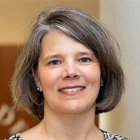
In recognition of their extraordinary impact on the nursing profession, two ChristianaCare nurses have been named as Fellows of the American Academy of Nursing (AAN). This prestigious recognition highlights their significant contributions to nursing leadership, innovation and health care policy. Michelle Collins, DNP, APRN, CNS, ACNS-BC, NPD-BC, NEA-BC, LSSBB, currently serves as vice president of Nursing Professional Excellence at ChristianaCare. Throughout her accomplished 30-year career, Collins has played a crucial role in improving how nurses practice and learn. Her leadership was significant in achieving ChristianaCare’s third Magnet® designation, highlighting her commitment to excellence. Collins’ initiatives, including pioneering a Virtual Acute Care Nursing model and securing a $1.5 million grant for nursing technology integration, have set new standards in health care innovation. Danielle Sarik, Ph.D., APRN, CPNP-PC, is a nurse scientist consultant at ChristianaCare. Her research contributions have been integral in shaping policies that improve health care outcomes for children and families. Sarik is renowned for developing and implementing the Baby Steps model, recognized by the AAN as an Edge Runner designee. This pioneering transition of care approach addresses health equity for neonatal patients and families following discharge from the neonatal intensive care unit. “Induction into the Academy represents the highest honor in nursing,” said AAN President Linda Scott. “Earning the Fellow of the American Academy of Nursing (FAAN) credential is a significant recognition of one’s accomplishments and signifies the future impact they will make in collaboration with their colleagues in the Academy.”


Sport and Study: Villanova University Faculty Offer Academic Lens to Paris Olympics Storylines
All eyes are on Paris: more than 10,000 athletes from 206 nations are set to compete in the Games of the XXXIII Olympiad, the third Olympics in the City of Love and the first since 1924. Below, Villanova University faculty members provide their academic expertise on the unique storylines and narratives already taking place as Paris 2024 gets underway. Portraying a National Image in the Opening Ceremony Étienne Achille, PhD Director of French and Francophone Studies After months of speculation, the daily Le Parisien has officially confirmed that renowned French-Malian singer Aya Nakamura will lend her vocals to an opening ceremony featuring an iconic backdrop steeped in history. “Nakamura is the most-streamed Francophone singer in the world, embodying France’s culture on a global stage, and she’ll be paying homage to one of the most cherished representatives of the chanson française,” said Dr. Achille, referring to reports she will sing one of beloved French crooner Charles Aznavour’s greatest hits. According to Dr. Achille, the pop star’s presence is significant and symbolic. “A performer, or even a flagbearer, can easily become the face of a global event like the Olympics,” he said. The details of the setting for the ceremony – in the heart of Paris, along the Seine – are just as intentionally symbolic. “Not only will this be the first opening ceremony to take place entirely outside of a stadium; its location along the river and the fact the delegations will be on boats are key. “It represents movement and connection to the world,” Dr. Achille said. “And Nakamura’s performance projects the image of a modern, multi-ethnic nation building on tradition while proudly marching into the future.” Swimming in the Seine: Safe or Not? Metin Duran, PhD Professor of Civil and Environmental Engineering It is, perhaps, the most-asked question of the last few weeks. Is the Seine River, set to host multiple swimming events, safe? The river has been illegal to swim in for a century due to the presence of harmful bacteria such as E. Coli, and recent testing has reaffirmed this concern. The Seine, which had undergone an expensive cleaning to mitigate this issue, received the endorsement of Paris Mayor Ann Hidalgo, who personally took a dip in the water herself to attest to its safety. The stunt did little to convince experts such as Dr. Duran, who studies wastewater, to abandon concern about the potential health risks of athletes being exposed to pathogens in the water. “When we have fecal pollution, there is a high likelihood of pathogens being present,” Dr. Duran said. “Those could be viral, like a norovirus, or protozoan. “If you’re swimming in that water, you run the risk of ingesting it. Once you ingest that polluted water, you’re likely to contract some of those disease-causing pathogens. Ingesting this water doesn’t mean you’re necessarily going to get sick, but based on the number of people in a big city like Paris, there is a very high likelihood of some of these pathogens existing now in the river.” Accommodations for Breastfeeding Athletes Sunny Hallowell, PhD, APRN, PPCNP-BC Associate Professor of Nursing The IOC and Paris 2024 Organizing Committee is providing support to all breastfeeding athletes competing in the Games. A few national governing bodies, like the French Olympic Committee, are going a step further and offering hotel rooms near the Village for their country’s breastfeeding athletes to share with their children and spouses. “A few decades ago, the idea of a female athlete who also wanted to breastfeed their child was so taboo it may have prevented an athlete from competing,” said Dr. Hallowell. “Now, many female athletes who choose to breastfeed their newborns or toddlers conceptualize breastfeeding as another normal function of their remarkably athletic bodies.” Accommodation for breastfeeding athletes and increased awareness are needed more than ever. Dr. Hallowell notes that in addition to changing views on breastfeeding, the needs for such accommodations are increasing as the age of peak athletic performance also increases. “Advances in sports nutrition, wellness and lifestyle have extended the longevity and performance of many athletes into adulthood,” she said. And while some athletes with rigorous training regimens might feel “frustrated incorporating breastfeeding into the routine,” Dr. Hallowell says that for others, “breastfeeding provides both physical and socio-emotional benefits for the mother and the infant that allow the athlete to focus on the job of competition.” Protecting Against the Parisian Heat Ruth McDermott-Levy, PhD, MPH, RN, FAAN Professor of Nursing The potential for extreme heat in Paris has been a topic of concern for athletes and organizers, prompting certain outdoor events to be proactively scheduled at times to avoid the day’s worst heat. Current forecasts predict temperatures in the 90s for several days early on in the Games, which could be exacerbated by Paris’ reputation as an urban heat island, unable to cool due to lack of green space and building density. Dr. McDermott-Levy says the athletes are inherently vulnerable, because “the added stress of physical exertion during their events puts them at greater risk of heat-related illness.” But she also notes that many of the athletes have likely undergone pre-competition training in extreme heat conditions to acclimate and will have trainers and health professionals monitoring them frequently. “The group of concern are the workers at the stadiums, outdoor workers and spectators who are there to enjoy or work at the events and may have had little to no acclimation,” Dr. McDermott-Levy said. “They need to follow local instructions and take frequent breaks from the heat, seek shade and maintain hydration by avoiding alcohol and sugary drinks and drinking water.” How Nature Can Inspire Future Use of Olympic Infrastructure Alyssa Stark, PhD Assistant Professor of Biology Gone, hopefully, are the days of abandoned Olympic Villages and venues, overrun with weeds and rendered useless soon after the Games conclude. The IOC’s commitment to sustainability has been transparently relayed ahead of the 2024 Games, featuring a robust range of initiatives and programs. Dr. Stark is particularly interested in one aspect of ensuring a sustainable Olympics. “How will the structures, materials and systems they developed for the Olympics be re-used, re-shaped or re-worked afterward?” she posed. “This could include re-using buildings to larger scale or re-working transportation systems set in place for the Games that could then integrate into day-to-day life post Olympics.” At the root of her interest is the concept of biomimicry. “A lot of the way we think about designing, if we’re using this biomimicry lens, is how do we learn from nature to solve problems that we have in a sustainable way, keeping in mind the environment we are in?” Dr. Stark said. In this case, consider how something like a dwelling of a living creature might be repurposed to fit the needs of another creature, or serve another natural purpose, without harming the ecosystem. Could that inspire a way to re-use the Olympic infrastructure? “There are a ton of examples of [biomimicry] being used and working in products,” Dr. Stark said. “But I would say the next step is looking at the social levels of these big ecosystems – building architecture, city planning, flow of information and, in this instance, repurposing what was created for the Olympics.” Paris Could Be a Transportation Model for Major City Events in the United States Arash Tavakoli, PhD Professor of Civil and Environmental Engineering Paris has invested 250 million Euro the last several years to transform the city to a 100% cycling city, making it one of the most bike-friendly municipalities in the world. Currently, more trips are being made by bicycles in Paris than by cars (11% vs. 4%), a trend that has permeated to the surrounding suburbs as well. With an influx of travelers in Paris for the Games, Dr. Tavakoli, an expert in human transportation, said, “The Olympics will be a test for how well these kinds of systems respond to high fluctuations in the population as compared to vehicle-centric systems.” While Paris is thousands of miles away from the United States, how bicycle, pedestrian and vehicle systems work during the Games could provide helpful insight ahead of major events in American cities. “With the World Cup coming to the U.S. in a few years, it will be interesting to compare [Paris] with how our own system responds to people’s needs,” Dr. Tavakoli said. “Not just based on traffic data and congestion, but also considering factors like how comfortable the transportation system is, how much it affects our well-being and how much it attracts a nonresident to enjoy the U.S. when their only option, for the most part, is a vehicle.”


Higher education, biotech and innovation - will the future be part of the 2024 campaign?
As the RNC brings national attention to Milwaukee, discussions are expected to cover pivotal topics such as biotechnology, innovation, and higher education. And as the Republican National Convention 2024 begins, journalists from across the nation and the world will converge on Milwaukee, not only to cover the political spectacle but also to dig deeper on the key issues that may decide the election. To help visiting journalists navigate and understand these issues and how and where the Republican policies are taking on these topics our MSOE experts are available to offer insights. Dr. Wujie Zhang, Dr. Jung Lee, Dr. Eric Baumgartner, Dr. Candela Marini, and Dr. John Walz are leading voices nationally on these important subjects and are ready to assist with any stories during the convention. Dr. John Walz President Expertise: Thought leadership on higher education, relevancy and value of higher ed View Profile “Engineering is not a very diverse field,” Walz said. “I want to continue to push those boundaries and make our programs open, to see more and more under-represented students come here and succeed here, and do well here.” MSOE president John Walz works to make 'hidden gem' not so hidden. Milwaukee Journal Sentinel May 17, 2023 Dr. Wujie Zhang Professor, Chemical and Biomolecular Engineering Expertise: Biomaterials; Regenerative Medicine and Tissue Engineering; Micro/Nano-technology; Drug Delivery; Stem Cell Research; Cancer Treatment; Cryobiology; Food Science and Engineering (Fluent in Chinese and English) View Profile “We accidentally noticed that we can make the hydrogel particle red blood cell shaped,” he explains. “We started then to make artificial red blood cells to mimic pretty much all aspects of red blood cells.” You're Somebody's Type MKE Lifestyle January 24, 2020 Dr. Jung Lee Professor, Chemical and Biomolecular Engineering Expertise: Bioinformatics, drug design and molecular modeling. View Profile Dr. Eric Baumgartner Executive Vice President of Academics Expertise: Thought leadership on higher education, relevancy and value of higher ed, role of A.I. in future degrees and workforce development. View Profile MSOE serves as an educational resource to Wisconsin companies is building an A.I.-ready workforce. In 2018 MSOE was the first in the nation to launch a B.S. in Computer Science with a sole focus on A.I. and machine learning. Wisconsin Governor’s Task Force on Workforce and Artificial Intelligence December, 2023 Dr. Candela Marini Assistant Professor Expertise: Latin American Studies and Visual Culture View Profile “Contrary to stereotypical images of Native Americans trying to stop ‘progress’ by fighting against mines and pipelines projects, the Menominees’ sustainable forestry stands out as a clear example of resource management that actually thinks about, and works for, the future,” said Marini. The MSOE Mindset visits the Menominee Indian Reservation MSOE Online April 11, 2019 . . . Media Relations Contact To schedule an interview or for more information, please contact: JoEllen Burdue Senior Director of Communications and Media Relations Phone: (414) 839-0906 Email: burdue@msoe.edu . . . About Milwaukee School of Engineering (MSOE) Milwaukee School of Engineering is the university of choice for those seeking an inclusive community of experiential learners driven to solve the complex challenges of today and tomorrow. The independent, non-profit university has about 2,800 students and was founded in 1903. MSOE offers bachelor's and master's degrees in engineering, business and nursing. Faculty are student-focused experts who bring real-world experience into the classroom. This approach to learning makes students ready now as well as prepared for the future. Longstanding partnerships with business and industry leaders enable students to learn alongside professional mentors, and challenge them to go beyond what's possible. MSOE graduates are leaders of character, responsible professionals, passionate learners and value creators.