
Experts Matter. Find Yours.
Connect for media, speaking, professional opportunities & more.

Study: Discuss Religion, Spirituality When Treating Young Adults with Severe Mental Illness
Baylor researcher and expert says it’s “critical” that mental health providers be equipped to assess clients’ religion/spirituality A majority of young adults with severe mental illness – bipolar disorder, schizophrenia or major depression – consider religion and spirituality relevant to their mental health, according to a new study from Baylor University’s Diana R. Garland School of Social Work. Holly Oxhandler, Ph.D., associate dean for research and faculty development in the Garland School of Social Work, served as lead author on the study, which was published in the journal Spirituality in Clinical Practice. Researchers examined data from 55 young adults (ages 18-25) with serious mental illness who had used crisis emergency services. Of the 55 young adults interviewed, 34 “mentioned religion or spirituality in the context of talking about their mental health symptoms and service use with little-to-no prompting,” researchers wrote. The sample for the study was racially diverse and gender-balanced. Not all of those interviewed considered themselves religious, as 41 percent answered “other,” “I don’t know” or “none” when asked their religious preference. However, researchers found that religion and spirituality emerged as a unique way in which this sample was able to make sense of their difficult life situations and mental health struggles. “Not only did these young adults struggle with serious mental illness, but they had also experienced extreme adversity – including abuse, poverty, homelessness, addiction, near-death experiences, loss and an overwhelming lack of access to medical and mental health services,” researchers wrote. “Yet, many attempted to explain, make sense of or organize their circumstances through their religious/spiritual perspective and talked about God as a source of comfort and support.” The young adults expressed both positive and negative views of God, prayer and support from religious and spiritual communities. Regardless of their views, the important thing to note, Oxhandler explained, is that they’re talking about these topics – something social workers and counselors traditionally are not often equipped or trained to assess or discuss. “It’s the elephant in the room,” Oxhandler said of discussions of religion and spirituality. “If we continue to ignore it, we’re ignoring a huge component of peoples’ lives that may be tied to the clinical issue.” Oxhandler, who has researched this area extensively, said such discussions can help drive subsequent treatment options. “As mental health care providers discern what mental health services to provide or coping strategies to recommend, it’s especially important they understand the role of religion/spirituality in the lives of the vulnerable young adults they serve,” she said. Researchers also found that those surveyed described using positive religious coping, negative religious coping or experiences, discussed their relationship with God/Higher Power and unpacked the role of their support systems and faith. Positive religious coping included prayer, reading religious texts, support from their religious and spiritual communities and identifying religious and spiritual meaning in difficult situations. Negative religious coping or experiences included having a negative experience with a religious organization not being supportive or receiving hurtful messages from the religious community. “Those who discussed their relationship with God or a higher power discussed God providing a sense of comfort or protection, accepting them for who they are or positively intervening in their lives,” Oxhandler said. “Among those who unpacked the role of their support systems and faith, they often described family and friends referencing religion or God for support, and some even offered recommendations for others struggling with mental illness that involve religion and spirituality.” Some of those interviewed shared that they found the mention of God or religion by family and friends less than helpful. For example, a 22-year-old white female with no religious identification mentioned in her interview that a family member “tries to tell me that going to church will be better for me because it will help me find peace, and it really does quite the opposite.” Interestingly, researchers noted that nearly all participants who reported negative experiences with religion and spirituality also reported utilizing positive religious and spiritual coping or having a positive relationship with God. Oxhandler said such complexity highlights the importance of including religion and spirituality during the initial assessment with a client. “It’s critical that mental health care providers be well equipped and trained to assess for the complex role of religion and spirituality in the lives of young adults with serious mental illness, recognizing that it could appear to be a tremendous source of support and resilience and/or a source of pain and discomfort, if even a part of their lives at all,” she said. ABOUT THE STUDY “Religion and Spirituality Among Young Adults With Severe Mental Illness,” published in the journal Spirituality in Clinical Practice, is authored by Holly K. Oxhandler, Ph.D., L.M.S.W., assistant professor and associate dean for research and faculty development, Diana R. Garland School of Social Work, Baylor University; Sarah C. Narendorf, Ph.D., L.C.S.W., assistant professor, Graduate College of Social Work, University of Houston; and Kelsey M. Moffatt, M.S.W., Diana R. Garland School of Social Work, Baylor University. ABOUT BAYLOR UNIVERSITY Baylor University is a private Christian University and a nationally ranked research institution. The University provides a vibrant campus community for more than 17,000 students by blending interdisciplinary research with an international reputation for educational excellence and a faculty commitment to teaching and scholarship. Chartered in 1845 by the Republic of Texas through the efforts of Baptist pioneers, Baylor is the oldest continually operating University in Texas. Located in Waco, Baylor welcomes students from all 50 states and more than 80 countries to study a broad range of degrees among its 12 nationally recognized academic divisions. ABOUT DIANA R. GARLAND SCHOOL OF SOCIAL WORK Baylor University’s Diana R. Garland School of Social Work is home to one of the leading graduate social work programs in the nation with a research agenda focused on the integration of faith and practice. Upholding its mission of preparing social workers in a Christian context for worldwide service and leadership, the School offers a baccalaureate degree (B.S.W.), a Master of Social Work (M.S.W.) degree and three joint-degree options, M.S.W./M.B.A., M.S.W./M.Div. and M.S.W./M.T.S., through a partnership with Baylor’s Hankamer School of Business and George W. Truett Theological Seminary, and a Ph.D. program. Visit www.baylor.edu/social_work to learn more.


Grip Strength of Children Gives Clues about Their Future Health, Study Finds
Measuring hand grip can help identify youths who could benefit from lifestyle changes to improve health, Baylor researcher says Adolescents with a strong hand grip — an indicator of overall muscle strength — have better odds of being healthy over time, according to a two-year study of 368 elementary school children. While other studies have shown that muscle weakness as measured by grip strength is a predictor of unhealthy outcomes — including cardiovascular and metabolic diseases, disability and even early mortality — this is the first to do so for adolescent health over time, a Baylor University researcher said. “What we know about today’s kids is that because of the prevalence of obesity, they are more at risk for developing pre-diabetes and cardiovascular disease than previous generations,” said senior author Paul M. Gordon, Ph.D., professor and chair of health, human performance and recreation in Baylor’s Robbins College of Health and Human Sciences. “This study gives multiple snapshots over time that provide more insight about grip strength and future risks for developing diabetes and cardiovascular disease,” he said. “Low grip strength could be used to predict cardiometabolic risk and to identify adolescents who would benefit from lifestyle changes to improve muscular fitness.” The study — "Grip Strength is Associated with Longitudinal Health Maintenance and Improvement in Adolescents" — is published in The Journal of Pediatrics. It was conducted by researchers at Baylor University, the University of Michigan and the University of New England. Students tracked in the study were assessed in the fall of their fourth-grade year and at the end of the fifth grade. Using the norms for grip strengths in boys and girls, researchers measured the students’ grips in their dominant and non-dominant hands with an instrument called a handgrip dynamometer. Researchers found that initially, 27.9 percent of the boys and 20.1 percent of the girls were classified as weak. Over the course of the study, boys and girls with weak grips were more than three times as likely to decline in health or maintain poor health as those who were strong. Researchers also screened for and analyzed other metabolic risk factor indicators, including physical activity, cardiorespiratory fitness, body composition (the proportion of fat and fat-free mass), blood pressure, family history, fasting blood lipids and glucose levels. “Even after taking into account other factors like cardiorespiratory fitness, physical activity and lean body mass, we continue to see an independent association between grip strength and both cardiometabolic health maintenance and health improvements,” Gordon said. While much emphasis has been placed on the benefits of a nutritious diet and aerobic activity, this study suggests that greater emphasis needs to be placed on improving and maintaining muscular strength during adolescence. If someone with a strong grip develops an even stronger grip, “we don’t necessarily see a drastic improvement in that individual’s health,” Gordon noted. “It’s the low strength that puts you at risk. “Given that grip strength is a simple indicator for all-cause death, cardiovascular death and cardiovascular disease in adults, future research is certainly warranted to better understand how weakness during childhood tracks into and throughout adulthood,” he said. “Testing grip strength is simple, non-invasive and can easily be done in a health care professional’s office. It has value for adults and children.” *An estimated 17.2 percent of U.S. children and adolescents aged 2 to 19 years are obese and another 16.2 percent are overweight, according to the National Center for Health Statistics. Excess weight carries a greater lifetime risk of diabetes and premature heart disease. While the World Health Organization and the U.S. Department of Health and Human Services recommend that youths perform at least 60 minutes of moderate to vigorous physical activity daily — including vigorous activity at least three days a week — fewer than a quarter of U.S. children do so, according to a report by the nonprofit National Physical Activity Plan Alliance. ABOUT THE STUDY The data source was the Cardiovascular Health Intervention Program (CHIP), supported by a subcontract from the Children’s National Medical Center in Washington, D.C., which was funded from The Clark Charitable Foundation. Co-researchers were lead author Mark D. Peterson, Ph.D., assistant professor, University of Michigan Department of Physical Medicine and Rehabilitation in Ann Arbor, Michigan; Baylor graduate Sonja Smeding, B.S. (Biology), ’18; and Paul Visich, Ph.D., professor and chair, University of New England’s Department of Exercise and Sport Performance in Biddeford, Maine. ABOUT BAYLOR UNIVERSITY Baylor University is a private Christian University and a nationally ranked research institution. The University provides a vibrant campus community for more than 17,000 students by blending interdisciplinary research with an international reputation for educational excellence and a faculty commitment to teaching and scholarship. Chartered in 1845 by the Republic of Texas through the efforts of Baptist pioneers, Baylor is the oldest continually operating University in Texas. Located in Waco, Baylor welcomes students from all 50 states and more than 80 countries to study a broad range of degrees among its 12 nationally recognized academic divisions. ABOUT THE ROBBINS COLLEGE OF HEALTH AND HUMAN SCIENCES The Robbins College of Health and Human Sciences at Baylor University was established in 2014, a result of identified priorities for strengthening the health sciences through Baylor’s strategic vision, Pro Futuris, which serves as a compass for the University’s future. The anchor academic units that form the new College – Communication Sciences and Disorders, Family and Consumer Sciences and Health, Human Performance and Recreation – share a common purpose: improving health and the quality of life. The College is working to create curricula that promote a team-based approach to patient care and establish interdisciplinary research collaborations to advance solutions for improving the quality of life for individuals, families, and communities. For more information visit Robbins College of Health and Human Sciences.
Baylor Researchers Awarded Grant to Develop Diabetes Mobile Health App for Use in India
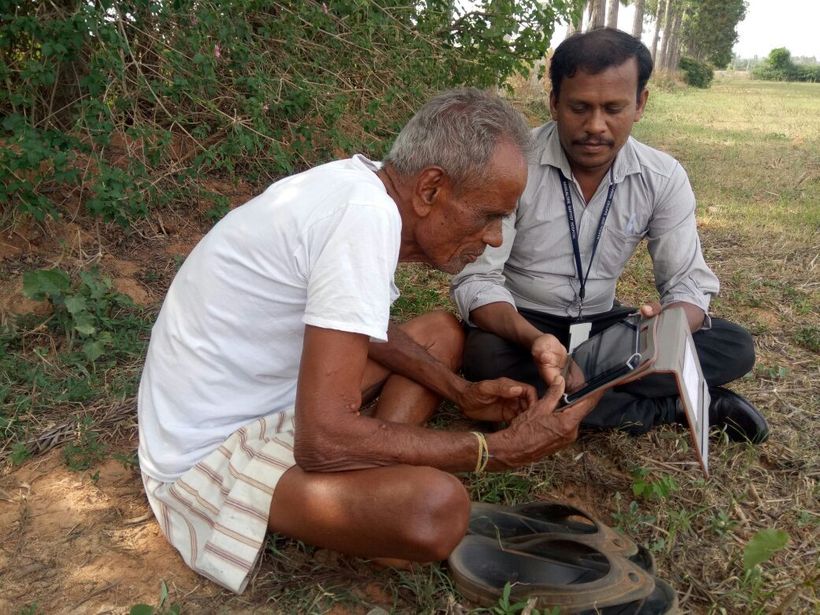
An interdisciplinary team of Baylor University researchers – from nursing and business information systems to art and video game design – and physicians from Bangalore Baptist Hospital in Bengaluru, India, were awarded a 21st Century Knowledge Initiative Grant from the U.S. India Education Foundation (USIEF) to develop a diabetes mobile health app to boost awareness and educate those in India who are most at risk for diabetes. The team is led by Shelby Garner, Ph.D., R.N., assistant professor in Baylor’s Louise Herrington School of Nursing, who has worked in India over the past six years to develop technological health resources. She cited statistics from the World Health Organization that show life expectancy in India is among the lowest in the South East Asian Region and is largely attributed to growing rates of non-communicable diseases, such as diabetes. Contextualized health education is one key to help raise awareness in the country, she said. “There is a need for culturally appropriate health education materials in India,” Garner said. “Our early research showed that technology, such as smartphones and internet accessibility, are widely available in India among health providers, but most technological educational resources were developed in the West and do not effectively translate to the Indian context.” Physicians from Bangalore Baptist Hospital will provide cultural context and help identify important medical content to be included in the app. “Our diabetes app will feature an interactive 3D animated video with gaming features to help educate patients at risk for diabetes,” Garner said. “Answers to questions addressed in the app include: What is diabetes? What happens if I have diabetes? How do I prevent and treat diabetes? What do I do now?” The app also serves as a data collection tool to help researchers determine if the video is improving participants’ knowledge on diabetes. Community health workers employed by Bangalore Baptist Hospital will use the app as they visit with people in rural villages and urban slums during door-to-door health education visits, Garner said. The research team will compare the app’s effectiveness with standard health educational resources previously used. Garner said the USIEF grant was awarded, in large part, due to the success of an earlier project that led to the development of a hypertension app. “Earlier this year, we tested the hypertension app among 346 people in one of the largest slums in Bengaluru, India, and in several rural villages surrounding Bengaluru,” she said. “The app was significantly effective in improving knowledge among participants. We used these results to justify the need to design more resources and applied for funding from the U.S. India Education Foundation.” From previous experience developing and employing the hypertension app, Garner said she knew this new project would require input from a variety of perspectives. “I’ve realized some of the ‘big picture’ challenges in health education, and it will take a team of experts to make this happen,” she said. Team members are: • Shelby Garner, Ph.D., R.N., assistant professor in Baylor’s Louise Herrington School of Nursing • Dr. Carol Elizabeth George, community health physician, Bangalore Baptist Hospital • Dr. Gift Norman, community health physician, Bangalore Baptist Hospital • Dr. Kingsly Victor, internal medicine physician, Bangalore Baptist Hospital • Hope Koch, Ph.D., associate professor of business information systems, Baylor’s Hankamer School of Business • Phil Young, Ph.D., assistant clinical professor of business information systems, Baylor’s Hankamer School of Business • Julia Hitchcock, M.F.A., associate professor of art, Baylor’s College of Arts & Sciences • Matthew Fendt, Ph.D., lecturer in computer science, Baylor’s School of Engineering and Computer Science The grant also will fund exchange teams of researchers and faculty from India to come to the U.S. and for Baylor team members to go to India to collaborate on the research for the next two years. The first team from India is due in late October. “We are really excited about the work we will do together with our Indian partners over the next two years,” Garner said. ABOUT BAYLOR UNIVERSITY Baylor University is a private Christian University and a nationally ranked research institution. The University provides a vibrant campus community for more than 17,000 students by blending interdisciplinary research with an international reputation for educational excellence and a faculty commitment to teaching and scholarship. Chartered in 1845 by the Republic of Texas through the efforts of Baptist pioneers, Baylor is the oldest continually operating University in Texas. Located in Waco, Baylor welcomes students from all 50 states and more than 80 countries to study a broad range of degrees among its 12 nationally recognized academic divisions. ABOUT LOUISE HERRINGTON SCHOOL OF NURSING The Baylor University Louise Herrington School of Nursing (LHSON) located in Dallas was established in 1909 as a diploma program within Baylor Hospital in Dallas, which is now Baylor University Medical Center, and in 1950 became one of the six degree-granting schools of Baylor University. The first Baccalaureate degrees were granted in 1950 establishing the school among the earliest baccalaureate nursing programs in the United States. In 1999, the School was renamed the Baylor University Louise Herrington School of Nursing after Louise Herrington Ornelas, a 1992 Baylor Alumna Honoris Causa, who made an endowment gift to the school. Accredited by the Commission on Collegiate Nursing, LHSON offers Bachelor of Science in Nursing (B.S.N.) degrees through a traditional program and FastBacc (one-year accelerated program). LHSON also offers an online Master of Science in Nursing (M.S.N.) Leadership and Innovation program, as well as Doctor of Nursing Practice (D.N.P.) programs to include Family Nurse Practitioner (F.N.P.), Nurse-Midwife (C.N.M.) and Neonatal Nurse Practitioner (N.N.P.). LHSON was featured in U.S. News & World Reportfor the 2018Best Graduate Schools ranking the D.N.P.program in the top 50 U.S.nursing schools at No. 46. The Baylor M.S.N.program is ranked at No. 56and the Nurse Midwifery Program ranked No. 10. Baylor’s M.S.N. in Nursing Leadership andInnovation Online Program ranked No. 39 in the 2018U.S. News Best Online Graduate Programs. For more information, www.baylor.edu/nursing.
The Past Continues to Influence Today
As a man not only raised by strong women, but also trained in the academy to focus on racial and gender oppression, I understand the need and power of the #MeToo Movement. I am an ally. But at the same time, I am quite aware As a self-proclaimed “woke” black man and academic, the phrase, "I believe the women," reverberates abruptly off the pages of Black U.S. history. Evidence of my fear is hanging from the ceiling of the National Memorial for Peace and Justice. The museum was constructed by the will of the Equal Justice Institute; a non-profit organization founded and led by Bryan Stevenson on April 26, 2018. The opening of its doors symbolizes the country’s first memorial dedicated to the legacy of enslaved black people who were victims of white terroristic behaviors that included lynching. The men’s names that hang from the ceiling are evidence of a presumption of guilt and consequential violence to the said accuser. In reference to Billie Holiday’s Strange Fruit, the “southern trees [bore] a strange fruit.” The museum gives voice to 4,000 black men, women, and children who were not simply tortured, but lynched, burned, castrated. The incident that recently occurred in Brooklyn signifies that the past continues to influence today.


Out of Office: New Baylor Management Study Examines Relationship Between Stress and Remote Work
Researchers say people with high emotional stability and autonomy are best suited for remote-work opportunities Many U.S. employees believe working from home – or at least away from the office – can bring freedom and stress-free job satisfaction. A new Baylor University study says, “Not so fast.” The study, published recently in the European Journal of Work and Organizational Psychology, examines the impact of remote work on employee well-being and offers several strategies to help managers provide remote-work opportunities that are valuable to the employee and the company. “Any organization, regardless of the extent to which people work remotely, needs to consider well-being of their employees as they implement more flexible working practices,” the researchers wrote. A total of 403 working adults were surveyed for the two studies that made up the research, said lead author Sara Perry, Ph.D., assistant professor of management in Baylor University’s Hankamer School of Business. The research team measured each employee’s autonomy (the level of a worker’s independence), strain (defined in this study as exhaustion, disengagement and dissatisfaction) and emotional stability. Emotional stability, Perry explained, “captures how even keeled someone is or, on the opposite end, how malleable their emotions are. An example would be if something stressful happens at work, a person who is high on emotional stability would take it in stride, remain positive and figure out how to address it. A person low on emotional stability might get frustrated and discouraged, expending energy with those emotions instead of on the issue at hand.” The research found that: • Autonomy is critical to protecting remote employees’ well-being and helping them avoid strain. • Employees reporting high levels of autonomy and emotional stability appear to be the most able to thrive in remote-work positions. • Employees reporting high levels of job autonomy with lower levels of emotional stability appear to be more susceptible to strain. Perry said the study contradicts past research that says autonomy is a universal need that everyone possesses. Per this research, those who are lower in emotional stability may not need or want as much autonomy in their work. “This lower need for autonomy may explain why less emotionally stable employees don’t do as well when working remotely, even when they have autonomy,” researchers wrote. In addition to their findings, the researchers offered several recommendations for managers who design or oversee remote-work arrangements. The research team advised managers to consider their employees’ behavior when deciding who will work remotely. “I would suggest managers look at employee behaviors, rather than for personality traits, per se,” Perry said. “For example, if someone does not handle stress well in the office, they are not likely to handle it well at home either. If someone gets overwhelmed easily, or reacts in big ways to requests or issues in the office, they are likely less well positioned to work remotely and handle that responsibility and stress.” Based on this study, individuals with high emotional stability and high levels of autonomy are better suited for remote work, but such candidates might not always be available. “If less emotionally stable individuals must work remotely, managers should take care to provide more resources, other than autonomy, including support to help foster strong relationships with coworkers and avoid strain,” they wrote. Managers might also consider providing proper training and equipment for remote work, including proper separation of work and family spaces, clear procedural and performance expectations and regular contact (virtual or face-to-face) with coworkers and managers. ABOUT THE STUDY “Stress in Remote Work: Two Studies Testing The Demand-Control-Person Model,” published in the European Journal of Work and Organizational Psychology, is authored by Sara Perry, Ph.D., assistant professor of management, Hankamer School of Business, Baylor University, Emily Hunter, Ph.D., associate professor of management, Hankamer School of Business, Baylor Univeersity, and Cristina Rubino, professor of management, David Nazarian College of Business and Economics, California State University Northridge. ABOUT BAYLOR UNIVERSITY Baylor University is a private Christian University and a nationally ranked research institution. The University provides a vibrant campus community for more than 17,000 students by blending interdisciplinary research with an international reputation for educational excellence and a faculty commitment to teaching and scholarship. Chartered in 1845 by the Republic of Texas through the efforts of Baptist pioneers, Baylor is the oldest continually operating University in Texas. Located in Waco, Baylor welcomes students from all 50 states and more than 80 countries to study a broad range of degrees among its 12 nationally recognized academic divisions. ABOUT HANKAMER SCHOOL OF BUSINESS Baylor University’s Hankamer School of Business provides a rigorous academic experience, consisting of classroom and hands-on learning, guided by Christian commitment and a global perspective. Recognized nationally for several programs, including Entrepreneurship and Accounting, the school offers 24 undergraduate and 13 graduate areas of study. Visit www.baylor.edu/business and follow on Twitter at www.twitter.com/Baylor_Business.



Ethics Quandary? Women in PR More Apt to Seek Allies Before Giving Execs Advice
Women in public relations are more likely than men to seek allies and form coalitions before they give ethics counsel to senior leaders, while men are more likely to rely on presenting research, according to a Baylor University study. The study also showed that while senior public relations executives in the study overall tend to use “rational approaches,” such as research, case studies and appeals about what is right and lawful, success depends on building relationships with colleagues in other departments so that they have backup when ethical issues arise. “A PR person can be the conscience, but are they listened to? Are they respected? Are they at the table?” one woman said. “You can be doing everything right, but if nobody is listening to you, it really doesn’t matter a whole lot. Except that you can sleep at night.” The study — “The Use of Influence Tactics by Senior Public Relations Executives to Provide Ethics Counsel” — is published in the Journal of Media Ethics. The article highlights the need for younger PR practitioners to seek out senior PR executives as mentors before and during confrontation of ethics issues, said lead author Marlene Neill, Ph.D., assistant professor of journalism, public relations and new media in Baylor’s College of Arts & Sciences and author of the book “Public Relations Ethics: PR Pros Tell Us How to Speak Up and Keep Your Job.” “What inspired us to conduct this research were findings from a study I conducted in 2016 with Millennials working in public relations,” Neill said. “Survey results indicated that Millennials did not feel prepared to provide ethics counsel, were unlikely to speak up and did not even expect to face ethical dilemmas. We decided to conduct this study to instruct them how to do this effectively based on the experiences of senior executives working in our industry.” Researchers conducted through in-depth interviews with an elite selection of 55 public relations executives, many of them with Fortune 500 companies. They included members of the *Public Relations Society of America (PRSA) College of Fellows and The Arthur W. Page Society, with the combined sample averaging 33 years in PR. They represented 19 states and industries including government, healthcare, telecommunications, financial services and energy. Interviewees discussed ways to exert influence, ethics training and whether they are of value as an ethics counselor. “Some see it as being of little use; some recommend the PR practitioner take a modest role in encouraging consideration of ethics among multiple leaders,” Neill said. But others felt strongly that they should be an “organizational conscience” when they think company actions might pose an ethical dilemma with troubling consequences. One reason to do so is that without “boat-rocking” with straightforward tactics an organization, some may turn outside the company by whistleblowing or leaking information to stakeholders, media or government officials. “Our study found that building relationships was critical for practitioners to ensure that other executives would listen to and respect their counsel,” Neill said. “That doesn’t mean they always won the debate, but relationship building has to do with building respect and trust.” While the interviewees’ most common approach to influencing was rational, followed by coalition-building, “some said they relied on persistence and assertiveness if they felt an issue was so objectionable they could not stay silent,” Neill said. “A few people turn to ingratiation, such as flattery.” When it comes to differences in how genders approach the role of ethics counselor, one reason women may recruit allies is that they tend to be outnumbered by men in the boardroom, Neill said. One woman said that “Going in force can help your case. But sometimes it can backfire . . . you know, if somebody wants to kill the messenger. But if several people come to you with the same messaging, I think you take notice.” Another woman said that she was “reprimanded for being so forthright. So, I didn’t do it that way anymore.” Some women were wary of using emotional appeals. Because of stereotypes about women being emotional in the workplace, “I probably erred in the other direction,” one woman said. Men, meanwhile, were more likely to prefer informational sources of power such as research and case studies, Neill said. But both genders said they ask questions, discuss, listen, share alternatives or solutions and recommend. A few men and women used more confrontational descriptions, such as saying, “We absolutely put our foot down” and “Tell them it’s wrong.” But in the case of women, “some of these more confrontational accounts were used in connection with allies or coalitions,” Neill said. In a few cases, men and women gave examples of resigning accounts or refusing to accept new clients if they decided the client’s business was not worth the ethical cost. Many interviewees said they had received ethics training through PRSA. A few said they had received training through their employer, college courses, personal study and mentors. A few pointed to their religious upbringing. Some of the more common ethics issues centered around communication, such as open disclosure of information, inaccurate information or sending fake letters to an editor. But others were business challenges, such as abusive behavior toward subordinates, misuse of public funds, smear campaigns and conflicts of interest. Neill said that because the study was limited to 55 individuals, a larger study and surveys of senior PR executives in other nations would be valuable. She and a colleague next plan to study to women’s leadership experiences. *PRSA College of Fellows is an exclusive group of approximately 350 senior professionals, each with a minimum of 20 years of experience in PR, Accreditation in Public Relations and recognition for distinguished careers. The Arthur W. Page Society is open by invitation to chief communications officers of Fortune 500 corporations and leading nonprofit organizations, chief executive officers of PR agencies and senior professors from business and communications schools. The study was funded by The Arthur W. Page Center for Integrity in Public Communication and supported by the PRSA Board of Ethics and Professional Standards and PRSA College of Fellows. Co-author is Amy Barnes, associate professor in the School of Mass Communications at the University of Arkansas at Little Rock and co-author of “Public Relations Ethics: PR Pros Tell Us How to Speak Up and Keep Your Job.” ABOUT BAYLOR UNIVERSITY Baylor University is a private Christian University and a nationally ranked research institution. The University provides a vibrant campus community for more than 17,000 students by blending interdisciplinary research with an international reputation for educational excellence and a faculty commitment to teaching and scholarship. Chartered in 1845 by the Republic of Texas through the efforts of Baptist pioneers, Baylor is the oldest continually operating University in Texas. Located in Waco, Baylor welcomes students from all 50 states and more than 80 countries to study a broad range of degrees among its 12 nationally recognized academic divisions. ABOUT BAYLOR COLLEGE OF ARTS & SCIENCES The College of Arts & Sciences is Baylor University’s oldest and largest academic division, with 25 academic departments and seven academic centers and institutes. The more than 5,000 courses taught in the College span topics from art and theatre to religion, philosophy, sociology and the natural sciences. Faculty conduct research around the world, and research on the undergraduate and graduate level is prevalent throughout all disciplines.


In recent years, several scholars have recommended that countries reduce their energy-related CO2 emissions by setting carbon intensity targets for their electricity generating plants. Other research suggests that countries could substantially cut their emissions simply by focusing on lowering the carbon emissions of the most extreme polluters. Using a unique international data source on power plants, researchers Don Grant (U. Colorado); Wesley Longhofer, assistant professor of organization and management; and Andrew Jorgenson (U. Utah) inform this issue by analyzing the distribution of CO2 emissions and intensities within the electricity sectors of 20 countries. They find that the dirtiest 5 percent of power plants are responsible for huge shares of their sectors’ total emissions, noting that “if these plants continued generating the same amount of electricity but met particular intensity targets, the world’s total electricity-based CO2 emissions could be reduced by as much as 44 percent.” Source:



Going about business . . . and helping change
Politically oriented organizations, such as those advocating equal rights for lesbians and gays, have long been credited with effecting changes in public policy that reduce discrimination. But what about the role of “ordinary” commercial organizations, such as dry cleaners or insurance agencies or clothing stores, that are affiliated with a “challenger” group that has limited recognition in a political system? A recent article by Giacomo Negro, associate professor of organization and management; Glenn Carroll (Stanford); and Fabrizio Perretti (Bocconi) examines such organizations, which are often overlooked in the study of policy outcomes. The researchers find that “politically mundane” commercial enterprises linked to lesbians and gays can contribute distinctly to local enactment of nondiscriminatory policies. The researchers attribute this to the bridges created between these businesses and the larger community, and to the normalcy and legitimacy signaled by their familiar organizational forms. They find that the more diverse in nature these commercial organizations are, the greater their potential to bring about nondiscriminatory policies. But this potential is diminished, they note, in communities where political organizations, particularly those engaging in contentious action, have a larger presence. The authors conclude that commercial organizations are an important complement to political action and can helpfully challenge discrimination while enhancing community connections and awareness. Source:


The role of the economy on individualism
Past work has shown that as countries become wealthier, people often become more individualistic. In new research, Emily Bianchi, assistant professor of organization & management, takes the investigation a step further and finds that even subtle fluctuations in the economy are associated with changes in individualism. She finds that during good economic times, Americans are more likely to seek out ways to signal their uniqueness and individuality. For instance, during boom times, Americans tend to give their children more uncommon names and are more likely to prize autonomy and independence in child-rearing. They are also more likely to favor music featuring self-oriented lyrics. Conversely, during recessions, Americans tend to focus more on fitting in and tend to give their children more common names, listen to more relationally oriented music, and encourage their children to get along with others. Additionally, Bianchi discovered that recessions engender uncertainty, which, in turn, decreases individualism and encourages interdependence. The study results indicated that the “link between wealth and individualism is driven not only by differences in how people live, work, and learn but also by their sense of the predictability, orderliness, and certainty of the surrounding environment.” Source:


The impact of behavioral bias on decision-making
For business leaders, the ability to make critical decisions in a dynamic work and industry environment is essential to the success of an organization. However, Diwas KC, associate professor of information systems & operations management, and coauthors Francesca Gino (Harvard U) and Bradley R. Staats (UNC) note that behavioral traits can sometimes impact the ability to weigh new information and make a logical decision, even in the face of negative news. KC, Gino, and Staats analyze 147,000 choices made by cardiologists during a six-year period when they were presented with negative news from the FDA about drug-eluting stents used in angioplasty. The experienced cardiologists were more likely to continue using the questionable stents than their less-experienced peers, even after being informed of the problem. The role of influence also played a factor in the decision-making. They add, “Given that those who feel they are expert are less likely to react to negative news, those around them show the same tendency, thus making worse decisions than those in groups with less perceived expertise.” The seasoned cardiologists were better able to “generate counterexamples to the negative news and thus be susceptible to confirmation bias.” The authors note managers should be aware that more experience and the perception of expertise may bias decision-making. Source:
