
Experts Matter. Find Yours.
Connect for media, speaking, professional opportunities & more.

Pandemic deepened health gaps for people with disabilities, study finds
A new peer-reviewed study published in the American Journal of Preventive Medicine reveals that U.S. adults with disabilities experienced significant declines in preventive cardiovascular screenings during the COVID-19 pandemic — and continued to face cost-related barriers to care, even after accounting for economic disruptions. Using nationally representative data from more than 150,000 adults between 2019 and 2023, the study highlights how routine care like blood pressure, cholesterol and glucose screenings dropped most sharply for those with cognitive, physical, or multiple disabilities. Adults with disabilities were also more likely to report delaying or missing care due to cost. These findings underscore persistent health inequities and the urgent need for inclusive public health strategies, especially for populations already at greater risk for cardiovascular disease. Why it matters: Cardiovascular disease remains the leading cause of death in the U.S. Adults with disabilities face higher risks and more barriers to care — making consistent preventive screenings essential. This study offers the first detailed, post-pandemic national look at how different disability groups were affected, with implications for future policy and healthcare reform. For more information on the study and to speak to experts, contact mediarelations@udel.edu.


Dr Katie Edwards studied the feeding practices of parents of children with ‘avid’ eating traits, which can lead to obesity Focusing on health or deciding when it is time for a meal or snack helps parents to use supportive feeding practices. Supportive feeding practices could include involving children in decisions about food, or sitting together for mealtimes New research from Aston University has shone a light on the best ways for parents to encourage healthy eating in their children. The team of academics from Aston University’s School of Psychology, led by Professor Jacqueline Blissett, with Dr Katie Edwards as the lead researcher, looked at the meal- and snack-time practices of parents of children with ‘avid’ eating behaviours. ‘Avid’ eaters, who make up around 20% of children, particularly love food, are often hungry and will eat in response to food cues in the environment and their emotions, not just when they are hungry. They are the most susceptible to obesity and therefore encouraging a healthy, balanced diet is vital. Feeding children with avid eating behaviours can be challenging and the researchers wanted to understand how factors in everyday life, such as parent mood or eating situations, influence the feeding practices that parents use. Understanding this can help to create better support for families around meal and snack times and reduce the risk of children developing obesity. Dr Edwards says that the research shows that when parents prioritise children’s health or decide when it is time for a meal or snack, parents are more likely to use supportive feeding practices which create structure around meal or snack times or encourage children to be independent with their food choices. For example, parents could sit and eat with their children, choose what food is available for their children, or involve children in decisions about what food to eat. She adds that there are three main things that parents can do to help encourage healthy eating behaviour. The first is to focus on health, by providing nutritious and balanced meals. The second is to ensure a calm and positive atmosphere during eating occasions. The final recommendation is that parents should take the lead on setting meal- and snack-times, with a good structure being three meals and two snacks a day. These recommendations are linked to parents’ use of supportive feeding practices which are known to encourage children’s healthy eating. To carry out the research, the team recruited parents of children aged 3-5 with avid eating behaviour and asked them to download an app to their smartphones. The app sent four semi-random reminders per day for a 10-day period, asking them to complete a survey with information about mood and stress levels. Every time a child had a meal or a snack, or asked for food, parents completed another survey to give information about feeding practices (including those which give children structure, or independence, around food), mealtime goals (such as prioritising healthy eating), and information about the mealtime setting (such as the atmosphere). Previous research from this team at Aston University identified four main eating traits in children. As well as ‘avid’, the other traits, not studied here, are ‘typical’ eaters, who have no extreme behaviours, ‘avoidant’ eaters, who are extremely fussy, and ‘emotional’ eaters, who eat in response to emotions but do not necessarily enjoy food in the way that avid eaters do. Dr Edwards was also involved in the team’s research at Aston University that showed that parents’ eating behaviour influences that of their children. Dr Edwards said: “Given the challenges that parents may face and the risk of childhood obesity, we will use these findings to develop feeding support for families. Encouraging parents to use feeding practices which provide structure around meal and snack times, or promote children’s independence with food, could be helpful for supporting children’s healthy eating. Read the full paper in the International Journal of Behavioral Nutrition and Physical Activity at https://doi.org/10.1186/s12966-025-01768-x.


LSU AgCenter Research Enables Better Flood Protection for Homes
The American Society of Civil Engineers (ASCE) recently released its new standard for flood-resistant design and construction, ASCE/SEI 24-24, which provides new minimum requirements that can be adopted for all structures subject to building codes and floodplain management regulations. The new elevation standard was directly supported by LSU research and should help reduce flood risk and make flood insurance more affordable. “Without the research by the LSU AgCenter, the advancements made to the elevation requirements would not have been possible,” said Manny Perotin, co-chair of the Association of State Floodplain Managers’ Nonstructural Floodproofing Committee, who helped update the standard. “Dr. Carol Friedland’s research shows there are better ways to protect communities from flooding than adding one foot of additional freeboard.” The research team, led by Friedland, an engineer, professor, and director of LSU AgCenter’s LaHouse, showed how previous standards were failing to protect some homeowners. They mapped the impact of moving from a standard based on a fixed freeboard amount to being based on real risk in every census tract in the U.S. In response to these findings, they developed a free online tool to help builders, planners, managers, and engineers calculate the elevation required under the new standards. “Many on the committee said it would be too hard to do these complex calculations,” said Adam Reeder, principal at the engineering and construction firm CDMSmith, who helped lead the elevation working group for the new ASCE 24 elevation standards. “But the LSU AgCenter’s years of research in this area and the development of the tool makes calculations and implementation simple. This allowed the new elevation standard to get passed.” Flooding, the biggest risk to homes in Louisiana, continues to threaten investments and opportunities to build generational wealth. On top of flood losses, residents see insurance premiums increase without resources to help them make informed decisions and potentially lower costs. In response to this problem, Friedland is working on developing a whole suite of tools together with more than 130 partners as part of a statewide Disaster Resilience Initiative. When presenting to policy makers and various organizations, Friedland often starts by asking what percentage of buildings they want to flood in their community in the next 50 years. “Of course, we all want this number to be zero,” Friedland said. “But we have been building and designing so 40% will flood. People have a hard time believing this, but it’s the reality of how past standards did not adequately address flood risk.” Designing to the 100-year elevation means a building has a 0.99 chance of not flooding in any given year. But when you run that probability over a period of 50 years (0.99 x 0.99 x 0.99… 50 times, or 0.99 ^ 50), the number you end up with is a 60.5% chance of not flooding in 50 years. This means a 39.5% chance of flooding at least once. “We’ve been building to the 100-year elevation while wanting the protection of building to the 500-year elevation, which is a 10% chance of flooding in 50 years,” Friedland said. “Now, with the higher ASCE standard, we can finally get to 10% instead of 40%.” As the AgCenter’s research led to guidelines, then to this new standard, Friedland has also been providing testimony to the International Code Council to turn the stronger standard into code. In May, Friedland helped lead a workshop at the Association of State Floodplain Managers’ national conference, held in New Orleans. There, she educated floodplain managers about the new standard while demonstrating LSU’s web-based calculation tool, which was designed for professionals, while her team also develops personalized decision-making tools such as Flood Safe Home for residents. At the conference, Friedland received the 2025 John R. Sheaffer Award for Excellence in Floodproofing. More than two-thirds of the cost of natural hazards in Louisiana comes from flooding, according to LSU AgCenter research in partnership with the Governor’s Office of Homeland Security and Emergency Preparedness for the State Hazard Mitigation Plan. That cost was recently estimated to rise to $3.6 billion by 2050. “Historically, we have lived with almost a 40% chance of flooding over 50 years, which in most people’s opinion is too high—and the number could be even higher,” Reeder said. “Most building owners don’t understand the risk they are living with, and it only becomes apparent after a flood. The work done by the LSU AgCenter is critical in improving resilience in communities that can’t afford to be devastated by flooding.” “This may be the most significant upgrade in the nation’s flood loss reduction standards since the creation of the National Flood Insurance Program minimums in 1973, and it could not come at a better time as annual flood losses in the country now average more than $45 billion per year,” said Chad Berginnis, executive director of the Association of State Floodplain Managers. In addition to LaHouse’s work to prevent flooding, Friedland’s team is also working to increase energy efficiency in homes to help residents save money on utility bills. Their HEROES program, an acronym for home energy resilience outreach, education, and support, is funded by the U.S. Department of Agriculture and has already reached 140,000 people in Louisiana. Article originally posted here.



School will soon be out for the summer, and many young families are opting to explore the beauty of their own country, travelling to top destinations like Toronto, Vancouver, and Halifax rather than heading south. While many travellers prioritize insurance for international trips, a recent CAA survey found that many people overlook the necessity of travel insurance for domestic travel, often assuming provincial healthcare will have them covered. "Exploring Canada’s breathtaking landscapes is an adventure worth taking, but unexpected travel hiccups don’t stop at the border,” says Susan Postma, regional manager, CAA Manitoba. “Whether it’s a sudden medical emergency or trip disruptions, having the right travel insurance ensures you can focus on making memories." A new national travel survey conducted for CAA reveals that nearly four in ten Canadians (39 per cent) travelled outside their home province without any form of travel insurance during their last trip. Some believed it was unnecessary (45 per cent), others worried about the cost (22 per cent), and 19 per cent took their chances, hoping nothing would go wrong. The reality? Provincial health insurance programs typically cover only basic emergency medical services when travelling in another province. “Many Canadians assume they’re fully protected when travelling within the country, but that’s simply not the case,” says Postma “A minor mishap can become a major expense, whether a broken ankle on a hike or a last-minute interruption.” Here are two unexpected ways travel insurance can help: You break your ankle while hiking on one of Canada’s beautiful nature trails and now need an ambulance or an airlift, crutches, and medication. You’re on vacation but must return unexpectedly because someone at home gets seriously ill. In stressful situations, like when a family member falls ill, it helps to have support when you need it. Trip Cancellation Insurance would cover the flight change fee and help get you back home. According to Orion Travel Insurance, part of the CAA family, the average medical claim cost has risen by 15 per cent annually since 2019, with everything from ear infections to air ambulance services becoming significantly more expensive. Here are ten additional tips to help your trip go smoothly, no matter where you travel. Know the cancellation policies and check limits or restrictions for everything you booked. Make sure you understand any key dates related to cancellations or changes. This includes accommodation, flights, car rentals, tours, and cruises. Check limits or restrictions on credit cards, employee benefits, and pensions to determine if you need additional travel insurance coverage. Make sure all your documentation is in order before you book. It is recommended that passport renewals be completed six months before your planned trip. Your passport should still be valid six months after your travel date, as this is required in several countries. There are varying documentation requirements, so make sure you fully understand what information you need to have ready and in what format. Read up on Government of Canada travel advisories for your destination. Understand the risk level associated with travel to a particular destination by checking the Government of Canada Travel Advice and Advisories website. Individual travel advisories remain on a country-by-country basis. It is important that Ontarians/Manitobans understand the ongoing uncertainty associated with international travel. Speak with your physician to discuss your travel plans. It is important that you speak to your physician to ensure you are up to date with needed travel vaccines and have them prescribe enough medication for the length of your trip. Ensure all the medication you take is packed in your carry-on and in its original bottles with labels intact. Consider purchasing travel insurance at the time of booking your trip. To lock in the best protection, book your travel insurance at the same time you book your trip. Booking Trip Cancellation or Interruption insurance will give you peace of mind that you and your investment are protected. Insurance must be in place before things go wrong for you to benefit from coverage. Get to the airport early. The old standby of being at the airport one hour before takeoff for domestic flights and two hours before international flights no longer apply. CAA recommends arriving at the airport at least two hours before domestic flight departures and at least three for international flights. Stay connected. It is important to have access to trusted, up-to-date information while travelling so you can monitor changing conditions and requirements and adapt accordingly. Bookmark the Global Affairs Canada website before departure and check it regularly while abroad. It is also a good idea to sign up for Registration of Canadians Abroad and stay in touch with a family or friend who knows your travel plans. Find these and more information at caamanitoba.com/travelwise Note emergency contact numbers. Provide your travel agent with contact details while travelling abroad and keep all important phone numbers handy; this includes how to call for help and your travel insurance assistance phone number. It is also a good idea to keep a physical copy of all their reservation information and leave those details with a friend or family member. Protect your ID. Ensure you have a digital and paper version of your Travel insurance wallet card, tickets to various events and attractions, and even your passport. You may also want to leave a copy of the necessary paperwork with family members or friends. Pack your carry-on wisely. Include the most important items, such as your passport/ID, boarding pass, travel itinerary, wallet, phone, charger, medications, toiletries, glasses/contacts, noise-canceling headphones, book/e-reader, snacks, empty water bottle, travel pillow, change of clothes, sweater, socks, pen, and reusable bags, in your carry-on bag. For more information on travel insurance and how to stay protected, visit caamanitoba.com/travelwise Based on the sample size of n=2,005 and with a confidence level of 95%, the margin of error for this research is +/- 2%.)



School will soon be out for the summer, and many young families are opting to explore the beauty of their own country travelling to top destinations like Vancouver, Calgary and Halifax rather than heading south. While many travellers prioritize insurance for international trips, a recent CAA survey found that many people overlook the necessity of travel insurance for domestic travel, often assuming provincial healthcare will have them covered. "Exploring Canada’s breathtaking landscapes is an adventure worth taking, but unexpected travel hiccups don’t stop at the border,” says Kaitlynn Furse, Director Corporate Communications, CAA SCO. “Whether it’s a sudden medical emergency or trip disruptions, having the right travel insurance ensures you can focus on making memories." The national travel survey conducted for CAA reveals that four in ten Ontarians (41 per cent) travelled outside their home province without travel insurance during their last trip. Some believed it was unnecessary (43 per cent), others worried about the cost (24 per cent), and 20 per cent took their chances, hoping nothing would go wrong. “Many Canadians assume they’re fully protected when travelling within the country, but that’s simply not the case,” adds Furse. A minor mishap can become a major expense, whether a broken ankle on a hike or a last-minute interruption.” Here are two unexpected ways travel insurance can help: You break your ankle while hiking on one of Canada’s beautiful nature trails and now need an ambulance or an airlift, crutches, and medication. You’re on vacation but must return unexpectedly because someone at home gets seriously ill. In stressful situations, like when a family member falls ill, it helps to have support when you need it. Trip Cancellation Insurance would cover the flight change fee and help get you back home. According to Orion Travel Insurance, part of the CAA family, the average medical claim cost has risen by 15 per cent annually since 2019, with everything from ear infections to air ambulance services becoming significantly more expensive. Here are ten additional tips to help your trip go smoothly, no matter where you travel. Know the cancellation policies and check limits or restrictions for everything you booked. Make sure you understand any key dates related to cancellations or changes. This includes accommodation, flights, car rentals, tours, and cruises. Check limits or restrictions on credit cards, employee benefits, and pensions to determine if you need additional travel insurance coverage. Make sure all your documentation is in order before you book. It is recommended that passport renewals be completed six months before your planned trip. Your passport should still be valid six months after your travel date, as this is required in several countries. There are varying documentation requirements, so make sure you fully understand what information you need to have ready and in what format. Read up on Government of Canada travel advisories for your destination. Understand the risk level associated with travel to a particular destination by checking the Government of Canada Travel Advice and Advisories website. Individual travel advisories remain on a country-by-country basis. It is important that Ontarians/Manitobans understand the ongoing uncertainty associated with international travel. Speak with your physician to discuss your travel plans. It is important that you speak to your physician to ensure you are up to date with needed travel vaccines and have them prescribe enough medication for the length of your trip. Ensure all the medication you take is packed in your carry-on and in its original bottles with labels intact. Consider purchasing travel insurance at the time of booking your trip. To lock in the best protection, book your travel insurance at the same time you book your trip. Booking Trip Cancellation or Interruption insurance will give you peace of mind that you and your investment are protected. Insurance must be in place before things go wrong for you to benefit from coverage. Get to the airport early. The old standby of being at the airport one hour before takeoff for domestic flights and two hours before international flights no longer apply. CAA recommends arriving at the airport at least two hours before domestic flight departures and at least three for international flights. Stay connected. It is important to have access to trusted, up-to-date information while travelling so you can monitor changing conditions and requirements and adapt accordingly. Bookmark the Global Affairs Canada website prior to departure and check it regularly while abroad. It is also a good idea to sign up for Registration of Canadians Abroad and stay in touch with a family or friend who has knowledge of your travel plans. Find these and more information at caasco.com/travelwise Note emergency contact numbers. Provide your travel agent with contact details while travelling abroad and keep all important phone numbers handy; this includes how to call for help and your travel insurance assistance phone number. It is also a good idea to keep a physical copy of all their reservation information and leave those details with a friend or family. Protect your ID. Ensure you have a digital and paper version of your Travel insurance wallet card, tickets to various events and attractions, and even your passport. You may also want to leave a copy of important paperwork with family members or friends. Pack your carry-on wisely. Place the most important items like passport/ID, boarding pass, travel itinerary, wallet, phone, charger, medications, toiletries, glasses/contacts, noise-canceling headphones, book/e-reader, snacks, empty water bottle, travel pillow, change of clothes, sweater, socks, pen, and reusable bags in your carry-on bag. For more information on travel insurance and how to stay protected, visit caasco.com/travelwise Based on the sample size of n=2,005 and with a confidence level of 95%, the margin of error for this research is +/- 2%.)


AU research team awarded $4.4 million American Heart Association grant
A research team at Augusta University, led by Jennifer C. Sullivan, PhD, has secured a $4.4 million grant from the American Heart Association to study the risk factors for cardiovascular and kidney diseases and how they impact women. Sullivan’s research center, “Disruptions in cardiorenal free fatty acid metabolism in Cardiovascular Kidney Metabolic Syndrome,” is part of a larger $15 million project titled “Strategically Focused Research Network on Cardiovascular Kidney Metabolic Syndrome: Heterogeneity in Women.” The overarching AHA project is aimed at learning why women may be more likely to develop cardiovascular and kidney diseases due to certain unique risk factors and life stages. Research teams from Massachusetts General Hospital and The Ohio State University were also chosen. “I think this is a huge step for Augusta University as we continue to distinguish ourselves and the research that we have here focused on the health of women,” said Sullivan, dean of The Graduate School. “This grant is particularly impactful as we look to advance and improve the health of women, not just in Georgia, but for the entire country.” According to the Healthy Georgia Report, produced by AU’s School of Public Health, Georgia has the 23rd highest rate of obesity in the United States. Among the women living in the state, 38.3% of them, as well as 37.5% of people living in rural areas, suffer from obesity. “It’s great that we are able to represent the state of Georgia because our state has such a high prevalence for obesity rates,” said Sullivan, who is the director of AU’s SCORE project “Improving awareness of women with hypertension: ROAR (Rural, Obese, At Risk).” “It’s important for us to understand that different populations have distinct needs. You can’t talk about a one-size-fits-all approach to health. This is really about trying to understand how different groups are impacted.” Each center is comprised of three teams, as well as a training component and an area partner. Together, they will explore obesity’s lifetime impact on CKM syndrome through three projects. CKM syndrome is a clinical term that describes the combined health effects of heart disease, kidney disease, diabetes and obesity, which puts people at high risk for heart attack, stroke and heart failure. According to the American Heart Association’s 2025 Heart Disease and Stroke Statistics, about 1 in 3 U.S. adults has at least three components of CKM syndrome, which include high blood pressure, abnormal cholesterol, high blood glucose (sugar), impaired kidney function and excess body weight. The first project is led by Daria Ilatovskaya, PhD, and Justine Abais-Battad, PhD, and will look at aging and Western diet-induced CKMS mechanisms in obesity. Ilatovskaya is an associate professor and the graduate program director for the Doctor of Philosophy in Physiology program, and Abais-Battad is an assistant professor in the Department of Physiology with the Medical College of Georgia at Augusta University. The second component, led by Jessica Faulkner, PhD, an assistant professor in MCG’s Physiology department, will study obesity-associated mechanisms of CKMS in pregnancy. The third project, led by Stephen Coughlin, PhD, with Marlo Vernon, PhD, is looking at CKMS epidemiology, associations with obesity, CVD/CKD. Coughlin is the program director for the Master of Science in Epidemiology and professor of epidemiology in the School of Public Health’s Department of Biostatistics, Data Science, and Epidemiology, while Vernon is an associate professor with MCG’s Georgia Prevention Institute and SPH’s Department of Community and Behavioral Health Sciences. Additionally, the team will talk to women and health care providers from a variety of backgrounds and experiences to assess current knowledge and interest levels in heart health and use that information to develop programs that may help treat and prevent disease. There is also a training director, Alison Kriegel, PhD, a professor in the Department of Physiology, and a core director, Guido Verbeck, PhD, chair and professor of the Department of Chemistry and Biochemistry in the College of Science and Mathematics. “We have a strong blend of clinical epidemiology and basic science, as well as a training component, which we will fill with post-doctoral fellows,” Sullivan said. “Dr. Ilatovskaya, Dr. Faulkner, Dr. Abais-Battad and Dr. Vernon are all a part of our ROAR grant, and, while this isn’t directly related to that program, it allowed us to demonstrate how we are already well positioned to work together to amplify our ability and increase awareness about the importance of the health of women.” The team has over 50 collaborative papers and has secured more than $13 million in collaborative funding to advance the health of women. They also all have experience training fellows and students to continue to expand their reach. “We already have a lot of the infrastructure in place for this kind of cross-disciplinary project, so we leaned very heavily into our connections and the expertise we have here at Augusta University. It’s set up very similar to our ROAR program, so this is something that was really organic in nature,” Sullivan said. The American Heart Association has invested almost $300 million to establish 18 Strategically Focused Research Networks, each aimed at addressing a key strategic issue identified by the association’s volunteer Board of Directors. Prior networks have been studying a wide variety of important topics including, but not limited to, prevention, hypertension, the health of women, heart failure, obesity, vascular disease, atrial fibrillation, arrhythmias/sudden cardiac death, cardiometabolic health/type 2 diabetes, health technology, cardio-oncology, the biological impact of chronic psychosocial stress and the role of inflammation in cardiovascular health. Each network centers around scientific knowledge and knowledge gaps, prevention, diagnosis and treatment of the key research topic. Three to six research centers make up each network, bringing together investigators with expertise in basic, clinical and population/behavioral health science to find new ways to diagnose, treat and prevent heart disease and stroke. Funding scientific research and discovery through initiatives like these awards is a cornerstone of the century-old American Heart Association’s lifesaving mission. The association has now funded more than $5.9 billion in cardiovascular, cerebrovascular and brain health research since 1949, making it the single largest non-government supporter of heart and brain health research in the United States. New knowledge resulting from this funding continues to save lives and directly impact millions of people in every corner of the U.S. and around the world. Looking to know more about the amazing research happening at Augusta? To connect with Dr. Sullivan, simply click on her icon to arrange an interview today.


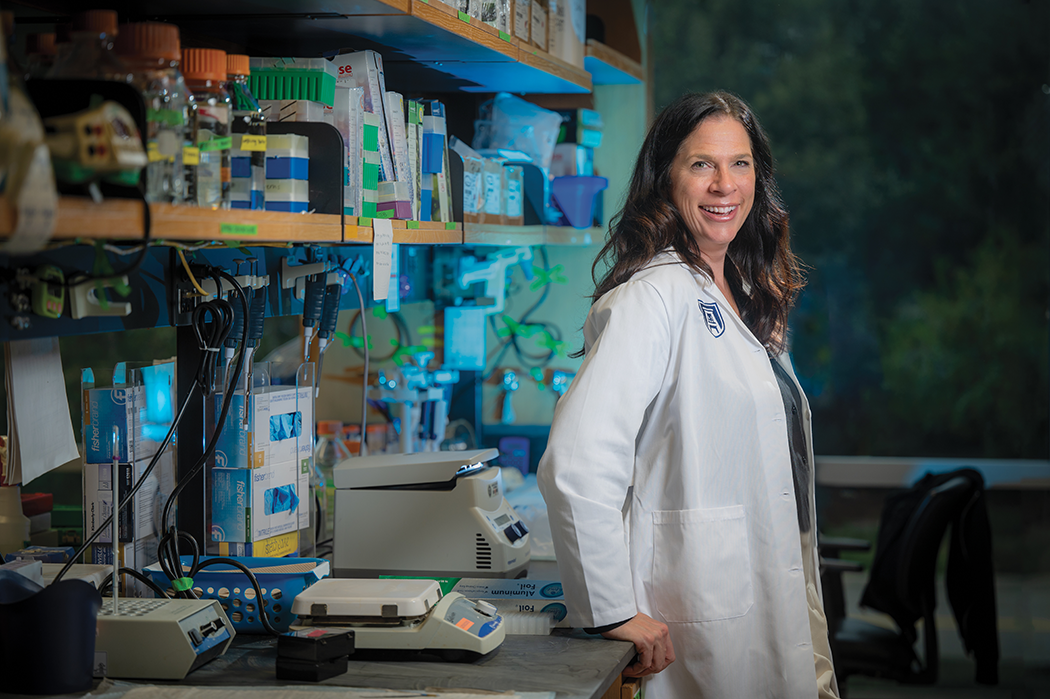
Augusta University named NIH Specialized Center of Research Excellence on Sex Differences
Jennifer C. Sullivan, PhD, dean of The Graduate School at Augusta University, has dedicated her research to better understand why blood pressure increases in hypertension and raising awareness to the dangers of not paying attention to heart health, particularly among women. Throughout her career, Sullivan has been continuously funded by the National Institutes of Health (NIH) and the American Heart Association since becoming a tenure-track faculty member in 2008, and now she has a chance to take her research further after securing a five-year, $7.5 million grant to have Augusta University designated as a Specialized Center of Research Excellence on Sex Differences (SCORE) by the NIH’s Office of Research on Women’s Health. It’s a distinction that places AU among 10 other leaders in research for the field, including Brigham and Women’s Hospital, Cedars-Sinai Medical Center, Emory University, Johns Hopkins University, Massachusetts General Hospital and Harvard Medical School, the Mayo Clinic, the Medical University of South Carolina, the University of Colorado and Yale University. The University of California, Los Angeles has two SCORE programs. “I’m so proud and excited for this opportunity because this has been what I have focused my research program on for my entire career, and to be able to advance it with a program like this, where we can actually build a unique program focused on an area that can make a difference, is just so much fun,” Sullivan said. “Just the fact that Augusta will be included on this list, attached to an organization of the caliber of NIH, will provide opportunities that we’ve never had before, especially for our students and younger researchers.” Sullivan’s SCORE project, “Improving awareness of women with hypertension: ROAR (Rural, Obese, At Risk),” focuses primarily on the fact that, while young women are considered “protected” from hypertension and the associated cardiovascular risk relative to age-matched men, the elimination of hypertension is projected to have a larger impact on cardiovascular disease (CVD) mortality in women. “The group of people with the highest risk of death from hypertension is in the rural South of the U.S., specifically Black women are particularly vulnerable to developing hypertension and CVD,” Sullivan said. According to Sullivan’s research and information available from the American Heart Association (AHA), approximately 19 million deaths were attributed to CVD globally in 2020, an increase of about 20% from 2010. Both Sullivan and the AHA state that cardiovascular disease remains the leading cause of death for both men and women in the United States, and that hypertension is a major modifiable risk factor for CVD. Sullivan said, “It has been suggested that eliminating hypertension would reduce CVD mortality by over 30% in men and 38% in women, but a critical barrier to limiting premature death from CVD is lack of awareness surrounding the risks of CVD. Our overall goal in this new funded project is to transform academic and community understanding of sex as a biological variable in the consideration of hypertension.” The three research projects include Sullivan’s lead project on high fat diets, a project on systemic lupus erythematosus (SLE) disproportionately affects young women led by Erin Taylor, PhD, at the University of Mississippi Medical Center, and another project looking at the role of inflammation and how immune cells are activated in SLE led by Michael Ryan, PhD, at the University of South Carlina’s School of Medicine. But there is more to SCORE than just conducting research. Each SCORE team is also responsible for a career enhancement core and a leadership administrative core. “What really sets these grants apart are the emphasis on the career enhancement and leadership administrative cores. The Career Enhancement Core is designed to be a bit open ended for each SCORE, but in talking to the NIH, what they were most excited about in our project is the community outreach piece we designed. “Our grant includes people across the entire campus, including Augusta University’s Medical College of Georgia, the College of Allied Health Sciences, the College of Education and Human Development and multiple campus partners including some of our sororities on campus and the Center for Writing Excellence,” Sullivan said. “More specifically, the COEHD is able to extend our outreach efforts to our local schools to begin educating children on the importance of screening, and our sororities are obviously connected with other chapters across the southeast which helps us spread our message, as well.” Sullivan notes that, through this portion of the project alone, there will be numerous opportunities to include students from Augusta University’s CAHS, College of Nursing, Department of Kinesiology, the Biomedical Sciences PhD program and the proposed School of Public Health. Marlo Vernon, PhD, associate professor at MCG and researcher for the Georgia Cancer Center, and Amanda Behr, chair of the Medical Illustration Program in CAHS, are also involved in various stages of the project. “The other thing the Career Enhancement Core will do is provide pilot grants to three research projects each year for early-stage investigators. We’ll also be able to fund sabbaticals for graduate students or postdocs to go someplace else and learn cutting edge techniques from other experts, so there is a lot built in that will help us support up-and-coming researchers,” Sullivan said. “We’re now part of this consortium, and they have a once-a-year, in-person meeting at the NIH offices, so we’ll go to that for the first time this year, and what’s neat about it is they’re really promoting young investigators. Each grant can bring up to eight people, the our hope is that we will have the investigators funded by the pilot projects attend next year, giving those folks the opportunity to present and talk to program officers with the NIH and develop a pipeline of investigators committed to studying women’s health and sex as a biological variable.” Sullivan is also looking to designate some of her summer graduate and undergraduate research positions to the project beginning next summer. “The Graduate School already has a summer program to support undergraduates that we will be able to piggyback off of. We have set aside five slots in that program for this that will go to students studying the sex as a biological variable, and the applications for that program, STAR, is already open,” Sullivan said. “We’re also planning a symposium in collaboration with the Physiology Department in April 2024. This is an annual event sponsored by the department, and this year they selected sex differences as the topic, so we are hoping to help increase exposure and attendance.” Looking to know more about the amazing research happening at Augusta? To connect with Jennifer Sullivan, simply click on her icon ow to arrange an interview today.

Dry eye disease is a common condition affecting one-third of the adult population and one-in-five children Professor James Wolffsohn researched the most effective blinking exercises to reduce discomfort, involving a close-squeeze-blink cycle He developed the MyDryEye app in collaboration with Alec Kingsnorth and Mark Nattriss to help sufferers An Aston University optometrist, Professor James Wolffsohn, has determined an optimum blinking exercise routine for people suffering with dry eye disease, and has developed a new app, MyDryEye, to help them complete the routine to ease their symptoms. Dry eye disease is a common condition which affects one-third of the adult population and one-in-five children, in which the eyes either do not make enough tears, or produce only poor-quality tears. It causes the eyes to become uncomfortable, with gritty- or itchy-feeling eyes, watery eyes and short-term blurred vision. It is more common in older adults and can be exacerbated by factors including dry air caused by air conditioning, dust, windy conditions, screen use and incomplete blinks, where the eye does not fully close. Professor Wolffsohn is head of Aston University’s School of Optometry and a specialist in dry eye disease. While it has long been known that blinking exercises can ease the symptoms of dry eye disease, the optimum technique, number of repetitions and necessary repeats per day are unclear. Professor Wolffsohn set out to determine the best exercises. His team found that the best technique for a dry eye blinking exercise is a close-squeeze-blink cycle, repeated 15 times, three times per day. Participants found that while they were doing their exercises symptom severity and frequency decreased, and the number of incomplete blinks decreased. Within two weeks of stopping the exercises, their symptoms returned to normal levels, showing the efficacy of the exercises. To carry out the work, Professor Wolffsohn’s team ran two studies. For the first, they recruited 98 participants, who were assessed for dry eye symptoms before and after the two weeks of blinking exercises. Participants were randomly allocated different blinking exercises to determine the most effective. A second study with 28 people measured the efficacy of the blinking exercise. Once the optimum blinking routine had been developed, Professor Wolffsohn worked withAlec Kingsnorth, an engineer and former Aston undergraduate and PhD student, and Mark Nattriss, business manager of his spin-out company, Wolffsohn Research Ltd, to develop the app, MyDryEye, which is freely available on Android and iOS operating systems. The app allows users to monitor their dry eye symptoms, assess their risk factors, add treatment reminders and monitor their compliance, complete the science-based blink exercises and find a specialist near them. Professor Wolffsohn says that the blinking exercises should be carried out as part of a treatment programme which could also include the use of lipid-based artificial tears, omega-3 supplements and warm compresses. Professor Wolffsohn said: “This research confirmed that blink exercises can be a way of overcoming the bad habit of only partially closing our eyes during a blink, that we develop when using digital devices. The research demonstrated that the most effective way to do the exercises is three times a day, 15 repeats of close, squeeze shut and reopen – just three minutes in total out of your busy lifestyle. To make it easier, we have made our MyDryEye app freely available on iOS and Android so you can choose when you want to be reminded to do the exercises and for this to map your progress and how it affects your symptoms.” Read the full paper, ‘Optimisation of Blinking Exercises for Dry Eye Disease’, in Contact Lens and Anterior Eye at https://doi.org/10.1016/j.clae.2025.102453.


Every day, pedestrians and cyclists in Canada experience high-risk near-misses that could have resulted in serious injury or fatalities. A new seven-month study, commissioned by CAA, has uncovered over 600,000 near-miss incidents across 20 intersections nationwide, creating the largest dataset of its kind in Canada. While actual collisions are recorded by police, near misses are not. “The findings are clear, near-misses are not isolated events; they are daily warnings that demand attention,” says Teresa Di Felice, Assistant Vice President of Government & Community Relations at CAA South Central Ontario (CAA SCO). “The results of this study create an opportunity to proactively assess intersection design and implement measures that enhance safety for all road users.” Partnering with Miovision, the study used cameras and AI to monitor and analyze intersections across Canada in real time. Shockingly, one in every 770 pedestrians and one in every 500 cyclists experience a high-risk or critical near-miss. Near-Misses Are Predictors of Future Collisions The study found that near misses most often involved vehicles making a right turn. More than half (55 per cent of pedestrians and 50 per cent of cyclists) had a close call with a vehicle. More than a third (34 per cent of pedestrians and 36 per cent of cyclists) were involved in conflict with a left-turning vehicle. Most Canadian intersections accommodate thousands of pedestrians daily, meaning at least three serious incidents occur at a single location every day. “These aren’t just close calls; they are collisions waiting to happen,” says Di Felice. “By pinpointing near-miss hotspots, municipalities can now prioritize upgrades that prevent collisions before they happen.” Solutions That Make Intersections Safer The study highlights key design features proven to reduce near-misses, including: Dedicated left-turn lanes to prevent dangerous interactions. Leading pedestrian intervals, allowing pedestrians to start crossing before vehicles move. Advanced green lights for left-turning vehicles, reducing hesitation and confusion. Cities that implement these solutions can dramatically decrease the risk of collisions and make their streets safer for all road users. Traditional road safety measures rely on collision data, meaning changes only happen after injuries occur. Near-miss tracking is the next step in proactive safety planning, allowing experts to prevent crashes before they happen. CAA is urging municipal and provincial leaders to embrace technology-driven safety monitoring, citing the compelling benefits revealed by this study. Data was collected using 360-degree cameras at intersections of various designs across seven provinces, including Nova Scotia, Québec, Ontario, Manitoba, Saskatchewan, Alberta and British Columbia. Using AI-powered video analytics, Miovison was able to detect near misses and assess risk levels based on vehicle speed and trajectory. The study's detailed findings can be found here: CAA Intersection Safety Study Media Broll can be found here: https://vimeo.com/1094061982/90cf023ced


FAU Data Analysis: Falling Rates Bring Some Relief to Banks
Falling interest rates brought some relief to banks’ portfolios for unrealized losses on investment securities, according to a data analysis from a finance professor at Florida Atlantic University. Only two banks with assets over $1 billion reported unbooked securities losses greater than their total equity in the first quarter of 2025, down from three in the last quarter of 2024, according to the U.S. Banks’ Unrealized Losses on Investment Securities screener. For unbooked losses equal to 50% of Common Equity Tier 1 Capital (CET1) equity, 24 banks were on the list for the first quarter of this year, down from 34 in the fourth quarter of 2024. Rates dropped from the end of 2024 through the end of March, providing some relief to banks that had extensive interest rate risk in their investment securities portfolios. The yield on the 10-year treasury bond fell from 4.57 to 4.25 as of the end of March. “While this would appear to be good news for the U.S. banking industry, with unrealized securities losses declining by $69 billion from the end of 2024 to March, rates have climbed back to where they were at the end of 2024 so that losses today would be back up close to $500 billion,” said Rebel Cole, Ph.D., Lynn Eminent Scholar Chaired Professor of Finance in the College of Business. The aggregate unbooked securities losses on bank balance sheets declined by $69 billion from $483 billion at the end of the fourth quarter in 2024 to $414 billion at the end of the first quarter this year. The quarterly U.S. Banks’ Unrealized Losses on Investment Securities Screener, produced as part of The Banking Initiative in FAU’s College of Business, measures banks’ exposure to risk based on their unrealized losses in their investment securities portfolios. To calculate a bank’s risk, Cole uses the most recently available data from quarterly call reports published by the U.S. Federal Financial Institutions Examination Council. Of the 4,543 banks reporting in the first quarter for this year, Cole focused on 1,042 banks with more than $1 billion in assets to calculate unrealized losses on investment securities and compare those losses to a bank’s CET1. Regulators would force a bank that lost half of its CET1 capital to take remedial actions, such as raising new capital or seeking a merger partner; in the worst case, a bank may face closure by the FDIC. “It’s likely that unbooked losses will continue to grow as interest rates continue to move higher” Cole said. “Both the 50-day and 200-day moving average rate on the 10-Year Treasury bond are rising so losses are growing, not shrinking. And this is only one part of banks’ balance sheets that are suffering from rising rates. There also are massive unrealized losses on banks’ residential and commercial mortgage portfolios that total to another $500 billion.” Looking to know more? We can help. Rebel Cole is available to speak with media about banking and the impact on interest rates. Simply click on his icon now to arrange an interview today.

